Your February Homestead Guide: What to Do This Month
Key Takeaways
- February is the real start of seed-starting season — get your indoor setup running for tomatoes, peppers, and brassicas.
- Prune fruit trees and berry bushes while they’re still dormant for healthier growth and better yields.
- Order chicks now if you want spring delivery of specific breeds from hatcheries.
- In cold zones (3-5), February means maple sugaring season — a rewarding and delicious homestead tradition.
- Test your soil this month so you have results back in time to amend beds before spring planting.
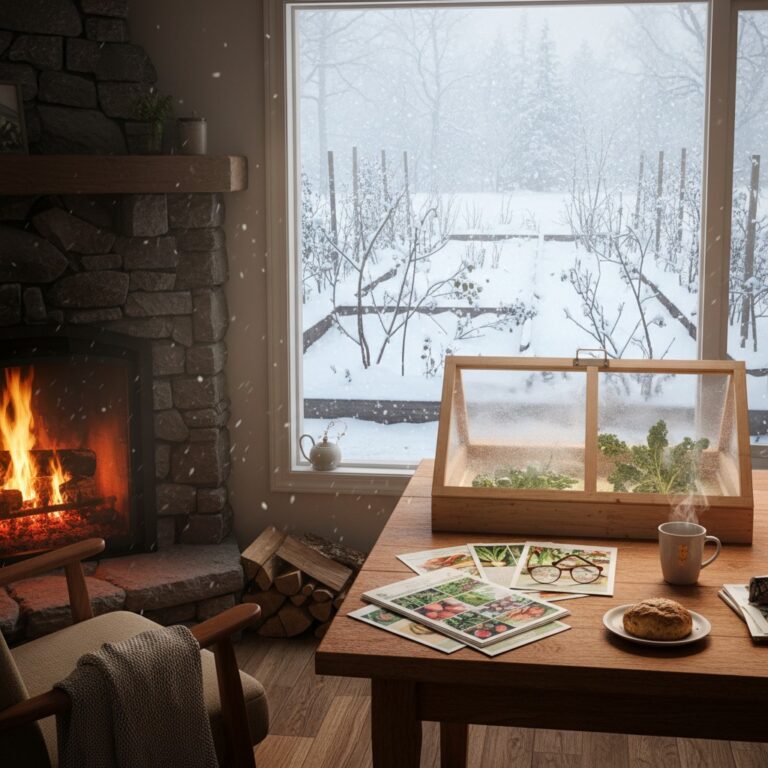
February is when the homestead starts to wake up. The days are getting noticeably longer, and if you listen carefully, you can hear the first whispers of spring under the ice. Seed catalogs are dog-eared and covered in coffee stains by now. It’s time to stop dreaming and start doing.
This is the month that separates the planners from the doers. Your January groundwork is about to pay off. Here’s everything that needs your attention this month.
Garden Tasks for February
Indoor Seed Starting
February is when seed starting shifts into high gear. Depending on your zone and last frost date, here’s what to get into trays:
Zones 3-5 (last frost mid-May to early June):
- Start onions and leeks if you haven’t already
- Begin peppers and eggplant in late February (they need 8-10 weeks indoors)
- Start celery and celeriac
- Herbs like parsley, oregano, and thyme
Zones 5-7 (last frost mid-April to mid-May):
- Tomatoes and peppers in mid to late February
- Broccoli, cauliflower, and cabbage for early spring transplanting
- Annual herbs and flowers
- Artichokes (they need a long season)
Zones 8-10 (last frost February to early March):
- You may be transplanting tomatoes and peppers outdoors already
- Direct sow cool-season crops: peas, lettuce, radishes, carrots
- Start warm-season crops like squash and melons indoors for March transplanting
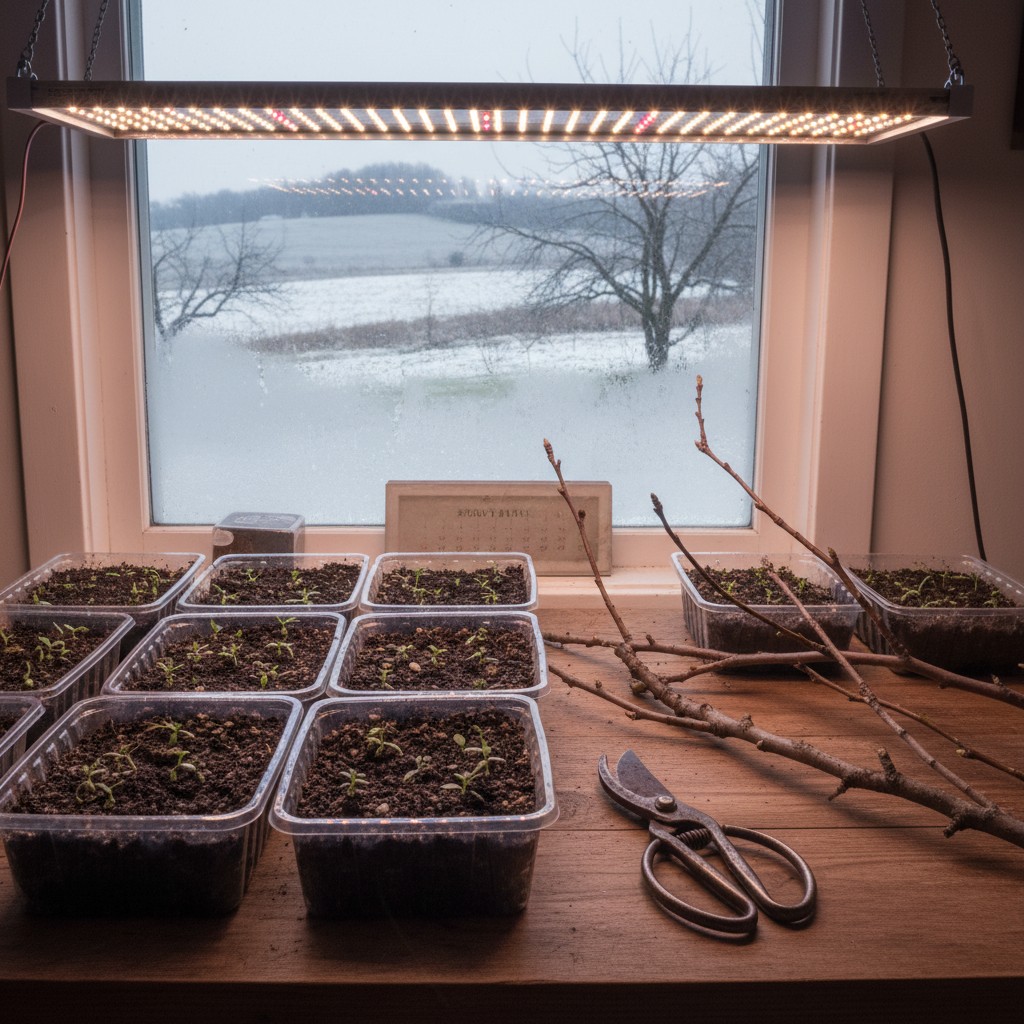
Here’s what most people miss about seed starting: temperature matters more than light for germination. Most seeds germinate best at 70-80 degrees Fahrenheit. Use a heat mat under your trays until seedlings emerge, then remove it and provide strong light immediately. Weak, leggy seedlings are almost always caused by insufficient light, not insufficient warmth.
Soil Testing
If you didn’t test your soil in the fall, February is your last good chance before planting season. You can use a home test kit for a rough idea, but I strongly recommend sending samples to your county extension office or a private lab. For about fifteen to twenty-five dollars per sample, you’ll get a detailed analysis of pH, nutrient levels, and organic matter content, plus amendment recommendations.
Collect samples from different garden areas — your raised beds, in-ground plots, and any new areas you plan to cultivate. Mark each sample clearly. Results typically take two to three weeks, giving you time to source and apply amendments before planting.
Cold Frame and Hoop House Planting
If you have cold frames or an unheated hoop house, February is a productive month. Plant cold-hardy greens like spinach, arugula, mache, claytonia, and Asian greens. Radishes germinate surprisingly well in cold frames during late February. The key is to plant on a mild day when the soil inside the frame has thawed.
Pruning Fruit Trees and Berry Bushes
Late February through early March is the ideal pruning window for most fruit trees — after the worst cold has passed but before buds break. Proper pruning is one of the highest-return activities on a homestead.
General pruning guidelines:
- Apple and pear trees: Remove dead, damaged, and crossing branches. Open up the center for air circulation and light penetration. Aim for a vase or central-leader shape depending on the variety.
- Peach and nectarine trees: Prune more aggressively — these fruit on new wood. Open vase shape is ideal.
- Grape vines: Prune hard in late February. Most grapes fruit on new growth from one-year-old wood.
- Blueberries: Remove old, unproductive canes (thick, gray wood) and thin out crossing branches.
- Raspberries: Cut fall-bearing varieties to the ground. For summer-bearing, remove only the canes that fruited last year (they’ll look brown and dead).
Always use sharp, clean tools. Dip pruners in a ten-percent bleach solution between trees to prevent spreading disease.
Kitchen and Preserving
Last of the Winter Preserves
February is your last real opportunity for winter preserving projects before spring takes over your schedule:
- Citrus preserves: Blood oranges, Meyer lemons, and grapefruits are at their peak. Make marmalade, curd, or preserved lemons.
- Fermented hot sauce: If you froze peppers last fall, now is a great time to thaw them and start a fermented hot sauce.
- Bone broth: Make large batches using saved bones from winter meals. Pressure can for shelf-stable storage or freeze in quart containers.
- Sprouts and microgreens: Grow fresh greens on your kitchen counter. They’re ready in days, packed with nutrition, and fill the gap before spring harvests.
Seasonal Cooking Focus
Root vegetables are still the stars of the kitchen. Parsnips actually taste better after a hard frost — their starches convert to sugars. Roast them with carrots, turnips, and a drizzle of maple syrup for a simple, satisfying side dish. Storage apples make excellent pies, crisps, and applesauce. If your pantry stores are running low, that’s valuable data for your garden plan.
Livestock and Animals
Ordering Chicks
If you want chicks from a reputable hatchery, February is the time to place your order. Popular breeds sell out months in advance. Decide what you want before you order:
- Egg production: Leghorns, Rhode Island Reds, Australorps, Easter Eggers
- Dual-purpose (eggs and meat): Plymouth Rocks, Orpingtons, Wyandottes, Sussex
- Cold-hardy breeds: Chanteclers, Buckeyes, Welsummers
- Heat-tolerant breeds: Leghorns, Easter Eggers, Andalusians
Order a few more than you think you need. Some chick loss is normal, and you may want to cull poor producers later. Most hatcheries require minimum orders of three to six chicks.
Ongoing Winter Livestock Care
Continue all winter care routines: unfrozen water, extra feed, dry bedding, and shelter maintenance. February can bring some of the nastiest weather of the year — ice storms, heavy snow, and wild temperature swings. Stay vigilant.
If you have pregnant goats or sheep due in late winter or early spring, watch for signs of pregnancy toxemia in the final weeks of gestation. Increase grain rations gradually and ensure access to quality hay. Assemble your kidding or lambing kit: clean towels, iodine for navels, feeding tube and colostrum replacer (just in case), and a heat lamp for the birthing stall.
Bee Care
On a warm February day (above 50 degrees Fahrenheit), do a quick external check on hives. Look for activity at the entrance. If a hive seems silent and you see no bees coming or going on a warm afternoon, it may have died over winter. Don’t open hives yet unless you’re experienced and conditions are right — you risk chilling the cluster. If colonies are light on stores, you can add a sugar board or fondant for emergency feeding.
DIY and Home Projects
Maple Sugaring (Zones 3-6)
For those in cold climates, February signals the start of maple sugaring season. Sap flows when daytime temperatures rise above freezing but nights drop below — those freeze-thaw cycles drive the sap. You don’t need a sugar bush with a hundred trees. Even two or three backyard sugar maples can produce enough sap for several pints of syrup.
Basic equipment needed:
- Spiles (taps) and buckets or tubing
- Collection containers
- A large pot or flat pan for boiling (outdoor propane burner works well — don’t boil indoors unless you want peeling wallpaper)
- Filter material and storage containers
It takes roughly 40 gallons of sap to make one gallon of syrup. The process is slow but deeply satisfying, and homemade maple syrup is incomparably better than store-bought.
Garden Infrastructure
If the ground isn’t frozen solid, February is excellent for building or repairing garden infrastructure:
- Build or repair raised beds
- Install new fence posts while the soil is moist and workable
- Construct trellises, bean towers, and tomato cages
- Build a potting bench or seed-starting station
- Repair greenhouse glazing and check heaters
Coop Preparation
If chicks are coming in April or May, the brooder and coop need to be ready well in advance. Clean out the chicken coop thoroughly. Repair roosts, nesting boxes, and any gaps in walls or flooring where predators could enter. Set up a brooder area in a garage, basement, or outbuilding with a heat source, waterer, feeder, and pine shavings.
Planning Ahead
March Preparation Checklist
- Seed inventory: Confirm all ordered seeds have arrived. Germination test any older seeds you’re planning to use.
- Compost: If your compost pile is accessible, turn it on a mild day. If it’s frozen solid, plan to turn it as soon as it thaws.
- Soil amendments: Based on soil test results, purchase lime, sulfur, compost, or fertilizers you’ll need for spring bed preparation.
- Season extension: Order row cover fabric, garden fleece, or low tunnel hoops if you plan to push the season.
- Irrigation: If you need new soaker hoses, drip tape, or sprinklers, order them now. Spring demand creates shortages.
The Mental Shift
February is the bridge between winter dormancy and spring chaos. Use the remaining quiet days wisely. Finish reading that book on soil health. Watch instructional videos on grafting fruit trees. Attend a local seed swap or gardening workshop. These investments in knowledge pay dividends for years.
In my experience, the homesteaders who burn out are the ones who skip February’s preparation and try to do everything in a panicked rush when warm weather hits. Take it step by step. March will come whether you’re ready or not — make sure you’re ready.
Frequently Asked Questions
When exactly should I start tomato seeds indoors?
Count backward six to eight weeks from your last expected frost date. In Zone 5 with a mid-May last frost, that means starting tomatoes around mid to late March. In Zone 7 with an April last frost, start in mid-February. In Zones 8-10, you may be starting in January or buying transplants to set out in February. Starting too early creates overgrown, rootbound transplants that struggle after transplanting.
Is it too late to prune fruit trees in late February?
Late February is actually ideal in most zones. You want to prune during dormancy but after the worst cold snaps have passed. The one exception is if buds have already begun to swell significantly — once you see green tissue, you’ve missed the optimal window and should prune more conservatively. Stone fruits (cherries, peaches, plums) are best pruned later in dormancy to reduce disease risk.
How many chicks should I order for a family of four?
For egg production, six to eight hens will keep a family of four well-supplied with eggs through most of the year (expect four to six eggs per day from good layers during peak production). Order eight to ten chicks to account for potential losses and the possibility of receiving a rooster despite ordering pullets. If you want heritage or dual-purpose breeds, they lay fewer eggs, so add two or three more to your count.
Can I start seeds without grow lights?
A bright south-facing window can work for a few seedlings, but most gardeners will get far better results with even a basic shop light using daylight-spectrum bulbs. Seedlings need 14-16 hours of strong light daily. Windows rarely provide enough intensity, which leads to weak, stretched seedlings. A two-bulb shop light hung two to three inches above seedlings costs little and makes a dramatic difference in seedling quality.