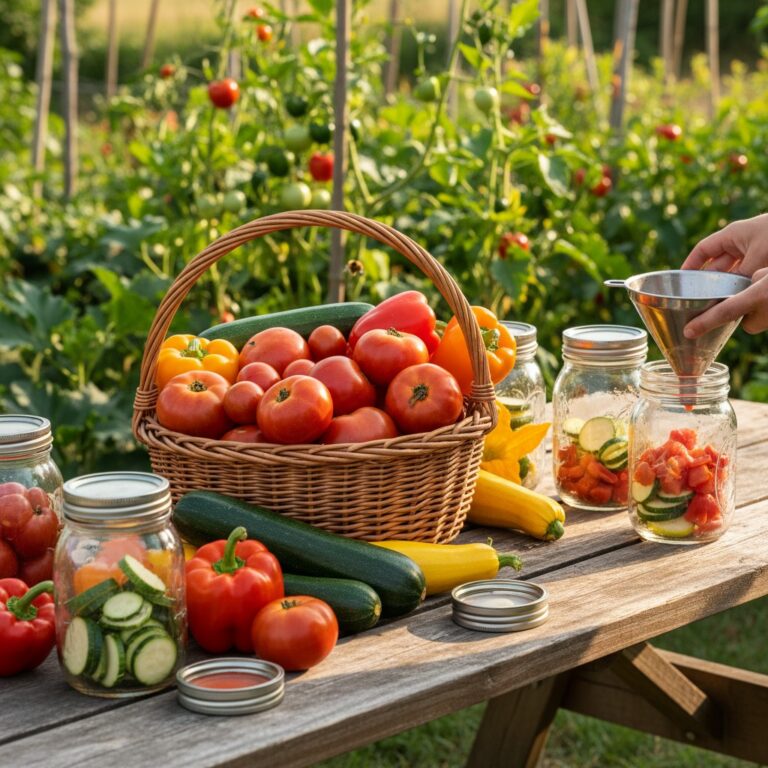
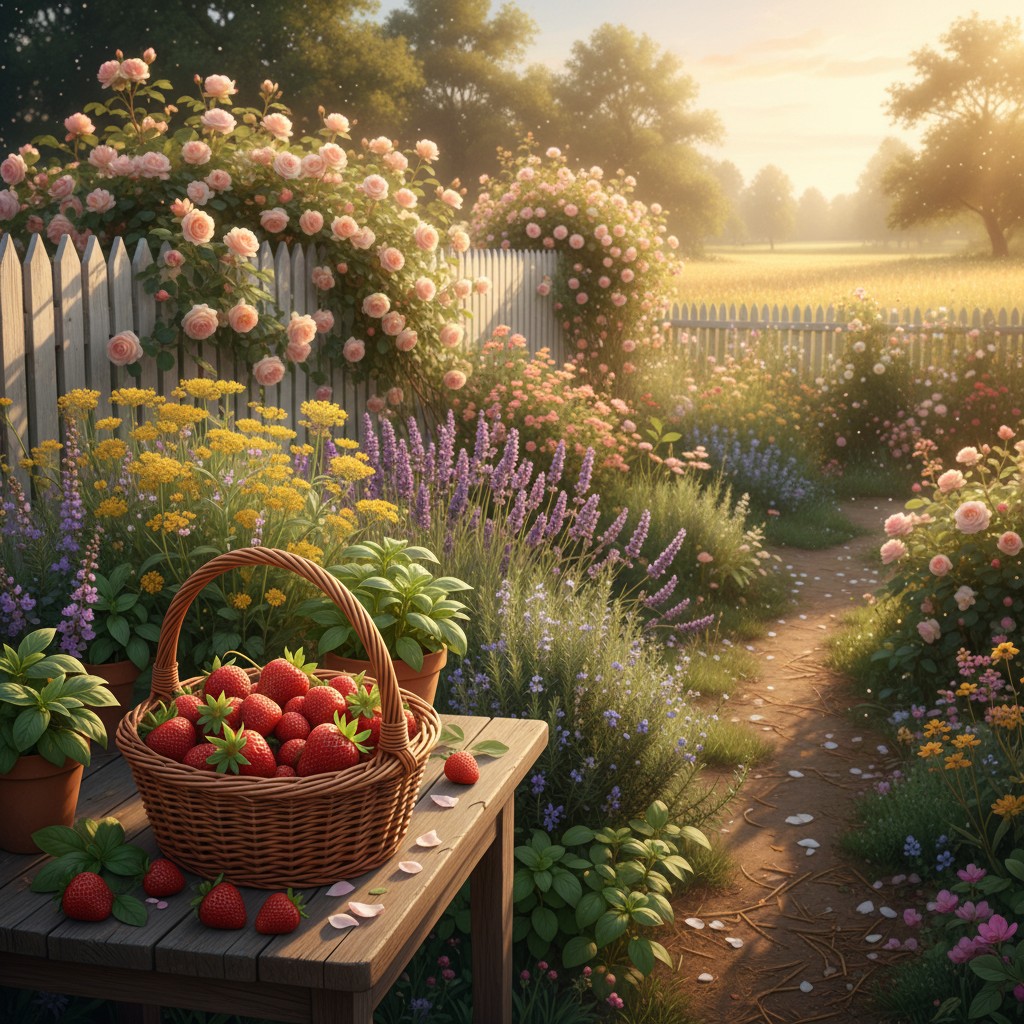
June garden with strawberry harvest basket and herbs in bloom

Your June Homestead Guide: What to Do This Month

Key Takeaways

  • June brings peak garden growth and the first major harvests — strawberries, peas, early beans, and an abundance of greens and herbs.
  • Begin preserving season with strawberry jam, herb drying, and freezing early harvests.
  • Stay on top of watering, weeding, and pest management as everything grows rapidly — including weeds and pest populations.
  • Prepare chickens and livestock for summer heat with shade, extra water, and ventilation.
  • Start seeds for fall crops now — it seems early, but timing is critical for Brussels sprouts, cabbage, and broccoli.

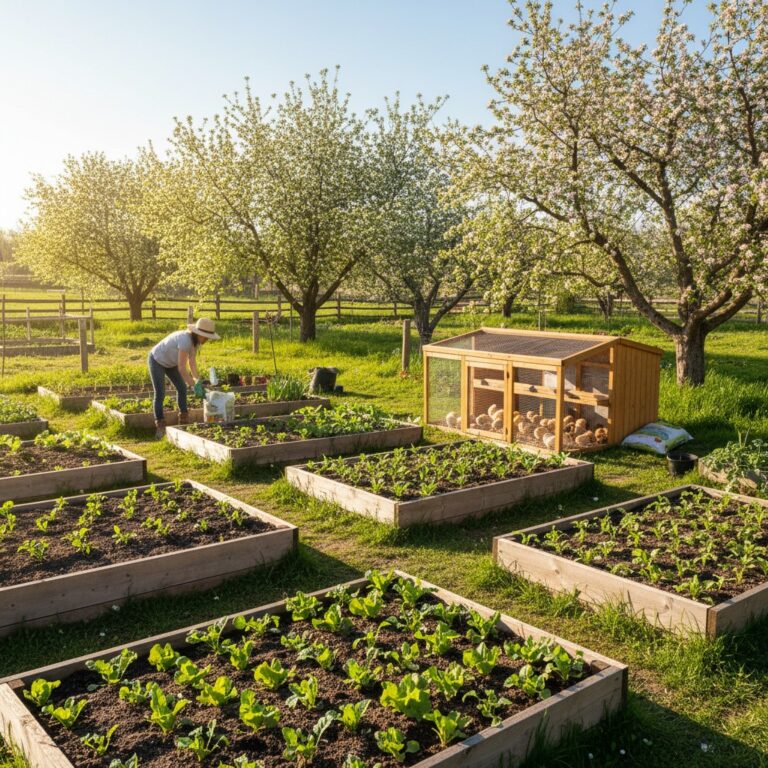
June is when the homestead hits its full stride. The garden is lush and growing so fast you can almost watch it happen. Strawberry beds are loaded with red fruit. Peas are climbing trellises. Tomato plants are flowering and setting their first fruits. The herb garden is overflowing. After months of planning, planting, and patient waiting, June is the payoff.

But June is also when the workload shifts dramatically. You’re no longer planting and preparing — you’re maintaining, harvesting, and preserving. The garden doesn’t wait for weekends. Here’s how to manage everything this month brings.

Garden Tasks for June

Peak Garden Growth

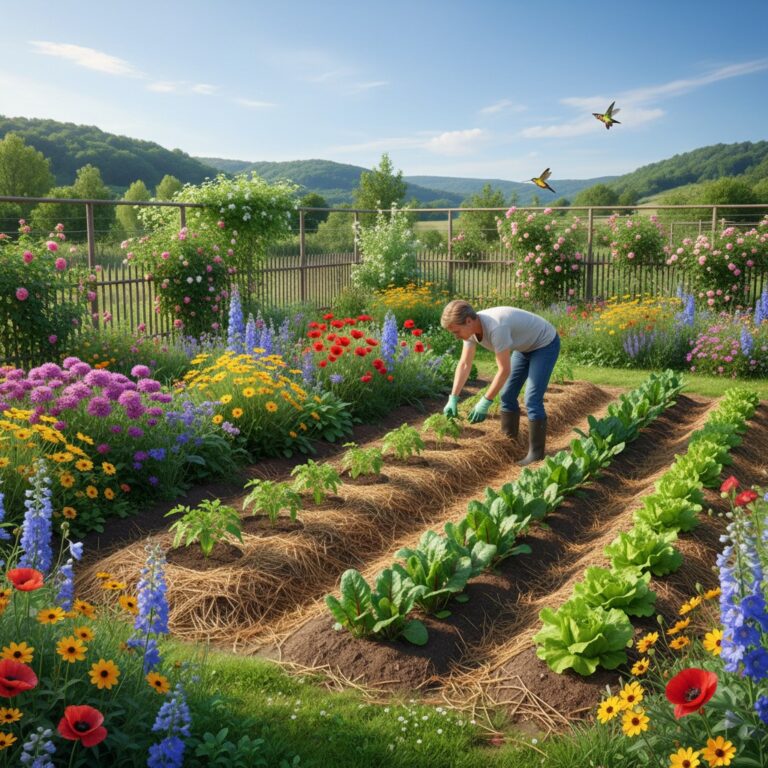
Everything is growing at maximum speed in June. Warm soil, long days, and (usually) adequate moisture create explosive growth. Your job is to keep up with it.

Daily or near-daily tasks:

  • Harvest ripe crops — beans, peas, and squash produce more when picked frequently
  • Water as needed, especially newly planted crops and containers
  • Check for pest damage and disease symptoms
  • Tie up and train vining crops to their supports

Weekly tasks:

  • Weed between rows and around plant bases
  • Side-dress heavy feeders like tomatoes, peppers, and corn with compost or organic fertilizer
  • Check mulch depth and add more where it’s thinning
  • Sucker indeterminate tomatoes
  • Monitor irrigation system for clogs and leaks

First Major Harvests

June harvests vary by zone, but here’s what’s typically coming in:

Zones 3-5: Lettuce, spinach, radishes, peas, asparagus (final harvests), rhubarb, strawberries (late June), early herbs. Cool-season crops are at peak production.

Zones 5-7: All of the above, plus early beans, cucumbers starting in late June, summer squash beginning, garlic scapes, new potatoes, and an abundance of herbs. Strawberry season hits hard this month.

Zones 8-10: Tomatoes, peppers, squash, cucumbers, melons, peaches, and figs depending on your specific location. Warm-zone gardens are in full summer production mode.

Strawberry Season

If there’s one crop that defines June, it’s strawberries. Whether you have a dedicated bed of June-bearing varieties or everbearing plants scattered through the garden, this is the month to harvest aggressively.

Pick strawberries every day or every other day. Ripe berries left on the plant attract slugs, birds, and rot. Pick in the morning when berries are cool. Handle gently — strawberries bruise easily and deteriorate fast once picked.

For June-bearing varieties, the harvest window is typically two to three weeks. In my experience, you need to be ready for an avalanche of berries during peak week. Have your preserving plan in place before the first berry ripens.

After harvest finishes for June-bearing types, renovate the bed: mow the foliage to three inches, narrow the rows, remove old and weak plants, fertilize, and water well. This seems brutal but produces a stronger, more productive bed next year.

Herb Harvesting and Drying

June is the ideal month for major herb harvests. Most herbs are at peak flavor just before they bloom. Harvest in the morning after dew has dried but before the heat of the day.

Herbs to harvest and preserve in June:

  • Oregano: Cut back by two-thirds when flower buds appear. It will regrow for a second harvest in late summer.
  • Thyme: Harvest sprigs freely. Thyme dries beautifully — bundle and hang in a warm, dry spot.
  • Sage: Harvest before flowering for best flavor. Dry on screens or in a dehydrator.
  • Mint: Cut back hard — mint is aggressive and benefits from a severe haircut. Dry for tea or freeze in ice cube trays.
  • Chives: Harvest both leaves and blossoms. Chive blossoms make gorgeous edible garnishes and infused vinegar.
  • Dill: Harvest leaves (dill weed) now. Let some plants go to seed for pickles later.
  • Basil: Pinch off flower buds continuously to encourage bushy growth and leaf production. Harvest entire stems for pesto.

Drying herbs is the easiest preservation method. Bundle five to seven stems together, tie with string, and hang upside down in a warm, dry, well-ventilated area out of direct sunlight. Most herbs are dry in one to two weeks. Strip leaves from stems and store in airtight jars away from heat and light. Properly dried herbs retain good flavor for a year.

Succession Planting Continues

Don’t stop planting just because the garden is full. June succession sowings include:

  • Bush beans every three weeks
  • Lettuce (heat-resistant varieties) every two weeks — provide afternoon shade in warm zones
  • Cucumbers for a later harvest if space allows
  • Summer squash to replace early plantings that will burn out by August
  • Beets and carrots for fall harvest (sow in late June)

Summer Solstice Gardening

The summer solstice (around June 20-21) marks the longest day of the year and a turning point. Plants receive maximum sunlight for growth and fruit production. It’s also a psychological marker — from here on, days get shorter. Use the solstice as a checkpoint: are your warm-season crops on track? Is anything lagging that needs attention? The next twelve weeks are prime growing time, and plants that are healthy and well-established by solstice will produce abundantly through summer.

Kitchen and Preserving

Preserving Begins in Earnest

June marks the real start of preserving season. Start with manageable projects and build momentum.

Strawberry Jam: The quintessential June preserving project. A basic recipe needs only strawberries, sugar, and pectin (or lemon juice for low-sugar versions). Process in a boiling water bath for shelf-stable storage. If you’re new to canning, strawberry jam is the perfect first project — it’s simple, forgiving, and the results are spectacular.

A simple approach to strawberry jam:

  1. Crush four cups of fresh strawberries
  2. Combine with sugar and pectin per your pectin package directions
  3. Bring to a rolling boil and cook for one minute
  4. Ladle into hot, sterilized half-pint jars, leaving quarter-inch headspace
  5. Process in a boiling water bath for ten minutes
  6. Cool on a towel and listen for the satisfying pop of sealing lids

Freezer Strawberries: For those who don’t want to can, freezing is even easier. Wash, hull, and spread berries on a sheet pan in a single layer. Freeze until solid, then transfer to freezer bags. Frozen this way, berries stay separate and you can grab exactly the amount you need.

Herb Preservation: Beyond drying, consider making compound butters (freeze in logs), pesto (freeze in ice cube trays), herb-infused oils (refrigerate and use within two weeks), and herb salt (mix chopped herbs with coarse salt and dehydrate).

Pickled Garlic Scapes: If you grow hardneck garlic, you’ll harvest curly scapes in June. Beyond eating them fresh (grilled or in stir-fries), they pickle beautifully and make a tangy, garlicky condiment.

Seasonal Cooking

June cooking is a joy. Fresh ingredients are everywhere and meals practically make themselves:

  • Massive salads with a dozen different garden ingredients
  • Grilled vegetables — squash, peppers, onions, and corn fresh from the garden
  • Pesto with fresh basil, garlic scapes, and herbs
  • Strawberry desserts: shortcake, pavlova, pies, and simply served with cream
  • Cold soups like gazpacho as temperatures rise
  • Fresh herb lemonade and iced teas (mint, lemon balm, chamomile)

Livestock and Animals

Chicken Heat Preparation

As temperatures climb, heat stress becomes a real threat to poultry. Chickens don’t sweat — they cool themselves by panting and holding their wings away from their bodies. When temperatures exceed 85-90 degrees Fahrenheit, watch for signs of heat stress: open-mouth panting, lethargy, reduced feed intake, and pale combs.

Heat management strategies:

  • Shade: Ensure the run has adequate shade. Tarps, shade cloth, or strategically planted shrubs all work.
  • Water: Provide multiple waterers and refresh them with cool water at least twice daily in hot weather. Add ice on extreme days.
  • Ventilation: Open coop windows and vents. Add a fan for air circulation if electricity is available.
  • Frozen treats: Freeze chunks of watermelon, berries, or corn for a cooling afternoon snack.
  • Electrolytes: Add electrolytes to water during heat waves. A simple homemade version: one tablespoon of apple cider vinegar per gallon of water.
  • No afternoon scratch grains: Digesting whole grains generates body heat. Feed scratch in the morning only during hot months.

Egg Production

June typically brings peak egg production. Long days mean maximum laying stimulus. Collect eggs at least twice daily in hot weather to prevent spoilage and discourage broodiness. If a hen goes broody (sits on eggs constantly, puffs up when disturbed, and stops laying), decide quickly whether you want her to hatch eggs or whether you need to break the broodiness.

General Livestock Notes

For all livestock in June:

  • Fly control: Flies become a serious issue this month. Use fly traps, fly predators (parasitic wasps that attack fly larvae), and manure management to reduce populations.
  • Pasture rotation: Rotate animals through paddocks to prevent overgrazing and manage parasites. June growth allows for faster rotation.
  • Water check: All animals need significantly more water in warm weather. Check automatic waterers and natural water sources daily.
  • Hoof care: Trim hooves that have grown during wet spring months. Goats and sheep especially need regular hoof maintenance.

Bee Care

June is typically the peak of the nectar flow. Hives should be building up rapidly. Check supers and add more when the current ones are seventy percent full — bees that run out of space will swarm. Watch for queen cells, which indicate swarm preparations. If you want to increase your apiary, a split from a strong hive in June has excellent chances of building up before winter.

DIY and Home Projects

Season Extension Prep

It seems premature, but June is the time to plan fall and winter season extension. Order cold frame materials, greenhouse plastic, or low tunnel hoops. These items sell out as fall approaches. If you build a cold frame this summer, you’ll be grateful come November when you’re harvesting fresh salad greens while the main garden sleeps.

Outdoor Living Improvements

June’s long evenings are perfect for projects that improve your daily homestead life:

  • Build or improve an outdoor kitchen or cooking area for preserving season — canning in the kitchen heats the house unbearably in summer
  • Install a clothesline if you don’t have one — solar-dried laundry is free and smells incredible
  • Build a garden bench or seating area where you can enjoy the space you’ve created
  • Set up an outdoor shower near the garden — nothing beats rinsing off after a sweaty day of gardening

Compost Management

June generates enormous amounts of compostable material: grass clippings, garden trimmings, kitchen scraps from cooking with fresh produce, and weeds (avoid composting weeds that have gone to seed). Turn your pile frequently in warm weather. A well-managed pile can produce finished compost in as little as four to six weeks during summer’s heat. You’ll want this compost for fall garden prep.

Planning Ahead

Fall Garden Seeds

Here’s what most people miss: fall garden planning starts in June. Some crops need to be started now for fall harvest:

  • Brussels sprouts: Start indoors in early June for transplanting in late July. They need a long season and actually improve with frost.
  • Fall cabbage: Start seeds indoors in mid-June.
  • Broccoli for fall: Start seeds in late June to early July.
  • Winter squash (second planting): Direct sow in early June in longer-season zones for a fall harvest.

Count backward from your first expected fall frost date to determine planting times. Add two weeks to account for shorter days and slower growth in autumn.

July Preparation

  • Canning supplies: Ensure you have adequate jars, lids, and rings. July and August bring the heaviest canning workload.
  • Freezer space: Organize your freezer and use up older items to make room for this year’s harvest.
  • Harvest tools: Sharpen garden knives, gather harvest baskets, and prepare your processing station.
  • Garlic harvest prep: Watch for lower leaves yellowing on garlic plants — harvest is typically in July when about half the leaves have yellowed.

June is the month where the homestead hums with abundance. The work is real and relentless, but so is the reward. Every jar of strawberry jam you seal, every basket of peas you pick, every egg you collect is tangible proof that this life works. Savor the long days. They go faster than you think.

Frequently Asked Questions

How do I keep lettuce from bolting in June heat?

Choose heat-resistant varieties like Jericho, Muir, or Nevada. Provide afternoon shade with shade cloth (thirty to fifty percent) or plant on the north side of taller crops like tomatoes or corn. Water consistently — moisture stress accelerates bolting. Succession plant every two weeks with fresh seed so you always have young, non-bolting plants coming along. Once a lettuce plant starts to bolt (center stalk elongates, leaves turn bitter), pull it and compost it — there’s no reversing the process.

Is it too late to plant anything in June?

Not at all. June is a great time to plant bush beans, summer squash, cucumbers, and many herbs. You can still transplant tomatoes in early June in cooler zones. Succession plant lettuce, radishes, and carrots for fall harvest. In fact, seeds planted in June’s warm soil often germinate faster and catch up to earlier plantings quickly. The growing season is far from over.

How much strawberry jam can I expect from a 25-foot strawberry bed?

A well-maintained 25-foot bed of June-bearing strawberries can produce 25-50 pounds of berries during peak season. One pound of strawberries yields roughly one to one and a half cups of crushed berries. A standard batch of jam uses about four cups of crushed berries and makes four to five half-pint jars. So from a productive 25-foot bed, you could realistically make 15-30 half-pint jars of jam, plus have plenty for fresh eating and freezing. Yields vary enormously based on variety, soil, weather, and bed age.

What should I do about Japanese beetles appearing in June?

Japanese beetles typically emerge in late June and are voracious feeders on roses, beans, grapes, and many other plants. The most effective control for small homestead gardens is hand-picking. Go out in the early morning when beetles are sluggish and knock them into a bucket of soapy water. Avoid Japanese beetle bag traps — research consistently shows they attract more beetles to your yard than they catch. For long-term control, apply milky spore or beneficial nematodes to your lawn and garden soil to kill the grub stage. Row cover protects vulnerable crops during peak beetle season.

Similar Posts