Your September Homestead Guide: What to Do This Month
Key Takeaways (TL;DR)
- September is the month to plant garlic, choose your varieties now and get them in the ground before the soil freezes.
- Apple season is here: make cider, sauce, butter, and dried rings to stock your pantry.
- Plant cover crops in empty garden beds as soon as summer crops are finished.
- Begin winterizing your chicken coop, add ventilation, check for drafts, and deep-clean before cold weather arrives.
- Stack and organize firewood now while conditions are dry and pleasant.
September At a Glance: Fall Planting + Harvest Push
| Crop / Task | Action | Timing | Notes |
|---|---|---|---|
| Garlic | Plant cloves | After first frost, before ground freezes | Largest cloves = largest bulbs |
| Cover crops | Sow cereal rye, crimson clover, vetch | 4–6 weeks before first frost | Builds spring soil tilth |
| Spinach | Direct sow for overwintering | 8 weeks before hard freeze | First spring harvest |
| Tomatoes | Top to ripen remaining fruit | 3–4 weeks before frost | Cut 2″ above top truss |
| Winter squash | Cure on vine | Before frost | Hard rind = ready |
| Apple harvest | Pick when stem detaches easily | Mid-late Sept | Lift, twist, pull |
| Coop winterizing | Add roost bars, plug drafts | Before nights below 40°F | Don’t seal — ventilation matters |
Three September Decisions — Honest Tradeoffs
Plant garlic now vs wait until October
Pros: Cloves develop a strong root system before ground freeze, head start on spring growth, full-size bulbs at June harvest, less risk of frost-heaving over winter.
Cons: Top growth before winter can attract pests if mulch is too thin, requires immediate planning (you need cloves in hand), in warm zones (8+) early planting can trigger top growth that gets damaged by hard freezes.
Cover crop vs leave beds bare
Pros: Cover crops prevent soil erosion, fix nitrogen (legumes), build organic matter, suppress winter weeds, improve next-year soil structure dramatically.
Cons: Requires terminating in spring (mow + tarp 2–3 weeks before planting, or till in), can host pest populations if poorly chosen, costs $20–60 in seed for an average garden, takes a learning curve to get the timing right.
Top tomato plants vs let them keep flowering
Pros: Concentrates plant energy into ripening existing green fruit before frost, gives you 2–4 more weeks of usable tomatoes vs lots of green-tomato-pickle potential, simpler fall cleanup with smaller plants.
Cons: You lose any fruit that would have set in those final flowers, the plants look ratty for the last few weeks, in long-warm-fall zones (8+) you sacrifice productive growing time, hard psychological move to do mid-season.
September Fall Planting & Harvest Prep
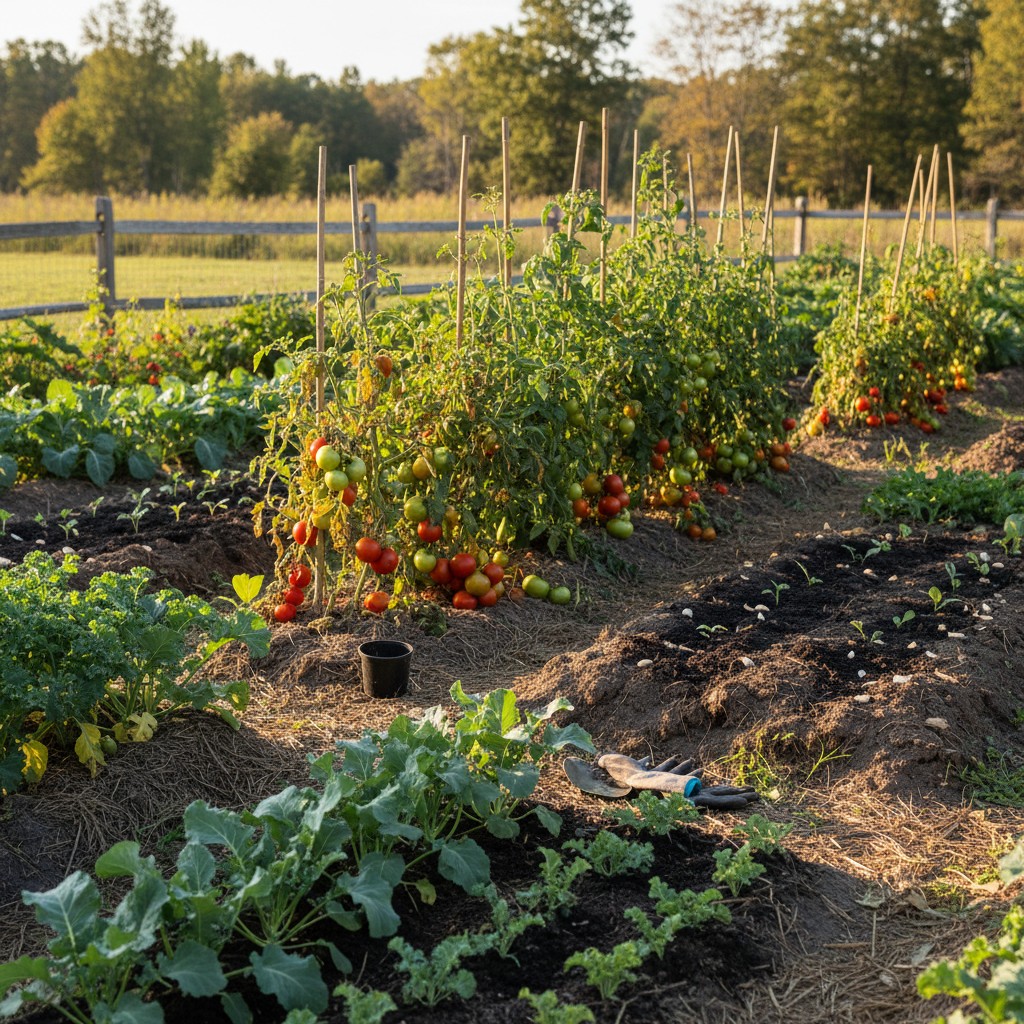
September brings a shift in energy on the homestead. The frantic pace of high summer eases just slightly, and the garden starts its slow transition from production to preservation and preparation. The light changes, mornings carry a chill, and there’s a quiet urgency to everything, get it done before the frost, while conditions are still good, while there’s still time.
In my experience, September is the month that determines how well your homestead handles winter. The work you do now pays off for months.
Fall Planting in Earnest
September is your last major planting window for the year, and it’s an important one.
Zones 3-4: Your planting window is closed for outdoor crops, though you can still get lettuce, spinach, and radishes started under row covers or in cold frames for late fall harvesting. Focus on cover crops and garlic planting (mid to late September).
Zones 5-7: Direct sow lettuce, spinach, kale, radishes, turnips, and Asian greens early in the month. Transplant any remaining fall brassicas. Plant garlic cloves mid-September through mid-October, depending on your first frost date.
Zones 8-10: This is your prime fall planting month. Sow or transplant nearly everything, broccoli, cauliflower, cabbage, lettuce, carrots, beets, peas, and more. Your fall garden can be just as productive as your summer one.
Garlic Planting
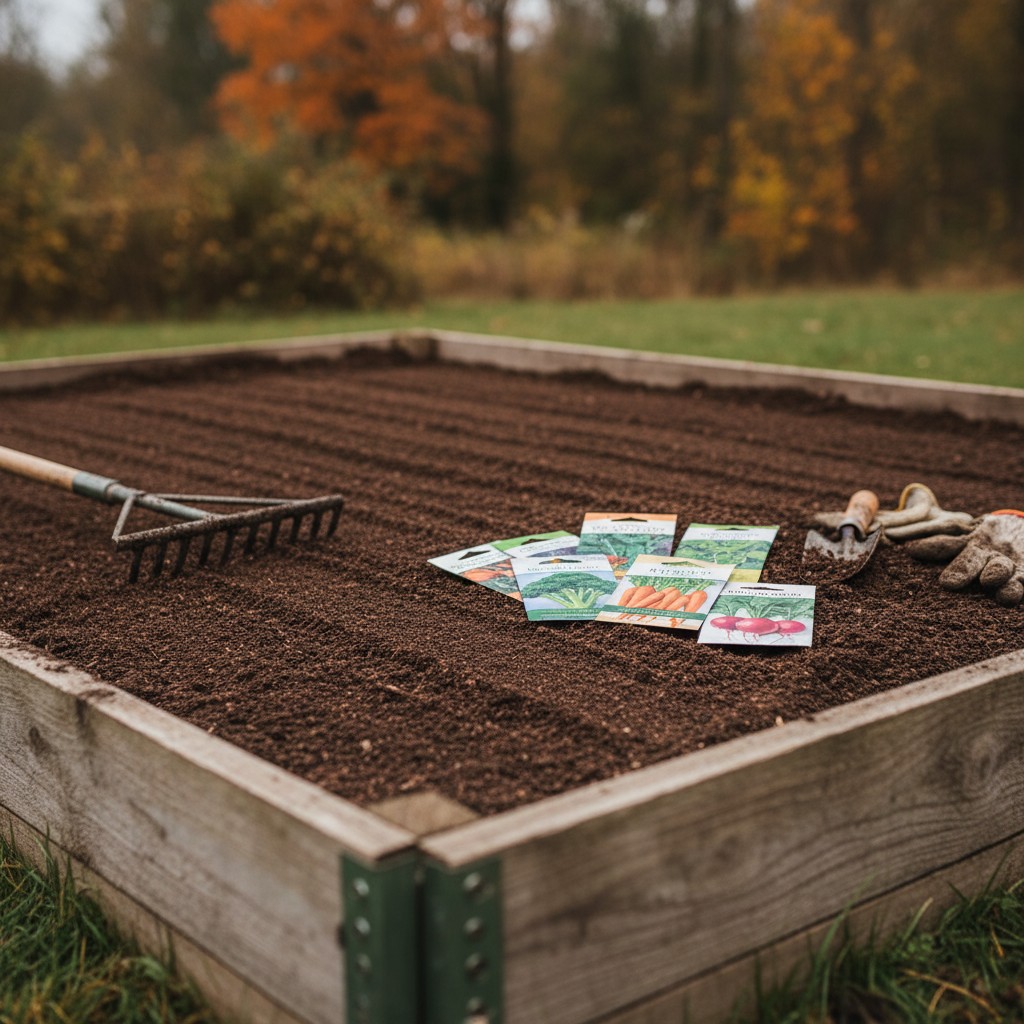
If there’s one thing you plant this month, make it garlic. Garlic planted in fall develops a strong root system before winter, then takes off growing in early spring to produce large, flavorful bulbs by midsummer.
Here’s what you need to know:
- Choose seed garlic from a reputable source, grocery store garlic is often treated to prevent sprouting and may not be suited to your climate.
- Break bulbs into individual cloves just before planting. Choose the largest cloves and save smaller ones for cooking.
- Plant cloves pointed end up, 2-3 inches deep, spaced 6 inches apart in rows 12 inches apart.
- Cover with 4-6 inches of straw mulch after the ground freezes (or immediately in warmer zones).
- Choose hardneck varieties for Zones 3-6 (better cold hardiness, easier to peel, produces scapes). Softneck varieties work well in Zones 7-10 (longer storage, more cloves per bulb).
Cover Crops
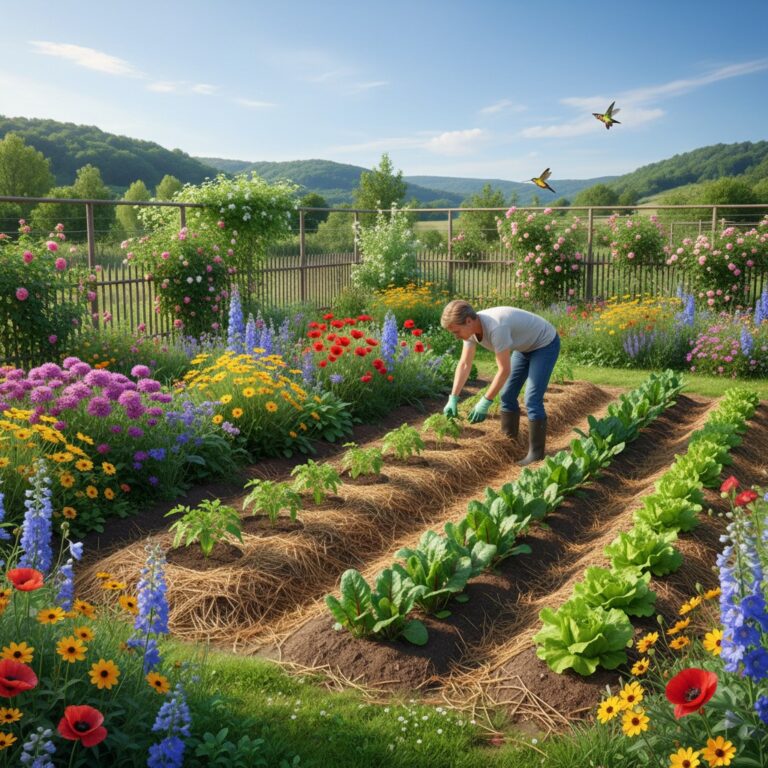
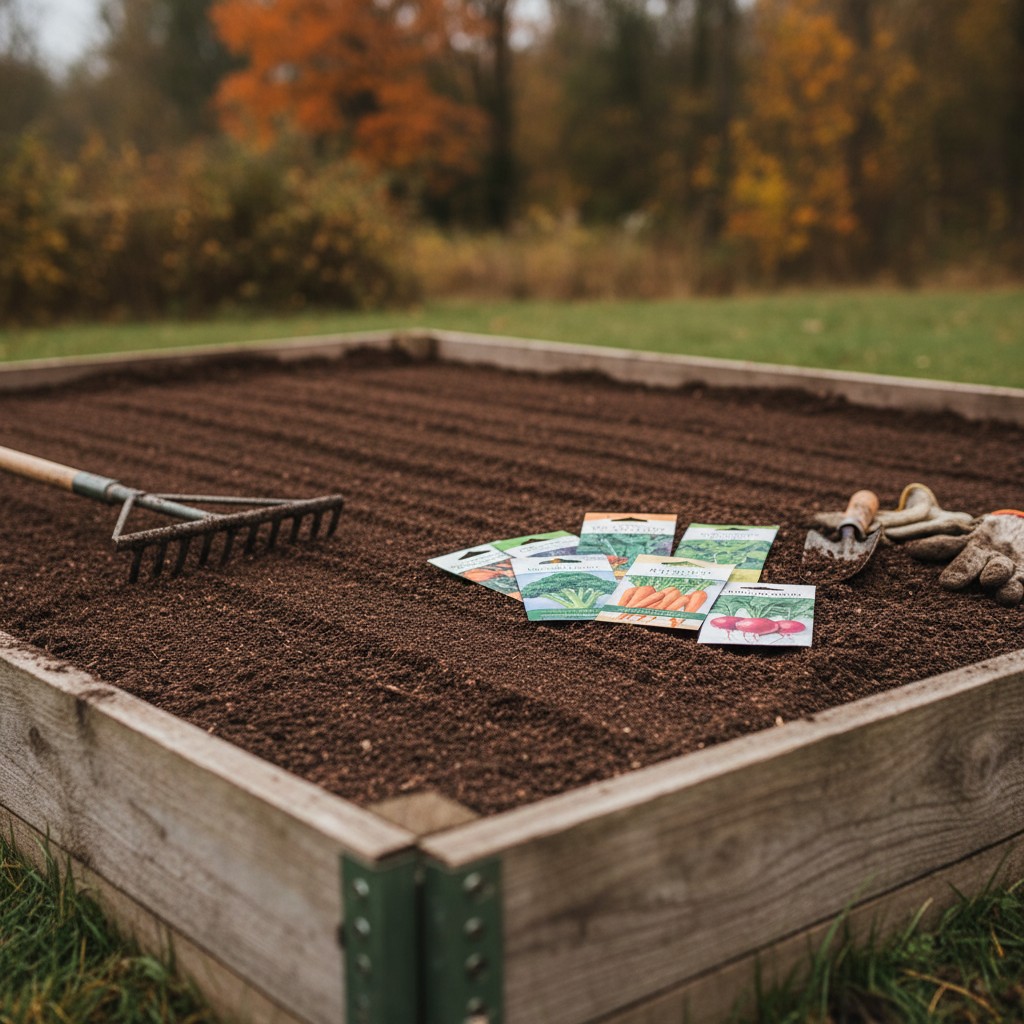
As summer crops finish, don’t leave bare soil over winter. Cover crops protect against erosion, suppress weeds, build organic matter, and fix nitrogen in the soil. This is one of the simplest, most impactful things you can do for your garden’s long-term health.
Good September cover crop options:
- Winter rye: The hardiest option. Grows in almost any soil and survives even brutal winters. Excellent for weed suppression.
- Crimson clover: Fixes nitrogen. Beautiful red flowers in spring. Best for Zones 6 and warmer.
- Field peas and oats: A classic combination. Peas fix nitrogen, oats add biomass. Winter-kills in cold zones, making spring bed prep easy.
- Hairy vetch: Outstanding nitrogen fixer. Aggressive grower, plan how you’ll terminate it in spring.
Broadcast seed, rake lightly into the soil surface, and water if rain isn’t expected. That’s it. Cover crops are the easiest “planting” you’ll do all year.
Final Summer Harvests
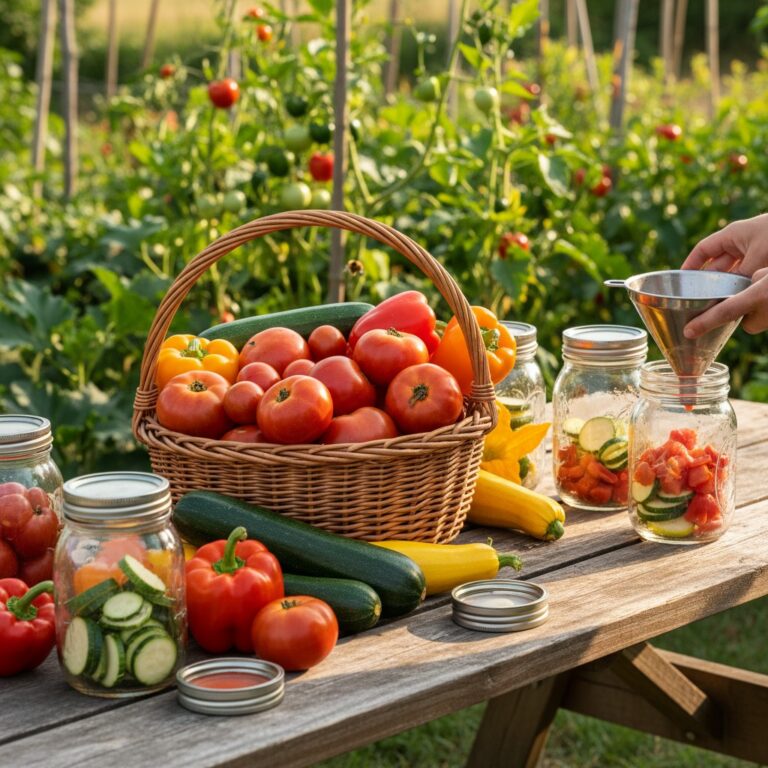
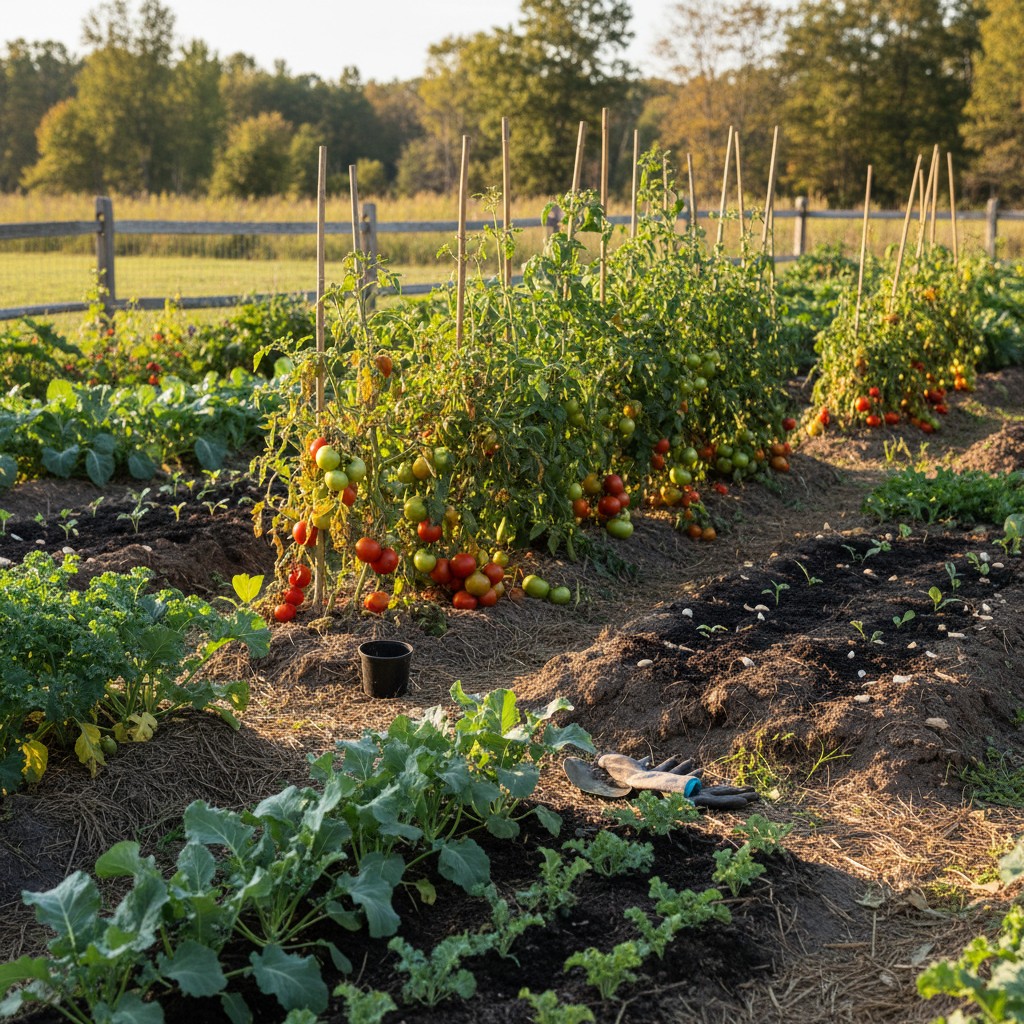
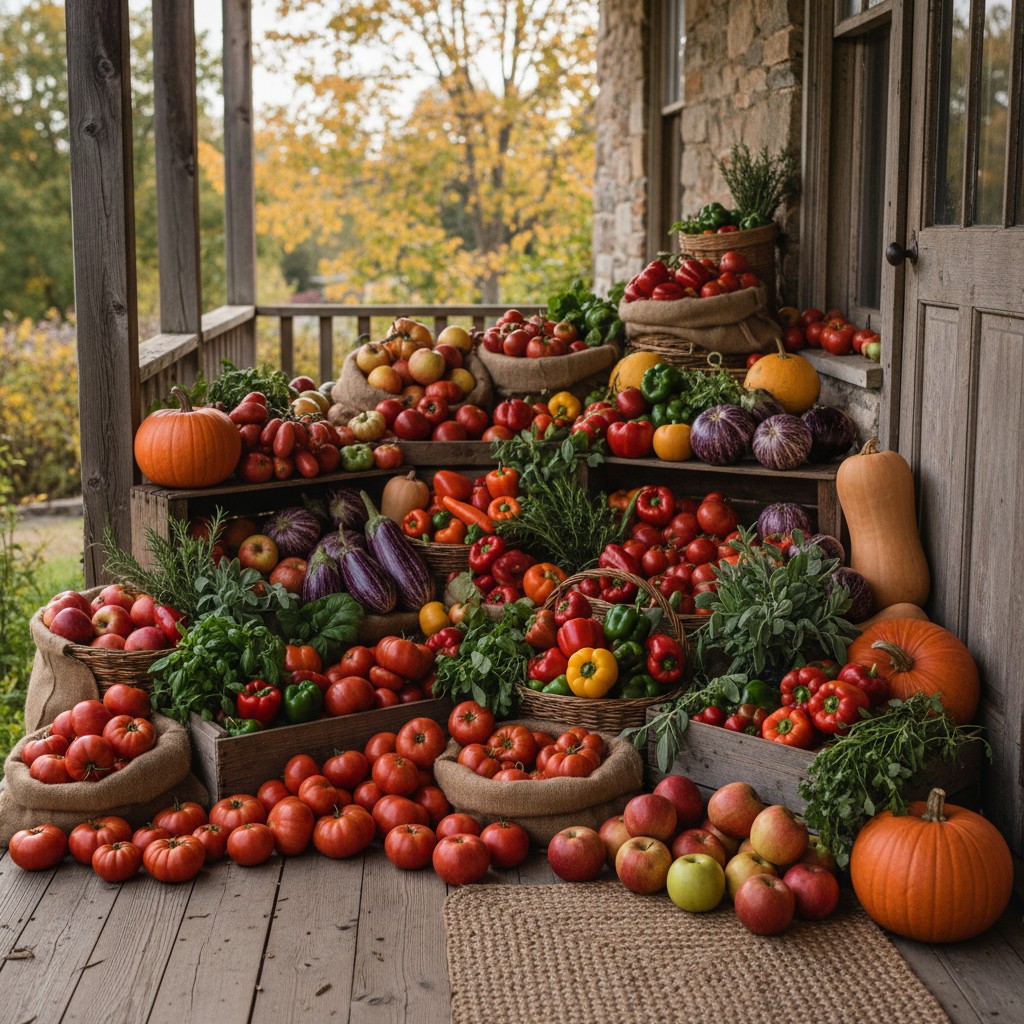
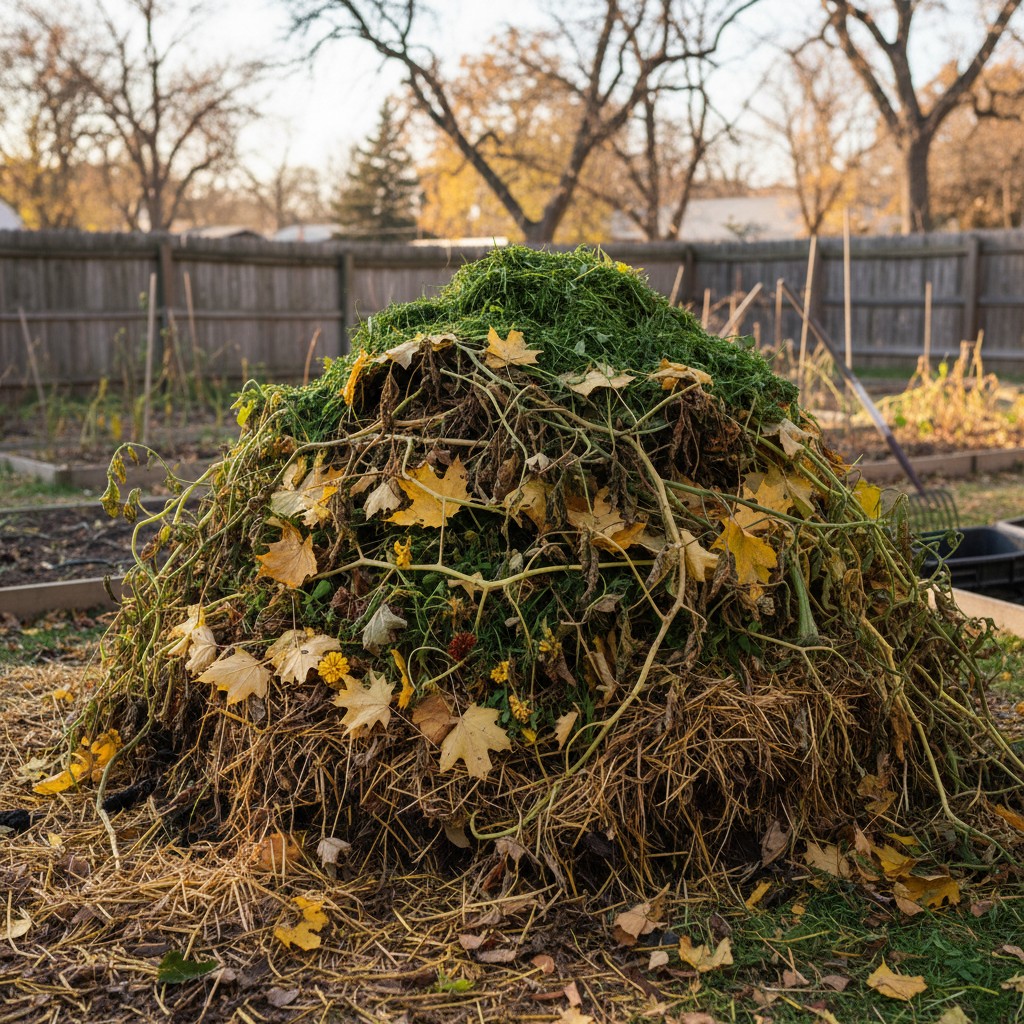
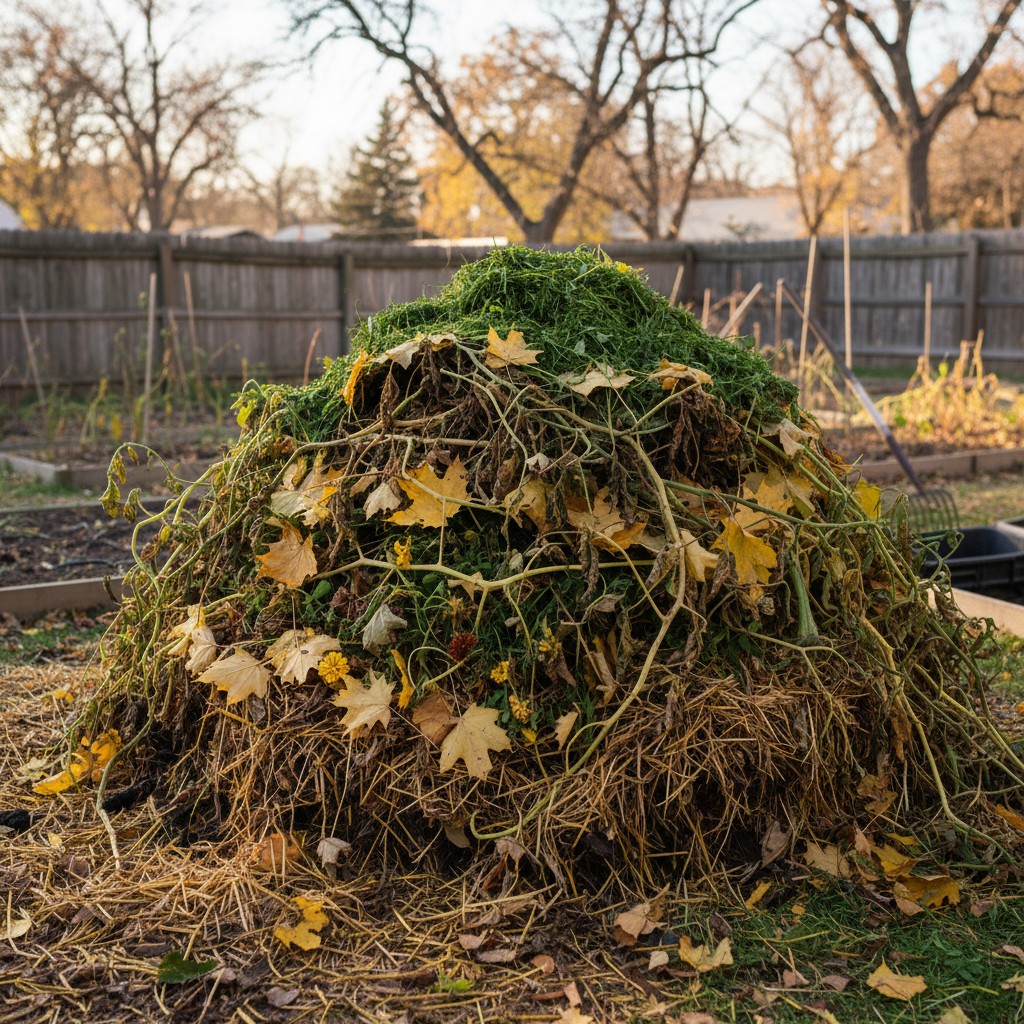
Keep picking tomatoes, peppers, eggplant, and squash until frost threatens. Green tomatoes that won’t ripen on the vine can be brought indoors to ripen on a windowsill, or used for fried green tomatoes, green tomato relish, and chutney. Pull spent plants as they finish and compost them (unless they were diseased, those go in the trash).
Kitchen and Preserving
Apple Season
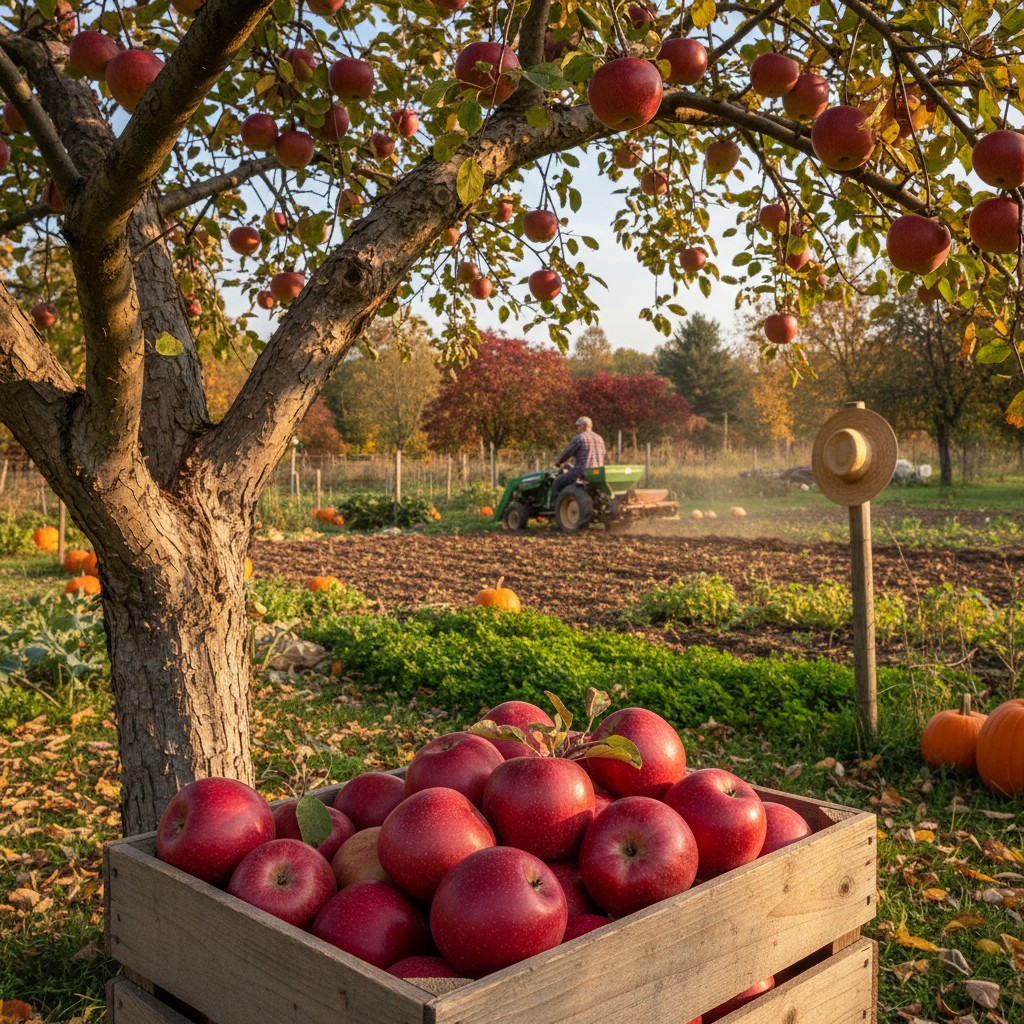
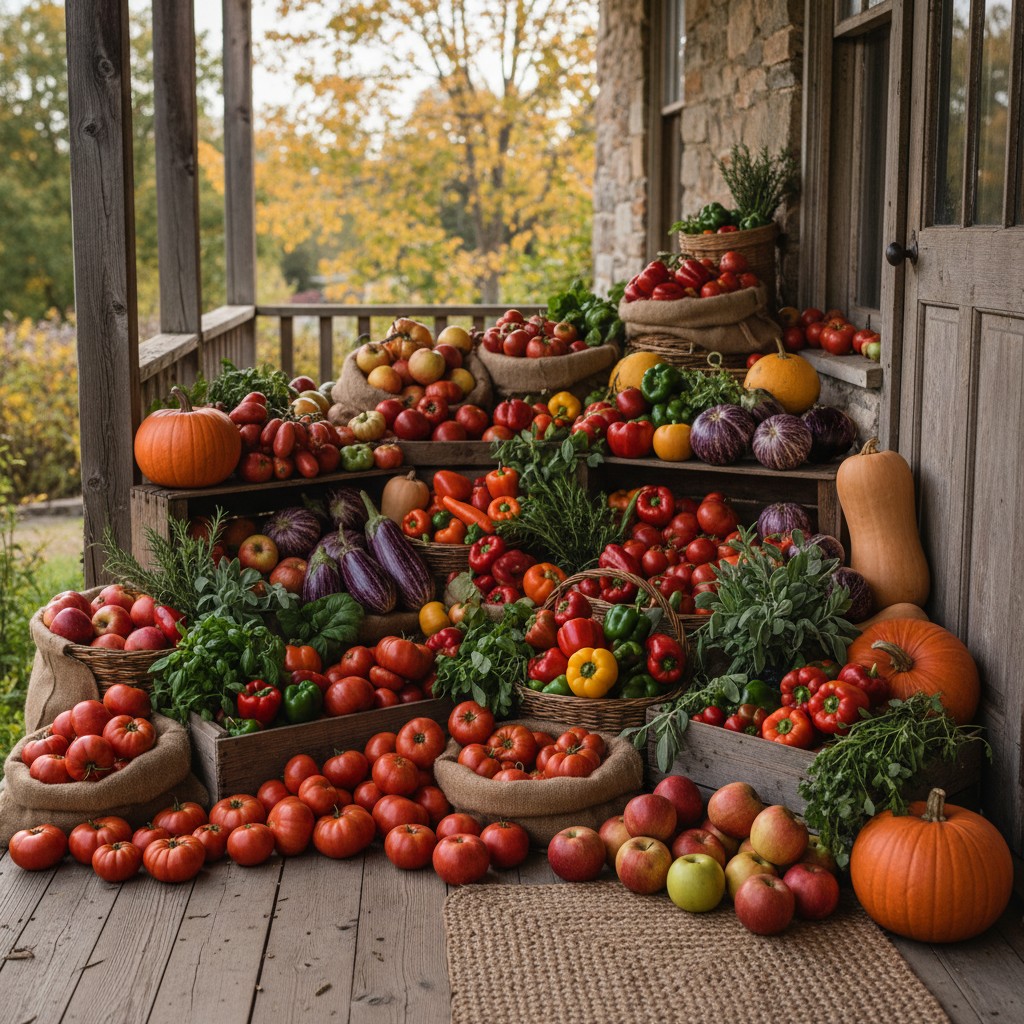
September is apple month, and a productive apple tree or a trip to a local orchard gives you material for months of preserved goodness.
Priority apple projects:
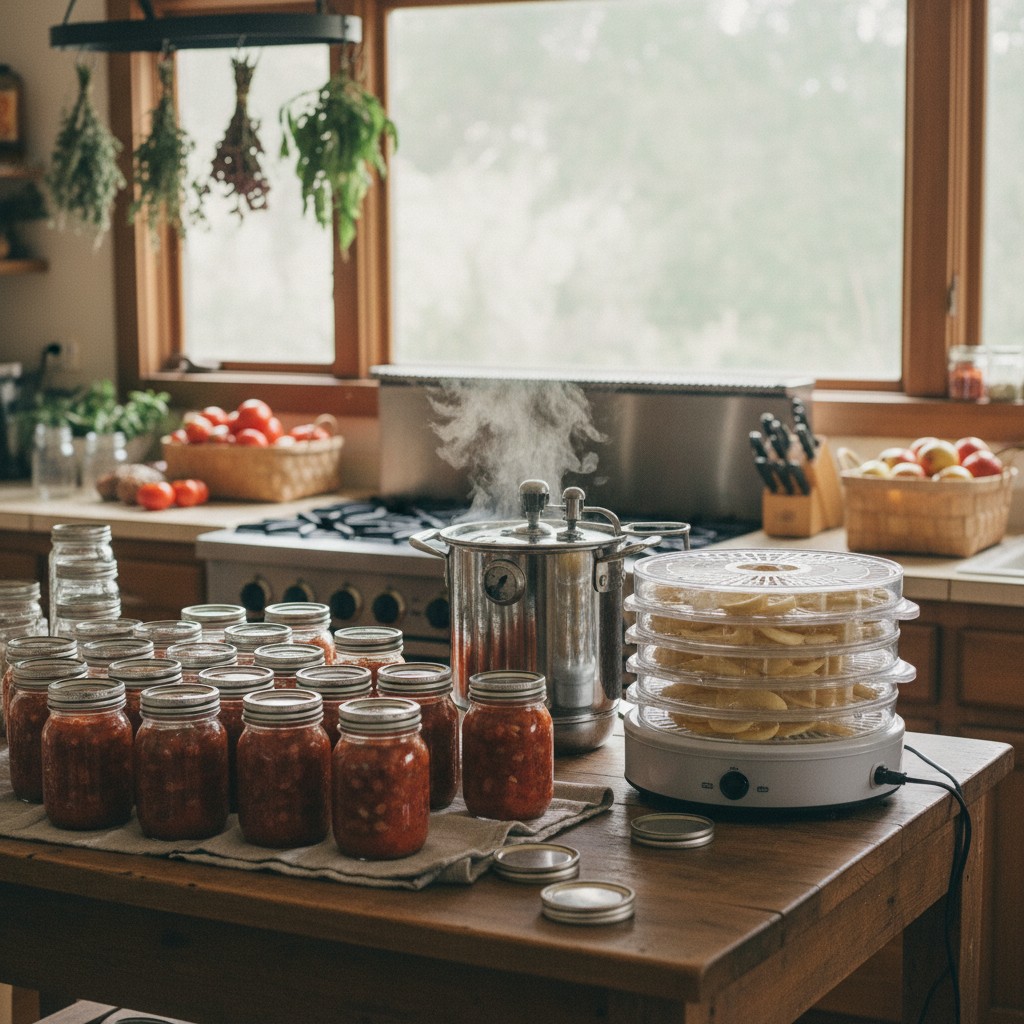
- Applesauce: Water bath can in quarts. Mix varieties for complex flavor, a tart apple like Granny Smith blended with a sweet Fuji creates beautiful depth.
- Apple butter: Slow cook in a crockpot or roaster oven until thick and dark. The aroma alone is worth the effort.
- Apple cider: Press your own or source from a local orchard. Freeze in jugs or can in a water bath.
- Dried apple rings: Slice thin, soak briefly in lemon water to prevent browning, and dehydrate. Perfect for snacking and lunchboxes.
- Apple pie filling: Can ready-to-use pie filling for quick holiday baking.
Here’s a trick that saves time: when making applesauce, don’t bother peeling. Cook quartered apples (seeds and all) until soft, then run through a food mill. The mill separates the sauce from skins, seeds, and stems. Faster, less waste, and the skins add color and nutrients.
End-of-Season Preserving
September preserving also includes:
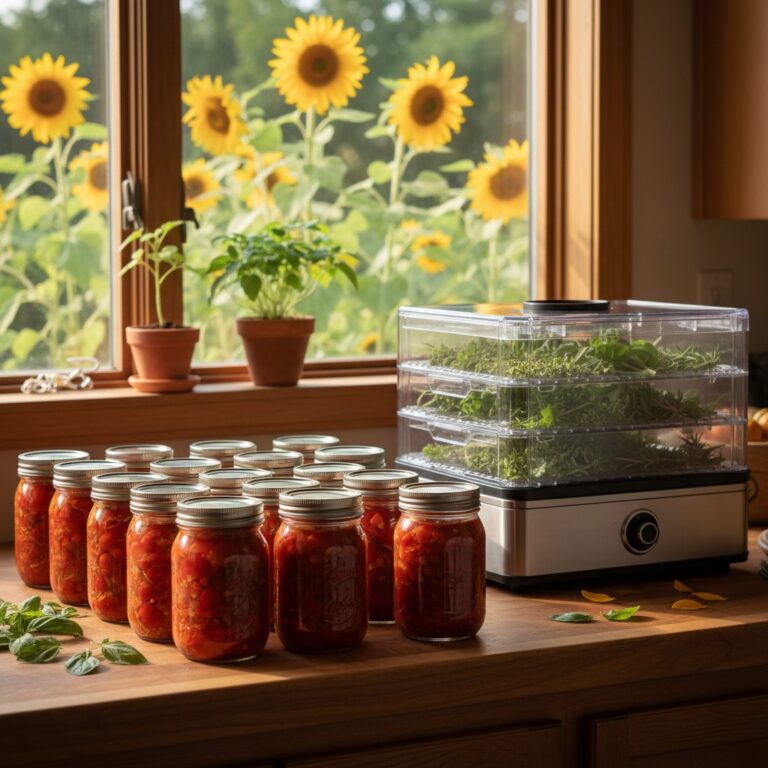
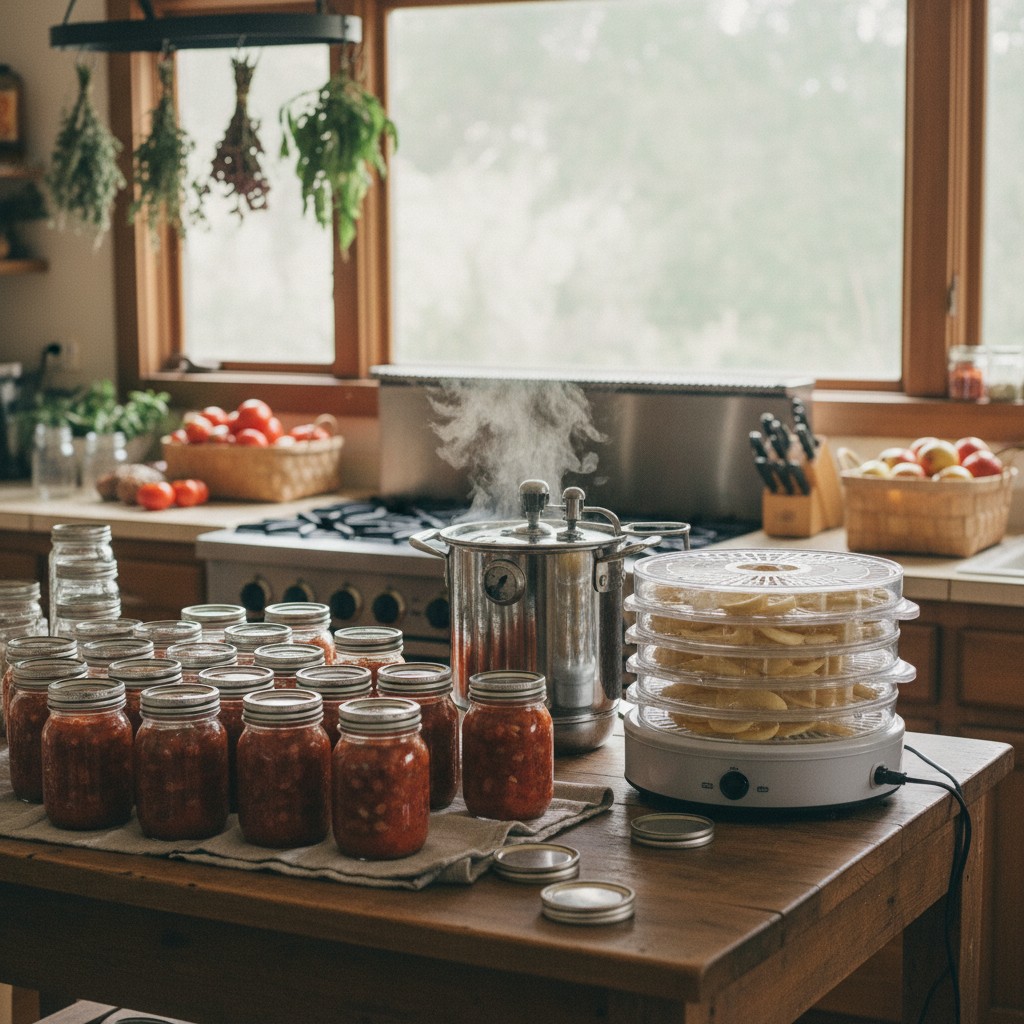
- The last big push of tomato canning, sauce, paste, salsa, and diced tomatoes
- Pepper jelly and hot sauce from the final pepper harvest
- Grape juice and jelly if you have vines
- Pear butter and canned pear halves
- Green tomato relish and chutney
Root Cellar Preparation
If you have root cellar storage (even a cool basement corner), now is the time to clean, organize, and prepare it. Scrub shelves, check for pest entry points, and verify that your thermometer and hygrometer are working. Ideal root cellar conditions are 32-40 degrees F with 85-95% humidity for most root vegetables. You’ll start loading it up next month.
Livestock and Animals
Winterizing the Chicken Coop
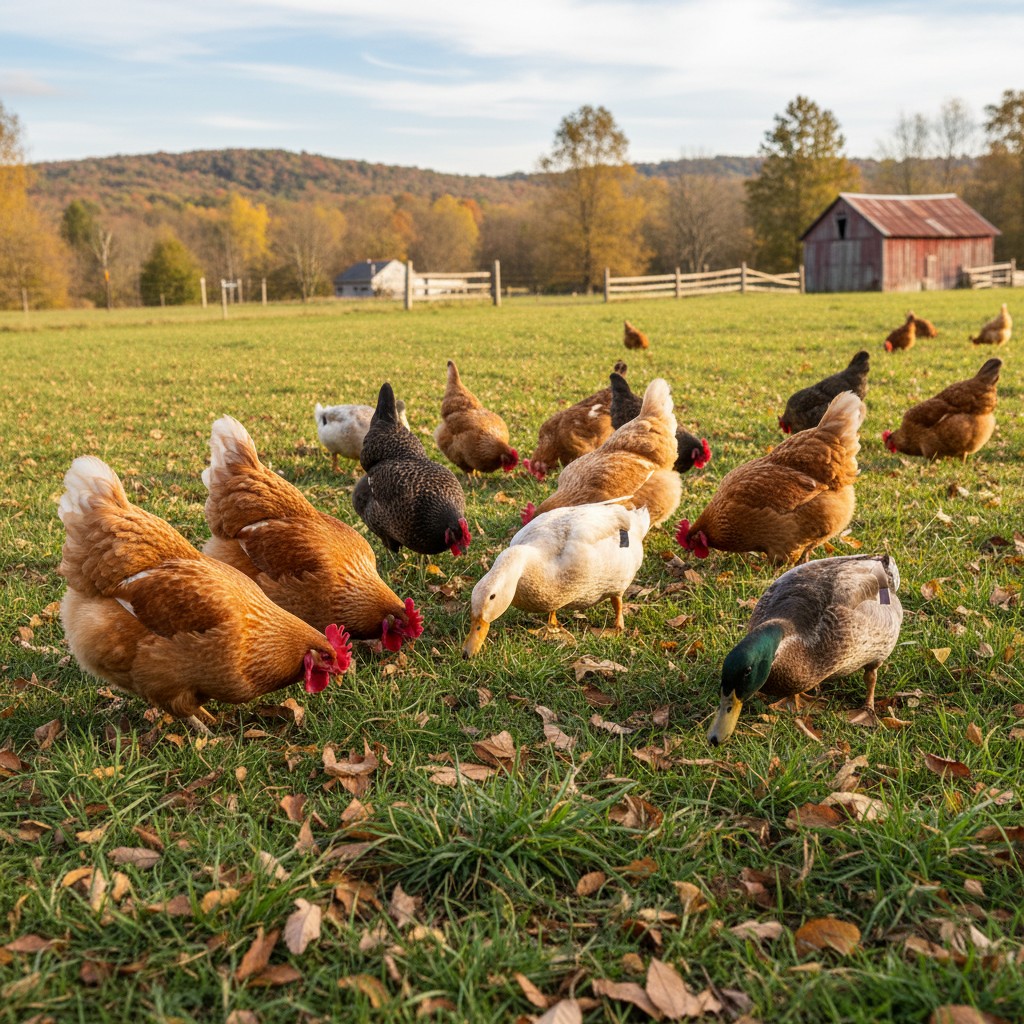
September is the month to begin, not finish, but begin, winterizing your chicken coop. Don’t wait until it’s cold and miserable to do this work.
September coop tasks:
- Deep clean: Remove all bedding, scrub roosts and nesting boxes, and let the coop air out on a warm day.
- Check ventilation: This is the most important factor for winter chicken health. You need ventilation near the roofline to let moisture escape without creating drafts at roost level. Install hardware cloth-covered vents if you don’t have them.
- Inspect for gaps and holes: Seal any openings where rodents could enter. Mice and rats are drawn to chicken feed and warmth as temperatures drop.
- Assess lighting: If you plan to supplement light to maintain egg production through winter, set up your timer now. Chickens need about 14-16 hours of light for consistent laying.
General Livestock Prep
September is a good month to schedule veterinary checkups, update vaccinations, and assess your animals’ body condition going into winter. Animals that are thin in September will struggle in January. Adjust feed as needed to ensure everyone enters cold weather in good condition. Begin transitioning pasture-fed animals to hay as pasture growth slows.
DIY and Home Projects
- Firewood stacking: Get your full winter supply split, stacked, and covered. Stack wood in a sunny, breezy location off the ground on pallets. Cover the top but leave sides open for air circulation.
- Chimney inspection: If you heat with wood, have your chimney inspected and cleaned before you light the first fire of the season.
- Weatherize your home: Check weather stripping around doors and windows. Caulk gaps. Inspect insulation. Every small improvement reduces heating costs.
- Build cold frames: A simple cold frame extends your growing season by weeks. Old storm windows over a wooden box frame work perfectly.
- Repair and sharpen tools: As the garden season winds down, clean, sharpen, and oil your tools before storage.
Planning Ahead
- Order spring-flowering bulbs: Plant daffodils, tulips, and crocuses this month and next for spring color.
- Plan your Thanksgiving menu: If you’re processing a turkey or ordering from a local farmer, make arrangements now.
- Inventory your winter pantry: Assess what you’ve put up and identify gaps. Is there time for one more batch of salsa? Do you have enough canned broth?
- Research new varieties for next year: While this season’s successes and failures are fresh in your mind, note what you’d like to try differently.
- Prepare for fall livestock processing: Confirm butcher dates, ensure equipment is clean and ready, and stock up on freezer paper and bags.
September is a month of transitions, from summer to fall, from growing to storing, from abundance to preparation. There’s a bittersweet quality to pulling the last tomato plants and tucking the garden in with cover crops. But there’s also deep satisfaction in knowing that your pantry, root cellar, and freezer are stocked because of your own hands and hard work. That’s the homestead life at its finest.
🌱 From Our Homestead
September on our homestead is bittersweet, the tomatoes are winding down, but the fall garden is just hitting its stride. We pull the last of the peppers, plant garlic, and start stacking firewood for winter. It is a season of finishing and beginning all at once.
Frequently Asked Questions
When exactly should I plant garlic in my zone?
The general rule is to plant garlic 4-6 weeks before the ground freezes solid. In Zones 3-4, this means mid to late September. Zones 5-6 should plant from late September through mid-October. Zones 7-8 can plant from October through November. Zones 9-10 may plant as late as December or January, though many warm-zone growers find better success with softneck varieties that have lower chilling requirements. The goal is for cloves to develop roots but not significant top growth before winter.
Do I really need cover crops, or can I just mulch my empty beds?
Mulching is better than bare soil, but cover crops provide benefits that mulch alone cannot. Living roots feed soil biology, prevent compaction, and improve soil structure in ways that surface mulch doesn’t. Cover crops that fix nitrogen (like clover and vetch) actually add fertility to your soil for free. Winter rye’s extensive root system breaks up compacted soil. If you’re building long-term soil health, cover crops are one of the highest-return investments you can make. That said, heavy mulch is a perfectly acceptable plan B if you miss the cover crop planting window.
How do I know when my apples are ready to pick?
Ripe apples separate easily from the branch with a gentle upward twist, you shouldn’t have to yank or pull hard. The seeds inside should be dark brown, not white or light tan. The background color of the apple (the part that isn’t blushed red) should have changed from green to yellowish. Taste is the ultimate test, if it tastes good to you, it’s ready. Different varieties ripen at different times, from late August through November, so know your varieties and their expected harvest window.
Is it worth winterizing my chicken coop if I live in a mild climate?
Even in mild climates (Zones 8-10), some winterization is beneficial. While you may not need to worry about extreme cold, predator-proofing is important year-round, and maintaining dry conditions in the coop prevents respiratory issues. Focus on ventilation, predator protection, and ensuring the coop stays dry rather than warm. In truly mild climates, your biggest winter concern is often increased rain and mud rather than cold temperatures, so good drainage and covered run areas matter more than insulation.
Frequently Asked Questions: September Homesteading
When should I stop watering my garden for the year?
Reduce watering 2 weeks before your typical first frost, then stop entirely after the first hard frost (28°F or below). Established perennials, garlic, and cover crops still benefit from one final deep watering before the ground freezes.
How do I know when winter squash is ready to harvest?
The rind should be hard enough to resist a thumbnail, the stem should be dry and corky, and the leaves of the vine should be dying back. Cut with 2–3 inches of stem attached for storage. Cure in a warm, dry spot for 7–10 days before moving to long-term storage.
What chickens need for fall coop prep?
Plug drafts at chicken-level (but keep upper ventilation open — moisture is the real winter enemy, not cold), add a wider roost bar so birds can fully cover their feet, top up bedding to 4–6″ deep for insulation, check for mites one final time before the cold-weather window.
Can I still plant anything in September for harvest this year?
In zones 6+, yes — quick crops like radishes (25 days), arugula (30 days), and spinach (40 days) can mature before hard frost. Start cool-season transplants like lettuce and Asian greens in protected spots (cold frame, low tunnel) for harvests through November.
Should I till my garden in fall?
Most modern advice says no — tilling damages soil structure, exposes weed seeds, and disrupts the soil food web. Instead, top-dress beds with compost (1–2″), plant cover crops, or apply mulch and let the worms work it in over winter.
Sources and Further Reading
USDA & university extension references for September homesteading:
- University of Maryland Extension — Cover crops for the home garden.
- Cornell Cooperative Extension — Garlic planting for fall success.
- Oregon State University Extension — Maximizing fall garden harvest with cool-season crops.
- USDA NRCS — Cover crops for soil health.
- USDA APHIS — Defend the Flock biosecurity for fall coop transitions.