Your December Homestead Guide: What to Do This Month
Key Takeaways
- Winter livestock care requires daily vigilance — water, feed, and shelter checks are non-negotiable.
- Grow sprouts and microgreens indoors for fresh nutrition when the outdoor garden is dormant.
- Use your homestead pantry to bake holiday treats that showcase your preserved ingredients.
- Handmade candles and soap from rendered tallow make meaningful, personal holiday gifts.
- December is the perfect month for seed catalog browsing, garden journaling, and planning next year’s homestead.
Garden Tasks for December
December is the quietest month in the outdoor garden for most of the country, and that’s a gift. After a year of planting, weeding, harvesting, and preserving, the garden rests under mulch or snow, and you get to rest too — at least from garden work. But a homestead is never truly idle. December turns your attention inward: to the kitchen, the workshop, the barn, and the seed catalogs that are starting to fill your mailbox.
Outdoor Garden in Winter
Zones 3-4: The garden is frozen solid under snow. There’s nothing to do outdoors except check that cold frames and hoop houses are structurally sound after heavy snow and maintain any season-extension structures.
Zones 5-7: You may still be harvesting from cold frames, hoop houses, or heavily mulched beds. Kale, spinach, and carrots under row cover can survive surprisingly harsh conditions. Check row covers after storms and brush off heavy snow before it crushes hoops.
Zones 8-10: Your cool-season garden is thriving. Harvest lettuce, broccoli, cauliflower, peas, and root vegetables. Continue planting succession crops of lettuce, radishes, and greens. December is a productive garden month in warm climates, and the mild temperatures make outdoor work genuinely pleasant.
Indoor Gardening: Sprouts and Microgreens
You don’t need to go without fresh greens just because it’s December. Sprouts and microgreens can be grown on your kitchen counter with minimal equipment, and they’re ready to eat in days, not months.
Sprouts (ready in 3-5 days):
- All you need is a mason jar, a piece of screen or cheesecloth, and a rubber band
- Best varieties: alfalfa, broccoli, radish, mung bean, lentil
- Rinse twice daily, drain well, keep out of direct sunlight
- Eat on sandwiches, in salads, stir-fries, and wraps
Microgreens (ready in 7-14 days):
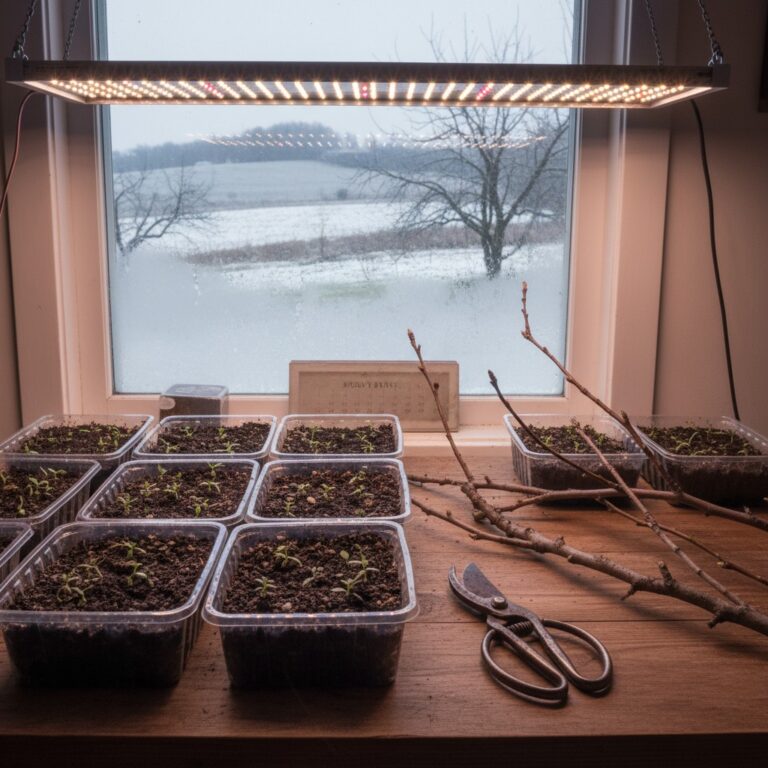
- Grow in shallow trays with an inch of potting soil near a bright window or under grow lights
- Best varieties: sunflower, pea shoots, radish, broccoli, wheatgrass, kale, arugula
- Mist daily and harvest with scissors when the first true leaves appear
- Incredibly nutrient-dense — some microgreens contain 40 times the nutrients of mature plants
In my experience, growing microgreens through winter isn’t just practical — it’s therapeutic. There’s something deeply satisfying about tending living green things when the world outside is gray and frozen.
Houseplant and Indoor Herb Care
Any herbs you brought indoors in fall need attention now. Indoor winter air is dry, light levels are low, and growth slows dramatically. Place herbs in your sunniest south-facing window or supplement with a grow light. Water when the top inch of soil is dry — overwatering is the number one killer of indoor herbs in winter. Don’t expect vigorous growth; just keep them alive until spring.
Kitchen and Preserving
Holiday Baking with Homestead Ingredients
December is when your pantry really shines. All those jars of preserves, dried herbs, frozen berries, and rendered fats come together in holiday baking that no store can match.
Homestead holiday baking ideas:
- Pies with home-canned filling: Apple, pumpkin, and berry pies using your summer and fall preserves. Use lard for the flakiest crust you’ve ever tasted.
- Sourdough bread: If you maintain a starter, holiday loaves make beautiful gifts. Cinnamon raisin, rosemary olive oil, or cranberry walnut are all crowd-pleasers.
- Cookies with homestead butter and eggs: Sugar cookies, gingerbread, and shortbread all benefit from high-quality farm-fresh ingredients.
- Fruit cake and holiday bread: Use your dried fruits, candied citrus peels, and preserved cherries.
- Herb breads and savory crackers: Rosemary focaccia, thyme crackers, and garlic knots featuring your dried herb collection.
Here’s what most people miss about baking with lard: it makes everything better. Pie crusts are flakier, biscuits are taller, and fried doughnuts are crispier. If you rendered lard in November, December baking is where it truly shines. Your great-grandmother knew this — it’s time we remembered.
Candle and Soap Making
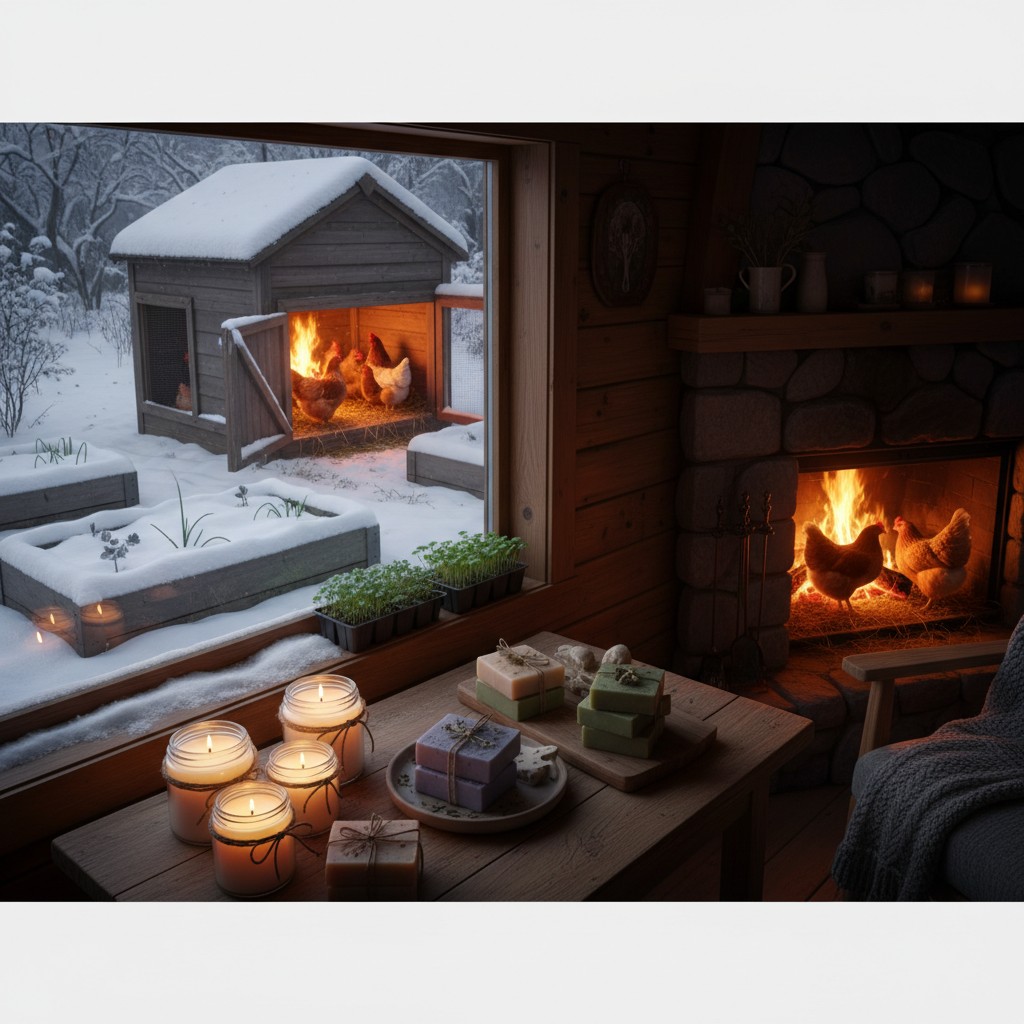
If you have rendered tallow from fall processing, December is the perfect time to turn it into gifts.
Tallow candles:
- Melt rendered tallow and add a few drops of essential oil if desired (pine, cinnamon, and orange are lovely holiday scents)
- Pour into molds or jars with pre-tabbed wicks
- Tallow candles burn cleanly and slowly with a warm, soft glow
- Allow 24 hours to fully set before burning
Cold-process soap:
- If you started soap in November, it should be cured and ready for gifting by mid-December
- If you’re starting now, melt-and-pour soap bases offer an instant gratification alternative — add dried herbs, oatmeal, honey, or essential oils for a homestead touch
- Package in simple kraft paper or fabric wraps with a sprig of dried rosemary or lavender
Comfort Food Season
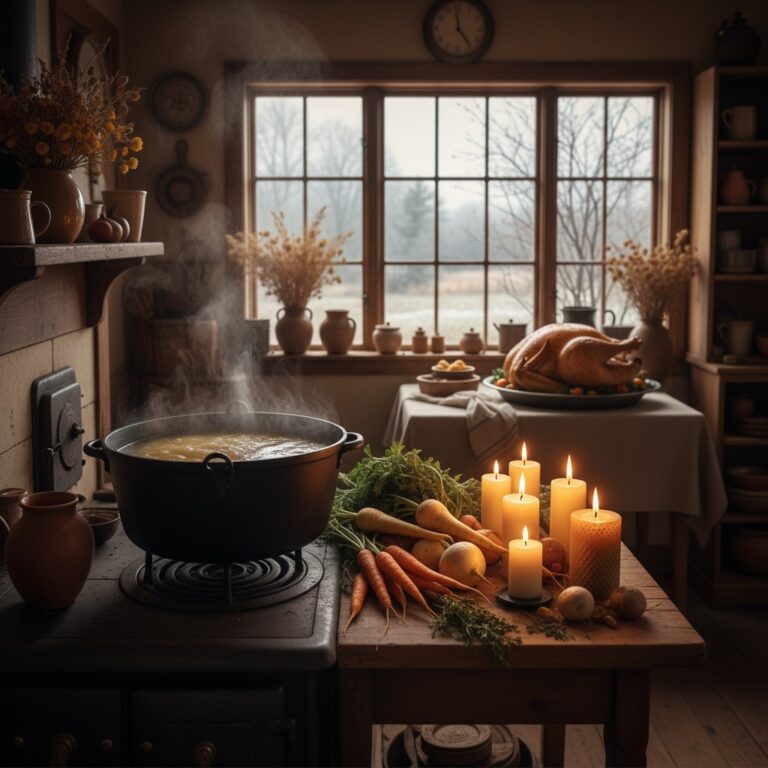
December meals should be warm, hearty, and built from your preserved stores. Soups and stews made with home-canned broth and root cellar vegetables. Pot pies with lard-crust pastry. Braised meats with home-canned tomato sauce. Baked beans simmered all day. This is the food your pantry was built for.
Livestock and Animals
Winter Livestock Care
December demands daily dedication to your animals. Cold weather care isn’t complicated, but it is unrelenting. You cannot skip a day. Here’s your daily winter routine:
Every morning:
- Check and refresh water. Break ice, replace frozen waterers, ensure heated systems are functioning.
- Feed appropriate rations. Animals burn more calories staying warm — increase feed as temperatures drop.
- Quick health check: is everyone moving normally? Eating? Any signs of illness or injury?
- Collect eggs promptly in cold weather to prevent freezing and cracking.
Every evening:
- Secure coops and barns against predators
- Check water one more time
- Verify that heated waterers and any heat lamps (if used — use cautiously) are functioning safely
- Add bedding if needed
Cold Weather Chicken Specifics
Chickens are hardier in cold than most new homesteaders expect. Healthy, well-feathered chickens tolerate temperatures well below freezing without supplemental heat. The keys are:
- Ventilation over warmth: Moisture is the enemy, not cold. A well-ventilated coop prevents frostbitten combs and respiratory disease. Never seal a coop airtight.
- Wide roosts: Flat, 2×4 roosts (wide side up) allow chickens to sit on their feet and keep toes warm.
- Petroleum jelly on combs: Apply to large combs and wattles before extreme cold snaps to help prevent frostbite.
- Scratch grains at bedtime: A handful of cracked corn before roosting gives chickens fuel to generate body heat overnight.
- Avoid heat lamps: They’re a major fire hazard in coops with bedding and dust. If you feel you must provide heat, use flat panel radiant heaters designed for coops.
Livestock Nutrition in Winter
Animals on winter feed rations may benefit from supplementation. Offer free-choice minerals to all ruminants. Chickens benefit from black oil sunflower seeds (extra fat and protein), mealworms, and occasional warm oatmeal on bitterly cold mornings. For all animals, good-quality hay is the foundation of winter nutrition — buy the best you can afford and store it dry.
DIY and Home Projects
- Build seed starting supplies: Construct a grow light shelf, build soil block makers, or organize seed trays for spring starting in January and February.
- Workshop organization: Winter is the time to organize your tools, workshop, and storage areas. Fix what’s broken, sharpen what’s dull, organize what’s scattered.
- Holiday decorating with natural materials: Use dried herbs, pine boughs, holly, dried flowers, and beeswax ornaments for natural, homestead-style décor.
- Repair and maintain equipment: Sewing machines, canning equipment, dehydrators, and other homestead tools all benefit from off-season maintenance.
- Plan spring building projects: Research and design the chicken tractor, raised beds, greenhouse, or garden shed you want to build when the weather warms.
Planning Ahead
Seed Catalog Browsing
This is the real December project for gardeners. The seed catalogs are arriving, and there is no better way to spend a cold winter evening than circling varieties, comparing days-to-maturity, and dreaming about next year’s garden.
Tips for productive catalog browsing:
- Review this year’s garden journal before ordering. What performed well? What disappointed? What do you want to try that’s new?
- Stick to a plan. It’s easy to order more seed than you can possibly plant. Focus on what your family actually eats.
- Try 2-3 new varieties each year alongside proven favorites.
- Order early for the best selection — rare and popular varieties sell out fast.
Year-End Garden Journaling
Before the details fade, sit down with your garden journal and document this year’s season. Record:
- What you planted and where (for crop rotation planning)
- Planting and harvest dates
- Varieties that performed well and those that didn’t
- Pest and disease issues and how you addressed them
- Total yields and preserving quantities
- What you’d do differently next year
- New techniques you want to try
This journal is invaluable. In five years, you’ll have a detailed record of what works on your specific land, in your specific microclimate, with your specific soil. No gardening book can give you that.
Winter Solstice Traditions
The winter solstice falls around December 21st, and many homesteaders mark it as a meaningful celebration — the turning point when days begin to lengthen again. After months of increasing darkness, the solstice is a promise that light is returning, that spring will come, that the garden will grow again.
Some homestead solstice traditions to consider:
- Light candles (especially homemade ones) to celebrate the return of the light
- Cook a special meal entirely from your homestead preserves and stores
- Spend the longest night reading seed catalogs and planning the spring garden
- Make a gratitude list for the year’s homestead blessings
- Gift homemade items to neighbors and friends
- Take a quiet walk around your property and notice the winter landscape
December on the homestead is slower, quieter, and more reflective than the growing months. The garden sleeps, the animals are tucked in, and the pantry shelves tell the story of a year’s worth of work. It’s a time for warm kitchens, handmade gifts, and the deep satisfaction of knowing that your family is fed and secure because of your own efforts. As you browse seed catalogs by the fire and plan next year’s garden, remember: the homestead cycle is a spiral, not a circle. Each year you learn more, grow more, and become more rooted in this life. That’s something worth celebrating in the quiet of a December evening.
Frequently Asked Questions
Do my chickens need a heat lamp in winter?
In most cases, no — and heat lamps in coops are a serious fire hazard that causes barn fires every winter. Healthy, fully feathered chickens of cold-hardy breeds handle temperatures well below zero without supplemental heat. The keys to winter chicken survival are adequate ventilation (to remove moisture), dry bedding, unfrozen water, good nutrition, and draft-free roosting areas. The exceptions are very young birds, sick birds, or if you’re raising breeds with minimal cold hardiness (like some tropical breeds) in extreme northern climates. If you feel heat is necessary, use a flat panel radiant heater designed for poultry, never a heat lamp.
What are the easiest microgreens to grow for a beginner?
Start with sunflower and pea shoot microgreens — they’re large-seeded, fast-growing, and delicious. Soak seeds overnight, spread on an inch of moist potting soil in a shallow tray, cover with another tray for 2-3 days (the weight helps shed seed hulls), then uncover and place in bright light. Harvest in 7-10 days with scissors. Radish microgreens are another excellent beginner choice — spicy, colorful, and ready in about a week. Once you’re comfortable with those, branch out into broccoli, kale, and wheatgrass.
How do I keep my livestock water from freezing without electricity?
Without electricity, you have several options. Insulated water containers or coolers retain heat longer than thin-walled buckets. Black rubber tubs absorb solar heat and are easy to pop ice out of by flipping them. Ping-pong balls floating on the water surface slow ice formation slightly. Ultimately, without electricity, the most reliable approach is carrying fresh warm water twice daily and breaking ice as needed. Some homesteaders use insulated bucket covers or wrap containers in hay bales for insulation. Solar-powered stock tank heaters exist but are expensive and climate-dependent.
When should I start ordering seeds for next year’s garden?
December and January are ideal for seed ordering. Catalogs arrive in November and December, and many companies offer early-order discounts. More importantly, popular and rare varieties sell out quickly — if there’s a specific heirloom tomato or unusual squash you want to try, order by early January. Mainstream varieties are usually available through March. Make your seed list in December while reviewing your garden journal, place orders in January, and you’ll have everything in hand well before seed-starting season begins in late winter.