Raising Goats for Beginners: Breeds, Costs, and What to Expect
- Nigerian Dwarf goats are the best beginner breed — they’re small, friendly, and produce up to 2 quarts of milk per day
- You need a minimum of 2 goats (they’re herd animals and get depressed alone) and about 200 sq ft of pasture per goat
- Realistic Year 1 cost: $800–$1,500 including shelter, fencing, two goats, feed, and supplies
- Goats require 15–20 minutes of care twice daily — feeding, watering, and a quick health check
- Check your local zoning laws first — many suburban areas allow goats with minimum lot sizes
Goats are the second most popular homestead animal after chickens — and for good reason. They produce milk, clear brush, fertilize gardens, and have more personality per pound than any animal on the farm. A pair of Nigerian Dwarf goats on a small homestead can supply your family with fresh milk, homemade cheese, yogurt, and soap.
But goats are a bigger commitment than chickens. They need proper fencing, shelter, companionship, and daily milking if you go the dairy route. This guide gives you the honest numbers so you can decide if goats are right for your homestead.
Best Goat Breeds for Beginners
| Breed | Size | Milk Production | Temperament | Best For |
|---|---|---|---|---|
| Nigerian Dwarf | 17–23″ | 1–2 qt/day | Very friendly | Small lots, families |
| Pygmy | 16–23″ | 1–2 qt/day | Playful | Pets, small lots |
| Nubian | 30–35″ | 1–2 gal/day | Vocal, affectionate | Max milk, warmer climates |
| Alpine | 28–32″ | 1–1.5 gal/day | Hardy, independent | Cold climates, high production |
| LaMancha | 28–30″ | 1–1.5 gal/day | Calm, gentle | Beginners, families |
| Boer | 28–33″ | Low (meat breed) | Docile | Meat, brush clearing |
Our recommendation for beginners: Nigerian Dwarf goats. They’re half the size of standard dairy goats (easier to handle), produce rich milk with high butterfat (perfect for cheese), and their friendly temperament makes them great with kids. Two Nigerian Dwarfs need just 400 sq ft of pasture.
From our homestead: I wish someone had told me this before I got goats: they are escape artists with a PhD in fence testing. Whatever fence you think is good enough — make it better. Five-foot fencing is the minimum for Nigerian Dwarfs, and I’d say go with 4-foot woven wire with a strand of electric at the top. It’ll save you from chasing goats through the neighbor’s roses.
What You Need Before Getting Goats
Shelter
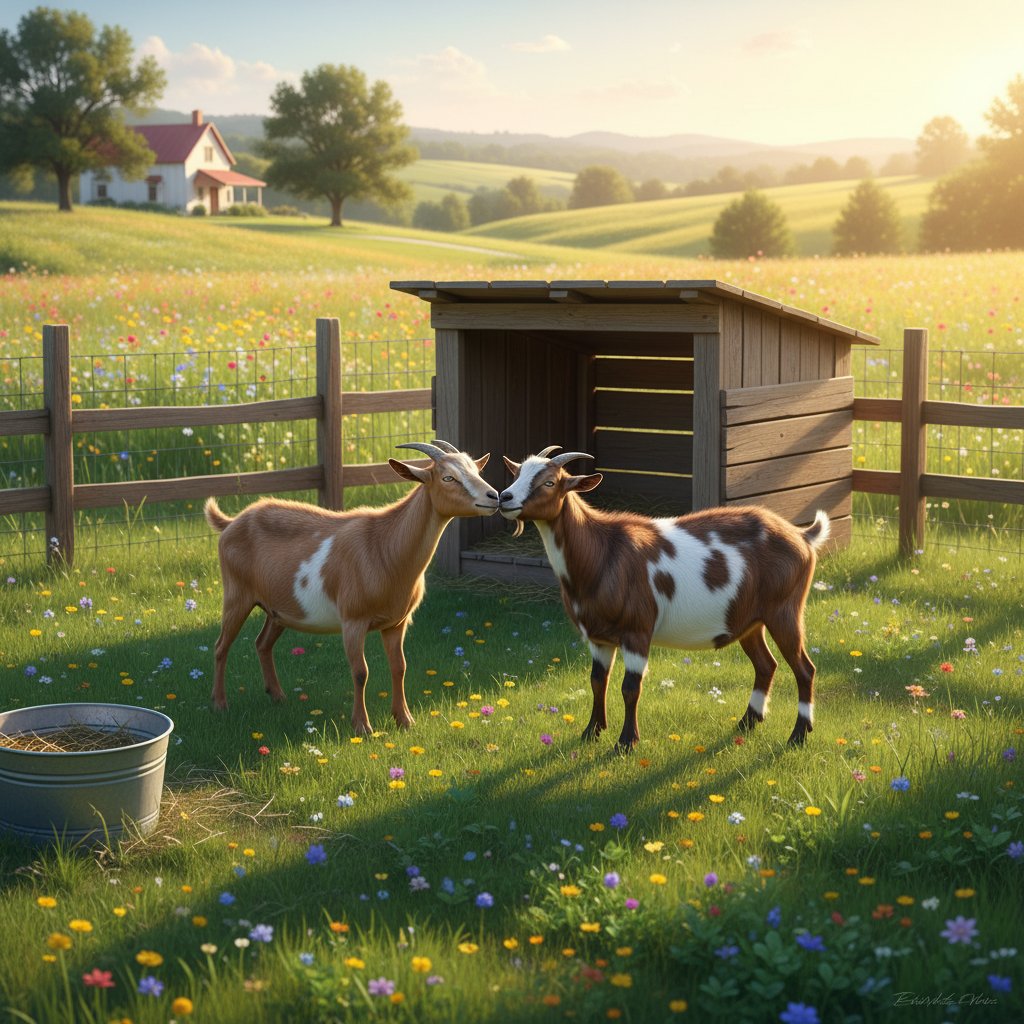
Goats need a dry, draft-free shelter. It doesn’t need to be fancy — a three-sided shed (8×8 ft for 2–3 goats) with a sloped roof works perfectly. They hate rain more than cold. The floor should have 4–6 inches of straw bedding that you replace monthly.
Fencing
This is the #1 expense and the #1 thing beginners underestimate. Goats will test every inch of your fence.
- Minimum height: 4 ft for Nigerian Dwarfs, 5 ft for standard breeds
- Best option: 2×4″ welded wire or woven field fence (NOT chicken wire — they push right through it)
- Even better: Add a strand of electric wire at nose height inside the fence
- Budget: $150–$400 for a small pen (400–600 sq ft)
Space Requirements
| Area | Nigerian Dwarf | Standard Breed |
|---|---|---|
| Shelter (per goat) | 15–20 sq ft | 20–25 sq ft |
| Outdoor pen (per goat) | 200 sq ft | 200–250 sq ft |
| Pasture (per goat, if grazing) | 500+ sq ft | 1,000+ sq ft |
The Honest Year-1 Budget
| Expense | Budget | Mid-Range |
|---|---|---|
| 2 Nigerian Dwarf does | $150–$300 | $300–$500 |
| Shelter (DIY) | $100–$200 | $200–$400 |
| Fencing (400 sq ft pen) | $150–$300 | $300–$500 |
| Feed (year) | $200–$300 | $200–$300 |
| Hay (year) | $100–$200 | $100–$200 |
| Supplies (buckets, minerals, hoof trimmers) | $50–$100 | $75–$150 |
| Vet visit / deworming | $50–$100 | $100–$200 |
| Year 1 Total | $800–$1,500 | $1,275–$2,250 |
Ongoing annual cost (after Year 1): $400–$700 for feed, hay, minerals, and occasional vet care.
Daily Goat Care: What to Expect
Morning routine (10 minutes):
- Fresh water (goats are picky — they won’t drink dirty water)
- Grain ration (1/2 cup per goat for Nigerian Dwarfs)
- Hay (always available — goats are ruminants and need to eat throughout the day)
- Quick visual health check (clear eyes, normal stance, eating normally)
Evening routine (10 minutes):
- Second grain feeding if milking
- Top off water and hay
- Lock up shelter at night (predator protection)
Weekly: Check and trim hooves every 4–6 weeks. Clean shelter bedding monthly.
Goat Milk: What Can You Do with It?
Two Nigerian Dwarf does in milk produce 2–4 quarts per day — enough for:
- Fresh drinking milk — Nigerian Dwarf milk is sweet, creamy, and has 6–10% butterfat
- Yogurt — same process as cow’s milk yogurt
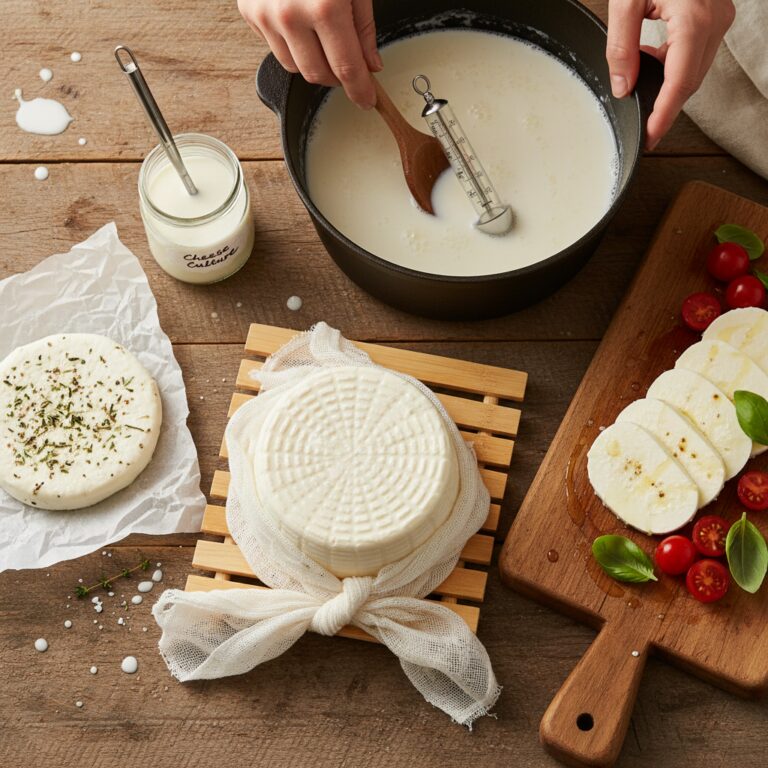
- Soft cheese — chèvre is the easiest and takes just 24 hours
- Goat milk soap — one of the most popular homestead products to sell
- Cajeta — Mexican goat milk caramel (incredible)
Common Beginner Mistakes
- Getting just one goat. Goats are herd animals. A lone goat becomes stressed, noisy, and destructive. Always get at least two.
- Cheap fencing. You’ll spend more time chasing escaped goats than you saved on fencing. Do it right the first time.
- Ignoring mineral supplements. Goats need loose minerals (not a block) — especially copper and selenium. Deficiency causes serious health problems.
- Overfeeding grain. Grain is a supplement, not the main diet. Too much grain causes bloat and other digestive emergencies. Hay should be 80%+ of their diet.
- Not learning about parasites. Internal parasites are the #1 health issue in goats. Learn the FAMACHA scoring system and have a deworming plan with your vet.
Frequently Asked Questions
Can I raise goats in my backyard?
It depends on your local zoning. Many suburban and semi-rural areas allow goats with minimum lot sizes (typically 1/2 acre to 1 acre). Nigerian Dwarf and Pygmy goats are sometimes classified differently than standard goats. Always check your municipal code and HOA rules before purchasing. Many people are surprised to find their area does allow small goats.
How much does it cost to raise goats?
Expect $800–$1,500 for the first year including two goats, shelter, fencing, feed, and supplies. Ongoing annual costs are $400–$700 for feed, hay, minerals, and vet care. Goat milk, if valued at $8–$12 per gallon (retail price for raw goat milk), can offset much of this cost.
What do goats eat?
Goats are browsers, not grazers — they prefer woody plants, shrubs, and weeds over grass. Their diet should be 80%+ hay (grass or alfalfa mix), supplemented with a small amount of grain (especially for milking does), loose minerals, and fresh water. They’ll also happily eat brush, leaves, blackberry brambles, and most garden weeds.
Are goats good for clearing brush?
Extremely good. Goats prefer to eat brush, invasive plants, poison ivy, blackberries, and woody weeds — things that would take you days with a chainsaw. A pair of goats can clear a heavily overgrown quarter-acre in a few months. Some people rent goats specifically for brush clearing.
How long do goats live?
Nigerian Dwarf goats live 12–15 years on average, with some reaching 18+. Standard dairy breeds live 10–12 years. This is a long-term commitment — plan for over a decade of care when you decide to add goats to your homestead.