Heritage Breed Chickens: The Complete Guide to Choosing Historic Breeds for Your Flock
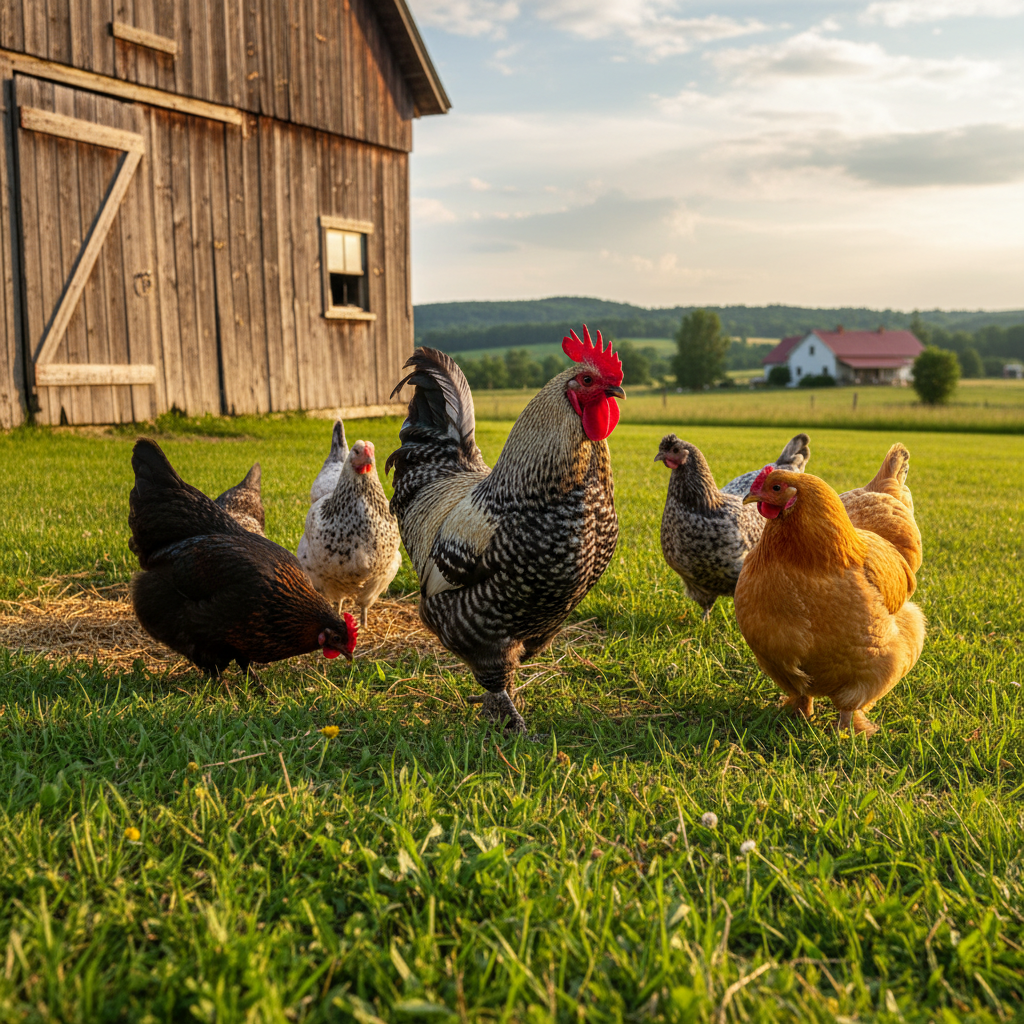
- Friendliest beginner breed: Buff Orpington. Exceptionally docile (will sit in your lap), cold-hardy, lays 200 to 280 light brown eggs a year. The default first-flock heritage choice.
- Best dual-purpose all-rounder: Barred Plymouth Rock. America’s original backyard chicken. Friendly, lays 250 to 280 brown eggs a year through winter, dependable forager, and a real meat bird at the end of its laying career.
- Best in cold climates: Rhode Island Red. Rugged, bold, lays 200 to 280 large brown eggs through New England winters with minimal coop heating. I have kept Rhode Island Reds here in Exeter RI since 2016.
- Heritage breeds are historic chicken breeds recognized by the APA, many are endangered and need backyard breeders to survive
- Best heritage breeds for beginners: Buff Orpington, Plymouth Rock, Australorp, Wyandotte, and Sussex
- Heritage hens lay 200–280 eggs/year, fewer than commercial hybrids but for 5–8 years vs. 2–3
- Most heritage breeds are dual-purpose (eggs + meat), cold-hardy, and better foragers than hybrids
- By raising heritage breeds, you’re helping preserve genetic diversity, the Livestock Conservancy lists dozens as threatened or critical
What Makes a Chicken “Heritage”?
According to The Livestock Conservancy, a heritage chicken must meet all of these criteria:- APA Standard: Recognized by the American Poultry Association before the mid-20th century
- Natural mating: Must be able to reproduce naturally (not artificially inseminated)
- Long, productive outdoor life: Must thrive in pasture-based systems
- Slow growth rate: Reaches market weight in 16+ weeks (vs. 6–8 weeks for commercial broilers)
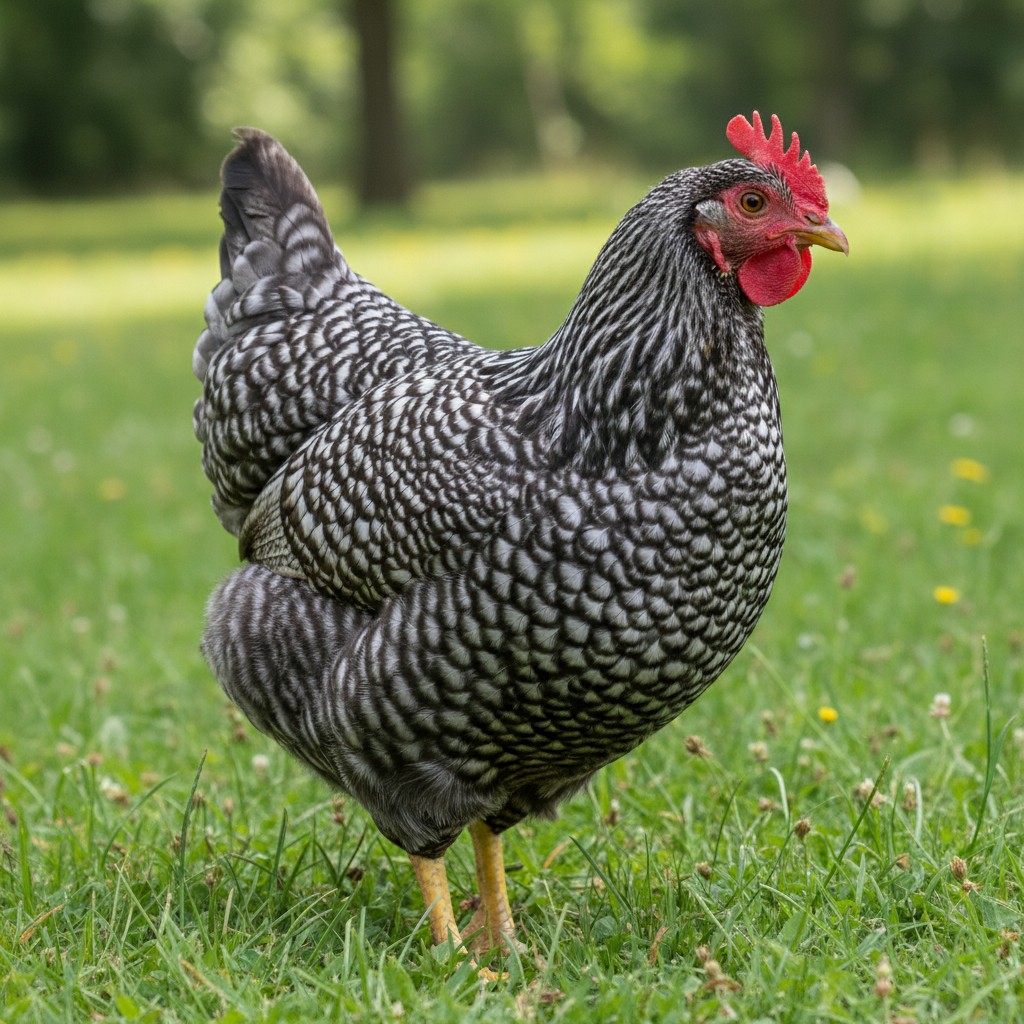
The 10 Best Heritage Breeds for Backyard Flocks
| Breed | Eggs/Year | Egg Color | Temperament | Cold Hardy | Conservation Status |
|---|---|---|---|---|---|
| Buff Orpington | 200–280 | Light brown | Very docile | Excellent | Recovering |
| Barred Plymouth Rock | 250–280 | Brown | Friendly | Excellent | Recovering |
| Australorp | 220–280 | Light brown | Calm | Good | Recovering |
| Silver-Laced Wyandotte | 200–240 | Brown | Independent | Excellent | Recovering |
| Speckled Sussex | 200–250 | Light brown | Curious, friendly | Good | Threatened |
| Rhode Island Red | 200–280 | Brown | Bold, assertive | Excellent | Watch |
| Ameraucana | 200–250 | Blue/green | Gentle | Good | Not listed |
| Black Copper Marans | 150–200 | Dark chocolate | Calm | Good | Not listed |
| Dominique | 230–270 | Brown | Calm, foraging | Excellent | Watch |
| Delaware | 200–250 | Brown | Friendly | Good | Threatened |
From our homestead: Our flock has Orpingtons, Plymouth Rocks, and one Speckled Sussex named Pepper. The Orpingtons are the friendliest, they’ll sit in your lap. The Plymouth Rocks are the best layers, consistent through winter. And Pepper? She’s the foraging queen, she finds every bug, seed, and hidden treat in the yard. A mixed heritage flock gives you the best of all worlds.
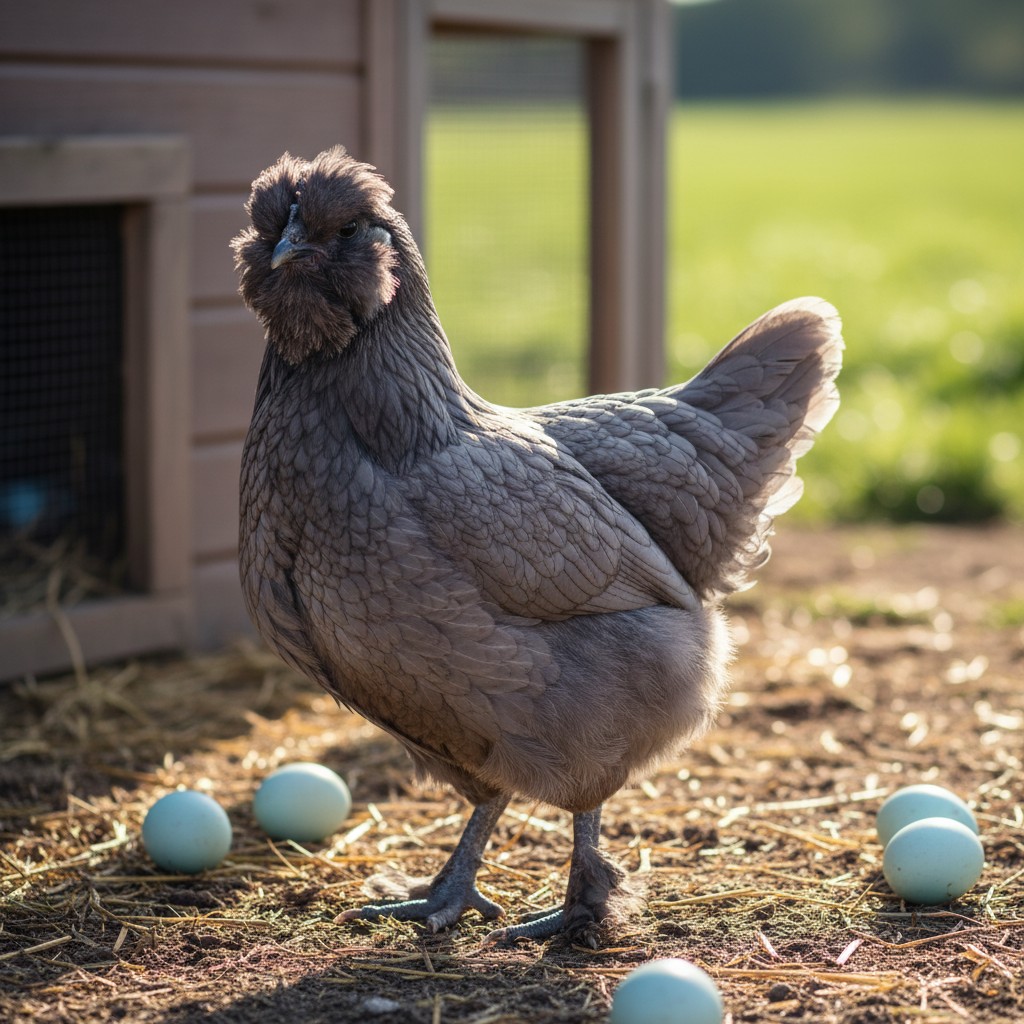
Top 3 Heritage Breeds: A Closer Look
The breed table tells you the headline numbers. These three breeds are worth the deeper read because they are the ones I keep recommending when people ask which heritage chicken to start with. The honest pros and cons below are drawn from years of keeping Rhode Island Reds in Exeter, Rhode Island and from comparing notes with neighbors who run Orpington and Plymouth Rock flocks.
Buff Orpington
Pros: The friendliest heritage breed by a wide margin, hens will follow children around and tolerate handling well. Dense feathering makes them genuinely cold-hardy down to zero degrees Fahrenheit. Strong broody instinct, so a single hen can hatch and raise replacement chicks without an incubator. Lays 200 to 280 eggs a year for 5 to 8 productive years.
Cons: Heavy bodied and not strong fliers, so they are easy targets for hawks if you free-range without cover. The fluffy bottoms can get soiled in muddy runs and need occasional washing. Egg production drops noticeably in deep winter without supplemental light.
Barred Plymouth Rock
Pros: One of the most consistent layers in the heritage world (250 to 280 brown eggs a year), holds production better through winter than Orpingtons, and the black-and-white plumage gives partial camouflage from aerial predators. True dual-purpose breed, a culled cockerel dresses out at 4 to 5 lbs.
Cons: More assertive than Orpingtons, mid-rank in flock pecking order disputes. The single comb is prone to frostbite below 10 degrees Fahrenheit, so coops need adequate ventilation without direct drafts on the roost. Can be flighty for the first few weeks before they trust new keepers.
Rhode Island Red
Pros: The toughest heritage layer for cold New England winters, lays 200 to 280 large brown eggs a year with minimal coop heating, and continues laying into year 5 or 6 when many breeds have slowed. Excellent foragers, they cut feed costs measurably during the warm months. The state bird of Rhode Island for good reason.
Cons: The roosters can be genuinely aggressive toward people and other roosters, choose hatching breeders carefully if you keep one. Hens are bolder than Orpingtons and will assert themselves at the feeder, which can stress more timid breeds in a mixed flock. Single comb is again frostbite-prone in deep cold without ventilation.
Heritage vs. Hybrid: The Real Comparison
| Factor | Heritage Breeds | Commercial Hybrids |
|---|---|---|
| Eggs per year (peak) | 200–280 | 280–320 |
| Productive laying years | 5–8 years (declining after year 4) | 2–3 years |
| Total lifetime eggs | 1,200–1,800 | 600–900 |
| Foraging ability | Excellent | Poor to moderate |
| Broodiness (will hatch eggs) | Many breeds go broody | Bred out of most hybrids |
| Cold hardiness | Generally excellent | Moderate |
| Dual-purpose (meat + eggs) | Yes, most are dual-purpose | No, egg or meat, not both |
| Genetic sustainability | Breeds true (can hatch replacements) | Offspring are inconsistent |
The bottom line: hybrids lay more eggs in year one, but heritage breeds produce more eggs over their lifetime and do it with less feed (better foragers), better cold tolerance, and the ability to reproduce naturally. For a homestead focused on long-term sustainability, heritage breeds win.
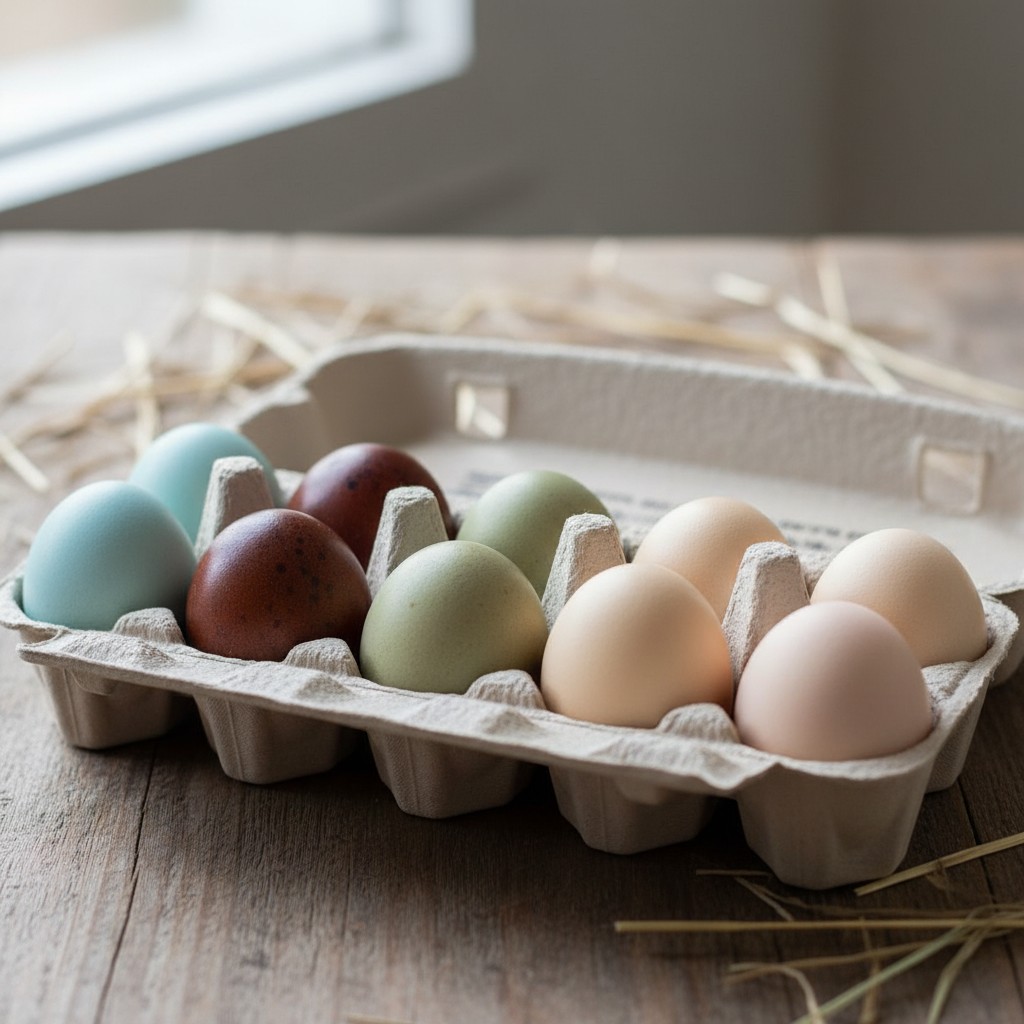
Building a Colorful Egg Basket
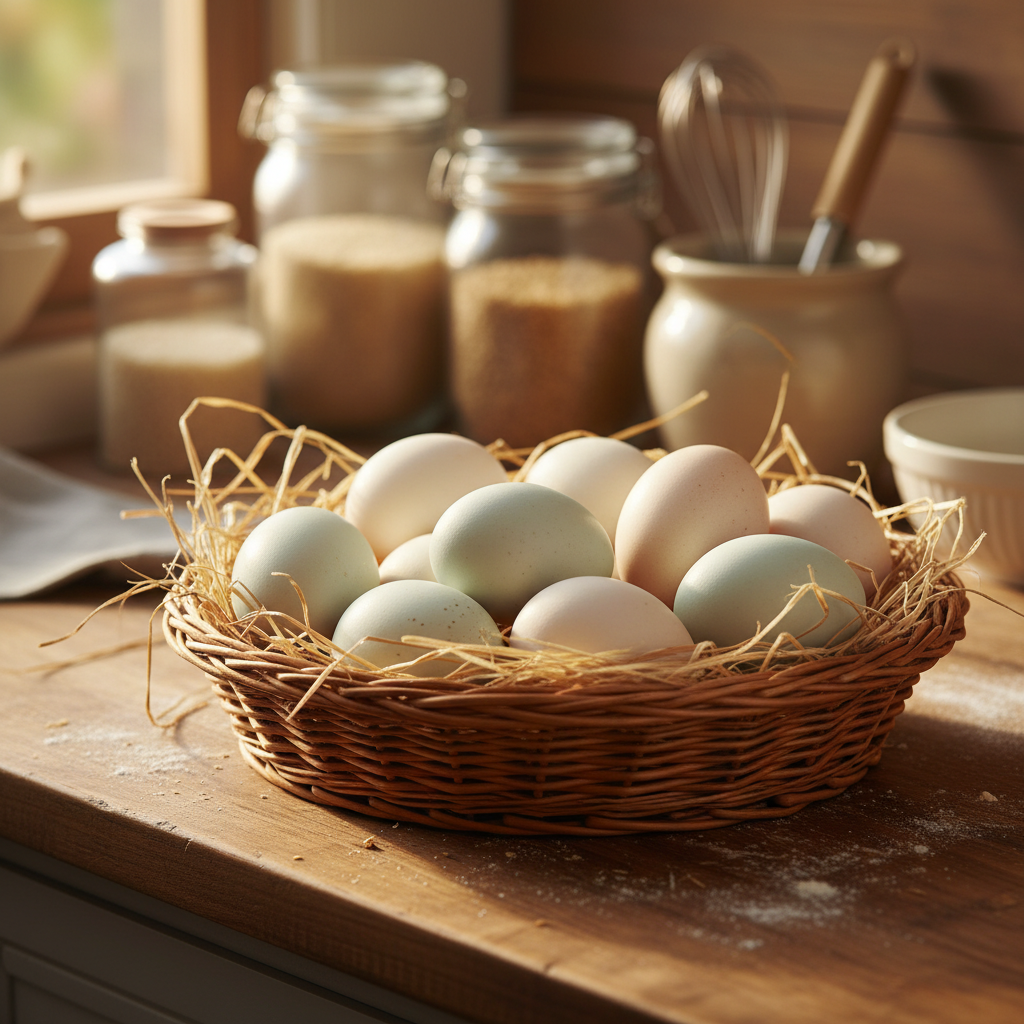
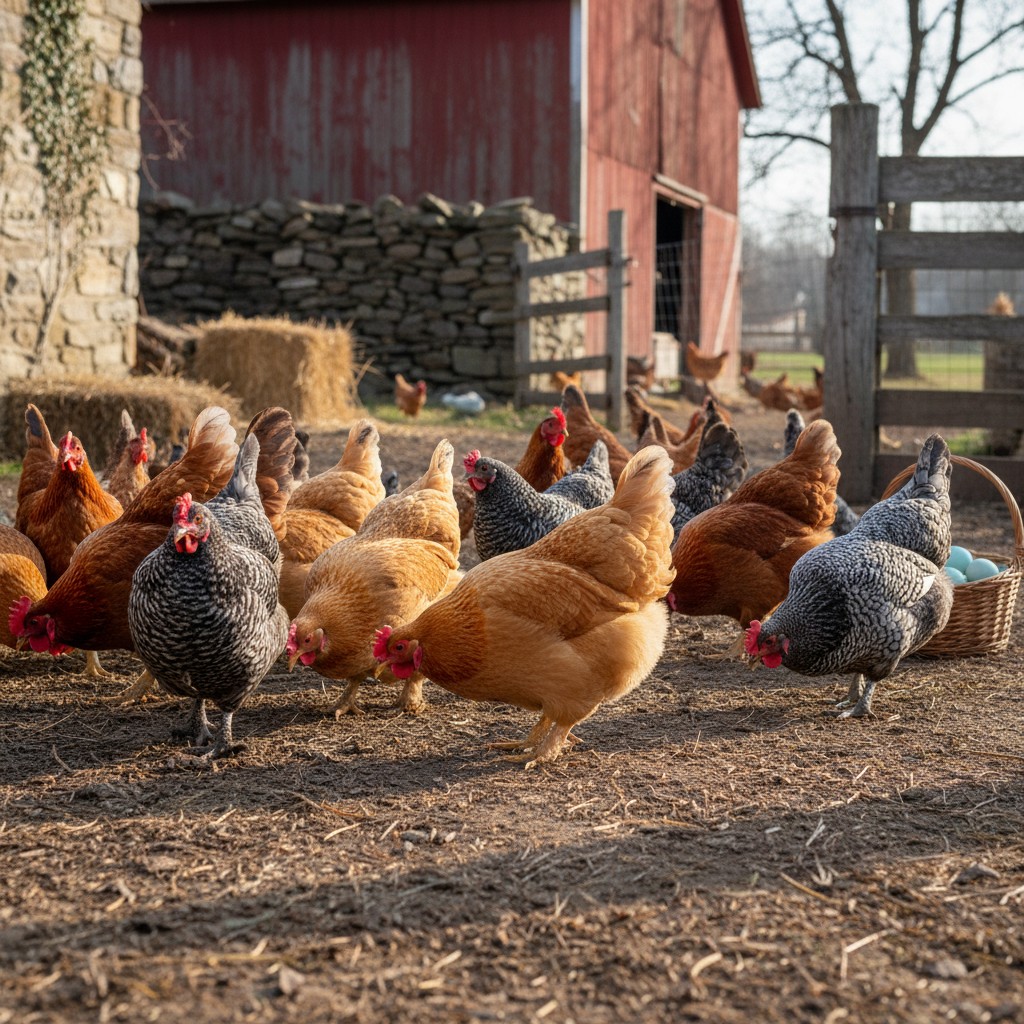
One of the joys of heritage breeds is the egg color variety. Here’s how to build a flock that fills your basket with a rainbow:
- Brown eggs: Plymouth Rock, Orpington, Rhode Island Red, Wyandotte
- Blue/green eggs: Ameraucana, Cream Legbar
- Dark chocolate eggs: Black Copper Marans, Welsummer
- White eggs: White Leghorn, Ancona
- Pink/cream eggs: Australorp, Sussex, Faverolle
A flock of 6 hens with 2 Orpingtons, 2 Ameraucanas, and 2 Marans gives you brown, blue, and chocolate eggs daily, a gorgeous basket that makes a great farmers' market display or neighbor gift.
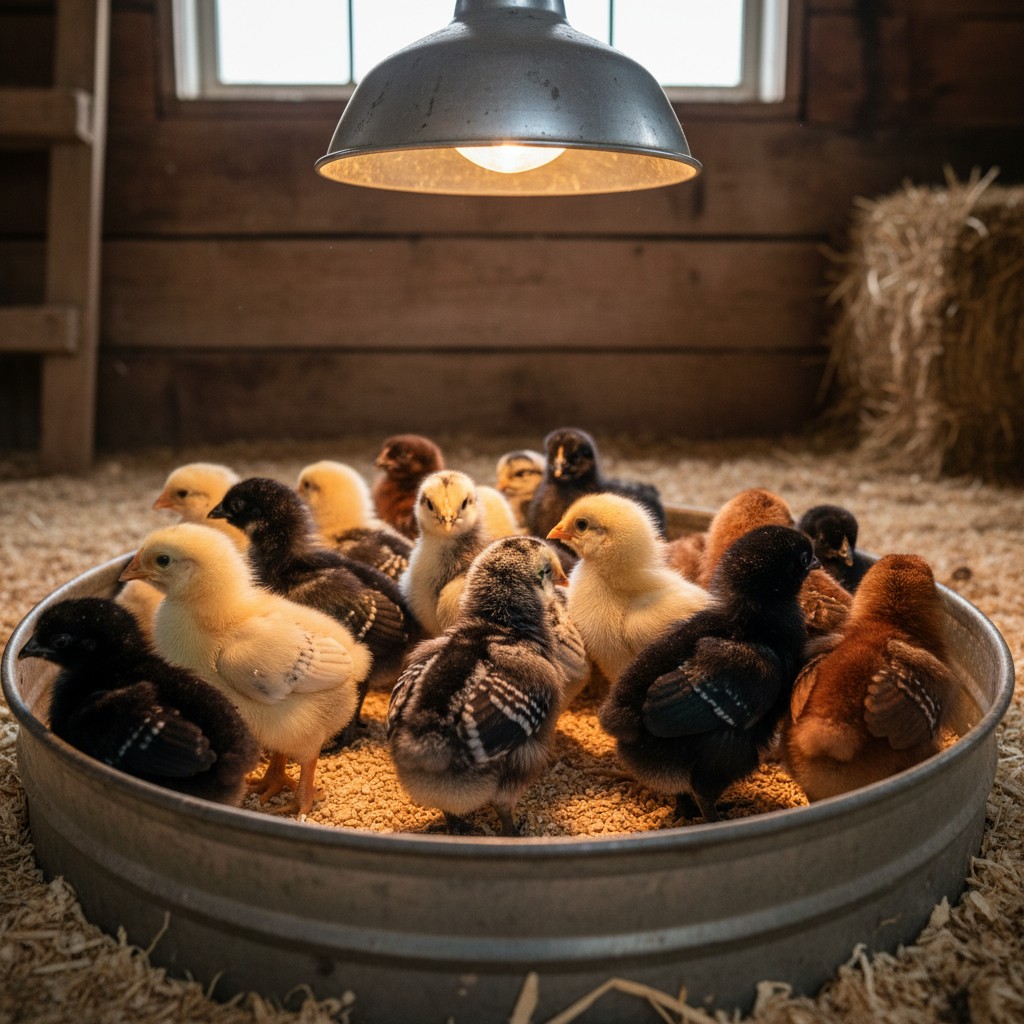
Where to Buy Heritage Chicks
- Local breeders: Best option for quality birds and breed advice. Check Craigslist, local farm groups, or your county poultry club.
- Hatcheries: Murray McMurray, Meyer Hatchery, and Cackle Hatchery all ship day-old heritage chicks nationwide. Usually $4–$8 per chick.
- The Livestock Conservancy: Their breed directory connects you with breeders focused on conservation-quality birds.
- Feed stores: Tractor Supply and local feed stores carry some heritage breeds in spring, but selection is limited and breed accuracy varies.
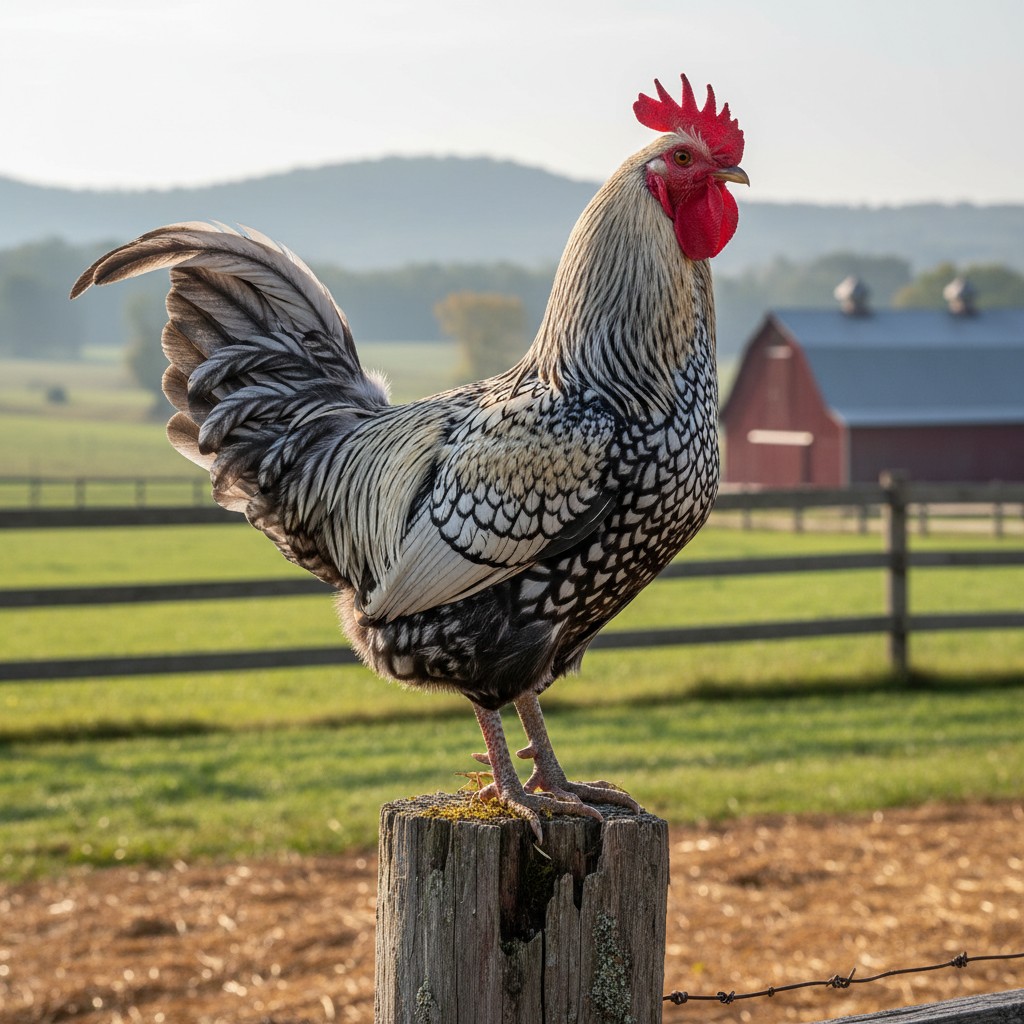
Conservation: Why It Matters
The Livestock Conservancy tracks heritage poultry breeds and assigns conservation priority levels. Several popular breeds are listed as Threatened or Watch, meaning their breeding populations are dangerously small.
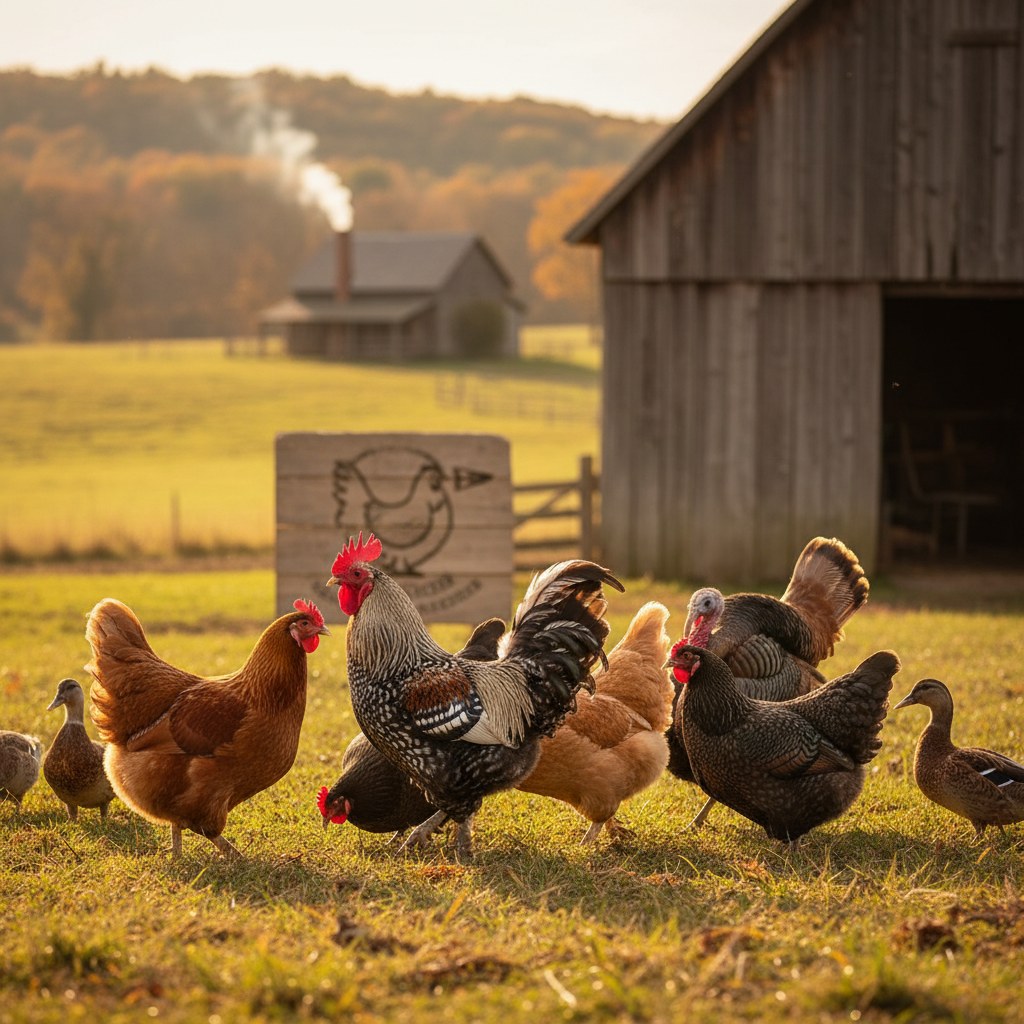
When you raise heritage chickens, you're not just getting eggs, you're maintaining genetic diversity that commercial agriculture has abandoned. These breeds carry traits (disease resistance, foraging ability, climate adaptation) that may become critical as conditions change. Every backyard flock of heritage birds is a living gene bank.
Sources and Further Reading
- The Livestock Conservancy, Heritage Chicken Breed Directory and Conservation Priority List
- American Poultry Association, APA Standard of Perfection
- USDA National Agricultural Library, Poultry Production and Conservation
- University of Minnesota Extension, Small Flock Poultry Resources
- Penn State Extension, Small Flock Poultry Production
- Mississippi State University Extension, Heritage and Endangered Poultry Breeds
Frequently Asked Questions
What’s the best heritage chicken breed for beginners?
Buff Orpington is the most recommended heritage breed for beginners. They’re exceptionally docile (great with kids), cold-hardy, good layers (200–280 eggs/year), and beautiful golden birds. Barred Plymouth Rocks are a close second, slightly better layers with a similarly friendly temperament.
Do heritage chickens lay fewer eggs than hybrids?
In year one, yes, heritage breeds typically lay 200–280 eggs vs. 280–320 for hybrids. But heritage breeds continue laying for 5–8 years (though production drops notably after year 4–5), while hybrids decline sharply after year 2. Over their lifetime, a heritage hen produces 1,200–1,800 eggs total, compared to 600–900 for a hybrid.
Are heritage chickens good for cold climates?
Many heritage breeds are excellent in cold climates. Orpingtons, Plymouth Rocks, Wyandottes, Dominiques, and Rhode Island Reds all have dense plumage and small combs (less prone to frostbite). These breeds were developed in New England and northern Europe specifically to handle harsh winters.
Can heritage chickens hatch their own eggs?
Yes, many heritage breeds retain their brooding instinct and will sit on eggs and hatch chicks naturally. Orpingtons, Sussex, and Cochins are especially good broody hens. This is a major advantage over commercial hybrids, which have had broodiness bred out of them. It means your flock can sustain itself without buying new chicks.
Where can I find heritage breed chickens?
Local breeders (check local farming groups, Craigslist, and your county poultry club) are the best source for quality heritage birds. National hatcheries like Murray McMurray, Meyer, and Cackle ship day-old chicks. The Livestock Conservancy’s breed directory connects you with conservation-focused breeders. Prices are typically $4–$8 per chick.
🌱 From Our Homestead
We chose Dominiques for our flock partly because of their history as America’s oldest chicken breed. Watching them forage across the yard feels like keeping a living piece of agricultural heritage alive, and they are tough birds that handle our weather without complaint.