
Your First Baby Chicks: Brooder Setup and Week-by-Week Care
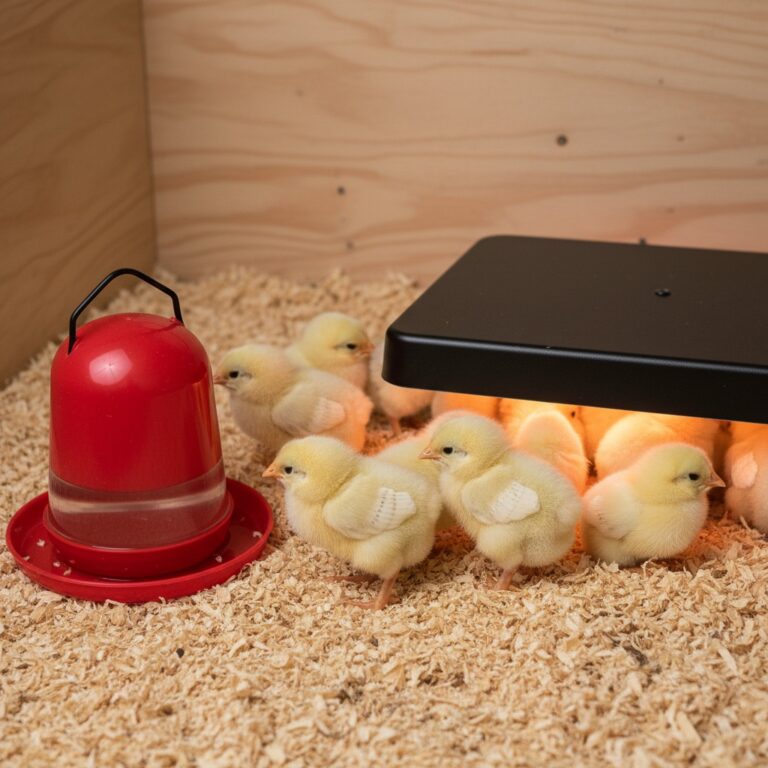
Everything you need to keep baby chicks alive and thriving from day one through coop transition. Brooder setup, temperature schedule, feeding, and common health problems.
Signs of heat stress, shade solutions, frozen treats, electrolyte water, ventilation tips, and emergency cooling for hot days.
Quarantine, the see-but-don’t-touch method, nighttime introductions, and managing the pecking order. Add new birds without chaos.
Production vs heritage breeds compared. Eggs per year, temperament, climate hardiness, and the best dual-purpose options.
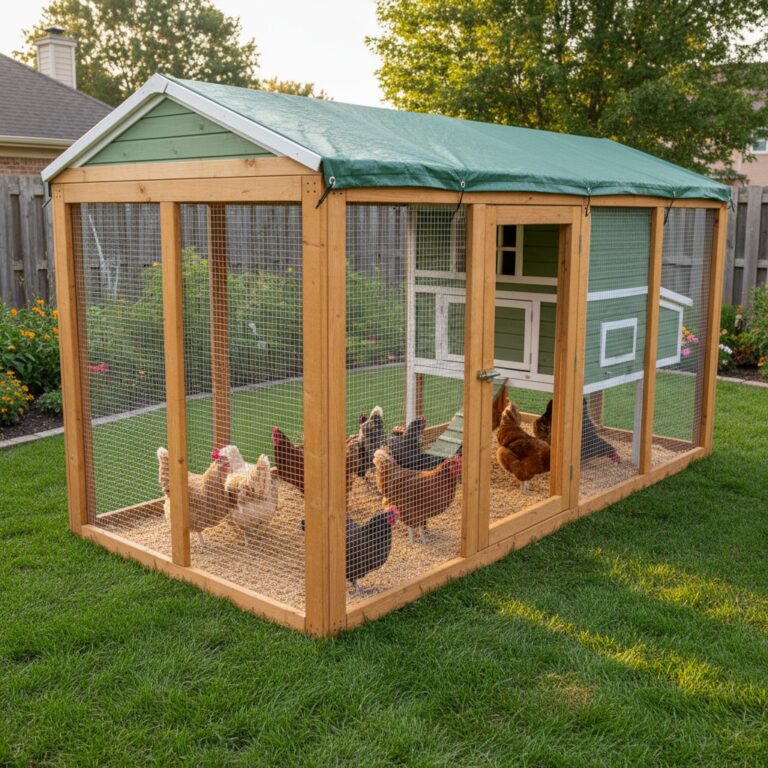
Building a Predator-Proof Chicken Run: Keep Your Flock Safe Building a Predator-Proof Chicken Run: Keep Your Flock Safe Key Takeaways Use 1/2-inch hardware cloth (19-gauge minimum — the 23-gauge version sold at big-box stores is not predator-rated and can be torn open by raccoons and dogs) instead of chicken wire — chicken wire keeps chickens…
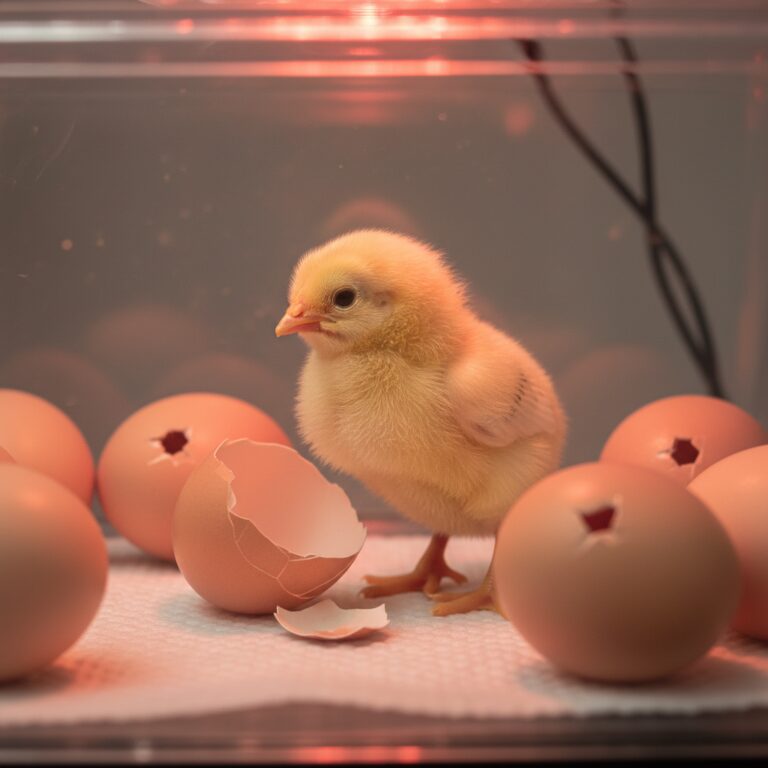
TL;DR: Set your incubator to 99.5°F and 45–55% humidity. Turn eggs 3–5 times daily through day 18, then stop turning, raise humidity to 65–70%, and wait. Most eggs hatch on days 20–21. Leave chicks in the incubator for 12–24 hours after hatching before moving them to a brooder. Hatching your own chicks from eggs is…
🐔 Key Takeaways Heritage breeds are historic chicken breeds recognized by the APA — many are endangered and need backyard breeders to survive Best heritage breeds for beginners: Buff Orpington, Plymouth Rock, Australorp, Wyandotte, and Sussex Heritage hens lay 200–280 eggs/year — fewer than commercial hybrids but for 5–8 years vs. 2–3 Most heritage breeds…
🌿 Key Takeaways Water glassing uses calcium hydroxide (pickling lime) dissolved in water to seal eggshell pores and preserve fresh eggs for 12–18 months without refrigeration. The ratio is simple: 1 ounce of pickling lime per 1 quart of water. Only unwashed, fresh, crack-free eggs with intact bloom will work — store-bought eggs won’t cut…
TL;DR — Key Takeaways Garden scraps can supplement up to 10–15% of your flock’s diet, reducing feed costs noticeably. Leafy greens, squash, cucumbers, and herbs are among the best garden-to-coop foods. Avoid feeding chickens raw potatoes, avocado, dried beans, and rhubarb leaves — these are toxic. Growing dedicated chicken crops like sunflowers, kale, and pumpkins…
TL;DR: The most common backyard chicken health problems — mites, respiratory illness, coccidiosis, Marek’s disease, HPAI, egg-laying issues — are largely preventable with good husbandry. Treat mites with approved insecticides or DE, isolate sick birds immediately, vaccinate chicks for Marek’s, implement strict biosecurity during bird flu outbreaks, and do weekly hands-on flock checks. Always consult…