Homesteading Magazines: The 10 Best Titles for 2026 (Plus Free Alternatives)
Fewer Americans farm today than at any point in a century. The 2022 USDA Census of Agriculture counted 1,900,487 U.S. farms, dropping the national tally below two million for the first time since before the Civil War. And yet interest in growing food, keeping chickens, canning, and living closer to the land keeps climbing. Small family farms, most of them run part-time by owners who work jobs off the property, now make up 86 percent of every farm in the country.
Print magazines have been the connective tissue of that movement for more than half a century. Mother Earth News, Grit, Countryside, Hobby Farms, Small Farmer’s Journal, Acres U.S.A., Backwoods Home, Modern Farmer, and a handful of newer titles each cover a slightly different corner of what “homesteading” means today. Some lean toward off-grid preparedness. Others focus on heritage livestock, or draft horses, or seed-saving, or backyard poultry.
This guide walks through the titles worth your subscription dollar in 2026, when to pick one over another, and where free government and university bulletins fit into the mix. After eight years of stacking magazines on our own farmhouse coffee table, I have opinions about which ones actually earn their shelf space. Anyone starting from scratch may also want to read our companion piece on how to start homesteading on a budget with $1,000 before choosing what to spend on periodicals.
What Should You Look for in a Homesteading Magazine?
A worthwhile homesteading magazine gives you three things: reliable how-to instructions written by someone who has actually done the work, seasonal timing that matches the tasks in front of you, and a community you can dip into between issues. Everything else is design polish.
Look first at the masthead and the contributor list. Titles that use working farmers, master gardeners, veterinarians, and extension-trained writers hold up over time. According to Wikipedia’s reference entry on Backwoods Home Magazine, founder Dave Duffy launched the publication in 1989 as “a how-to homesteading magazine for anyone wishing to pursue a self-reliant lifestyle.” That editorial promise (practical, not aspirational) still separates the durable titles from short-lived lifestyle spinoffs.
Second, check the publication frequency. Bi-monthly and quarterly titles tend to run longer, more thoroughly researched articles than monthly consumer magazines. A quarterly like Small Farmer’s Journal can spend 40 pages on draft-horse hitching; a monthly cannot.
Third, look at how the magazine treats regional differences. Homesteading in coastal Maine looks nothing like homesteading in the Sonoran Desert. Good editors either specialize regionally or explicitly flag climate zones and USDA hardiness ranges inside every project article.
Finally, watch for magazines that publish their sources. A canning article that cites the USDA Complete Guide to Home Canning is telling you where its numbers come from. One that skips citations is asking you to trust a byline.
Which Homesteading Magazines Have Stood the Test of Time?
Nine active homesteading titles have published continuously for at least 20 years, and four of them predate 1980. Longevity matters here because it signals a publication that has weathered format changes, ownership transitions, and the collapse of the general-interest magazine market.
The oldest lineage belongs to Grit. According to the publisher’s own history page, “Grit originally was launched in 1882 and promoted as a magazine of ‘good news,’ which appealed to rural tastes and traditions. At the height of Grit’s popularity in 1969, the weekly had a total circulation of 1.5 million.” That same page notes the 2006 relaunch by Ogden Publications as a bimonthly glossy focused on rural living.

The table below compares the founding dates, publisher, and format of the ten titles most often recommended to new homesteaders. Founding dates come from each publication’s own about page or its Wikipedia reference entry.
| Magazine | Founded | Publisher | Frequency | Focus |
|---|---|---|---|---|
| Grit | 1882 | Ogden Publications | Bi-monthly | Rural lifestyle |
| Countryside & Small Stock Journal | 1917 / 1969 | Countryside Publications | Bi-monthly | Self-sufficiency, livestock |
| Mother Earth News | 1970 | Ogden Publications | Bi-monthly | Broad homesteading |
| Acres U.S.A. | 1971 | Acres U.S.A. | Monthly | Regenerative agriculture |
| Small Farmer’s Journal | 1976 | Family-owned (Sisters, OR) | Quarterly | Draft power, small farms |
| Backwoods Home | 1989 | Backwoods Home LLC | Bi-monthly | Self-reliance, off-grid |
| BackHome | 1990 | BackHome Magazine Inc. | Bi-monthly | Simple living |
| Hobby Farms | 2001 | EG Media Investments | Bi-monthly | Small-acreage farms |
| Modern Farmer | 2013 | Modern Farmer Media | Quarterly | Ag journalism |
| Homestead Living | 2020 | Homesteaders of America | Bi-monthly | Modern homesteading |
The Big Three: Mother Earth News, Grit, and Countryside
Three legacy titles dominate the homesteading magazine landscape by a wide margin, and all three are worth knowing before you spend a subscription dollar anywhere else. Together they cover almost every question a beginning homesteader is likely to ask.
Mother Earth News
Mother Earth News is the flagship. According to Wikipedia’s reference entry, “Mother Earth News is a bi-monthly American magazine that has a circulation of 500,520 as of 2011, and it is published by Ogden Publications, which acquired the magazine in 2001.” Founded in 1970 by John and Jane Shuttleworth in Madison, Ohio, it built its reputation on candid, first-person accounts of the 1970s back-to-the-land movement. Today’s issues run 80 to 100 pages of gardening, natural building, renewable energy, small livestock, food preservation, and DIY projects. If you subscribe to only one homesteading magazine, most working homesteaders would tell you to start here.
Grit
Grit sits in the same publishing family as Mother Earth News (both are Ogden titles). Its content skews toward rural lifestyle rather than technical how-to: heritage crafts, food traditions, small livestock breeds, seasonal recipes, and profiles of working farms. Grit is the magazine you read on a Sunday afternoon after the chores are done. It pairs well with a more instructional title.
Countryside & Small Stock Journal
Countryside is the reader-written classic. The magazine itself explains its origin on its history page: “The journal is the result of the merger in 1973 of Small Stock Magazine which was founded in 1917 by Wallace Blair and Countryside which was founded in 1969 by Jerry (Jd) Belanger.” Most articles come from subscribers rather than staff writers, which gives the magazine an unfiltered, boots-on-the-ground feel. Expect projects, letters to the editor, and questions answered by other readers.
Which Titles Cover Small-Scale Farming and Livestock?
Four homesteading magazines aim squarely at readers with acreage: Hobby Farms, Small Farmer’s Journal, Acres U.S.A., and the newer Homestead Living. If your operation includes goats, sheep, meat birds, orchards, or draft animals, these titles will serve you better than the generalist quarterlies.
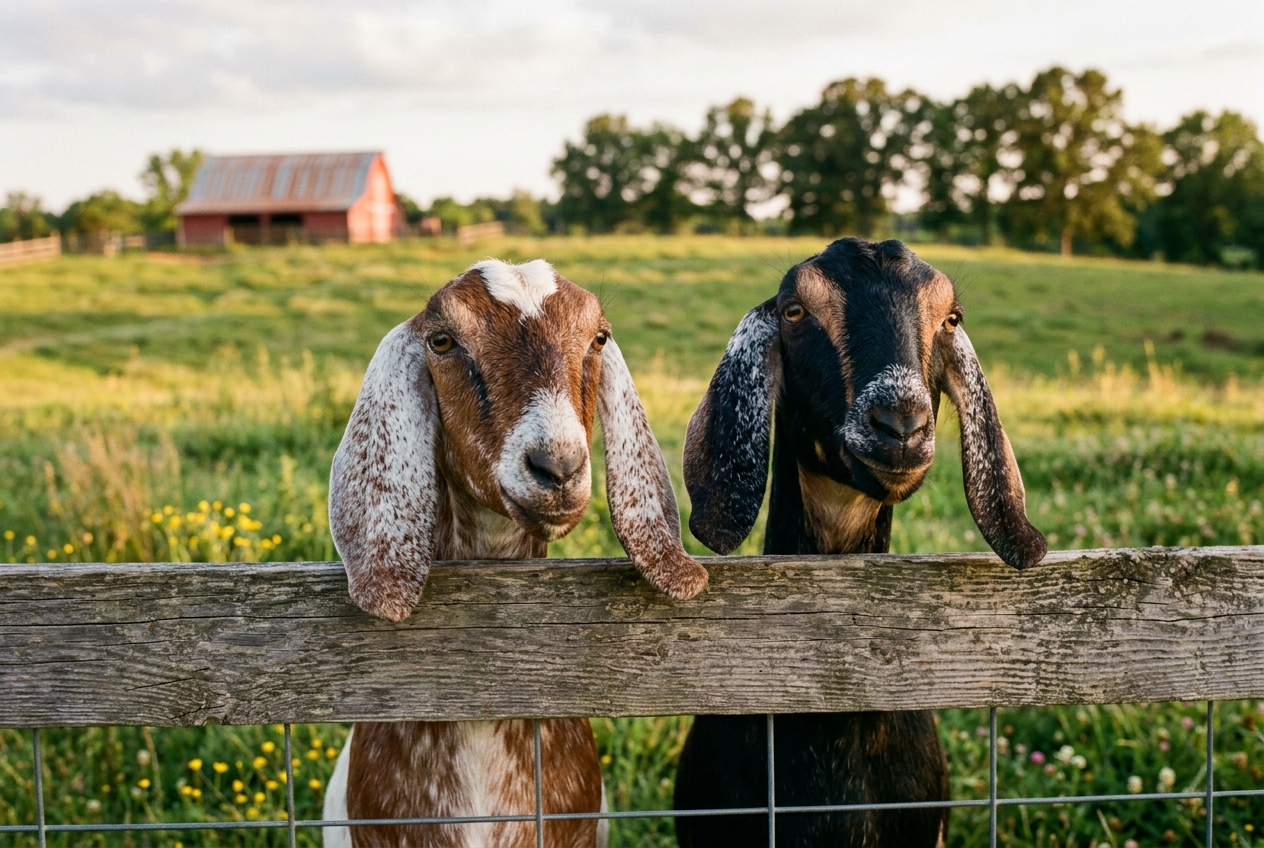
Hobby Farms is the most accessible of the four. According to the magazine’s own about page, “The magazine was the brainchild of Norman Ridker, founder and chairman of BowTie Inc., who launched Hobby Farms magazine in the spring of 2001.” Issues cover fencing, pasture management, tractor maintenance, small livestock breeds, and hobby-scale orchards. Its sister site publishes monthly buyer’s guides for equipment, which is genuinely useful if you are shopping tractors or garden tools. Readers considering pigs will want to pair a Hobby Farms subscription with our guide to raising pigs on a small homestead for breed, budget, and infrastructure specifics.
Small Farmer’s Journal is the specialist favorite. Wikipedia’s reference entry describes it as “a large (11 x 14 inch) quarterly magazine published by a family-owned business in Sisters, Oregon since 1976.” Editor Lynn Miller built the publication around draft-horse and mule work, direct-seed agriculture, and long-form essays on farm economics. It is oversized, thick with photographs, and unlike anything else on the newsstand.
Acres U.S.A. is the regenerative-agriculture bible. According to the publisher’s site, “Acres U.S.A. is North America’s oldest publisher on production-scale organic and sustainable farming.” Founded in 1971 by Charles Walters, it covers soil biology, biological pest control, holistic grazing, and eco-agriculture. Best for readers ready to graduate from beginner gardening into serious soil science.
Homestead Living, launched in 2020 by the Homesteaders of America nonprofit, rounds out this category. It has become the go-to magazine for millennial and Gen X homesteaders who want a modern voice without abandoning traditional skills.
What About Off-Grid, Preparedness, and Newer Voices?
Two overlapping niches sit next to mainstream homesteading: off-grid self-reliance and modern agricultural journalism. Both are served by titles that a diversified homesteader will want on the shelf beside the classics.
Backwoods Home Magazine is the anchor of the self-reliance corner. According to Wikipedia’s reference entry, “Backwoods Home Magazine (BHM) was founded as a how-to homesteading magazine for anyone wishing to pursue a self-reliant lifestyle. The first issue, with a print run of 6,000, published in October 1989 and was distributed free by Duffy and his daughter, Annie.” Today’s issues cover cabin building, well drilling, solar power, food storage, and defensive preparedness. It leans libertarian in its editorial voice. Readers who want a technology-forward companion to the magazine’s solar coverage should look at our honest beginner’s guide to off-grid solar, and anyone building a deep pantry can start with our walkthrough on building a three-month emergency food pantry on a budget.
BackHome grew out of the same movement. Wikipedia describes it as “a magazine that was created in 1990 as a competitor to Mother Earth News after the latter was taken over by a major publisher.” Content overlaps significantly with Mother Earth News but skews toward smaller-scale, budget-conscious projects and reader-submitted case studies.
Modern Farmer occupies a different lane entirely. Wikipedia notes it is “a quarterly American magazine devoted to agriculture and food, founded in April 2013. It is based in Hudson, New York.” Its writing style borrows from long-form magazines like Harper’s and The Atlantic. Expect journalism about food policy, regenerative ranchers, seed patents, and the economics of small farming. Not a how-to magazine, but excellent context for anyone building a homestead inside the modern food system.
On our own place I keep a rotation of five: Mother Earth News, Countryside, Hobby Farms, Backwoods Home, and Small Farmer’s Journal. Together they cover about 90 percent of the topics that come up in a typical homesteading year, and each brings a distinct editorial voice.
How Should Beginners Choose a First Subscription?
Start with one magazine that matches your current project stack, and add a second only after four issues. Homesteaders who subscribe to six titles at once tend to skim all of them and finish none.

If your focus is a small backyard flock
Countryside & Small Stock Journal is the traditional choice for chicken keepers, and for good reason: the magazine’s DNA runs back to the 1917 Small Stock Magazine merger. Backyard poultry has grown fast enough to justify a whole subscription. According to Poultry Extension, a Cooperative Extension System resource, “In the United States from 2012 to 2017, there was a 16% increase in number of backyard flocks and 20% increase in number of backyard flock laying hens.” A magazine that treats chickens as more than a lifestyle accessory pays for itself in avoided vet bills. Families raising kids alongside a small flock will also find our piece on homesteading with kids at every age a useful companion.
If your focus is a market garden or heritage produce
Choose Mother Earth News. Its gardening coverage runs deeper than any other consumer title, and its variety trial reports are one of the few places you can compare heirloom performance across multiple climates.
If your focus is soil health and long-term land stewardship
Acres U.S.A. is worth the subscription price even if you never keep livestock. Its soil-biology and cover-cropping coverage will change how you think about ground you already own.
If your focus is a rural-lifestyle read for the whole family
Grit is the pick. Recipes, breed profiles, and reader stories that a teenager or a grandparent can pick up and enjoy. Pair it with our practical walkthrough on cooking from scratch on a budget for weeknight menus that put a magazine’s food photography to work.
Where Do Free Extension Publications Fit In?
Every land-grant university in the United States publishes free peer-reviewed homesteading resources, and any serious homesteader should treat these as a first stop before buying a magazine on the same topic. Extension bulletins are written by state specialists, updated regularly, and cited by name in the best magazine articles.
The scale of this free library is easy to underestimate. According to USDA’s National Agricultural Statistics Service, “The 1.4 million farms with sales of $50,000 or less accounted for 74% of farms, 25% of farmland, and 2% of sales.” That vast majority of small operators is exactly who Cooperative Extension exists to serve, and it explains why extension publications are so generous with plain-language how-to material on canning, orchards, livestock health, and soil testing.
A few reliable starting points: the National Center for Home Food Preservation at the University of Georgia for canning safety, the Cornell Small Farms Program for produce and livestock enterprise budgets, Penn State Extension for orchard and vegetable pest management, and Oregon State Extension for backyard fruit growing. Each publishes hundreds of free PDFs and short video guides.
Free does not mean lesser. Land-grant bulletins often carry more technical depth than a magazine article on the same subject, because they are written for growers, not for browsers. Use magazines for inspiration and community, extension bulletins for research-grade instructions. That combination will serve you better than any single subscription.
Frequently Asked Questions About Homesteading Magazines
Are homesteading magazines worth the subscription price in 2026?
Yes, for most active homesteaders. A print magazine gives you seasonal reminders you did not know you needed, curated project ideas from working farms, and a break from screens during the winter planning months. Expect to pay $25 to $45 a year for a bi-monthly title, which works out to about the cost of one bag of chicken feed per year of reading.
Which homesteading magazine is the best for absolute beginners?
Mother Earth News is the standard recommendation. Its content spans gardening, small livestock, food preservation, natural building, and DIY tools, so a beginner can identify their interests before subscribing to a more specialized title.
What is the difference between Grit and Mother Earth News?
Both are Ogden Publications titles, but they serve different reading moods. Mother Earth News is instructional and project-driven. Grit is rural-lifestyle: recipes, farm profiles, heritage crafts, and reader stories. Many homesteaders subscribe to both because they scratch different itches.
Are there any homesteading magazines aimed at urban or suburban readers?
Yes. Mother Earth News runs regular columns on small-space gardening, container growing, and city chicken-keeping. Modern Farmer and BackHome both publish content aimed at the growing suburban-homesteader audience. For city-specific coverage, look for the Urban Farm annual guides published by EG Media. Suburban readers looking to move from magazine reading into practice should see our companion guides on starting a suburban homestead and homesteading with no land at all.
Can I read most homesteading magazines digitally?
Almost all major titles offer digital subscriptions through Zinio, Apple News+, or their own apps. Mother Earth News, Grit, Countryside, Hobby Farms, and Modern Farmer all publish full digital editions. Small Farmer’s Journal is the notable exception; it remains a large-format print-only publication.
Which homesteading magazines have gone out of business?
Several once-popular titles have folded or gone dormant, including Countryside’s original 1970s-era Countryside Communicator, GreenPrints (gardening essays), and the print edition of Farm & Ranch Living. Back issues of many defunct titles are archived at university libraries and at the Small Farmer’s Journal reference room.
Do any homesteading magazines cover herbal medicine and natural health?
Herb Quarterly and Mother Earth Living (a sister title to Mother Earth News, now digital-only) cover herbal medicine, natural remedies, and clean-living topics. Both are worth a subscription for readers interested in growing and using medicinal plants alongside their vegetable garden.