How to Sell at Farmers Markets: From Garden Surplus to Side Income
How to Sell at Farmers Markets: From Garden Surplus to Side Income
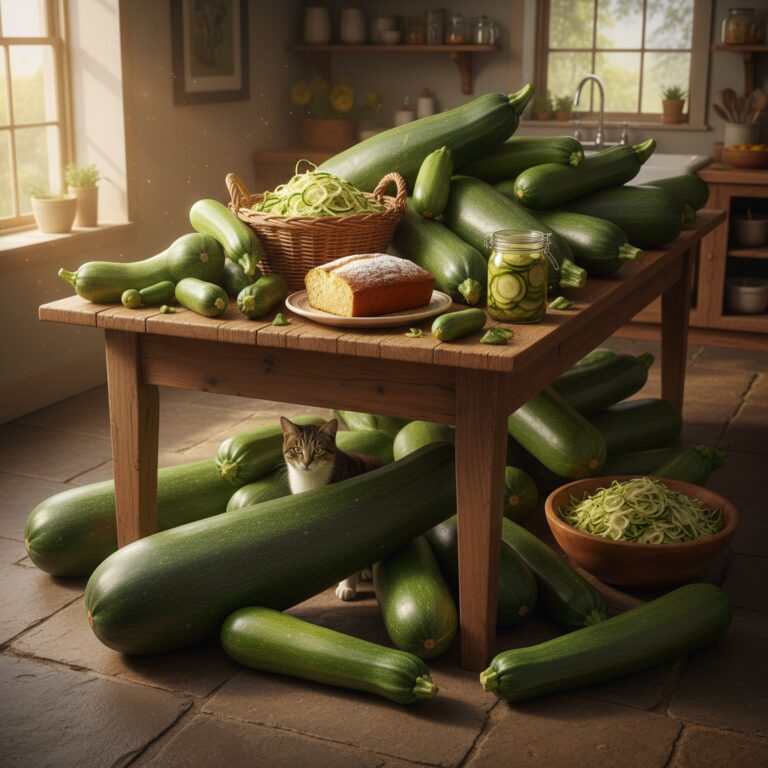
You’ve got more zucchini than any family could possibly eat. Your jam shelf is three rows deep. The herb garden is producing faster than you can dry and freeze. Sound familiar? If you’re already growing more than you can use, selling at a farmers market is the natural next step — and it can turn your homestead from a hobby into a genuine source of income.
Selling at farmers markets isn’t just about the money, though that certainly helps. It connects you with your community, gives you feedback on what you grow, and creates motivation to expand your skills. There’s nothing quite like watching a stranger light up over your homemade lavender soap or come back week after week for your heirloom tomatoes.
- Fresh produce, baked goods, and value-added products like jams and soaps are consistent top sellers
- Most states require a cottage food license or similar permit for processed foods — research yours before you start
- Pricing should cover your costs plus a fair profit — don’t undervalue your work
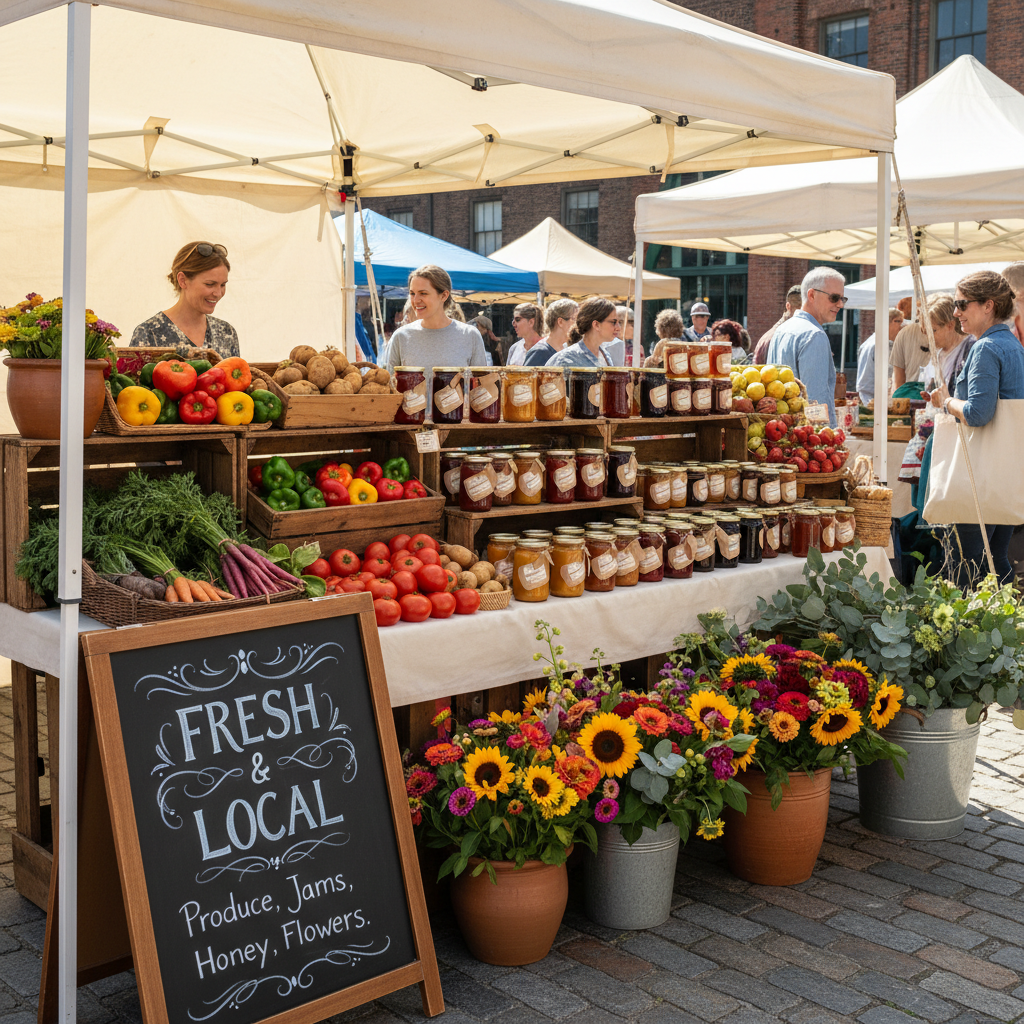
- An attractive, well-organized booth draws more customers than a great product displayed poorly
- Start small at one market, learn what sells, and expand from there
What Sells Best at Farmers Markets
Not everything you grow will sell equally well. Understanding what customers are looking for helps you plan what to grow and make specifically for market.
Consistent Top Sellers
- Heirloom tomatoes — always in demand, especially unusual varieties you can’t find at grocery stores
- Fresh herbs — bundled and priced affordably, herbs are impulse buys that sell fast
- Salad greens and microgreens — health-conscious shoppers will pay premium prices for fresh, local greens
- Fresh eggs — if your area allows it, pasture-raised eggs practically sell themselves
- Baked goods — bread, muffins, cookies, and pies are market staples
- Jams and preserves — especially unique flavors. If you’ve been making homemade jam beyond basic strawberry, you already have a market-ready product.
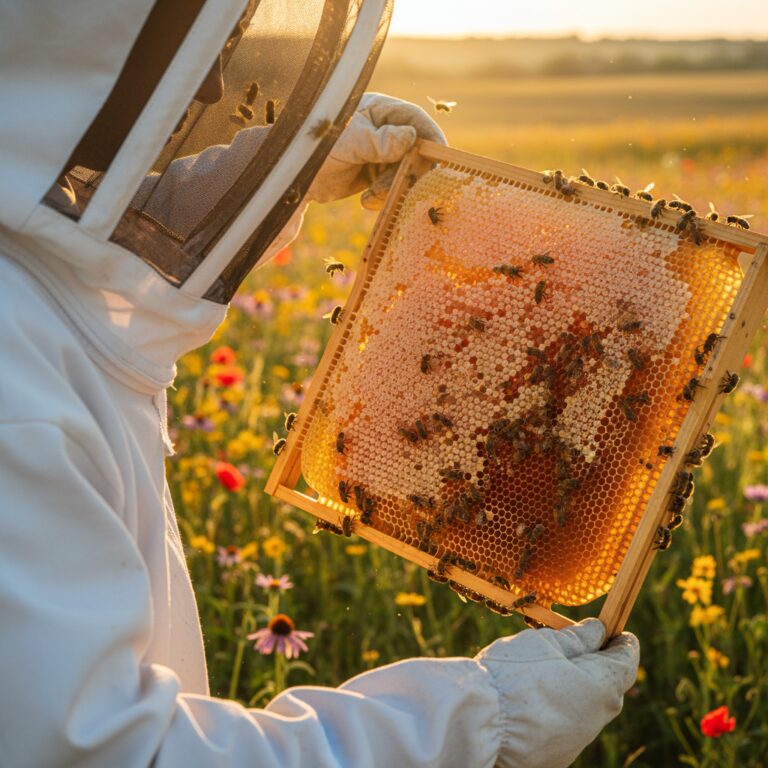
- Honey — local honey commands premium prices and attracts allergy-conscious buyers
- Cut flowers — beautiful, high-margin, and they make your booth look amazing. Growing cut flowers specifically for market is a smart move.
Value-Added Products with High Margins
Value-added products — where you’ve transformed a raw ingredient into something more — typically have better profit margins than raw produce.
- Herbal salves and balms
- Handmade soap — learn soap making and you’ll have a product people return for again and again
- Herb butter and compound butters — our herb butter recipes are perfect for market-size portions
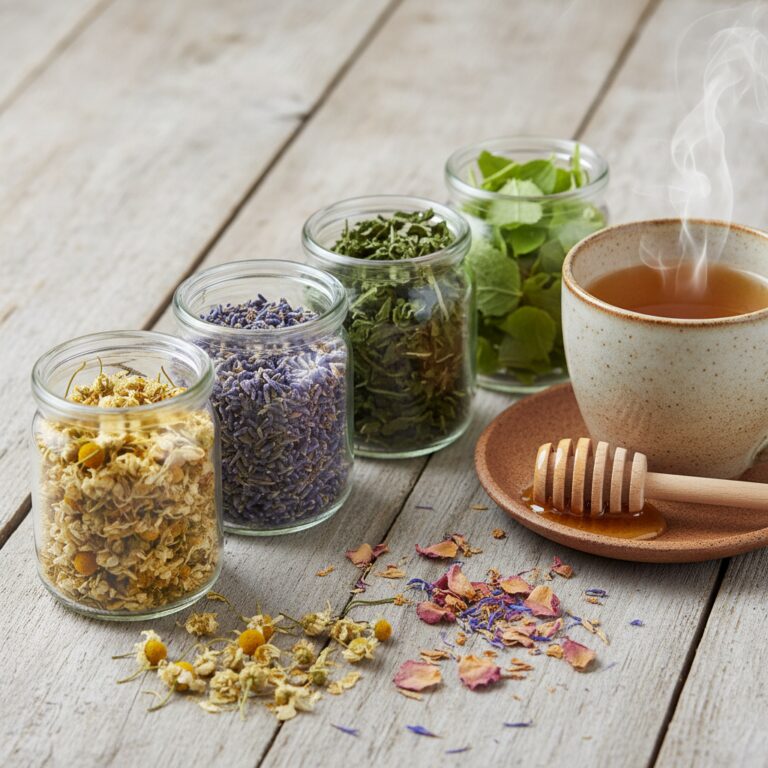
- Dried herb blends and teas
- Beeswax candles and wraps
- Fermented foods — sauerkraut, kimchi, hot sauce
- Flavored vinegars and infused oils
Our first year at the farmers market, we brought a random assortment of whatever was ripe that week. Some weeks we sold everything; other weeks we came home with half our produce. By year two, I’d learned that our bestsellers were heirloom tomatoes, fresh basil bundles, and small jars of hot pepper jelly. Focusing on what actually sold tripled our revenue.
Permits, Licenses, and Regulations
This is the part nobody finds exciting but everybody needs to understand. Selling food — even at a small farmers market — involves regulations that vary significantly by state and locality.
What You Typically Need
| Product Type | Typical Requirements | Notes |
|---|---|---|
| Fresh produce (unprocessed) | Usually minimal — may need a business license | Least regulated category |
| Eggs | Varies widely — some states allow unlicensed small-flock sales, others require permits | Check your state egg law specifically |
| Baked goods, jams, pickles | Cottage food license in most states | Revenue caps vary ($25K-$75K/year typical) |
| Meat and dairy | USDA or state inspection required | Most heavily regulated — start with other products |
| Soap and cosmetics | FDA labeling requirements, no medical claims | Generally easier to sell than food products |
| Honey | Varies by state — some require licensing, others don’t | Usually less regulated than other processed foods |
Steps to Get Legal
- Research your state’s cottage food laws — search “[your state] cottage food law” for current requirements
- Contact your county extension office — they’re free, knowledgeable, and can point you to every resource you need
- Get a business license if required by your city or county
- Get a sales tax permit if your state requires tax collection on food sales (many exempt farm-direct sales)
- Check the specific market’s requirements — many markets require proof of insurance, which can cost $200-400/year for a basic policy
- Get food safety training if required — many states require a food handler’s certificate for processed food sellers
Pricing Your Products
Underpricing is the most common mistake new vendors make. You grew it, harvested it, processed it, packed it, drove it to market, and stood there selling it. Your products have real value, and pricing them fairly isn’t greedy — it’s sustainable.
The Pricing Formula
For each product, calculate:
- Material costs: Seeds, soil amendments, jars, labels, beeswax, oils, etc.
- Labor: Value your time at a reasonable hourly rate (at least minimum wage)
- Overhead: Market fees, gas, insurance, booth supplies
- Profit margin: Add 20-40% to the total above
Quick pricing guidelines:
- Fresh produce: Check what other vendors at your market charge and price competitively. Don’t be the cheapest — be the best quality.
- Baked goods: Ingredient cost x 3-4 is a common formula
- Jams and preserves: $6-10 for an 8 oz jar is typical, more for unusual flavors
- Soap: $5-8 per bar is standard for handmade artisan soap
- Eggs: $4-8/dozen depending on your area and how they’re raised
- Cut flowers: $8-15 per bouquet, depending on size and variety
My first year, I priced my jam at $4 a jar because I felt weird charging more. A seasoned vendor pulled me aside and said, “You’re not just selling jam — you’re selling six hours of picking berries, cooking, canning, and labeling. Price it like you respect your own time.” I raised my price to $8 and sold just as many jars. Lesson learned.
Setting Up Your Booth
Your booth is your storefront, and first impressions matter. You don’t need to spend a fortune, but you do need to look professional and inviting.
Essential Equipment
- 10×10 pop-up canopy — the single most important investment ($100-300). Get one rated for commercial use with weights or stakes.
- Folding table(s) — 6-foot banquet tables work well. Cover with a tablecloth that reaches the ground on the front and sides.
- Tablecloths — solid colors look more professional than patterns. Earth tones work well for farm products.
- Price signs — clear, legible, at every product. Customers who can’t find a price often walk away rather than ask.
- A banner or sign with your farm name — this is your brand identity
- Cash box and change — bring plenty of ones and fives. Accept credit cards using a mobile reader (Square, PayPal, etc.).
- Bags — paper or reusable bags for customers’ purchases
Display Tips That Increase Sales
- Use height variation. Stack crates, use risers, or lean boards against boxes to create different levels. Flat tables with everything at one height are boring to look at.
- Group products logically. All tomatoes together, all herbs together, all preserves together.
- Put your bestseller front and center. Your most attractive, popular product should be the first thing people see.
- Offer samples. If regulations allow it, tasting samples dramatically increase sales of jams, baked goods, and honey.
- Use baskets and wooden crates instead of plastic bins — they reinforce the farm-fresh aesthetic.
- Keep your booth tidy throughout the day. Rearrange as products sell to avoid a picked-over look.
First-Timer Tips: Your First Market Day
Your first market day will be a mix of excitement and nervousness. Here’s how to make it a success.
The Week Before
- Harvest and prepare all products, leaving enough time for proper cooling and packaging
- Make price signs for everything
- Do a trial setup in your yard — time how long it takes and adjust your layout
- Prepare a cash box with at least $50 in small bills and coins
- Pack everything into your vehicle the night before
Market Day Morning
- Arrive early — most markets have set setup times (often 6-7 AM for an 8 AM opening)
- Set up your canopy first, then tables, then products
- Introduce yourself to neighboring vendors — they’re your community and a wealth of knowledge
- Have water and snacks for yourself — you’ll be standing for hours
During the Market
- Stand up and greet people. Sitting behind your table scrolling your phone is the fastest way to not sell anything.
- Be ready to answer questions about how things were grown, your methods, and your farm
- Don’t pressure people. A friendly “let me know if you have any questions” is perfect.
- Keep a notebook to track what sells, what doesn’t, and what people ask for
- Bring business cards or a sign-up sheet for a mailing list or social media
After Market
- Count your money and calculate your gross sales
- Subtract your costs (market fee, gas, packaging, ingredients) to find your actual profit
- Note what sold out first, what was left over, and what people asked about
- Use this data to plan next week’s inventory
Growing Your Market Business
Once you’ve done a few markets and found your rhythm, consider these strategies for growth:
- Build a customer base. Regulars are the backbone of market income. Remember their names, their preferences, and what they bought last week.
- Expand your product line strategically. Add one or two new products at a time based on customer demand.
- Consider a CSA or farm stand. Some market customers may prefer weekly pickup or delivery.
- Create a simple website or social media presence. Even a basic Instagram account helps customers find you and see what you’ll have each week.
- Plan your garden for market. Our guide to planning a preserver’s garden can help you think about quantity planning for surplus production.
What to Grow Specifically for Market
If you’re planning your garden with market sales in mind, focus on high-value, high-demand crops:
| Crop | Why It Sells | Approximate Revenue per 100 sq ft |
|---|---|---|
| Salad greens mix | High demand, fast turnover | $200-400/season |
| Cherry tomatoes | Impulse buy, kids love them | $150-300/season |
| Fresh herbs (basil, cilantro) | High markup, repeat buyers | $300-600/season |
| Hot peppers | Niche market, high value per pound | $200-400/season |
| Microgreens | Premium price, year-round production | $500-1000+/season |
| Cut flowers | High margin, beautiful booth display | $400-800/season |
Common Mistakes to Avoid
- Bringing too much variety and not enough quantity. It’s better to have plenty of five items than a tiny bit of twenty items.
- Not accepting card payments. You will lose sales — many people carry little or no cash.
- Ignoring presentation. The same tomatoes sell faster in a basket with a handwritten sign than in a plastic grocery bag.
- Giving up after one bad week. Markets are weather-dependent and seasonal. Give it at least six weeks before evaluating.
- Not keeping records. Without tracking what you sell and spend, you can’t know if you’re actually profitable.
- Being inflexible. If nobody wants your turnips but everyone asks for basil, adjust your planting plan.
Frequently Asked Questions
How much money can you realistically make at a farmers market?
This varies enormously based on your location, product mix, and the size of the market. A small vendor selling produce and a few value-added products might gross $200-500 per market day. An established vendor with a strong following and diverse products might gross $800-2,000 per market day. After expenses (market fee, materials, gas, time), a realistic first-year net income for a weekly summer market is $2,000-8,000. This grows as you learn what sells and build a customer base.
Do I need insurance to sell at a farmers market?
Many markets require vendors to carry general liability insurance, typically with $1 million in coverage. Policies specifically designed for small farm vendors and cottage food producers cost roughly $200-500 per year. Some homeowner’s insurance policies offer riders that cover small business activities. Check with your market manager for their specific requirements — some smaller markets don’t require insurance, while most larger or city-run markets do.
What’s the best way to handle produce I don’t sell?
Have a plan for leftovers. Options include: reducing prices in the last hour of market (a common practice), donating unsold produce to a local food bank (some states offer tax deductions for this), processing leftovers into value-added products for next week (bruised tomatoes become salsa, wilting herbs become dried herb blends), feeding appropriate leftovers to livestock, or composting what can’t be used. Planning your quantities carefully based on sales data minimizes waste over time.
Can I sell at farmers markets if I don’t have a farm — just a large garden?
In most cases, yes. Many farmers markets welcome backyard gardeners and cottage food producers. The key requirements are usually that you grew or made what you’re selling (most markets don’t allow reselling commercial products) and that you comply with any applicable permits and licenses. Some markets have specific categories for “growers” versus “producers” versus “artisans” — check with your local market manager to find the right fit.
How do I find farmers markets looking for vendors?
Start by visiting your local farmers markets as a customer and talking to the market manager. Most markets have a vendor application process that opens in late winter for the spring/summer season. Check the USDA Farmers Market Directory (search online) for markets in your area. Your county extension office is also a great resource. Social media groups for local farming and homesteading communities often share market openings. Some areas also have online vendor matching services that connect producers with markets seeking specific products.