Raising Quail: The Perfect Micro-Livestock for Small Homesteads
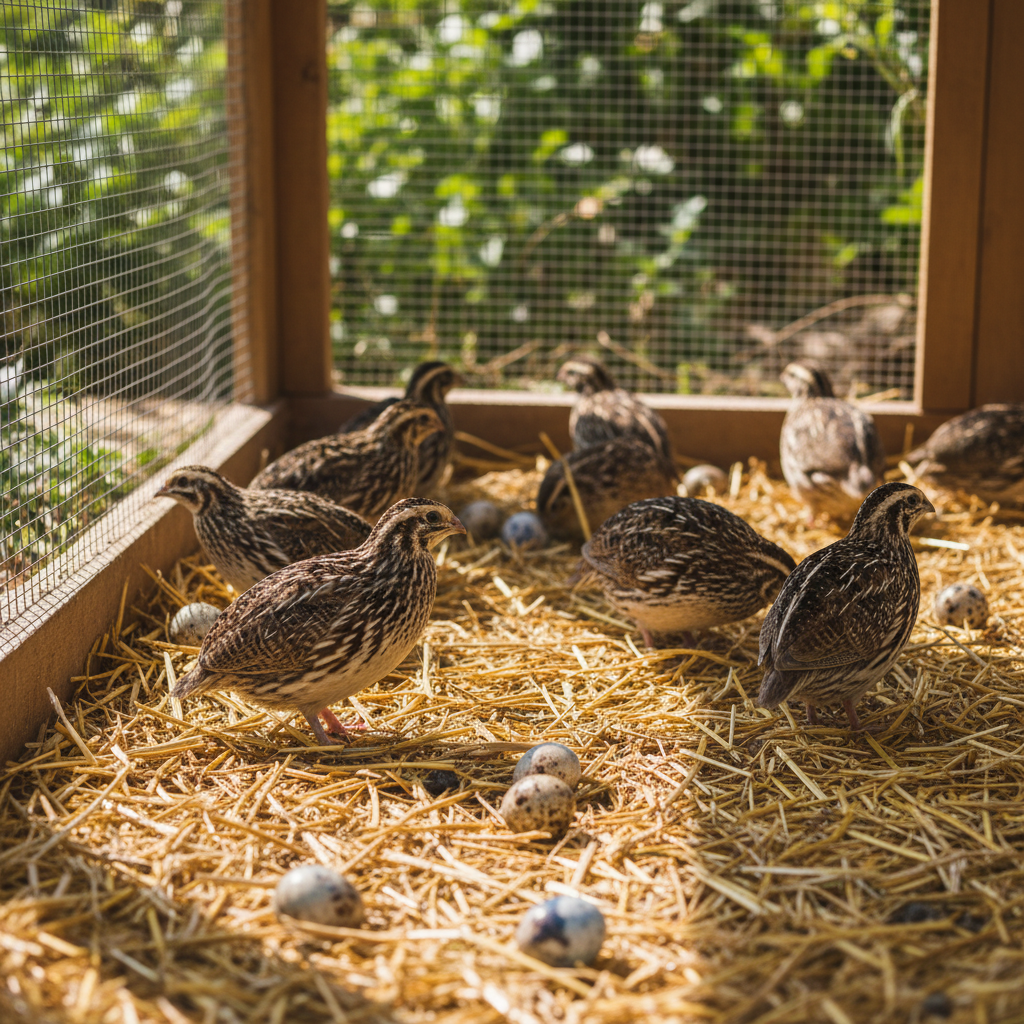
- Coturnix quail mature in just 6-8 weeks and can produce 300+ eggs per year per hen.
- They need as little as 1-2 square feet per bird, perfect for small backyards or even urban settings.
- Coturnix quail are quieter than chickens and some municipalities that restrict chickens allow them, but always check local zoning, and note that Bobwhite require state game-bird permits in most U.S. States.
- They’re a gateway micro-livestock for homesteaders who want eggs, meat, and fertilizer with minimal space.
- Cage height and the "flush" response. When startled, Coturnix quail explode straight up vertically. In cages with hard tops, they can strike the ceiling hard enough to cause fatal skull, neck, or crop injuries, a common new-keeper loss. Follow one of two standard practices from Penn State Extension and Mississippi State poultry extension: either keep cage ceilings under about 12 inches so the birds cannot build up momentum, or use a soft top (bird netting, shade cloth, or padded fabric) in taller aviaries so impacts are absorbed. Hard-topped cages in the 18–48 inch range are the worst of both worlds.
- Permits depend on species. Coturnix (Japanese) quail are generally treated as a domesticated non-native species and are unregulated at the federal level in the U.S., but Bobwhite quail are classified as a game bird in most states and typically require a game bird breeder’s license, propagator’s permit, or possession permit from your state wildlife / fish & game agency. A few states restrict private possession entirely, and release of any quail into the wild is almost always separately regulated. Always check your state wildlife agency and local zoning before ordering birds, especially for Bobwhite.
When I first started my homesteading journey, I assumed you needed acres of land and a big red barn to raise livestock. Then a fellow homesteader told me about quail, and everything changed. Within a month, I had a small covey of Coturnix quail happily producing eggs in a space no bigger than a bookshelf. If you’ve been dreaming of raising your own food but feel limited by space, quail might just be your perfect starting point.
🌱 From Our Homestead
We started with a dozen Coturnix quail in a small hutch and were amazed at how quickly they started laying, within six weeks we were getting eggs daily. They are perfect for a smaller homestead where space is tight, and the kids love collecting those tiny speckled eggs every morning.
Why Should You Consider Raising Quail?
Quail are the most space-efficient livestock you can raise, producing nutrient-dense eggs and meat in a fraction of the room chickens require. According to the Cooperative Extension Poultry Resource, Coturnix quail can begin laying eggs as early as 6 weeks of age, far sooner than any chicken breed. They’re quiet enough for suburban neighborhoods, and many municipalities that restrict chickens allow quail without permits.
From my own experience, quail have the best return-on-investment of any animal on our little homestead. The feed costs are minimal, the eggs are gorgeous (and delicious), and my kids love caring for them. If you’re already raising backyard chickens, quail make an excellent complement. And if local ordinances keep you from chickens, quail are often the perfect workaround.
What Are the Best Quail Breeds for Beginners?
Coturnix (Japanese) quail are hands-down the best breed for beginners thanks to their fast maturity, prolific egg production, and calm temperament. Bobwhite quail are popular in the southern U.S. For hunting preserves, but they’re flightier and slower to mature. For the homesteader focused on eggs and meat, Coturnix is the way to go.
One important legal note: Coturnix and Bobwhite are not legally interchangeable in the United States. Bobwhite (Colinus virginianus) are classified as a native game bird in most states, and possessing, breeding, or releasing them typically requires a state game bird breeder’s license or propagator’s permit from your state wildlife / fish & game agency, the rules that also govern pheasants and chukar. A handful of states restrict private ownership outright. Coturnix (Coturnix japonica) are generally treated as a domesticated non-native species and are federally unregulated, though a few states and many HOAs still impose limits. Always confirm with your state wildlife agency before you buy Bobwhite chicks or eggs. If you plan to sell quail eggs or meat, check your state’s egg grading and cottage food laws, many states require egg washing, grading, and labeling standards that apply to quail eggs just as they do to chicken eggs, and processing quail for sale (even on-farm direct sale) often falls under state poultry or meat inspection rules.
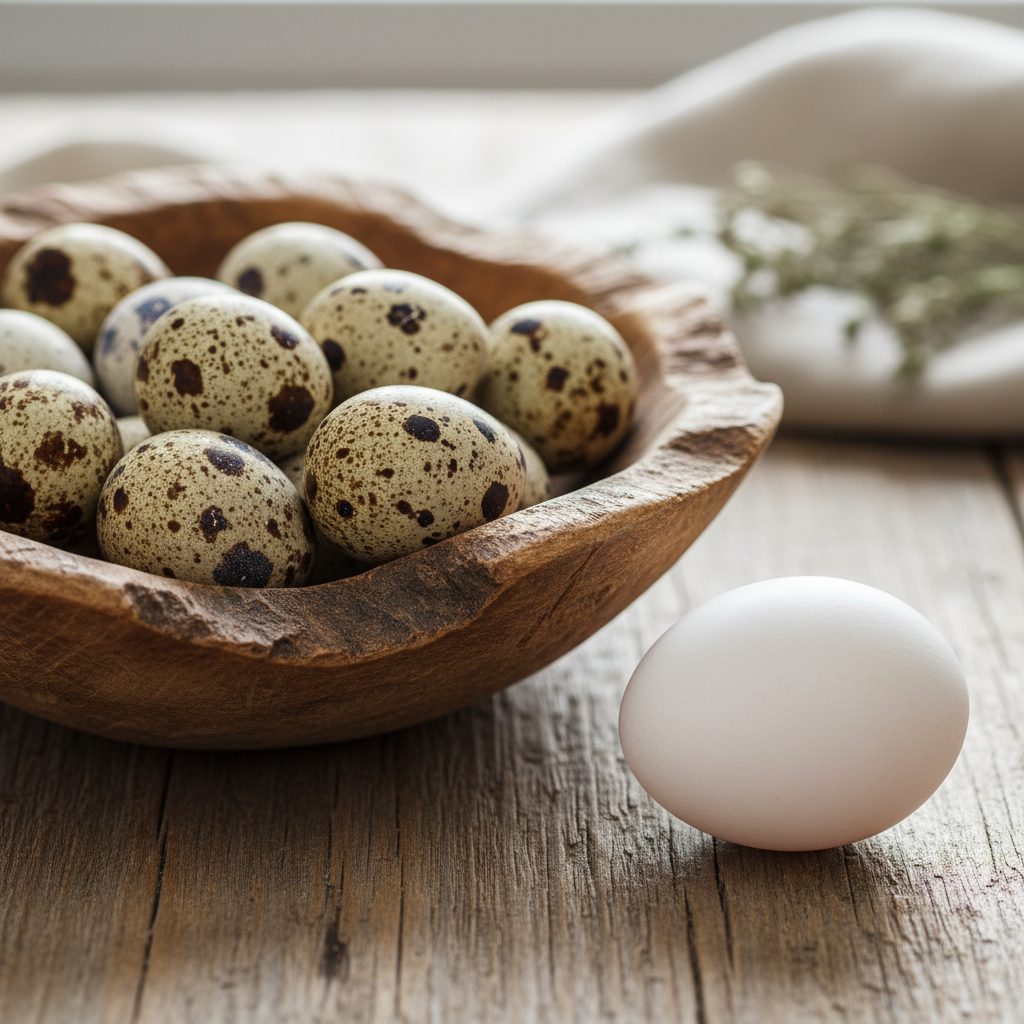
| Feature | Coturnix Quail | Bobwhite Quail | Backyard Chickens |
|---|---|---|---|
| Time to First Egg | 6-8 weeks | 16-20 weeks | 18-24 weeks |
| Eggs per Year | 300+ | 100-150 | 250-300 |
| Space per Bird | 1-2 sq ft | 2-4 sq ft | 4-10 sq ft |
| Noise Level | Very Quiet | Moderate | Moderate-Loud |
| Best For | Eggs & Meat | Sport & Meat | Eggs & Pets |
I’ve raised both Coturnix and a few Bobwhite, and I always recommend Coturnix to anyone starting out. They’re docile, productive, and incredibly easy to manage. The USDA classifies quail as poultry, so the same food-safety principles apply when processing.
How Do You Set Up Quail Housing?
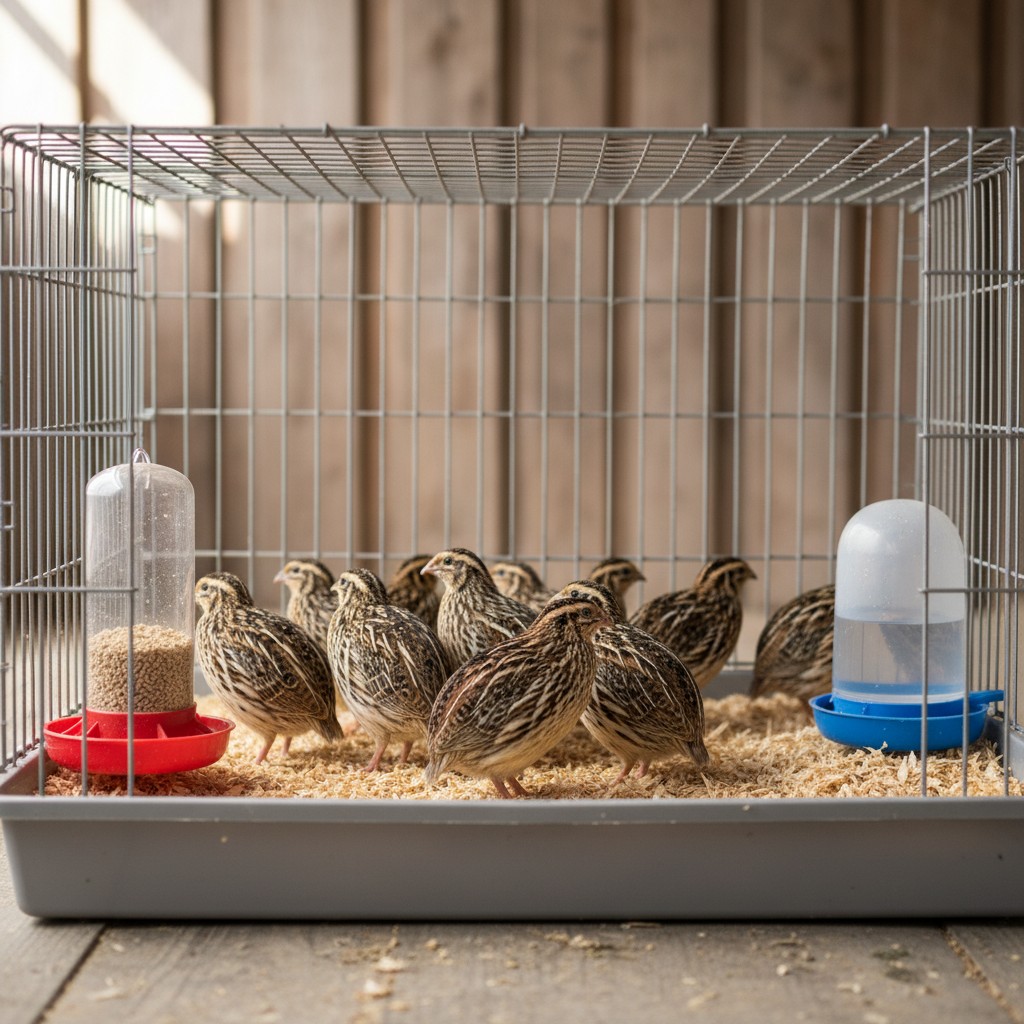
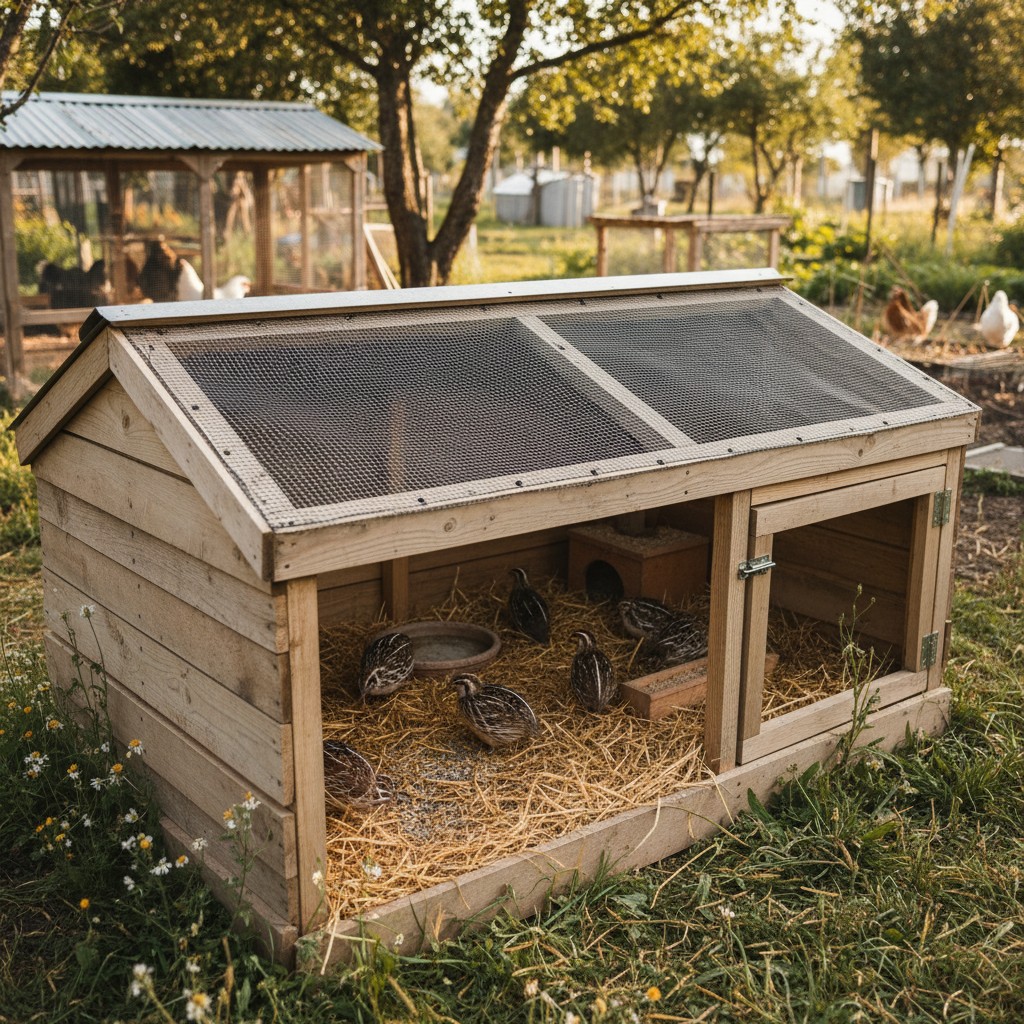
A simple wire-bottom cage or converted rabbit hutch works well for quail. Treat 1 square foot per bird as the absolute floor, 1.5 to 2 square feet (or more) per bird is what Penn State Extension and the Merck Veterinary Manual recommend for good welfare, lower aggression, and steady egg production. Quail don’t roost like chickens, they prefer to stay on the ground. A raised wire-floor cage makes egg collection and cleaning easy, since eggs roll to the front and droppings fall through.
Cage height is a safety issue, not just a comfort one. Startled Coturnix launch straight up, and hard cage tops in roughly the 18 to 48 inch range can cause fatal head, neck, and crop injuries on impact. Either keep the ceiling under about 12 inches so they can’t build up speed, or use a soft top (bird netting or padded fabric) in any taller enclosure. Losing a flock to head-bonking in a single startle event is among the most common rookie mistakes, and it is entirely preventable.
For our setup, I converted an old rabbit hutch from a farm store and it’s worked beautifully for three years. Make sure the wire gauge is small enough (½ inch x 1 inch) to prevent escapes and predator access. Good ventilation matters, but so does protection from wind and rain. I keep ours in a covered section of the back patio, which has worked well in both summer heat and winter cold. If you’re handy with DIY projects, you could even design something similar to a DIY chicken coop but scaled way down.
What Do Quail Eat and Drink?
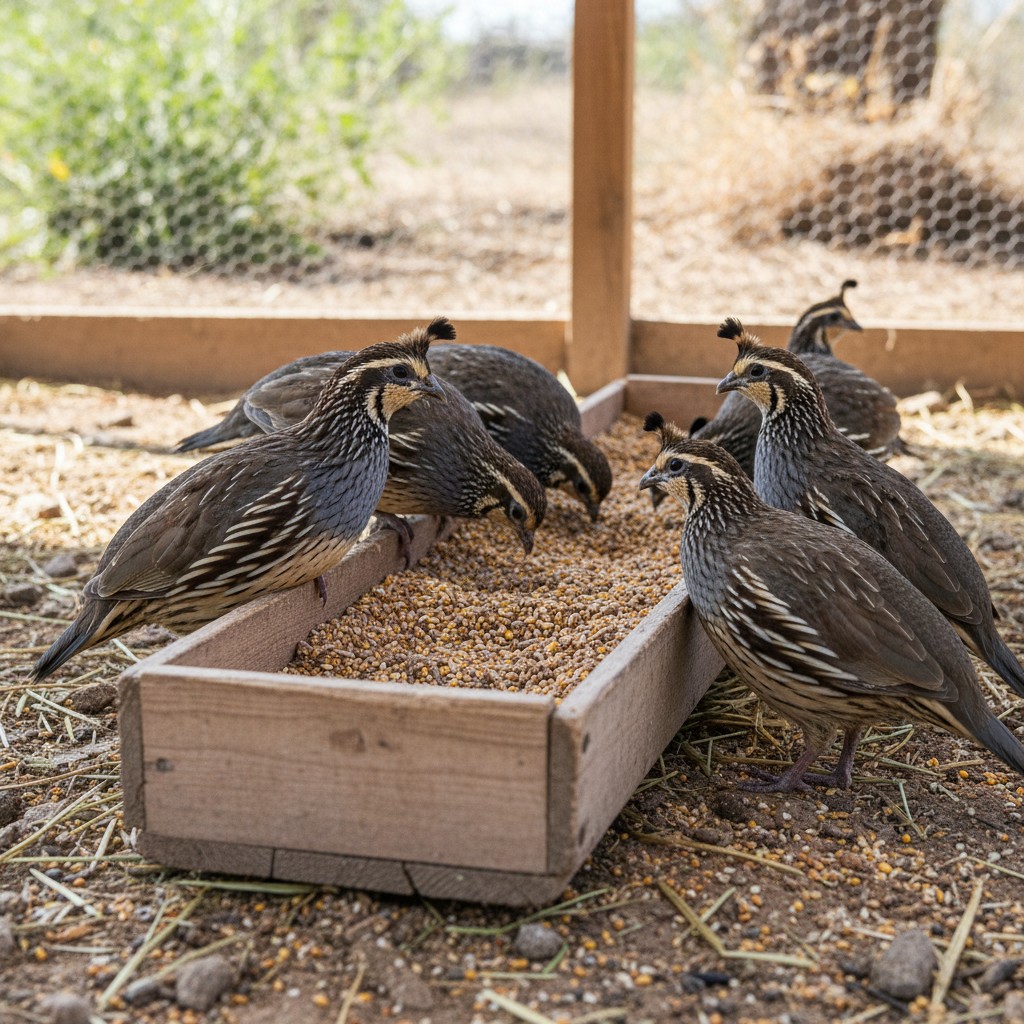
Quail thrive on a high-protein game bird feed (24-28% protein) supplemented with grit and fresh greens. Unlike chickens, quail have higher protein needs, especially during laying. The University of Minnesota Extension recommends a game bird starter/grower feed for the first six weeks, then transitioning to a game bird layer feed.
I’ve found that supplementing with kitchen scraps like leafy greens, chopped herbs, and even some of the foraged dandelion greens from the yard keeps my birds active and happy. They also love dried mealworms as treats. Always provide fresh, clean water, quail can be messy drinkers, so nipple waterers are a smart investment. If you’re looking to reduce feed costs, check out our guide on feeding poultry from the garden, many of the same principles apply.
How Do You Collect and Use Quail Eggs?
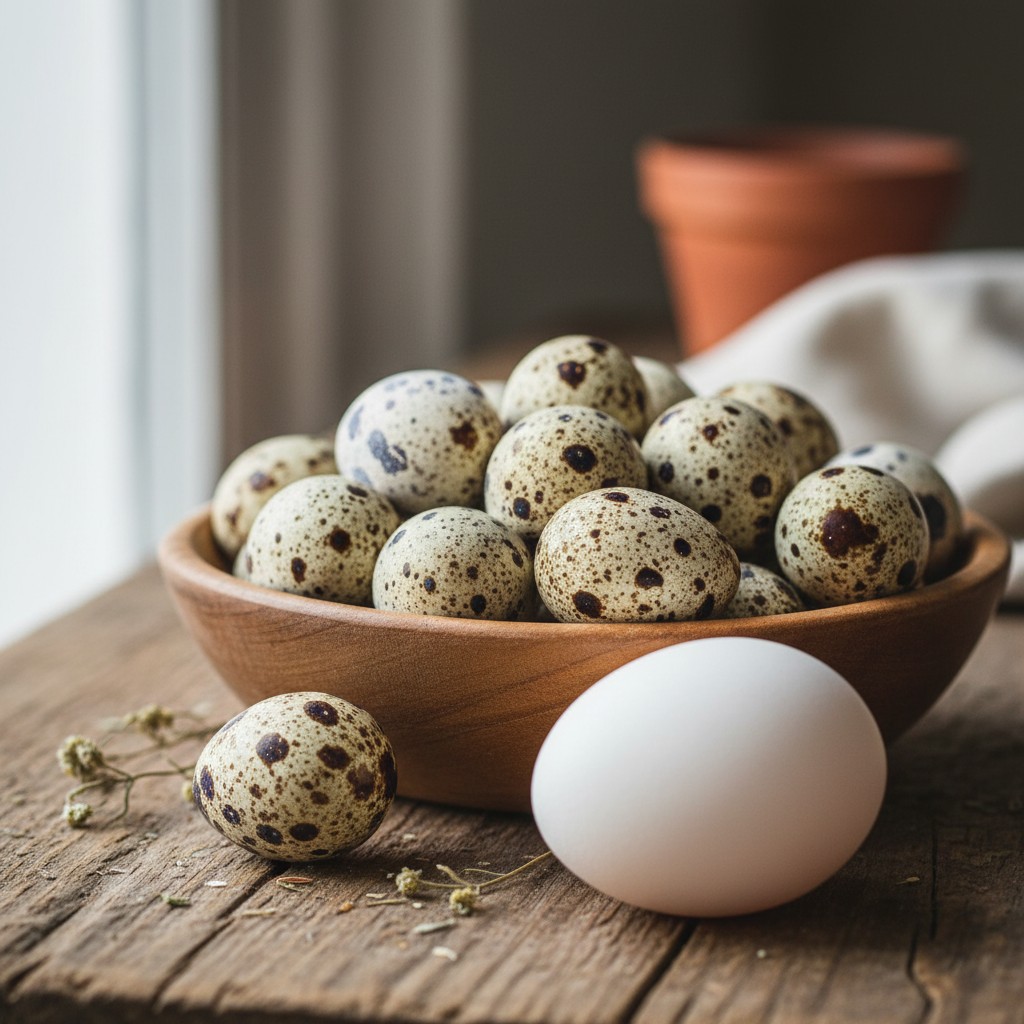
Collect quail eggs daily from your cage’s roll-out tray, and use them just like chicken eggs, roughly 4-5 quail eggs equals one chicken egg. Quail eggs are prized by chefs for their rich, creamy yolks. They’re also higher in certain nutrients per gram than chicken eggs, according to USDA FoodData Central.
Honestly, one of my favorite things is serving quail eggs to guests who’ve never tried them. The speckled shells are beautiful, and people are always surprised by the flavor. I use them in baking, make tiny deviled eggs for parties, and even pickle them using tips from our fermentation guide. If you have more eggs than you can eat, they sell incredibly well at farmers’ markets.
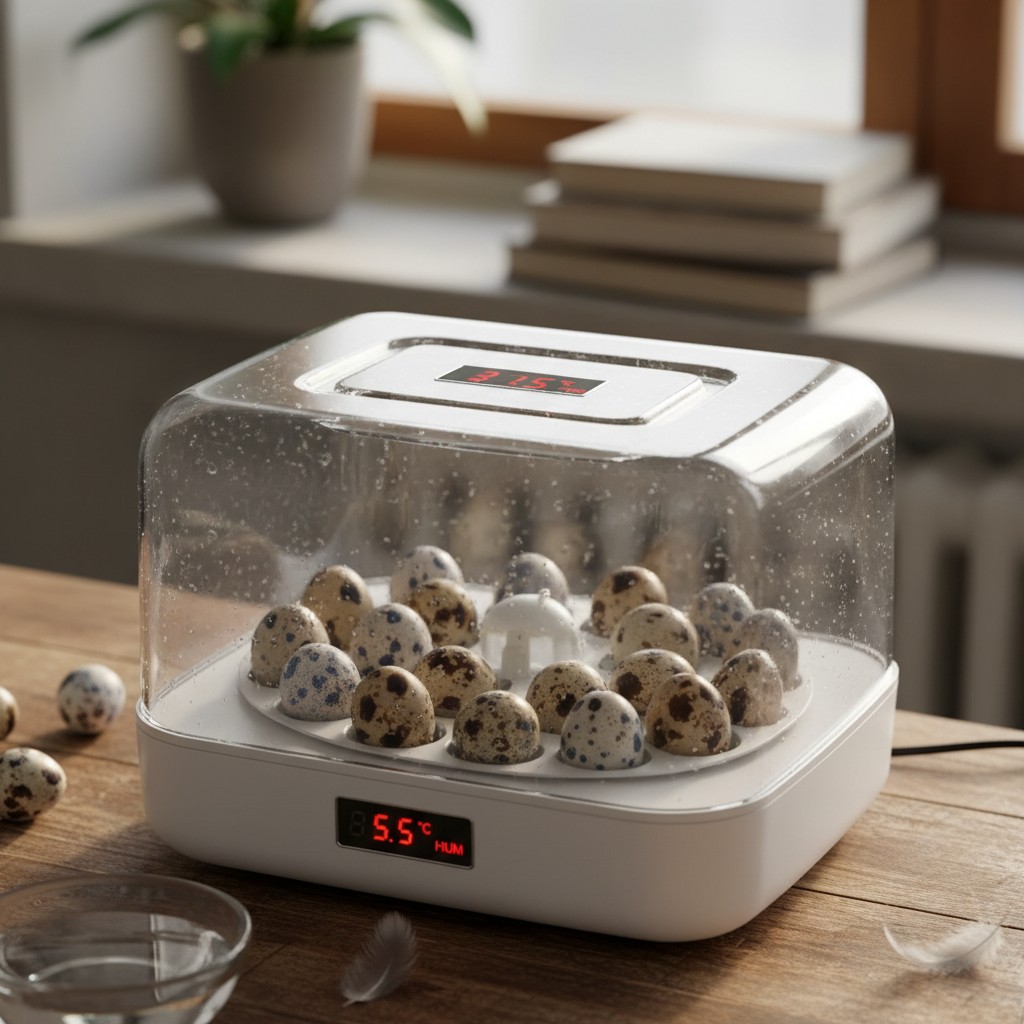
How Do You Handle Quail Health and Common Issues?
Quail are remarkably hardy, but keeping their housing clean and dry is the single most important factor for preventing disease. The most common issues I’ve seen are respiratory problems from poor ventilation and scalping injuries from overcrowding. The USDA APHIS provides guidelines on biosecurity that apply to all poultry, including quail.
Do not house quail with chickens, not in the same pen, and ideally not on the same ground. Chickens are asymptomatic carriers of several pathogens that are deadly or severely debilitating to quail, including Histomonas meleagridis (blackhead / histomoniasis), infectious coryza (Avibacterium paragallinarum), and Mycoplasma species. Chickens show no symptoms while actively shedding these organisms. Even sharing equipment between species without thorough disinfection carries risk.
My rule of thumb is simple: clean water, clean bedding, good airflow, and don’t overcrowd. If a bird looks puffed up or lethargic, isolate it immediately. Many of the health principles from our chicken health guide apply to quail as well, just on a smaller scale.
Frequently Asked Questions
Adult Coturnix quail are cold-hardy down to about 20°F (-6°C) as long as they have wind protection and dry bedding. I only use a heat lamp when temperatures drop below that, and I always make sure the lamp is secured safely to prevent fire.
No: keep them physically separated, ideally in different enclosures on different ground. Chickens can carry pathogens that are devastating to quail, including Histomonas meleagridis (blackhead / histomoniasis), infectious coryza, and Mycoplasma species, often without showing symptoms themselves. The Merck Veterinary Manual and USDA APHIS biosecurity guidance both recommend species separation for small game-bird flocks. Chickens can also bully or injure the much smaller birds. I keep mine in separate areas entirely.
I recommend starting with 6-12 birds, one male for every 3-4 females. This gives you a feel for management while producing a steady supply of eggs for your kitchen.
Quail eggs carry the same food safety considerations as chicken eggs. The USDA recommends cooking all eggs to 160°F to eliminate risk of salmonella. That said, they are commonly served raw or soft-cooked in many culinary traditions.
Not if you keep up with cleaning! Quail droppings can develop an ammonia odor quickly in enclosed spaces. I clean our cage trays every 2-3 days and use the droppings in our compost system, they make incredible fertilizer.