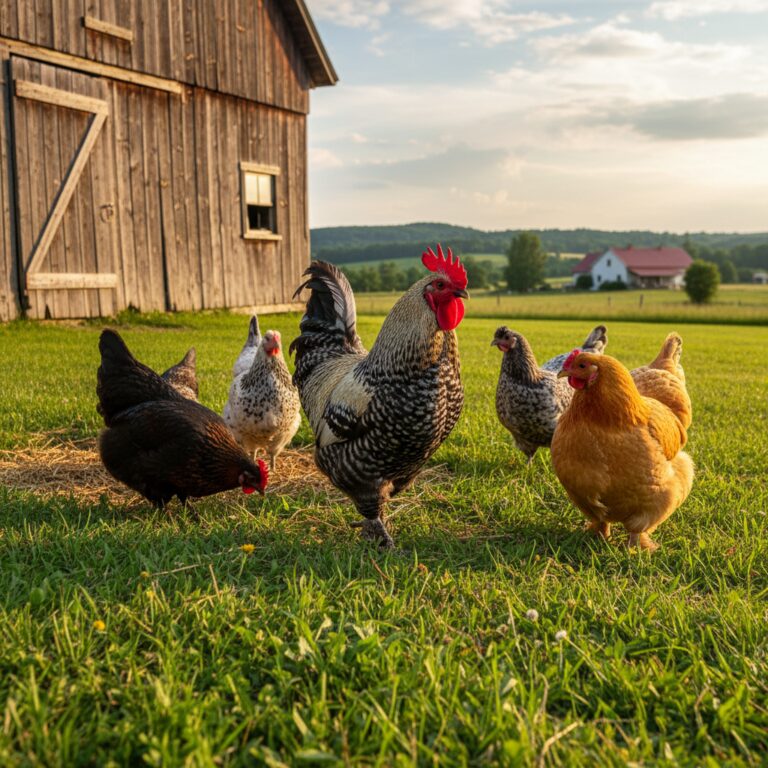
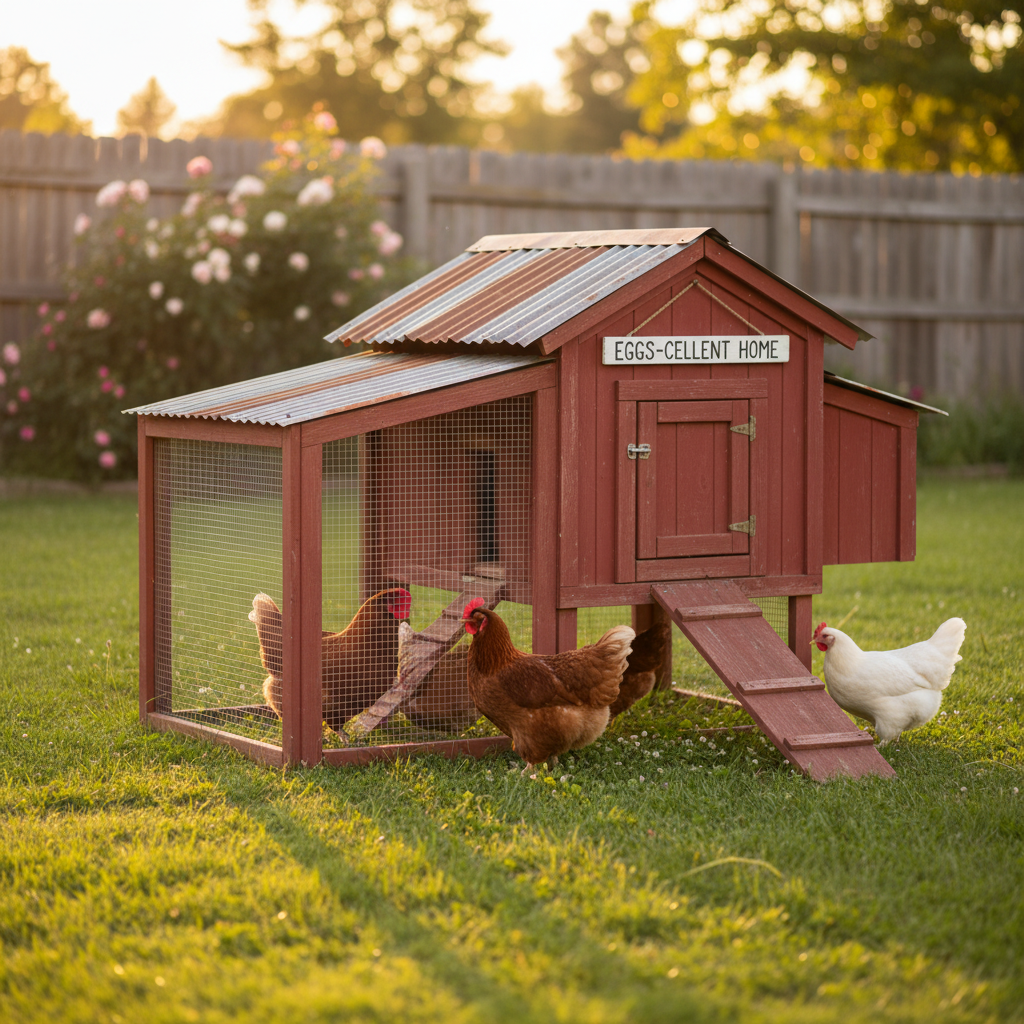
How to Build a DIY Chicken Coop on a Budget
- Space: 3-4 sq ft indoor + 10 sq ft outdoor run per chicken is the extension-service minimum; double indoor space if birds are confined in winter.
- Budget: Under $200 in 2026 dollars is achievable using reclaimed pallets, salvaged windows, and free-cycle hardware.
- Must-haves: 1/2" 19-gauge hardware cloth (never chicken wire), roof-line ventilation, and two-step predator-proof latches.
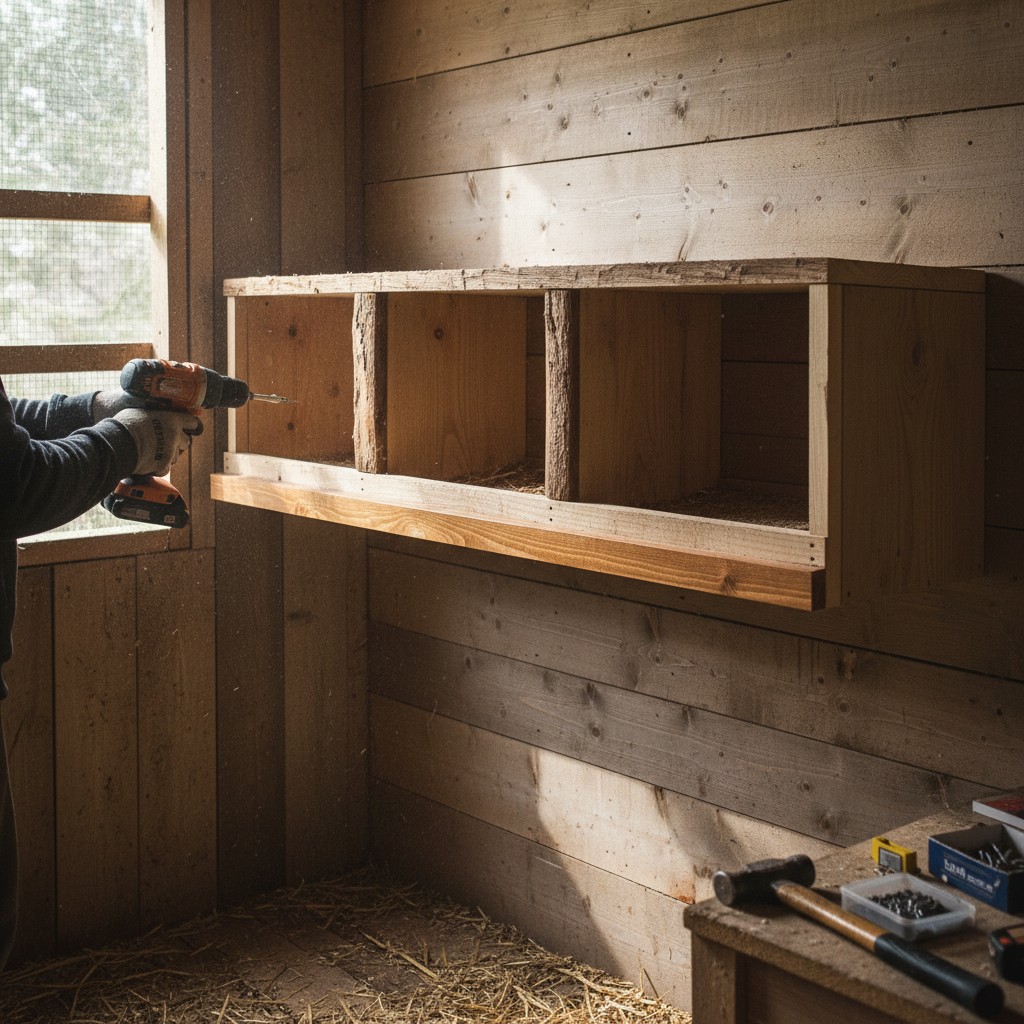
- Nesting boxes: One 12x12x12" box per 3-4 hens, mounted lower than the roosts so hens do not sleep in them.
- Predator apron: Bury hardware cloth 12" deep, or lay a 12" outward apron flat on the ground around the run perimeter.
My first coop used chicken wire on two sides because I ran out of hardware cloth and told myself it was fine. A weasel taught me otherwise before the first winter was out. That lesson cost me three birds and one early Saturday morning trip to the farm store. Hardware cloth or don't bother.
You can build a solid, predator-proof chicken coop for under $200 using mostly salvaged materials, no fancy carpentry skills required. You do not need a thousand-dollar pre-built coop to keep a small flock safe and productive. With basic lumber, a roll of hardware cloth, and a free weekend, you can build a functional coop that your flock will love. I built my first one almost entirely from reclaimed pallets, and it is still standing strong years later.
Proper housing is the single most important factor in keeping a healthy flock. The University of Minnesota Extension and the cooperative Poultry Extension network both publish free, peer-reviewed backyard-flock guidelines that this build follows. Skip the Pinterest-perfect coops and follow the extension-service rules: space, ventilation, predator-proofing, and easy cleaning. Everything else is cosmetic.
How Much Space Do Chickens Need?
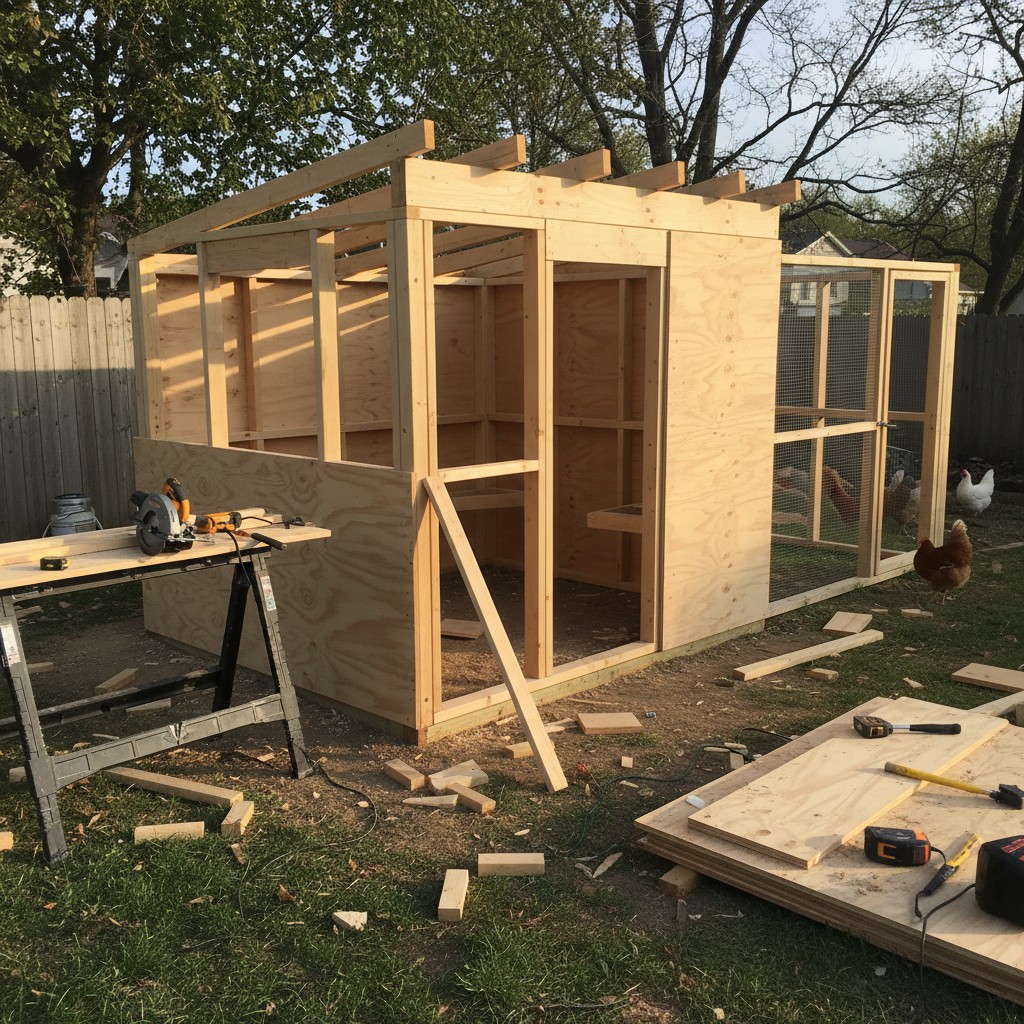
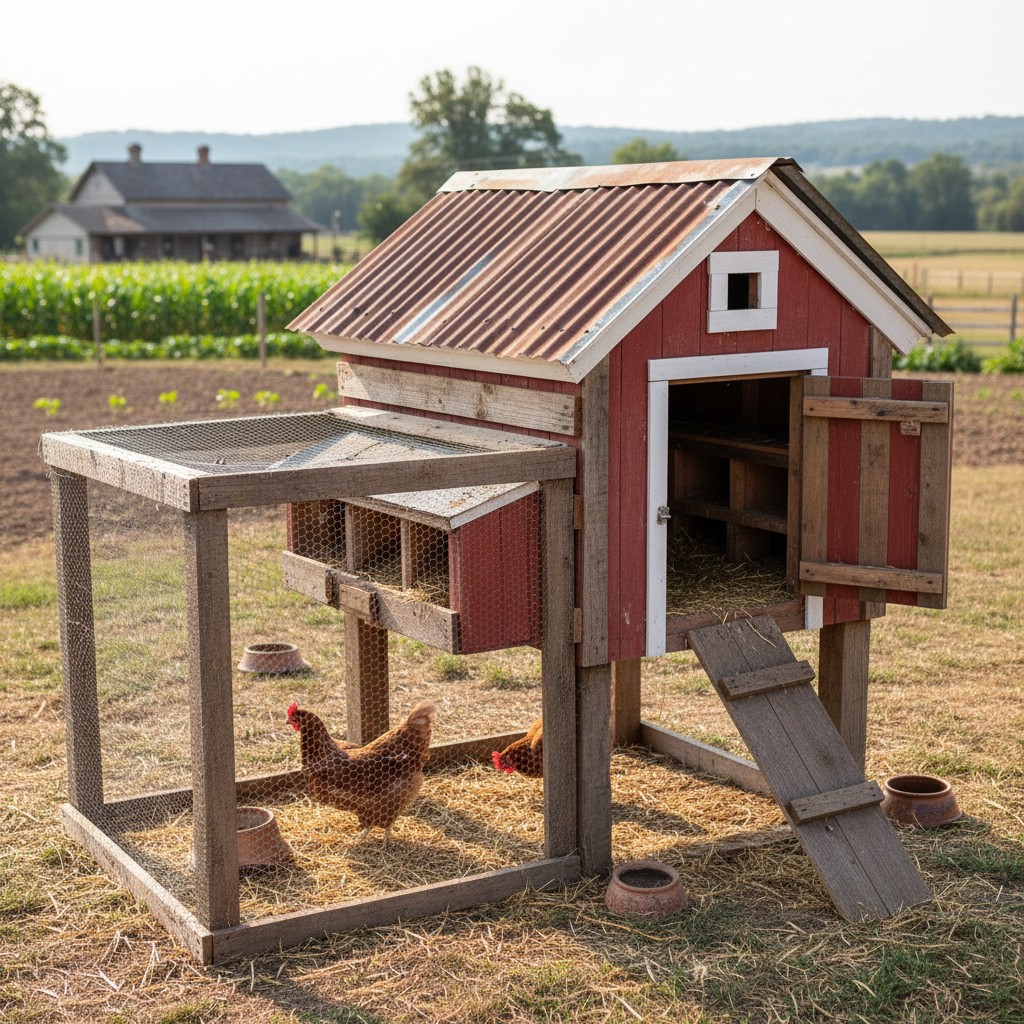
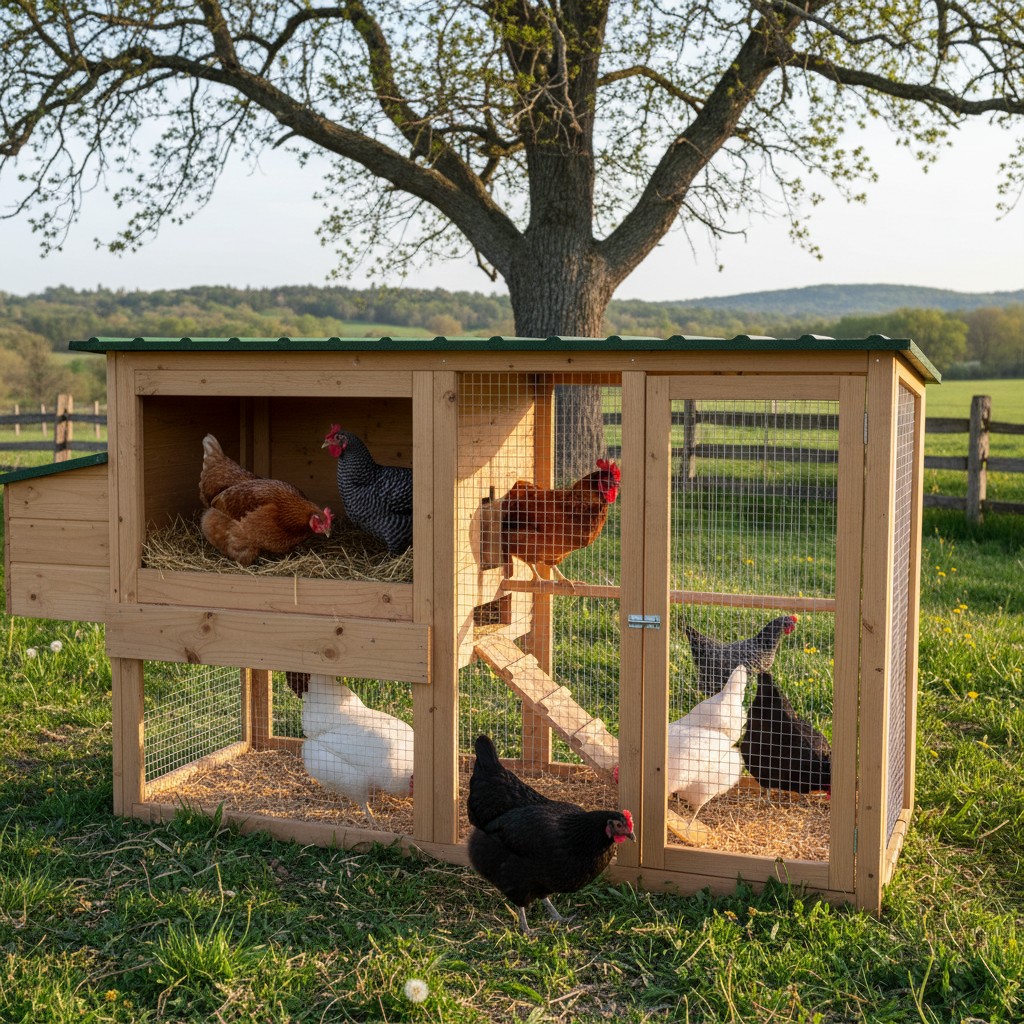
Plan for at least 3-4 square feet of indoor space and 10 square feet of outdoor run per chicken, more is always better. For a small backyard flock of 4 to 6 hens, an 8×4 foot coop paired with a 10×10 foot run hits the sweet spot for build cost and bird welfare. Each hen needs 8 to 10 inches of roosting-bar length and one nesting box for every 3 to 4 hens. The Poultry Extension space allowance guidelines put the floor at "a minimum of 3-4 square feet/hen indoor and 10 square feet/hen outdoor." Once you have your coop dialed in, pair it with our feeding chickens guide so nutrition keeps up with the space.
Important caveat on space: the 3-4 sq ft figure assumes chickens have daily, unrestricted access to an outdoor run. If birds will be confined indoors for extended periods, winter weather, predator pressure, or a travel schedule, plan on 8 to 10 sq ft of indoor space per bird, in line with the higher end of the UMN Extension range. Overcrowded, bored hens develop vices like feather-pecking and egg-eating that are very difficult to reverse once they start. Extra square footage costs very little at build time and pays dividends in flock health for the life of the coop.
What Features Are Non-Negotiable?
Predator-proofing, ventilation, and easy cleaning access are the three features you absolutely cannot skip. Everything else: paint, trim, decorative shutters, is optional.
- Predator-proof construction: Use 1/2 inch, 19-gauge hardware cloth, never chicken wire, which raccoons and dogs can tear through with ease. Bury the cloth 12 inches underground at the run perimeter, or lay a 12-inch-wide apron flat on the ground extending outward from the fence base. Either approach stops diggers (foxes, coyotes, neighborhood dogs) because they hit wire when they try to tunnel in.
- Ventilation: Chickens exhale a surprising volume of moisture and their droppings release ammonia, both wreck respiratory health in a sealed coop. Cut ventilation openings near the roofline and cover them with hardware cloth. Penn State Extension puts it plainly: "Windows or a fan should provide adequate ventilation to keep the pen dry." The standard small-flock guideline is approximately 1 sq ft of ventilation opening per 10 sq ft of coop floor. Position vents high, near the peak or in the eaves, so they exhaust warm moist air without creating cold drafts at the roost.
- Easy cleaning: Include a door large enough to walk through, or a pull-out tray under the roosts for droppings. The easier a coop is to clean, the more likely you are to actually clean it, and clean coops have healthier birds.
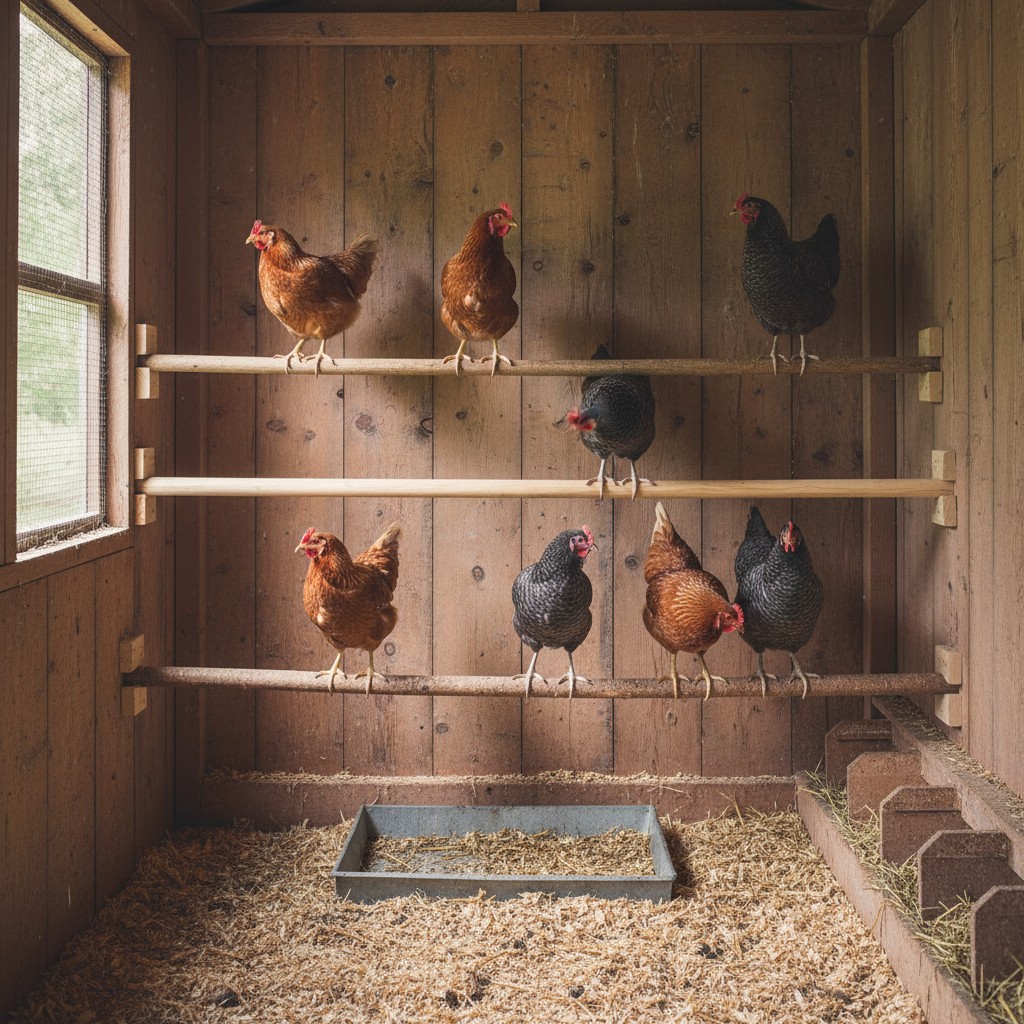
- Roosting bars: A 2×4 laid flat (wide side up) makes a perfect roost. Place roosts at least 18-24 inches above the floor and higher than the nesting boxes so hens do not sleep in, and foul, the nests.
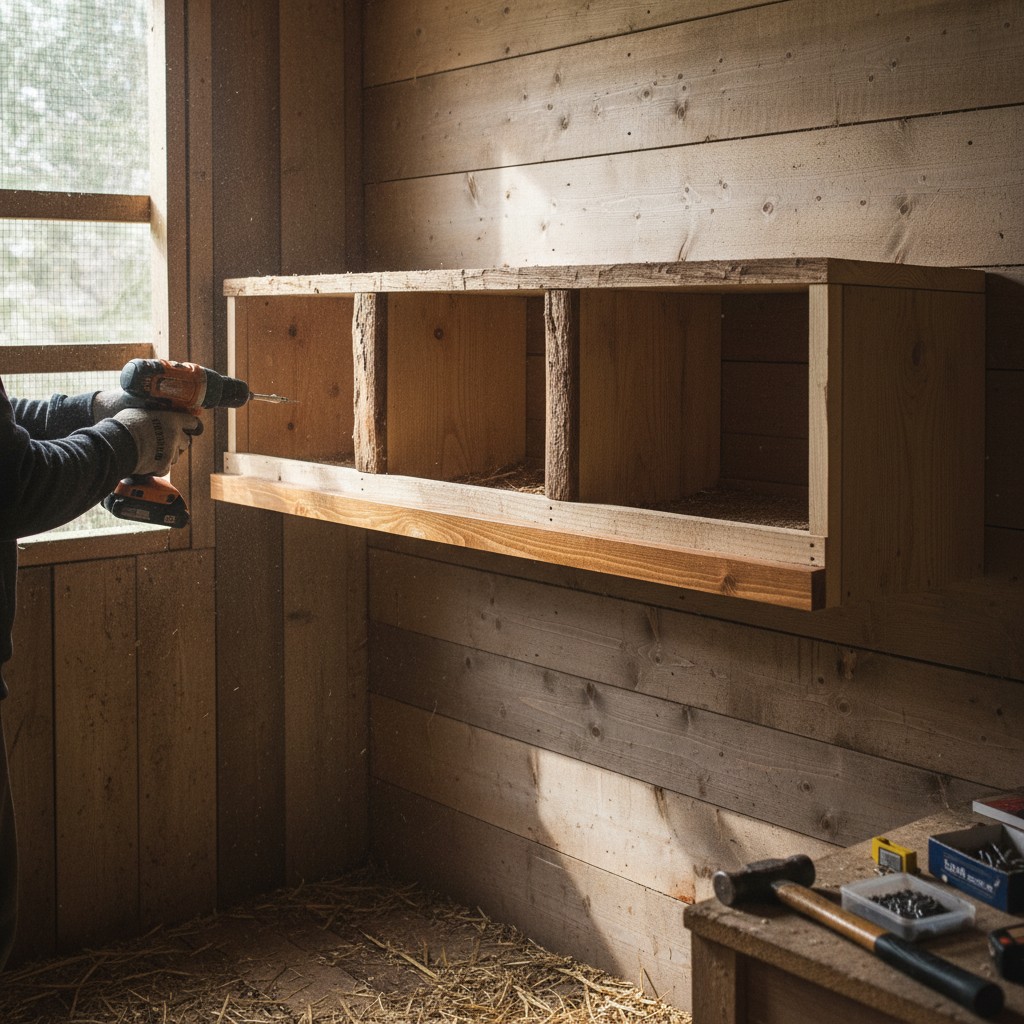
- Nesting boxes: 12x12x12 inches is the standard size. Line with straw, pine shavings, or chopped leaves. Mount them lower than the roost bars and at least a few inches off the coop floor.
- Secure latches: Raccoons have opposable thumbs in everything but name and can defeat a simple hook-and-eye in seconds. Use two-step latches, spring-loaded slide bolts, or carabiners on every door and nest-box lid. The UMN Extension guide reminds builders to "ensure that the coop is free of small holes that predators could sneak through": any gap bigger than 1/2 inch is a weasel door.
| Flock Size | Indoor Coop | Outdoor Run | Nesting Boxes | Roost Length |
|---|---|---|---|---|
| 3-4 hens | 4×4 ft (16 sq ft) | 6×6 ft minimum | 1 | 3 ft |
| 4-6 hens | 4×8 ft (32 sq ft) | 10×10 ft | 2 | 5 ft |
| 8-10 hens | 5×8 ft (40 sq ft) | 10×15 ft | 3 | 8 ft |
| 12+ hens | 6×10 ft (60 sq ft) | 15×20 ft | 4 | 10+ ft |
How Can You Keep Costs Under $200?
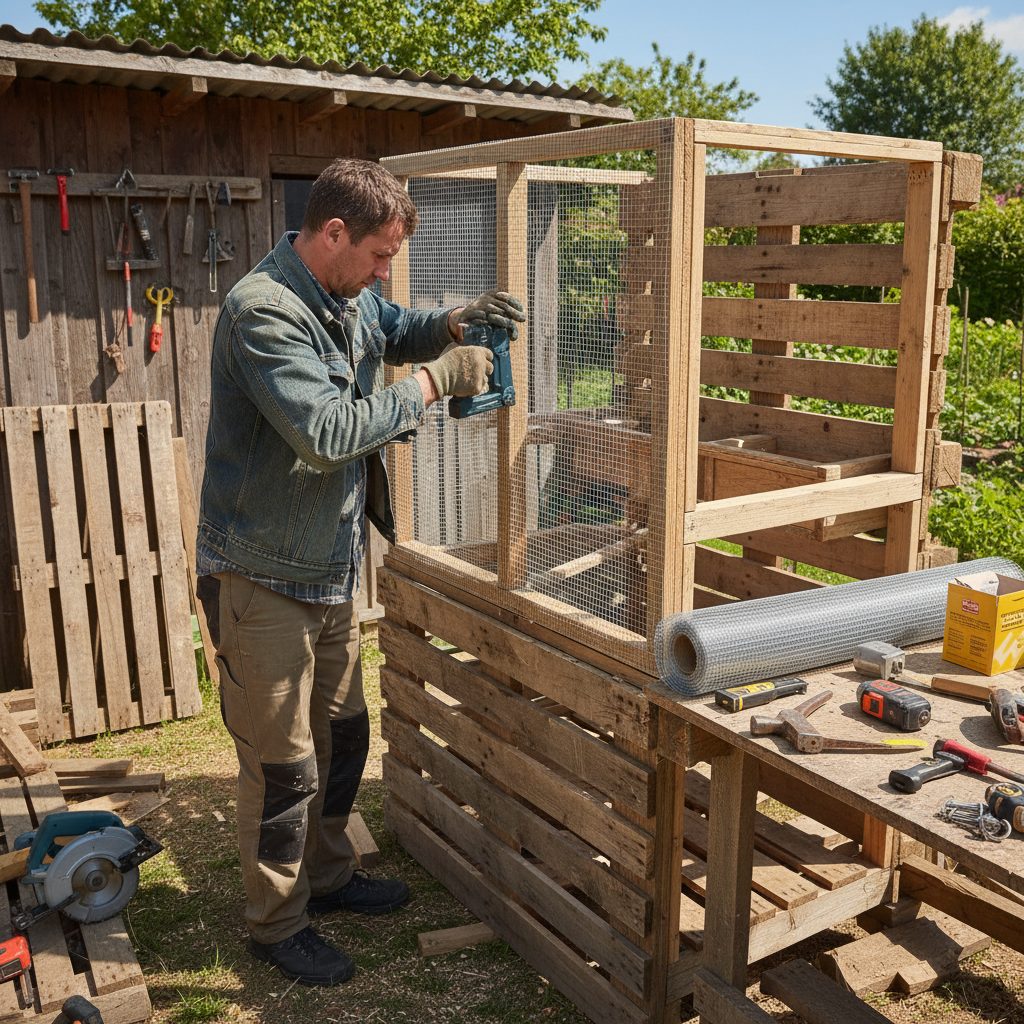
Use reclaimed pallets for framing, salvaged windows for light, and leftover roofing, in 2026, many first-time builders still finish a predator-proof 4×8 coop for under $200 this way. The single biggest cost you cannot cheap out on is hardware cloth: a 25-foot roll of 1/2" 19-gauge runs roughly $70-$90 at 2026 prices, and that one purchase is the difference between a coop and a snack bar for raccoons. Everything else: frame, siding, roof, windows, nest boxes, can be salvaged if you are patient.
Where to find free materials: Check pallets for the "HT" stamp (heat-treated, safe to use) and avoid any with "MB" (methyl bromide, a pesticide). Salvaged windows from renovation dumpsters add light and charm; a single-pane storm window laid flat on a sloped frame makes an excellent sunny wall. Roofing can be leftover metal panels, polycarbonate scraps, or even a heavy UV-rated tarp stretched over a pitched frame as a starter solution. Local Buy Nothing groups, Facebook Marketplace "free" listings, and construction-salvage yards are goldmines for coop materials. I have watched builders sources nearly everything but the hardware cloth this way.
From our homestead: I built my first coop from pallet wood and salvaged hardware for under $150. It’s not pretty, but the chickens don’t care, and it’s kept them safe from predators for three years running.
Your chickens do not care if the coop is Pinterest-worthy. They care about being dry, safe from predators, and having a quiet spot to lay their eggs. Focus on function first. A well-built budget coop will serve your flock for years. Pair your new build with our guides on chicken health, getting started with backyard chickens, and composting the coop bedding.
Frequently Asked Questions
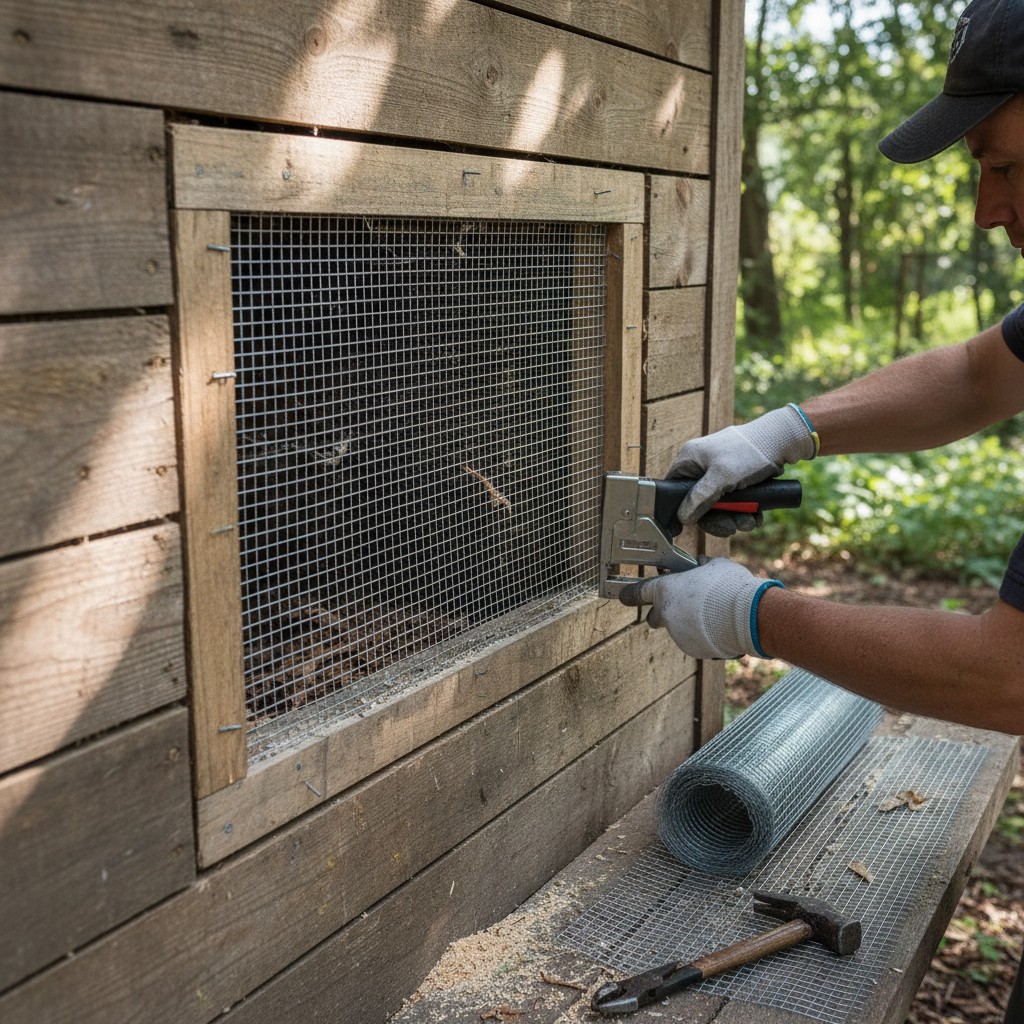
No. Chicken wire keeps chickens in but does not keep predators out, raccoons, weasels, and even determined dogs can tear through it. Always use 1/2" 19-gauge hardware cloth for every opening a predator can reach. Extension services including UMN stress sealing any gap large enough for a small predator.
In most US climates, no. Cold-hardy breeds handle sub-freezing temperatures well as long as the coop stays dry and draft-free. Ventilation matters more than insulation, moisture and ammonia buildup cause frostbite and respiratory disease faster than cold air does. Insulate only in areas that regularly stay below 0°F.
With the deep-litter method, do a full cleanout 2-4 times per year and add fresh bedding weekly. With a droppings board under the roost, scrape daily (about 2 minutes). The removed litter makes excellent compost for the garden.
Generally no. Heat lamps are a leading cause of coop fires and prevent chickens from acclimating to seasonal cold. Healthy, well-fed chickens with dry, draft-free shelter handle winter fine in most climates. Keep drinking water liquid with a heated base, and increase feed rations for metabolic warmth.
Skipping the perimeter apron or underground hardware cloth. People build a beautiful walled coop and then lose birds because a fox or raccoon tunnels under the run wall in one night. Bury 1/2" hardware cloth 12" deep, or fold out a 12"-wide apron flat on the ground around the entire run footprint before you lay sod or gravel.