Seed Saving 101: How to Save Seeds from Your Garden for Next Year
- Only save open-pollinated/heirloom. F1 hybrid seeds won’t grow true to parent.
- Easiest to start: Beans, peas, tomatoes, peppers, lettuce, and herb seeds.
- Storage: Paper envelopes in a sealed glass jar, cool and dark, most vegetable seeds last 2-5 years.
- Isolation matters: Squash needs 1/2 mile to stay true; corn pollen travels 1/4 mile or more on the wind.
- Seeds adapt: saved seeds become better suited to your specific garden over time.
- Zero cost: once you start, you never buy seeds for those varieties again.
Seed saving is among the most empowering skills a gardener can learn, and it’s much simpler than most people think. Instead of buying new seeds every year, you save seeds from your best-performing plants and grow them again next season, for free. Over time, your saved seeds adapt to your specific soil, climate, and growing conditions, becoming better suited to your garden with each generation. The Seed Savers Exchange notes that seed saving has been practiced for over 12,000 years, and you can start this tradition in your own backyard today.
🌱 From Our Homestead
I saved tomato seeds for the first time almost by accident, scooped them onto a paper towel and forgot about them on the windowsill. The following spring those seeds germinated faster than anything I had bought, and the flavor was even better than the parent plants.
Why Should You Only Save Open-Pollinated Seeds?
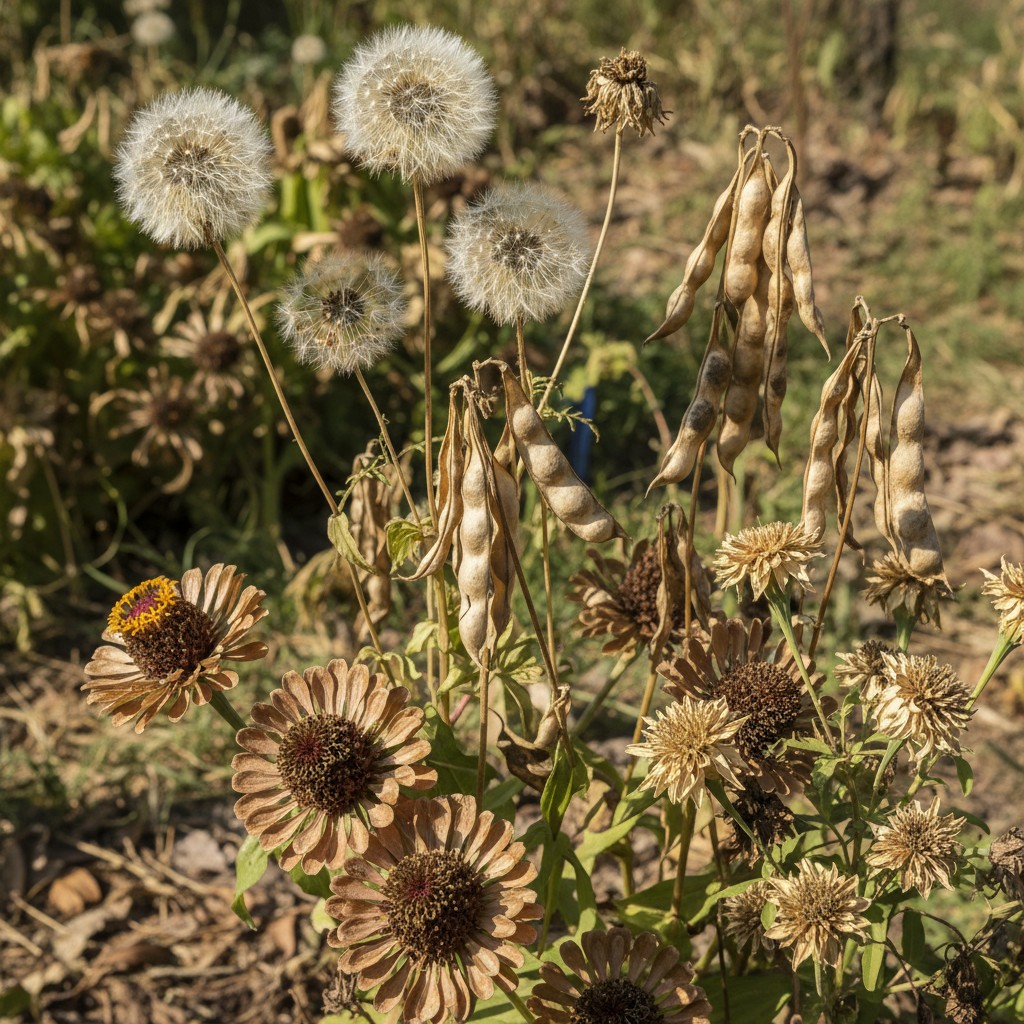
Open-pollinated and heirloom seeds produce offspring true to the parent plant, hybrid (F1) seeds won’t, and the results can be unpredictable. Look for “OP” or “heirloom” labels when buying seeds. I learned this the hard way my first year when I saved seeds from a hybrid tomato and got a sprawling mess of inconsistent fruit the next season. Stick with open-pollinated varieties and you’ll get reliable results every time.
Open-pollinated plants are pollinated by natural mechanisms (wind, insects, self-pollination), and their seeds produce plants nearly identical to the parent, as long as they haven’t cross-pollinated with a different variety of the same species. Heirlooms are a subset of open-pollinated varieties passed down through generations, typically 50 years or more. Hybrids, on the other hand, are deliberate crosses between two parent lines. Save seed from a hybrid and you’ll get a genetic shuffle, sometimes interesting, rarely useful. If you’re looking for good heirloom varieties, our guide to growing tomatoes and growing garlic list great options.
Which Seeds Are Easiest to Save?
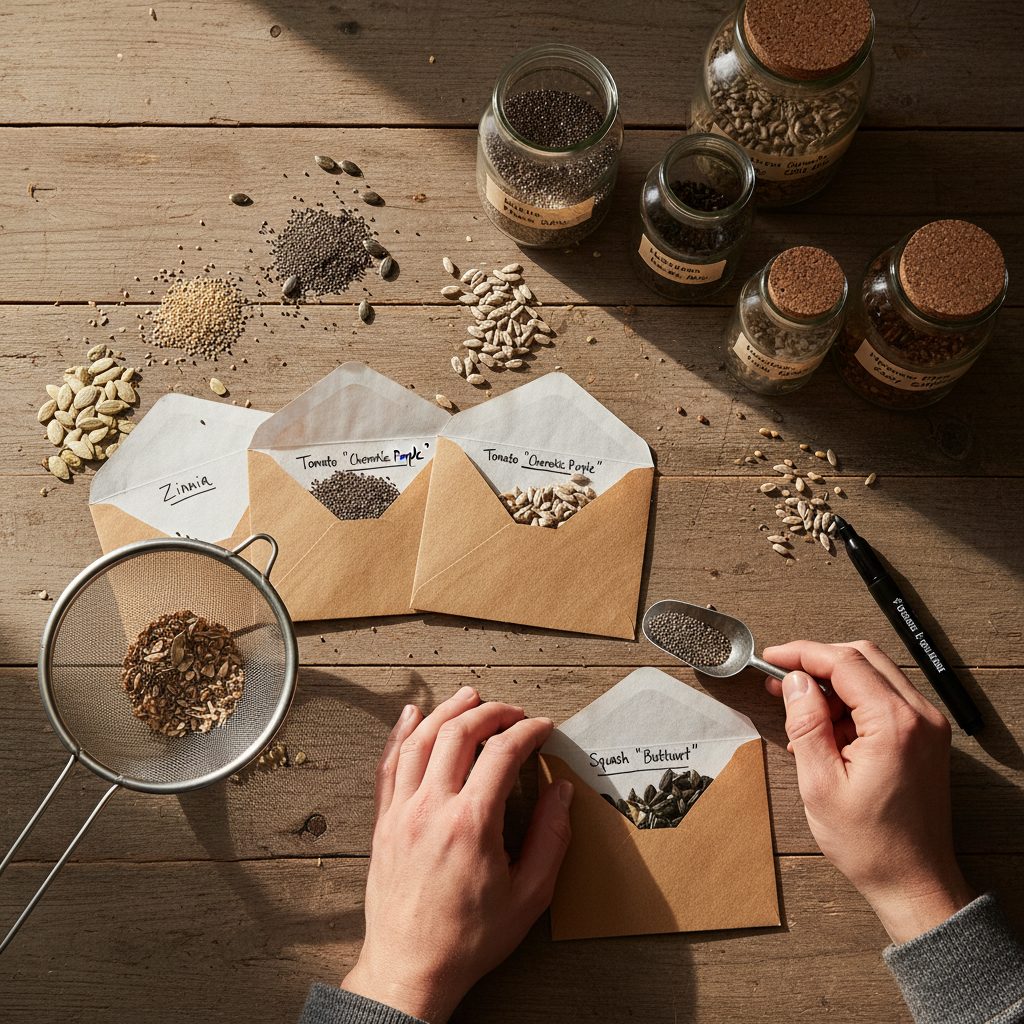
Beans, peas, tomatoes, peppers, and lettuce are the most beginner-friendly seeds to save, start with these and you’ll build confidence quickly. The University of Minnesota Extension recommends these crops specifically because they have self-pollinating flowers and seeds that require little or no special treatment before storage.
| Plant | Method | Difficulty | Seed Viability |
|---|---|---|---|
| Beans & Peas | Let pods dry on plant, shell, store | Very Easy | 3-4 years |
| Tomatoes | Scoop, ferment 2-3 days, rinse, dry | Easy | 4-5 years |
| Peppers | Let ripen fully, scrape, dry | Easy | 2-3 years |
| Lettuce | Let bolt, harvest dried flower heads | Easy | 3-5 years |
| Herbs (dill, basil) | Let flower, collect dry seed heads | Easy | 2-3 years |
What Are Isolation Distances, and Why Do They Matter?
Isolation distance is how far apart you need to plant different varieties of the same species so they don’t cross-pollinate, this is where most beginners accidentally ruin their saved seed. If you grow two squash varieties next to each other and save the seed, next year you’ll get some strange hybrid that’s neither one nor the other. For beginners sticking with self-pollinating crops (beans, peas, tomatoes, peppers, lettuce), this is rarely a concern because those plants pollinate themselves before the flower opens.
For cross-pollinators, squash, corn, brassicas (broccoli, kale, cabbage), cucumbers, and melons, isolation becomes critical. According to Seed Savers Exchange, squash varieties should be separated by up to 1/2 mile to stay true, and corn pollen can travel “a quarter mile or more on the wind.” That’s obviously impractical for most home gardens, which is why home seed savers typically either (a) grow only one variety of each cross-pollinator per year, (b) use physical barriers like blossom bags or isolation cages, or (c) hand-pollinate and tape flowers shut.
| Crop Family | Pollination Type | Home-Garden Isolation |
|---|---|---|
| Tomatoes, Beans, Peas, Lettuce | Self-pollinating | 10-50 ft (minimal) |
| Peppers | Mostly self, some bee crossing | 50-300 ft or caged |
| Squash, Cucumbers, Melons | Insect cross-pollinated | 800 ft, 1/2 mile (or grow one variety) |
| Corn | Wind-pollinated | 1/4 mile+ (or timing isolation) |
| Brassicas (kale, broccoli, cabbage) | Insect cross-pollinated | 800 ft, 1 mile |
How Should You Store Saved Seeds?
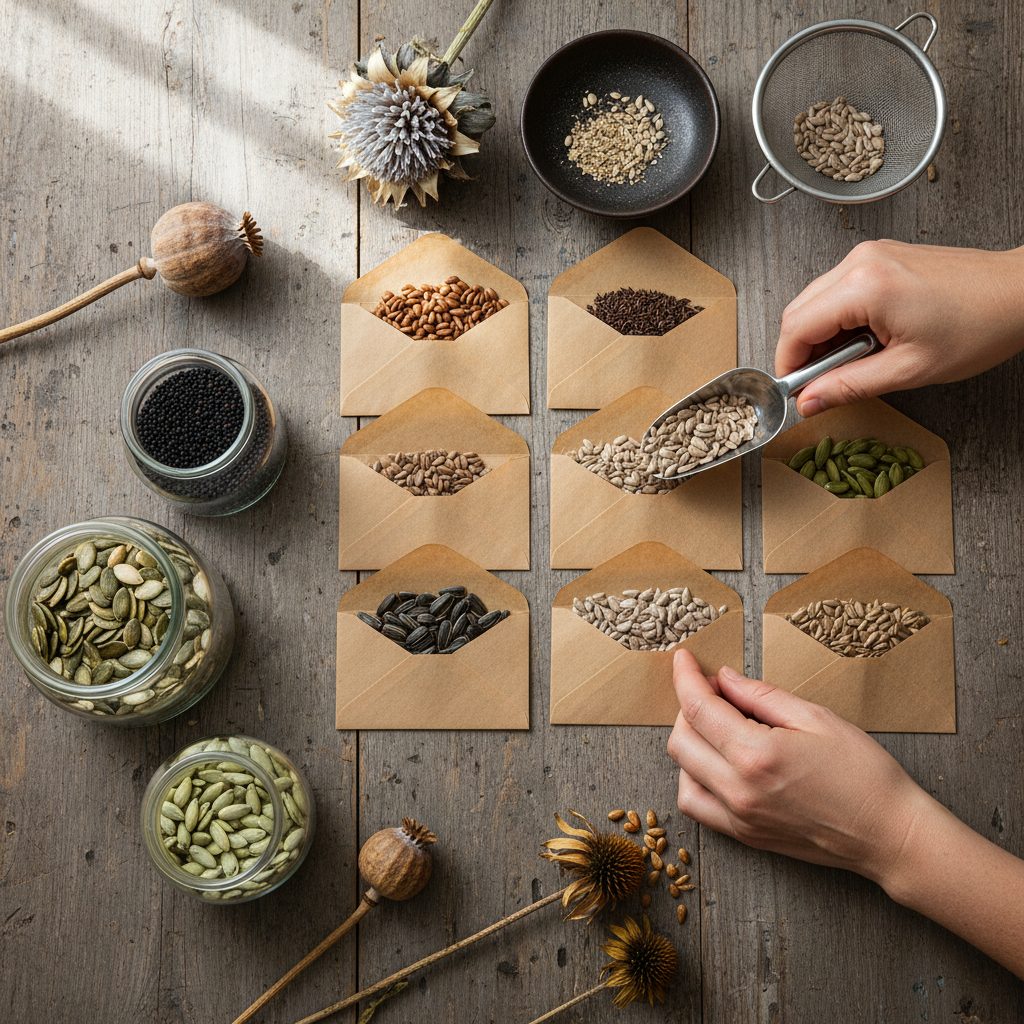
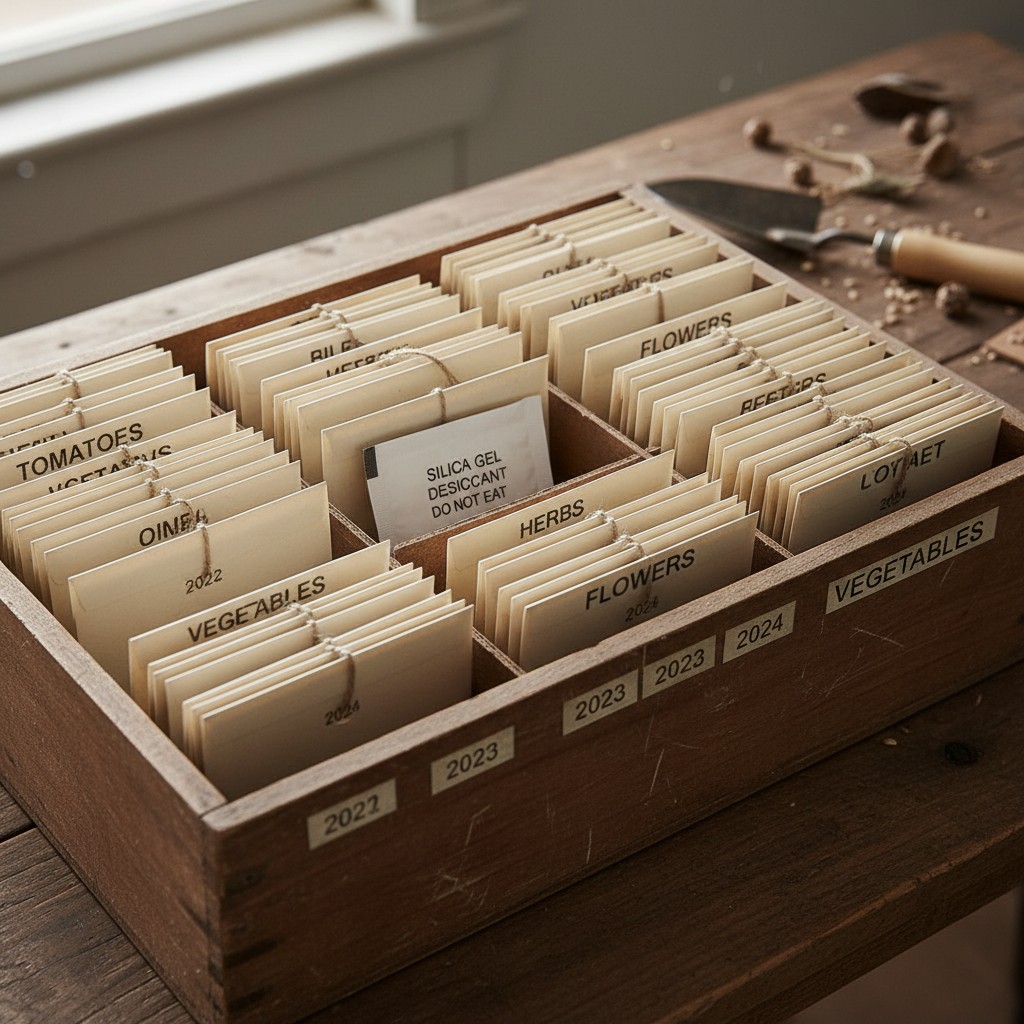
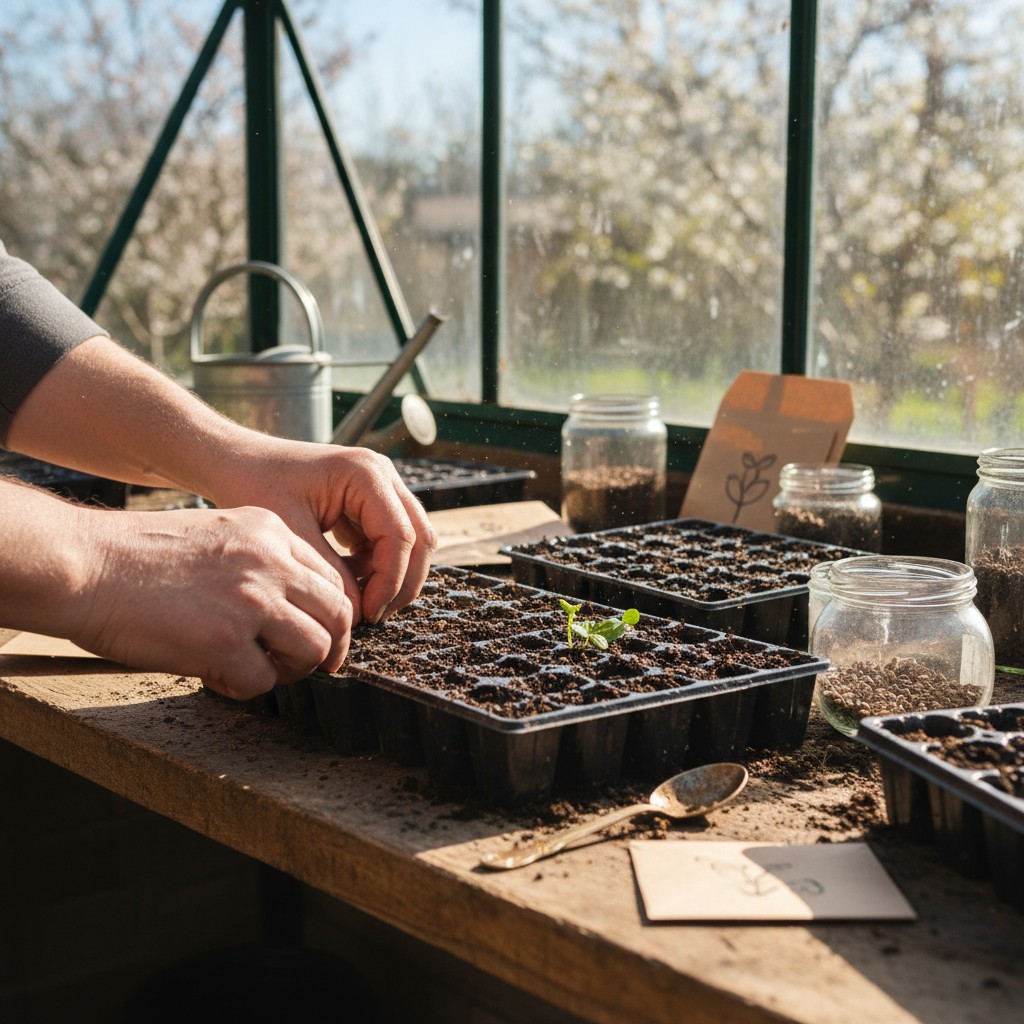
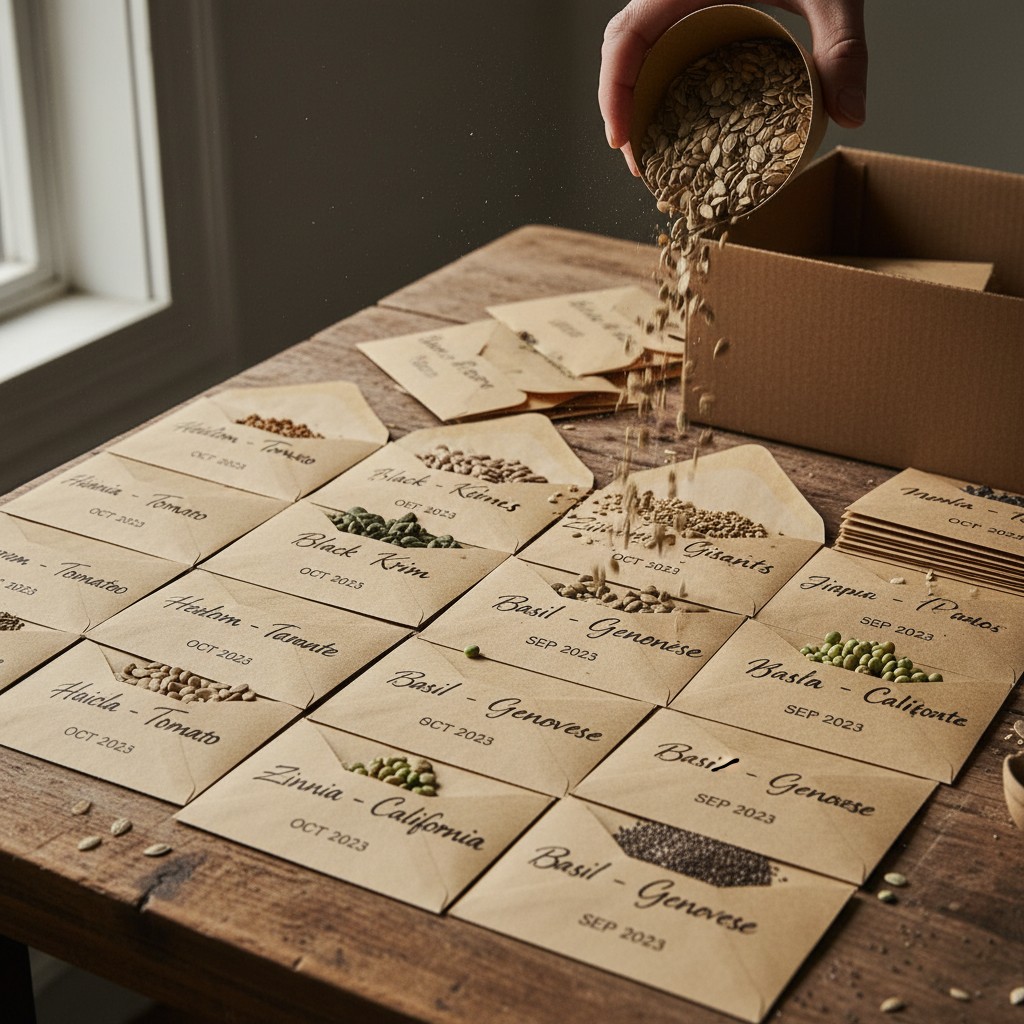
Store dried seeds in labeled paper envelopes inside a sealed glass jar in a cool, dark place, most stay viable for 2 to 5 years. Adding a small packet of silica gel helps absorb moisture. Write the variety name, date, and any notes on each envelope.
The numbers matter. According to Utah State University Extension, “the ideal storage temperature for seeds is 35 °F to 40 °F with relative humidity less than 40%.” They also warn: “Do not store seed in areas with high temperatures (greater than 70 °F) or where humidity values are greater than 60%.” In other words, a hot garage or humid basement is the worst place for your seeds. A sealed jar in the back of your fridge is close to ideal.
A classic home-gardener rule of thumb: the sum of the storage temperature (°F) and the percent relative humidity should be less than 100. If your pantry is 70°F, you need humidity under 30%. If you can’t control humidity, keep the seeds in something airtight with a desiccant. The University of Minnesota Extension confirms that “a temperature between 32° and 41°F is ideal, so your refrigerator can be a good place to store seeds.”
What Are the Most Common Beginner Mistakes?
Most failed seed-saving attempts trace back to five fixable errors. Avoid these and your germination rates will stay high year after year.
- Saving from hybrids. If the seed packet says “F1” or “hybrid,” the saved seed won’t breed true. Always double-check the label before committing a plant to seed.
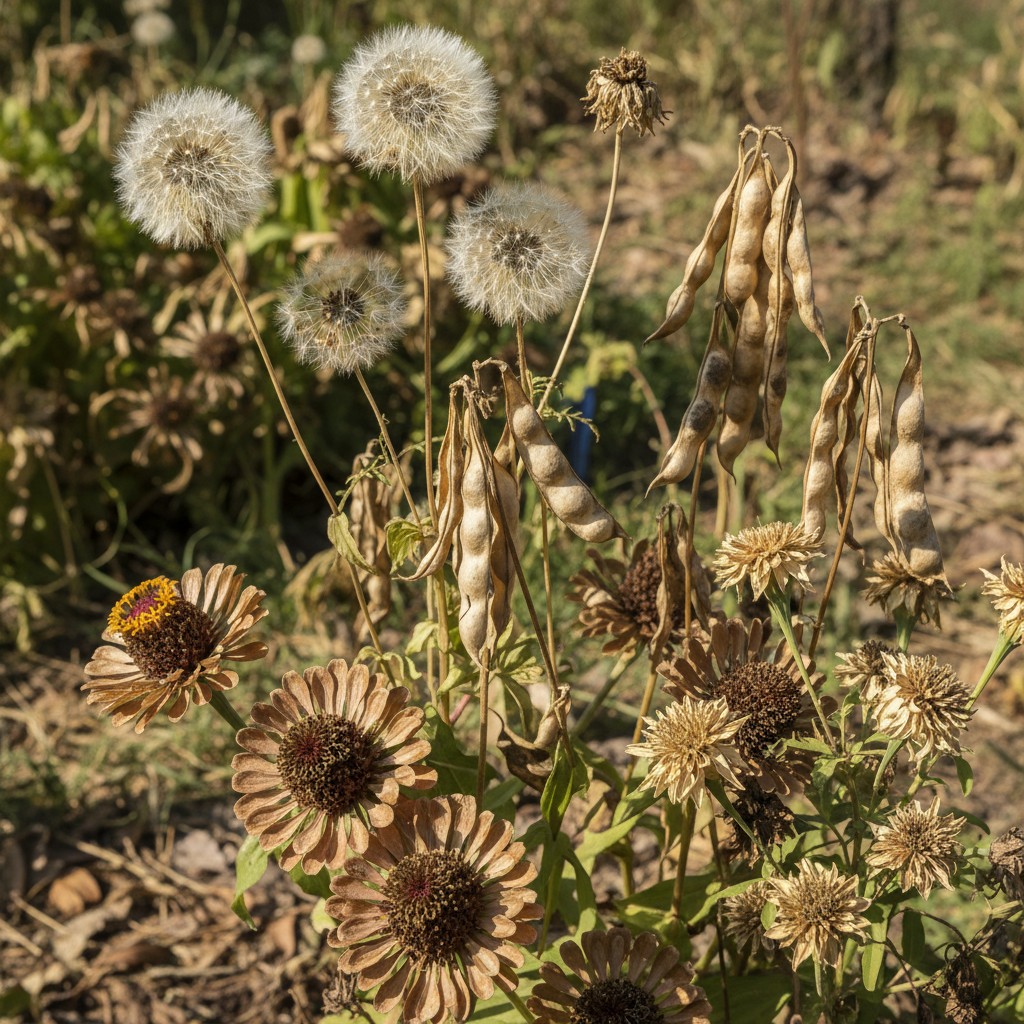
- Harvesting too early. Seeds need to mature on the plant. Beans rattle in the pod, tomatoes fully ripen (even over-ripen), and lettuce forms fluffy seed heads. Green, soft, or plump seeds won’t store well.
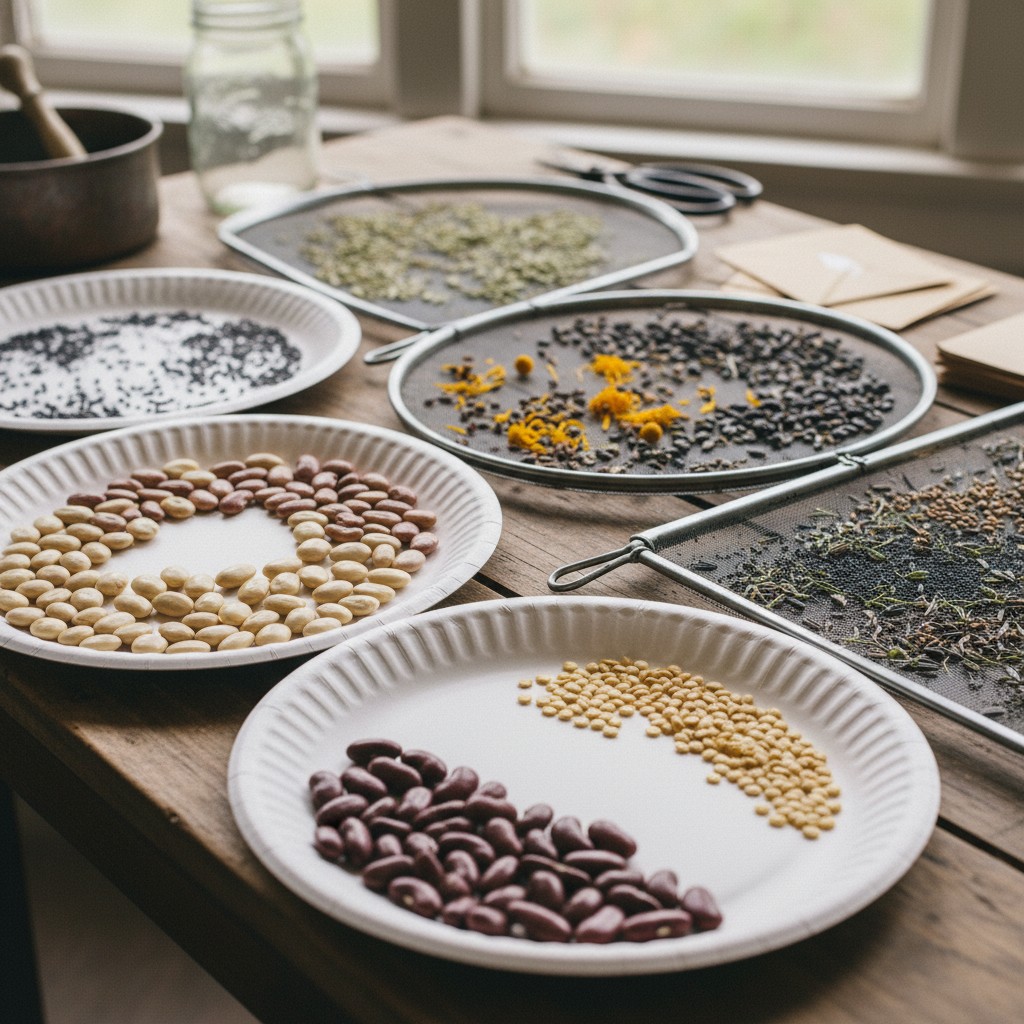
- Not drying thoroughly. Seeds that aren’t bone dry will mold in storage. A quick test: bend the seed. If it snaps cleanly, it’s dry; if it flexes, it needs another week.
- Sealing in warm, humid conditions. Storing seed packets in a kitchen cabinet next to the stove is a classic killer. Cool and dry is non-negotiable.
- Skipping labels. You will not remember next February which envelope is the sweet Italian pepper and which is the ghost pepper. Write it down: variety, date, and source plant.
Seasonal Rhythm: When to Save What
Seed saving follows the garden’s own calendar. Here is the rhythm I use, adjust for your zone.
- Late spring: Let a few lettuce plants “bolt” (go to flower) instead of harvesting them. Mark them so nobody eats them by mistake.
- Mid-summer: Identify your best-performing tomato, pepper, and bean plants. Mark the best fruit and let it fully ripen on the plant.
- Late summer: Ferment tomato seeds (2-3 days in water, then rinse and dry). Pull bean and pea pods once they rattle.
- Early fall: Harvest seed heads from lettuce, dill, basil, and cilantro on a dry day. Clip into a paper bag.
- Late fall: Dry peppers fully before scraping seeds. Label everything, package, and move to storage.
- Winter: Do a quick germination test on a paper towel for any seeds you’re uncertain about before planning next year’s garden.
Seed saving connects you to a tradition that stretches back thousands of years. Every seed you save carries the story of your garden, the soil it grew in, the weather it endured, the hands that tended it. Start saving this season and you’ll never look at a seed packet the same way again. If you’re growing a raised bed garden, saving seeds from your best producers makes each year better than the last. For more growing knowledge, explore our guides to companion planting and composting 101.
Frequently Asked Questions
Sometimes. Heirloom tomatoes, peppers from farmers markets, and dry beans from bulk bins can work. However, most grocery store produce comes from hybrid varieties that won’t grow true. Your best bet is buying labeled open-pollinated seeds and saving from those.
Self-pollinating crops like tomatoes, beans, and peas rarely cross-pollinate, isolation of just 10 to 50 feet is usually plenty in a home garden. Squash, corn, cucumbers, and brassicas cross easily; Seed Savers Exchange recommends up to 1/2 mile of isolation for squash. Start with self-pollinators and expand from there as you learn.
Seeds should snap cleanly when bent, not bend or feel rubbery. Most seeds need 1-2 weeks of air drying on a paper plate in a warm, dry room. Seeds that aren’t fully dry will mold in storage.
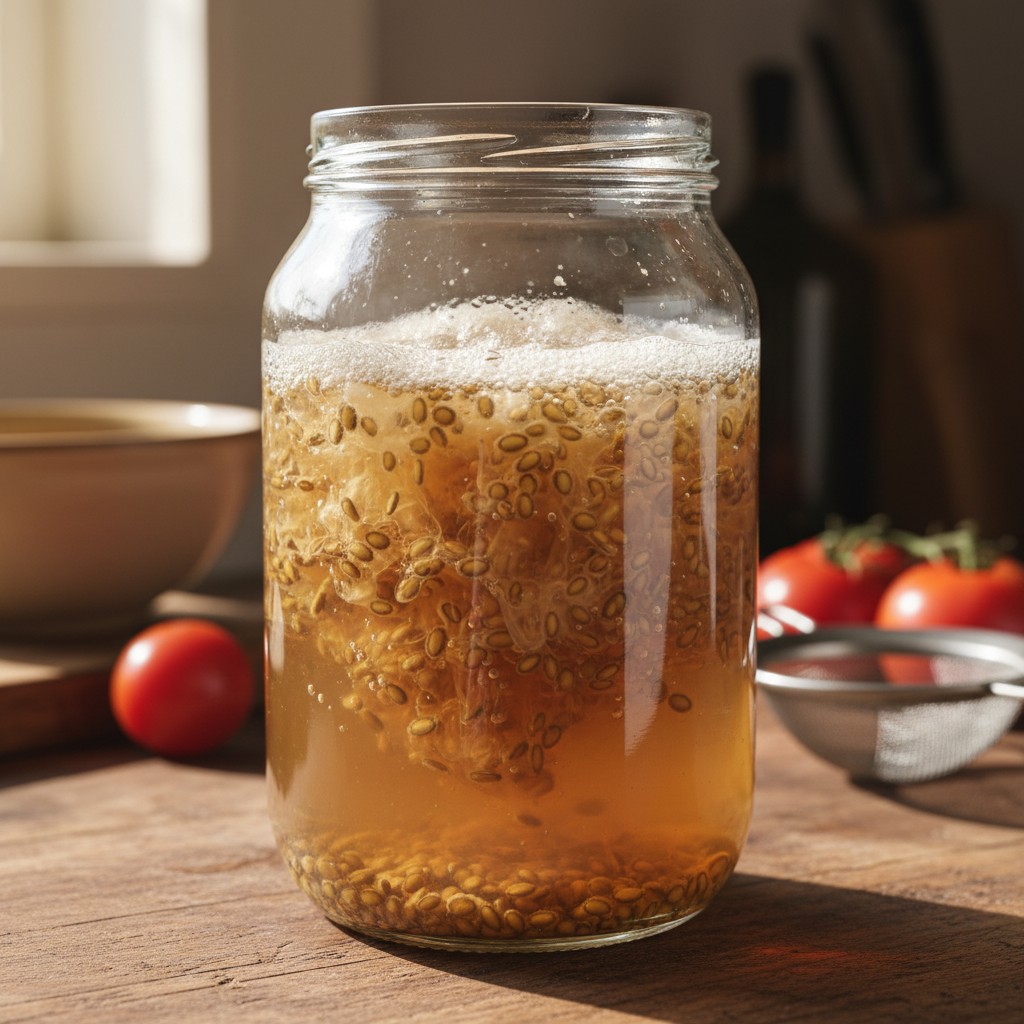
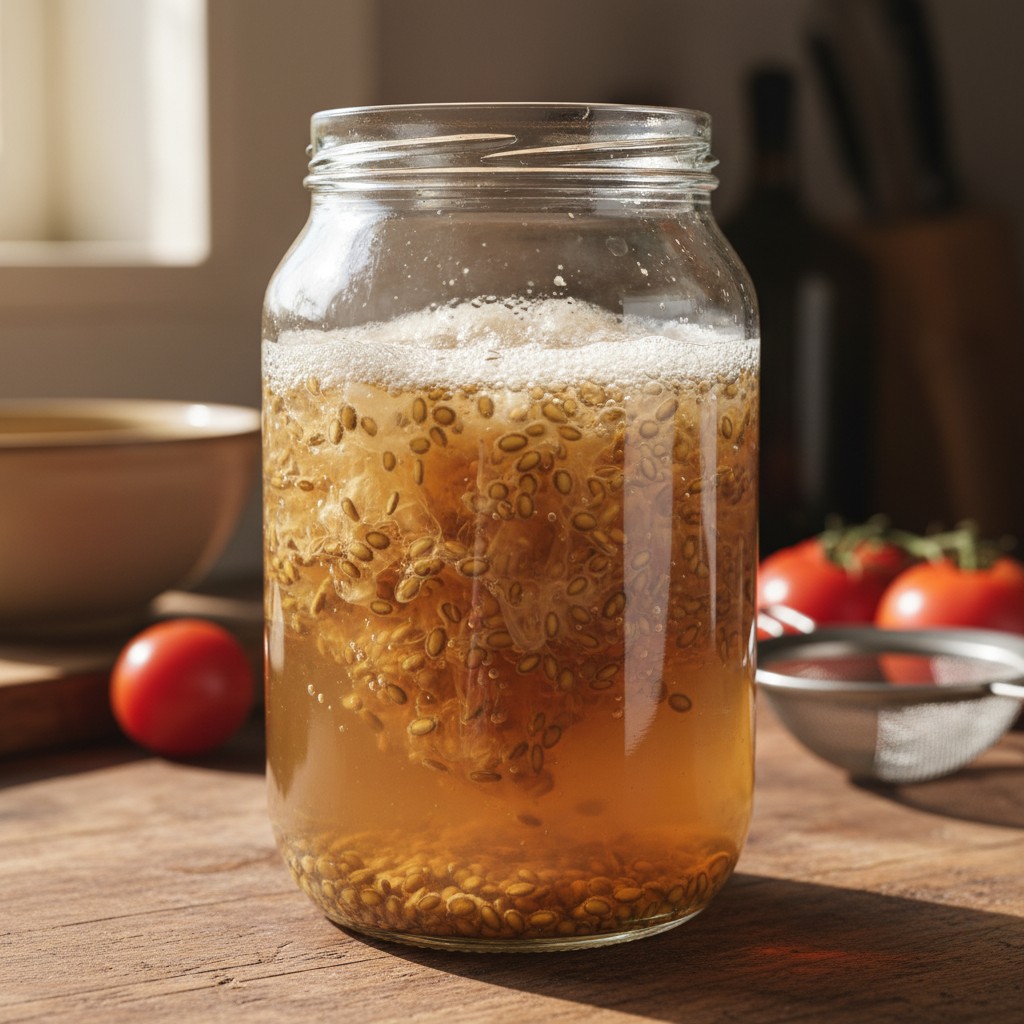
Fermenting tomato seeds for 2-3 days mimics the natural rotting process and removes the gelatinous coating that inhibits germination. It also kills some seed-borne diseases. Simply scoop seeds into water, let sit until a mold forms on top, then rinse clean and dry.
With proper cool, dry storage: beans and peas keep 3-4 years, tomatoes 4-5 years, peppers 2-3 years, lettuce 3-5 years, and most herb seeds 2-3 years. If you’re unsure, run a germination test, sprout 10 seeds on a damp paper towel. If 7+ sprout, your batch is still good.
Yes, if they’re fully dry and in airtight containers. Frozen seeds can last a decade or more. Let them come fully to room temperature before opening the container, or condensation will damage them.