Backyard Chicken Health: Common Problems and How to Prevent Them
Keeping a healthy backyard flock starts long before a bird gets sick. Most of the serious conditions that sideline laying hens and cost keepers money are entirely preventable with the right habits. But even the most careful flock manager will face a sick bird eventually, and knowing what you’re looking at and what to do next makes the difference between losing one bird and losing ten.
This guide walks through the seven most important chicken health tasks, in order of how often they’ll matter to the average backyard keeper. Whether you’re just getting started with backyard chickens in 2026 or you’ve been keeping a flock for years, these practices form the foundation of a healthy, productive coop.
1. How Do You Check for and Treat Mites and Lice on Chickens?
Mites and lice are the most common external parasites in backyard flocks, and they can quietly devastate egg production and bird health before you notice anything wrong. The good news: they’re straightforward to identify and treat if you check regularly.
How to inspect: Check birds at night when mites are most active. Part feathers around the vent, under wings, and at the base of the neck. Look for clusters of tiny moving dots (mites) or elongated pale insects clinging to feather shafts (lice). Also inspect the coop, red poultry mites (Dermanyssus gallinae) hide in cracks and crevices during the day and feed on birds at night. Run a white cloth along roost bars; blood smears confirm red mite presence.
Treatment options: For birds, permethrin-based poultry dusts or sprays are the most effective licensed options in the US. Dust directly into feathers, paying attention to the vent and under-wing areas. Repeat in 10–14 days to break the egg cycle. Diatomaceous earth (food-grade) can be used as a preventive dust bath supplement, though evidence for treatment efficacy is limited. For the coop, clean all bedding, spray cracks with permethrin, and re-bed before returning birds.
Prevention: Provide a dry dust bath area with clean soil or sand, chickens’ natural dust-bathing behavior suppresses external parasites. Inspect new birds (and quarantine them for 30 days) before adding to your flock. Monthly checks during warm months catch infestations early.
2. What Should You Do If a Chicken Has Respiratory Symptoms?
Respiratory disease is the second-most common category of backyard flock illness. Wheezing, rattling breathing, nasal discharge, swollen sinuses, and reduced activity are the key warning signs. Several different pathogens cause similar symptoms. Mycoplasma gallisepticum, infectious bronchitis, Newcastle disease, and aspergillosis all present with respiratory signs, which is exactly why a veterinary diagnosis matters before you treat.

Isolate immediately. Any bird showing respiratory symptoms should be moved to a separate enclosure, a dog crate in a garage works, within the hour. Respiratory diseases spread rapidly through shared air, water, and feed. The faster you isolate, the better your odds of keeping the rest of the flock healthy.
Improve coop ventilation. Poor ventilation is both a cause and an accelerant of respiratory illness. Ammonia from droppings, high humidity from breath and wet bedding, and dust all damage the respiratory mucosa and make birds vulnerable. A properly ventilated coop has openings near the roofline (above bird head height) to allow moist, ammonia-laden air to escape without creating drafts at bird level. If you can smell ammonia when you enter the coop, ventilation is inadequate.
Consult a veterinarian for diagnosis. Do not start antibiotics without knowing what you’re treating. Viral diseases don’t respond to antibiotics at all, and Mycoplasma requires specific tetracyclines or tylosin. A flock vet can swab birds and run a PCR panel that identifies the pathogen within days. Many state veterinary diagnostic labs offer subsidized testing for backyard keepers.
Disinfect shared equipment. Waterers, feeders, and any surfaces the sick bird touched should be disinfected before being returned to the main flock. Virkon S or a dilute bleach solution (1:10) are appropriate disinfectants for poultry equipment.
3. How Do You Treat Coccidiosis in Chicks?
Coccidiosis is the leading cause of death in chicks under 8 weeks old. It’s caused by Eimeria protozoa that live in the intestinal lining and is almost always present in soil where chickens have been kept. Young chicks haven’t yet developed immunity, which is why the disease hits them so hard.
Recognize the signs. Bloody or watery diarrhea, lethargy, hunched posture, and reduced feed intake in chicks 3–8 weeks old are the classic presentation. Not all strains cause bloody droppings, some produce only watery diarrhea and weight loss, so any chick that suddenly stops eating and becomes lethargic warrants suspicion.
Treatment with amprolium. Amprolium (sold as Corid in the US) is the standard over-the-counter treatment for coccidiosis. It’s a thiamine analogue that interferes with protozoan metabolism without requiring a prescription. The standard treatment dose is 1 tsp of Corid 9.6% liquid per gallon of water (or 1 tsp of 20% soluble powder per gallon) for 5–7 days, given as the sole water source. Consult your veterinarian before treating, particularly if you’re not certain of the diagnosis, the treatment dose differs from the prevention dose, and overdosing causes thiamine deficiency.
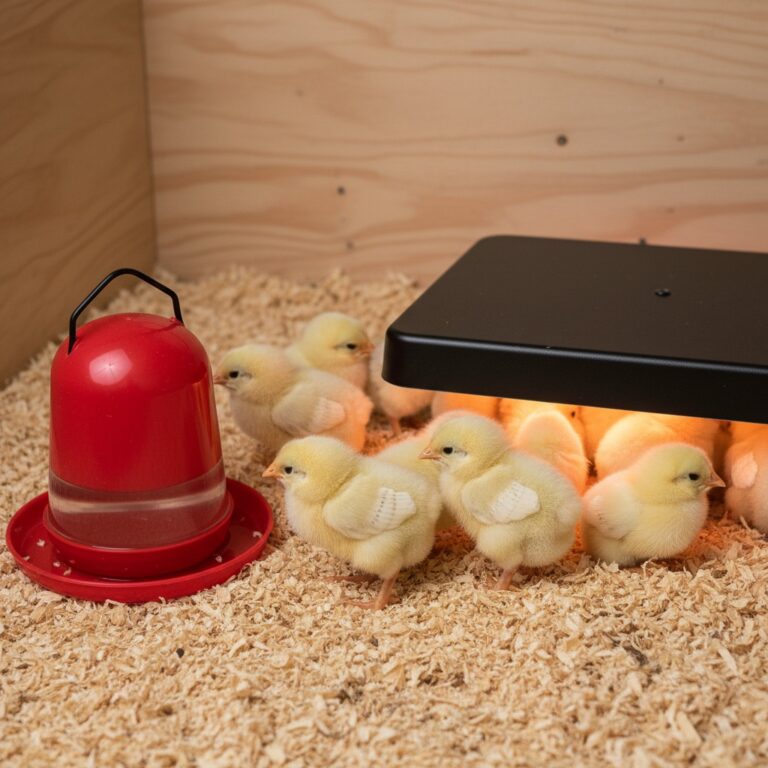
Prevention. Medicated starter feed containing amprolium at a low preventive dose is the simplest prevention strategy for chicks not raised on pasture. Keeping the brooder dry, wet litter is the primary vector, dramatically reduces oocyst transmission. Gradual exposure to small amounts of soil from the adult coop at 2–3 weeks of age can help chicks build immunity safely if your management allows it.
4. How Do You Prevent Marek’s Disease in Your Flock?
Marek’s disease is a herpesvirus that causes tumors and progressive paralysis in chickens, typically affecting birds between 12 and 30 weeks old. There is no treatment. The only reliable prevention is vaccination, and it must be administered within the first 24 hours of life to be effective.
Vaccinate at the hatchery. If you’re buying day-old chicks, specify that you want them vaccinated for Marek’s. Virtually all commercial hatcheries offer Marek’s vaccination for a small per-chick fee. This is the most important health decision you’ll make for your flock. Skipping it to save a few cents per chick is a false economy. Marek’s regularly kills 20–30% of unvaccinated backyard flocks in areas with high virus pressure.
Understand the limits. The Marek’s vaccine doesn’t prevent infection, it prevents disease and tumor development. Vaccinated birds can still carry and shed the virus. This means that adding unvaccinated birds to a flock that has been exposed is high-risk. When you introduce new chickens to your flock, ensure they’re vaccinated and have completed a quarantine period.
What to do if you see symptoms. Marek’s typically presents as gradual leg or wing paralysis, often in one leg, sometimes with the bird lying stretched out. Affected birds often continue eating if feed is brought to them. There is no treatment, consult your veterinarian for confirmation and to assess the risk to the rest of your flock. Some birds recover partially; others do not. Culling is often the humane choice.
5. What HPAI Biosecurity Measures Should Backyard Keepers Follow During Outbreaks?
Highly Pathogenic Avian Influenza (HPAI) H5N1 has been circulating in wild bird populations across North America since 2022, with periodic spillover into backyard and commercial flocks. Mortality in infected backyard flocks is typically near 100% within days. There is no treatment, and infected flocks are depopulated. Biosecurity is the only defense.
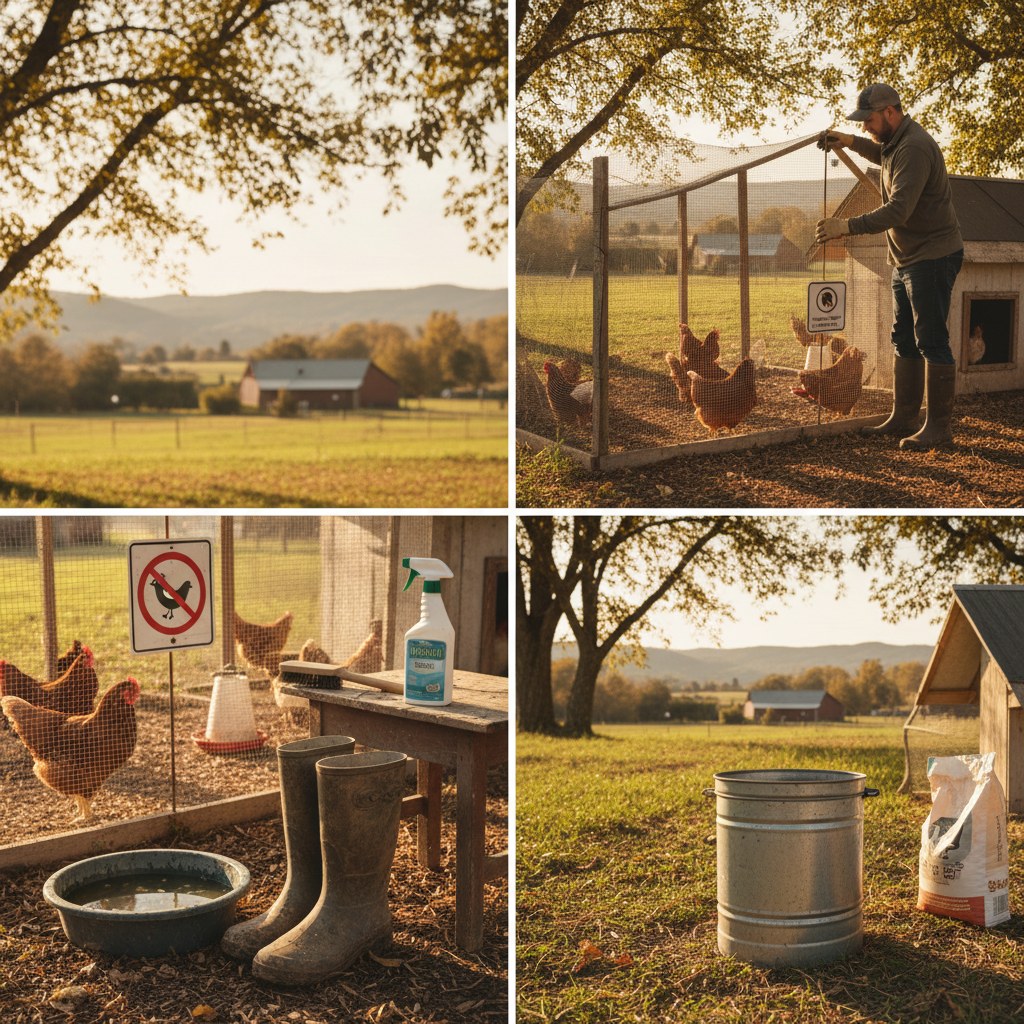
Restrict wild bird contact. Wild waterfowl: particularly dabbling ducks, geese, and shorebirds, are the primary reservoir for HPAI. During active outbreak periods (typically fall and spring migration), keep chickens confined rather than free-ranging. Cover runs with overhead netting to prevent wild bird entry. Eliminate standing water that might attract waterfowl.
Implement basic biosecurity practices. Change footwear before entering the coop, or use dedicated coop boots that don’t leave the property. Wash hands before and after handling birds. Don’t share equipment with neighboring flock keepers. If you’ve visited a feed store, auction, or another person’s flock, change clothes and shoes before entering your coop.
Know the warning signs. HPAI typically presents as sudden, rapid death of multiple birds, often with no warning signs, or with very brief respiratory distress, neurological symptoms, or facial swelling. A flock that loses several birds within 24–48 hours with no obvious cause is an emergency. Contact your state veterinarian or USDA APHIS immediately, do not wait.
Register your flock. Many states have voluntary backyard flock registries. Registration means your state veterinarian can alert you immediately if HPAI is detected in your county, giving you time to lock down before exposure occurs. It takes 10 minutes and costs nothing.
6. How Do You Prevent Common Egg-Laying Problems?
Egg-laying problems, soft-shelled eggs, shell-less eggs, egg binding, internal laying, are among the most common health issues in laying hens, and the majority of them trace back to nutrition, lighting, or environment rather than infectious disease.
Provide adequate calcium. Eggshell formation requires enormous amounts of calcium, a hen mobilizes roughly 2 grams of calcium per egg. Layer feed is formulated with 3.5–4% calcium to support this, but hens should also have free-choice crushed oyster shell or limestone grit at all times. Hens with inadequate calcium produce thin, weak-shelled eggs and eventually develop osteoporosis. Don’t feed layer feed to chicks under 18 weeks, the calcium level is too high for developing kidneys.
Maintain 14–16 hours of light. Hens need 14–16 hours of light per day to maintain consistent egg production. In winter months below about 45 degrees north latitude, supplemental lighting is necessary to prevent a production drop. Use a timer-controlled incandescent or warm LED bulb set to come on before dawn, targeting 16 hours total light. Abrupt changes in light schedule, including the coop being opened late, can cause temporary laying disruption.
Provide enough nesting boxes. Crowded or inadequate nest boxes cause stress, egg-eating, and floor laying. The general rule is one nesting box per four to five hens. Keep nest boxes dark, private, and filled with 3–4 inches of clean bedding. Collect eggs at least once daily, eggs left overnight invite pecking and eating behavior that’s hard to break once it starts.
Recognize egg binding. Egg binding: a hen that is unable to pass an egg, is a medical emergency. Signs include a hen sitting on the floor, straining, with a swollen, hard abdomen, or a visibly prolapsed vent. If you suspect egg binding, consult a veterinarian immediately. A warm bath (soaking the vent and abdomen in 104°F water) for 20–30 minutes can sometimes help relax the muscles, but this is a bridge to veterinary care, not a substitute.
7. How Do You Perform a Regular Flock Health Check?
Weekly hands-on health checks are the single practice that separates keepers who catch problems early from those who find dead birds. Most flock health problems are identifiable, and treatable, days or weeks before they become fatal, but only if someone is actually looking.
What to check during a weekly inspection:
- Eyes and nostrils: Clear and dry is healthy. Any discharge, swelling, or bubbly eye indicates respiratory or eye infection.
- Comb and wattles: Bright red in active layers. Pale, shrunken combs signal anemia, illness, or reproductive shutdown. Dark purple or blue coloration indicates circulatory problems.
- Weight and body condition: Pick up each bird. A healthy hen feels solid, with a breast keel that has flesh on both sides. A prominent, sharp keel with no muscle coverage means the bird is dangerously underweight.
- Vent area: Should be clean and slightly moist. Matted feathers, yellow/green paste, or inflammation indicate digestive issues, mites, or infection.
- Droppings: Normal chicken droppings are firm with a white urate cap. Watery droppings are common in hot weather but persistent watery or bloody stools need investigation. The cecal droppings (produced every 8–10 normal droppings) are dark brown, runny, and strong-smelling, these are normal.
- Behavior: A hen that isn’t keeping up with the flock, isn’t coming to feed, or is sitting alone is always worth a closer look.
Keep a simple flock log. A notebook or phone note tracking weekly egg counts, any birds treated, and feed consumption takes five minutes per week and is invaluable when a problem develops. A sudden 20% drop in egg production is a health signal, you’ll only notice it if you’ve been tracking.
Build a relationship with a poultry vet. Find a veterinarian with poultry experience before you need one urgently. Many large-animal vets see backyard chickens; some avian vets do as well. A single wellness visit to establish a client relationship means you’ll have someone to call at 7 pm when a hen is straining to lay.
Frequently Asked Questions
How do I know if my chicken is sick or just molting?
Molting hens lose feathers, reduce or stop laying, and often look rough for 6–12 weeks, but they remain alert, active, and interested in food. A sick bird typically shows reduced activity, poor appetite, and sits apart from the flock regardless of feather condition. If the bird is responsive, moving normally, eating, and socializing, molt is the likely explanation. If she’s isolated, lethargic, or has any discharge, treat it as a health concern and do a hands-on exam.
Can I use the same antibiotics for chickens as for other livestock?
Some antibiotics are approved for poultry; others are not. More importantly, many antibiotics now require a veterinary prescription under the Veterinary Feed Directive (VFD) even for backyard flocks. Using prescription antibiotics without veterinary guidance is illegal, may not treat the actual pathogen, creates antibiotic resistance, and can leave withdrawal periods unmet if eggs or meat are consumed. Always consult a veterinarian before administering any antibiotic.
What vaccines do backyard chickens need?
In most US regions, Marek’s disease vaccination at hatch is the single most important vaccine for backyard flocks. In some areas with high disease pressure, Newcastle disease and Infectious Bronchitis vaccines are also recommended. Your state’s cooperative extension poultry specialist or a local poultry vet is the best source for region-specific vaccine recommendations. Vaccination schedules for backyard flocks are less standardized than commercial operations, and local disease prevalence varies significantly.
How long do I need to quarantine new chickens before adding them to my flock?
The standard recommendation is 30 days in a completely separate enclosure, separate airspace, separate equipment, and separate caretaker entry sequence (care for established flock first). This allows time for any incubating respiratory disease, Marek’s symptoms, or external parasites to become apparent before the new birds contact your existing flock. More on the process of introducing new chickens to your flock safely.
Is diatomaceous earth safe to use in the chicken coop?
Food-grade diatomaceous earth (DE) is generally considered safe for use in chicken coops and dust baths at appropriate concentrations. It works mechanically by damaging the exoskeletons of insects and mites. The primary safety concern is respiratory. DE is a fine silica dust, and inhaling large quantities over time can cause lung irritation in both birds and humans. Apply it to bedding in moderate amounts and avoid applying when birds are present and the air is dusty. DE is a useful preventive supplement, not a reliable treatment for active infestations.
Disclaimer: This article is for informational purposes only and does not constitute veterinary advice. Always consult a licensed veterinarian for diagnosis and treatment of animal health conditions.