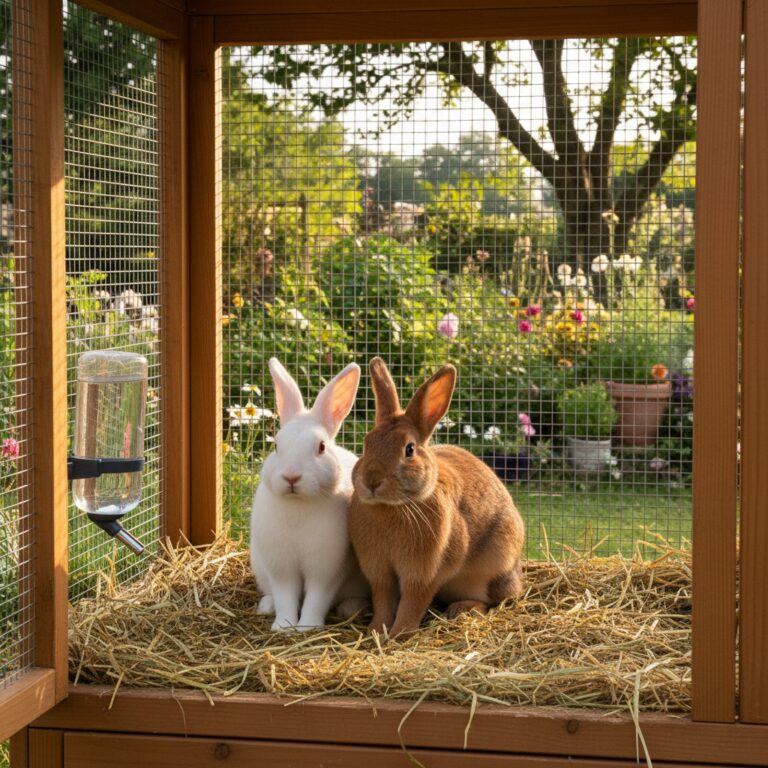

8 Chicken Predators at Night Every Beginner Should Know

A raccoon can reach through two-inch chicken wire, grab a sleeping hen’s head, and eat only the head, leaving the body inside the coop by morning. That single behavior, documented by the eXtension small-flock poultry program, is why beginners lose birds to predators most keepers never actually see.
On our homestead the first predator hit came from a fox we had spotted trotting the tree line for three weeks. One April morning we found four hens missing and a scatter of feathers by the fence. The birds had been latched in but not inside a truly closed coop. Learning what each of these eight predators looks like on a carcass, in a track, or on a piece of chewed wire is how you react on night one instead of night four. For the wider risk picture, our backyard chicken health guide covers common problems and how to prevent them.
1. Raccoon: Why Is This the Number One Nighttime Chicken Killer?
The raccoon is the most common nighttime chicken predator across suburban and rural North America because it climbs, opens latches, and reaches through wire mesh. According to the eXtension Small and Backyard Poultry program, “raccoons sometimes pull a bird’s head through the wires of an enclosure and then can eat only the head, leaving the majority of the body behind.” A decapitated bird still inside the run points almost every time to a raccoon.
Adult raccoons weigh 15 to 25 pounds and are dexterous enough to slide simple hook latches. The University of Maryland Extension warns that “raccoons and opossums are nocturnal and difficult to control; they will climb fences and coops and enter through any opening available, and have been known to reach through wire and grab birds, pull them up to the wire and consume them.”
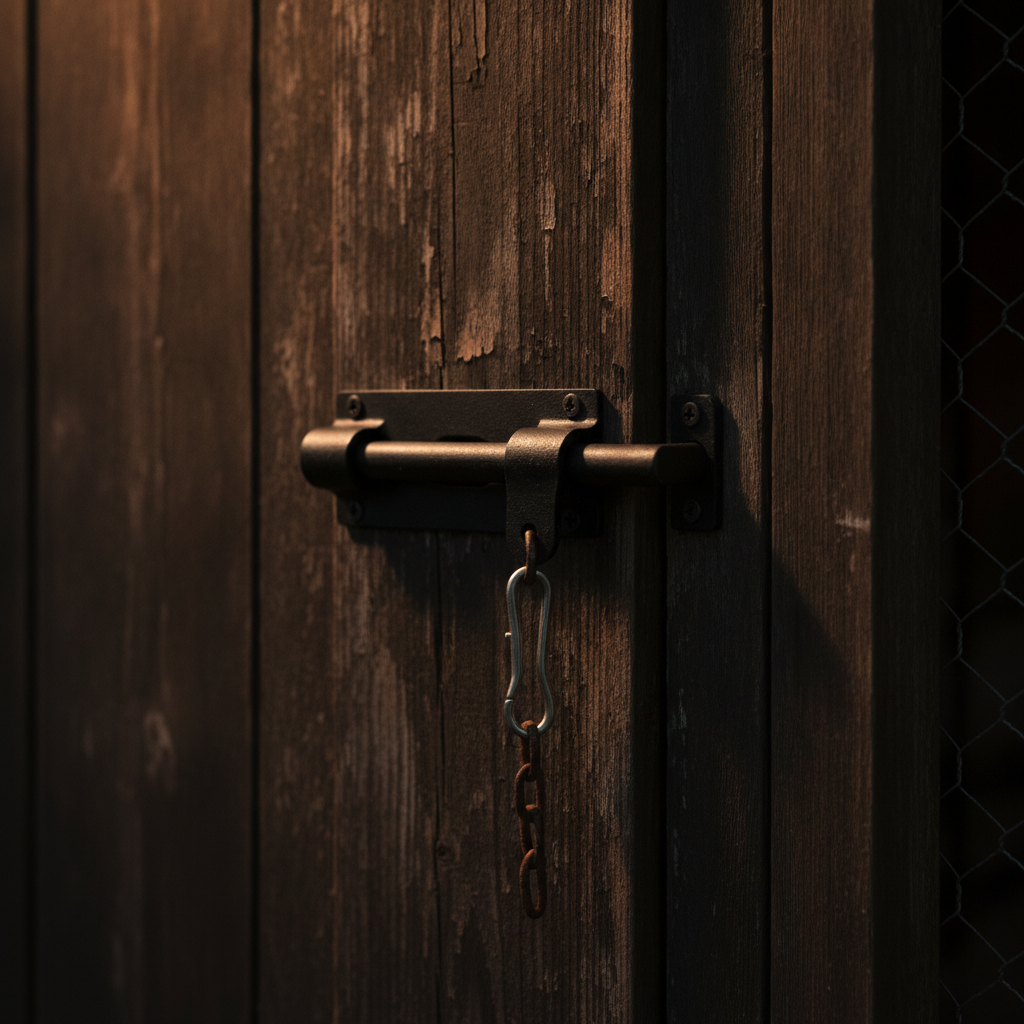
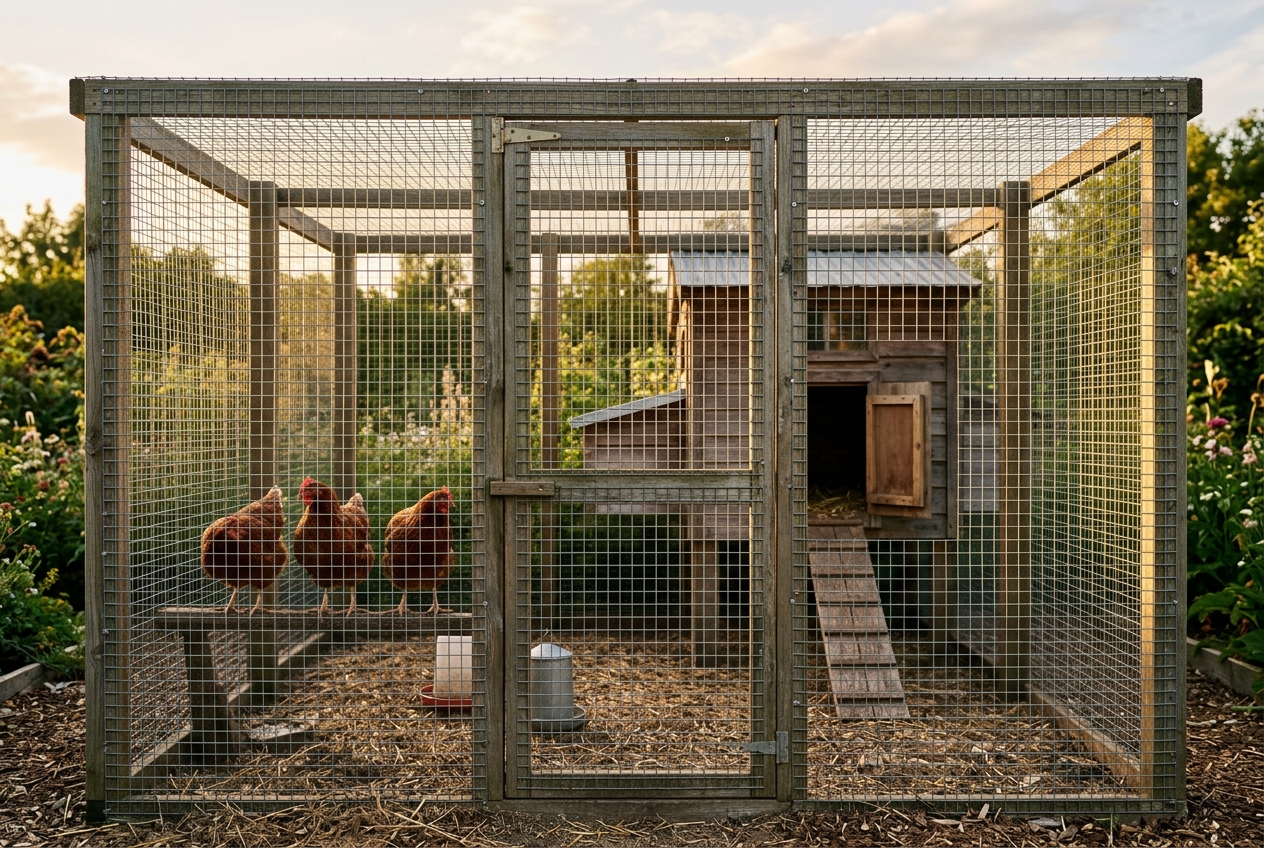
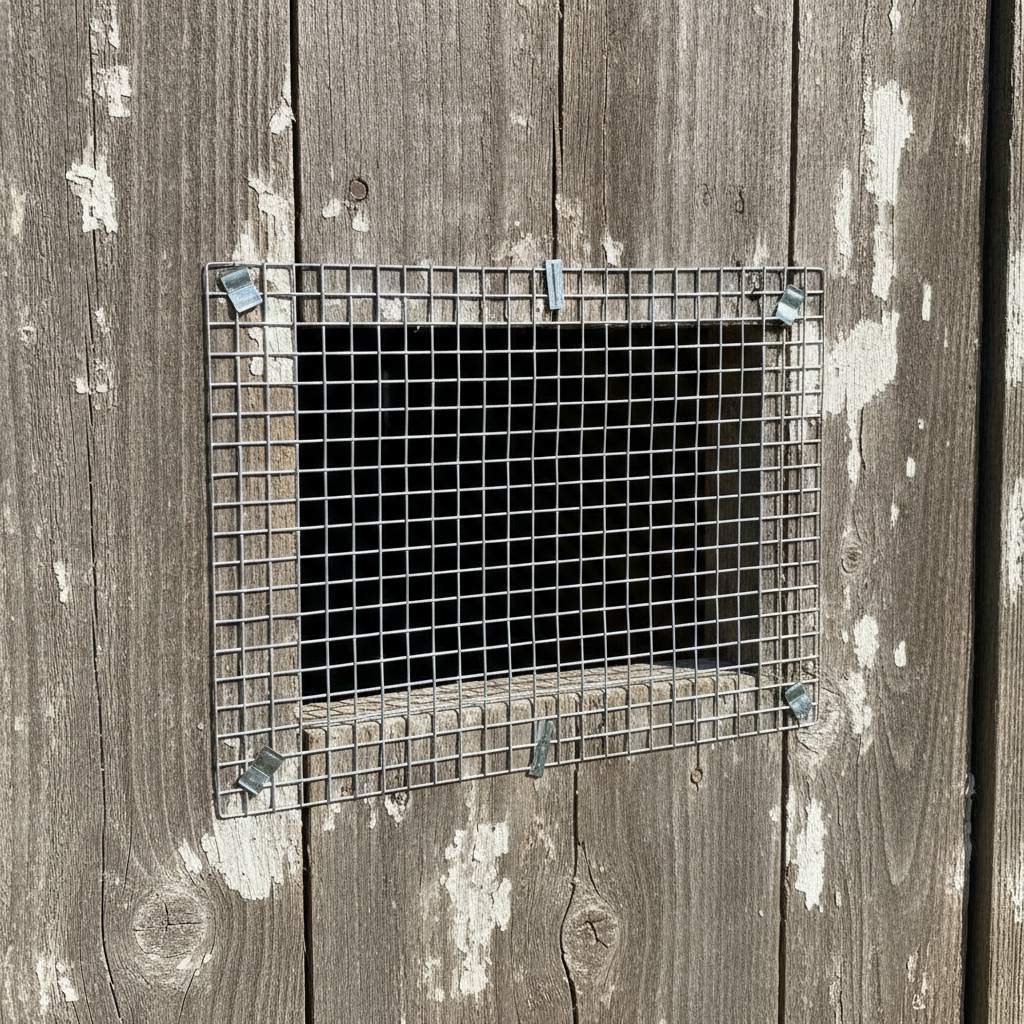
The practical answer for beginners is half-inch hardware cloth over every window and vent, a two-step latch (spring clip plus barrel bolt), and hens locked inside a closed coop from dusk to dawn. Chicken wire is not predator wire.
2. Great Horned Owl: What Does an Overnight Owl Attack Look Like?
The great horned owl is the largest owl that regularly hunts small livestock and it works almost exclusively at night. According to the eXtension small-flock program, “hawks typically take chickens during the day, whereas owls take them during the night,” and owls “tend to strike the area of the neck and the head, as this is the most vulnerable part of the chicken body.” Great horned owls can carry off a five-pound hen and often take only the head, leaving a headless body in the run.
Give-away signs include a single missing bird, a headless carcass with no other tracks, or a small pile of feathers under a favorite roost tree. Because owls drop straight down, free-range flocks left out past sunset are the most vulnerable.
Owls are federally protected. The U.S. Fish and Wildlife Service notes that “owls, their young, and their active nests are protected under the federal Migratory Bird Treaty Act.” You cannot legally trap, poison, or shoot one. Prevention is a closed coop overnight and a covered run with hardware cloth or heavy bird netting over the top.
3. Opossum: How Do You Spot an Opossum Kill?
The opossum is a slow, methodical nocturnal predator that usually kills one bird per visit and targets soft tissue first. According to Ohio State Extension’s Predators of Poultry fact sheet, “opossums may attack the vent region of chickens, pulling out the intestines.” Bites on the abdomen or vent of an adult hen, with the body otherwise intact, are almost always opossum.
The eXtension poultry program adds that “if the wounds are on the breasts or legs of young birds, an opossum may be the problem.” Opossums are especially destructive during broody season because they will eat eggs and kill setting hens on the nest. The same program notes, “if eggs are missing, opossums may be at fault along with skunks, snakes, rats, raccoons, blue jays, and crows.”
Opossums push through gaps under coop doors and through torn wire. Set the pop door on a timer so it closes before dark, check the coop floor for daylight gaps once a month, and gather eggs by dusk. On our property we lost two clutches to a single opossum over one August before an automatic pop door solved it.

4. Weasel and Mink: Why Do They Kill So Many Birds in One Night?
Weasels and mink are surplus killers, which means they keep killing after they are full and often leave a coop with more dead birds than they can carry. Oklahoma State Extension states, “weasels sometimes kill for sport and just leave the carcass intact, and with these predators, several birds could be killed and piled neatly together.” A row of dead hens with no obvious wounds is almost always weasel or mink work.
The bite pattern is small and precise. Oklahoma State describes it: “birds show signs of attack on the sides of the head and/or neck if a mink or weasel has visited the poultry house, with only tiny teeth marks often present on neck or head.” Both animals kill by biting the base of the skull.
The scariest part is entry size. According to University of Missouri Extension, “they can get through small holes so make sure that your poultry housing is in good repair.” A least weasel can squeeze through a one-inch gap. That is the number that argues for half-inch hardware cloth on every vent, window, and soffit.
5. Fox: How Does a Fox Actually Take Chickens at Night?
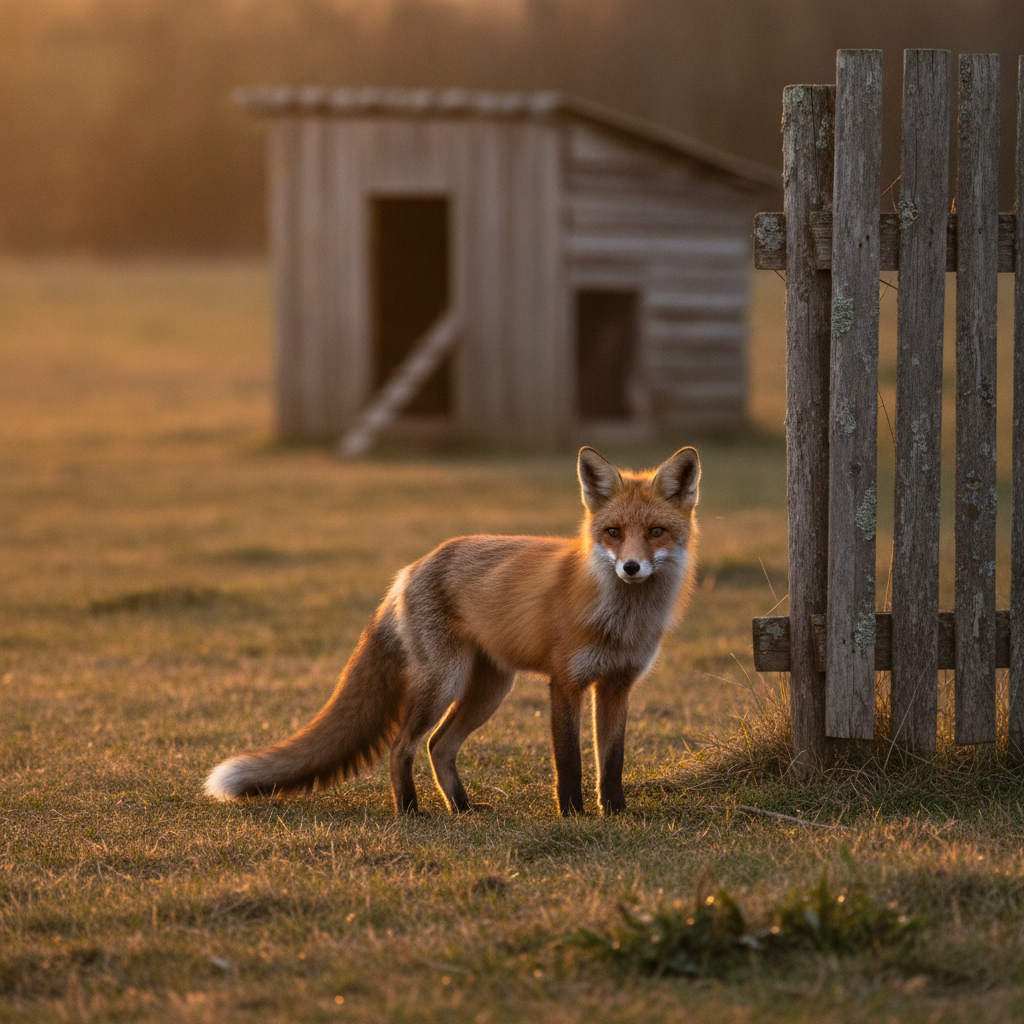
Foxes are patient stalkers that scout a coop for days before an attack and usually strike at dawn, dusk, or in the darkest hours of a moonless night. According to University of Maryland Extension, “foxes bide their time, stalk their prey and strike when they notice a single bird, or a few isolated birds, far from safety.” A fox that trots the fence line every afternoon is planning, not curious.
The kill site rarely tells the story. Oklahoma State Extension explains, “normally when a fox has been in the hen house, evidence includes only a few drops of blood and feathers, and the fox carries away the dead bird, often to a den.” A morning head count that comes up two short with almost no evidence is the classic fox pattern.
Prevention is timing plus digging protection. Oklahoma State notes, “keeping birds in a secure pen or poultry house during these times is good insurance against losses from a fox or coyote.” A buried hardware-cloth apron 12 to 24 inches wide and a locked pop door before dusk stop most fox raids. A budget DIY chicken coop can include both features.
6. Coyote: Are Coyotes a Nighttime Threat in the Suburbs Too?
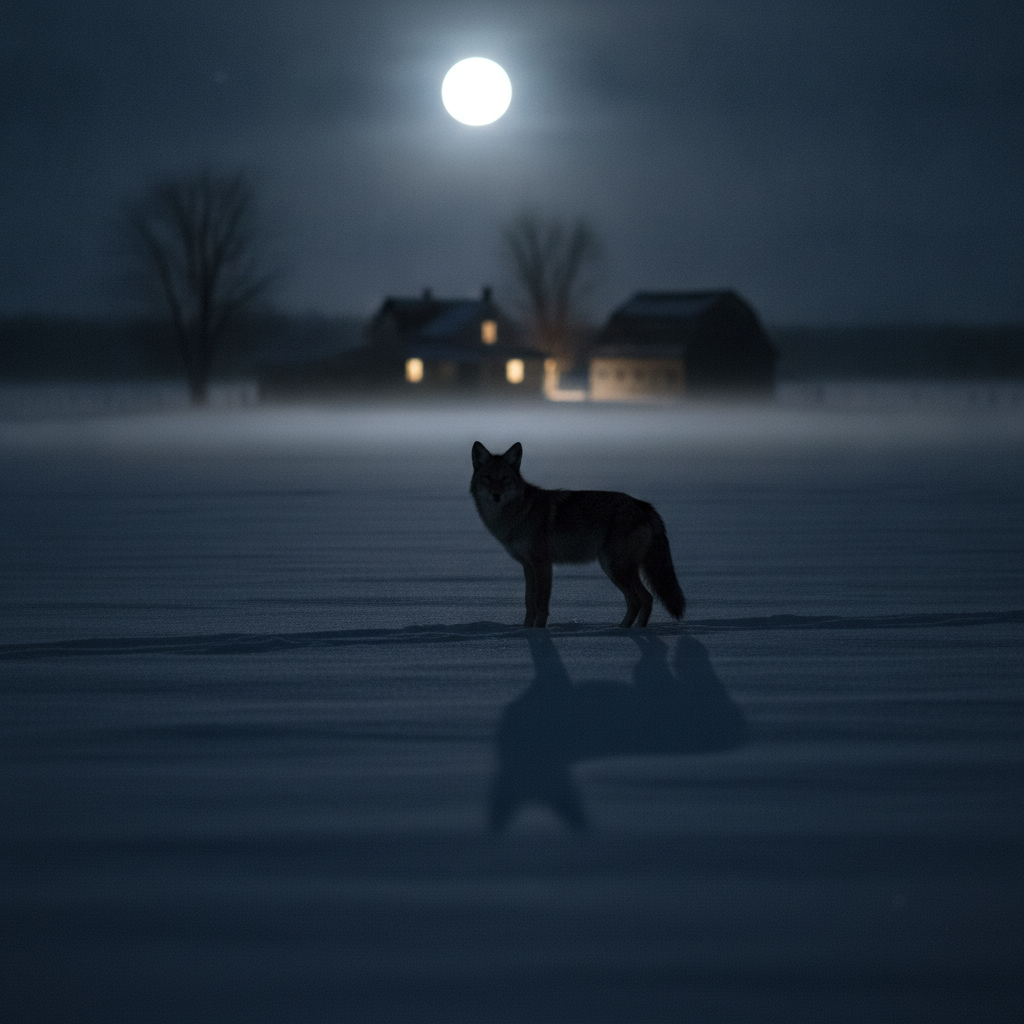
Coyotes are increasingly nocturnal in populated areas, which puts suburban flocks at the same risk as rural ones. According to Ohio State Extension’s poultry predator guide, “most coyotes living close to urban areas will adopt a nocturnal schedule to come out while human residents are asleep.” A coyote that sleeps by day in a woodlot will hunt after midnight in a neighborhood.
Coyotes attack the way foxes do (whole bird carried off, few feathers) but they are stronger and taller. University of Maryland Extension warns that “coyotes are notorious for being some of the most persistent of predators, willing to dig, scratch, bite, and push their way into many standard chicken enclosures,” and that “hungry coyotes have been known to jump as high as 6 feet into a chicken run.” A four-foot run fence is a coyote ramp.
The answer is a six-foot run wall or a covered run with hardware cloth on top, a buried apron 18 to 24 inches wide, and a locked coop. Two-strand electric fencing at 4 and 12 inches off the ground is the single most effective coyote deterrent. Our guide to building a predator-proof chicken run walks through the electric-fence layout.
7. Bobcat: What Does a Bobcat Attack Look Like on a Backyard Flock?
The bobcat is a shy, solitary cat that will take poultry when opportunity meets hunger and prefers hunting at low light. According to the Internet Center for Wildlife Damage Management, “they are active during the day but prefer twilight, dawn, or night hours.” A single vanished hen from a covered run with a torn top mesh, in a wooded area, has a good chance of being bobcat.
The kill signature is diagnostic. The same source explains, “bobcat kills are often easy to identify because they leave claw marks on the shoulders, necks, and backs of the chicken. They usually start feeding on around the ribs and shoulders.” Any survivors from the flock may show parallel scratch marks along the back or flanks.
Tracks confirm the culprit. “Bobcat prints are round, with 4 toes and no claws evident, and are generally twice the size of a domestic cat’s print.” Prevention is a fully covered run, half-inch hardware cloth walls (not chicken wire), and avoiding free-range grazing in the last hour of daylight in bobcat country.

8. Rat: Are Rats Really a Nighttime Predator, Not Just a Pest?
Rats are true nighttime chicken predators, not just nuisance rodents, because they attack chicks and eggs and can seriously injure grown birds. According to University of Maryland Extension, “rats can carry away day-old chicks and can also bite older birds in the hock joint, which can cause a swelling and infection.” A hen limping in the morning with a swollen leg joint and small puncture wounds points at a rat.
The tell for keepers with a brooder is a specific bite pattern. The eXtension poultry program states, “bites on the hocks of young birds often indicate that rats have preyed on the flock.” Missing chicks with no scattered feathers usually means a rat carried them into a burrow, since “rats are nocturnal, so attacks almost always happen at night.”
Rat prevention overlaps with feed hygiene. Store feed in a metal can with a locking lid, sweep spilled feed at dusk, close any hole larger than a nickel with steel wool packed into hardware cloth, and set snap traps in a covered station under the coop foundation. Our comparison of the best egg-laying breeds can help you plan flock size and nest-box layout.

Quick Comparison of the Eight Nighttime Chicken Predators
The table below matches a morning kill scene to a likely culprit. According to compiled Ohio State, Maryland, Oklahoma State, and eXtension guidance, most nighttime attacks fit one of these patterns, though overlapping evidence means a state wildlife biologist is worth a call for a recurring problem.
| Predator | Signature Evidence | Birds Taken | Best Defense |
|---|---|---|---|
| Raccoon | Head eaten, body left in run | 1 to several | Half-inch hardware cloth, two-step latch |
| Great Horned Owl | Headless carcass, no tracks | Usually 1 | Covered run, lockup before dusk |
| Opossum | Vent or abdomen wound, eggs gone | Usually 1 | Automatic pop door, sealed floor gaps |
| Weasel or Mink | Multiple bodies piled, small neck bites | Often many | Close every 1-inch gap with hardware cloth |
| Fox | Birds missing, few feathers | 1 to 2 | Buried apron, locked coop by dusk |
| Coyote | Dig marks, torn or jumped fence | 1 to several | 6-ft covered run, electric fence |
| Bobcat | Claw marks on shoulders and back | Usually 1 | Covered run, hardware cloth walls |
| Rat | Hock bites, missing chicks or eggs | Chicks or eggs | Metal feed bin, sealed gaps, snap traps |
How Do You Predator-Proof a Coop for Nighttime Attacks?
The five habits below stop most nighttime chicken losses, no matter which predator lives in your county. According to Colorado State Extension, “1/2-inch or 1/4-inch mesh is recommended, as this smaller mesh prevents even small predators like rats and weasels from entering.” Everything else builds on that one choice of wire.
- Use half-inch hardware cloth, never chicken wire, on every opening. Windows, vents, soffits, and the pop-door screen all need the smaller mesh.
- Bury a hardware-cloth apron 12 to 24 inches wide. Colorado State recommends “18-24 inches outward from the base (24 inches preferred in areas with foxes, coyotes, or free-roaming dogs).”
- Lock the pop door before dusk. An automatic timer door pays for itself the first spring. Set the closing time 20 minutes after the earliest sunset in your latitude.
- Add a two-step latch to every access door. A spring clip plus a barrel bolt defeats raccoons; single hooks and simple slides do not.
- Cover the run. A hardware-cloth or heavy-gauge welded-wire top blocks owls, bobcats, and jumping coyotes.
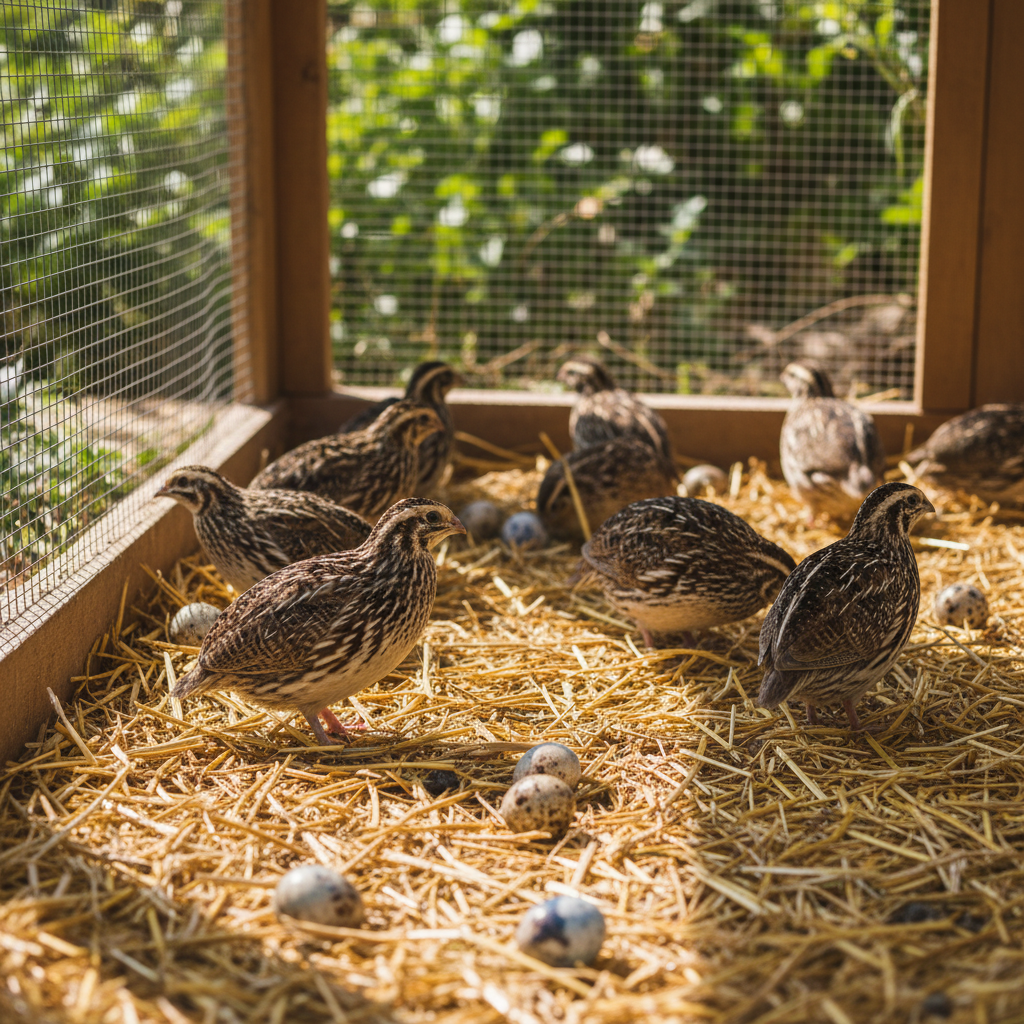
If you are still planning, the complete beginner’s guide to backyard chickens in 2026 covers coop design and starter flock choice in one checklist. Our guide to incubating and hatching chicken eggs shows rat-proof brooder placement, and raising quail as micro-livestock runs the same lockup routine on a smaller pen.
Frequently Asked Questions
What time of night do chicken predators usually attack?
Most nighttime chicken predators hunt in two windows: the first two hours after dusk and the last two hours before dawn. Foxes, coyotes, raccoons, and bobcats are most active at these low-light margins. Owls hunt through the darkest hours. Rats and opossums forage steadily all night. A locked coop from 30 minutes before dusk to 30 minutes after dawn eliminates almost the entire attack window.
Can predators get through chicken wire at night?
Yes, easily. Standard chicken wire is designed to contain hens, not to exclude predators. Raccoons tear it with their fingers, foxes bite through it, and dogs push through it. Half-inch hardware cloth is the recognized standard for predator exclusion because the mesh is small enough to block weasel and rat entry and the wire is thick enough to resist bites and claws. Replace any chicken wire on windows, vents, or pop-door screens with hardware cloth as the first predator-proofing upgrade.
How do I tell what killed my chicken overnight?
Look at three things in this order: what is missing, what was eaten, and what was left behind. A missing bird with only a few feathers suggests a fox or coyote. A headless body inside the coop points to a raccoon or owl. Multiple dead birds piled together with tiny neck bites means a weasel or mink. Vent wounds on a single hen suggest an opossum. Missing chicks or eggs with almost no evidence usually means rats. Match the pattern to the predator table above before you set traps or change your fence.
Should I get a livestock guardian dog for my backyard flock?
A livestock guardian dog such as a Great Pyrenees or Maremma is one of the strongest deterrents for coyotes, foxes, bobcats, and stray dogs on any property of an acre or more. On a small suburban lot, a big guardian dog is usually overkill and can create noise complaints. Smaller yards do better with a solidly built covered run and an automatic pop door. If you are planning a larger flock, the guide to heritage breed chickens covers hardier outdoor breeds that pair well with a guardian dog.
Are backyard chickens legally protected from predators?
Your birds are your livestock, but the predator may be protected. All native owls, hawks, and eagles are federally protected under the Migratory Bird Treaty Act and cannot be killed, trapped, or harmed even after an attack. Furbearers such as fox, coyote, bobcat, mink, and weasel are typically regulated by state wildlife agencies and may require a permit or a specific season for lethal control. Raccoons, opossums, and rats have the loosest rules in most states. Always check your state fish-and-wildlife regulations before lethal action.
The Bottom Line for Beginner Chicken Keepers
The eight predators above account for almost every overnight chicken loss on a backyard flock: raccoon, great horned owl, opossum, weasel or mink, fox, coyote, bobcat, and rat. Their kill signatures are distinct enough that a careful morning check tells you what to change before the next night. According to Colorado State and University of Maryland Extension, the same short list of upgrades stops most attacks regardless of which predator lives near you. Wrap the coop in half-inch hardware cloth, bury a 12- to 24-inch apron, install an automatic pop door that closes before dusk, add a two-step latch on every access door, and cover the run.