The Best Egg-Laying Chicken Breeds: A Complete Comparison
- Best overall layer: ISA Brown, 300–320 eggs/year, calm, beginner-friendly
- Best cold-climate breed: Australorp, handles hard winters and still lays consistently
- Best dual-purpose choice: Rhode Island Red, reliable layers with enough meat bird size to matter
My original Rhode Island Reds were the reason I kept going after that first rough winter. They laid through February when I expected nothing, shrugged off the mud season, and were the last birds I ever had to worry about. If you're in zone 6b and want reliable eggs without fuss, start there.
Choosing the right laying hen is among the most important decisions you’ll make when starting a backyard flock. The wrong breed for your climate, space, or lifestyle can mean disappointing egg counts, stressed birds, and a lot of extra work. The right breed means a steady supply of fresh eggs and chickens that practically take care of themselves.
This guide breaks down seven of the most popular egg-laying breeds so you can compare them side by side. If you’re a first-time chicken keeper or expanding an existing flock, the details below will help you match the right birds to your setup. For a broader introduction to flock management, see our complete beginner’s guide to backyard chickens.
Quick Comparison Table
| Breed | Eggs / Year | Egg Color | Temperament | Cold Hardy | Heat Hardy |
|---|---|---|---|---|---|
| ISA Brown | 300–320 | Brown | Docile, friendly | Moderate | Good |
| Golden Comet | 250–300 | Brown | Sweet, active | Moderate | Good |
| Rhode Island Red | 200–280 | Brown | Bold, confident | Good | Good |
| Plymouth Rock | 200–280 | Brown | Calm, gentle | Excellent | Moderate |
| Australorp | 250–300 | Brown | Quiet, easygoing | Excellent | Moderate |
| Leghorn | 280–320 | White | Independent, flighty | Poor | Excellent |
| Sussex | 200–260 | Cream/tinted | Curious, friendly | Excellent | Good |
Egg counts are averages under good management conditions. Individual birds vary.
1. ISA Brown
The ISA Brown sits at the top of most backyard laying lists for one simple reason: it produces more eggs per year than almost any other breed available to home flock keepers. Developed in France in the 1970s as a commercial hybrid, it was bred specifically for feed efficiency and egg volume. A well-fed ISA Brown hen can reliably deliver 300 to 320 large brown eggs per year, roughly one egg per day for most of her first two laying years.
Temperament is one of the ISA Brown’s best selling points. These birds tend to be calm, curious, and tolerant of handling, which makes them a natural fit for families with children or for keepers who want hens that will come to greet them at the coop door. They do well in small flocks and rarely cause pecking order drama.
Climate tolerance is moderate. ISA Browns handle warm to mild winters without much trouble, but sustained below-zero temperatures can stress them more than heritage breeds like the Australorp or Plymouth Rock. Their single combs are more vulnerable to frostbite, so keepers in cold climates should apply a light coat of petroleum jelly to combs during hard freezes.
Pros: Highest egg production of any backyard breed, gentle disposition, early to mature (starts laying around 18–20 weeks).
Cons: As a hybrid, ISA Browns are not true-breeding, you cannot hatch replacements from their eggs and get the same bird. Lifespan and laying drop off faster than heritage breeds, often declining significantly after year two. They are also more prone to reproductive health issues in later life due to high production rates, as noted by poultry researchers at the University of California Cooperative Extension.
2. Golden Comet
The Golden Comet is another sex-link hybrid and shares many traits with the ISA Brown, though with a slightly softer personality and marginally lower egg counts. Golden Comets typically produce 250 to 300 large brown eggs per year. Like the ISA Brown, they are a cross rather than a heritage breed, usually a Rhode Island Red rooster over a White Leghorn or White Rock hen.
One of the Golden Comet’s standout qualities is how quickly it can be sexed at hatch. Males and females emerge with different feather colors, which means hatcheries can guarantee pullets with near-100% accuracy. This matters for small backyard flocks where a surprise rooster can create problems with neighbors or local ordinances.
In terms of temperament, Golden Comets tend to be sociable and curious. They are active foragers and do well in setups that allow some free-range time or a roomy run. They handle confinement without too much stress, but they clearly prefer having space to scratch and explore.
Climate performance is similar to the ISA Brown: solid in mild to moderate climates, but less reliable than heavy heritage breeds when winters get severe. Their relatively light body mass means they can lose condition faster in cold weather if feed is not adjusted.
Pros: Easy sexing at hatch, friendly and active personality, strong early laying performance.
Cons: Hybrid: no true-breeding replacements. Production declines after year two, and health concerns similar to other high-output hybrids apply.
3. Rhode Island Red
The Rhode Island Red is arguably the most iconic American laying breed. Developed in the late 1800s in Rhode Island and Massachusetts, it was designed to thrive on small farms with minimal inputs. It delivers 200 to 280 brown eggs per year, not quite at the level of the commercial hybrids, but the tradeoff is a much more self-sufficient, durable bird.
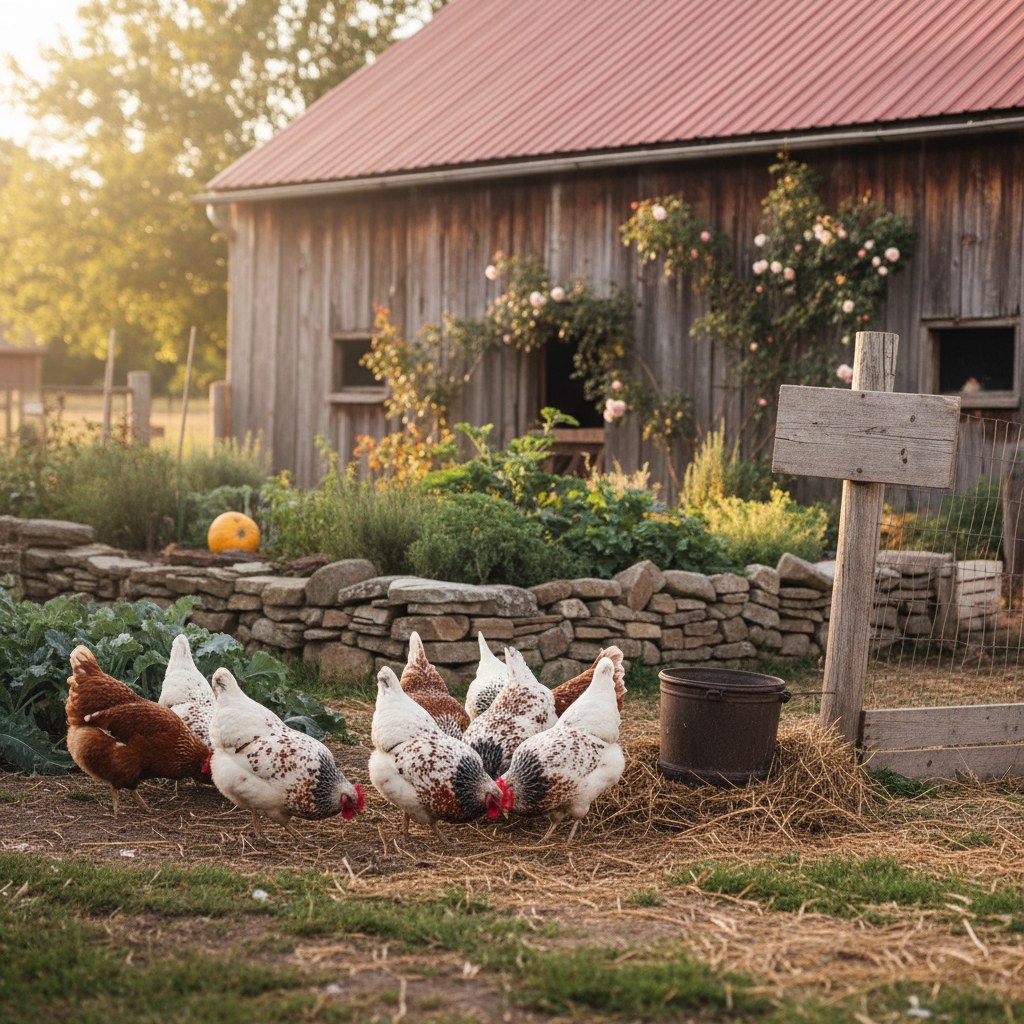
Rhode Island Reds have a confident, assertive personality. They are curious and intelligent, which makes them engaging to keep, but that assertiveness can tip into bossiness in a mixed flock. If you’re putting Rhode Island Reds in with gentler breeds like Australorps or Sussex hens, watch the pecking order dynamics, especially at feeding time.
Cold hardiness is one of this breed’s genuine strengths. The Rhode Island Red’s single comb can still be susceptible to frostbite in extreme cold, but the bird’s heavier body mass and dense plumage help it maintain condition through long northern winters. Heat tolerance is also solid, they handle hot summers better than heavier dual-purpose breeds.
As a dual-purpose breed, Rhode Island Reds also offer meaningful meat production when roosters or spent hens are processed. This matters for homesteaders who want a flock that earns its keep beyond just egg production.
Pros: True-breeding heritage breed, excellent feed-to-egg efficiency, good cold and heat tolerance, dual-purpose value.
Cons: Can be dominant in mixed flocks, single comb needs frostbite monitoring in hard winters.
4. Plymouth Rock
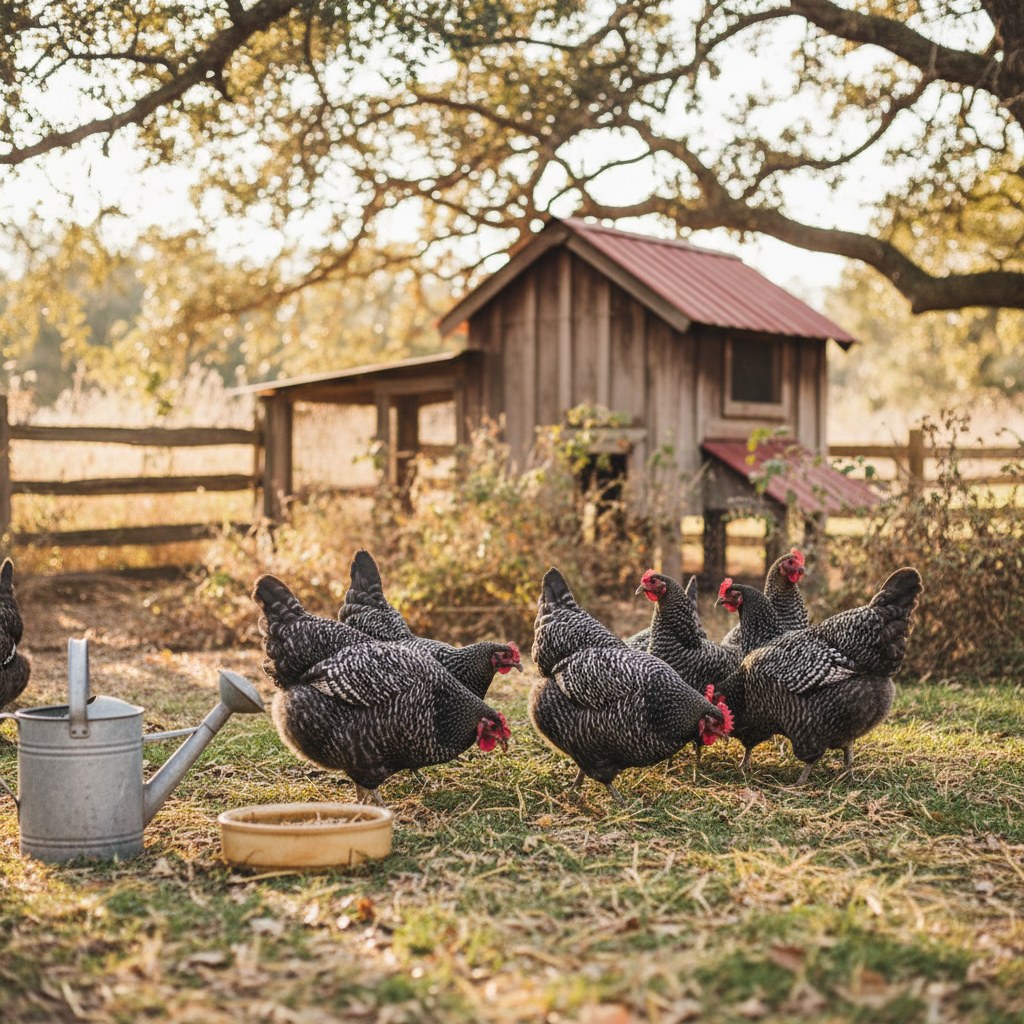
The Plymouth Rock, most commonly seen in the Barred Rock color pattern, is a staple of American homesteads for good reason. It combines reliable egg production (200 to 280 brown eggs per year) with an exceptionally calm, friendly temperament and outstanding cold hardiness. Few breeds check as many boxes for backyard keepers in northern climates.
Plymouth Rocks are heavy birds with dense, close-fitting plumage that insulates well against the cold. Their single combs are relatively small, reducing frostbite risk compared to larger-combed breeds. The Cooperative Extension at Penn State University has consistently listed Plymouth Rocks among the top recommended breeds for cold-climate small farms, citing their combination of temperament, cold tolerance, and sustained winter laying.
Personality-wise, Plymouth Rocks are among the most docile laying breeds. They handle confinement well, are rarely aggressive with flock mates, and tend to be tolerant of handling by people. This makes them an excellent choice for families with young children who want to interact with the flock.
The main trade-off with Plymouth Rocks is heat. Their heavy plumage that works so well in January becomes a burden in July. Keepers in hot southern climates should provide extra shade, cool water, and ventilated coops to keep Plymouth Rocks comfortable through summer.
Pros: Superb cold hardiness, excellent temperament for families, heritage breed with true-breeding offspring.
Cons: Can struggle in heat, production slightly lower than commercial hybrids.
5. Australorp
The Australorp holds a world record that still stands: in 1922–23, a flock of Australorps set the world record for egg production, with one hen laying 364 eggs in 365 days. Modern Australorps don’t quite hit those numbers under backyard conditions, but 250 to 300 large brown eggs per year is a reasonable expectation, and they achieve that while also being among the most pleasant breeds to keep.
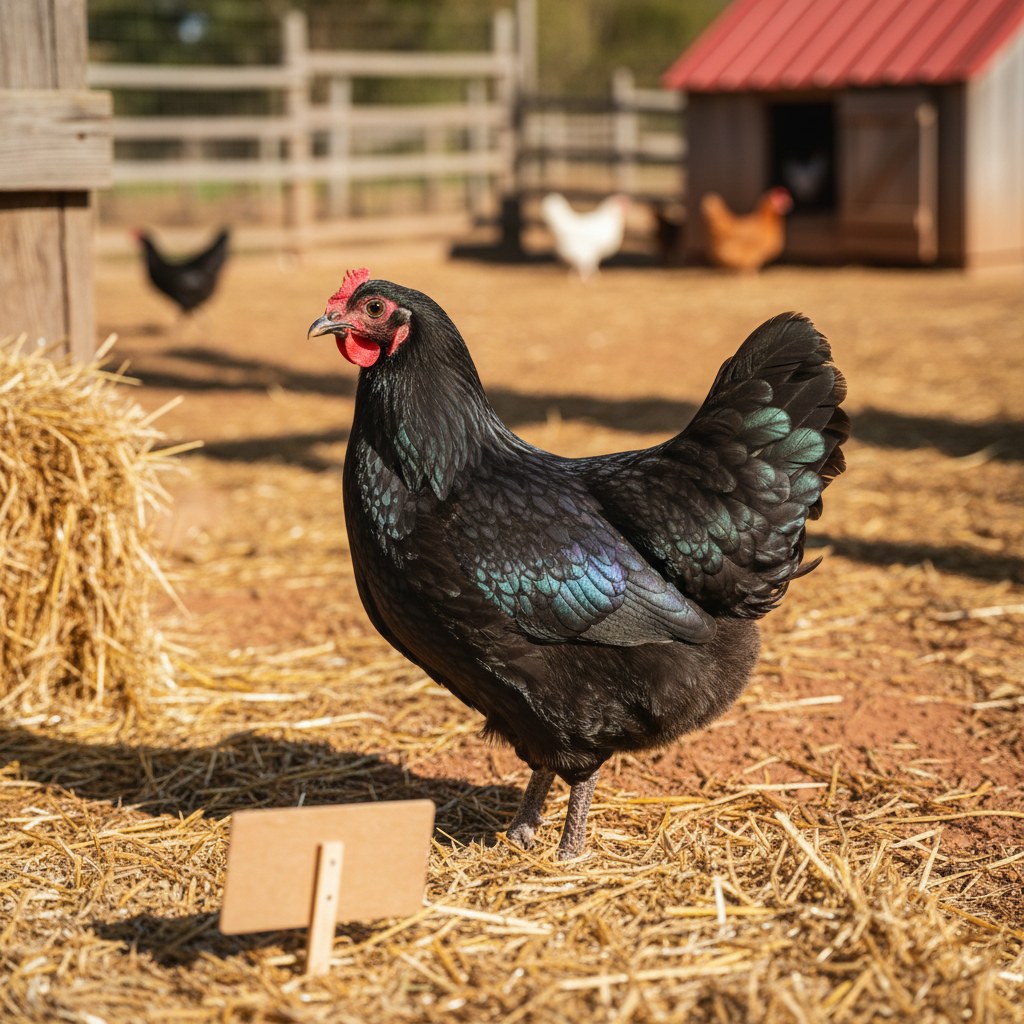
Developed in Australia from Black Orpington stock imported from England, the Australorp was specifically selected for both high egg production and a calm, manageable temperament. The result is a bird that lays like a commercial hybrid but behaves like a heritage breed. They are quiet, non-aggressive, and handle confinement with minimal stress.
Cold hardiness is exceptional. Australorps are heavy birds with dense black plumage and a compact single comb that reduces frostbite exposure. They continue laying through cold winters better than most breeds, which is a key advantage for homesteaders in northern states or Canada. Virginia Cooperative Extension lists Australorps among its top cold-climate laying breeds for small farms.
Heat tolerance is moderate. The dense black feathers absorb heat, so Australorps benefit from extra shade and cool water during summer heat waves. In genuinely hot climates (the deep South or Southwest), Leghorns or Sussex hens will handle summer better.
Pros: Outstanding cold hardiness, excellent laying rate, very calm and beginner-friendly, heritage breed.
Cons: Black plumage makes heat management more important, not ideal for very hot climates.
6. Leghorn
If pure egg production numbers are the goal and you live in a mild or warm climate, the White Leghorn is hard to beat. Most commercial white eggs in the United States come from Leghorn hens because they are feed-efficient, prolific layers, 280 to 320 white eggs per year, and they do not waste calories developing a large body frame. A Leghorn hen typically weighs only 4–5 pounds, so almost all her feed goes toward egg production rather than maintenance.
Leghorns are not beginner-friendly birds in the same way the other breeds on this list are. They are flighty, independent, and easily startled. They do not enjoy being handled, and they can be noisy when stressed. In a mixed flock, Leghorns often behave as outsiders, moving quickly, foraging widely, and avoiding the cluster that calmer breeds form. This independence is an asset in free-range settings but can be frustrating in a managed coop environment.
Heat tolerance is outstanding. Leghorns have large, floppy single combs that act as natural radiators, releasing body heat efficiently. They were developed in the Mediterranean climate of Tuscany, and they thrive in warm, dry conditions. Cold hardiness, by contrast, is poor. Those same large combs frostbite quickly in below-freezing temperatures, and Leghorns’ light body weight means they lose condition fast in cold weather. In northern climates, Leghorns need heavily insulated, well-managed coops with active frostbite prevention.
Pros: Highest laying efficiency, superb heat tolerance, feed-efficient.
Cons: Not cold hardy, flighty and hard to handle, not dual-purpose, frostbite risk in winter.
7. Sussex
The Sussex is one of England’s oldest laying breeds, with documented history stretching back over a century. It is not the highest producer on this list, expect 200 to 260 cream or lightly tinted eggs per year, but it compensates with a combination of excellent cold hardiness, genuine friendliness, and strong year-round laying stability that keeps it relevant for backyard keepers who value consistency over peak numbers.
The Speckled Sussex and Light Sussex are the most common color varieties you’ll encounter. Both share the breed’s characteristic curiosity and boldness. Sussex hens are often described as “underfoot chickens”, they follow their keepers around, investigate everything, and show little of the nervousness that makes some breeds difficult to manage. They are a genuine pleasure to spend time with in the coop and garden.
Cold hardiness is excellent. Sussex hens carry a moderate body mass with dense plumage and a relatively small single comb, all of which help them maintain laying through cold winters. They are one of the better choices for keepers who want consistent winter egg production without the full weight of an Australorp or Plymouth Rock.
When expanding your flock with Sussex hens or any new birds, a careful introduction process matters, you can find detailed guidance in our article on how to introduce new chickens to your flock.
As a dual-purpose heritage breed, Sussex hens also offer respectable table quality, particularly the heavier Speckled Sussex variety. They are true-breeding, so a backyard flock can be self-sustaining with the right rooster.
Pros: Excellent cold hardiness, outstanding temperament, heritage breed, good year-round laying stability.
Cons: Lower peak production than hybrids or Leghorns, less widely available from hatcheries than Rhode Island Reds or Plymouth Rocks.
Sources and Further Reading
- Penn State Extension, Choosing the Right Chicken Breed for Your Flock, Penn State University College of Agricultural Sciences
- Virginia Cooperative Extension, Small-Scale Poultry Production, Publication 2902-1026, Virginia Tech
- University of California Cooperative Extension, Small Flock Poultry Production and Welfare, UC Davis Poultry Health Program
Frequently Asked Questions
How many eggs per year does a backyard hen actually lay?
It depends heavily on the breed, management, and the hen’s age. High-production hybrids like the ISA Brown and Leghorn can reach 300+ eggs per year in their first two laying years. Heritage breeds like the Rhode Island Red and Plymouth Rock typically range from 200 to 280. All breeds produce fewer eggs in years three and beyond, and laying slows significantly in winter when day length drops below 14 hours unless supplemental lighting is used.

When do hens start laying eggs?
Most laying breeds reach point of lay between 18 and 24 weeks of age. Commercial hybrids like the ISA Brown and Golden Comet tend to start earliest, often around 18 weeks. Heritage breeds like the Plymouth Rock and Australorp usually start closer to 20–24 weeks. Breed, nutrition, and season all affect timing; pullets hatched in spring and growing through summer typically start laying sooner than those hatched in fall.
What is the best breed for cold climates?
The Australorp and Plymouth Rock are the top two choices for cold northern winters. Both have dense plumage, heavy body mass, and relatively compact combs that resist frostbite. Sussex hens are a strong third option. Avoid Leghorns in cold climates, their large single combs are prone to frostbite and their light body weight makes maintaining condition difficult through hard winters.
What is the best breed for beginners?
The ISA Brown is the most beginner-friendly breed in terms of egg production ease, they start laying early, produce reliably, and have a calm temperament. For beginners who want a heritage breed that will true-breed and last longer, the Australorp is the best balance of production, temperament, and hardiness. Avoid starting with Leghorns if you want a hands-on flock experience, as they are difficult to handle and easily stressed.
Do you need a rooster for hens to lay eggs?
No. Hens lay eggs regardless of whether a rooster is present, the eggs simply won’t be fertilized. A rooster is only needed if you want to hatch chicks and raise your own replacements. Many backyard keepers in suburban or urban settings never keep a rooster, both because of local ordinances and because hens lay just as consistently without one. If flock expansion or self-sufficiency is a goal, a rooster from a heritage breed like the Rhode Island Red or Sussex is worth considering.