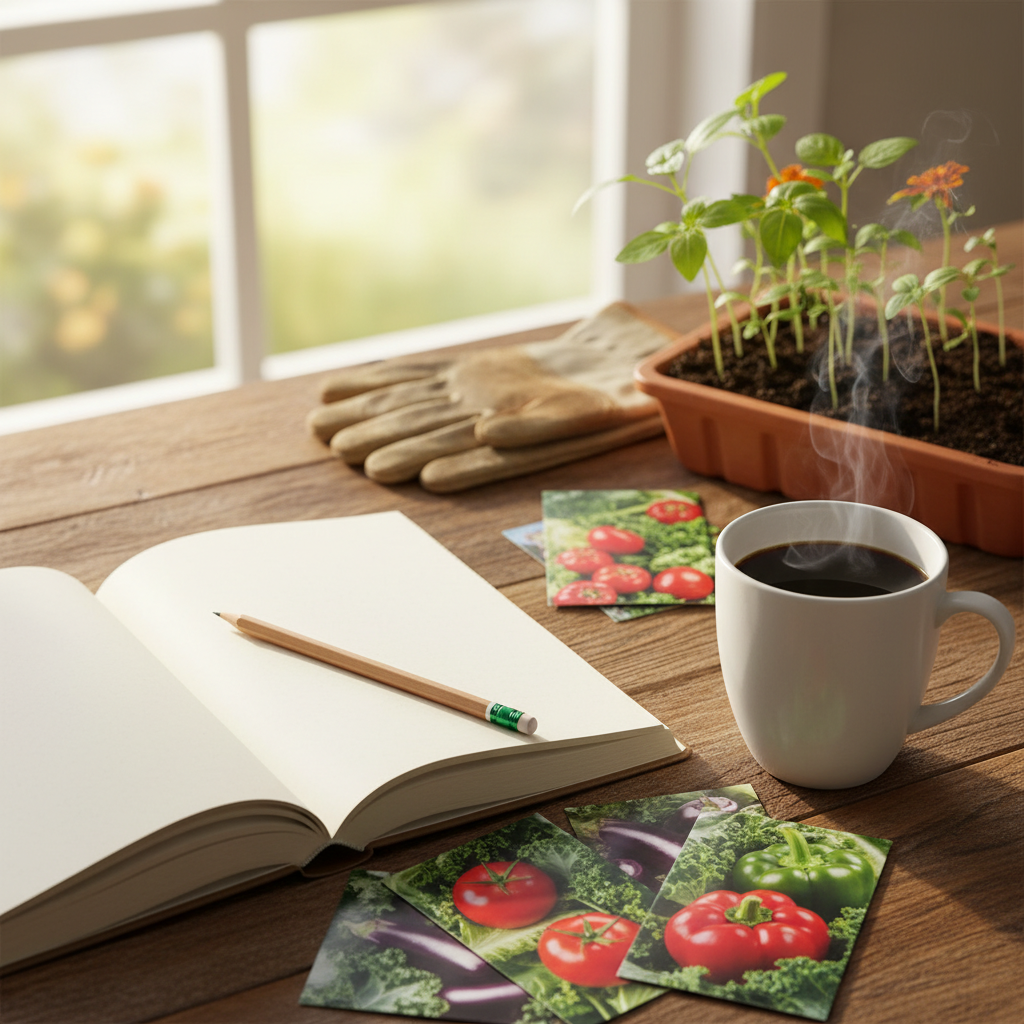
The Homesteader’s Seasonal Planting Calendar: What to Do Every Month
The Homesteader’s Seasonal Planting Calendar: What to Do Every Month of the Year
Homesteading doesn’t follow a nine-to-five schedule — it follows the seasons. Knowing what to plant, harvest, preserve, and prepare each month is the difference between a thriving homestead and a chaotic one. Whether you’re managing a few raised beds and a backyard flock or running a full-scale operation, having a month-by-month plan keeps everything on track.
This calendar covers the four pillars of homestead life: garden, kitchen, livestock, and preservation. It’s designed for zones 5-7 (the most common homesteading zones in the US), but you can adjust timing forward or backward by 2-4 weeks depending on your specific climate. Southern homesteaders, shift spring tasks earlier and fall tasks later. Northern homesteaders, do the reverse.
- Every month has critical tasks — even “quiet” winter months are essential for planning and preparation
- The four homestead pillars (garden, kitchen, livestock, preservation) have their own seasonal rhythms
- Timing is everything: planting two weeks early or late can make or break a crop
- A seasonal calendar reduces overwhelm by breaking the year into manageable monthly goals
- Adjust all timing by 2-4 weeks based on your specific USDA hardiness zone
January: The Planning Month
Garden
- Order seed catalogs and plan your garden layout for the year
- Review last year’s garden journal — what worked, what didn’t, what to change
- Order seeds early for the best selection, especially for popular heirloom varieties
- Test stored seeds for viability (damp paper towel germination test)
- Start onion seeds indoors under grow lights (they need a long growing season)
- Plan your seed starting schedule working backward from your last frost date
Kitchen
- Inventory your pantry — use up older canned goods, dried herbs, and frozen produce
- Cook from your pantry stocks: soups, stews, and casseroles using stored vegetables
- Experiment with new recipes using your preserved harvest
- Sharpen knives, maintain kitchen equipment
Livestock
- Ensure water sources aren’t freezing — heated waterers are essential in cold climates
- Increase feed rations slightly — animals burn more calories staying warm
- Check bedding depth in coops and barns (deep litter method generates heat)
- Order chick catalogs if you plan to expand your flock in spring
Preservation
- Take inventory of root cellar stores — use anything showing signs of decline
- Check canned goods for seal integrity
- Dehydrate any produce from freezer that needs to be used before spring
February: The Preparation Month
Garden
- Start cool-season transplants indoors: broccoli, cabbage, cauliflower, kale, lettuce
- Start pepper and eggplant seeds indoors (they need 8-10 weeks before transplanting)
- Prune fruit trees and berry bushes while dormant
- Clean and organize seed starting supplies — trays, soil mix, grow lights
- Soil test if you haven’t in the past 2-3 years
Kitchen
- Continue cooking from pantry stores
- Start planning your preservation goals for the coming season
- Order canning supplies (lids sell out fast in summer — buy now)
Livestock
- Order spring chicks for delivery in March-April
- Begin preparing brooder boxes for incoming chicks
- Continue cold-weather animal care routines
- Check fencing for winter damage
Preservation
- Make maple syrup if you have sugar maples (tapping season begins when nights are below freezing but days are above)
- Continue using stored produce — root cellars are running low by now
March: The Awakening Month
Garden
- Start tomato seeds indoors (6-8 weeks before last frost)
- Direct sow peas, spinach, radishes, and lettuce as soon as soil can be worked
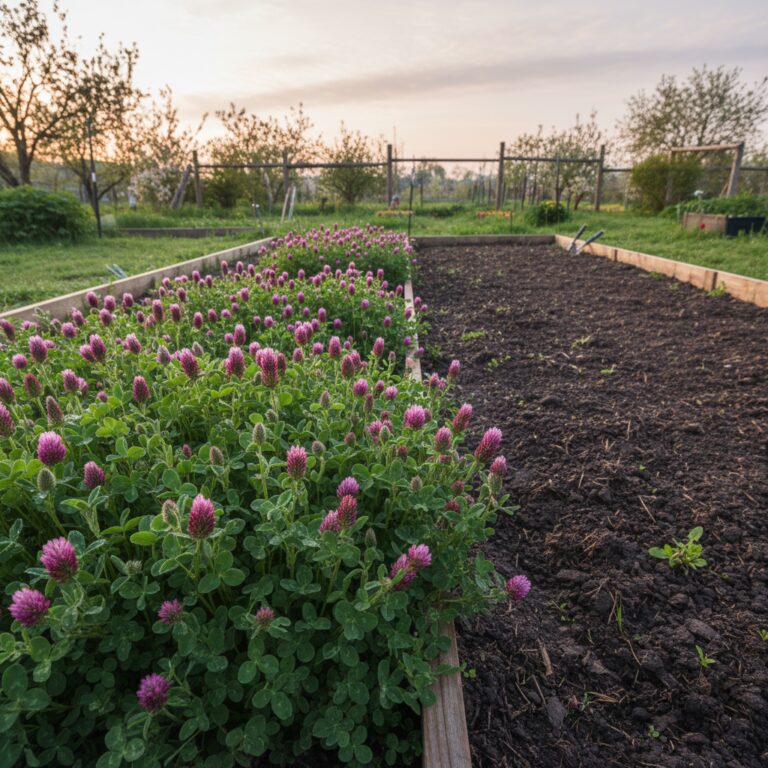
- Prepare garden beds — turn compost in, add amendments based on soil test
- Uncover and inspect perennial herb and berry beds
- Divide and transplant perennial herbs that have outgrown their space
- Reference our spring homestead checklist for a complete rundown of early spring tasks
Kitchen
- Start using fresh spring greens as they become available — dandelion greens, early spinach
- Make nettle tea and pesto from fresh spring nettles
- Begin sprouting seeds indoors for fresh greens
Livestock
- Set up brooders and receive spring chicks
- Deep clean coops after winter
- Egg production increases as daylight lengthens — celebrate!
- Begin rotating pastures if applicable
Preservation
- Use the last of the root cellar stores
- Clean and prepare canning equipment for the coming season
April: The Planting Month
Garden
- Transplant cool-season crops (broccoli, cabbage, etc.) outdoors
- Direct sow beets, carrots, chard, turnips, and more lettuce
- Plant seed potatoes — see our guide on five methods for growing potatoes
- Set up trellises for peas and future bean plantings
- Start hardening off warm-season transplants
- Mulch established beds to suppress weeds
- Plant asparagus and rhubarb crowns if establishing new beds
Kitchen
- Harvest and cook asparagus, rhubarb, and spring greens
- Make rhubarb sauce and freeze for later
- Begin collecting wild edibles: morels, ramps, fiddleheads (know your local species)
Livestock
- Move chicks to outdoor coops when feathered and weather permits
- Begin spring worming schedule for goats, sheep, and horses
- Repair and improve fencing before livestock goes out on pasture
Preservation
- Dehydrate or freeze surplus spring greens
- Make and freeze pesto from early herb harvests
May: The Busy Month
Garden
- After last frost: transplant tomatoes, peppers, eggplant, squash, and cucumbers
- Direct sow beans, corn, squash, melons, and pumpkins
- Succession plant lettuce, radishes, and other quick crops every 2 weeks
- Mulch heavily around all transplants
- Install drip irrigation or soaker hoses
- Plant all remaining herb transplants
Kitchen
- Strawberry season begins — eat fresh, freeze, and make jam
- Harvest spring crops: lettuce, peas, radishes, spinach
- Make elderflower cordial if elderflowers are blooming
Livestock
- Full pasture rotation in effect
- Shearing season for sheep
- Spring chicks should be fully integrated with the flock
- Bee hives are active — inspect for health and expansion needs
Preservation
- Freeze strawberries and make strawberry jam
- Dry herbs from first major harvest
- Make flavored vinegars with spring herbs
June: The Growth Month
Garden
- Weed consistently — staying on top of weeds now prevents a jungle later
- Side-dress heavy feeders (tomatoes, corn, squash) with compost or organic fertilizer
- Prune tomato suckers and train vines up supports
- Watch for pest problems and address early — hand-pick, companion plant, or use organic controls
- Succession plant beans, cucumbers, and summer squash
- Harvest garlic scapes
Kitchen
- Cherry season — eat, freeze, and preserve
- Begin making zucchini everything (bread, relish, fritters) as summer squash ramps up
- Harvest and dry chamomile flowers for tea
- Make herb butter with fresh herbs
Livestock
- Monitor for parasites in warm, wet weather
- Ensure all animals have shade and plenty of fresh water
- Harvest honey from established hives (first extraction)
Preservation
- Can or freeze cherries
- Begin canning season with early pickles and relishes
- Dry herbs in earnest — this is peak time for most herbs
- Make and freeze pesto in large batches
July: The Abundance Month
Garden
- Harvest, harvest, harvest — tomatoes, peppers, cucumbers, beans, squash, and corn
- Continue succession planting quick crops for fall harvest
- Plant fall brassicas (broccoli, cabbage, Brussels sprouts) in seed trays
- Water deeply and consistently — mulch is your best friend in the heat
- Save seeds from open-pollinated varieties at peak ripeness
Kitchen
- Peak fresh eating season — make the most of every meal from the garden
- Berry season in full swing: blueberries, blackberries, raspberries
- Make and freeze tomato sauce in large batches
Livestock
- Heat management is critical — frozen treats for chickens, fans in barns
- Fly control measures in full effect
- Egg production may dip in extreme heat — this is normal
Preservation
- Peak canning season: tomato sauce, salsa, pickles, relish, jam
- Freeze corn, beans, and berries
- Dehydrate tomatoes, peppers, and herbs
- Make fruit leather from surplus berries
July is when I feel most like a real homesteader — and most like I’m drowning. The kitchen counter is covered in tomatoes, the dehydrator runs 24 hours a day, and the canner is always on the stove. It’s exhausting and deeply satisfying all at once. My best advice: can during the cool morning hours and give yourself permission to skip a day when you need to.
August: The Transition Month
Garden
- Transplant fall brassicas into the garden
- Direct sow fall crops: turnips, beets, carrots, kale, spinach, lettuce
- Plant cover crops in any beds that are finished producing
- Continue harvesting summer crops
- Begin cleaning up spent plants and composting them
Kitchen
- Peach and plum season — preserve while they’re at their peak
- Dry and freeze surplus herbs before they bolt in the heat
- Make and preserve hot sauce from ripe peppers
Livestock
- Begin planning fall breeding if you want spring babies
- Start stockpiling hay for winter
- Second honey harvest if hives are producing well
Preservation
- Can peaches, pear butter, and stone fruit jams
- Pickle peppers, green tomatoes, and surplus cucumbers
- Freeze and can corn at its peak
- Make and can apple butter and applesauce as early apples come in
September: The Harvest Month
Garden
- Harvest winter squash when stems are dry and skin is hard
- Dig potatoes after vines die back
- Harvest onions when tops fall over; cure in a warm, dry location
- Plant garlic cloves (4-6 weeks before first frost)
- Continue fall garden maintenance — water and weed fall crops
- Collect and save seeds from your best plants
Kitchen
- Apple season — cider pressing, sauce making, pie baking
- Make grape jelly and juice if you have grapevines
- Cook and freeze pumpkin puree
Livestock
- Fall worming for all ruminants
- Increase feed gradually as pasture quality declines
- Process meat birds if raising broilers
- Prepare housing for winter — check for drafts, add insulation if needed
Preservation
- Can applesauce, apple butter, and pie filling
- Pressure can soups, stocks, and stews using garden produce
- Cure winter squash for root cellar storage
- Make and can salsa with the last of the tomatoes and peppers
October: The Storing Month
Garden
- Clear spent plants and add to compost
- Plant garlic if not done in September
- Spread finished compost or aged manure on beds
- Plant cover crops on remaining empty beds
- Mulch perennial beds and berry bushes for winter protection
- Drain and store hoses and irrigation equipment before freeze
Kitchen
- Roast and preserve the last of the peppers
- Make bone broth from fall-processed poultry
- Bake with stored pumpkin and squash
- Begin hearty cold-weather cooking: stews, chili, pot pies
Livestock
- Finalize winter housing preparations
- Stock up on feed and bedding for winter
- Install heated waterers or stock tank heaters
- Reduce flock if desired before winter feeding costs increase
Preservation
- Load the root cellar with cured produce
- Final round of canning — anything left in the garden goes into jars
- Label and organize all canned goods, frozen stores, and dried herbs
- Take a full pantry inventory and pat yourself on the back
November: The Settling Month
Garden
- Harvest the last of the fall crops: kale, Brussels sprouts, late carrots
- Clean and store all garden tools — oil metal parts, sharpen blades
- Turn compost piles one last time before winter
- Protect cold frames and hoop houses for winter greens production
Kitchen
- Thanksgiving cooking with homegrown produce — the ultimate reward
- Make holiday gifts: jams, dried herb blends, candles, salves
- Begin holiday baking with stored eggs, butter, and pantry goods
Livestock
- Full winter care routines in effect
- Supplemental lighting in coops if you want winter eggs (14-16 hours total light)
- Monitor body condition of all animals and adjust feed accordingly
Preservation
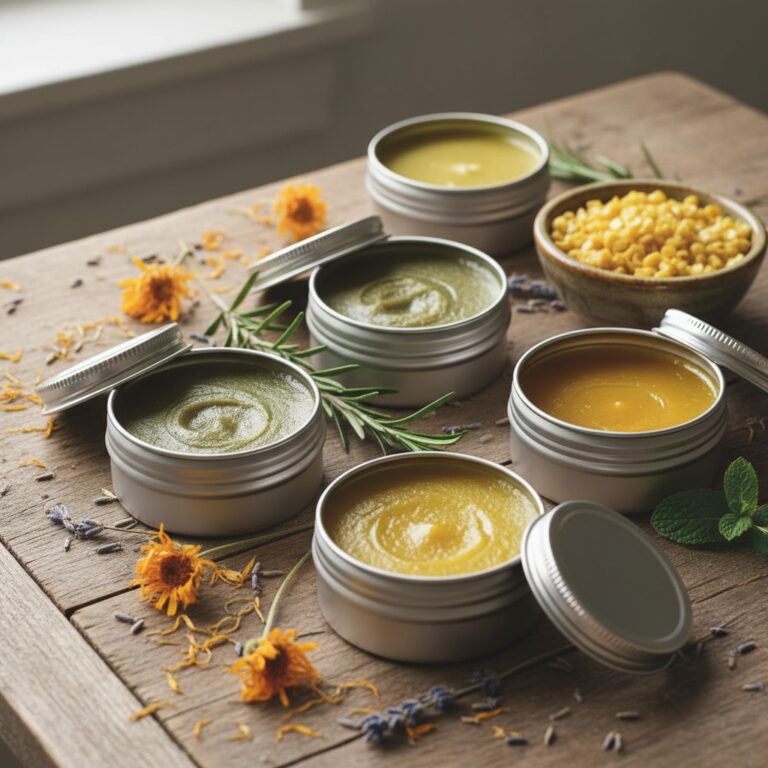
- Make herbal tinctures and salves for holiday gifting
- Render lard or tallow from fall-processed animals
- Make and package holiday food gifts
December: The Rest and Renewal Month
Garden
- Rest. The garden is sleeping, and you should too (a little).
- Thumb through seed catalogs by the fire
- Begin sketching next year’s garden plan based on this year’s lessons
- Check stored produce monthly — remove anything going soft
Kitchen
- Holiday cooking and baking from your homestead pantry
- Enjoy the fruits (literally) of your year’s labor
- Take stock of what you didn’t have enough of this year — plan to grow or preserve more next year
Livestock
- Maintain winter routines — extra water checks during cold snaps
- Deep litter in coops provides warmth and composting heat
- Plan next year’s flock changes, breeding schedules, and new additions
Preservation
- Enjoy your stocked pantry — this is what all that work was for
- Note any gaps in your preservation strategy for next year
- Gift homemade goods: jams, honey, soaps, salves, beeswax candles
Printable Monthly Quick-Reference
| Month | Garden Focus | Kitchen Focus | Preservation Focus |
|---|---|---|---|
| January | Plan and order seeds | Cook from pantry | Inventory stores |
| February | Start seeds indoors | Order canning supplies | Maple syrup season |
| March | Sow cool crops, prep beds | Fresh spring greens | Clean canning gear |
| April | Transplant, plant potatoes | Asparagus, rhubarb | Freeze spring surplus |
| May | Plant warm crops after frost | Strawberry season | First jams, dried herbs |
| June | Maintain, weed, fertilize | Cherries, herb butter | Pickles, herb drying |
| July | Peak harvest begins | Peak fresh eating | Peak canning season |
| August | Plant fall crops | Stone fruits, hot sauce | Peaches, corn, peppers |
| September | Harvest storage crops, plant garlic | Apples, pumpkins | Applesauce, soups, salsa |
| October | Clear beds, cover crop | Hearty fall cooking | Root cellar loading |
| November | Final harvest, tool care | Holiday cooking | Gift making |
| December | Rest, plan next year | Enjoy your pantry | Assess and plan |
Frequently Asked Questions
How do I adjust this calendar for my specific zone?
This calendar is based on zones 5-7 with a last spring frost around mid-May and first fall frost around mid-October. If you’re in zones 3-4, shift spring tasks 2-4 weeks later and fall tasks 2-4 weeks earlier. If you’re in zones 8-9, shift spring tasks 2-4 weeks earlier and extend your fall season. In zones 9-10, you may have year-round growing with different crops in cool and warm seasons — focus on heat-tolerant varieties in summer and cool-season crops in winter.
What if I’m just starting out and this feels overwhelming?
Start with one pillar. If you’re most interested in gardening, focus just on the garden column for your first year. Ignore livestock entirely if you don’t have animals yet. Pick 5-6 crops you know your family eats, plant those, and learn to grow them well. Add preservation when you have surplus to preserve, and add livestock when you feel ready. Nobody builds a full homestead in one year — and trying to will burn you out.
How do I know exactly when my last frost date is?
Your county extension office can tell you the average last frost date for your specific area. You can also search online for “[your zip code] last frost date” for a quick answer. Keep in mind that frost dates are averages — some years are earlier, some later. Experienced gardeners watch the weather forecast and know their property’s microclimates (low spots freeze first, south-facing walls stay warmer). When in doubt, wait an extra week before planting frost-tender crops outdoors.
Is there a best month to start homesteading?
January is actually ideal because it’s planning season. You have time to research, order seeds, gather supplies, and prepare without the pressure of active growing. But honestly, any month works. If it’s July and you’re inspired, start with a fall garden. If it’s October, build your root cellar and plan for spring. The homestead calendar is a circle — there’s no wrong entry point, just different starting tasks depending on the season.
How do I keep track of all these tasks without losing my mind?
A simple garden journal is the best tool. Write down what you plant, when, where, and how it does. Note your first and last frost dates, weather events, and pest problems. Many homesteaders use a paper planner with monthly sections. Others prefer digital tools or spreadsheets. The format matters less than consistency — even a few notes each week build a powerful reference that improves your homestead year after year. By year three, your own journal will be more useful than any generic calendar.