Clover Lawns: Why Homesteaders Are Ditching Grass (And How to Make the Switch)
- Clover fixes nitrogen. University of Minnesota Extension confirms white clover "doesn’t need to be fertilized with nitrogen," saving hundreds in lawn chemicals.
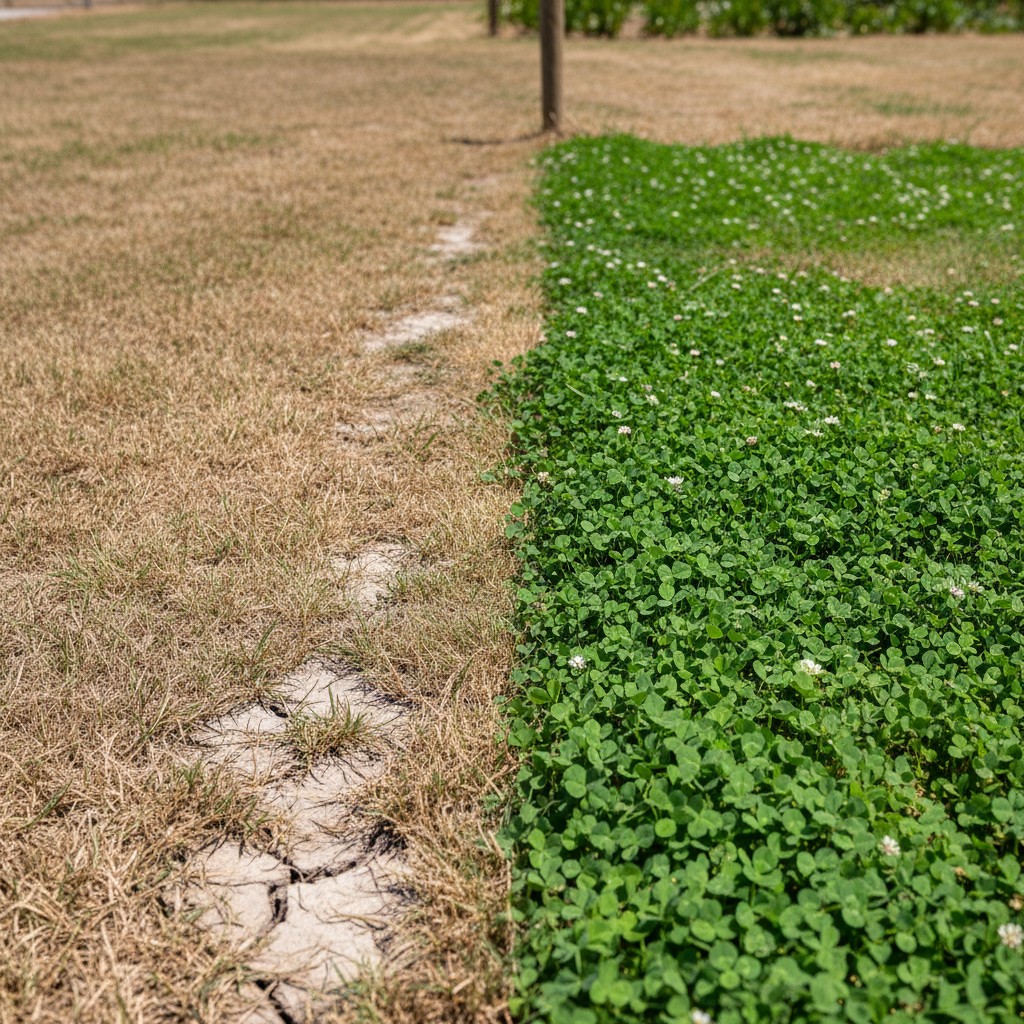
- Stays green in drought, deep roots keep clover green while grass browns; it rebounds after dormancy without reseeding.
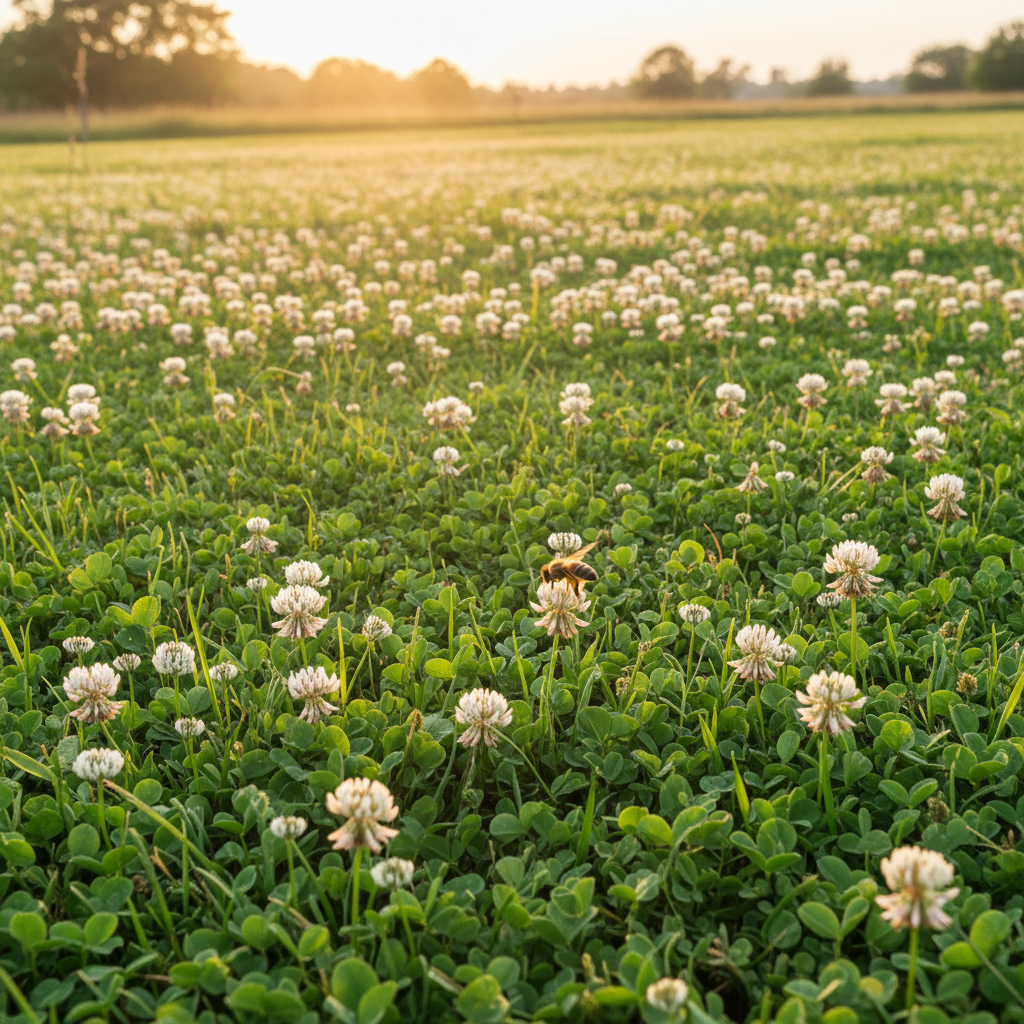
- Feeds pollinators. UMN Extension rates clover pollen quality as "excellent" for bees.
- Seed is cheap: about 1.1 oz of Dutch white clover per 1,000 sq ft mixed with fescue, or 2-8 oz standalone.
- Two methods: full replacement, or overseed into existing grass for a low-effort transition.
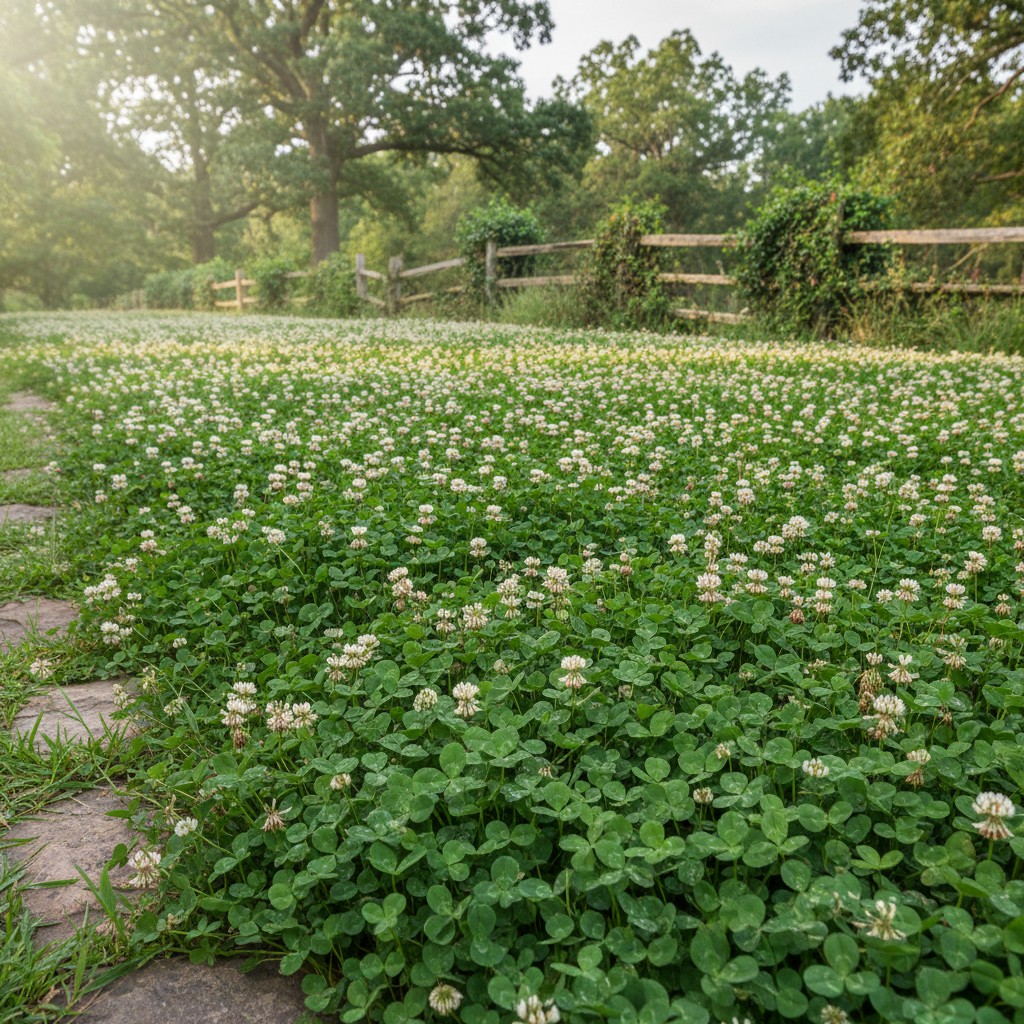
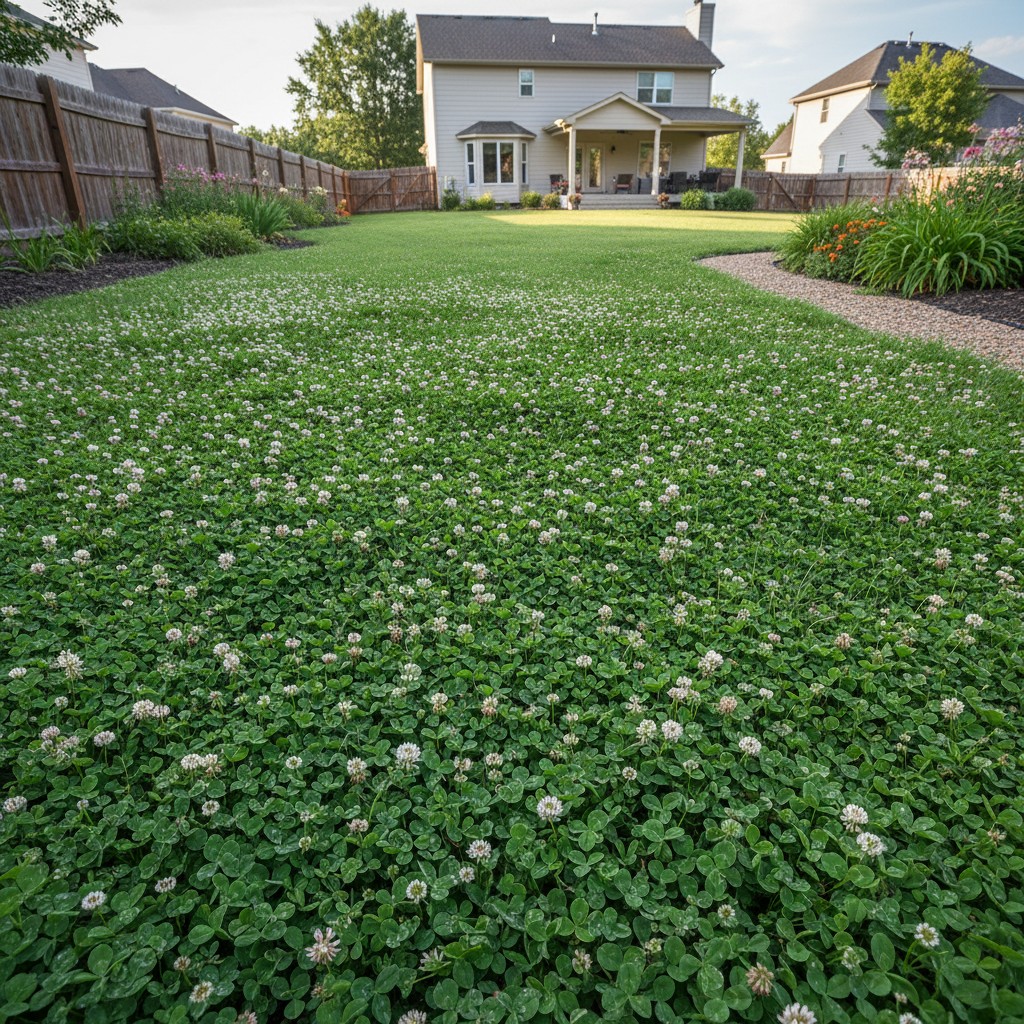
Clover is cheaper, greener, more drought-tolerant, and actually improves your soil while you ignore it. The traditional grass lawn is expensive, thirsty, chemical-dependent, and ecologically nearly useless. Homesteaders and conventional homeowners alike are replacing all or part of their lawns with clover, and for very good reasons. When I switched over half my front yard to white clover three years ago, my water bill dropped noticeably and I stopped buying fertilizer entirely.
According to the EPA, outdoor watering accounts for nearly 30% of household water use, clover helps slash that dramatically. And the science is backed by university extension services: the University of Minnesota Extension confirms that white clover, "as a legume, has the ability to fix its own nitrogen," meaning it literally fertilizes itself while supporting pollinators at the same time.
Why Are So Many People Switching to Clover?
Clover does what grass can’t: feeds your soil, stays green in heat, and supports pollinators, all without synthetic chemicals or weekly mowing.
- Fixes nitrogen. Clover is a legume, it pulls atmospheric nitrogen and converts it into plant-available fertilizer in the soil. A clover lawn fertilizes itself, the same principle behind companion planting with beans and peas.
- Stays green without watering, and recovers fast. Clover has deeper roots than most turfgrasses and stays green through moderate drought when grass goes crunchy and brown. In extreme, prolonged drought it may go dormant and look brown too, but unlike grass it bounces back quickly once rainfall returns, without reseeding.
- Never needs fertilizer. You will save hundreds of dollars in lawn chemicals every year. The UMN Extension bee-lawn guide puts it bluntly: white clover "doesn’t need to be fertilized with nitrogen."
- Chokes out weeds. Once established, clover forms a dense mat that crowds out most weeds, similar to the soil-coverage benefits of no-till gardening.
- Feeds pollinators. Clover flowers are a critical food source for honeybees and native bees. UMN Extension rates the forage quality "excellent" and notes the pollen’s "high protein content that pollinators that collect pollen need." If you are into beekeeping, a clover lawn is your hive’s best friend.
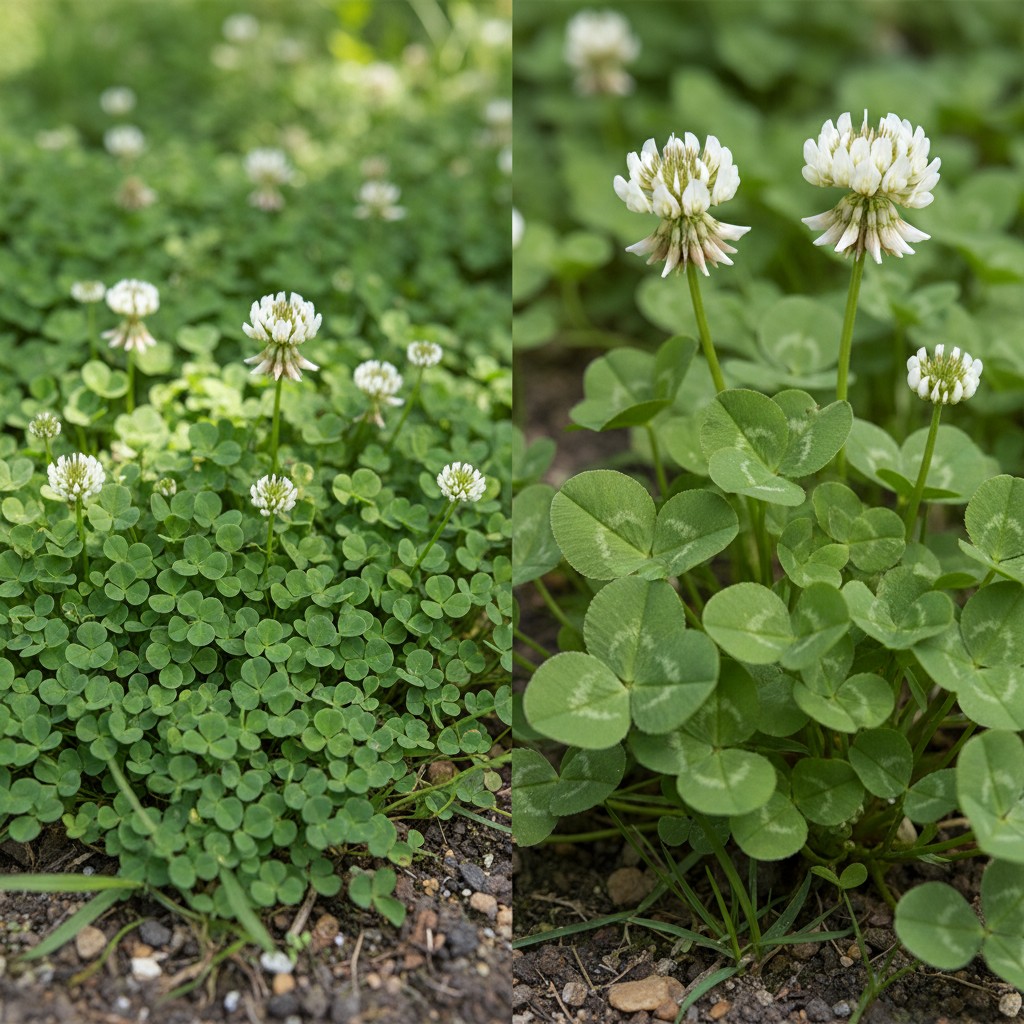
- Handles foot traffic. White clover (Trifolium repens) is tough enough for kids, dogs, and regular residential use.
- Costs a fraction of grass seed. A pound of white clover seed covers far more area per dollar than premium grass seed.
How Do You Establish a Clover Lawn?
You have two easy options: full replacement or overseeding into existing grass, both work well even for complete beginners.
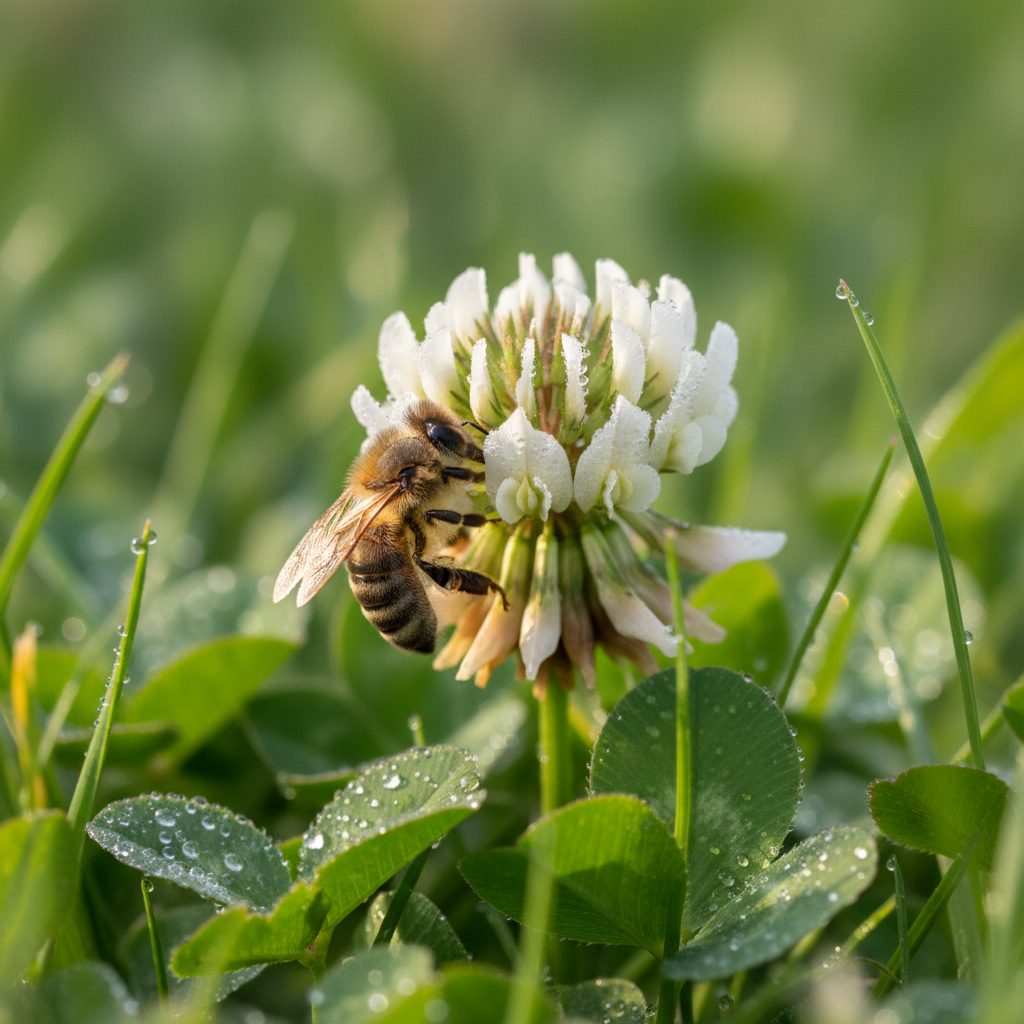
Full replacement: Kill or remove the existing grass, rake the soil smooth, and scatter white clover seed at 2 to 8 ounces per 1,000 square feet. Press the seed into soil contact with a lawn roller or simply by walking on the area, and keep the surface moist until seedlings establish (usually 7-14 days). Best planted in early spring or early fall. The Michigan State University Extension recommends late-August to mid-September seeding for strongest fall establishment, with the option of dormant seeding in November when soil cools to near 40°F.
Overseeding into grass: Mow your existing lawn short, scatter clover seed directly over the turf at about 1-2 oz per 1,000 sq ft (the UMN bee-lawn seeding rate is 1.1 oz Dutch white clover per 1,000 sq ft when blended with fescue), and water. The clover fills in between grass blades over the next few weeks. This is the low-effort approach and works surprisingly well. I have helped several friends do this and they were amazed at how quickly the clover knit in.
What’s the Difference Between Micro-Clover and White Clover?
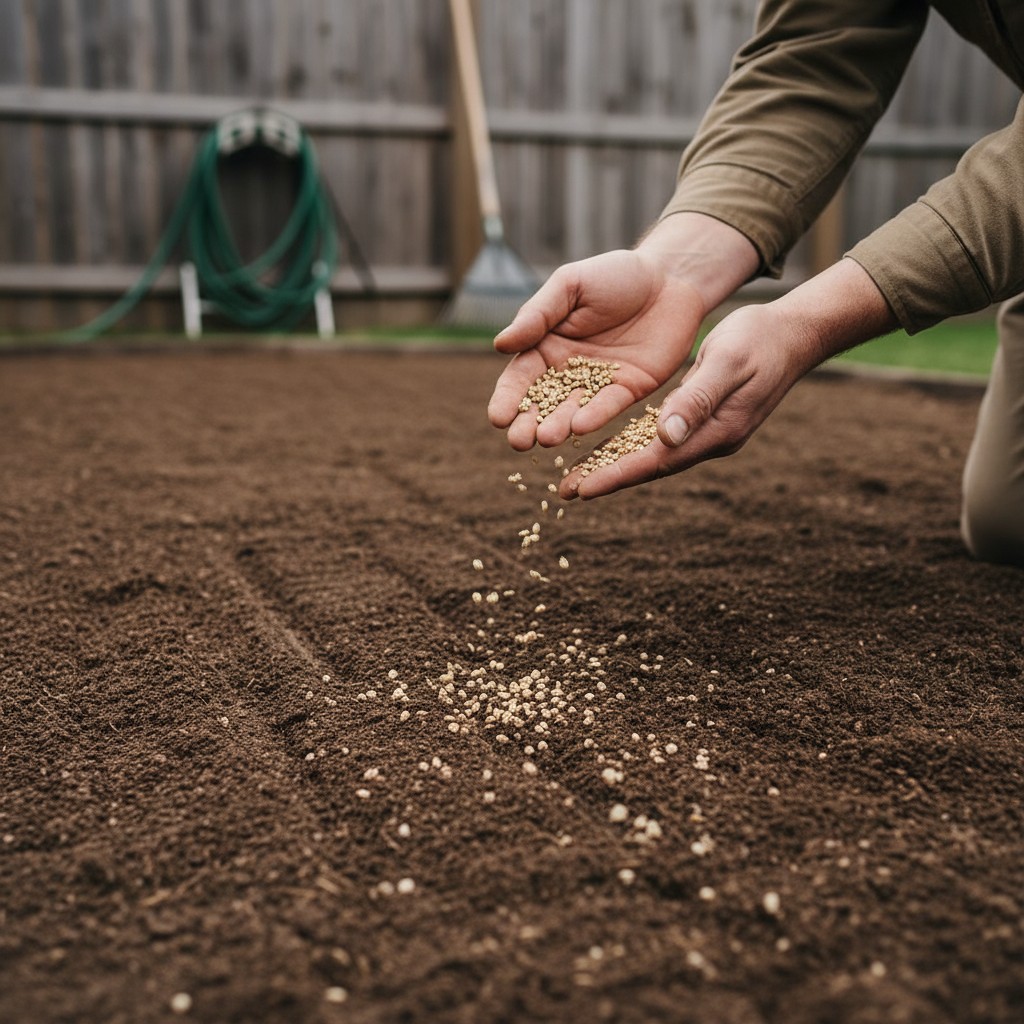
Micro-clover gives you a tidier, more uniform look, while standard white Dutch clover is cheaper, more widely available, and significantly better for pollinators.
Micro-clover is a dwarf cultivar of the same species (Trifolium repens) as regular white Dutch clover, it is not a separate plant. Breeders selected for smaller leaves, shorter stature, and fewer flowers, producing a cleaner mixed-lawn appearance. The tradeoff is cost and pollinator value: fewer flowers means less forage for bees, and micro-clover seed typically costs 3-5x more per pound than standard white Dutch clover.
From our homestead: My neighbors thought I was crazy when I overseeded my lawn with clover. Now it’s the greenest yard on the block in August, and I haven’t fertilized once.
| Feature | Micro-Clover | White Dutch Clover |
|---|---|---|
| Leaf Size | Small, fine-textured | Standard, larger leaves |
| Height | Stays low (2-4″) | Grows taller (4-8″) |
| Flowers | Fewer blooms | Abundant white flowers |
| Pollinator Value | Moderate | Excellent |
| Cost | Higher (specialty seed) | Very affordable |
| Best For | Mixed grass/clover look | Full clover lawns, bee support |
Hardiness zones: White clover (Trifolium repens) is reliably hardy in USDA Zones 3-10, which covers virtually the entire continental United States. Microclover, as a dwarf cultivar of the same species, shares that hardiness range. In Zone 3 and 4 winters it may die back but typically reseeds itself readily from the soil seed bank. In Zones 9-10 it can struggle in peak summer heat but recovers as temperatures moderate in fall.
Honest tradeoffs. A clover lawn is not a perfect drop-in replacement for turf, and the internet tends to sell it that way. Three real drawbacks to plan for: (1) bee stings if you walk barefoot during peak bloom (May-September), the fix is shoes or mowing flowers off before a barefoot weekend; (2) staining on white clothes and shoes, because clover sap marks more than grass does; (3) reduced wear tolerance in heavy-traffic spots, clover handles kids and dogs fine, but it will thin in narrow footpaths where the same spot is trampled daily. For those areas, keep fescue or a stepping-stone path. A clover-dominant lawn with grass in the high-wear zones is often the most practical blend.
Mowing and maintenance. Mow clover at 3-4 inches, higher than conventional turf. Short mowing scalps it and encourages weed invasion. Most clover lawns need mowing every 2-4 weeks during the growing season, a significant reduction from the weekly cut a fertilized fescue or bluegrass lawn demands. If you want to prolong pollinator bloom, skip mowing entirely during peak flowering and just knock the tops off once the flush fades. For a tidier look closer to conventional turf, mow more often and accept fewer flowers.
Switching to a clover lawn is one of those rare decisions where the lazy choice is also the smart choice. Less mowing, less watering, no fertilizer, and your yard becomes a haven for pollinators. Your neighbors might be skeptical at first, until they see how green your lawn stays in August while theirs turns into a crispy brown wasteland. If you are exploring more ways to work with nature, check our guides to composting 101 and rainwater harvesting.
Frequently Asked Questions
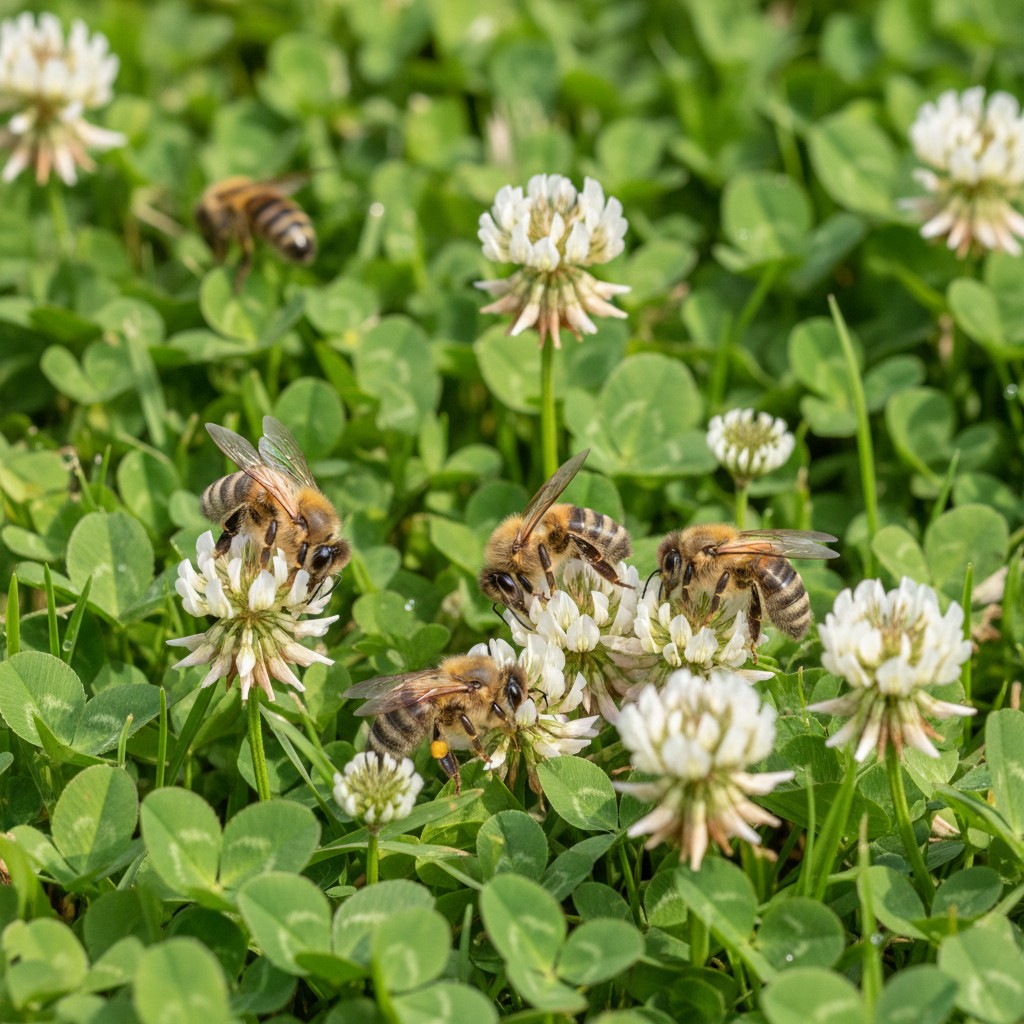
White clover spreads via stolons (above-ground runners) and fills bare spots, typically a benefit. It blends with grass rather than smothering it when overseeded into a healthy lawn. If you want to contain spread into garden beds or pathways, a simple edging border is all you need.
Yes. White clover is non-toxic to dogs, cats, and children. Because clover lawns eliminate the need for synthetic herbicides and fertilizers, they are actually safer than conventionally treated grass lawns, especially for pets who chew grass.
Far less than grass. Clover naturally stays low, and MSU’s Pollinator Initiative notes "you can still mow your lawn and provide food for pollinators": typical practice is once every 2-4 weeks, or simply after flowering if you want to tidy it.
Rarely. MSU Extension notes that "most of the bees that will visit flowering plants are small solitary bees that are unlikely to nest within the lawn" and "wild bees are naturally docile." Honey bees foraging on clover are focused on flowers, not people. The one real risk is stepping barefoot on a bee, wearing shoes outside, or mowing right before barefoot time, handles it. The pollinator benefit outweighs the minor sting risk for most families.
Yes. Clover mixes well with low-growing fine fescues, creeping thyme, self-heal (Prunella vulgaris), and violets. A diverse lawn is more resilient, drought-tolerant, and low-maintenance than any monoculture. UMN Extension’s bee-lawn mix is a good model: fescue + Dutch white clover + self-heal at the rates above.