15 Garden Privacy Screen Ideas That Actually Look Good
15 Garden Privacy Screen Ideas That Actually Look Good
You want to eat dinner on your patio without making eye contact with your neighbor. You want to garden in peace. You want your backyard to feel like a retreat, not a fishbowl. But every privacy fence you’ve seen is either a $4,000 contractor job or a sad row of arborvitae that’ll take five years to fill in.
Good news: there are real, practical privacy screen options that work on actual budgets, in actual yards, on actual timelines. Some you can build in a weekend. Some you can grow in a single season. A few do both at once.
Here are 15 ideas that give you privacy without sacrificing the look of your garden.
How to Choose the Right Privacy Screen
Before you pick an idea, answer three questions:
- Budget: A cattle panel trellis costs under $50. A custom cedar screen costs $500+. Living screens fall somewhere in between depending on plant choices. Know your number first.
- Permanence: Do you own or rent? A permanent espaliered fruit tree is a ten-year investment. A rolling planter with bamboo stakes works for a one-year lease. Match the solution to your situation.
- Sunlight: Most climbing plants and living screens need 6+ hours of direct sun. If your problem area is shaded, you’ll lean toward built structures, shade-tolerant plants like climbing hydrangea, or a combination approach.
With those answers in hand, find your match below.
The 15 Ideas
1. Cattle Panel Trellis Wall
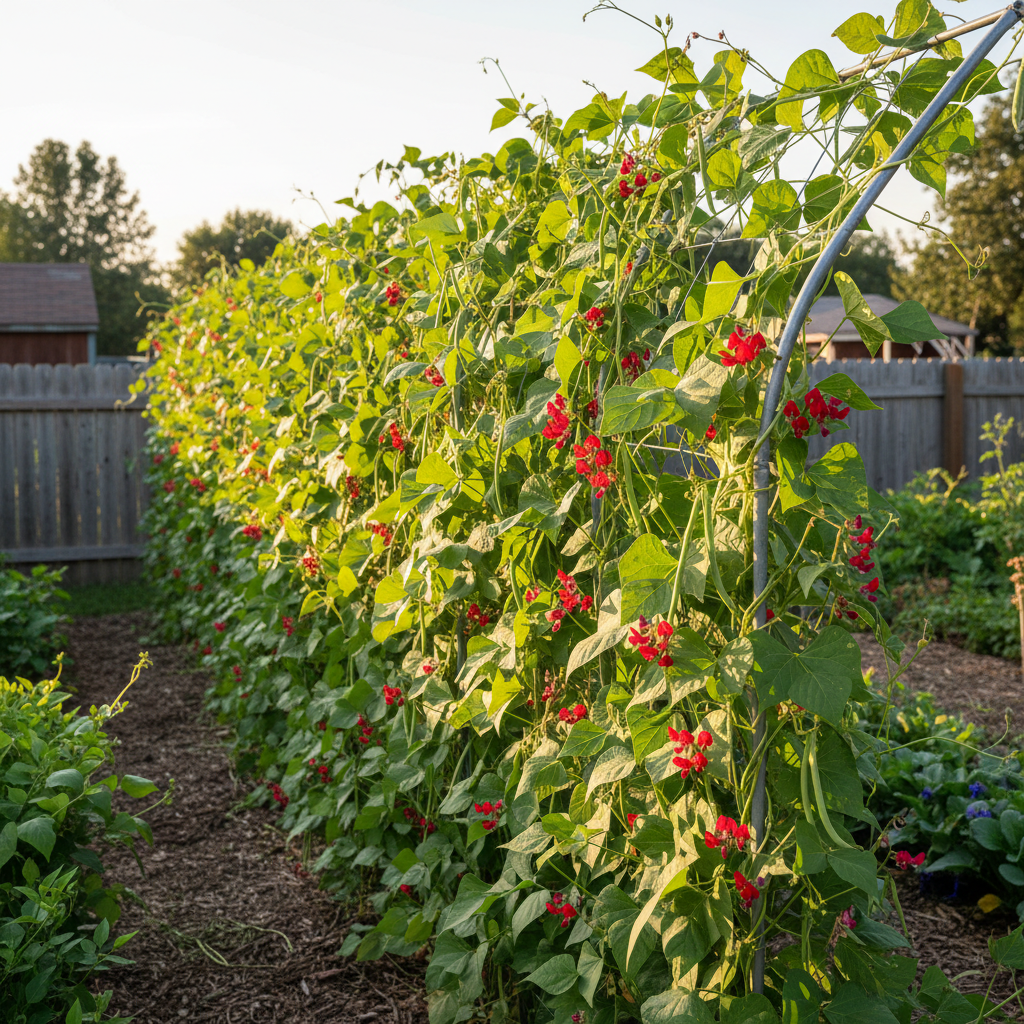
This is the workhorse of the garden privacy world. A standard cattle panel is 16 feet long by 50 inches tall with a 6×6-inch welded wire grid. They cost $25-35 each at any farm supply store and last 10+ years since they’re galvanized steel.
Attach one to T-posts or wooden 4x4s and you’ve got an instant trellis wall. Train climbing beans, cucumbers, or flowering vines up it and you have a living privacy screen by midsummer. Pole beans alone reach 6-8 feet on a trellis, which blocks a lot of sightline.
Best for: Gardeners who want privacy AND food production. Permanent installations along property lines or patio edges.
For step-by-step trellis construction, including cattle panel designs, see our guide to building and using a garden trellis with 5 easy DIY designs.
2. Pole Bean Teepee Row
Drive three bamboo poles or 8-foot stakes into the ground in a triangle, tie them at the top, and plant pole beans at each base. Line up three or four teepees along the edge of your patio and you have a seasonal privacy wall that also feeds your family.
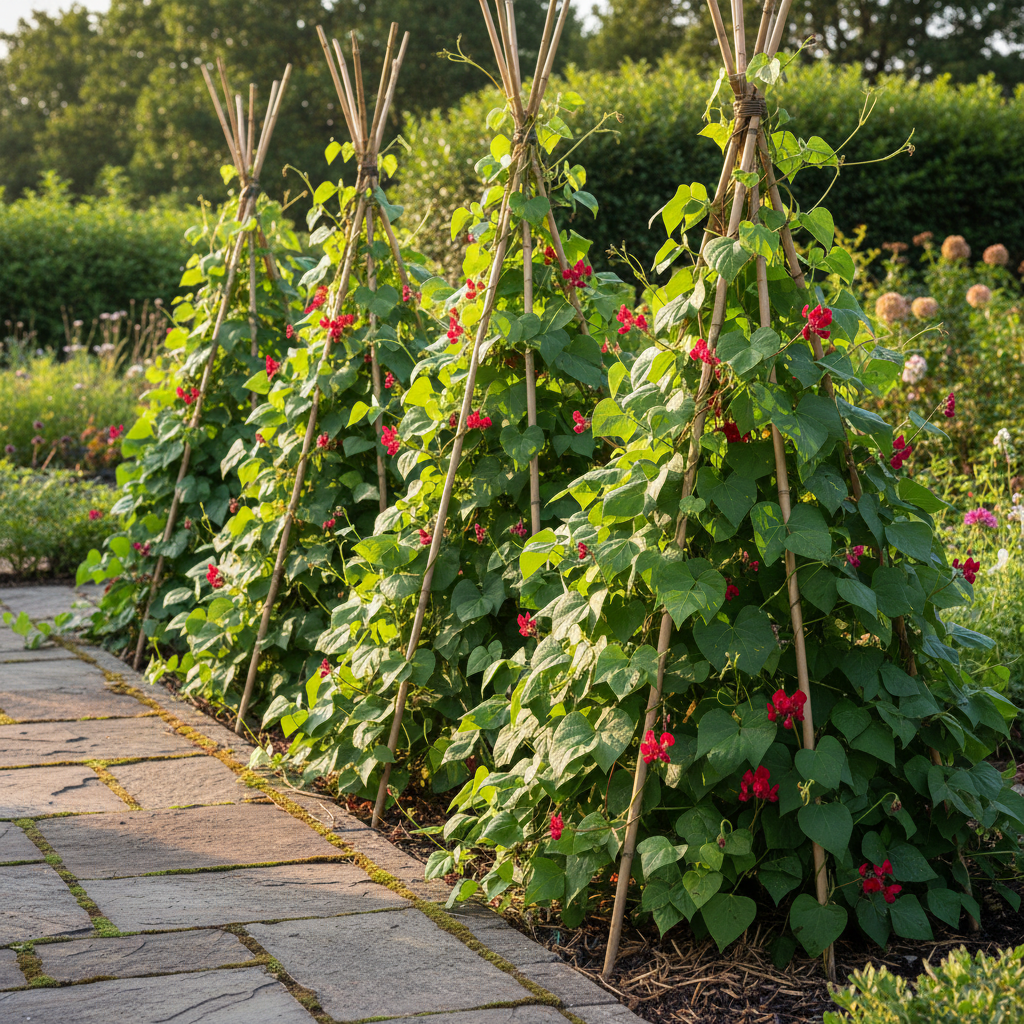
Pole beans hit 6-8 feet by mid-July in most zones and produce until frost. Scarlet runner beans add red flowers that hummingbirds love. The whole setup costs under $20 and takes 30 minutes to build.
Best for: Seasonal privacy on a near-zero budget. Families with kids who love the “secret garden” feel.
3. Espaliered Fruit Trees
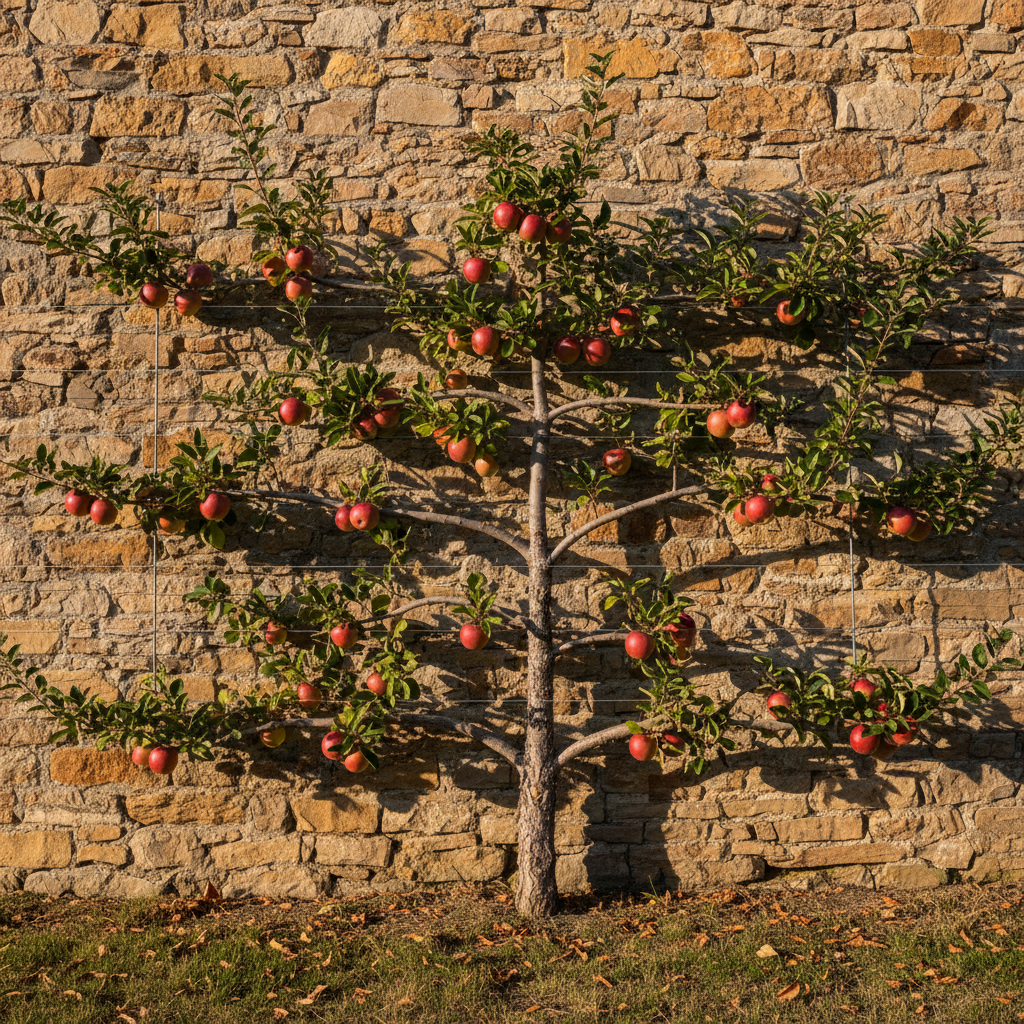
Espalier is the art of training a tree to grow flat against a wall or along horizontal wires. Apple and pear trees take to it best. You’ll get a living wall of branches, leaves, and fruit that’s only 12-18 inches deep but can stretch 8-12 feet wide.
This is a multi-year project. You won’t have full coverage for three to five seasons. But the result is stunning and productive, and it’s one of the few privacy solutions that actually increases property value.
Best for: Homeowners committed to a permanent, beautiful, food-producing screen. South or west-facing walls and fences.
4. Living Willow Panel Screen
Willow panels are woven from live willow whips pushed into moist ground in late winter. The whips root and leaf out, creating a living woven fence that gets denser every year. You can buy pre-woven panels or weave your own if you have access to willow cuttings.
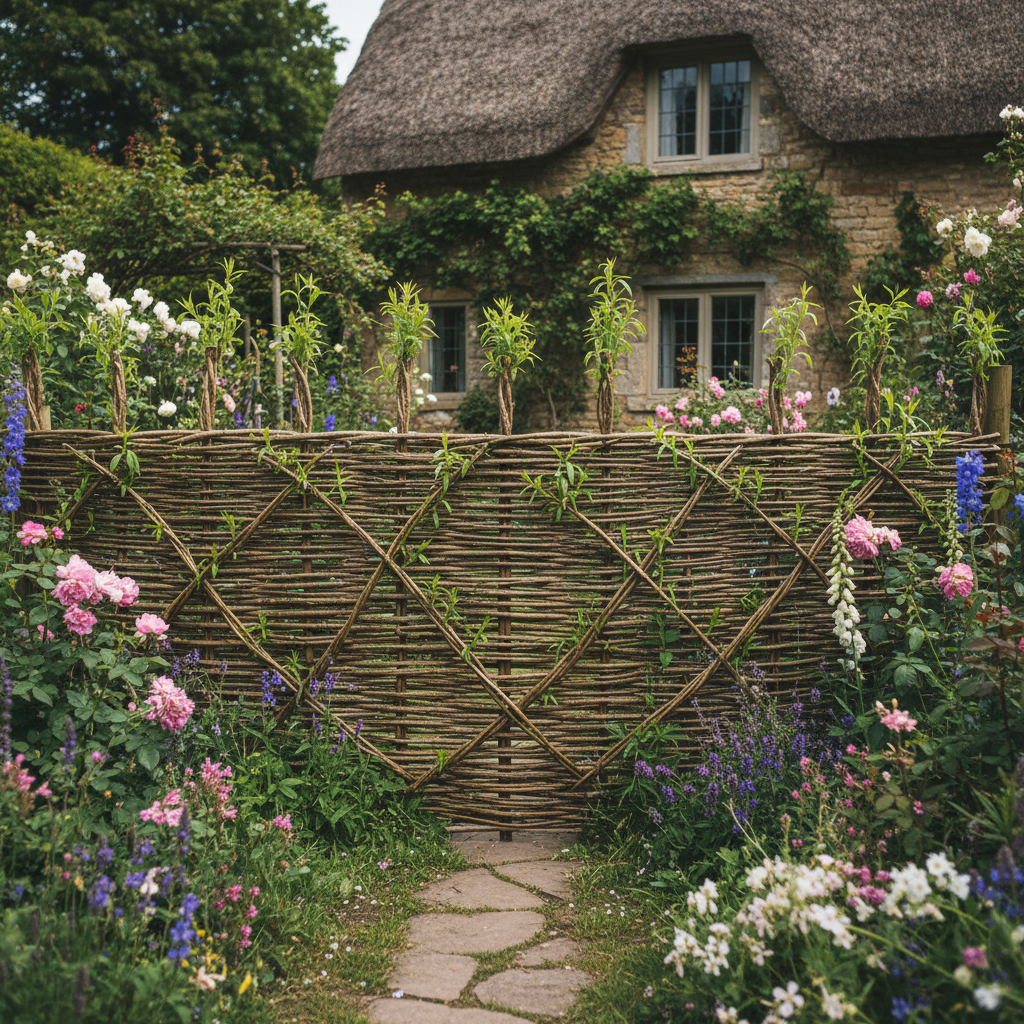
They need consistent moisture, so this works best in areas that don’t bake dry in summer. Heights of 5-6 feet are typical for first-year panels, growing taller with annual weaving of new shoots.
Best for: Moist climates, cottage-style gardens, and anyone who wants a privacy screen that feels alive and handmade.
5. Stacked Raised Planter Wall
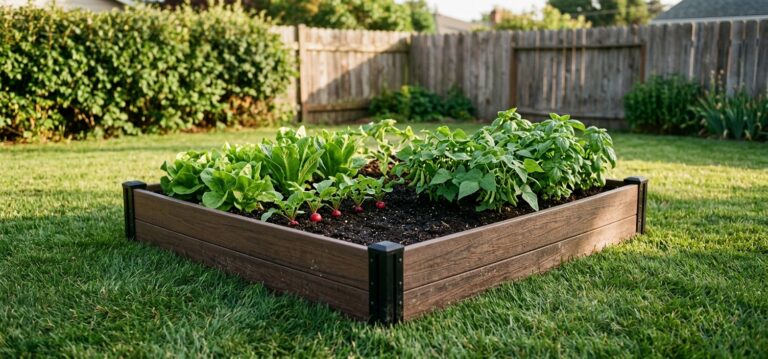
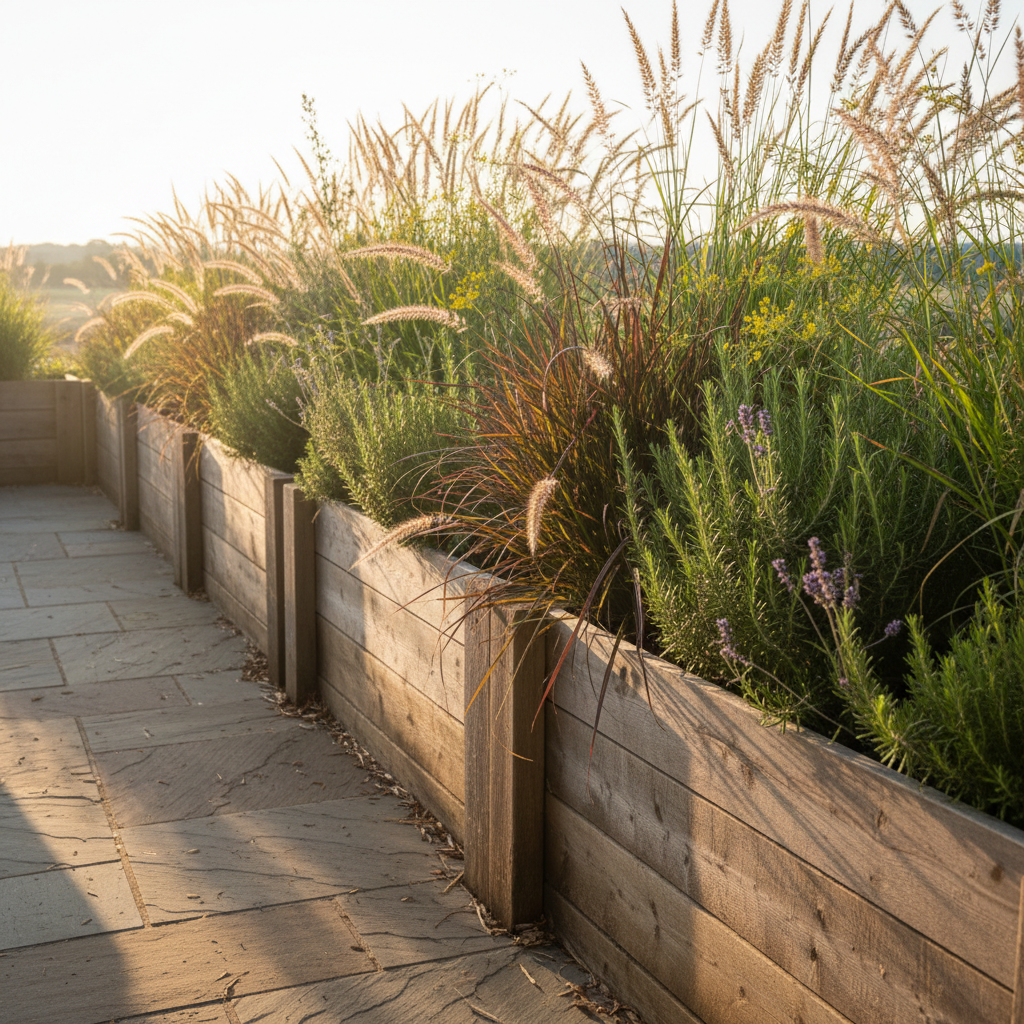
Build or buy tall raised planters (30-36 inches) and set them side by side along your sight line. Fill with ornamental grasses, tall herbs like rosemary or lavender, or dwarf shrubs. The planter height plus the plant height gets you 5-6 feet of screening easily.
Cedar planters last longest outdoors. Avoid pressure-treated lumber if you’re growing anything edible in them, older CCA-treated wood contained arsenic, and while newer ACQ treatment is safer, it’s still debated for food gardens.
Best for: Patio edges, deck perimeters, and defining “rooms” within a larger yard. Works on concrete and hard surfaces where you can’t plant in the ground.
If you’re working with limited ground space, our container gardening on your patio guide has more ideas for growing in raised containers.
6. Bamboo Stake and Fabric Screen
This is the renter’s best friend. Sink bamboo stakes into large weighted pots or 5-gallon buckets filled with gravel. Stretch outdoor fabric, reed fencing, or shade cloth between them. No holes drilled, no posts cemented, completely removable.
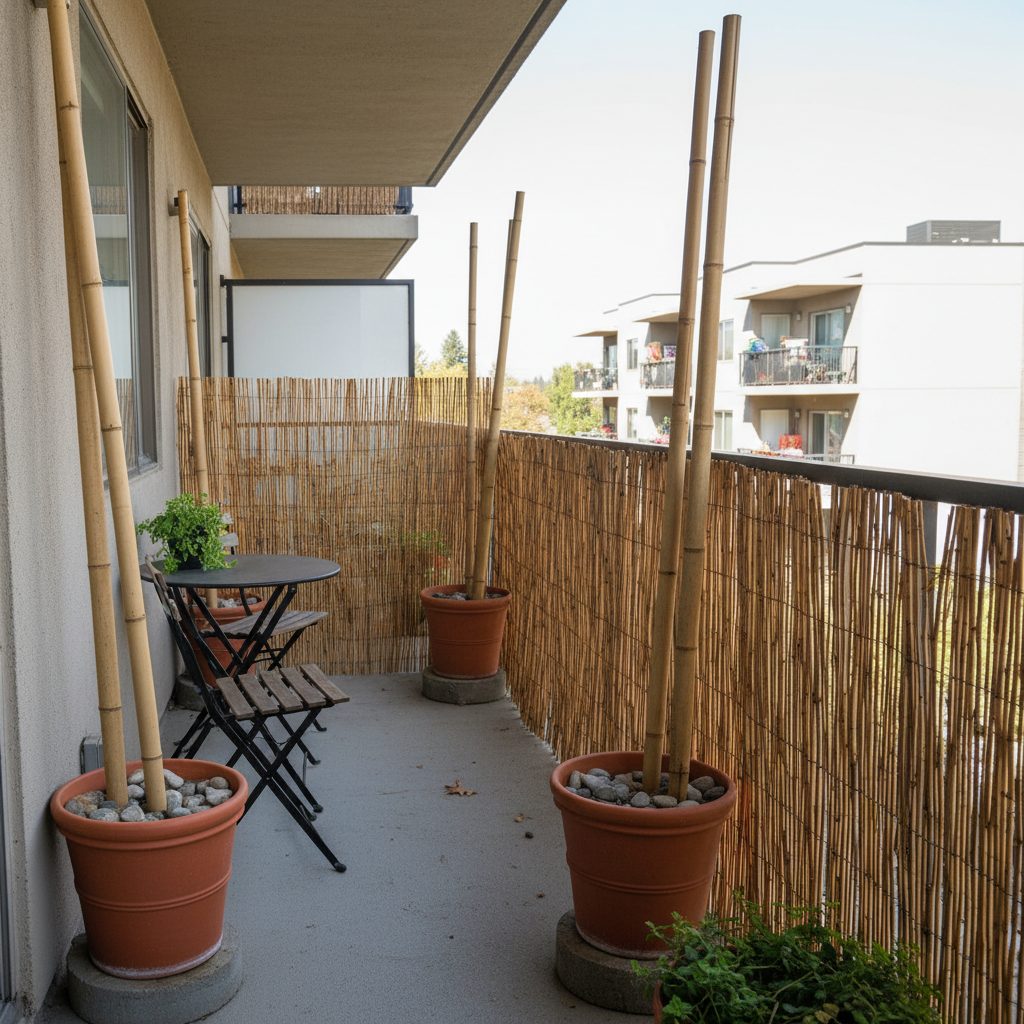
For a more natural look, use reed or willow roll fencing (sold at garden centers in 6-foot rolls) zip-tied to the bamboo stakes. The whole thing packs down flat when you move.
Best for: Renters, temporary spaces, balcony privacy, and anyone who needs a solution they can take with them.
7. Mixed Edible Privacy Hedge
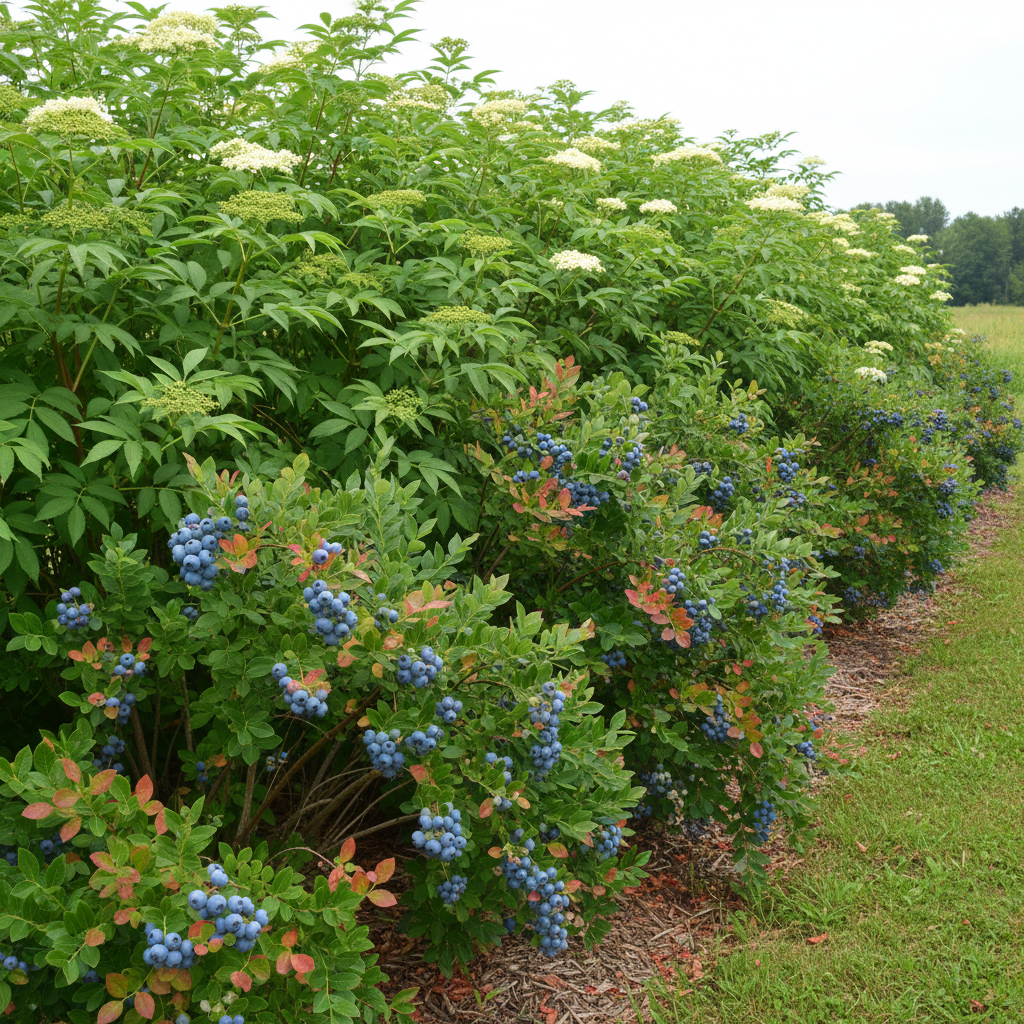
Instead of a boring row of boxwood, plant a mixed hedge that feeds you. Highbush blueberry varieties grow 4-6 feet tall and dense. Elderberry reaches 8-12 feet. Hazelnut fills in thick. Mix them with currants and gooseberries for a hedge that blocks views and fills your pantry.
Plant in a staggered double row for faster fill-in: set plants 3 feet apart within rows, with rows 2 feet apart, alternating positions. You’ll have a solid screen in two to three years.
Best for: Homesteaders and food gardeners who refuse to waste space on purely ornamental plants. Property-line screening with long-term payoff.
This approach ties into permaculture design for small yards, stacking functions so every plant does multiple jobs.
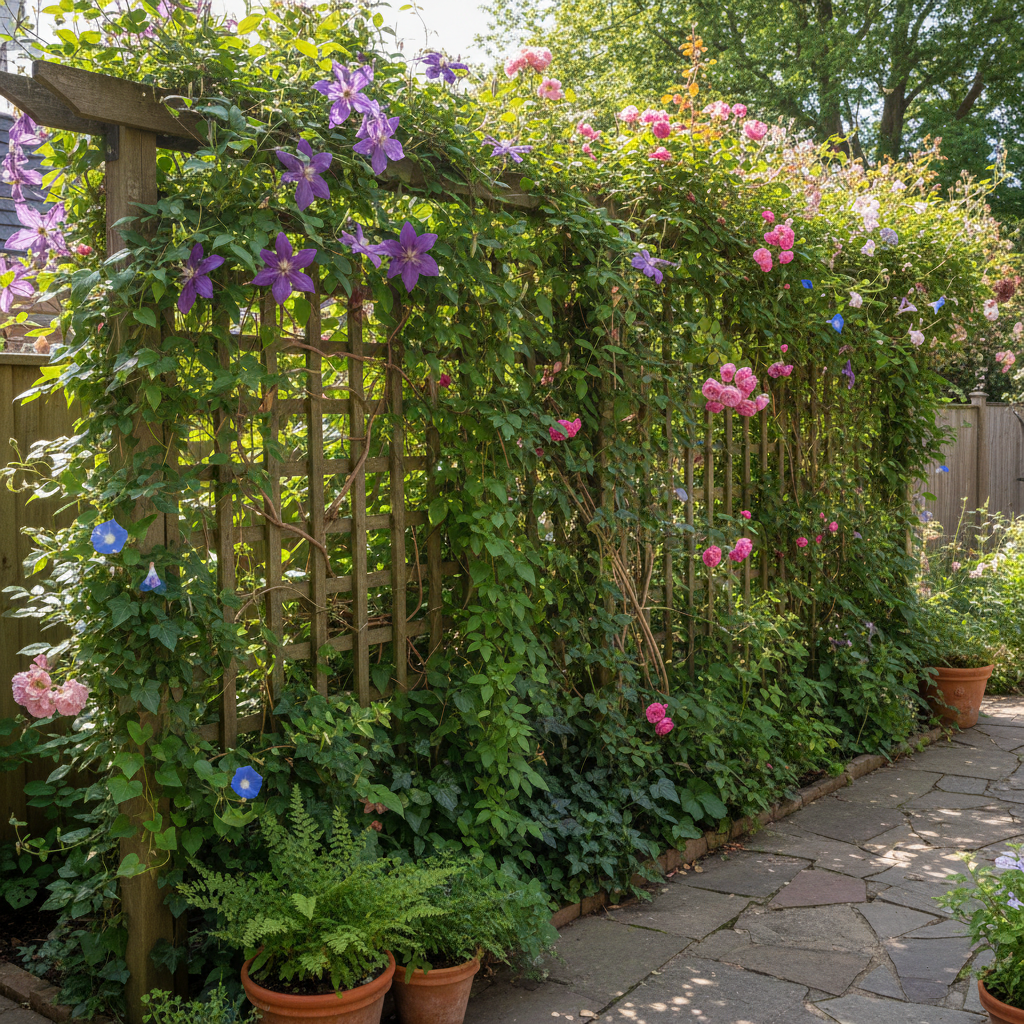
8. Climbing Rose and Clematis on Post-and-Wire
Set wooden posts 8 feet apart, run horizontal galvanized wire between them at 12-inch intervals, and plant climbing roses and clematis at the base. The roses provide structure and thorny deterrent. The clematis weaves through and fills gaps with massive blooms.
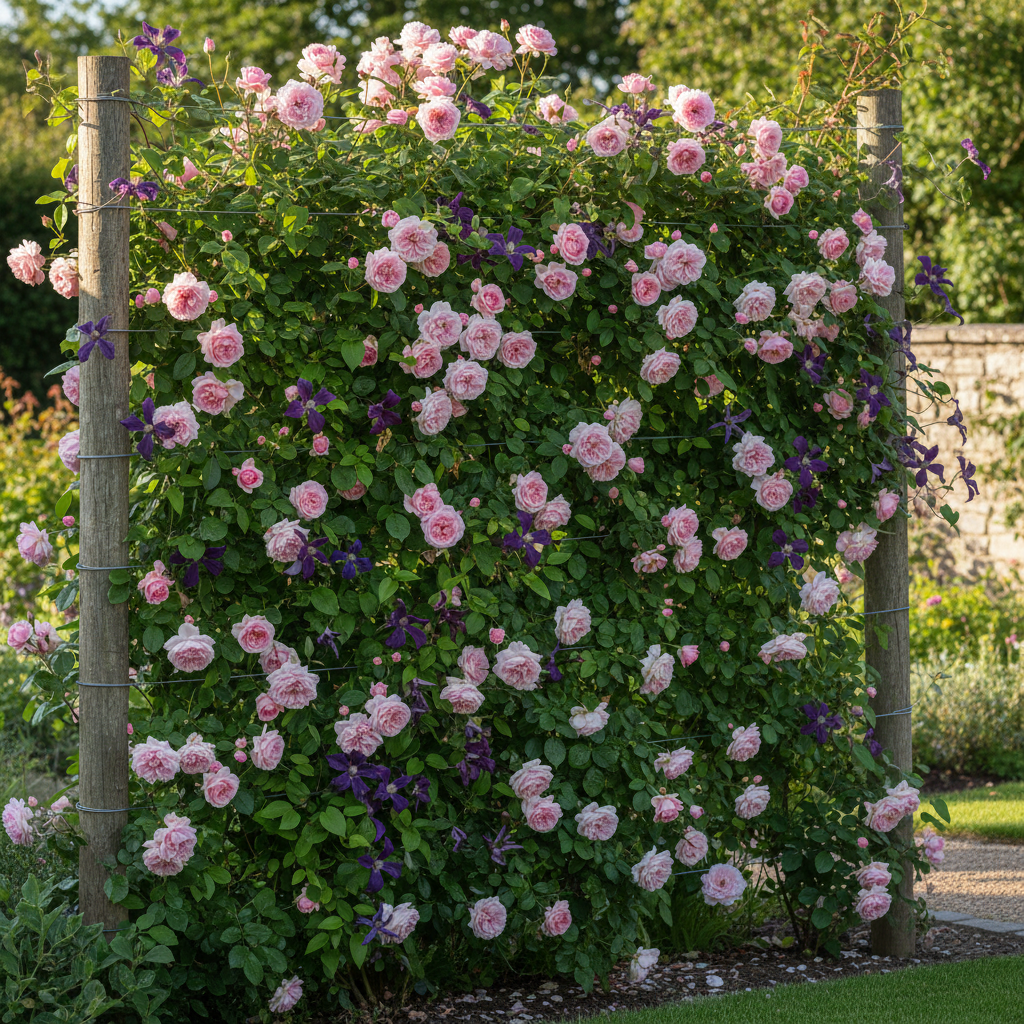
This is the cottage garden approach to privacy, abundance over rigid structure. Choose repeat-blooming rose varieties and a clematis that blooms on new wood for season-long coverage.
Best for: Front yards and side yards where you want beauty as much as privacy. Cottage garden design lovers who want that romantic, layered look.
9. Vertical Pallet Garden Wall
Stand a wooden pallet upright, staple landscape fabric to the back, fill with soil, and plant trailing herbs, strawberries, or succulents through the slats. Line up two or three for a living wall that doubles as a garden.
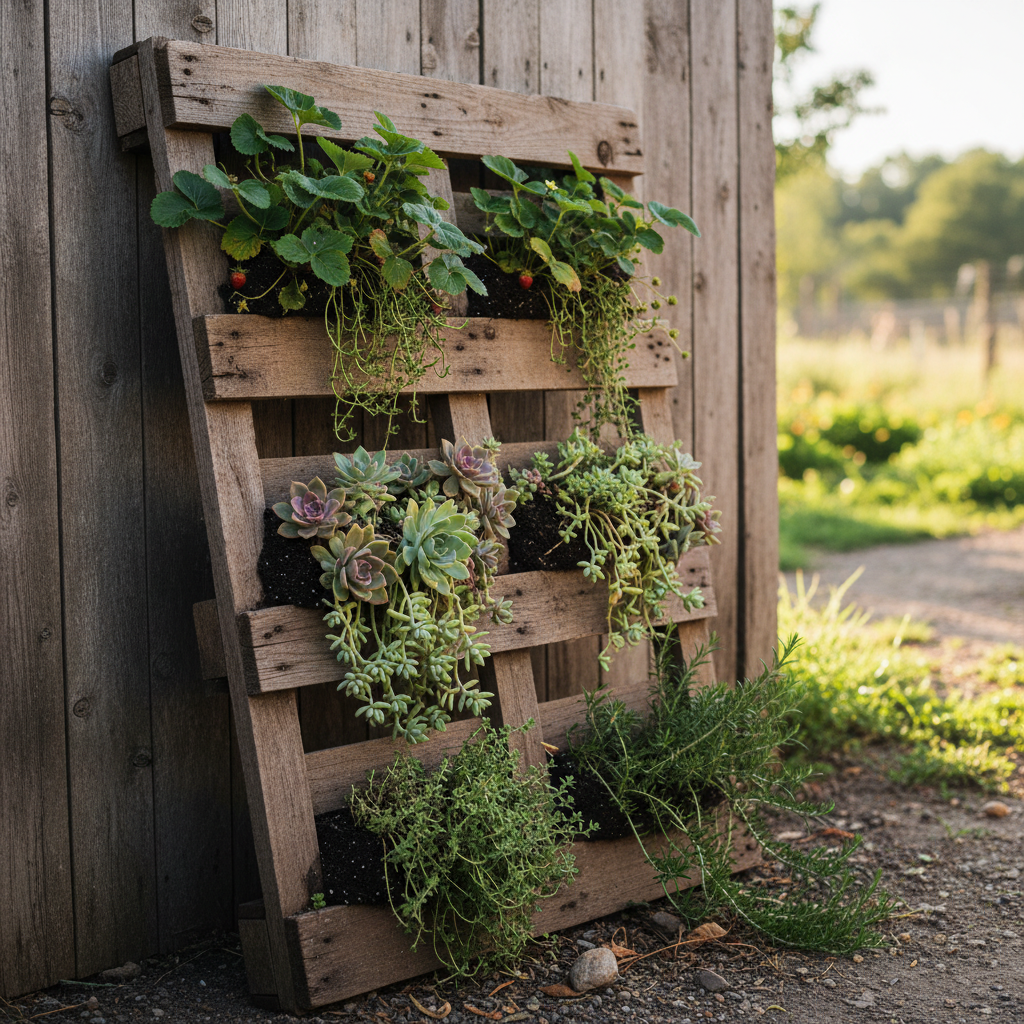
Secure pallets to posts or a fence for stability. Heat-treated pallets (stamped “HT”) are safe for gardening, avoid those stamped “MB” (methyl bromide treated). Expect to replant annuals each spring, but perennial herbs like thyme and oregano come back.
Best for: Small patios, urban gardens, and creative DIY gardeners who want a project that looks like it belongs on Pinterest.
10. Ornamental Grass Border
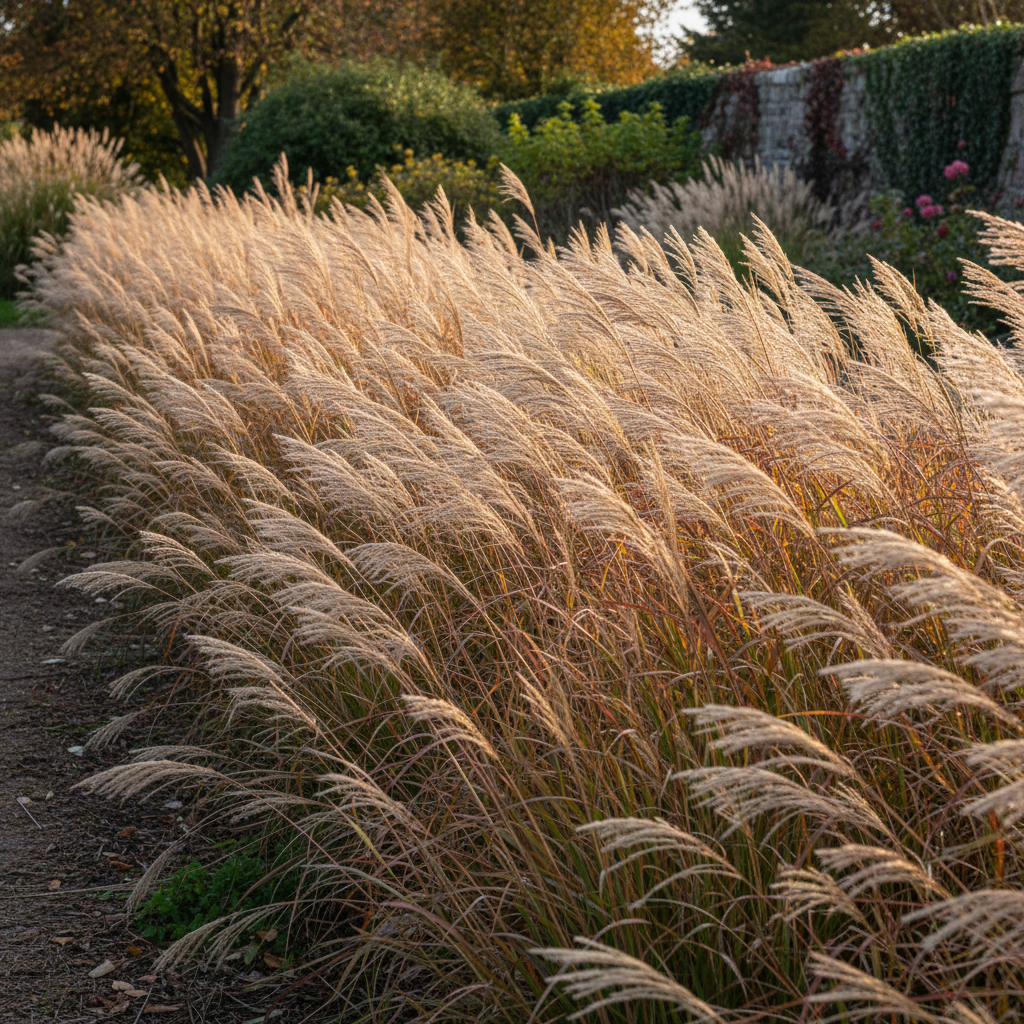
Miscanthus, switchgrass, and Karl Foerster feather reed grass all hit 5-8 feet tall in a single season. Plant them 2-3 feet apart in a row and they’ll knit together into a rustling, flowing privacy screen by late summer.
Grasses need almost no maintenance. Cut them back to 6 inches in late winter and they regrow every year. They move in the wind, filter light beautifully, and look good even in winter when the dried plumes catch frost.
Best for: Low-maintenance gardeners, modern and naturalistic garden styles, screening along long property lines.
11. Cucumber and Melon A-Frame Tunnel
Build two cattle panels or wooden frames into an A-shape over a path. Plant cucumbers on one side and small melons on the other. Cucumbers climb 5-6 feet naturally. Small melons under 5 pounds can hang from the structure with simple fabric slings for support.
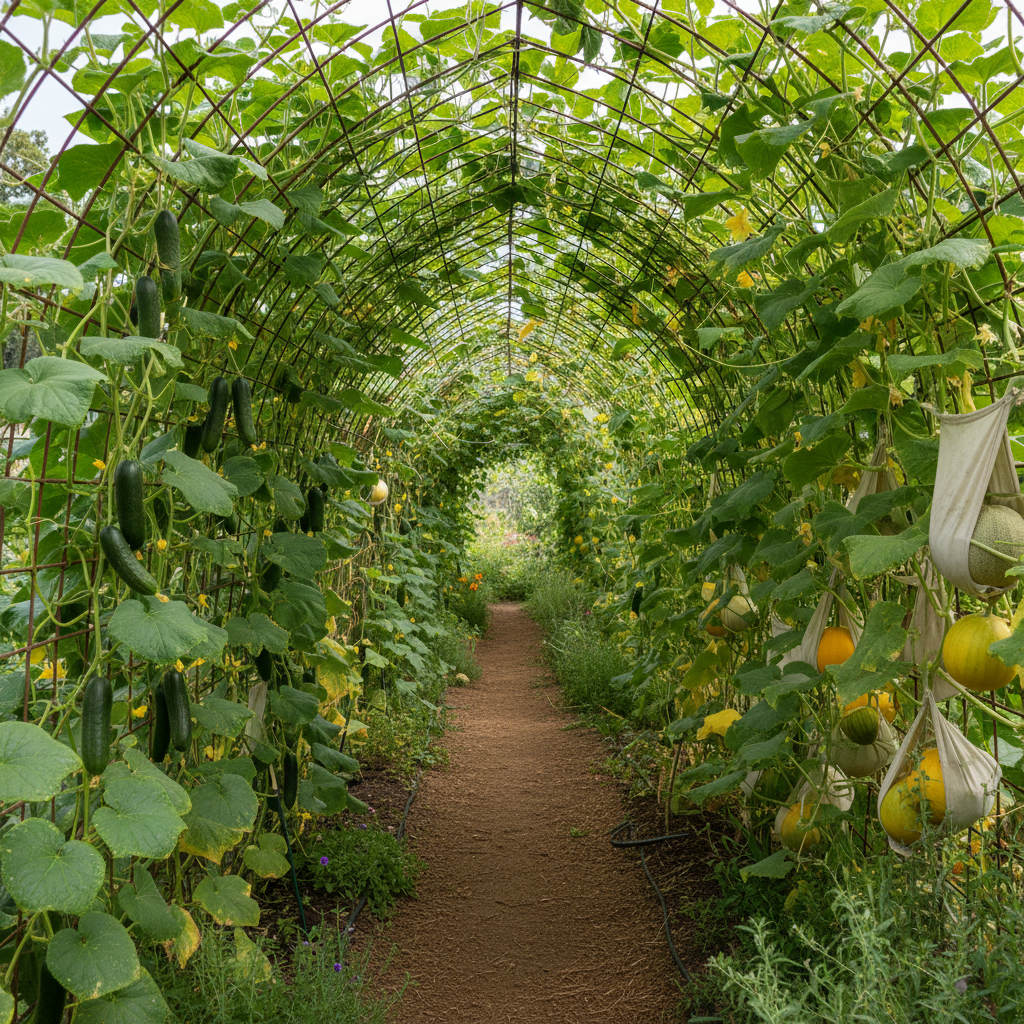
You get a shaded walkway, a conversation piece, and a massive harvest from a small footprint. Trellised cucumbers yield 2-3 times more than ground-grown plants because of better air circulation and light exposure. This is vertical gardening at its most practical, up to 3 times the yield per square foot compared to traditional flat growing.
Best for: Screening a specific path or walkway. Gardeners who want maximum food from minimum ground space.
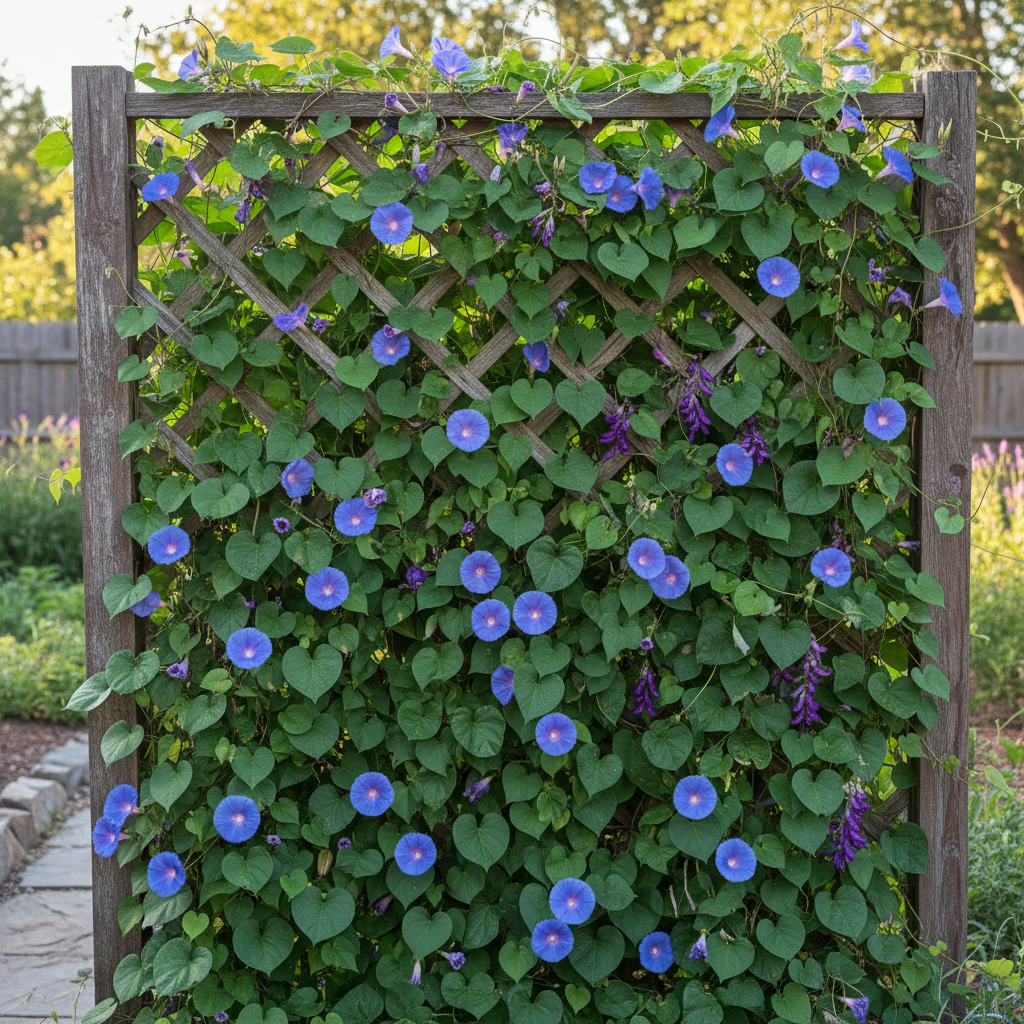
12. Lattice Panel with Climbing Annuals
Pre-made lattice panels from any hardware store, mounted on posts, give you instant partial screening. Add morning glory, hyacinth bean vine, or sweet peas at the base for full seasonal coverage within 6-8 weeks of planting.
Morning glory is aggressive, it’ll cover a lattice panel completely by July. Hyacinth bean vine adds purple pods and pink flowers that attract pollinators. Plant in clusters of 3-5 plants per section for dense, fast coverage. For more on creating pollinator-friendly plantings, see our pollinator garden guide.
Best for: Fast, affordable screening that changes each season. Great starter project for new gardeners.
13. Stacked Log or Branch Wall
Build a simple frame from 4×4 posts and horizontal rails, then stack logs, thick branches, or cordwood between them. Think of it as a rustic woodpile that also blocks your neighbor’s view. Heights of 4-6 feet work well without needing engineering.
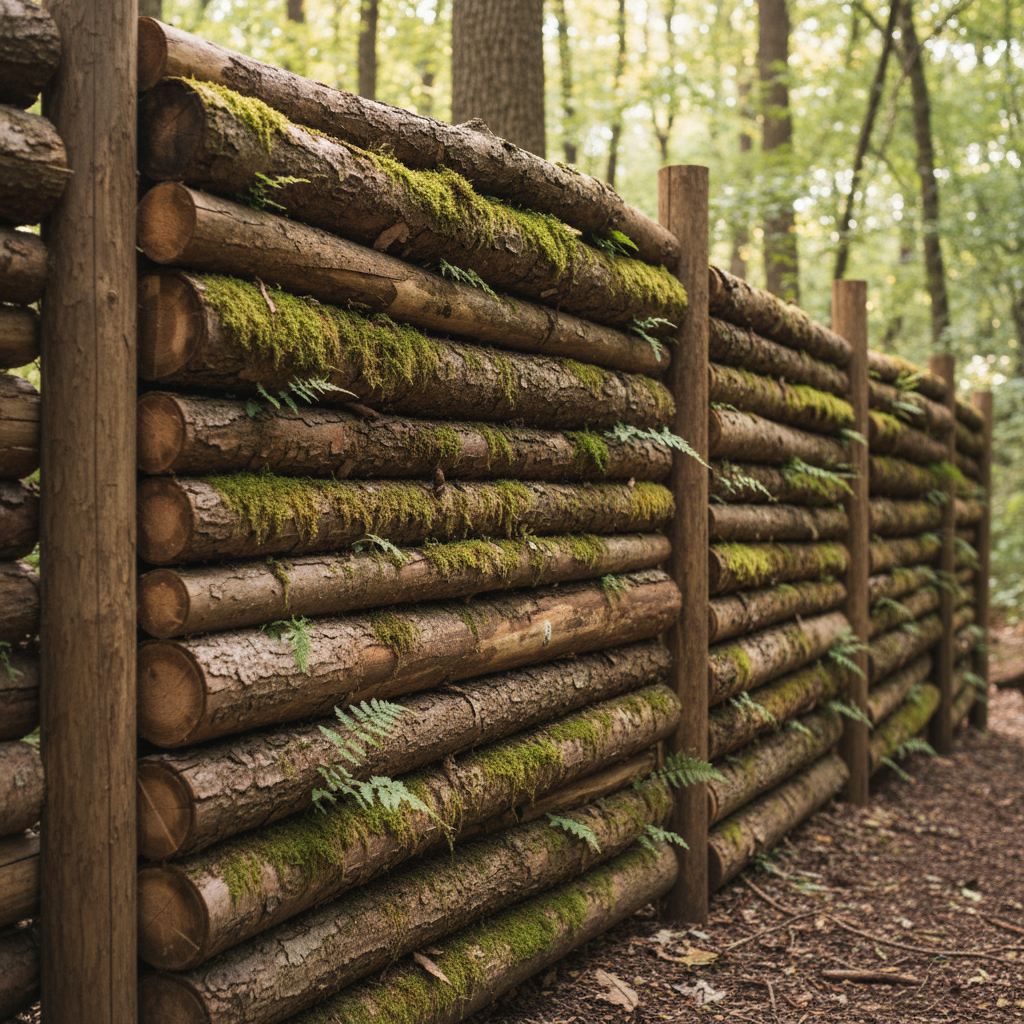
Use hardwood for longevity. As the wood ages, it develops moss and patina that looks increasingly natural. Gaps between irregular logs let some light through, which prevents the “prison wall” effect. Tuck ferns or shade plants into the crevices.
Best for: Wooded properties, rustic or homestead aesthetics, and anyone with a pile of tree trimmings looking for a purpose.
14. Tiered Herb Spiral Screen
A herb spiral built 4-5 feet tall at its peak, placed strategically, can block a specific sightline while giving you a stunning garden feature. Build it from stacked stone, brick, or urbanite (broken concrete) in a spiral shape, filling with soil as you go.
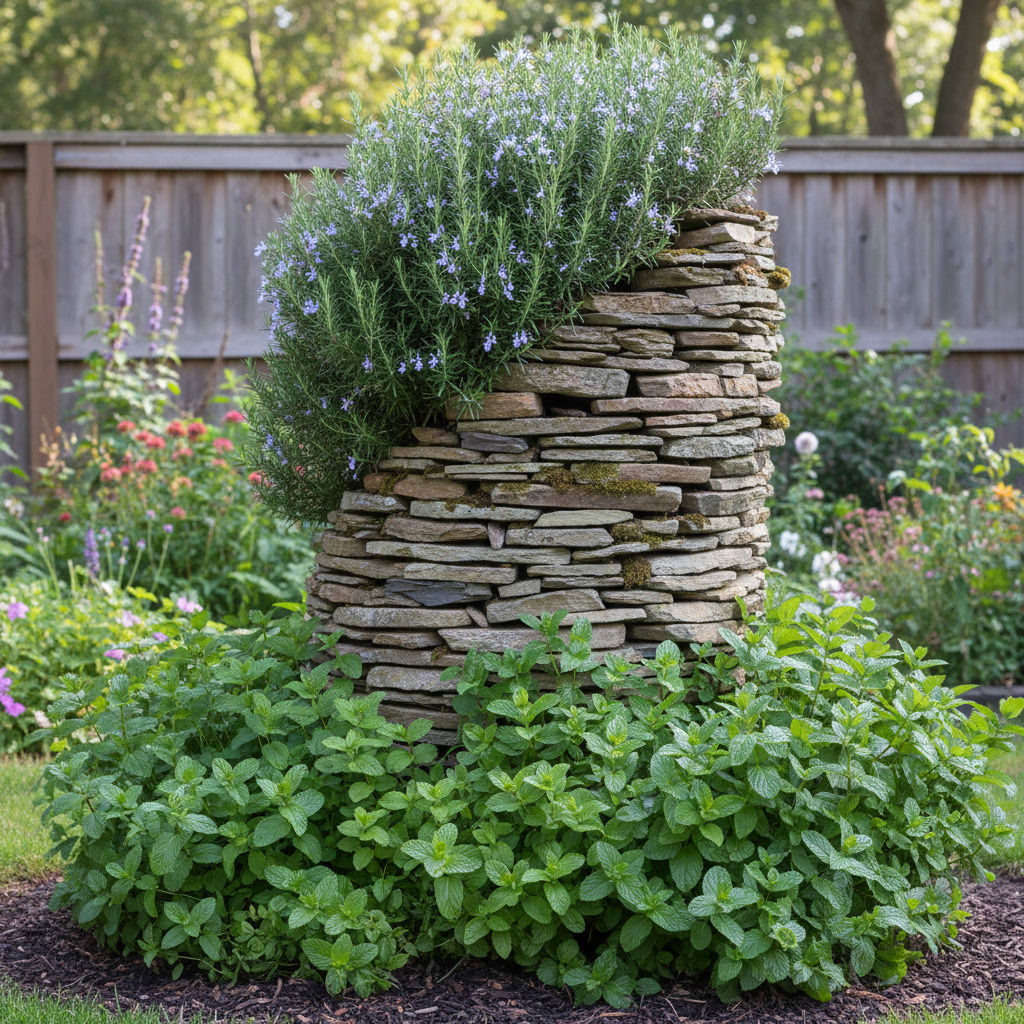
Plant Mediterranean herbs (rosemary, thyme, lavender) near the top where it’s driest. Parsley, cilantro, and chives in the middle. Mint at the base where moisture collects. The spiral shape maximizes planting area and creates microclimates. Pair it with tall plantings like fennel or dill at the back for additional height.
Best for: Blocking one specific viewpoint rather than a whole property line. Herb lovers who want a focal-point garden feature. Works well in permaculture zone 1, within 20 feet of your kitchen door.
15. Portable Trellis Planter on Casters
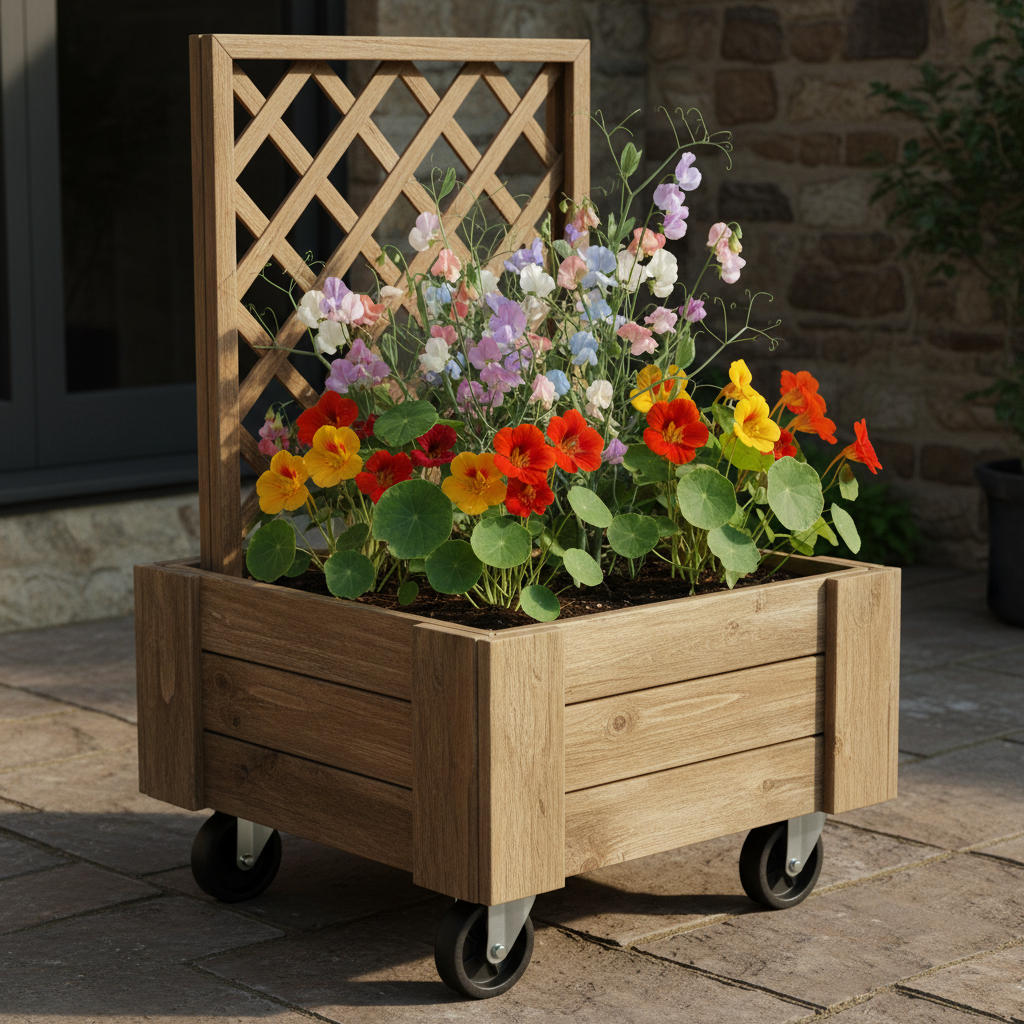
Build a long planter box (at least 12 inches deep), attach a trellis back, mount heavy-duty casters on the bottom, and plant climbing nasturtiums, sweet peas, or miniature climbing roses. Roll it wherever you need privacy, in front of a window, beside a dining table, along a railing.
the trick is weight: fill the planter with lightweight potting mix (not garden soil) and use a planter no wider than 14 inches so it stays manageable. Locking casters prevent rolling in wind. This is the only privacy screen on this list you can rearrange for a dinner party.
Best for: Renters, apartment patios, rooftop gardens, and anyone who wants flexible, moveable privacy.
Edible Privacy Screens: Double-Duty Growing
If you’re going to block a view, you might as well eat the result. Several ideas above (cattle panel trellis, bean teepees, mixed edible hedge, A-frame tunnel) produce real food, but here’s the quick breakdown of what to grow for edible screening:
- Pole beans (scarlet runner, purple hyacinth): 6-8 ft, full coverage by midsummer, heavy producer
- Cucumbers on trellis: 5-6 ft, 2-3x yield vs ground-grown
- Indeterminate tomatoes: 6-8 ft on sturdy stakes, dense foliage, need strong support
- Blueberry hedgerow: 4-6 ft, takes 2-3 years for full density but lasts decades
- Elderberry: 8-12 ft, fast-growing, beautiful flowers, medicinal berries
- Passion fruit vine: Zones 8-11, vigorous climber, exotic flowers and fruit
- Kiwi vine: Incredibly vigorous, needs sturdy structure, male and female plants for fruit
Edible screens do require more maintenance than ornamental ones, pruning, feeding, harvesting. But for homesteaders and food gardeners, every square foot should work. If you’re growing edible flowers like nasturtiums or calendula on your trellises, you’re adding color, food, and pollinator habitat in one move.
Fast Privacy vs. Pretty Privacy
Sometimes you need screening by next weekend. Sometimes you’re willing to wait for something beautiful. Here’s how the options stack up:
Fastest (Privacy in Weeks)
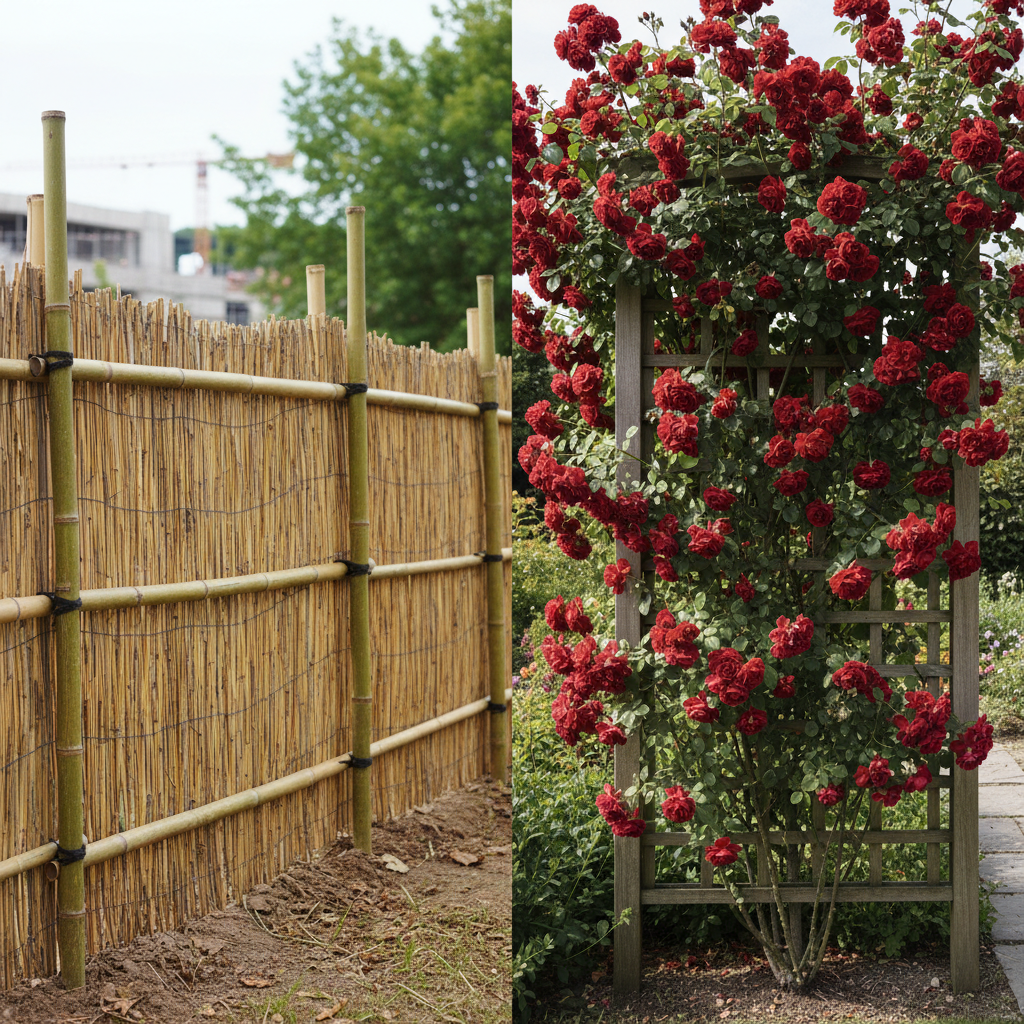
- Bamboo stake and fabric screen, same day
- Lattice panel with climbing annuals, 6-8 weeks to full coverage
- Stacked log wall, one weekend build
- Reed fencing on existing posts, same day
One Season (Privacy by Late Summer)
- Cattle panel with pole beans, 8-10 weeks
- Bean teepee row: 8-10 weeks
- Ornamental grass border, one full growing season to fill in
- Cucumber/melon A-frame, 8-12 weeks
Worth the Wait (1-3 Years for Full Effect)
- Espaliered fruit trees, 2-3 years for solid coverage
- Mixed edible hedge, 2-3 years to knit together
- Living willow panel, fills in over 2+ seasons
- Climbing rose and clematis, 2 years to full density
Mistakes to Avoid
After seeing hundreds of garden privacy projects go sideways, here are the mistakes that keep coming up:
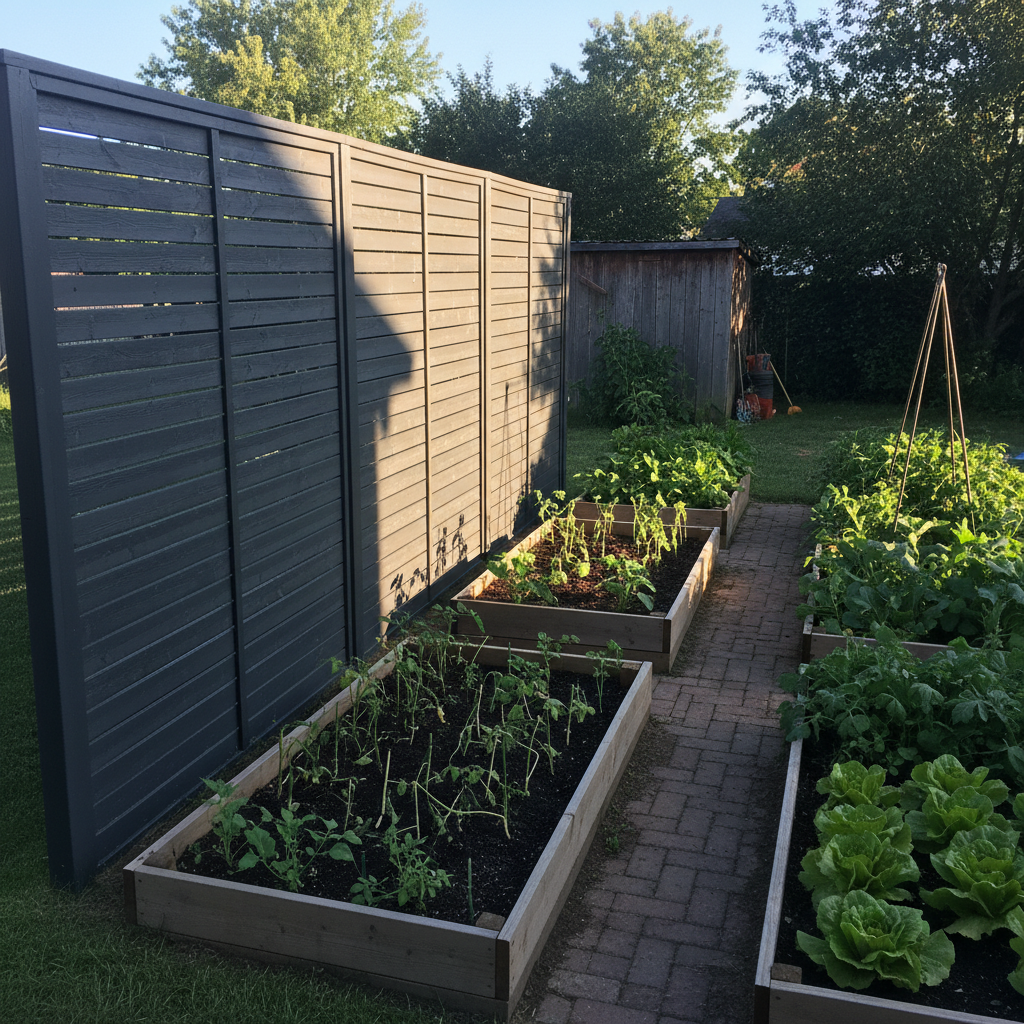
- Setting posts too shallow. Minimum post depth is 12 inches. In wind-prone areas, go 18 inches or deeper. A privacy screen that blows over in the first storm is worse than no screen at all.
- Planting a single row of evergreens and waiting. A row of arborvitae takes 5-8 years to become a real screen, and one dead plant leaves a permanent gap. Layered plantings with mixed species fill in faster and look better.
- Ignoring the view from inside. Your privacy screen should look good from both sides. A solid 6-foot fence might block the neighbor, but it also makes your yard feel like a box. Mix heights, textures, and some transparency for a screen that feels like a garden, not a barricade.
- Forgetting maintenance access. If you can’t reach both sides of your screen for pruning, weeding, and harvesting, it’ll become a neglected mess. Leave at least 18 inches of access behind any living screen.
- Going too tall too fast. Check your local zoning before building anything over 6 feet. Many municipalities have fence height limits that apply to garden structures too. A code enforcement letter is not the kind of neighbor interaction you’re trying to avoid.
- Blocking your own sunlight. Tall screens on the south side of your garden will shade your beds. Place tall screening on the north side where it blocks views without blocking sun, or use deciduous plants that let winter light through. This is basic permaculture zone planning.
FAQ
What is the cheapest DIY garden privacy screen?
A pole bean teepee row costs under $20 in materials and seeds. Bamboo stakes or straight branches plus a packet of scarlet runner bean seeds gives you a 6-8 foot living screen in about 8 weeks. It’s seasonal, but at that price you can replant every year without thinking twice.
What is the fastest growing plant for a privacy screen?
Annual vines are fastest. Morning glory, hyacinth bean vine, and pole beans can cover a 6-foot trellis in 6-10 weeks from seed. For perennial options, ornamental grasses like miscanthus reach full height in one season, and fast-growing shrubs like elderberry can add 3-6 feet of growth per year.
Can I have a garden privacy screen if I rent?
Yes. Focus on portable and non-permanent options: rolling trellis planters, bamboo stake screens in weighted pots, tall planters with ornamental grasses, and container-grown climbers on freestanding trellises. Nothing gets attached to the building or cemented into the ground. See our container gardening guide for more renter-friendly growing ideas.
How do I screen a patio without blocking all the light?
Use semi-transparent screens: lattice panels, ornamental grasses, or climbing plants on open trellis structures. These filter light and obscure direct sightlines without creating a solid wall of shade. Place screens on the west side to block low evening sun from neighbors while letting overhead light in.
Do I need a permit to build a garden privacy screen?
In most areas, freestanding garden structures under 6 feet tall don’t require a permit. But rules vary by municipality. Check your local zoning code, especially setback requirements, many areas require structures to be 1-3 feet inside your property line. Living screens (plants) rarely have restrictions unless they grow into a neighbor’s property or block public sightlines at intersections.
Will a garden fence work better than a privacy screen?
A solid fence provides immediate, reliable privacy. A garden screen provides partial privacy plus beauty, food production, pollinator habitat, and a softer look. Many gardeners combine both, a basic fence for structure and security, with climbing plants and tall perennials softening and extending it. The fence does the work; the garden makes it worth looking at.
Start With One Screen
You don’t need to screen your entire property at once. Pick the one sightline that bothers you most, the neighbor’s kitchen window, the street view from your patio, the spot where you feel exposed when you’re weeding, and address that first.
One well-placed cattle panel covered in beans changes how your whole garden feels. One row of ornamental grasses makes your patio feel private for the first time. One espaliered apple tree turns a boring fence into something you’re proud of.
Start with one. See how it feels. Then grow from there.