25 Garden Pot Ideas for Patios, Porches, and Small Spaces
25 Garden Pot Ideas for Patios, Porches, and Small Spaces
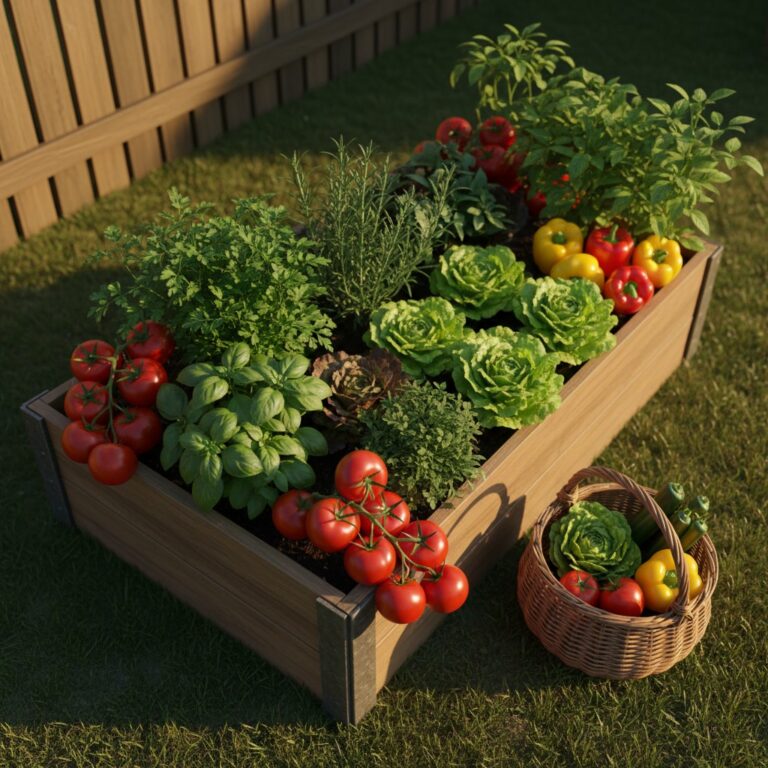
You do not need a yard to grow a real garden. A sunny porch, a concrete patio, a balcony railing, any of these can hold a container that feeds your family, draws in pollinators, or simply makes you pause on your way to the car because something beautiful is blooming.
Container gardening is having a moment, and for good reason. A 2025 Frontdoor survey found that 71% of Americans plan to grow something this year, and 61% already grew food in 2024, many of them in pots. The National Gardening Association estimates a home food garden can produce over $600 worth of produce in a single season. That is a lot of salad from a few square feet of patio.
But most “garden pot ideas” posts give you a photo of a pretty terracotta pot and call it a day. This one is different. Every idea below is specific, practical, and designed so you can actually build it this weekend. We are blending beauty with usefulness, because the best container gardens look gorgeous and put food on the table.
If you are brand new to growing in containers, start with our full guide to container gardening on your patio for the basics, then come back here for inspiration.
25 Garden Pot Ideas Worth Building This Season
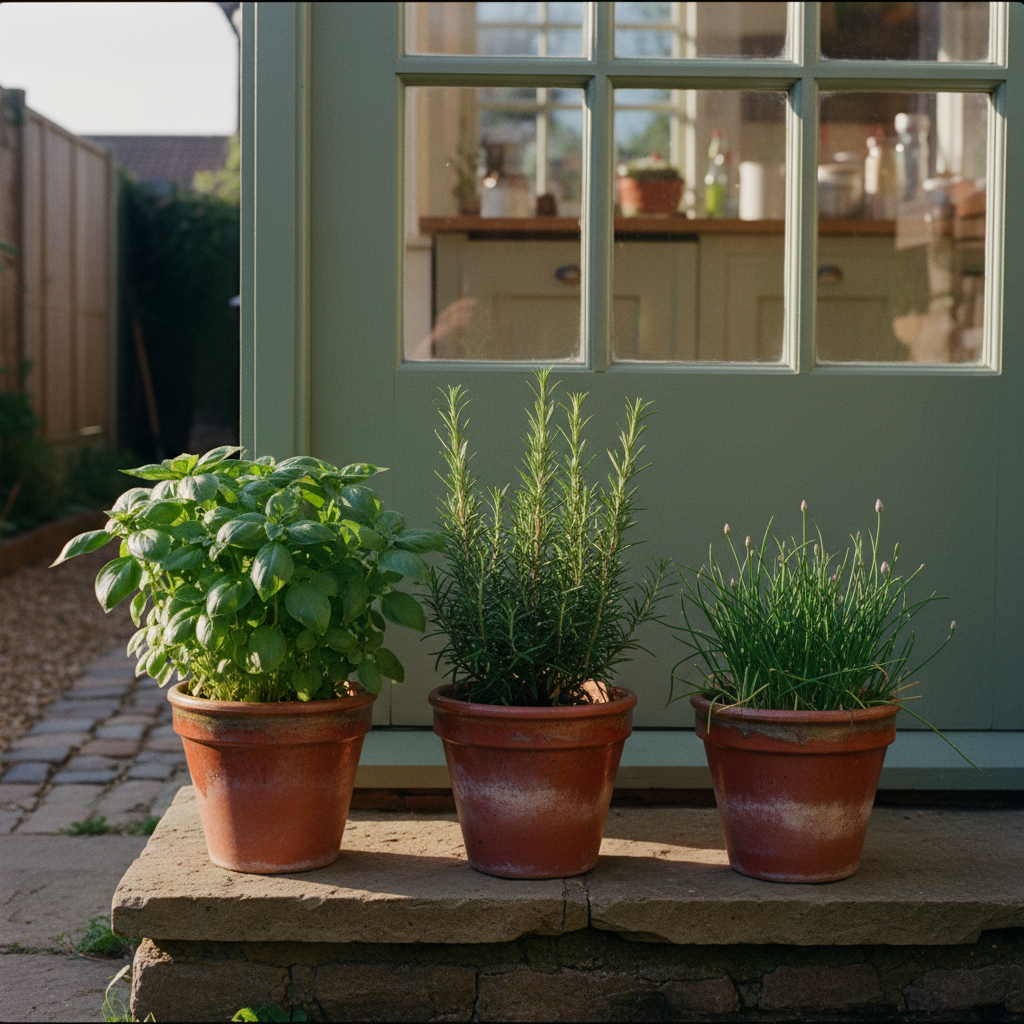
1. The Kitchen Door Herb Trio
Three matching 2-gallon pots by your back door: basil, rosemary, and chives. These are the herbs you actually reach for mid-cooking, so put them within arm’s reach. Herbs only need 1 to 3 gallons of soil and at least 6 hours of sun. This setup costs under $15 and pays for itself in two weeks of not buying grocery store herb packets. For a deeper dive, see our guide to starting a kitchen herb garden.
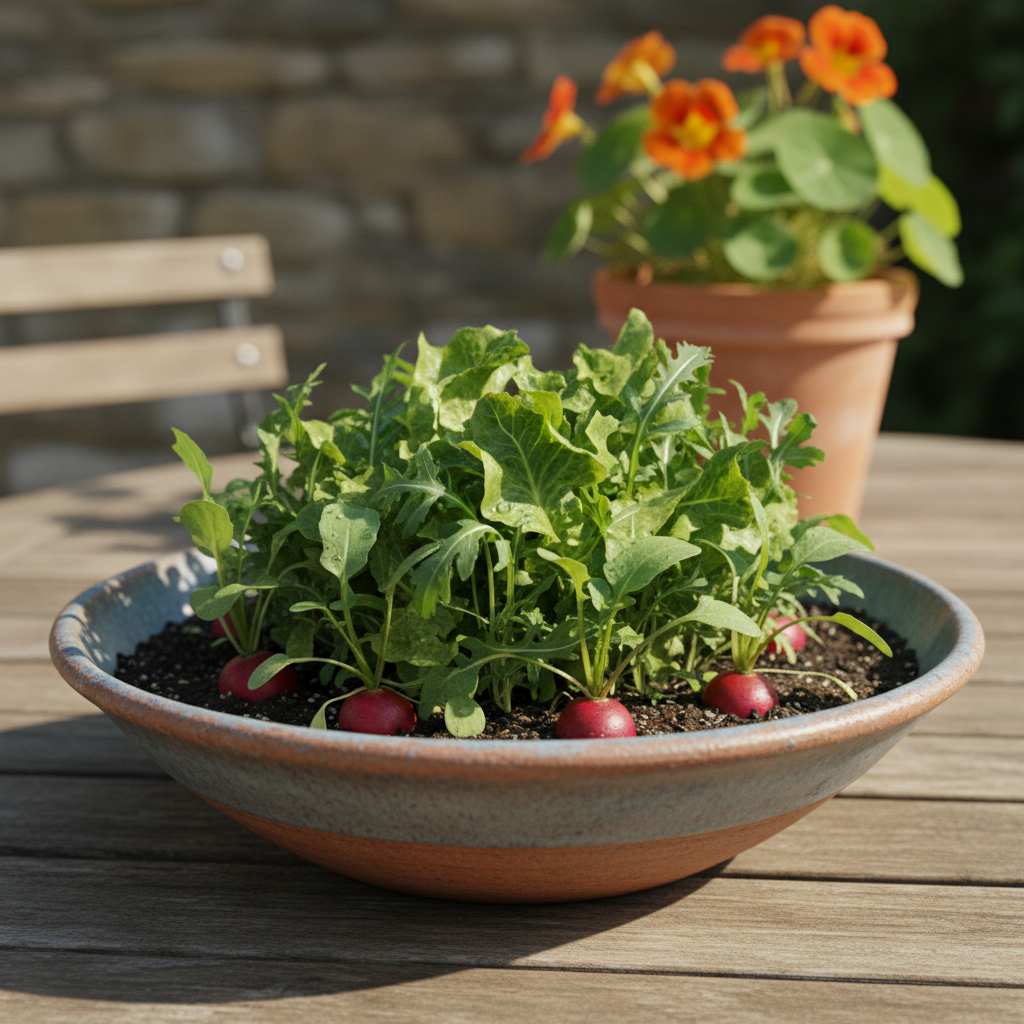
2. The One-Pot Salad Bowl
A single wide, shallow container (16 inches or wider, at least 8 inches deep) planted with loose-leaf lettuce, arugula, and a few radish seeds tucked around the edges. Cut-and-come-again greens give you weeks of harvests from one pot. Salad greens only need 4 to 6 hours of sun and thrive in a 3 to 5 gallon container, perfect for a shaded porch.
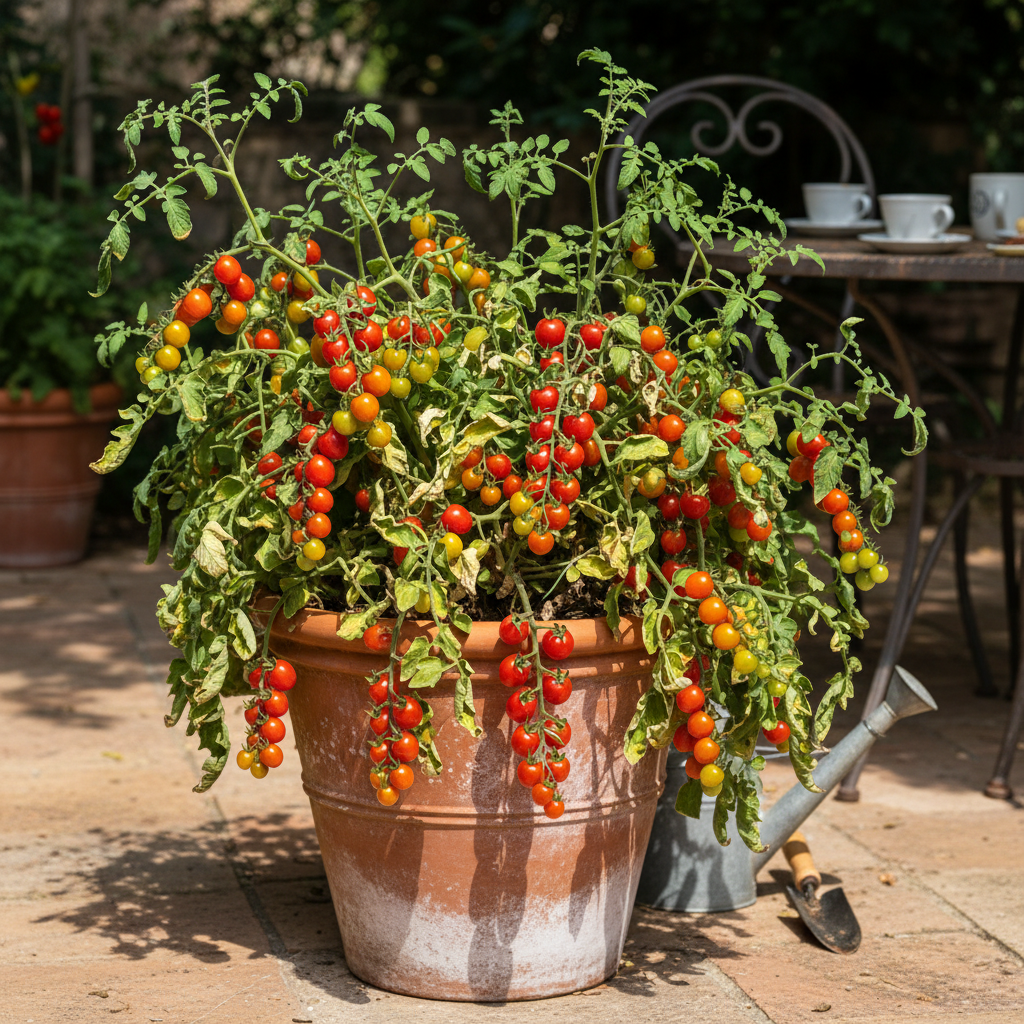
3. The Cherry Tomato Tower
One large 5-gallon or bigger pot, one cherry tomato plant (Sungold or Sweet 100), one sturdy cage. That is it. Cherry tomatoes are the single most rewarding container crop for beginners. They need 8 or more hours of direct sun and will produce handfuls of fruit from midsummer through frost. Underplant with basil to use every inch of soil.
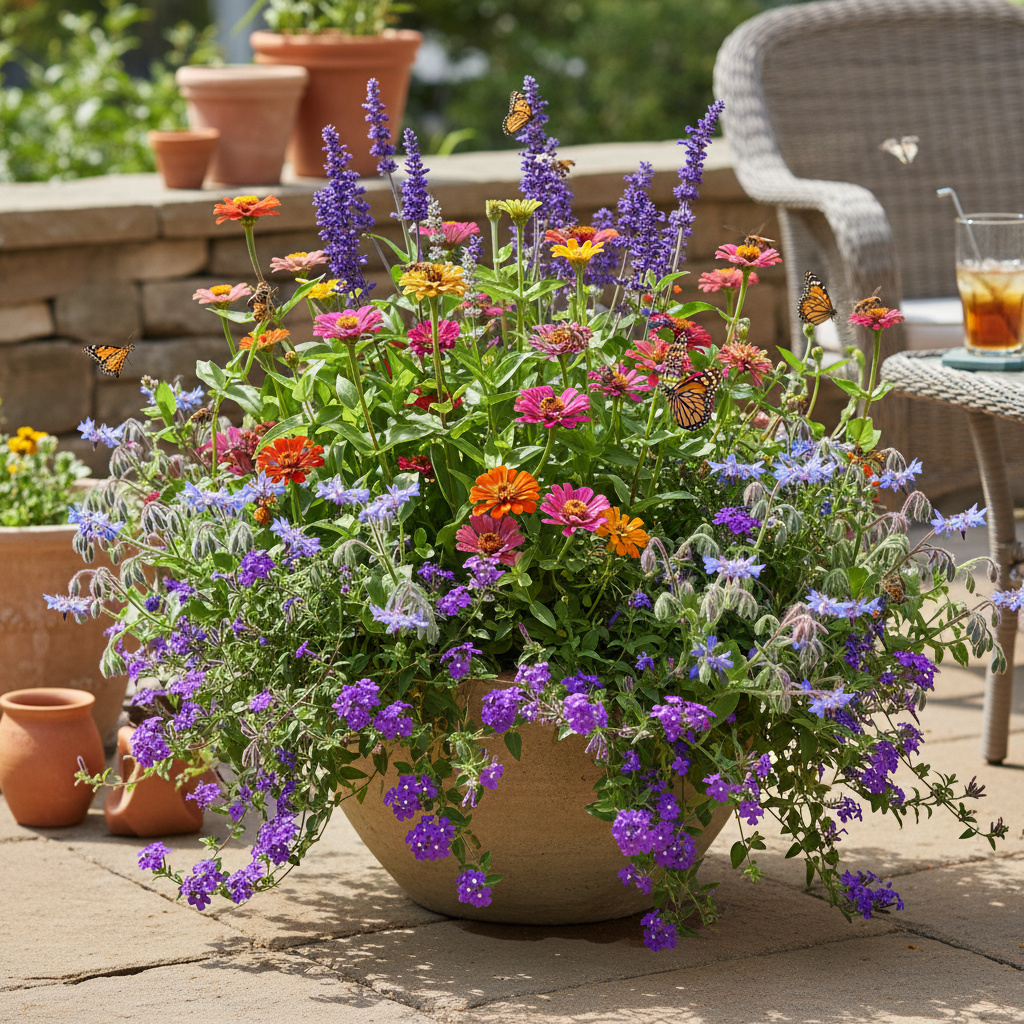
4. The Pollinator Welcome Pot
A big, bold container packed with three to five species that bloom at different times: lavender, salvia, zinnias, borage, and trailing verbena. Planting in clusters of 3 to 5 of each species gives pollinators a reason to visit repeatedly. Set this near your vegetable pots and watch your pepper and tomato yields climb. Learn more in our pollinator gardens guide.
5. The Edible Flower Window Box
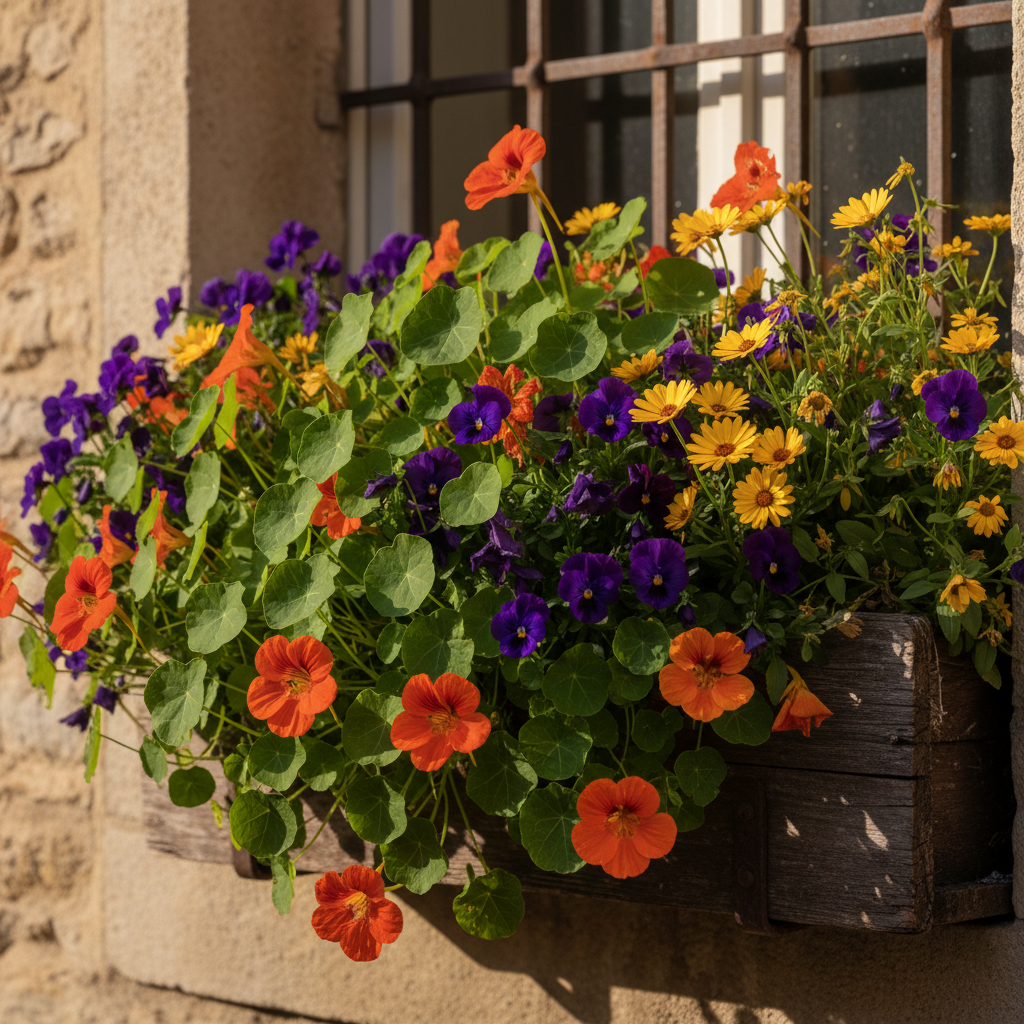
A long window box or trough planted with nasturtiums (peppery, bright orange), violas (mild and sweet), and calendula (tangy golden petals). All three are genuinely edible, not just decorative. Toss them in salads, freeze them in ice cubes, or use calendula petals as a saffron substitute. Our edible flowers guide covers 15 varieties you can grow and eat.
6. The Shade Porch Greens Garden
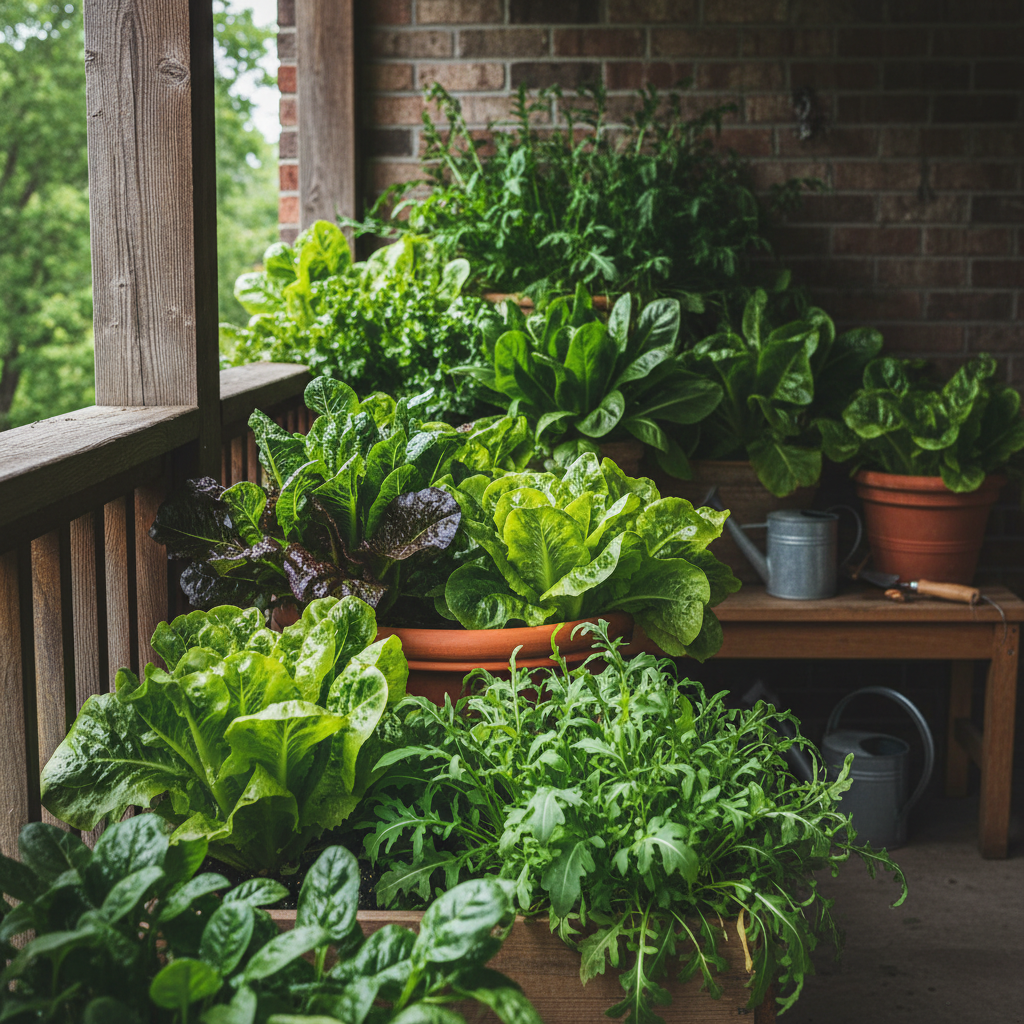
Not every porch gets full sun, and that is actually fine. Lettuce, spinach, arugula, mizuna, parsley, cilantro, and mint all thrive in partial shade, in fact, they prefer it in hot climates where full sun makes them bolt. Three to four containers on a north-facing porch can keep your kitchen stocked with greens all season. For more options, check out the best shade garden plants.
7. The Five-Gallon Bucket Farm
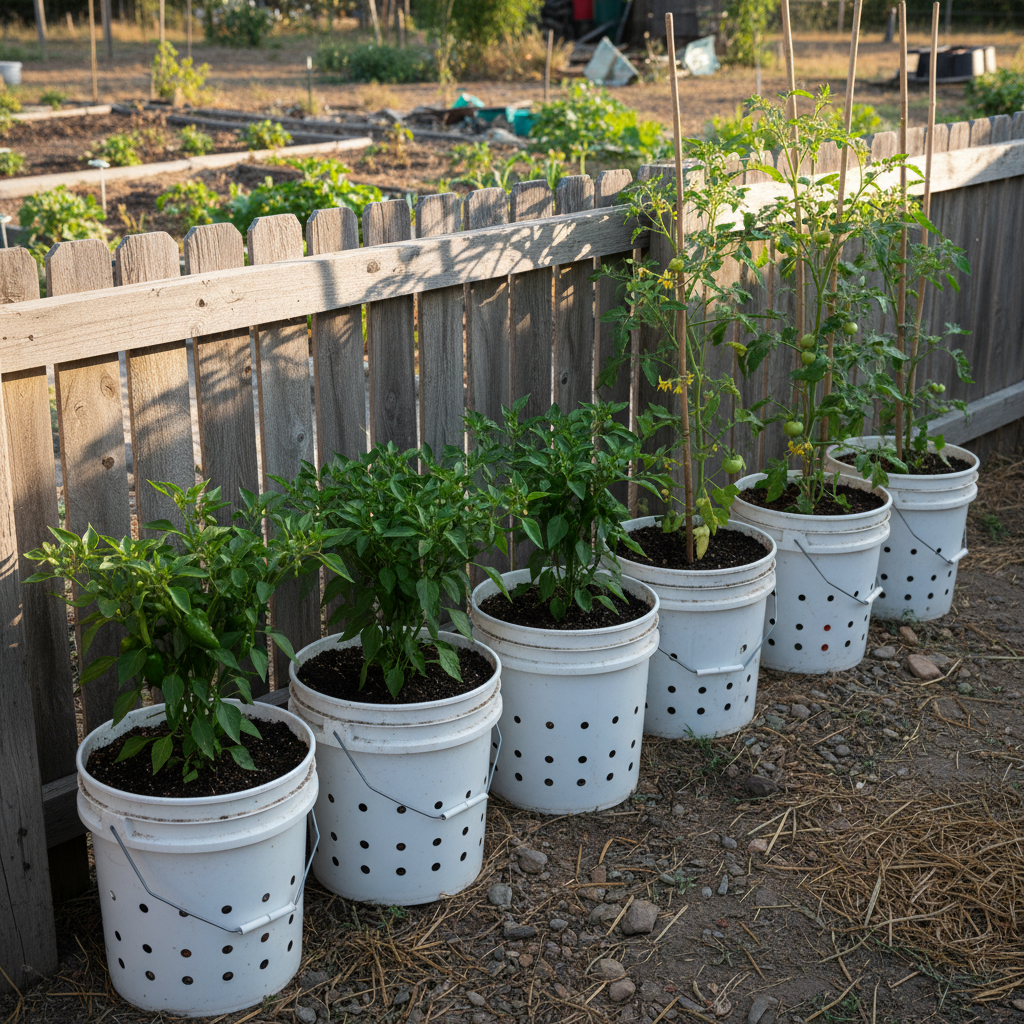
Drill five drainage holes in the bottom of a food-grade 5-gallon bucket, fill with potting mix, and plant one pepper or one tomato. You can get buckets free from bakeries and restaurants. Line up five of them along a sunny fence and you have a productive vegetable garden for under $20 total. Not pretty? Slip them inside a burlap sack or a cheap woven basket.
8. The Strawberry Jar Stack
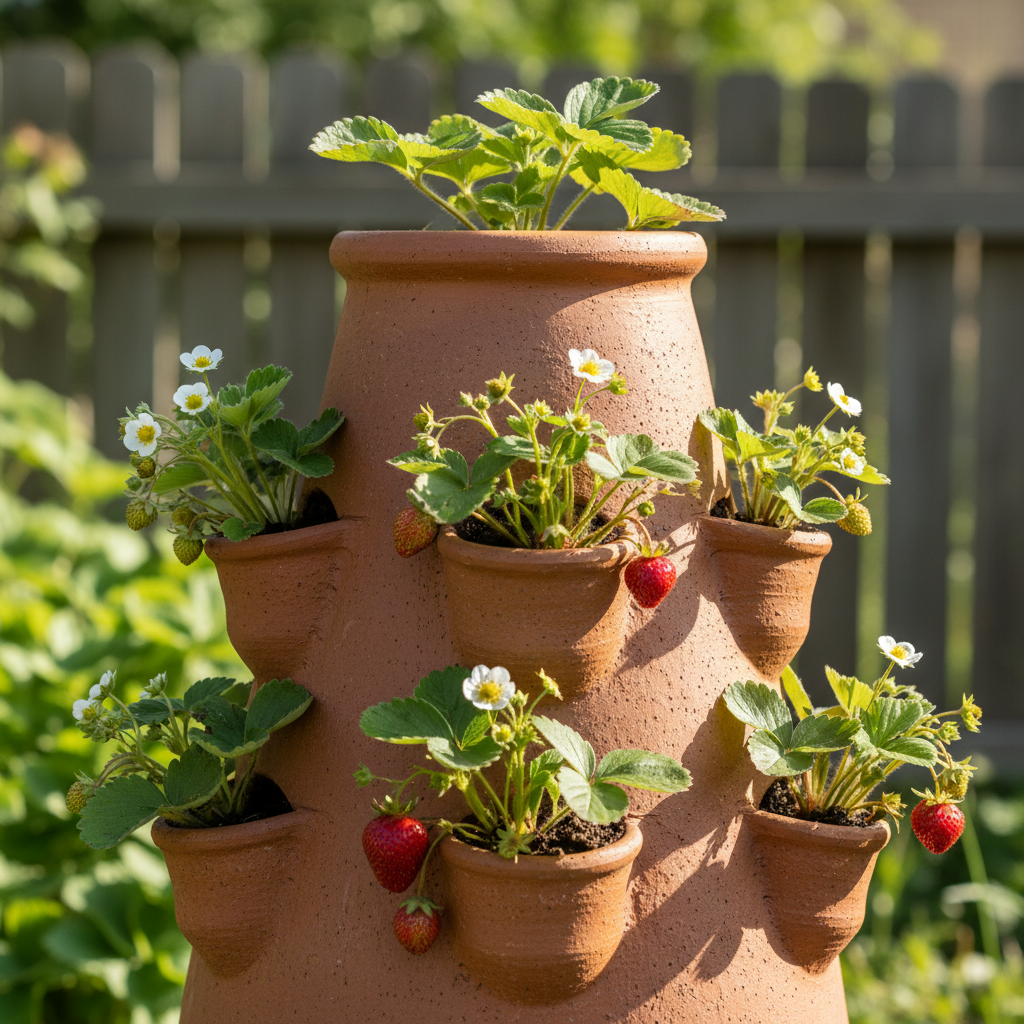
A traditional strawberry jar with pockets on the sides lets you grow 15 to 20 plants in less than two square feet of floor space. Everbearing varieties like Albion or Seascape fruit from June through October. Strawberries need 6 or more hours of sun and a 3 to 5 gallon container. Water from the top and let gravity do the work.
9. The Mediterranean Drought Pot
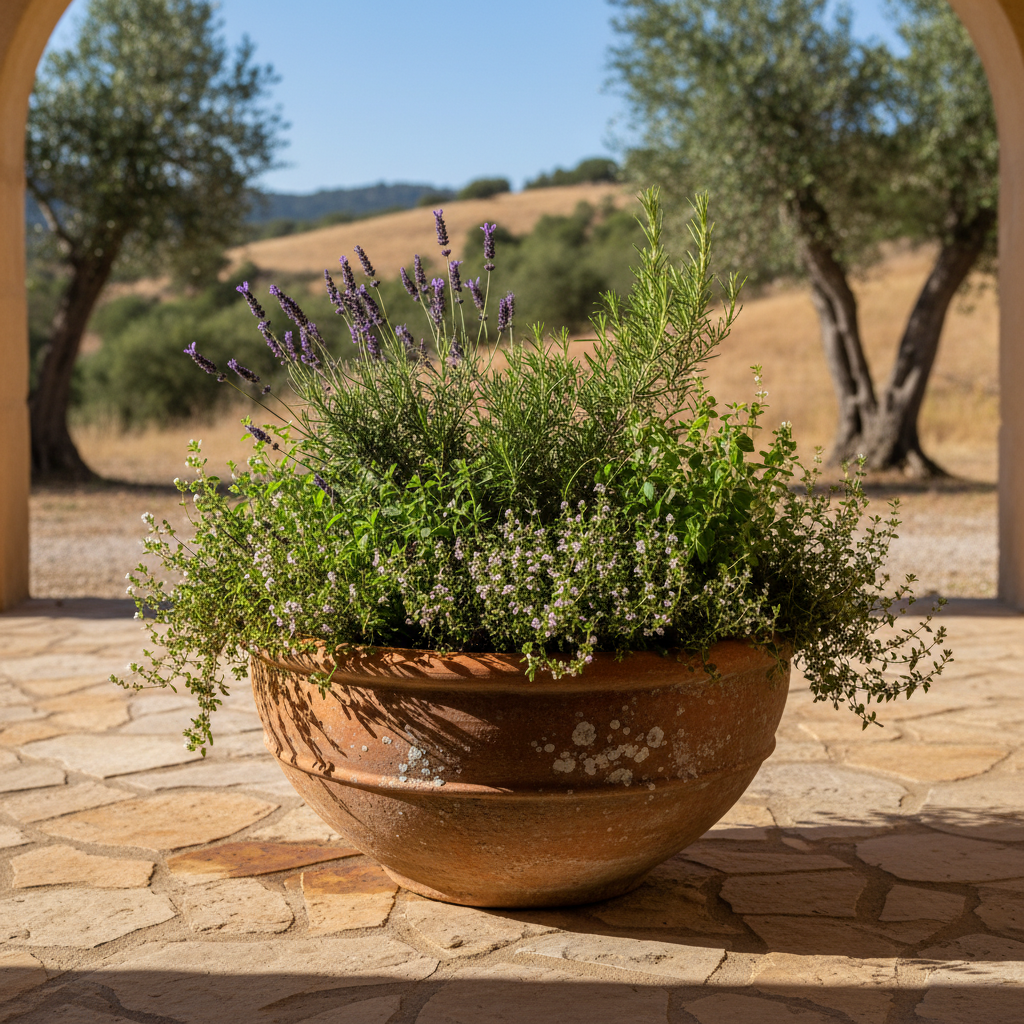
A single large terracotta pot with lavender, rosemary, thyme, and oregano. All four are drought-tolerant Mediterranean herbs that hate wet feet, making terracotta’s natural moisture-wicking perfect for them. Water once or twice a week, never daily. This pot practically ignores neglect. For lavender-specific care, see our complete lavender growing guide.
10. The Vertical Pocket Wall
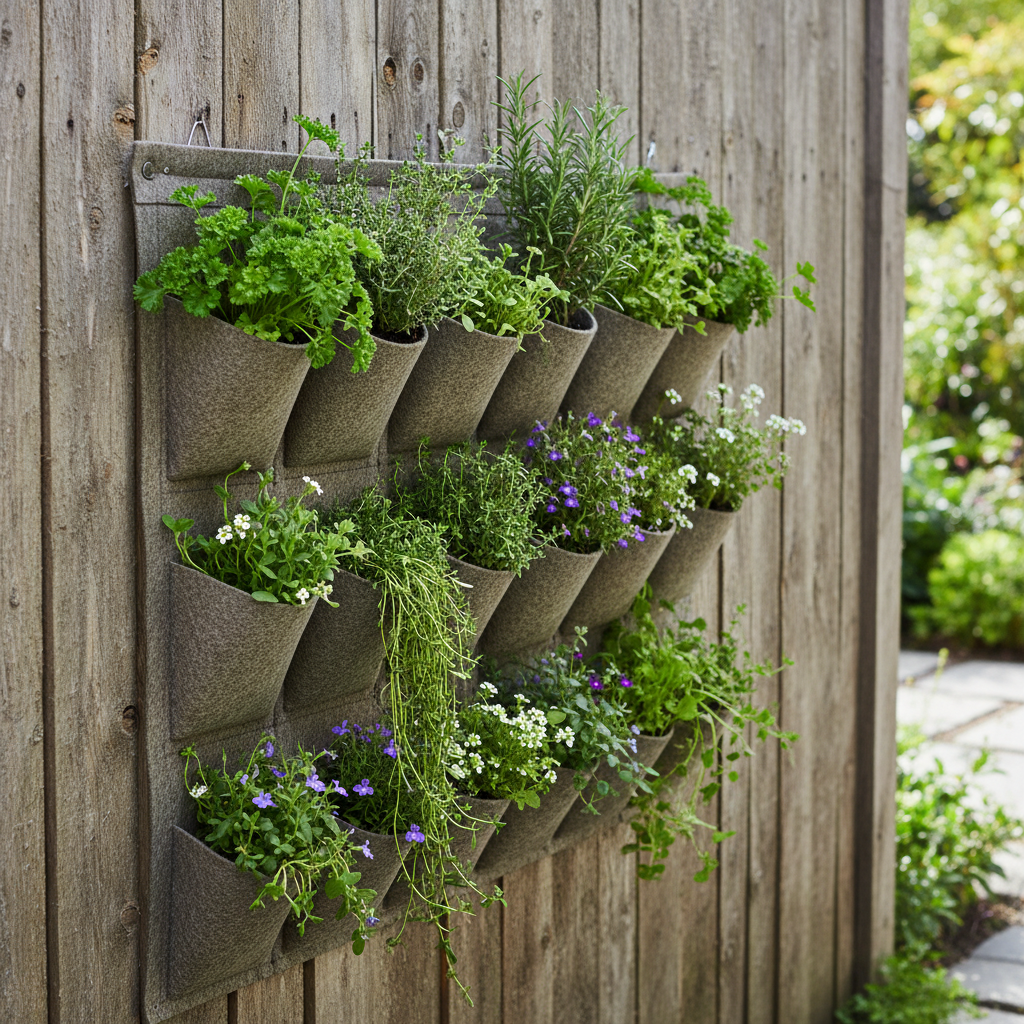
A hanging felt pocket planter mounted on a fence or wall, filled with herbs and trailing flowers. This is pure vertical gardening, no floor space required. Great for renters who cannot dig into the ground. Pair with a drip tray or self-watering insert, because pocket planters dry out fast. More vertical ideas in our vertical gardening guide.
11. The Rustic Half-Barrel Veggie Garden
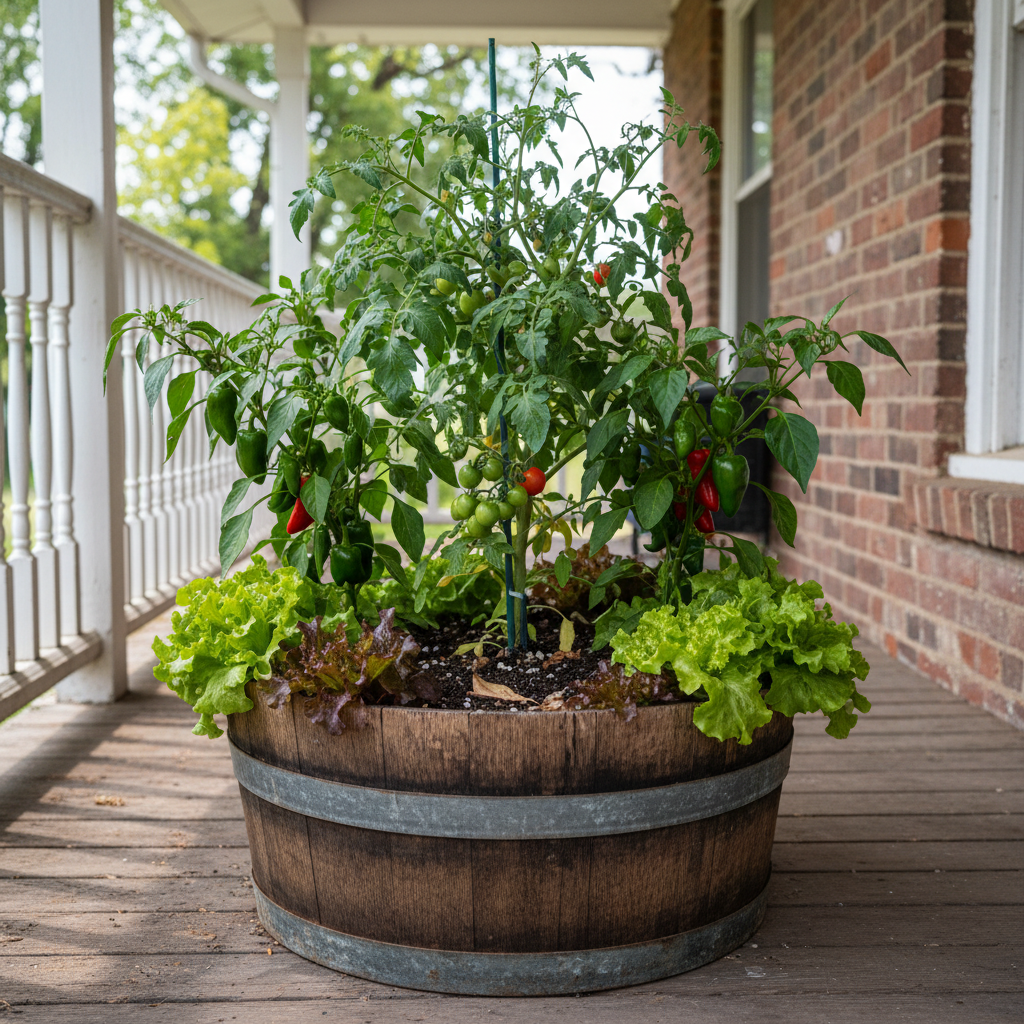
A whiskey half-barrel holds about 25 gallons of soil, enough for a full mixed planting. Try one tomato in the center, three pepper plants around the middle ring, and lettuce or herbs around the edges. The barrel looks beautiful on a farmhouse porch and is deep enough (12+ inches) for root vegetables. Drill drainage holes if they are not already there.
12. The Tea Garden Pot
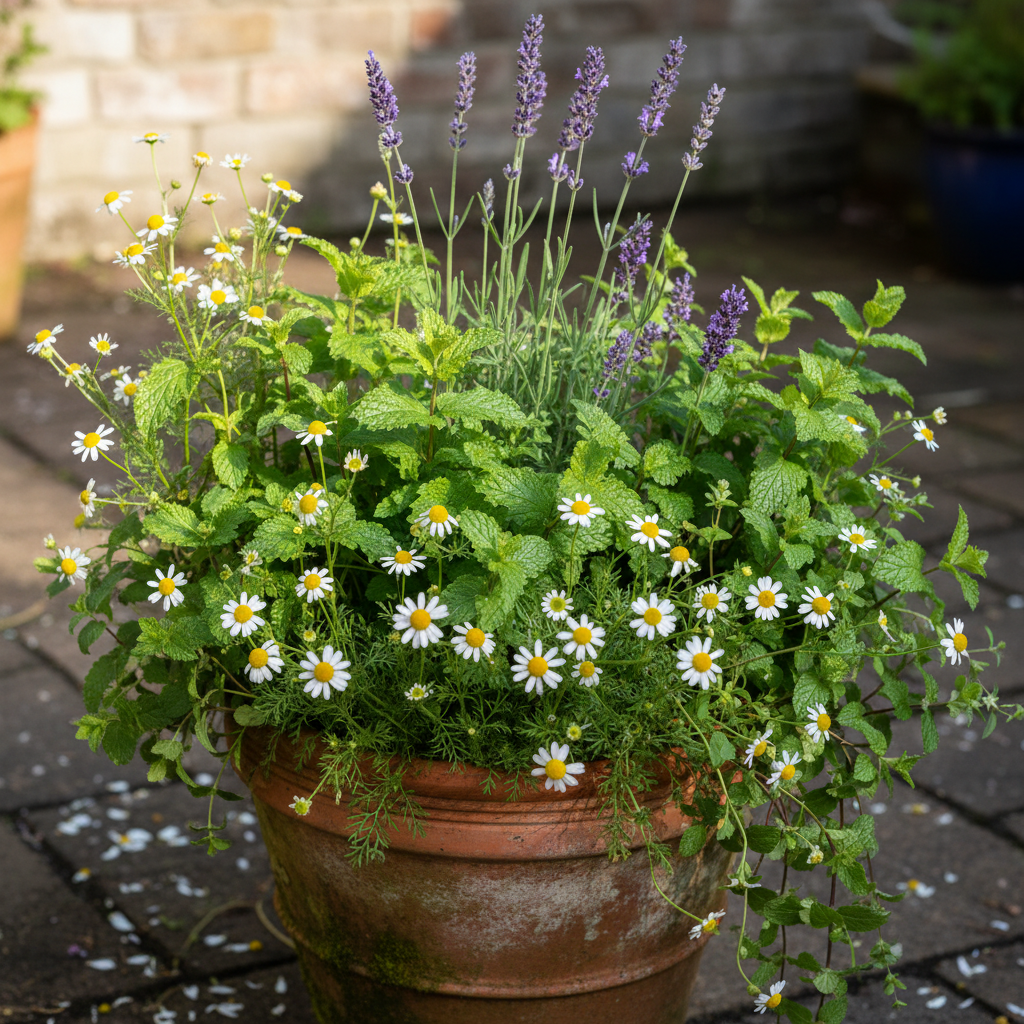
A single large pot with chamomile, lemon balm, mint, and lavender. All four make excellent fresh or dried tea. Harvest a handful of leaves and flowers, pour boiling water over them, and steep for five minutes. This is among the most satisfying “pick and use immediately” container gardens you can plant.
13. The Galvanized Tub Herb Bar
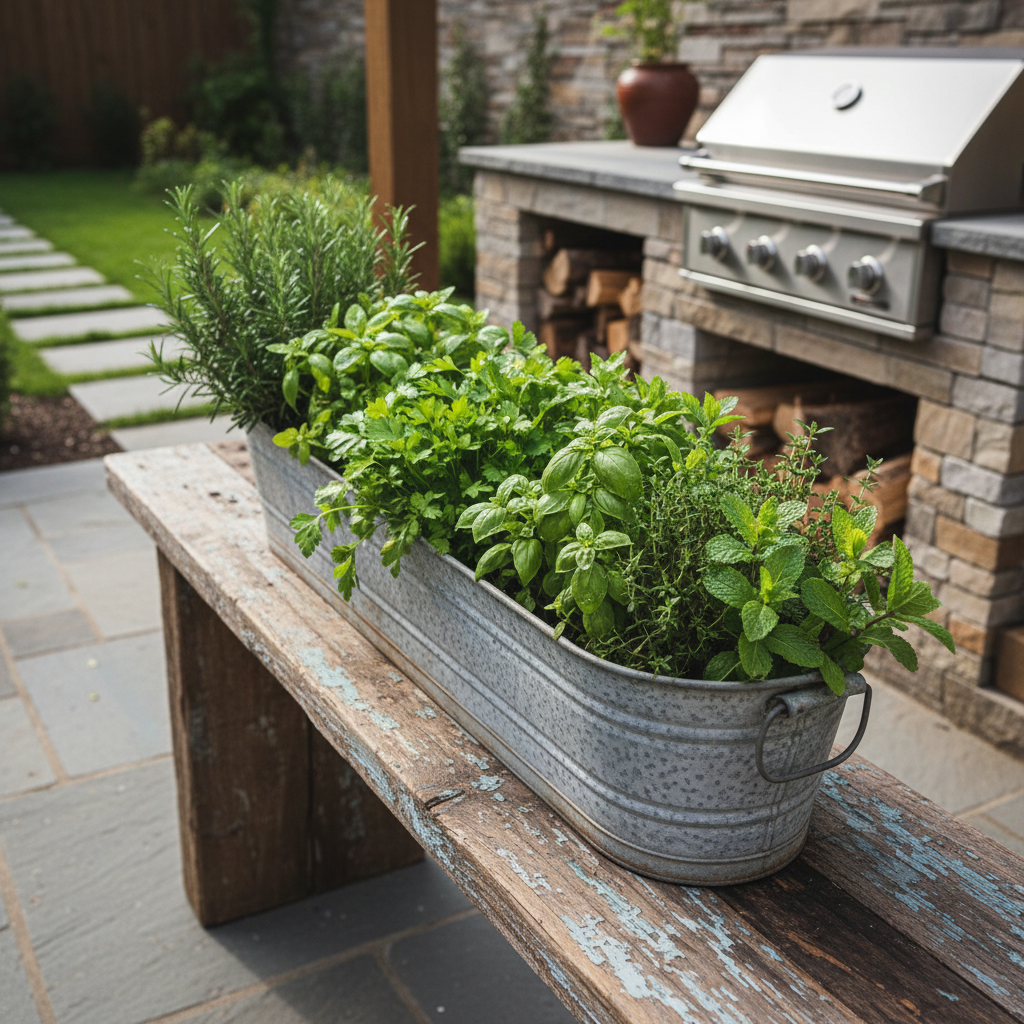
A long galvanized stock tub (the kind you find at farm supply stores for $20 to $30) drilled with drainage holes and filled with a row of herbs. Cilantro, dill, flat-leaf parsley, basil, and chives in a line. Set it on a patio table or a low bench near the grill. Looks like it belongs in a magazine, costs almost nothing.
14. The Pepper Rainbow
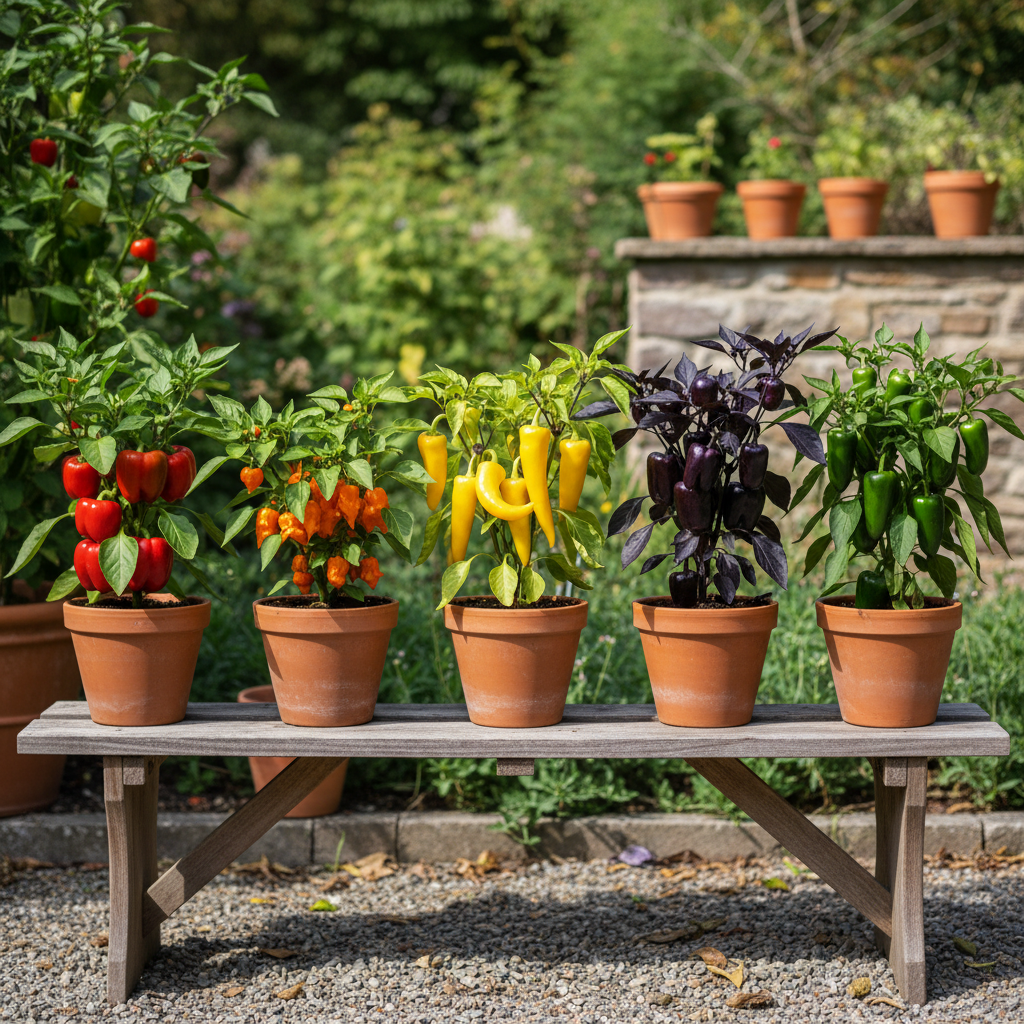
Five 5-gallon pots, each with a different colored pepper: red bell, orange habanero, yellow banana, purple beauty, and green jalapeno. Peppers are outstanding container plants, compact, productive, and beautiful. They need 6 to 8 hours of sun and consistent watering. Line them up by color for a striking display.
15. The Microgreens Windowsill Tray
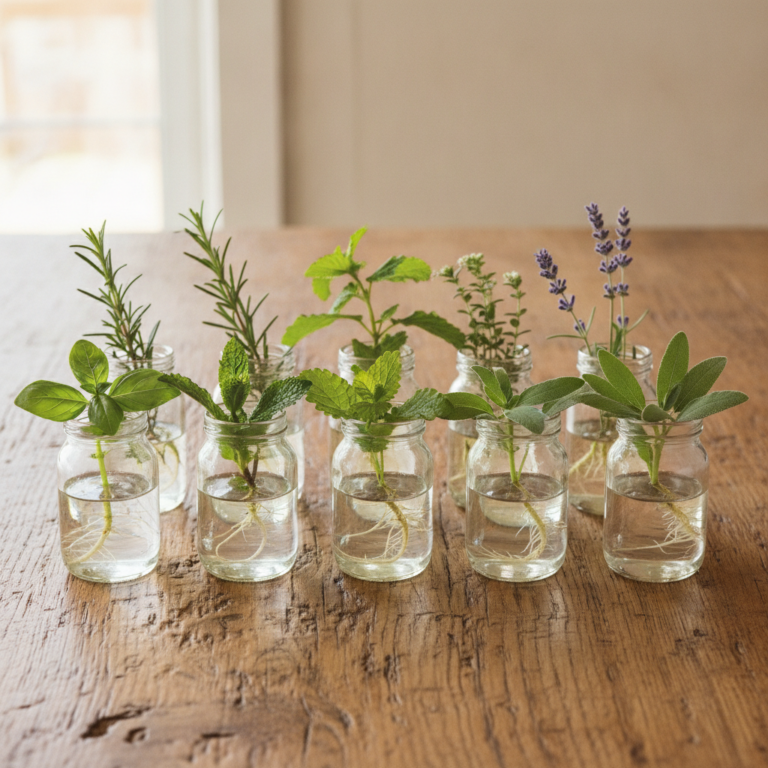
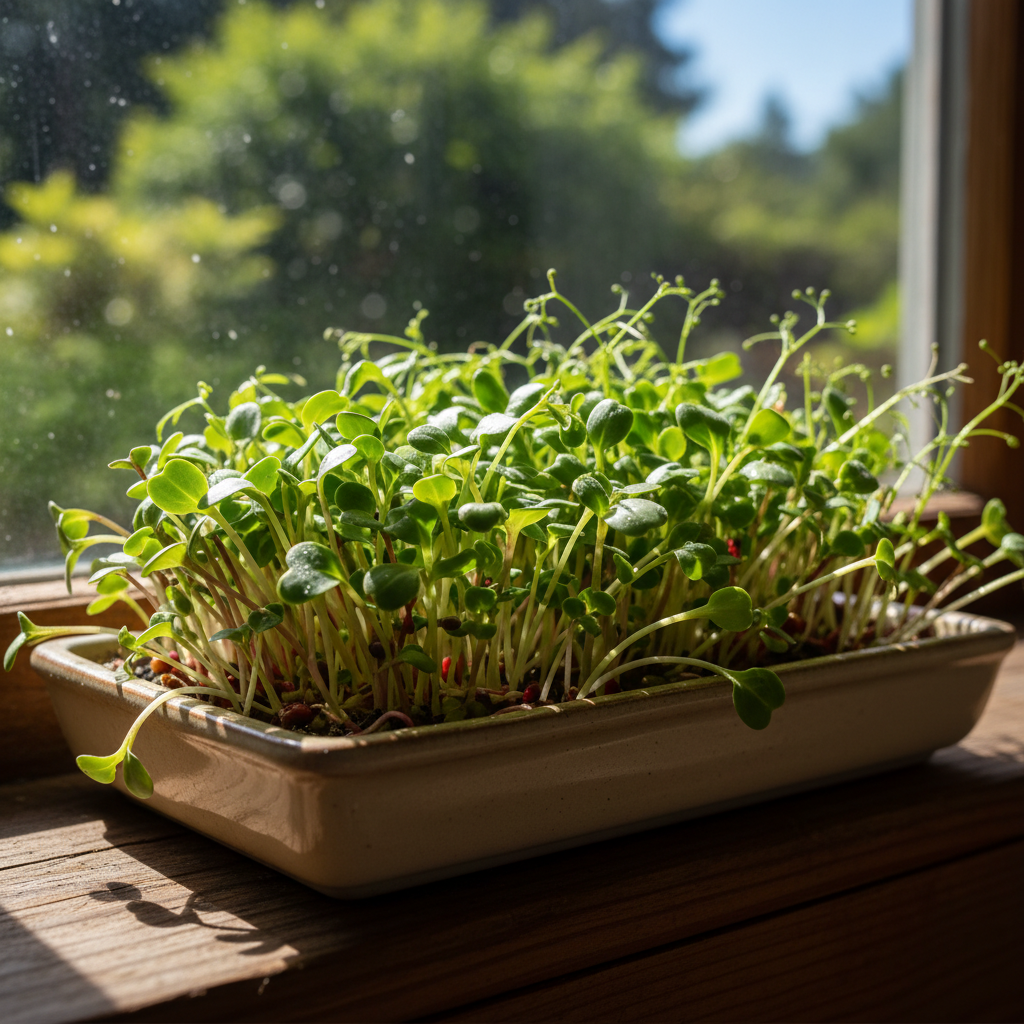
A shallow tray (even a takeout container works) filled with an inch of potting mix and densely sown with radish, sunflower, or pea shoots. Harvest in 7 to 14 days. This is container gardening at its fastest and most rewarding, greens in under two weeks, no outdoor space needed at all. Our microgreens in mason jars guide walks through the whole process.
16. The Fabric Grow Bag Trio
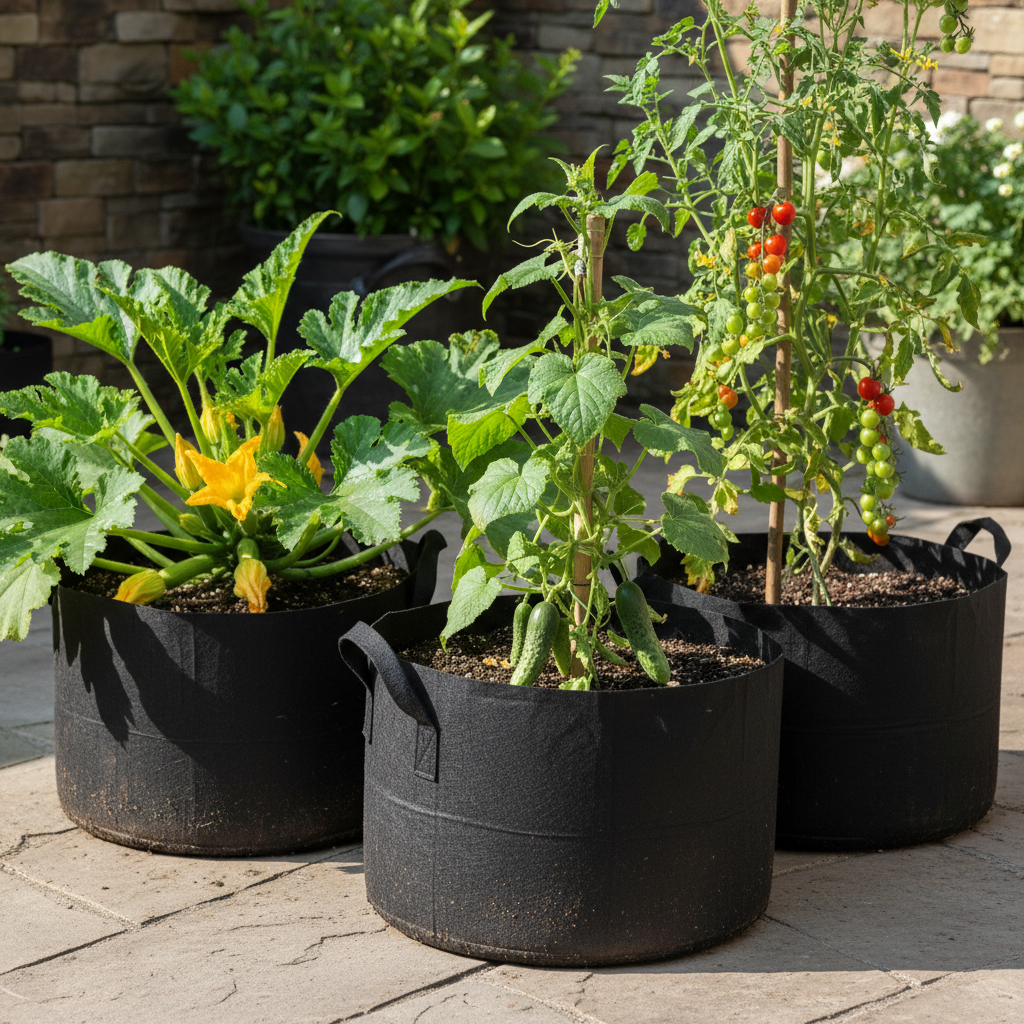
Fabric grow bags (10-gallon size) are cheap, breathable, and prevent root circling. They fold flat for storage. Plant one with zucchini, one with a bush cucumber, and one with a determinate tomato. Three bags on a sunny patio can produce an absurd amount of summer vegetables. They are not the prettiest option, but they work better than almost anything else.
17. The Hanging Basket Herb Garden
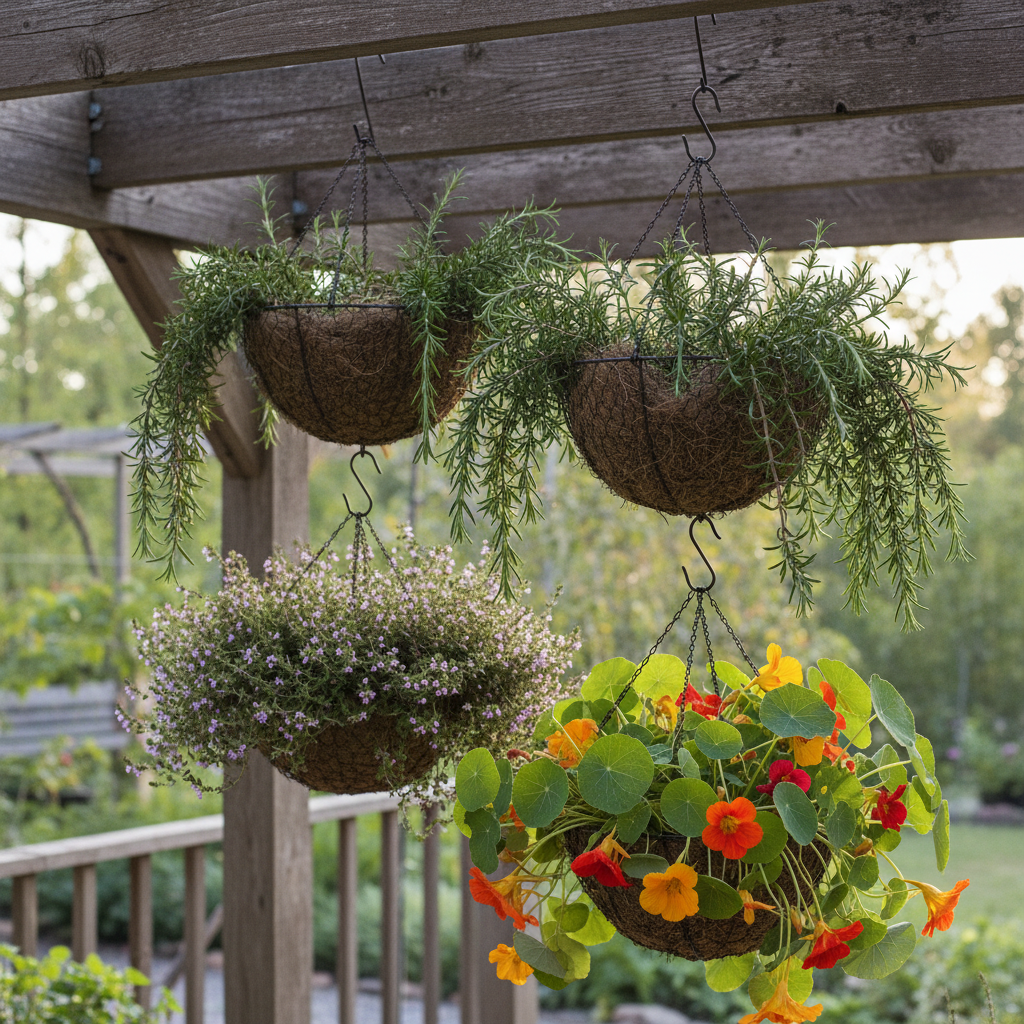
Hang three wire baskets from porch hooks: one trailing rosemary, one trailing thyme, one nasturtium. Hanging baskets use zero floor space and keep herbs at a convenient picking height. Line with coco coir to retain moisture and give them a polished look.
18. The Succulent and Herb Drought Bowl
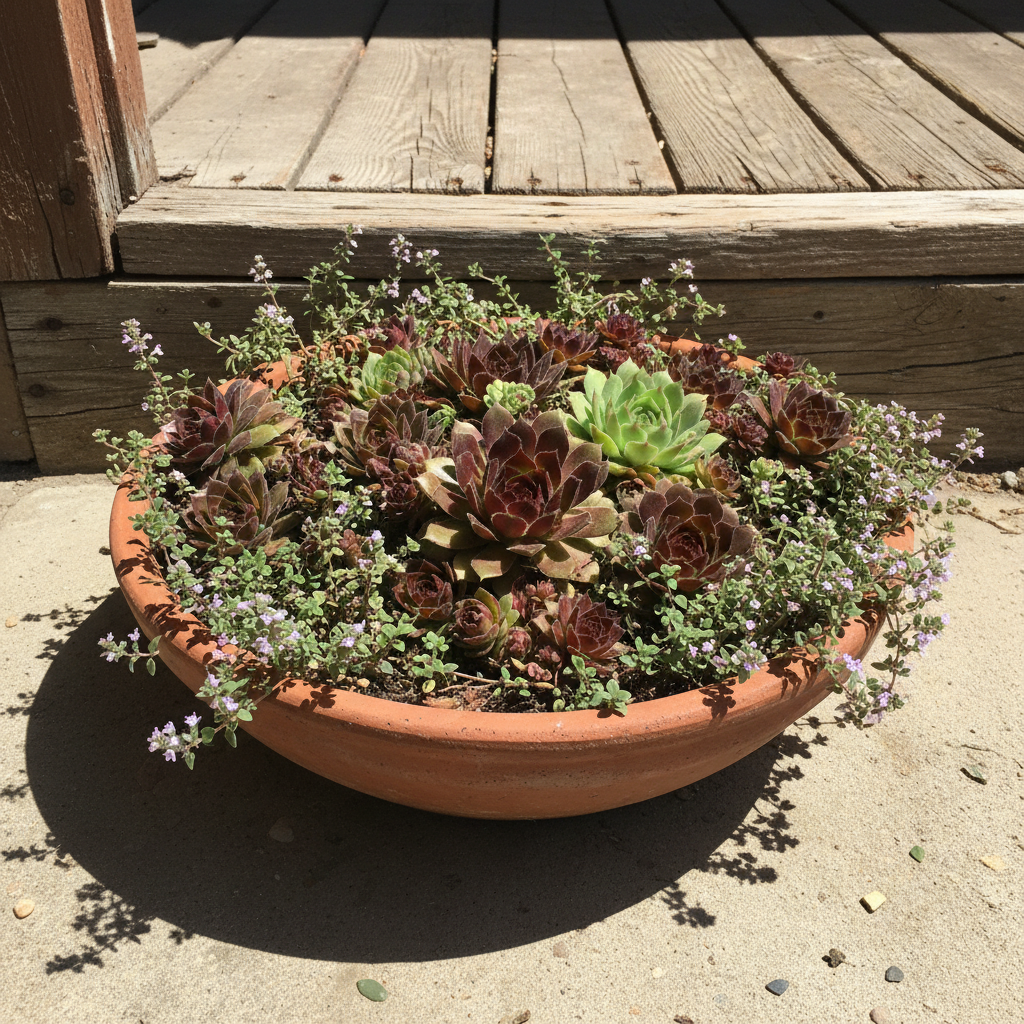
A wide, shallow bowl with a mix of hens-and-chicks, sedums, and creeping thyme. Purely ornamental? Not quite: creeping thyme is edible, and the whole arrangement thrives on neglect. Perfect for a hot, south-facing stoop where everything else fries. Water once a week at most.
19. The Kids’ Pizza Garden Pot
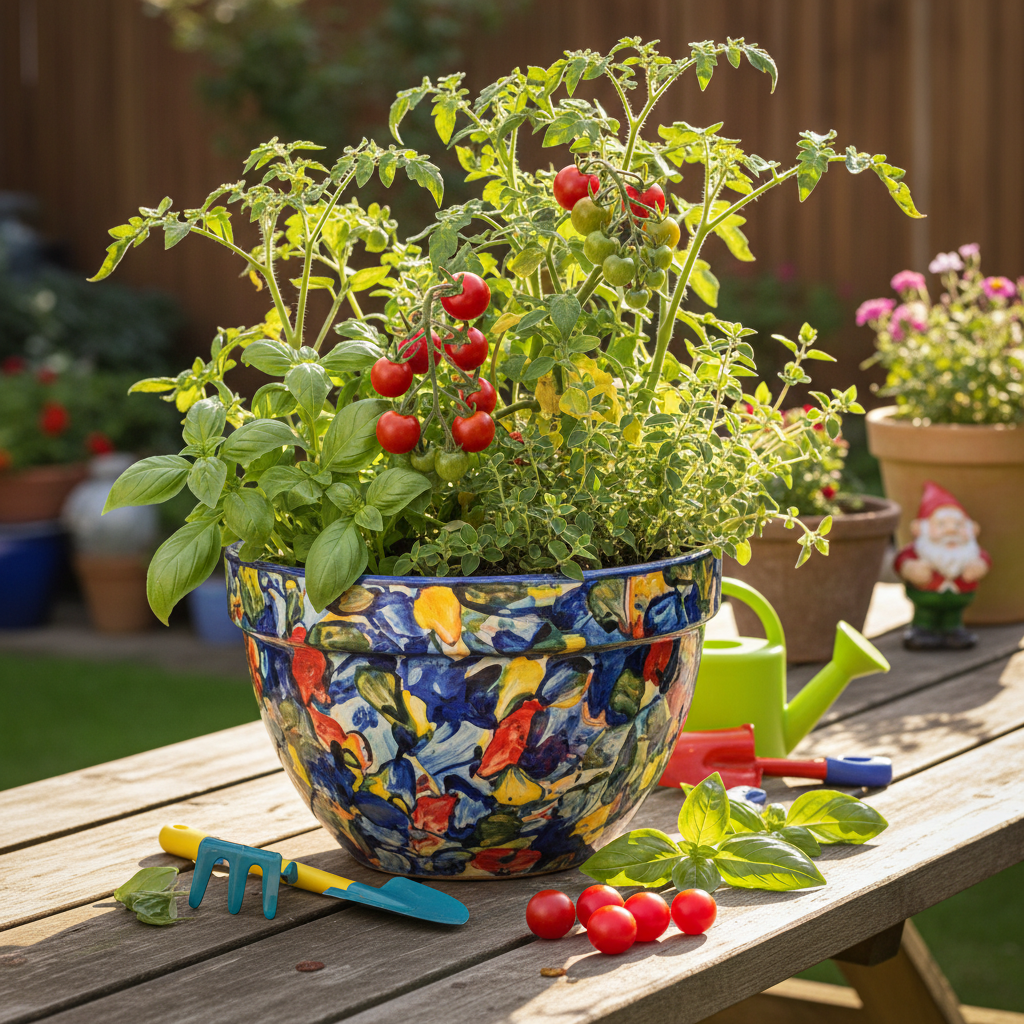
One large container with a cherry tomato plant, a basil plant, and an oregano plant, everything you need for pizza sauce. Let kids water, pick, and taste. This is the single best container garden for getting children interested in growing food, because it connects the pot directly to dinner.
20. The Root Vegetable Bucket
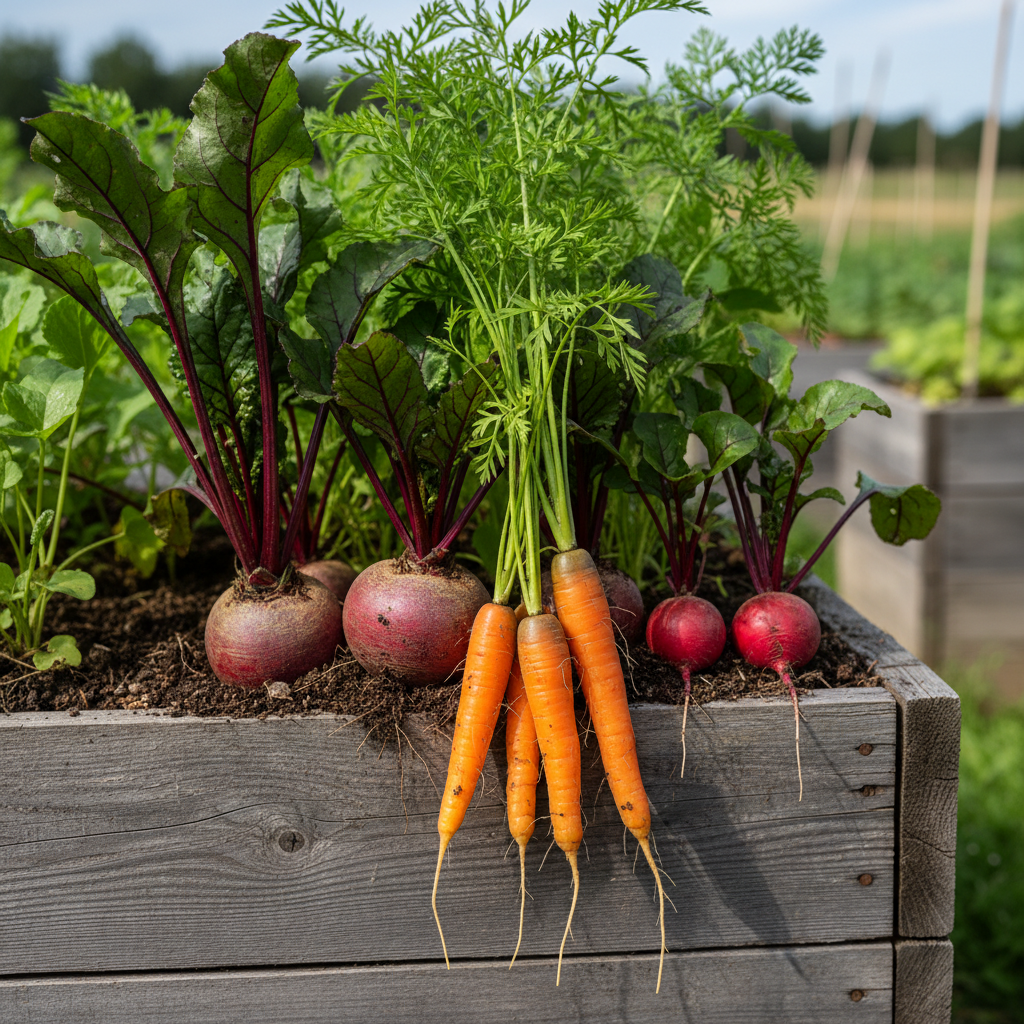
Carrots, beets, and radishes in a deep container (at least 12 inches). Use a lightweight potting mix so roots can push through easily, this is one place where heavy garden soil will truly ruin your crop. Short carrot varieties like Thumbelina or Paris Market work best in pots. Radishes are ready in 25 days and make a great “instant gratification” crop between slower harvests.
21. The Cottage Porch Arrangement
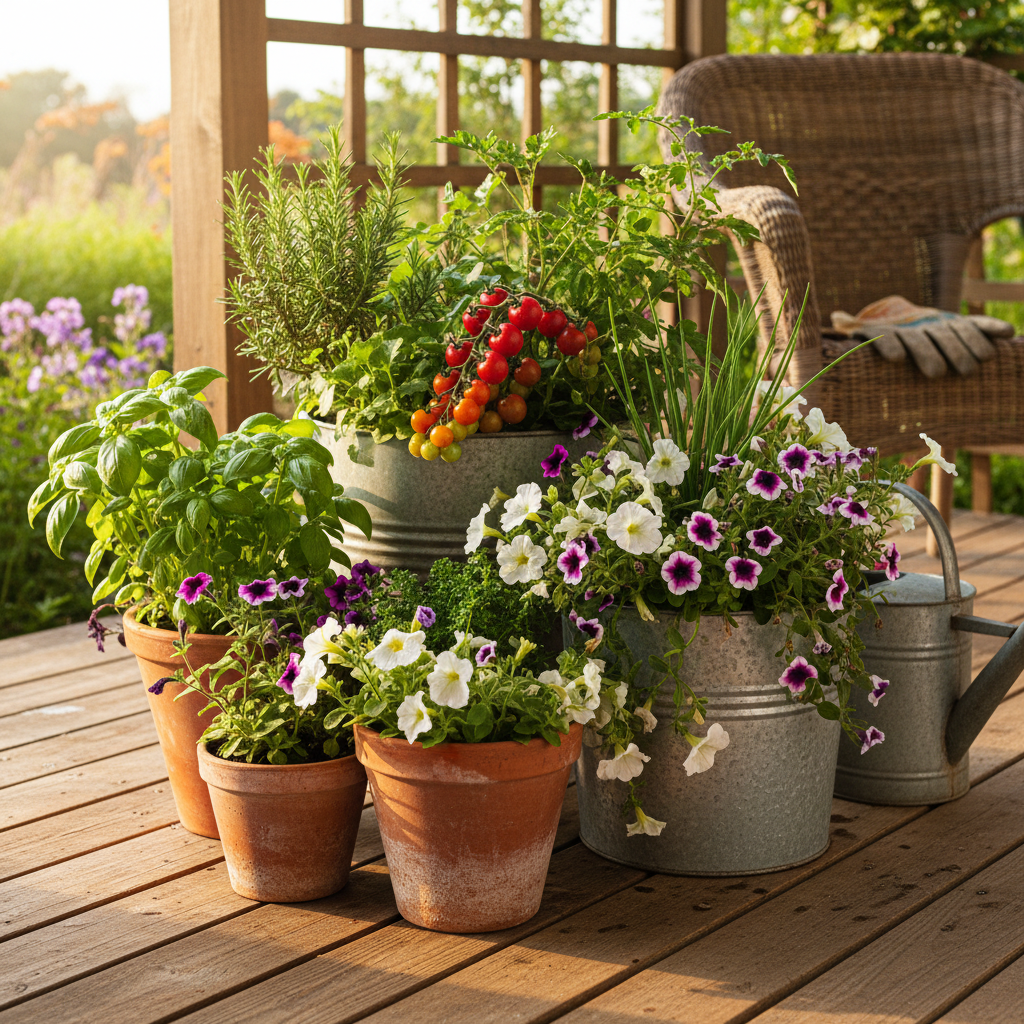
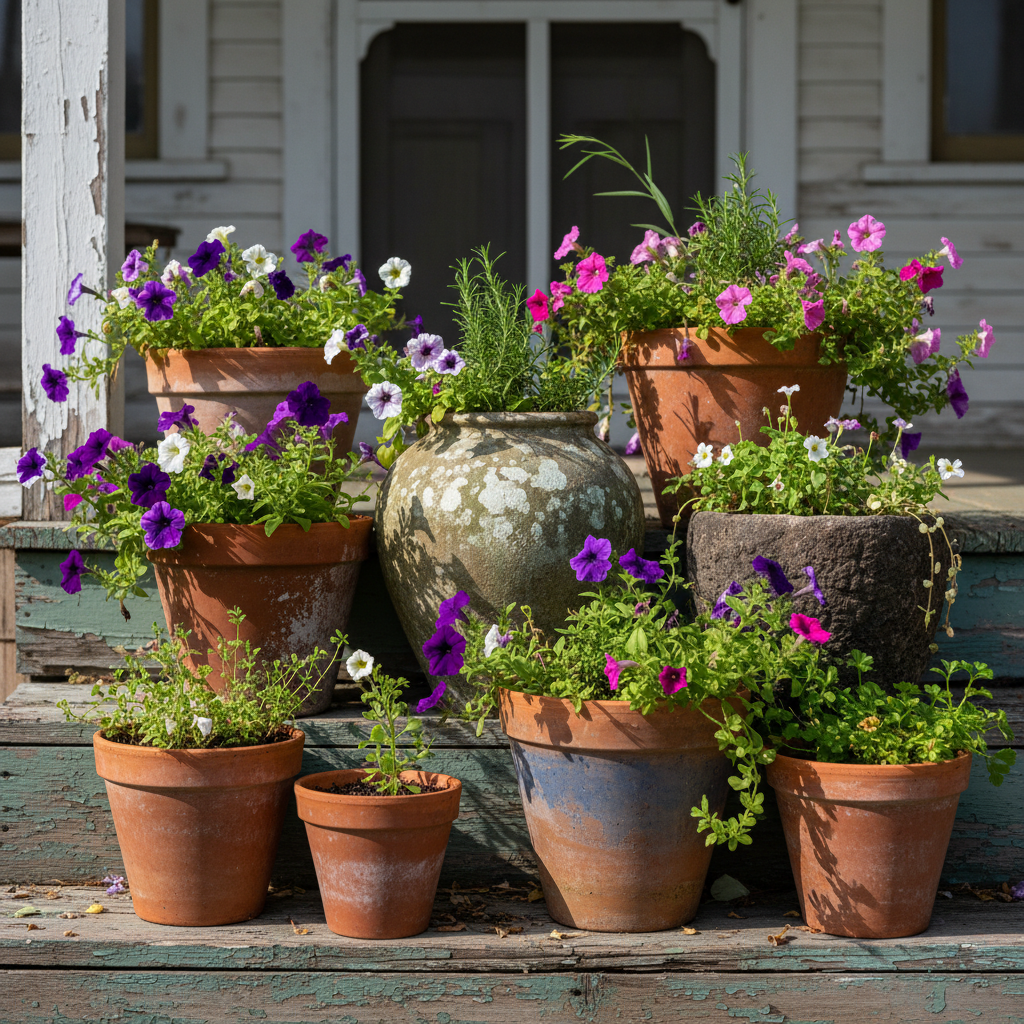
A cluster of mismatched vintage pots, different sizes, shapes, and patinas, arranged as a group on porch steps. Plant each with one thing: one pot of trailing petunias, one pot of lavender, one pot of chives with purple blooms, one pot of alpine strawberries. The grouped arrangement looks intentional and lush, even though each individual pot is simple.
22. The Self-Watering Tomato Planter
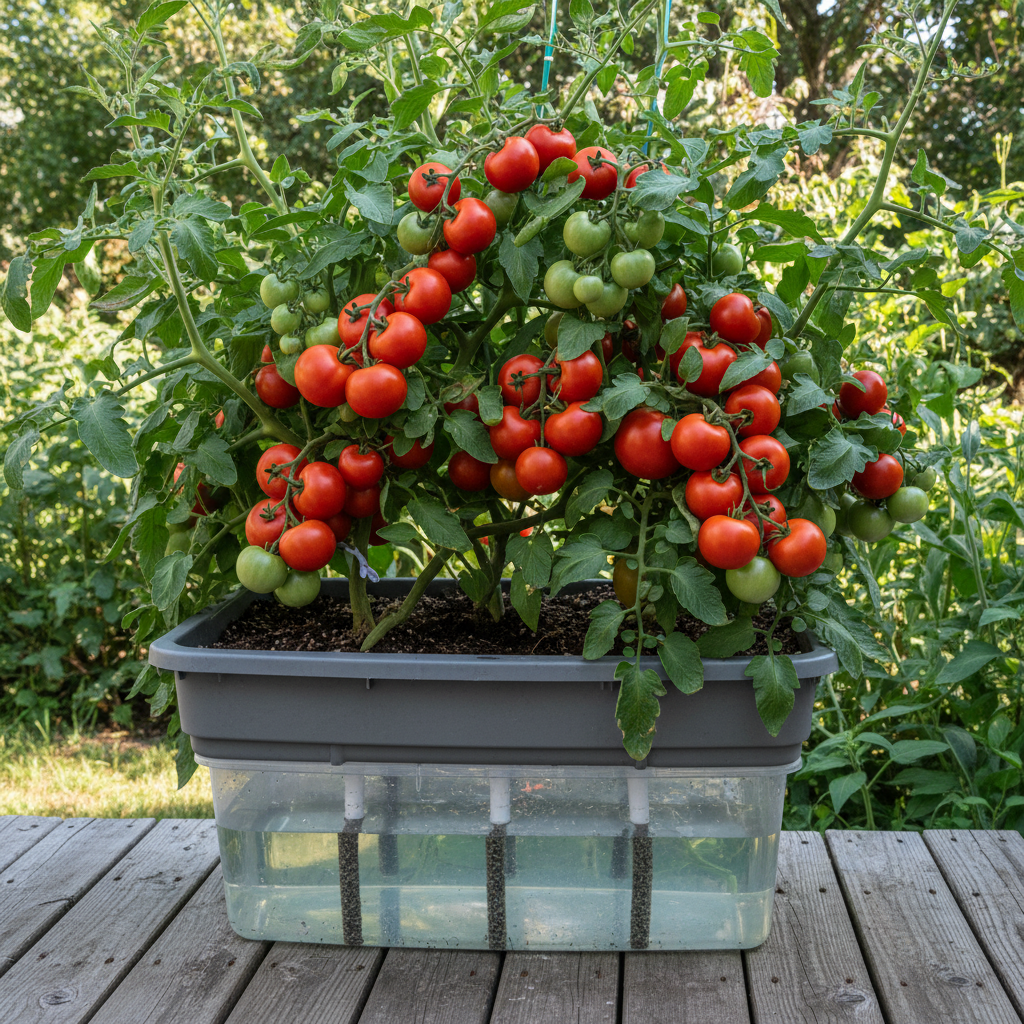
A self-watering container (Earthbox-style or DIY with a tote and wicking rope) planted with one indeterminate tomato. Self-watering systems maintain consistent moisture, which prevents blossom end rot, the most common container tomato problem. If you travel or forget to water, this setup is insurance.
23. The Borage and Cucumber Companion Pot
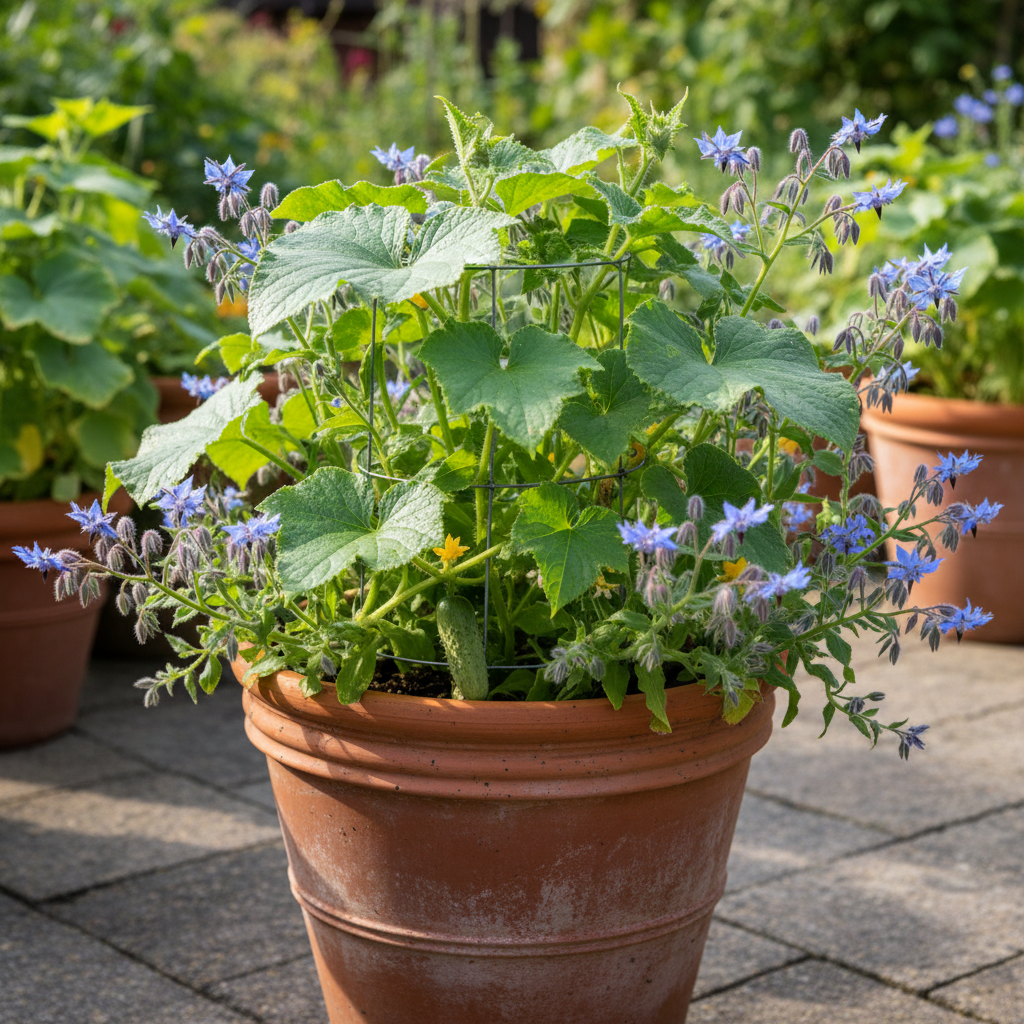
A large pot with a bush cucumber and borage planted together. Borage attracts pollinators to help set cucumber fruit, has edible flowers that taste like cucumber, and looks stunning with its blue star-shaped blooms against dark green cucumber leaves. Functional companion planting in a single container.
24. The Winter Porch Pot
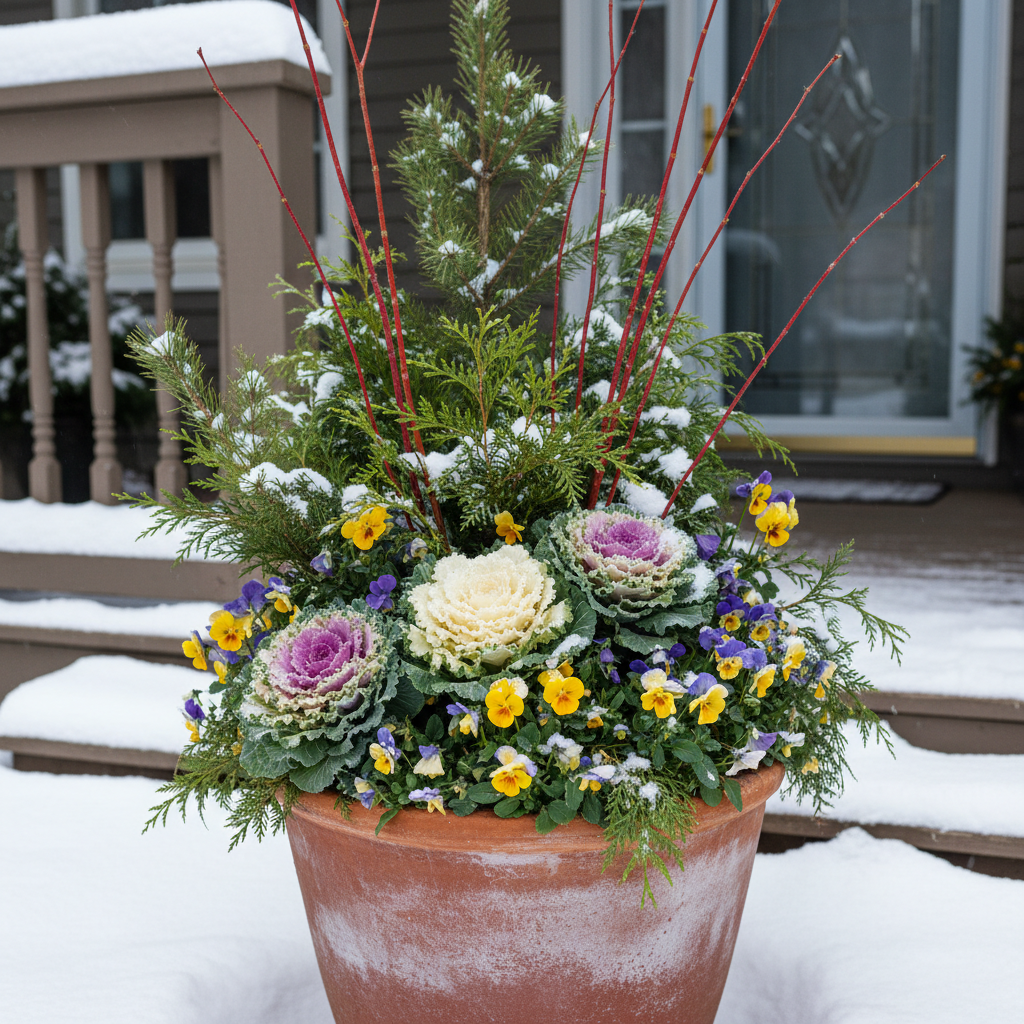
Not every container garden ends at frost. Plant a large pot in late fall with ornamental kale, winter pansies, evergreen branches, and red twig dogwood stems. It keeps your porch looking alive through December. In mild climates (zone 7+), you can add cold-hardy herbs like rosemary and thyme that survive through winter.
25. The Alpine Strawberry Border
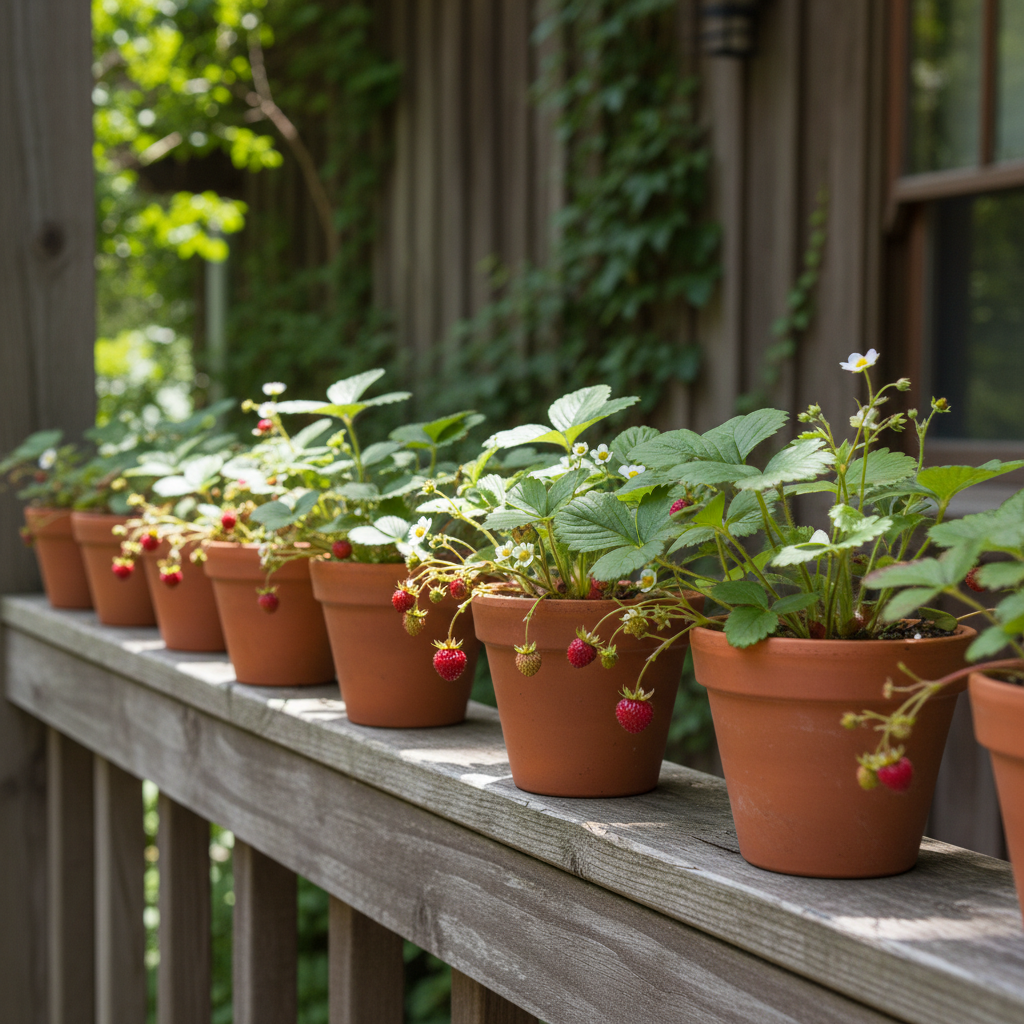
A row of small pots (quart to half-gallon size) along a porch railing or stair edge, each with one alpine strawberry plant. Alpine strawberries are tiny, intensely flavored, shade-tolerant, and fruit continuously from late spring through fall. They do not send out runners, so they stay compact in small pots. Possibly the most underrated container fruit.
How to Choose the Right Pot for Your Space
Match Your Pot to Your Sunlight
Before you pick a single pot, stand in your space and watch where the sun hits throughout the day. This determines everything:
- Full sun (8+ hours): Tomatoes, peppers, cucumbers, zucchini, basil, and most fruiting crops. Place your biggest pots here.
- Partial sun (4 to 6 hours): Salad greens, root vegetables, most herbs, strawberries. These do well on east-facing patios or spots that get morning light.
- Shade (under 4 hours): Lettuce, spinach, arugula, mizuna, parsley, cilantro, mint, alpine strawberries. A north-facing porch is not a dead zone, it is a salad garden.
Size Matters More Than Style
The number one container gardening mistake is pots that are too small. Small pots dry out fast, heat up fast, and starve roots. Here is what you actually need:
- Vegetables: 5 gallons minimum. Tomatoes and peppers need at least this much root space to produce well.
- Herbs: 1 to 3 gallons. Most herbs are compact and undemanding.
- Salad greens: 3 to 5 gallons for a productive mix. Width matters more than depth.
- Root vegetables: 12 inches deep minimum. Depth is everything here.
- Strawberries: 3 to 5 gallons. They need room to spread roots even though the plants look small.
Material Trade-Offs
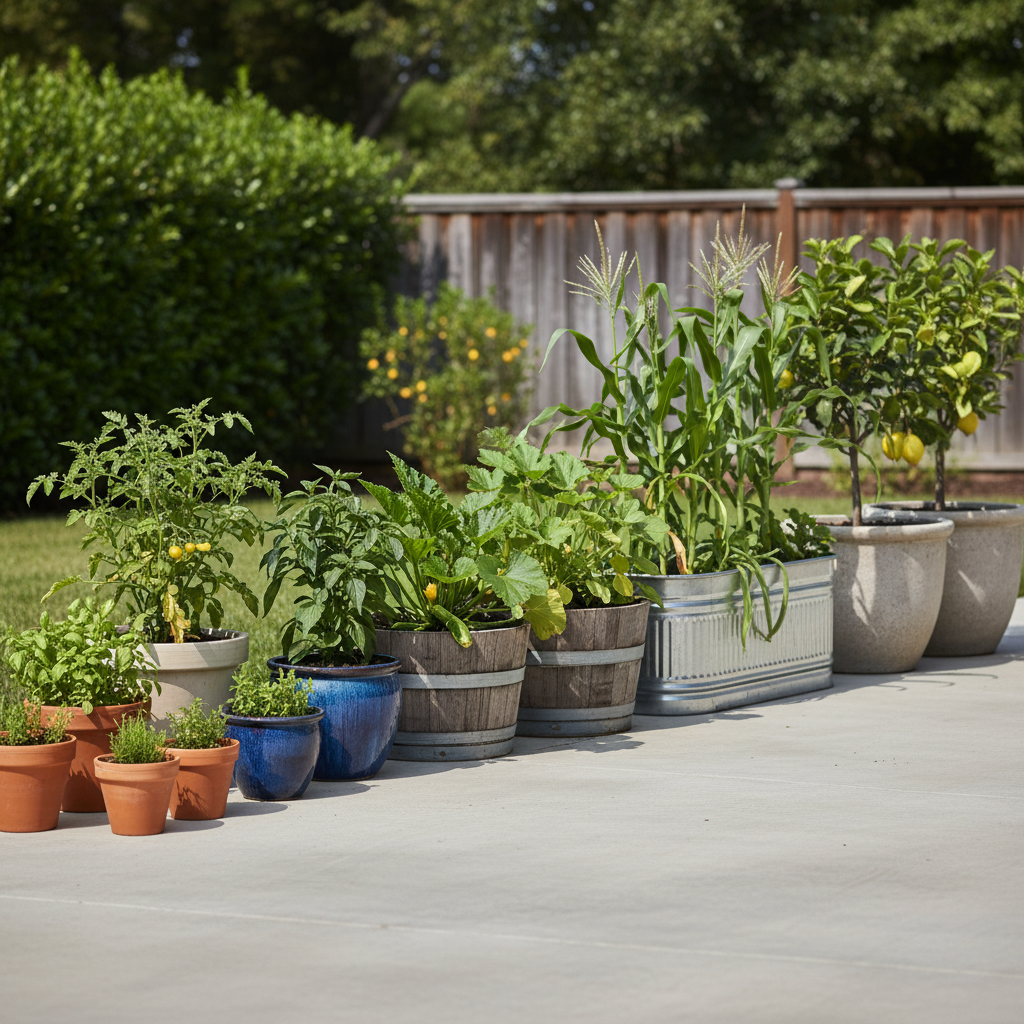
- Terracotta: Beautiful, breathable, heavy (wind-resistant). Dries out faster, good for drought-tolerant herbs, bad for thirsty tomatoes.
- Fabric grow bags: Best air pruning for roots, cheap, lightweight, fold flat. Not the most attractive option.
- Plastic nursery pots: Retain moisture well, cheap, light. Slip them inside a decorative outer pot for looks.
- Glazed ceramic: Holds moisture, looks polished, heavy and breakable. Great for permanent porch displays.
- Galvanized metal: Rustic farmhouse style, affordable. Can heat up in full sun, line with bubble wrap or use in partial shade.
- Wood half-barrels: Large volume, look stunning, will eventually rot (line with plastic to extend life).
Drainage Is Non-Negotiable
Every container needs drainage holes. No exceptions. No gravel layer at the bottom (this actually raises the water table inside the pot and makes drainage worse). Just holes, a saucer to catch runoff, and quality potting mix that drains freely.
Best Plants for Beginner-Friendly Pots
If you have never grown anything in a container before, start with these. They are forgiving, fast, and rewarding enough to keep you going:
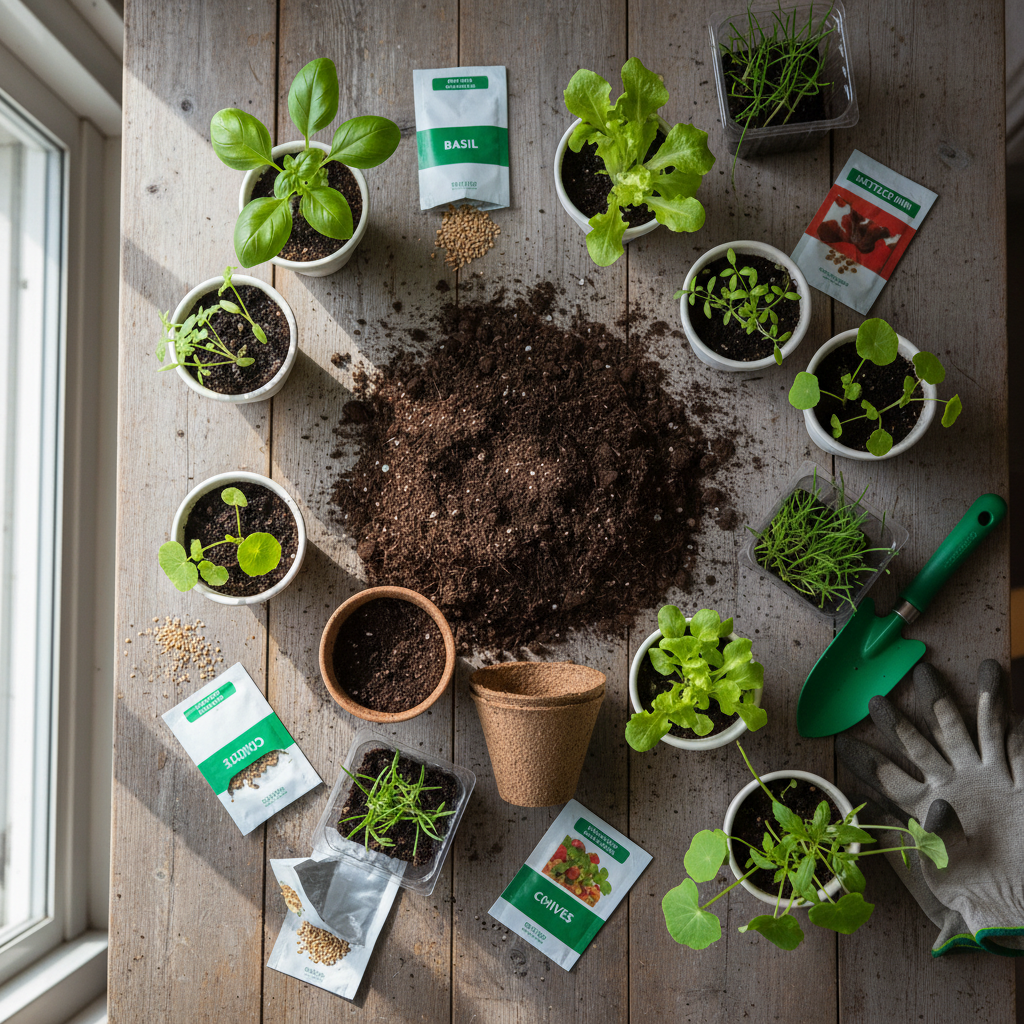
- Basil: Germinates fast, grows fast, and you will use it constantly. Pinch the tops to keep it bushy. Needs 6+ hours of sun and a 1 to 3 gallon pot.
- Cherry tomatoes: More forgiving than large-fruited varieties. Sungold is the variety that gets people hooked on container gardening. Needs 5+ gallons and 8+ hours of sun.
- Lettuce: Ready to pick in 30 days. Cut outer leaves and the plant keeps producing for weeks. Tolerates shade. Needs 3 to 5 gallons.
- Chives: Perennial, nearly indestructible, and the purple blooms attract pollinators. Comes back year after year even in small pots.
- Radishes: Seed to harvest in 25 days. Kids love pulling them up. Tuck them around the edges of any pot with room.
- Mint: Grows aggressively, which is actually a feature in a container, since the pot keeps it from taking over your garden. Tolerates shade. Makes excellent tea.
- Nasturtiums: Direct sow, almost zero care, edible flowers and leaves, trail beautifully over pot edges. Peppery flavor that actually improves salads.
- Strawberries (everbearing): Fruit from summer through fall. Albion and Seascape are reliable container varieties. Needs 6+ hours of sun, 3 to 5 gallons.
Common Container Gardening Mistakes (and How to Avoid Them)
Using Garden Soil in Pots
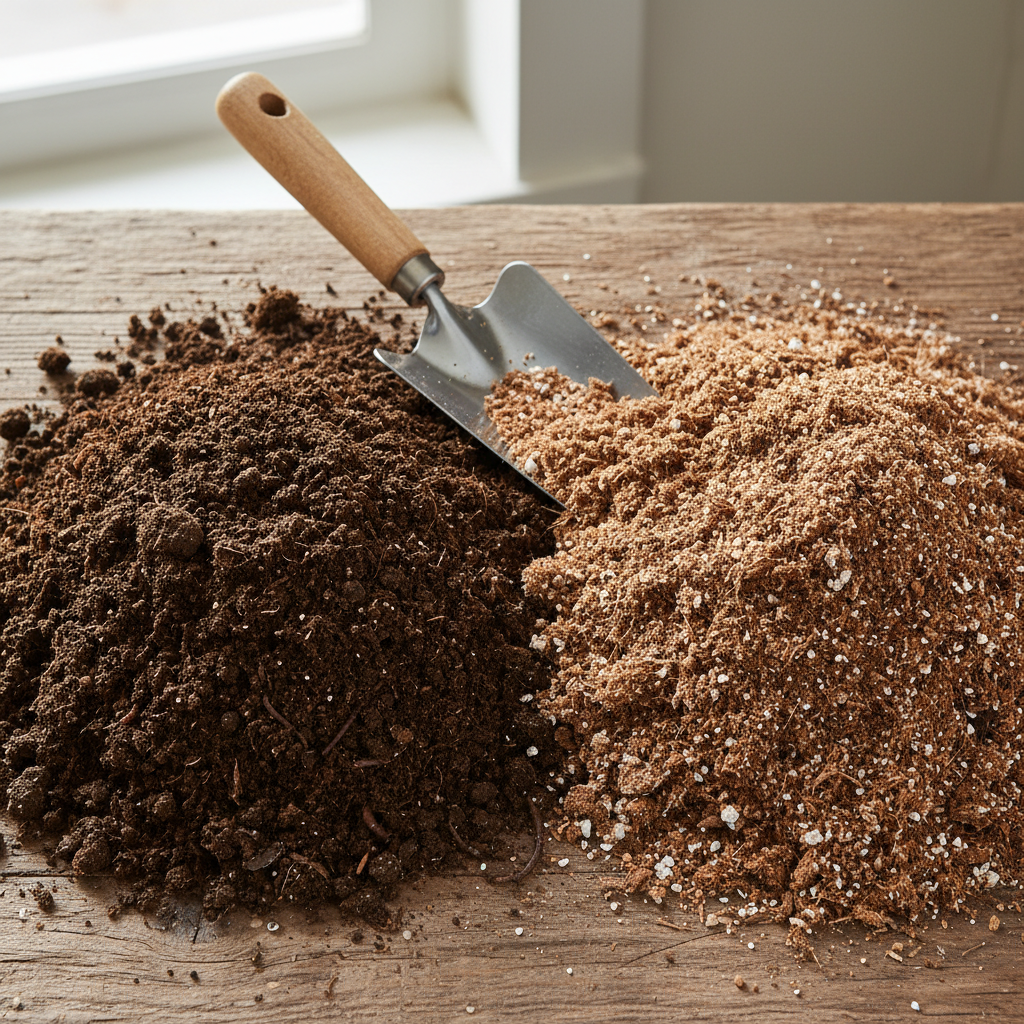
Never fill a container with soil from your yard. Garden soil compacts in pots, suffocates roots, drains poorly, and can carry diseases and weed seeds. Always use a quality potting mix, the standard recipe is peat moss or coco coir, perlite, and vermiculite. It is light, drains freely, and holds just enough moisture. Bags labeled “potting mix” are what you want. Bags labeled “garden soil” are not.
Watering on a Schedule Instead of by Feel
Containers dry out much faster than ground beds, in summer heat, some pots need water twice a day. But overwatering kills plants too. The solution is simple: push your finger one inch into the soil. Dry? Water thoroughly until it runs out the bottom. Still moist? Leave it alone. Check daily in summer, every few days in spring and fall.
Forgetting to Feed
Potting mix has limited nutrients, and container plants cannot send roots deeper to find more. Start feeding with a diluted liquid organic fertilizer every two weeks, beginning about six weeks after planting (the mix has enough to carry plants until then). Consistent feeding is the difference between a container garden that limps along and one that explodes with growth.
Choosing Pots That Are Too Small
A tomato in a one-gallon pot will live, but it will not thrive. Small pots mean less soil, which means less water retention, less root space, and less nutrients. When in doubt, go bigger. A single large pot will outperform three small ones every time.
Ignoring Wind and Heat
Balconies and rooftops get more wind than ground-level gardens, which dries out containers fast and can topple tall plants. Use heavy pots or weighted saucers, stake tall plants early, and consider windbreaks. South-facing concrete patios can create brutal heat, elevate pots on feet or trivets to keep roots from cooking on hot surfaces.
Planting Too Many Things in One Pot
It is tempting to cram a tomato, two peppers, basil, and marigolds into one barrel. But overcrowded containers mean competition for water, nutrients, and light. The plants grow leggy, produce less, and are more disease-prone. Give each plant the space it needs, or stick to genuinely compatible combinations (like the tomato-basil duo, which actually works well together).
Frequently Asked Questions
What size pot do I need for vegetables?
Most vegetables need at least 5 gallons of soil. Cherry tomatoes, peppers, and cucumbers all do well in 5-gallon containers with full sun. Salad greens can manage in 3 to 5 gallons, and herbs are happy in 1 to 3 gallons. Root vegetables like carrots need containers at least 12 inches deep.
Can I grow vegetables on a shaded porch?
Yes, but choose the right crops. Lettuce, spinach, arugula, mizuna, parsley, cilantro, mint, and alpine strawberries all grow well in partial shade (4 to 6 hours of sun) or even less. You will not grow tomatoes or peppers in shade, but a productive greens garden is absolutely possible.
How often should I water container plants?
Check daily in summer, many containers need water every day, and some need it twice. Use the finger test: push one inch into the soil. If it is dry, water thoroughly until water drains from the bottom. In spring and fall, every two to three days is usually enough. Self-watering containers reduce the guesswork significantly.
What is the cheapest way to start a container garden?
Five-gallon buckets from bakeries or restaurants (often free), drilled with drainage holes and filled with bagged potting mix. Start herbs and greens from seed instead of buying transplants. A productive container garden can cost under $30 to set up. Fabric grow bags are another budget option, a 5-pack of 10-gallon bags runs about $15 online.
Do I need to fertilize container plants?
Yes. Potting mix contains limited nutrients that get used up and washed out over the season. Start feeding with a diluted liquid organic fertilizer every two weeks, beginning about six weeks after planting. Without regular feeding, container plants will slow down and produce less by midsummer.
Can I reuse potting mix from last year?
You can, but refresh it first. Remove old roots and debris, mix in fresh compost (about one third new material by volume), and add a slow-release organic fertilizer. Old potting mix that has broken down and compacted should be replaced entirely, it will not drain well enough for healthy roots.
What containers should I avoid?
Avoid anything without drainage holes that you cannot drill into (some glazed ceramics and decorative metal). Avoid very dark-colored pots in full sun, they absorb heat and cook roots. Avoid treated wood that might leach chemicals (pressure-treated lumber is generally considered safe now, but untreated cedar or oak half-barrels are the safest choice for edibles).
Your Patio Is Already Big Enough
The most productive container gardeners we know did not start with 25 pots. They started with a bag of potting mix, a sunny spot, and one plant they wanted to eat for dinner. That first pot of basil became a tomato, which became a pepper, which became a whole patio garden that feeds the family three nights a week.
Pick one idea from this list. Just one. Buy the pot and the soil this weekend. By next month, you will be eating something you grew yourself, and wondering why you did not start sooner.
For more ideas on growing food in small spaces, explore our guides to patio container gardening, vertical gardening, and kitchen herb gardens.