Vertical Gardening: How to Grow Up When You Can’t Grow Out
- Vertical gardening can increase your yield by up to 3x per square foot of ground space.
- Trellises, arbors, and vertical planters keep plants healthier by improving air circulation and sun exposure.
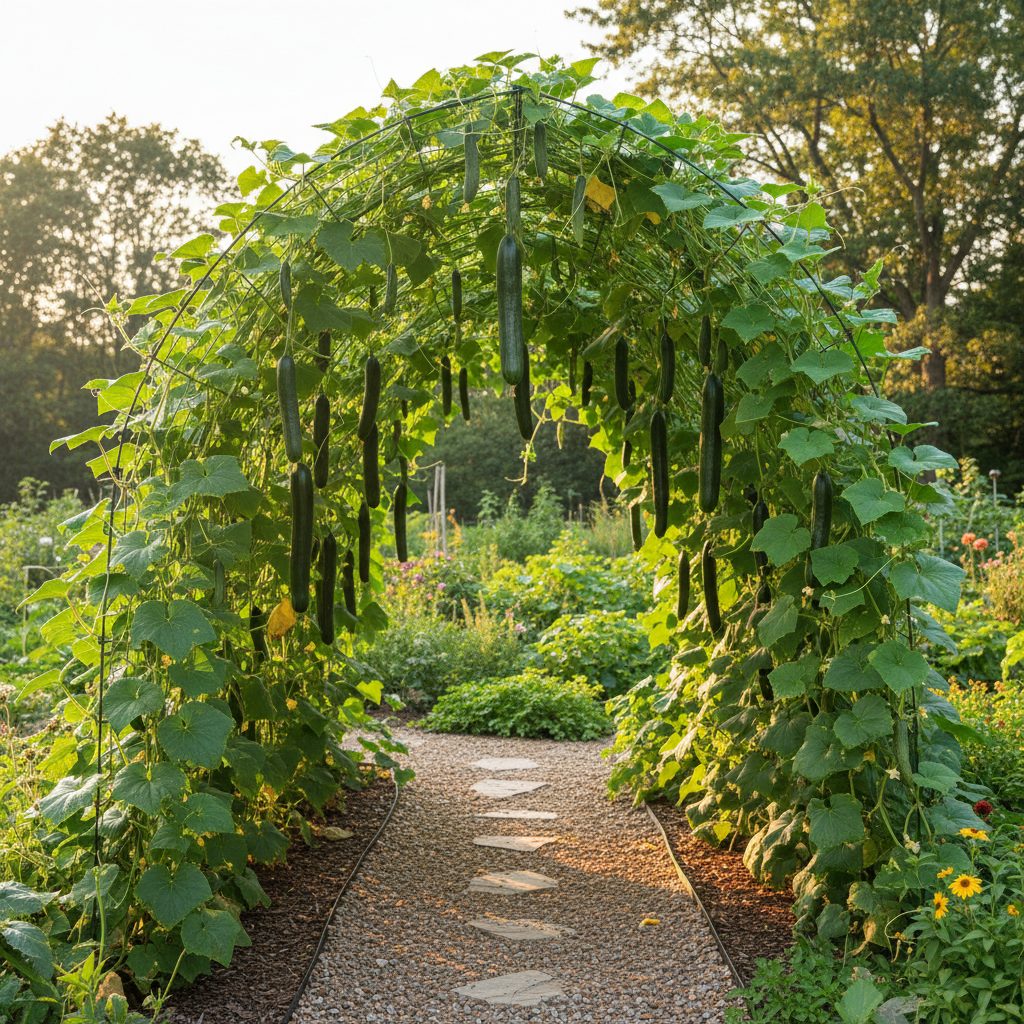
- Cucumbers, pole beans, peas, tomatoes, and squash are excellent vertical crops.
- DIY trellises can be built for under $20 using cattle panels, bamboo, or twine.
The year I discovered cattle panel trellises was the year my garden productivity basically doubled. I’d been growing bush beans and letting cucumbers sprawl on the ground, losing fruit to rot and slugs. When I started training everything upward, the results were dramatic: cleaner produce, easier harvesting, better airflow, and so much more growing space. Whether you have a tiny balcony or a full backyard plot, thinking vertically is one of the smartest moves you can make.
🌱 From Our Homestead
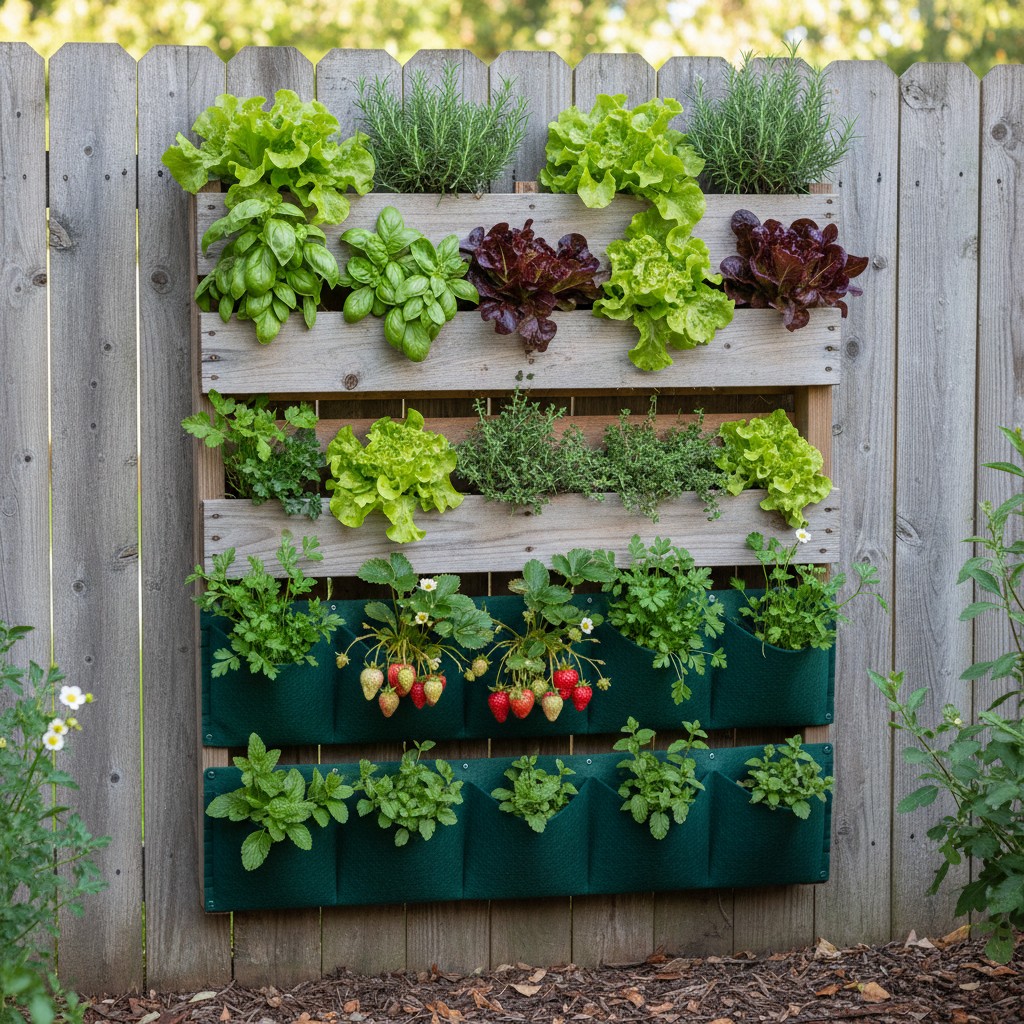
When we ran out of ground space, I screwed a set of rain gutters to the south-facing side of our shed and planted lettuce and herbs in them. That wall of greens produced all summer and freed up two whole raised beds for tomatoes.
Why Does Vertical Gardening Work So Well?
Growing vertically maximizes your growing space by using height instead of ground area, while improving air circulation (which reduces disease) and making harvesting easier. The University of Illinois Extension notes that vertical growing reduces many common garden problems including soil-borne diseases, slug damage, and fruit rot from ground contact.
In my own garden, I’ve seen a measurable difference in plant health since going vertical. My trellised cucumbers barely get powdery mildew anymore, and I can spot and pick ripe produce without crawling around on the ground. It’s a huge time-saver for anyone gardening in raised beds or containers where ground space is limited.
What Are the Best Crops for Vertical Growing?
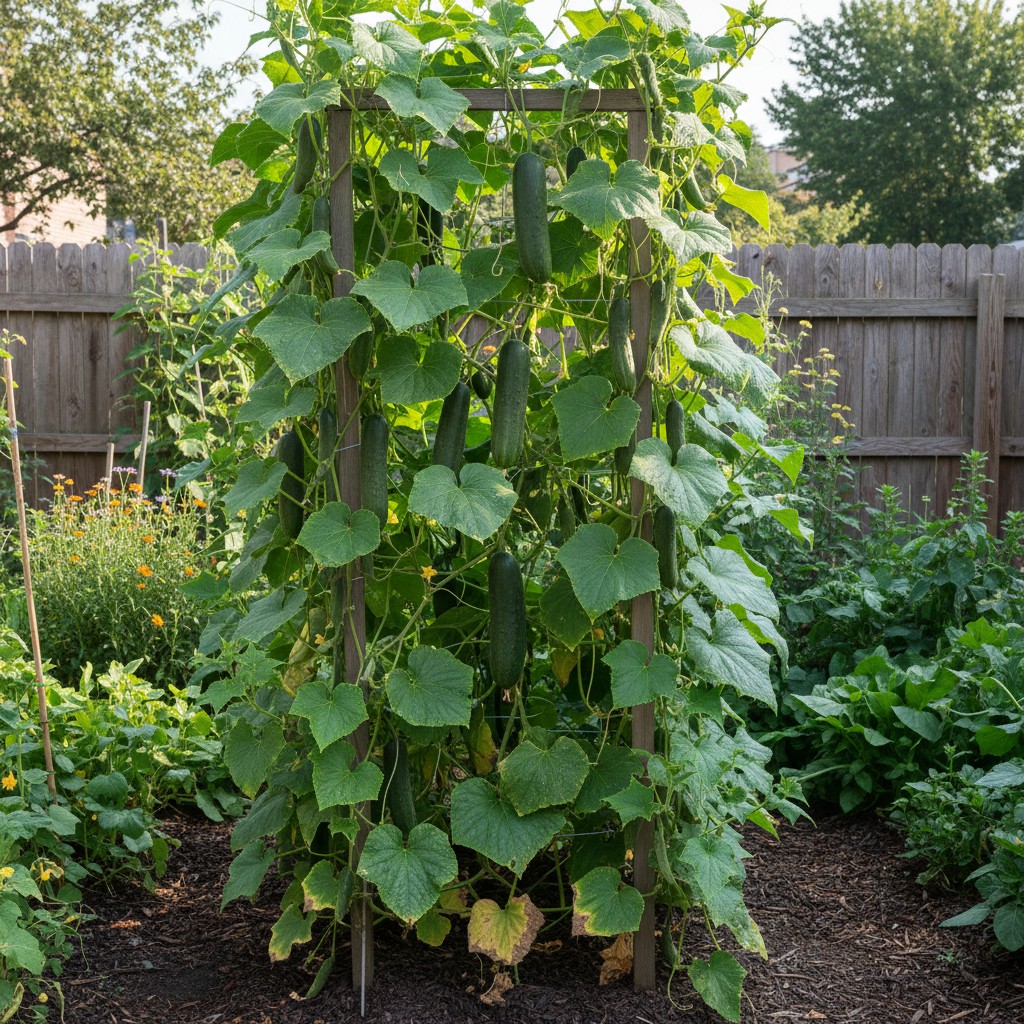
Any crop that naturally vines or climbs is ideal for vertical growing, pole beans, cucumbers, peas, indeterminate tomatoes, and even small melons and squash. I grow nearly all of these vertically now and the results speak for themselves.
| Crop | Support Type | Max Height | Notes |
|---|---|---|---|
| Pole Beans | Trellis, teepee, strings | 6-8 ft | Self-climbing, prolific |
| Cucumbers | Cattle panel, A-frame | 5-6 ft | Straighter fruit, less disease |
| Peas | Twine, netting, fence | 4-6 ft | Cool-season, early harvest |
| Tomatoes (indeterminate) | Cages, stakes, Florida weave | 6-10 ft | Better air circulation |
| Small Squash/Melons | Sturdy trellis + slings | 6-8 ft | Support heavy fruit with fabric slings |
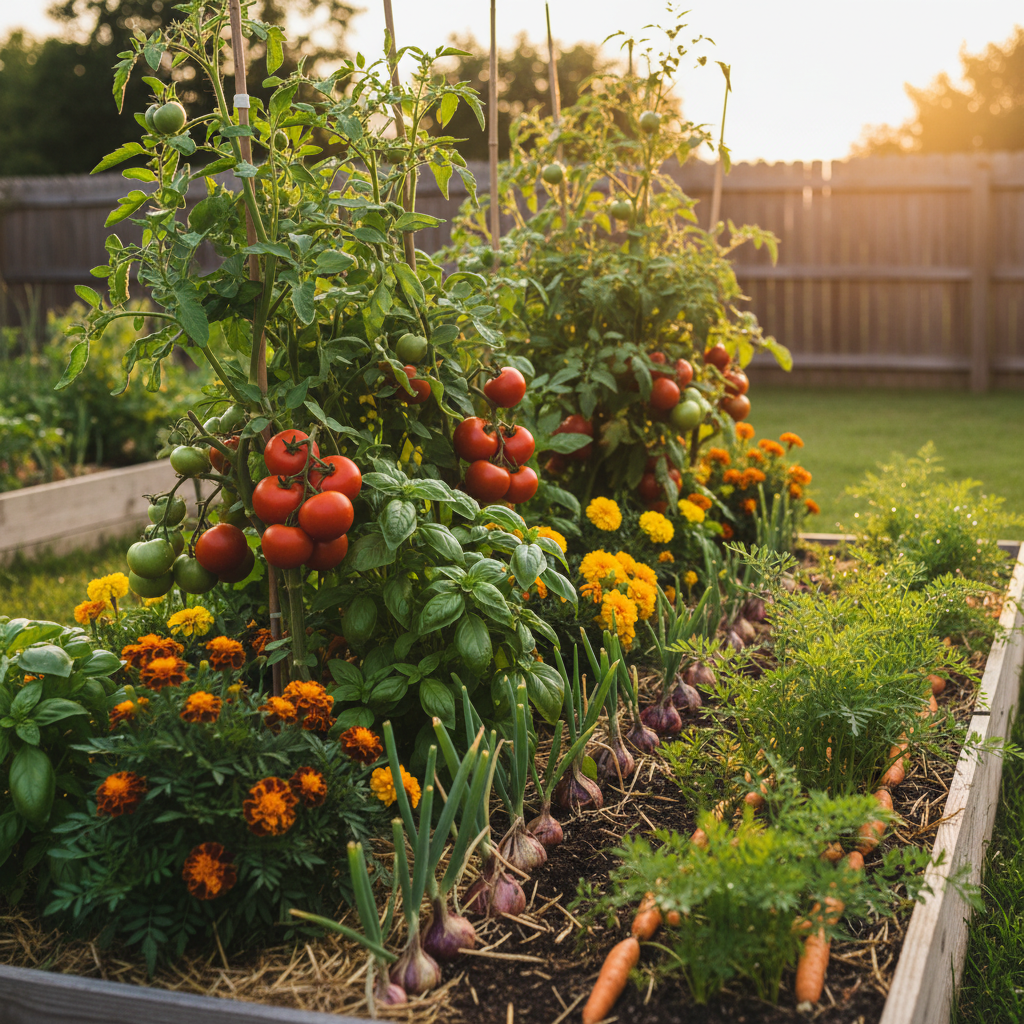
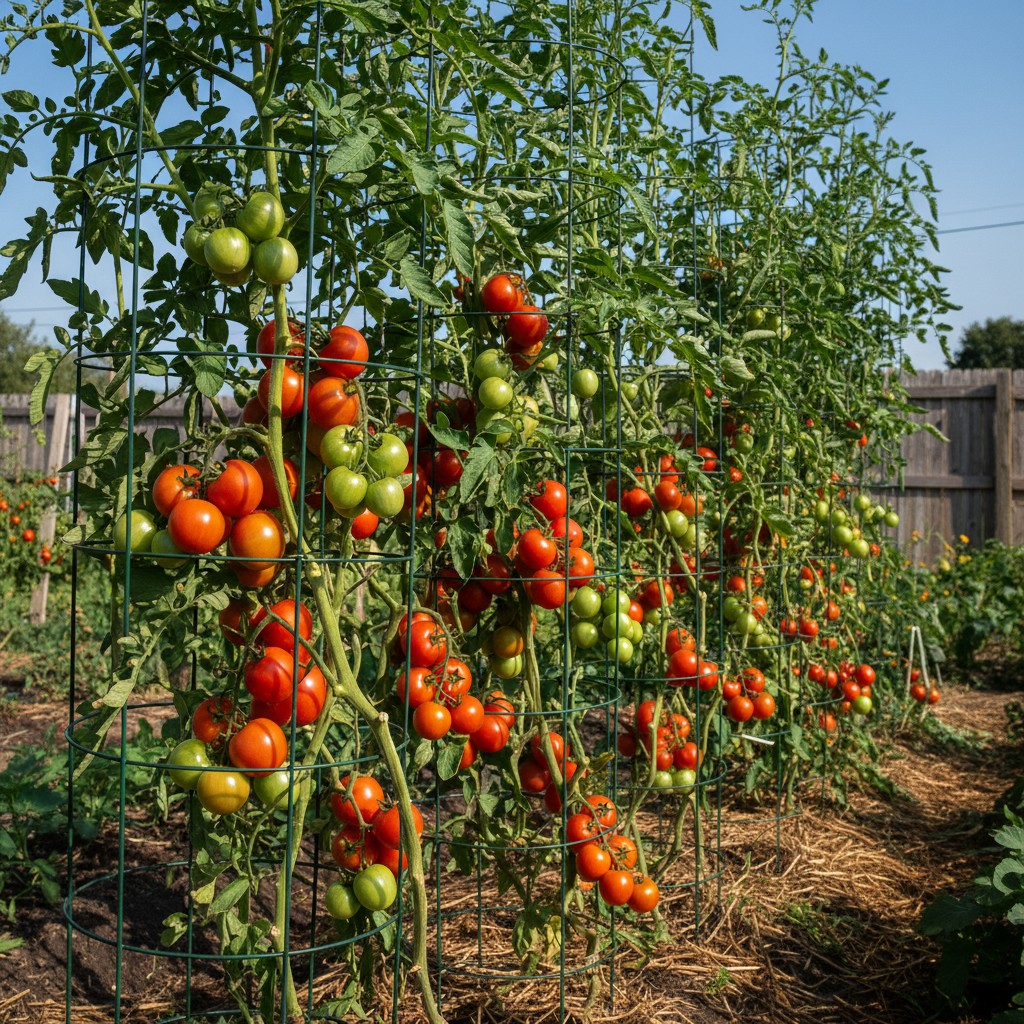
If you’re growing tomatoes, vertical support is essential for indeterminate varieties. I use the Florida weave string method for my tomato rows, it’s simple, cheap, and keeps even the most vigorous plants upright through the whole season.
What DIY Trellis Systems Work Best?
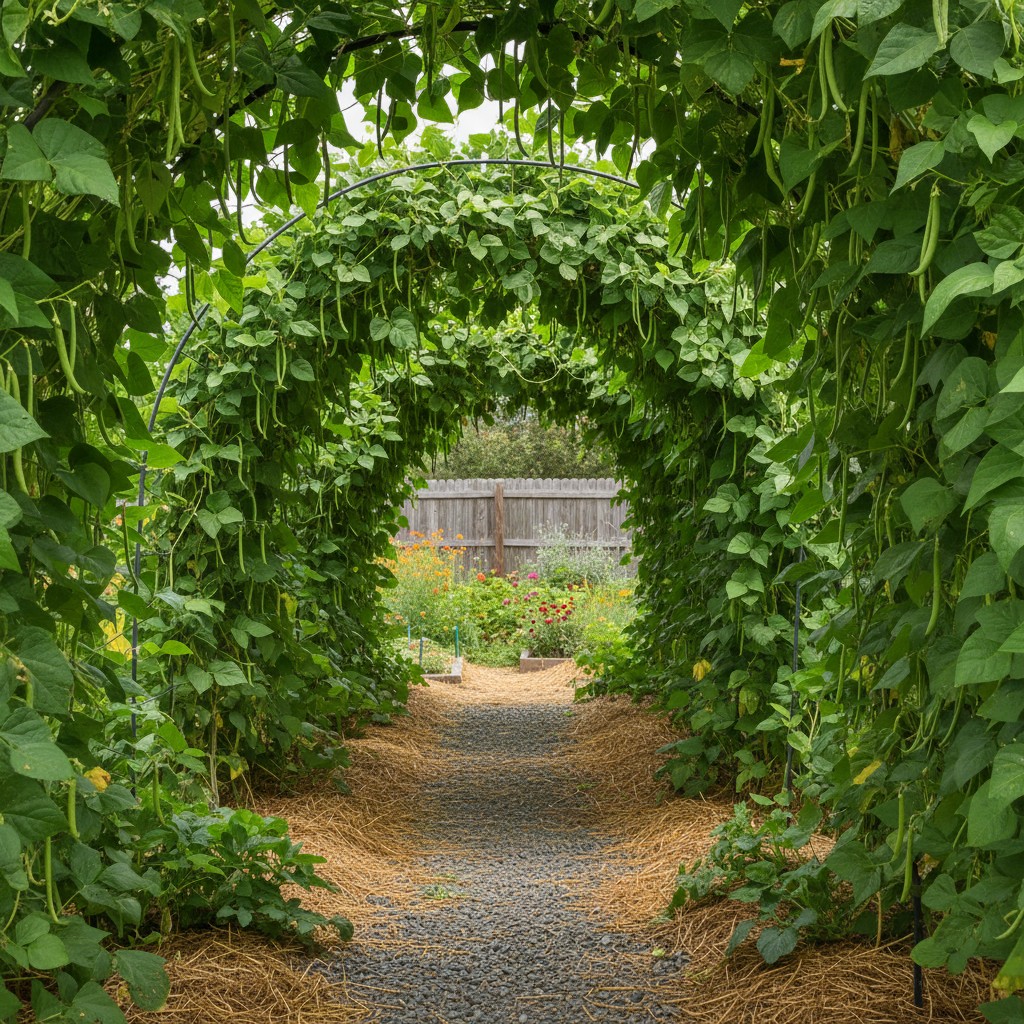
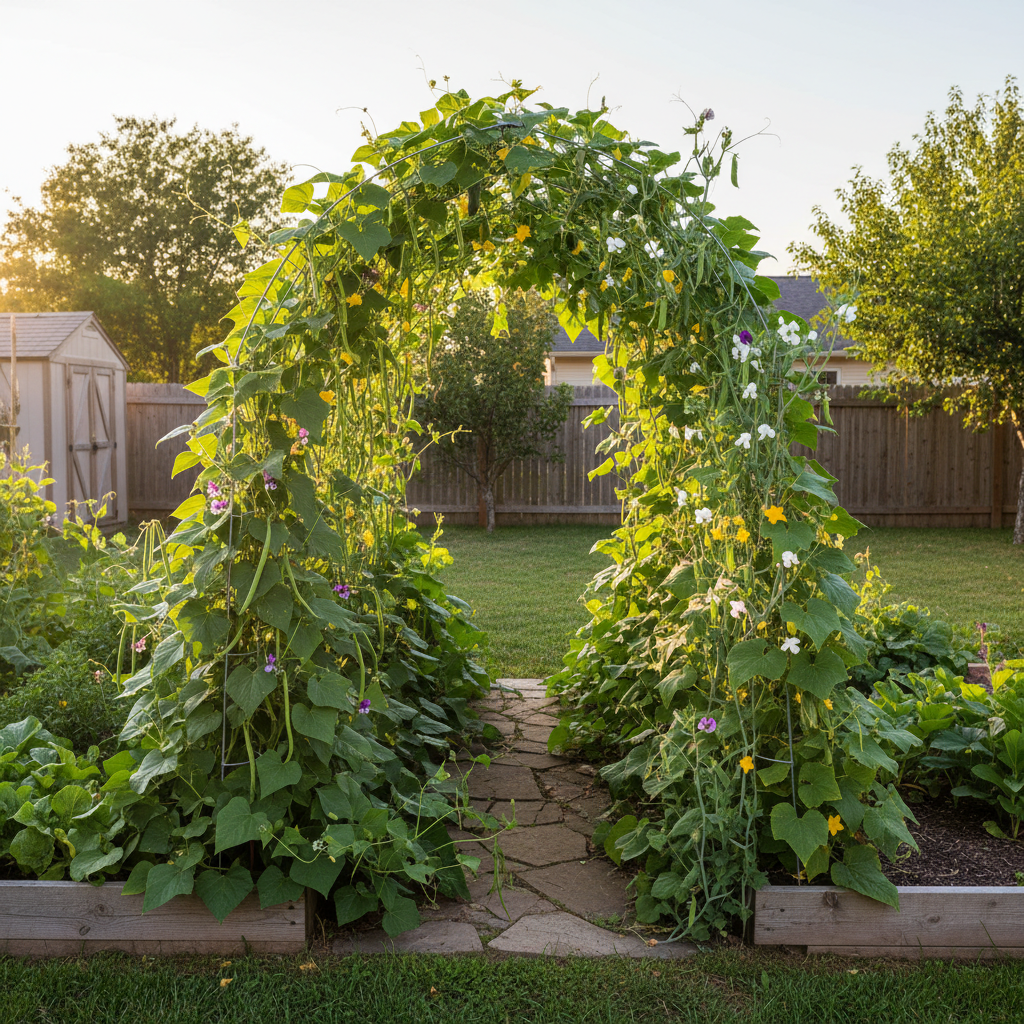
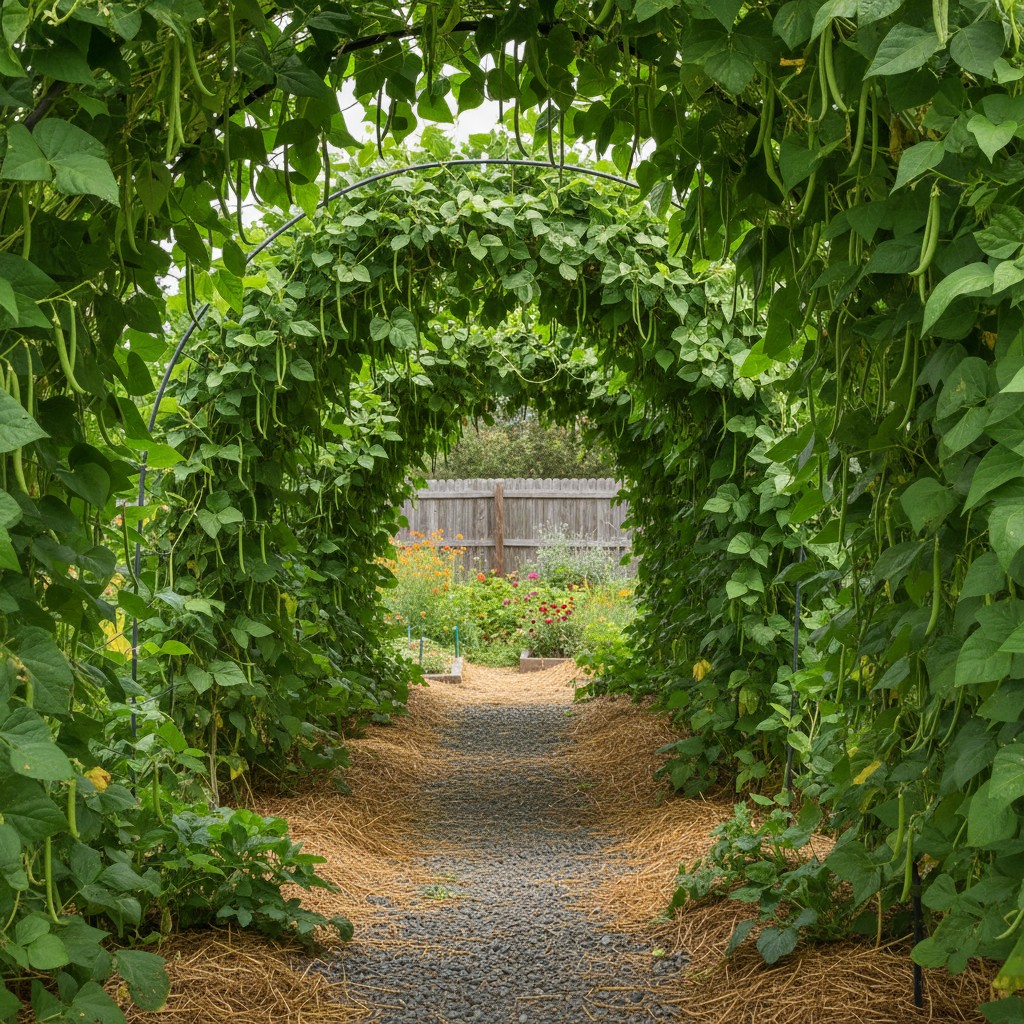
Cattle panel arches are the most versatile and durable DIY trellis, a 16-foot panel bent into an arch over a walkway costs about $25 and lasts for years. The Missouri Extension Master Gardener program recommends cattle panels for their strength and versatility.
My favorite setups are: cattle panel arches for cucumbers and beans (walking underneath to harvest is a joy), simple bamboo teepees for pole beans, and T-post-and-twine trellises for tomatoes. You can also lean old pallets against a wall, attach old fence sections vertically, or hang shoe organizers as vertical herb planters. The creativity is part of the fun.
Think about load before you build. A cucumber vine loaded with fruit can weigh 15–20 lb by midsummer; a cattle panel arch handles this with ease and will last decades. Bamboo teepees are lighter-duty, they handle pole beans well but need cross-bracing or extra stakes in windy sites, and a wet, heavy crop can cause them to splay. String and twine trellises are best for lightweight crops like peas. For anything in the squash family trained vertically, use cattle panel or welded wire and support individual heavy fruit with fabric slings tied to the structure.
How Do You Water and Feed Vertical Gardens?
Vertical gardens may need more frequent watering since elevated plants and containers dry out faster, drip irrigation or soaker hoses at the base are the most efficient methods. I use soaker hoses along the base of my trellises and supplement with collected rainwater during dry spells. Vertical plants can be heavy feeders once they’re climbing and producing, so I side-dress with compost monthly.
For wall-mounted or stacked planters, I check moisture daily because small containers dry out incredibly fast in summer. A USDA NRCS water management approach, water deeply and less frequently rather than a little every day, applies to vertical gardens just as much as traditional ones.
Can You Garden Vertically in Small Spaces?
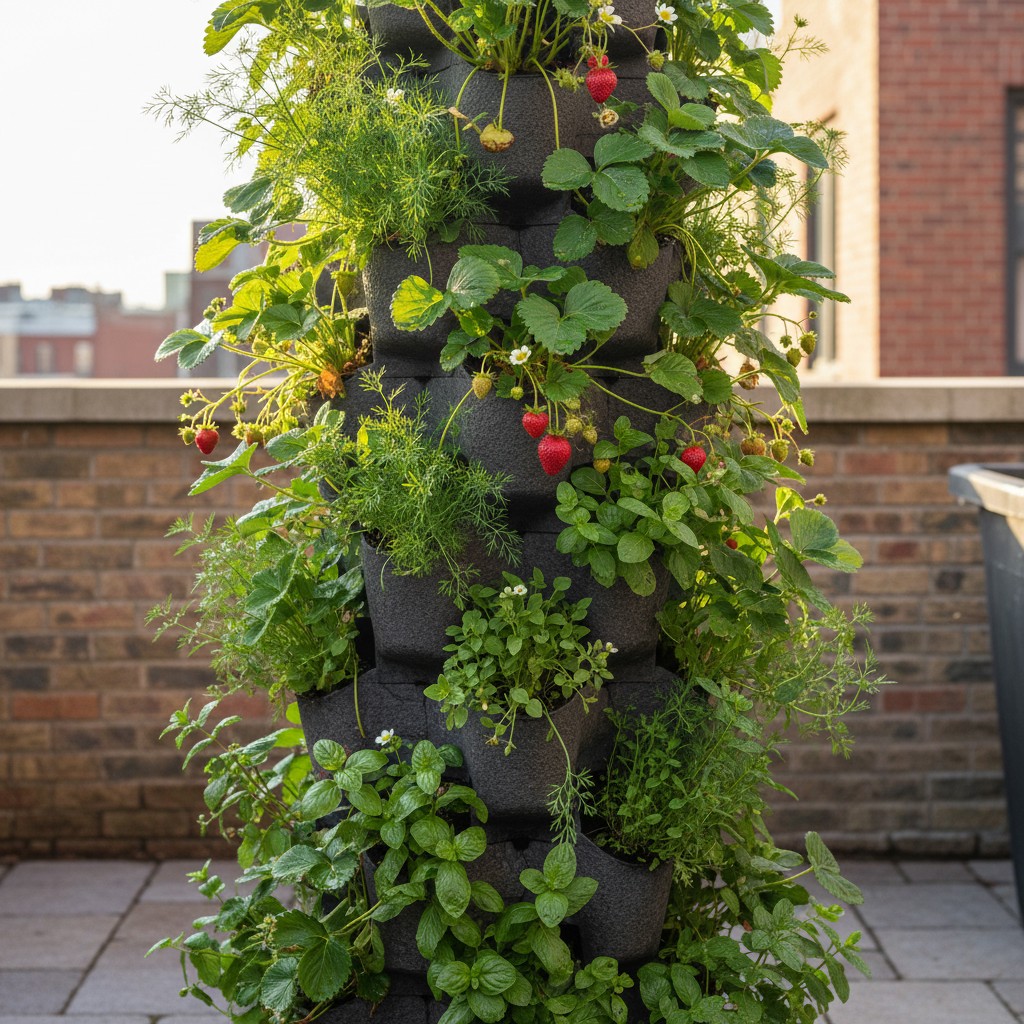
Vertical gardening is arguably most valuable in small spaces, balconies, patios, and tiny yards can become incredibly productive with wall planters, pocket gardens, and stacked containers. I’ve helped friends set up balcony vertical gardens that produce herbs, lettuce, strawberries, and even tomatoes in under 20 square feet. For strawberry growing specifically, our strawberry guide covers vertical tower options that work beautifully on patios.
Frequently Asked Questions
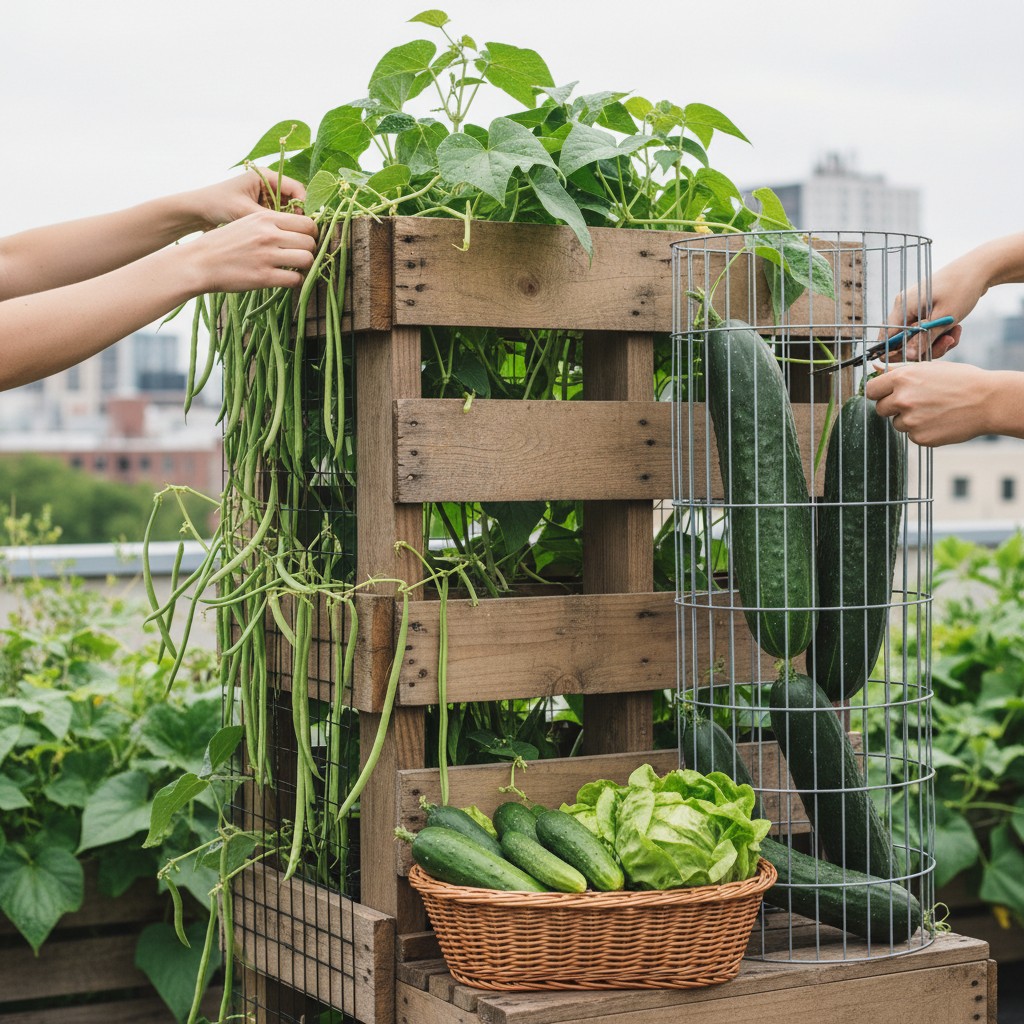
Yes! A trellis loaded with mature plants and fruit is heavy and catches wind like a sail. Anchor T-posts at least 12 inches into the ground, and secure cattle panels to sturdy posts. I’ve had poorly anchored trellises blow over in storms, it’s not a fun surprise.
South-facing is ideal for most vertical gardens in the Northern Hemisphere, as it maximizes sun exposure. Be mindful of the shade your vertical structures cast. I position mine on the north side of my beds so they don’t shade shorter crops.
Smaller varieties can, with support! Choose compact melons under 5 pounds and use fabric slings (old pantyhose or t-shirt strips work great) to cradle the fruit as it grows. I’ve successfully grown sugar baby watermelons on a cattle panel trellis this way.
Vertical growing actually reduces many pest issues because the plants are lifted off the ground. For remaining pests, all the strategies in our natural pest control guide apply, companion planting, beneficial insects, and targeted organic sprays.