How to Start a Flower Cutting Garden (Even in a Small Space)
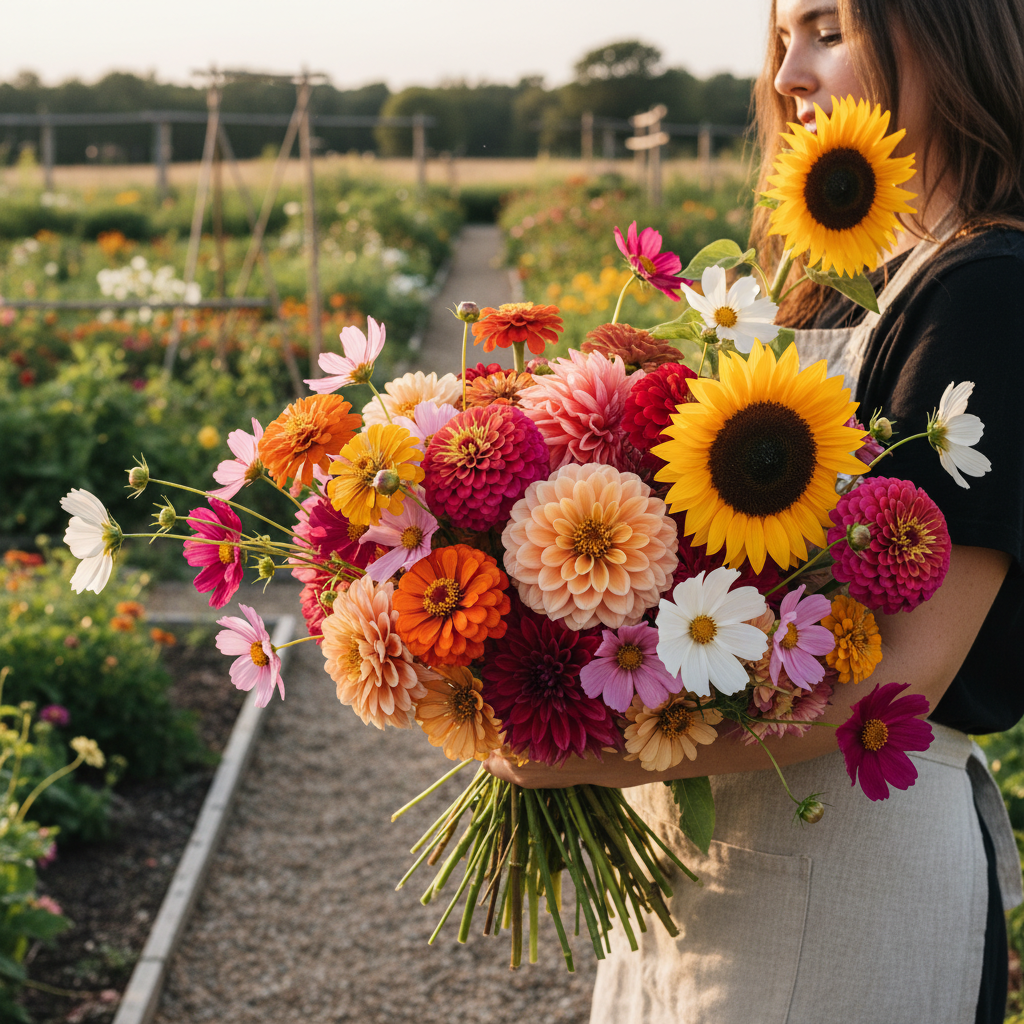
Zinnias were the variety that convinced me a dedicated cutting bed was worth carving out of the vegetable garden. I gave up one 2 by 8 foot row to a mix of zinnias three summers ago, and by late July I was cutting stems every three days and still could not keep up. Nothing I have planted since has given more volume per square foot, or been more forgiving of beginner mistakes.
Growing your own cut flowers is among the most rewarding things you can do in a small yard, or even in containers on a patio. Instead of spending $15 on a grocery-store bouquet that wilts in four days, you walk outside with snips and come back with something personal, seasonal, and alive. This guide walks you through every step: picking the right flowers, designing a workable layout, and harvesting for maximum vase life, with real data behind each recommendation.
What Is a Cutting Garden and Why Should You Grow One?
A cutting garden is a dedicated growing space where flowers are raised specifically to be cut and brought indoors, rather than left to ornament the yard. The distinction matters because you grow for stem length, flower volume, and staggered bloom time, not for landscape aesthetics. That shift in mindset changes everything: you plant in dense rows, deadhead aggressively, and prioritize high-yield varieties over showy statement plants.
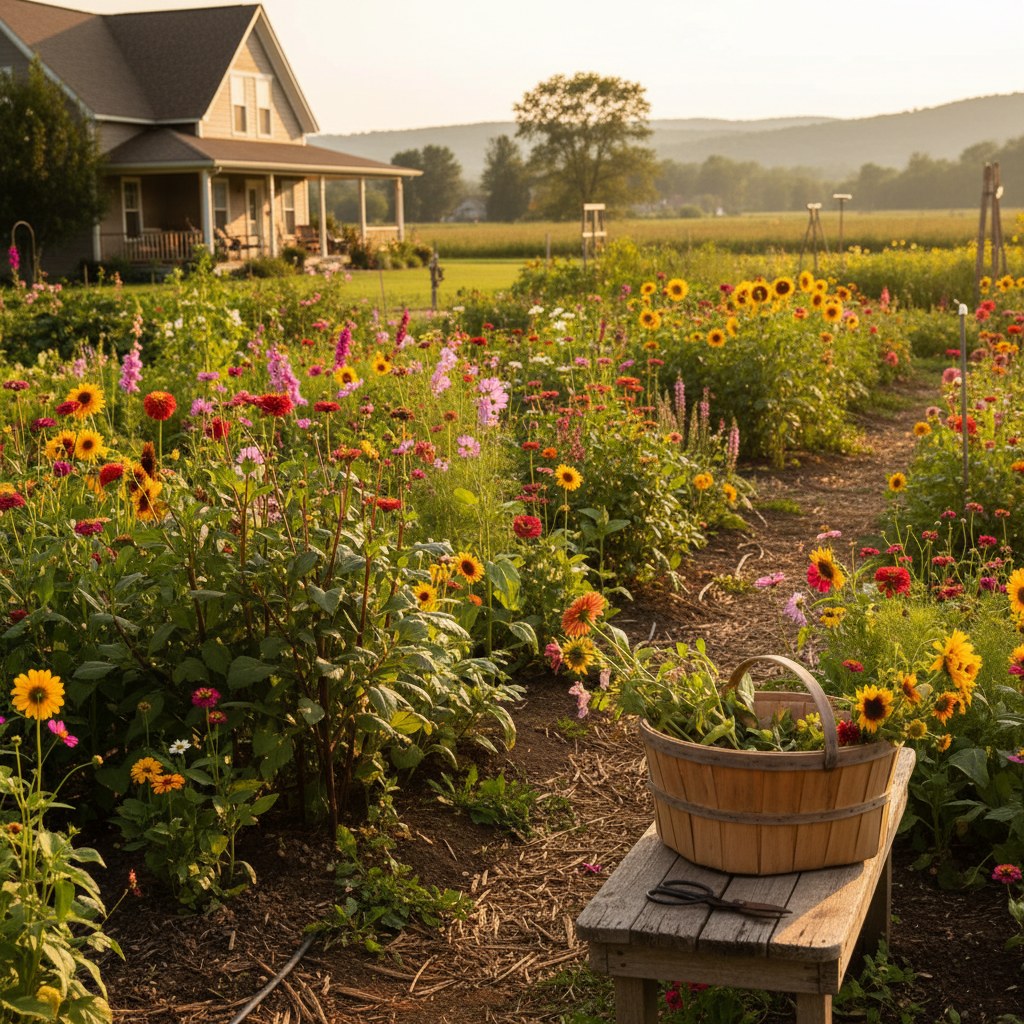
Even a 4×4-foot raised bed can supply a household with weekly bouquets from June through frost. Zinnias alone, planted in a 2×6-foot strip, will yield 30–60 blooms over a single season. Scale is not the barrier, variety selection and timing are.
Cutting gardens also overlap beautifully with pollinator support. Many of the best cut flowers, cosmos, echinacea, and sunflowers, are heavy nectar producers. If you want to dig into that side of things, the guide on pollinator gardens 101 pairs well with everything in this article.
Step 1: Which Flowers Are the Best for Beginners?
Start with fast-blooming annuals that forgive uneven watering and reward aggressive cutting. The single best beginner flowers are zinnias, cosmos, sunflowers (branching types), and sweet William. All four germinate in 5–10 days, reach cutting size in 60–75 days from direct sow, and produce more blooms the more you cut them, a property called “cut-and-come-again.”
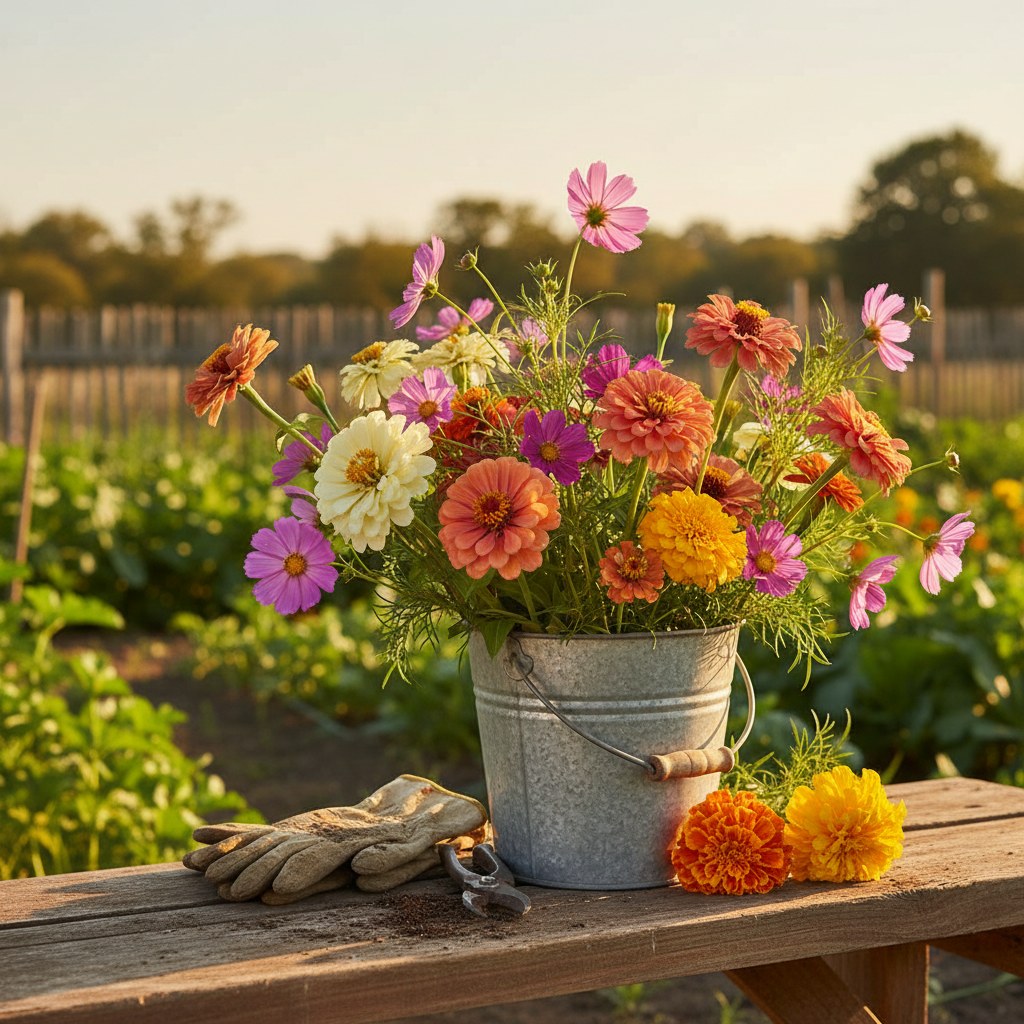
Zinnias are the workhorse. ‘Benary’s Giant’ and ‘Queen Red Lime’ are the two most-grown varieties among hobby cut-flower farmers because stems reach 18–24 inches and blooms last 10–14 days in a vase. Direct sow after last frost; they hate transplanting.
Cosmos germinate fast, tolerate poor soil, and produce hundreds of airy blooms per plant. ‘Double Click’ and ‘Purity’ give long, straight stems. Thin to 12 inches apart. Like zinnias, cutting triggers more branching.
Branching sunflowers, ‘Velvet Queen,’ ‘Italian White,’ or ‘Lemon Queen’, send up multiple stems rather than one giant head. Expect 8–15 stems per plant. Sow in succession every three weeks to extend harvest.
Lisianthus is worth mentioning as an intermediate step-up: it’s slower (100–120 days) but produces ruffled blooms that look like peonies and last 2–3 weeks in a vase. Start indoors 12 weeks before transplant.
For perennials that come back each year, consider echinacea and black-eyed Susan. They don’t produce as heavily as annuals in year one, but they establish root systems that yield increasing volumes from year two onward.
Step 2: How Do You Design a Small-Space Cutting Garden?
Good design in a cutting garden is about workflow, not beauty. You need clear row access for cutting, enough square footage per variety to produce useful quantities, and a bloom-time map so the garden doesn’t peak all at once and then go silent.
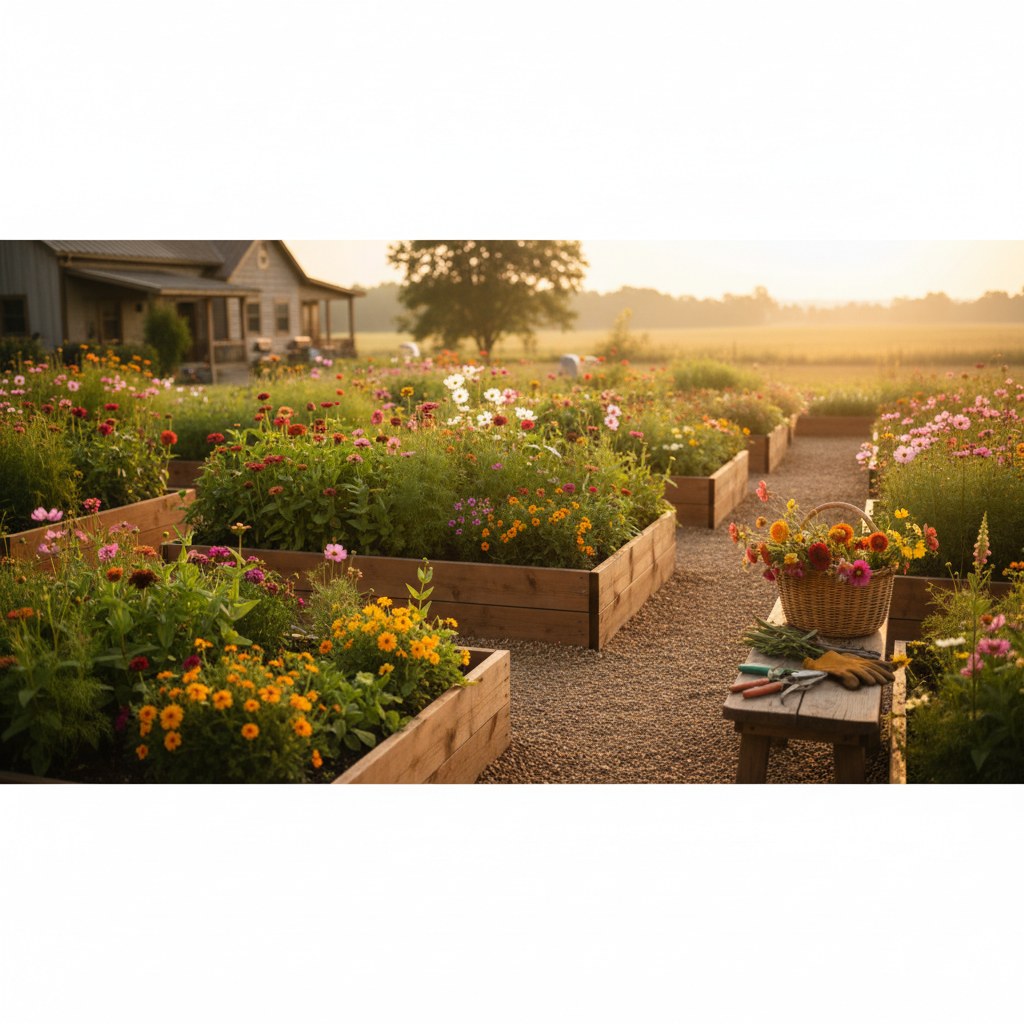
How Much Space Do You Actually Need?
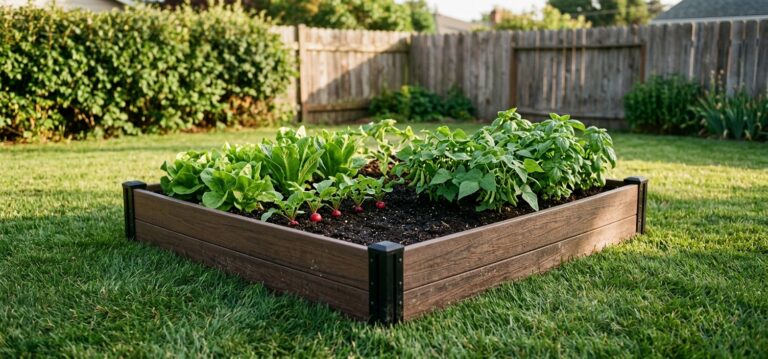
One bouquet per week requires roughly 25–30 square feet of planted space, assuming a mix of zinnias, cosmos, and sunflowers. A 4×8-foot raised bed (32 sq ft) is the sweet spot for beginners: manageable, productive, and easy to amend. If you only have a patio, four 5-gallon containers of zinnias and two large pots of cosmos will still yield 2–4 bouquets per week at peak season.
What Layout Works Best for Rows?
Arrange taller plants (sunflowers, lisianthus) on the north side of the bed so they don’t shade shorter plants. Space rows 12–18 inches apart. Within each row, plant spacing depends on variety: zinnias 9–12 inches, cosmos 12 inches, sunflowers 12–18 inches. Use netting (6-inch grid “flower support netting” staked 18 inches above the bed) to keep long stems upright without staking every plant individually.
How Do You Stagger Blooms for a Longer Season?
Succession planting is the answer. Instead of sowing all your zinnias at once, sow one-third at last frost, one-third two weeks later, and the final third two weeks after that. This spreads your peak from a three-week window into a seven- to nine-week harvest. Do the same with sunflowers. For a truly extended season (Zone 5–7), combine spring-blooming sweet William, midsummer zinnias/cosmos, and late-summer dahlias.
Soil prep is straightforward: cutting gardens run best on loose, well-draining soil amended with compost. Work in 2–3 inches of compost before planting and side-dress with a balanced granular fertilizer (10-10-10) every four to six weeks. Avoid high-nitrogen fertilizers, they push leaf growth at the expense of blooms.
If you’re also growing vegetables, the companion planting principles from the companion planting guide apply here too, zinnias near tomatoes deter aphids and whiteflies while giving you cut flowers at the same time.
Step 3: When and How Should You Harvest Cut Flowers?
Harvest timing is the single most important variable for vase life. Cutting at the wrong stage, too open, too late in the day, can cut vase life in half. The general rule is to cut when the flower is at one-quarter to one-half open, in the early morning, before the heat of the day pulls moisture from petals.
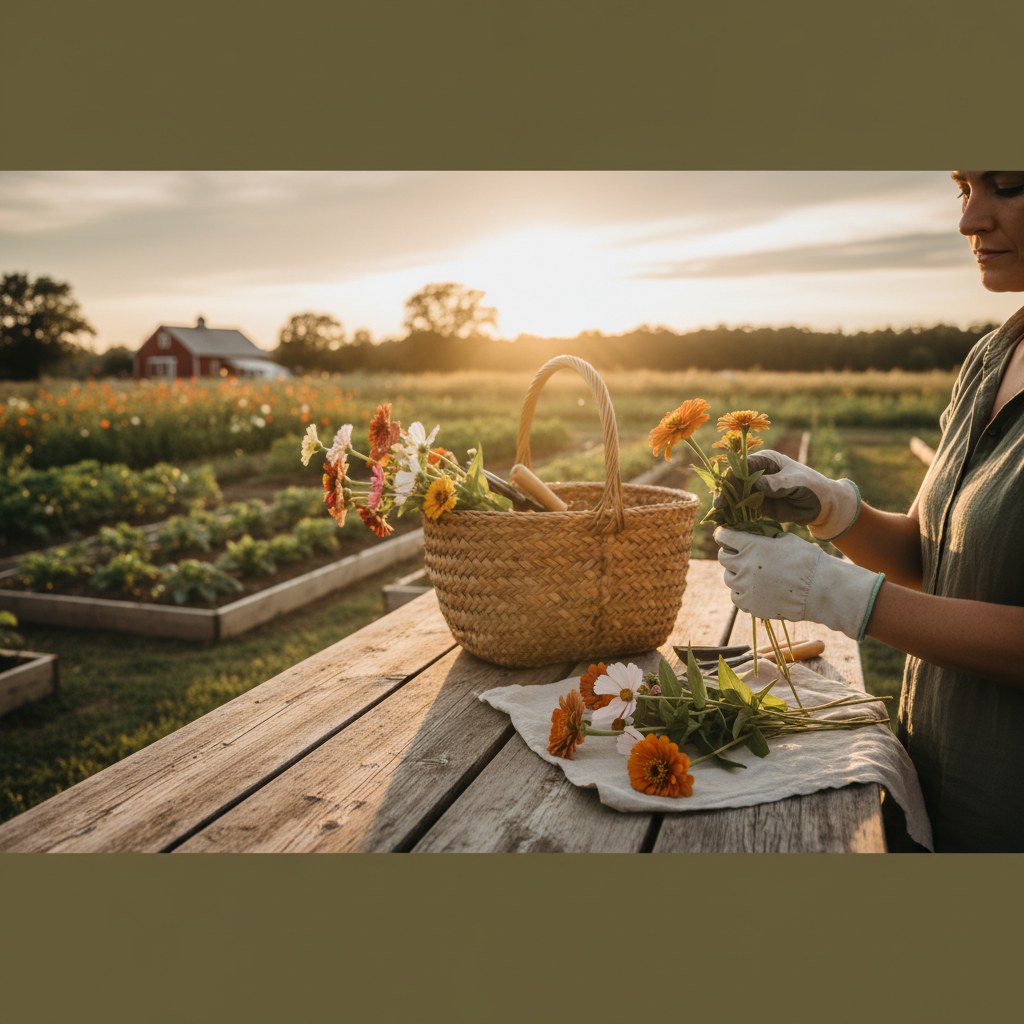
What Time of Day Should You Cut Flowers?
Cut between 6 and 9 a.m. Stems are fully hydrated overnight, stomata are closed, and sugars are at peak concentration. Avoid cutting in afternoon heat, a stem cut at 2 p.m. On an 85°F day will lose 30–40% of its turgor pressure before it reaches water. If morning cutting isn’t possible, cut in the evening after sunset, when temperatures drop and stems re-hydrate.
How Should You Prepare Stems After Cutting?
Follow this sequence immediately after cutting:
- Carry a bucket of cool water into the garden. Cut stems and place them directly in water, never let them sit in air for more than 30 seconds.
- Re-cut stems at a 45-degree angle once indoors, removing one inch. This opens fresh vascular tissue and increases water uptake surface area.
- Strip foliage below the waterline. Leaves submerged in water rot quickly and introduce bacteria that block stem vessels.
- Condition overnight in a cool, dark location (a garage or basement, 50–60°F) before arranging. This “hardening” step dramatically extends vase life for zinnias, cosmos, and sunflowers.
Use a clean vase with fresh, cool water. Adding a commercial flower preservative (or a DIY mix of 1 teaspoon sugar + 1 teaspoon white vinegar + a few drops of bleach per quart of water) inhibits bacterial growth and provides a small carbohydrate supplement. Change the water every two days and re-cut stems with each water change.
Which Flowers Have the Longest Vase Life?
For longest vase life, rank order is: lisianthus (14–21 days), zinnias (10–14 days), sunflowers (7–12 days), cosmos (5–7 days), and sweet William (7–10 days). Dahlias are shorter at 5–7 days but so visually dramatic that most growers consider them worth the tradeoff. Condition dahlias in hot water (100–110°F) for 30 minutes immediately after cutting, it opens vascular vessels that would otherwise seal.
Common Mistakes to Avoid in a Cutting Garden
Most beginner cutting gardens fail for one of three reasons: overcrowding, under-fertilizing, or letting plants go to seed.
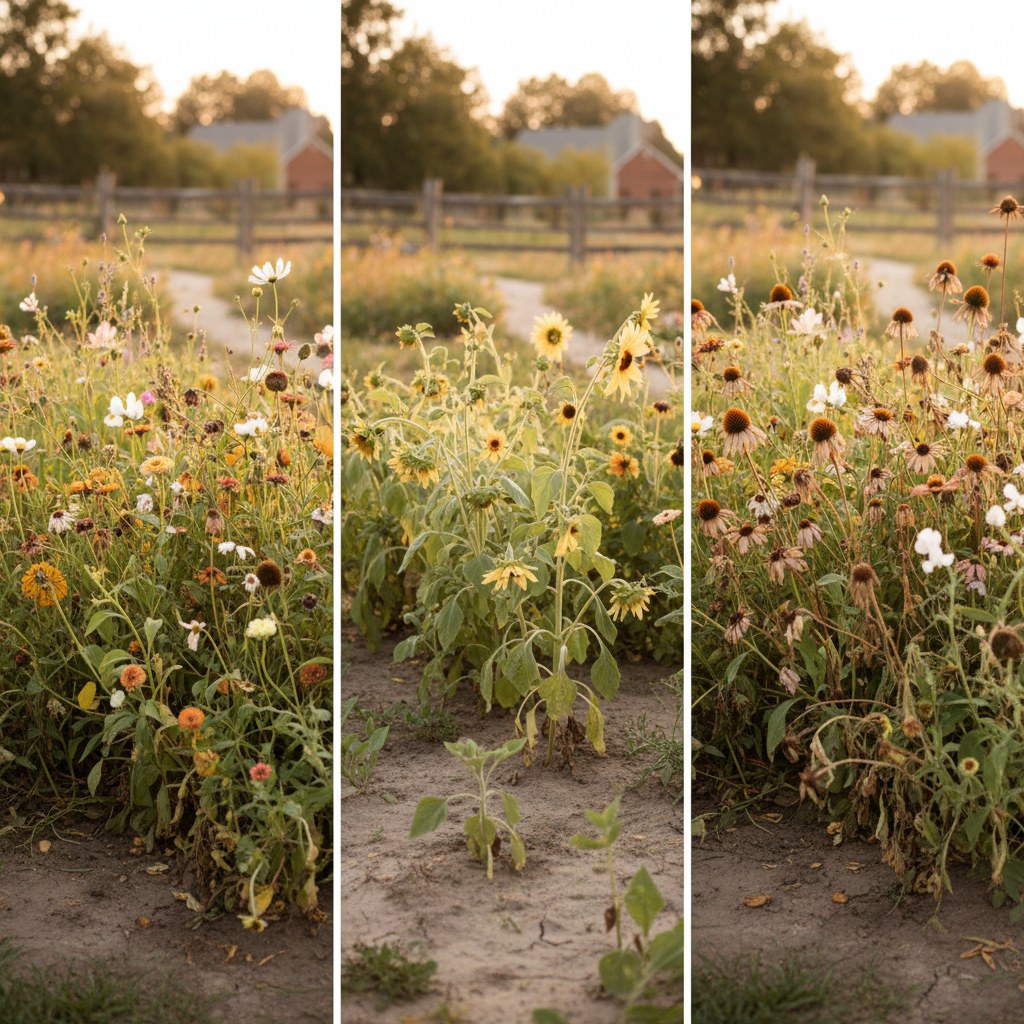
Overcrowding is the most common error. Zinnias planted 6 inches apart instead of 12 will produce short, spindly stems with small flowers because they compete for light and soil nutrients. Follow spacing guidelines, the yield per square foot is higher with correct spacing than with dense planting.
Under-fertilizing. A cutting garden removes biomass from the bed every time you harvest. Unlike a landscape perennial bed that recycles its nutrients when flowers drop, your cutting garden exports them in every bouquet. Side-dress with compost or a balanced granular fertilizer monthly, and consider a weekly liquid fertilizer (fish emulsion or kelp) during peak bloom season.
Letting plants go to seed. Once an annual sets seed, it stops producing new blooms. The whole biological goal has been accomplished. Deadhead anything you don’t cut for arrangements, remove spent flowers before they form seed heads, and the plant will keep pushing new buds through frost.
Ignoring disease management. Powdery mildew is the nemesis of zinnias and cosmos in humid climates. Space plants for airflow, water at the base (not overhead), and at the first sign of mildew, apply a diluted neem oil spray (2 teaspoons per quart water). Remove badly affected plants entirely to prevent spread.
How Do You Arrange Cut Flowers for Beginners?
Arrangement doesn’t require training, it requires a few mechanical principles. Start with odd numbers (3, 5, 7 stems of each type). Use “thriller, filler, spiller” structure: one tall focal flower (sunflower, zinnia), several medium filler blooms (cosmos, statice), and one trailing or arching element (sweet William, celosia). Vary stem heights by at least 2–3 inches for visual depth.
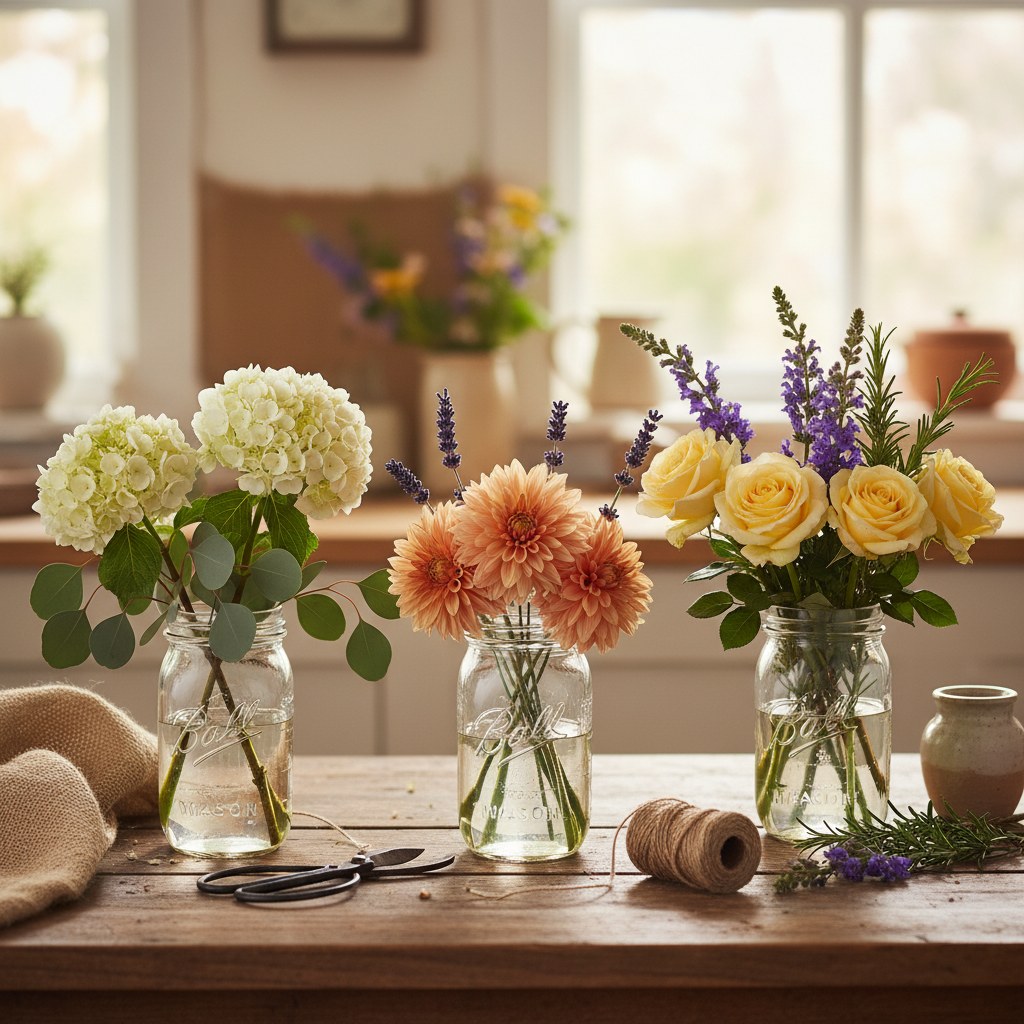
Choose a vase that is roughly two-thirds the height of your tallest stem. For a 20-inch sunflower, a 13-inch vase is correct. Shorter vases force you to cut stems down, reducing the silhouette. Use a pinholder or crumpled chicken wire at the bottom of glass vases to anchor stems, this gives more control than floral foam and is reusable.
For a simple everyday arrangement: fill a mason jar with 5 zinnias (cut at 12 inches), 3 cosmos (cut at 14 inches), and 2 stems of any foliage, basil, mint, or oregano all work. Total time: under 4 minutes. Herb foliage also extends the useful cutting life of the arrangement by releasing fragrance as petals drop.
Frequently Asked Questions
Can I grow a cutting garden in containers?
Yes. Zinnias and cosmos grow well in 5-gallon containers. Use a quality potting mix (not garden soil, it compacts), fertilize weekly with a liquid fertilizer, and water daily in hot weather. Expect 60–70% of the yield you’d get in a ground bed of the same square footage. Branching sunflowers work in 7–10-gallon containers.
When should I start seeds indoors vs. Direct sow?
Zinnias and sunflowers: always direct sow after last frost (they resent root disturbance). Cosmos: direct sow or start indoors 4–6 weeks before transplant. Lisianthus and snapdragons: start indoors 10–12 weeks before transplant, they need a long head start. Sweet William: direct sow in fall for spring blooms, or start indoors 8 weeks before last frost for summer blooms.
How do I keep deer and rabbits out of the cutting garden?
Physical barriers work best. A 36-inch wire fence (chicken wire or hardware cloth) deters rabbits; deer require at least 8 feet of fencing or a double-fence system. Interplanting with strongly scented herbs (lavender, rosemary, sage) reduces deer browsing pressure but doesn’t eliminate it. Motion-activated sprinklers are effective for deer at night. Zinnias are moderately deer-resistant; sunflowers are not.
Do I need to deadhead if I’m already cutting flowers regularly?
Only if you’re not cutting frequently enough to remove every spent bloom. If you’re harvesting every 2–3 days, you’ll naturally remove buds before they set seed. If the garden outpaces your cutting schedule, common with cosmos, which can set dozens of spent heads per plant in a week, spend 10 minutes every few days removing seed heads specifically. Focus on the tops of stems where seeds form first.
What’s the easiest way to dry flowers from the cutting garden for winter arrangements?
Hang-drying is the simplest method. Cut stems at peak bloom (not past it), strip leaves, bundle 5–8 stems with a rubber band, and hang upside down in a dry, ventilated space out of direct sunlight. Most flowers dry in 2–3 weeks. Best candidates from a cutting garden: statice (dries almost perfectly), strawflower (retains full color), celosia, and dried sunflower heads. Zinnias and cosmos don’t dry as well, petals shrink and lose color significantly.