How to Grow a Medicinal Herb Garden at Home (10 Healing Plants to Start With)
A medicinal herb garden gives you direct access to plant-based remedies that people have used for thousands of years. Modern research continues to validate many of those traditional uses. This guide walks you through planning, planting, harvesting, and making simple preparations, including the safety considerations that matter before you ever brew a cup.
Disclaimer: This article is for educational purposes only. Consult a healthcare provider before using herbs medicinally, especially if you are pregnant, nursing, taking prescription medications, or managing a chronic health condition.
Why Should You Grow a Medicinal Herb Garden?
Growing your own medicinal herbs puts quality control entirely in your hands. You know exactly what soil amendments were used, whether pesticides touched the leaves, and how fresh the harvest is, none of which you can verify with a store-bought tincture. Beyond quality, the cost savings are significant: a $4 seed packet of chamomile can produce several pounds of dried flowers worth $40–$80 at retail prices.
There is also the matter of accessibility. Many families in rural areas are a long drive from a well-stocked herb shop, but most medicinal herbs thrive in home gardens, window boxes, or even indoor containers under a grow light. A 2022 survey by the American Botanical Council found that roughly 60 million Americans use herbal supplements annually, and interest in home growing has risen steadily since 2020.
Finally, tending herbs reconnects you to your food and health in a tangible way. Children who help harvest calendula and chamomile are far more likely to reach for a cup of tea than a bottle of cough syrup when minor ailments arise.
Source: American Botanical Council, HerbalGram Issue 138 (2023).
How Do You Plan and Prepare a Medicinal Herb Garden?
Planning before you plant saves both money and frustration. Medicinal herbs span annuals, perennials, and tender perennials, mixing them without forethought leads to sprawling mint overtaking your chamomile or tall echinacea shading low lavender. A little layout work upfront produces a garden that practically manages itself after year two.
Choose Your Site
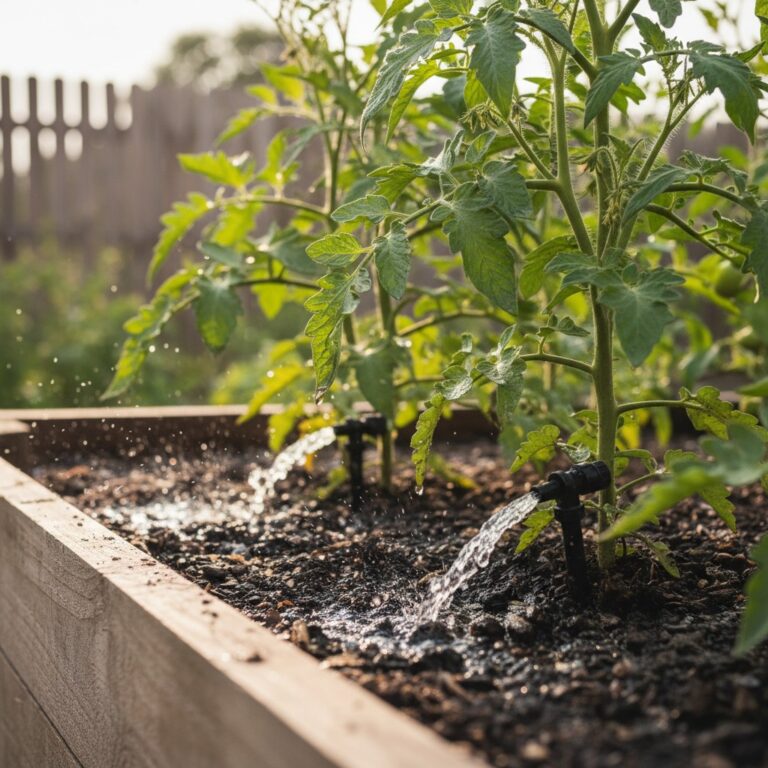
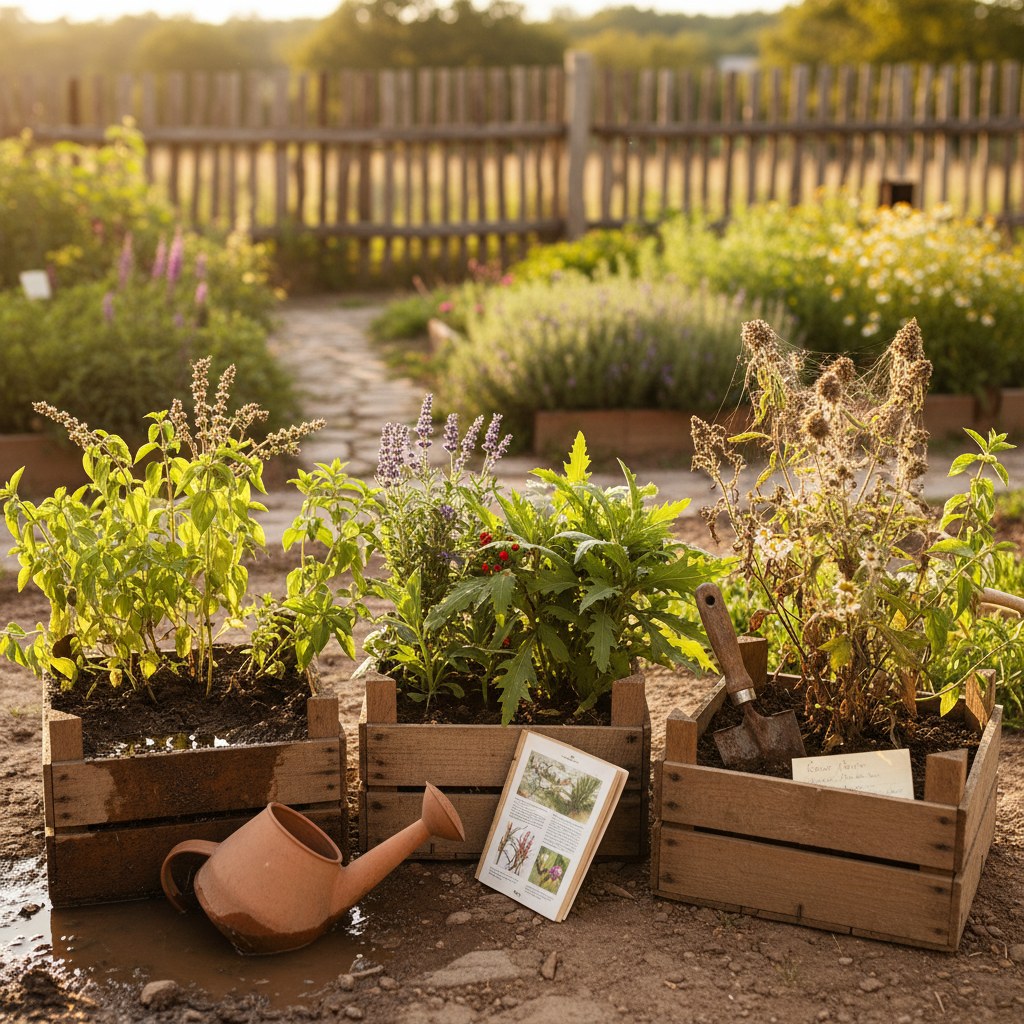
Most medicinal herbs prefer full sun (6+ hours daily) and well-drained soil with a pH between 6.0 and 7.0. A south- or west-facing bed is ideal in the Northern Hemisphere. If your soil is heavy clay, raised beds are the fastest fix, a 4×8 ft bed filled with a blend of topsoil, compost, and perlite will drain correctly from day one. For apartment or small-space growing, 12-inch containers work well for most herbs on this list. Read our composting guide to build the rich, living soil these plants thrive in.
Separate Spreaders
Mint (including peppermint and lemon balm) spreads aggressively via underground runners. Plant them in buried containers, a standard 5-gallon bucket with drainage holes drilled in the bottom works perfectly, or in pots set into the bed. This containment step alone prevents the most common beginner complaint: “My mint ate the whole garden.”
Map Perennials vs. Annuals
Perennials like echinacea, lavender, rosemary (in zones 7+), lemon balm, yarrow, and sage will return each year. Place them toward the back or edges of a bed so they don’t get disturbed when you replant annuals like chamomile and calendula each spring.
Source: National Gardening Association, Herb Gardening Basics.
The 10 Best Healing Plants for a Home Medicinal Garden
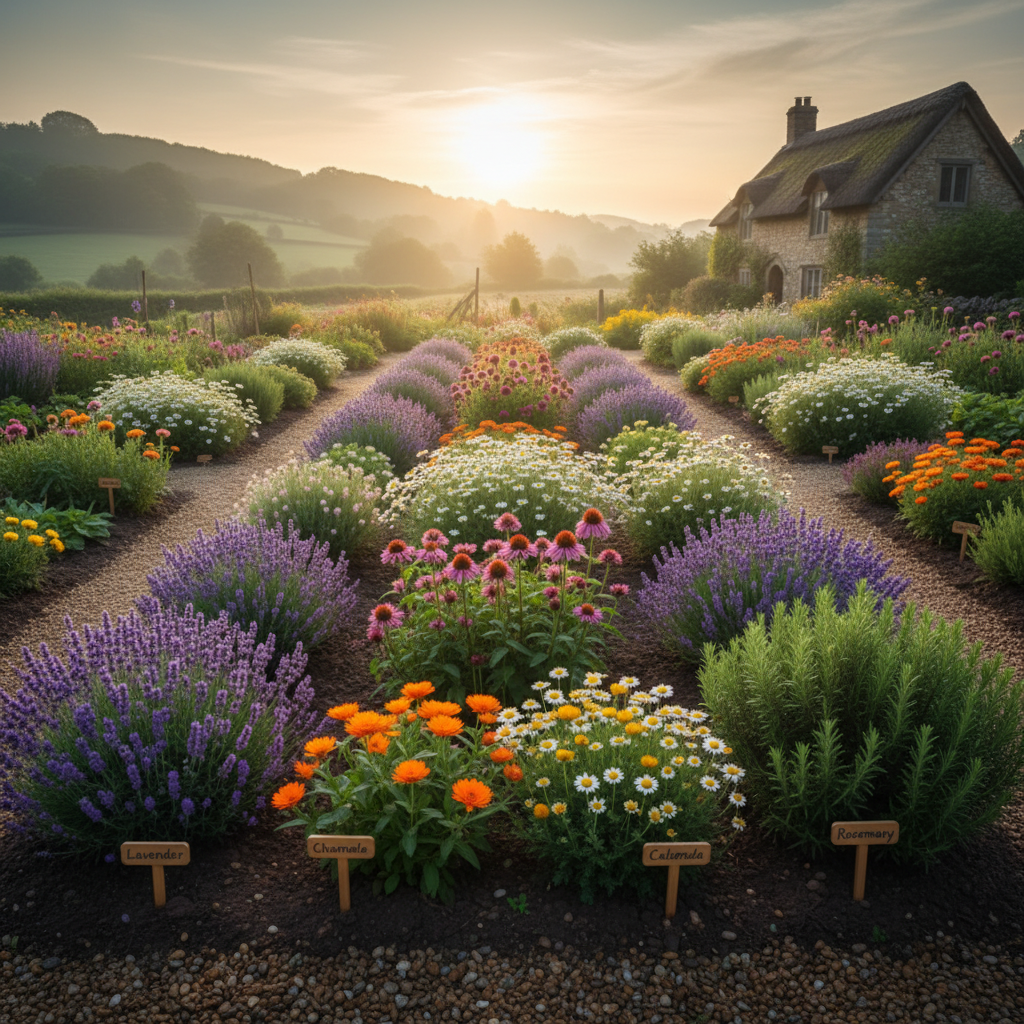
These ten herbs were selected for three reasons: robust traditional and/or research-backed uses, ease of growing in most North American climates, and genuine utility in a home apothecary. Each entry includes growing basics, primary uses, and any important safety notes.
1. Chamomile (Matricaria chamomilla)
Chamomile is the easiest entry point into medicinal herbs. It self-seeds readily, tolerates poor soil, and rewards you with delicate apple-scented flowers from late spring through summer. German chamomile (the annual, M. Chamomilla) is preferred medicinally over Roman chamomile because of its higher chamazulene content, the compound responsible for its anti-inflammatory action.
- Primary uses: Digestive calm, sleep support, mild anxiety, topical inflammation
- Growing tip: Direct-sow seeds on the soil surface in early spring; they need light to germinate. Thin to 6 inches apart.
- Safety: Rare allergic reactions occur in people with ragweed sensitivity. Avoid therapeutic doses during pregnancy.
- Drug interaction: May mildly potentiate sedatives and blood-thinning medications at high doses.
Source: Srivastava JK et al., “Chamomile: A herbal medicine of the past with bright future,” Molecular Medicine Reports (2010).
2. Lavender (Lavandula angustifolia)
Lavender is among the most researched herbs for anxiety and sleep. Multiple randomized controlled trials have found oral lavender oil preparations reduce generalized anxiety, and aromatherapy with lavender essential oil is among the few plant-based interventions with replicable clinical results for sleep latency.
- Primary uses: Anxiety, insomnia, headache, topical wound healing
- Growing tip: Requires excellent drainage and alkaline-leaning soil (pH 6.5–7.5). Thrives in gravel or sandy beds. Hardy in zones 5–9.
- Safety: Oral lavender oil products (like Silexan) are standardized supplements, do not substitute homemade preparations at the same doses used in clinical trials.
- Drug interaction: May increase sedative effects of CNS depressants.
Source: Kasper S et al., “Lavender oil preparation Silexan is effective in generalized anxiety disorder,” International Journal of Neuropsychopharmacology (2014).
3. Echinacea (Echinacea purpurea)
Echinacea is America’s best-selling herbal supplement and among the most studied. A 2015 Cochrane review found that some echinacea preparations may reduce the duration and incidence of the common cold, though results vary by preparation type. Growing your own ensures you have a verified species, many commercial products contain inconsistent species blends.
- Primary uses: Immune support, cold and flu prevention/duration
- Growing tip: Start from transplants for faster results, seeds take two years to flower. Full sun, well-drained soil. Perennial in zones 3–9. Deadhead to prolong bloom.
- Safety: Historically avoided in people with autoimmune conditions, though current evidence is mixed. Short-term use is generally considered safe.
- Drug interaction: May interact with immunosuppressants.
Source: Karsch-Völk M et al., “Echinacea for preventing and treating the common cold,” Cochrane Database of Systematic Reviews (2015).
4. Peppermint (Mentha × piperita)
Peppermint is a sterile hybrid, it doesn’t set true seed, so you must start from divisions or nursery plants. It spreads aggressively and will take over a bed if not contained. Medicinally, it is well-supported for irritable bowel syndrome (IBS): enteric-coated peppermint oil capsules consistently outperform placebo for abdominal pain in multiple meta-analyses.
- Primary uses: Digestive relief, IBS, headache (topical), nausea, respiratory congestion
- Growing tip: Grow in buried containers. Harvest before flowering for highest menthol content. Tolerates partial shade.
- Safety: Avoid applying essential oil near infants’ faces. Not recommended for people with GERD in large quantities.
- Drug interaction: Menthol may slow breakdown of some medications metabolized by CYP3A4.
Source: Khanna R et al., “Peppermint oil for the treatment of irritable bowel syndrome,” Journal of Clinical Gastroenterology (2014).
5. Lemon Balm (Melissa officinalis)
Lemon balm is the most beginner-friendly medicinal herb on this list. It grows vigorously in almost any soil, tolerates partial shade better than most herbs, and produces aromatic lemon-scented leaves from spring through frost. Clinical studies support its use for mild anxiety and sleep quality, and it has a strong safety profile for most adults.
- Primary uses: Mild anxiety, sleep, digestive spasms, topical cold sores (HSV-1)
- Growing tip: Like all mints, contain it. Cut back by half in midsummer to encourage fresh growth. Self-seeds prolifically if flowers are left on the plant.
- Safety: Generally very safe. May affect thyroid function at high doses, those with hypothyroidism should consult a provider.
- Drug interaction: May enhance sedative effects of other calming herbs or medications.
Source: Cases J et al., “Pilot trial of Melissa officinalis L. Leaf extract in the treatment of volunteers suffering from mild-to-moderate anxiety disorders,” Mediterranean Journal of Nutrition and Metabolism (2011).
6. Calendula (Calendula officinalis)
Calendula: also called pot marigold, is the workhorse of the home apothecary. Its vivid orange and yellow flowers are among the most used topically in herbalism, and clinical research supports wound healing, antifungal activity, and anti-inflammatory effects when applied to skin. It blooms profusely from spring through frost and self-seeds readily.
- Primary uses: Skin healing (wounds, burns, rashes), antifungal topical, lymph support, gentle digestive
- Growing tip: Direct sow after last frost. Deadhead aggressively, the more you pick, the more it blooms. Harvest flowers when fully open.
- Safety: Rare contact allergy in people sensitive to plants in the Asteraceae family. Avoid in pregnancy.
Source: Givol O et al., “Contact dermatitis due to Calendula officinalis,” Contact Dermatitis (2011); Cruces M et al., wound healing review (2014).
7. Rosemary (Salvia rosmarinus)
Rosemary earned reclassification into the Salvia genus in 2017, but its medicinal value remains unchanged. Research suggests rosemary may support cognitive function and circulation, and it is among the most potent natural antioxidants available in a home garden. It also contains rosmarinic acid, which has demonstrated anti-inflammatory effects in vitro.
- Primary uses: Cognitive support, circulation, digestive, antioxidant, topical hair growth
- Growing tip: Hardy in zones 7–10 (overwinter indoors in colder zones). Requires excellent drainage, root rot is the main killer. Takes 2–3 years to reach full productive size.
- Safety: Culinary amounts are safe for everyone. High-dose rosemary preparations should be avoided in pregnancy.
- Drug interaction: May affect absorption of iron supplements; may interact with blood-thinning medications at high doses.
Source: Moss M et al., “Aromas of rosemary and lavender essential oils differentially affect cognition and mood,” International Journal of Neuroscience (2003).
8. Thyme (Thymus vulgaris)
Thyme is a kitchen herb that most gardeners already grow, but its medicinal credentials are underappreciated. Thymol, its primary active compound, is the basis for several commercial antiseptic products. Clinical trials with thyme-ivy preparations for bronchitis show efficacy comparable to pharmaceutical expectorants in some studies.
- Primary uses: Respiratory support (coughs, bronchitis), antimicrobial, oral health, digestive
- Growing tip: Hardy in zones 5–9. Trim hard after flowering to keep plants compact and productive for years. Loves rocky or sandy soil.
- Safety: Culinary use is universally safe. Medicinal preparations avoided in pregnancy at high doses.
- Drug interaction: Thymol may slow blood clotting, caution with anticoagulants.
Source: Kemmerich B et al., “Efficacy and safety of a combination herbal medicinal product,” Arzneimittelforschung (2006).
9. Sage (Salvia officinalis)
Common garden sage contains compounds, particularly thujone and rosmarinic acid, that give it antimicrobial, antioxidant, and potentially hormone-modulating properties. It is among the most researched herbs for menopausal hot flashes, with a 2011 clinical trial showing a 64% reduction in hot flash frequency after 8 weeks of sage extract supplementation.
- Primary uses: Sore throat (gargle), menopausal symptom support, oral health, digestive, cognitive
- Growing tip: Full sun, excellent drainage, zones 5–9. Replace plants every 3–4 years as they become woody. Avoid overwatering.
- Safety: Avoid therapeutic doses during pregnancy, thujone content can stimulate uterine contractions. Culinary amounts on food are safe.
- Drug interaction: May interact with sedatives, anticonvulsants, and diabetes medications.
Source: Bommer S et al., “First time proof of sage’s tolerability and efficacy in menopausal women,” Advances in Therapy (2011).
10. Yarrow (Achillea millefolium)
Yarrow is one of the oldest documented medicinal plants, residue was found in a Neanderthal burial site in Iraq estimated at 60,000 years old. It has naturalized across North America and is extraordinarily easy to grow. Yarrow contains achillin, achillicin, and flavonoids that explain its traditional uses for wound healing, fever, and circulation.
- Primary uses: Topical wound care (staunching bleeding), fever support, circulation, digestive bitters
- Growing tip: Sow seeds on the surface in early spring. Spreads readily: divide clumps every 2–3 years. Extremely drought-tolerant once established. Zones 3–9.
- Safety: Avoid in pregnancy. Contact dermatitis is possible with repeated skin exposure. Rare allergic reactions in those sensitive to Asteraceae.
- Drug interaction: May enhance blood-thinning effects of anticoagulants.
Source: Saleh AM et al., “Phytochemical analysis and antioxidant activity of Achillea millefolium,” Journal of Medicinal Plants Research (2020).
Quick Reference Table
| Herb | Type | Zones | Primary Use | Key Caution |
|---|---|---|---|---|
| Chamomile | Annual | All (seed) | Digestive, sleep | Ragweed allergy |
| Lavender | Perennial | 5–9 | Anxiety, sleep | Sedative interaction |
| Echinacea | Perennial | 3–9 | Immune support | Immunosuppressants |
| Peppermint | Perennial | 3–11 | Digestion, IBS | GERD, infants |
| Lemon Balm | Perennial | 3–9 | Anxiety, sleep | Thyroid conditions |
| Calendula | Annual | All (seed) | Skin healing | Asteraceae allergy |
| Rosemary | Perennial (z7+) | 7–10 | Cognitive, antioxidant | High dose in pregnancy |
| Thyme | Perennial | 5–9 | Respiratory, antimicrobial | Anticoagulants |
| Sage | Perennial | 5–9 | Throat, menopause | Avoid in pregnancy |
| Yarrow | Perennial | 3–9 | Wound care, fever | Anticoagulants, pregnancy |
How Do You Harvest and Dry Medicinal Herbs?
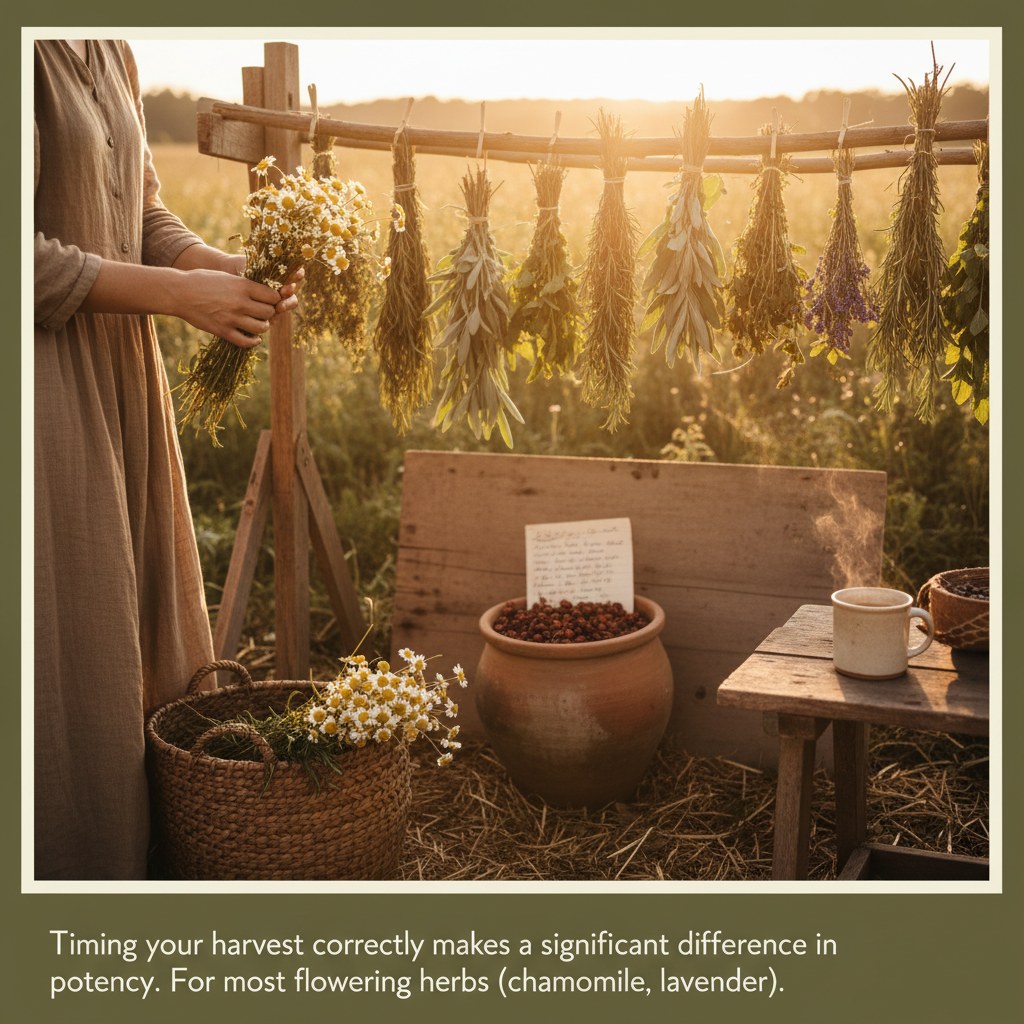
Timing your harvest correctly makes a significant difference in potency. For most flowering herbs (chamomile, lavender, calendula, yarrow), harvest when flowers are freshly opened but not yet past their peak, this is when volatile oil content is highest. For leaf herbs (mint, lemon balm, rosemary, thyme, sage), harvest just before the plant sets flowers, when leaves are most concentrated.
The two rules of harvest: cut in the morning after the dew has dried but before the midday heat drives off volatile oils, and never harvest more than one-third of the plant at once. This keeps the plant productive for repeated harvests.
Drying Methods
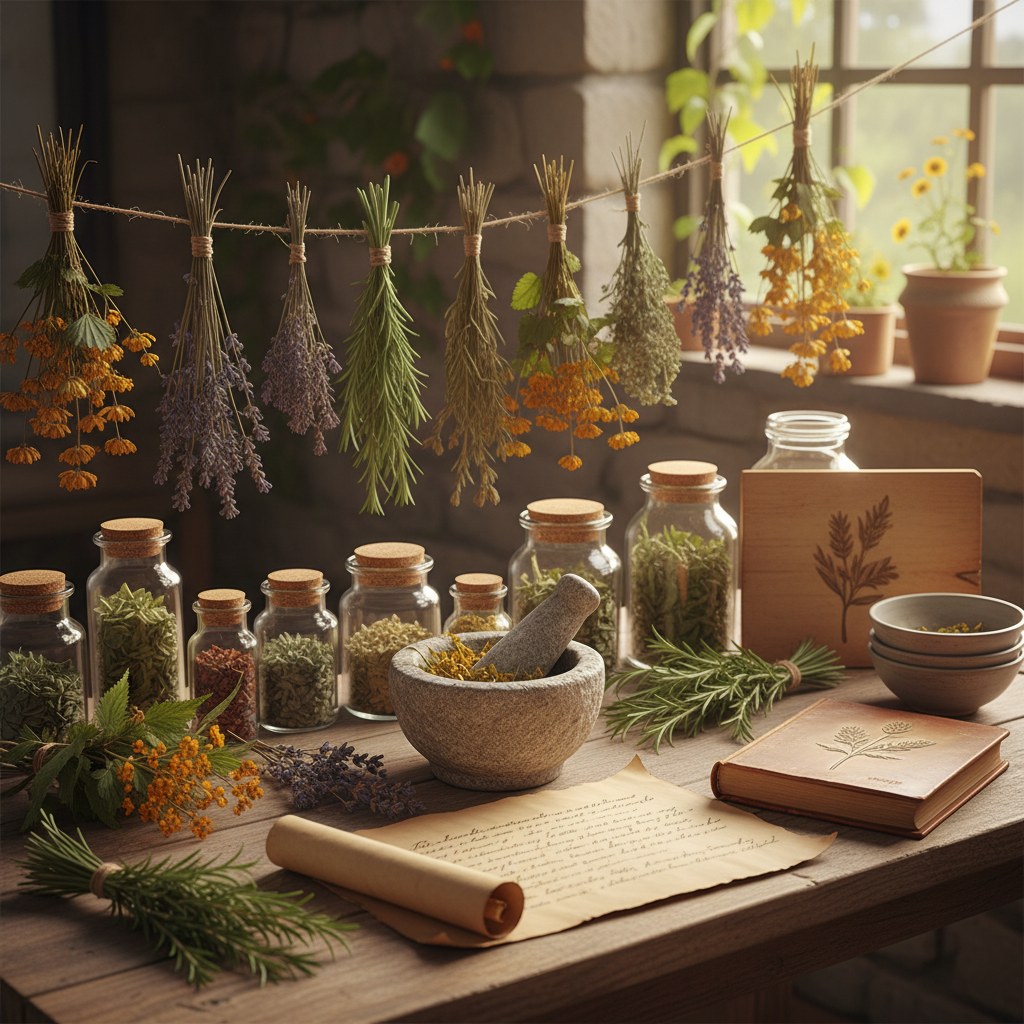
- Air drying (bundles): Tie small bundles of 10–12 stems and hang upside down in a warm, dry, dark, well-ventilated space. Most herbs are fully dry in 1–2 weeks. Check for crispness, stems should snap, not bend.
- Screen drying: Best for flowers and individual leaves. Spread in a single layer on window screens or drying racks. Stir daily.
- Dehydrator: Set to 95–115°F (35–46°C). Most herbs dry in 1–4 hours. Do not exceed 115°F or you degrade volatile oils.
- Oven on lowest setting: Works in a pinch but offers less control. Leave oven door slightly ajar and watch carefully.
For in-depth technique guidance, including vacuum sealing and salt drying, see our complete guide to drying and storing herbs year-round.
Source: USDA, “Drying Herbs,” National Center for Home Food Preservation guidelines.
How Do You Make Simple Medicinal Preparations at Home?
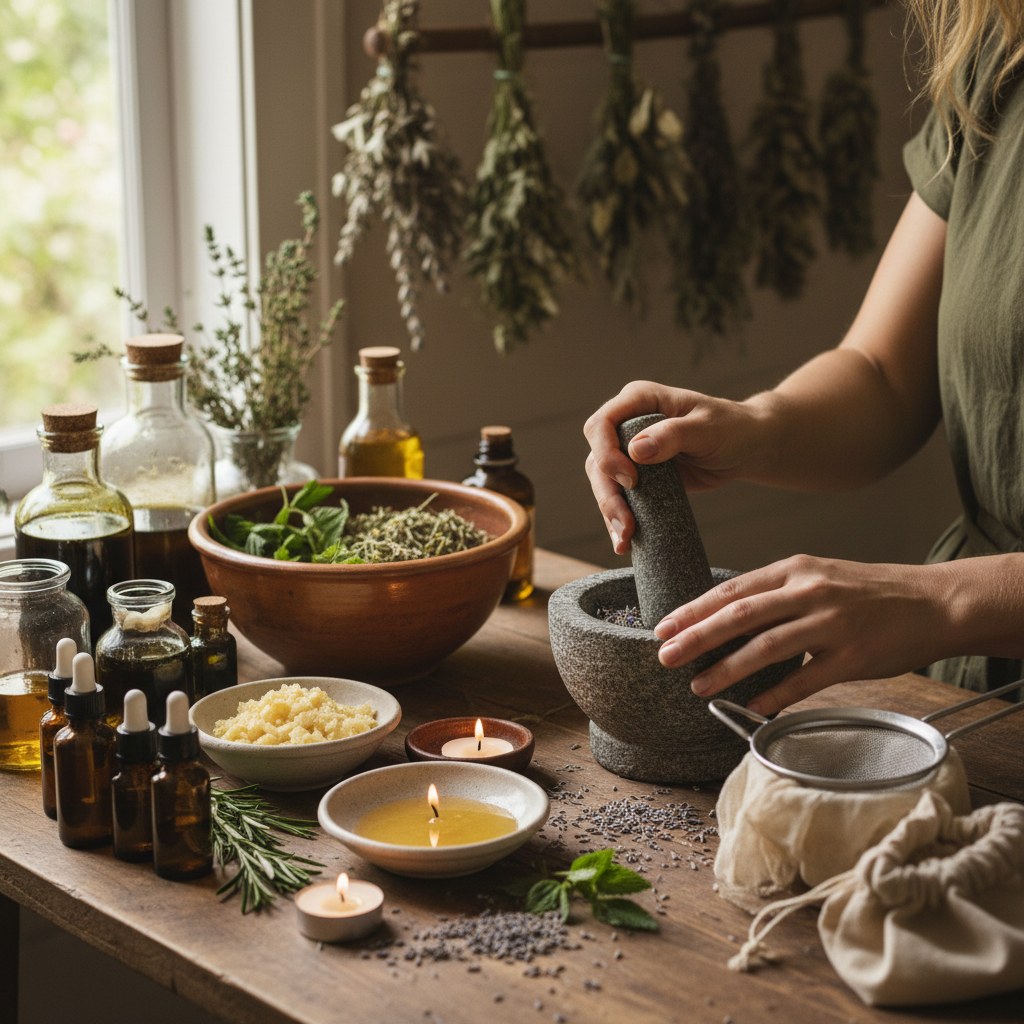
You do not need specialized equipment to make effective herbal preparations. The three most practical methods for home use are infusions (teas), infused oils, and simple tinctures. Each extracts a different profile of compounds from the plant material.
Herbal Infusion (Tea)
Cover 1–2 teaspoons of dried herb (or 1 tablespoon fresh) with 8 oz of just-boiled water. Cover the cup to retain volatile oils and steep for 10–15 minutes. Strain and drink. For roots and berries, use a decoction instead: simmer in water for 20–30 minutes. Infusions work well for chamomile, lemon balm, peppermint, thyme (cough tea), and yarrow.
Infused Oil (for Topical Use)
Fill a clean jar loosely with dried herb (calendula is ideal). Cover completely with a carrier oil, olive oil for a traditional preparation, fractionated coconut oil for a lighter result. Place in a warm sunny window for 4–6 weeks, shaking daily, or use a slow cooker on the lowest setting for 4–6 hours. Strain through cheesecloth. This infused oil forms the base for salves, balms, and creams.
Simple Tincture (Alcohol Extract)
Fill a jar one-third to one-half with dried herb (or up to two-thirds with fresh herb). Cover completely with 80-proof (40%) vodka. Seal tightly and shake daily for 4–6 weeks. Strain, pressing the marc firmly, and store in dark glass dropper bottles. Tinctures preserve active compounds for 3–5 years when stored correctly.
Source: Gladstar R, Medicinal Herbs: A Beginner’s Guide (Storey Publishing, 2012).
What Are the Most Common Mistakes New Medicinal Herb Growers Make?
Most beginner mistakes fall into three categories: overwatering, misidentification, and assuming “natural” means automatically safe. Avoiding these pitfalls will protect both your garden and your health.
- Overwatering: Mediterranean herbs (lavender, rosemary, thyme, sage) evolved in dry, rocky soils. They die quickly in waterlogged conditions. The rule: water deeply but infrequently, and only when the top inch of soil is dry.
- Planting aggressive spreaders without containment: Peppermint and lemon balm will colonize your entire garden within two seasons if not physically contained. Use buried pots.
- Confusing similar-looking plants: Several toxic plants can resemble medicinal herbs early in the season. Yarrow leaves look similar to poison hemlock when young. Never harvest any plant you haven’t positively identified. Use multiple identification keys, leaf shape, smell, and stem structure together.
- Harvesting too heavily too early: Taking more than one-third of any plant at once stresses it severely, especially in the first year. Let plants establish fully before heavy harvesting.
- Using old, degraded herbs: Dried herbs lose potency significantly after 12–18 months. Oils and volatile compounds degrade with light, heat, and time. Label everything with a harvest date and replace annually.
- Skipping plant labels: Once herbs are dried, many look similar. Label drying bundles at harvest time, not after.
What Safety Considerations Should You Know Before Using Medicinal Herbs?
Herbs are pharmacologically active. The same properties that give them therapeutic value also give them the potential for adverse effects, particularly in certain populations and at high doses. The following principles apply universally.
Reminder: This article is for educational purposes only. Consult a qualified healthcare provider before using herbs medicinally, especially if you are pregnant, nursing, taking prescription medications, or managing a chronic health condition.
- Pregnancy and nursing: Several herbs on this list, sage (high doses), yarrow, rosemary (medicinal doses), and chamomile (therapeutic doses), should be avoided during pregnancy. When in doubt, use culinary amounts on food only.
- Drug interactions: Herbs that affect blood clotting (yarrow, thyme, rosemary), sedation (chamomile, lavender, lemon balm), or immune function (echinacea) may interact with medications. Always disclose herb use to your prescribing provider.
- Allergies: The Asteraceae family (chamomile, calendula, yarrow, echinacea) produces cross-reactions in people with ragweed, chrysanthemum, or daisy allergies. Do a skin patch test before applying any new herb topically.
- Dose matters: Culinary use and therapeutic use are different things. The thujone in sage, for example, is safe at culinary amounts but can cause toxicity at very high concentrated doses.
- Source your plants carefully: Never wildcraft a plant you cannot positively identify. Purchase transplants from reputable nurseries and grow from labeled seeds from known seed companies.
Source: Brinker F, Herb Contraindications and Drug Interactions, 4th ed. (Eclectic Medical Publications, 2010).
Getting Started: Your First-Season Checklist
Use this checklist to get your medicinal herb garden planned, planted, and productive within one growing season.
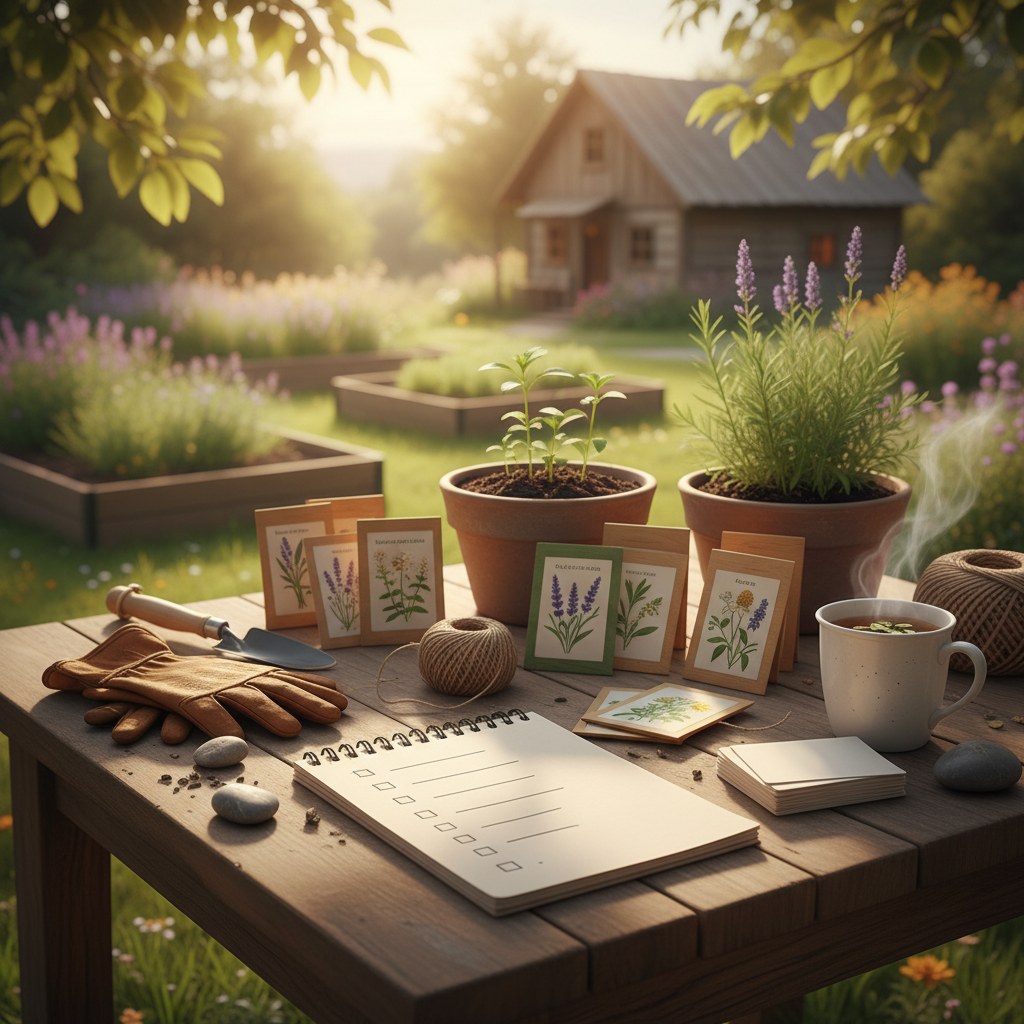
- [ ] Choose a site with 6+ hours of direct sun and good drainage
- [ ] Prepare soil or build a raised bed with compost-rich mix (see our composting guide)
- [ ] Order seeds: chamomile, calendula, yarrow, thyme, sage (direct sow or transplant)
- [ ] Purchase transplants for: echinacea, lavender, rosemary, peppermint, lemon balm
- [ ] Acquire buried containers for peppermint and lemon balm
- [ ] Label every plant at planting time
- [ ] Set a harvest schedule reminder for midsummer (most peak June–August)
- [ ] Gather drying supplies: twine, paper bags, drying screens or dehydrator
- [ ] Stock storage supplies: dark glass jars, labels, 80-proof vodka for tinctures
- [ ] Read up on one preparation method and make your first batch at harvest
- [ ] Consult your healthcare provider if you plan to use any herb therapeutically
Frequently Asked Questions
Can I grow a medicinal herb garden in containers or on a balcony?
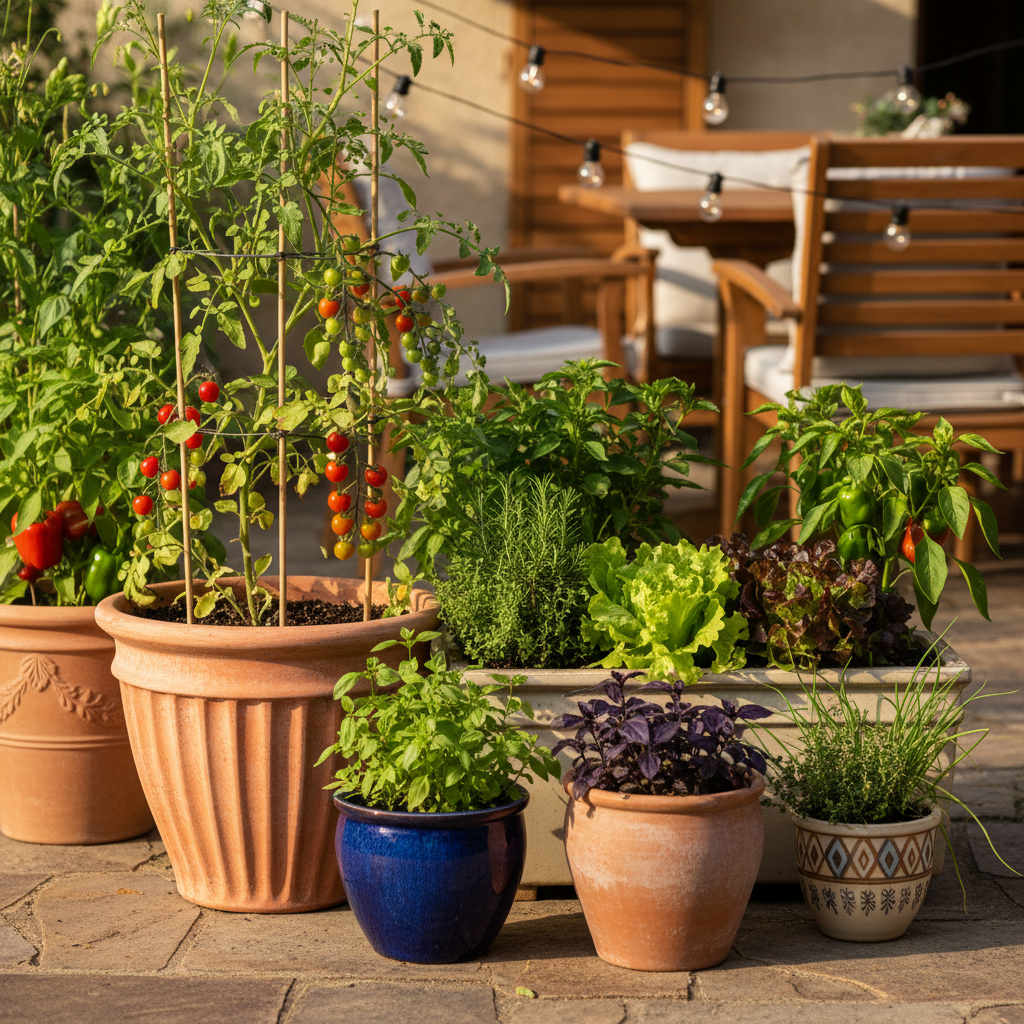
Yes. Most herbs on this list grow well in 10–12 inch containers. Peppermint and lemon balm actually do better in pots because containment prevents spreading. Use a well-draining potting mix, choose unglazed terra cotta for Mediterranean herbs (lavender, rosemary, thyme, sage), and water more frequently than you would in-ground plants since pots dry out faster.
How long until I can use herbs from my new garden?
Annuals like chamomile and calendula can be harvested within their first season, usually 60–90 days from sowing. Perennials like echinacea and lavender typically take one full growing season to establish before you should harvest heavily, patience in year one means abundance in year two and beyond. Rosemary and lavender reach full productive size in 2–3 years.
Are homegrown herbs as potent as commercial herbal supplements?
The answer depends on the supplement. For standardized extracts (like echinacea products standardized to 4% echinacosides), commercial preparations will deliver more predictable doses than home preparations. However, for teas, infused oils, and general culinary-medicinal use, fresh or properly dried homegrown herbs are often fresher and more potent than store-bought dried herb products that have been sitting in supply chains for months.
Which herbs on this list are safe for children?
Chamomile tea and lemon balm tea are traditionally used for children and are generally considered safe in mild culinary-strength preparations. Peppermint essential oil should never be applied near the face of infants or very young children. Always consult a pediatric healthcare provider before using any herb therapeutically with children, dosing for children is different from adults.
How do I keep pests off my medicinal herbs without using pesticides?
The aromatic oils in most medicinal herbs are themselves pest deterrents, aphids and many common garden pests avoid strongly scented plants. For any infestations that do appear, a strong spray of water dislodges aphids, while neem oil diluted to 0.5–1% handles fungal issues and soft-bodied insects without compromising the herb’s medicinal value. Avoid any synthetic pesticide on plants you plan to use medicinally.