
Seasonal Homemaking Rhythms: A Simple Guide to Running Your Home with the Seasons
- Seasonal homemaking means aligning household tasks with the natural rhythms of each season.
- Spring: deep cleaning and garden planning. Summer: preserving and outdoor living. Fall: harvest and preparation. Winter: rest and indoor projects.
- Working with the seasons reduces burnout, increases productivity, and creates a more meaningful home life.
- A seasonal rhythm frees you from feeling always behind by accepting that not everything needs doing at once.
- This approach has been practiced for centuries and is adaptable to modern life.
What Are Seasonal Homemaking Rhythms and Why Do They Matter?
Seasonal homemaking rhythms are a time-tested approach that aligns daily, weekly, and monthly tasks with the natural energy of each season, reducing overwhelm and creating a more intentional, peaceful household. When I first started homemaking, I tried to do everything all the time and burned out fast. Shifting to seasonal rhythms changed everything.
Paired with meal planning from the garden, this approach creates a deeply intentional home life.
What Does a Spring Homemaking Rhythm Look Like?
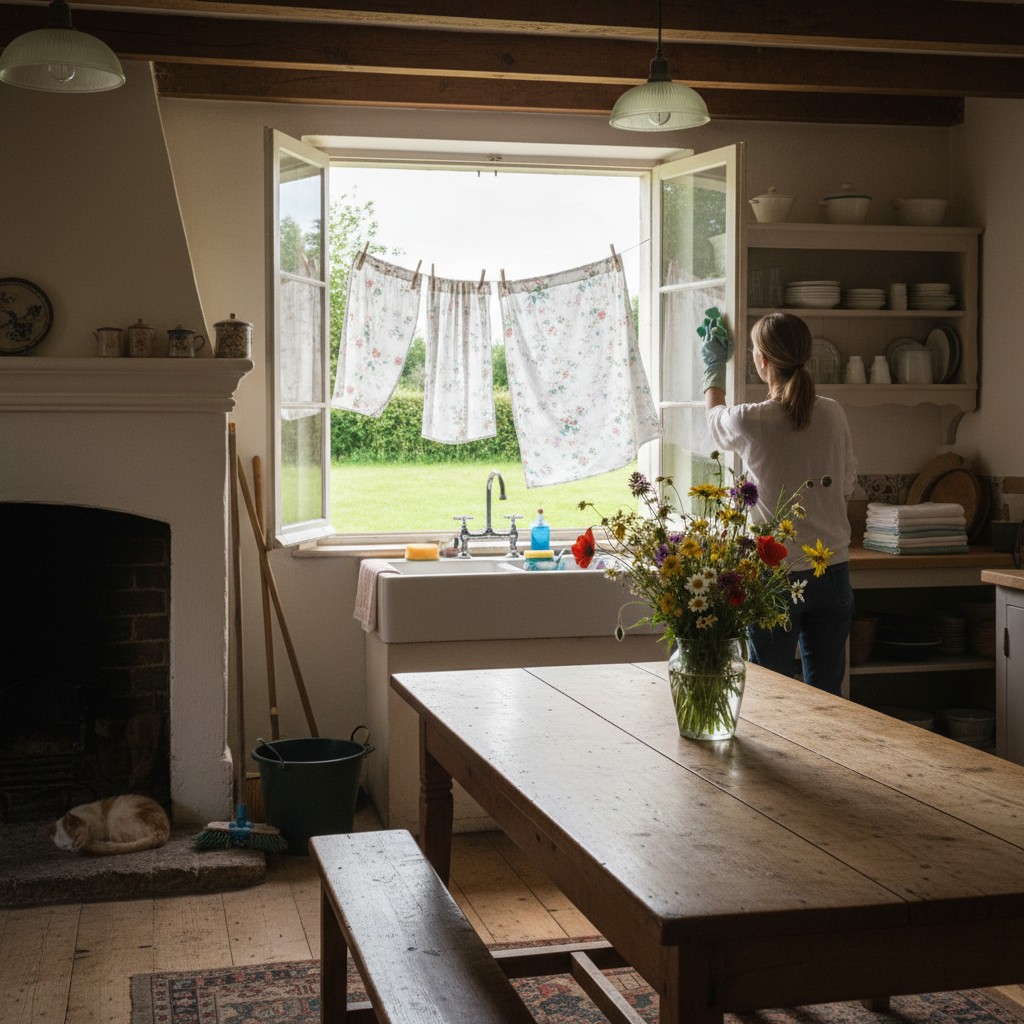
Spring is the season of renewal, focus on deep cleaning, decluttering, garden planning, and starting seeds indoors. After a long winter indoors, the impulse to air everything out is practically biological.
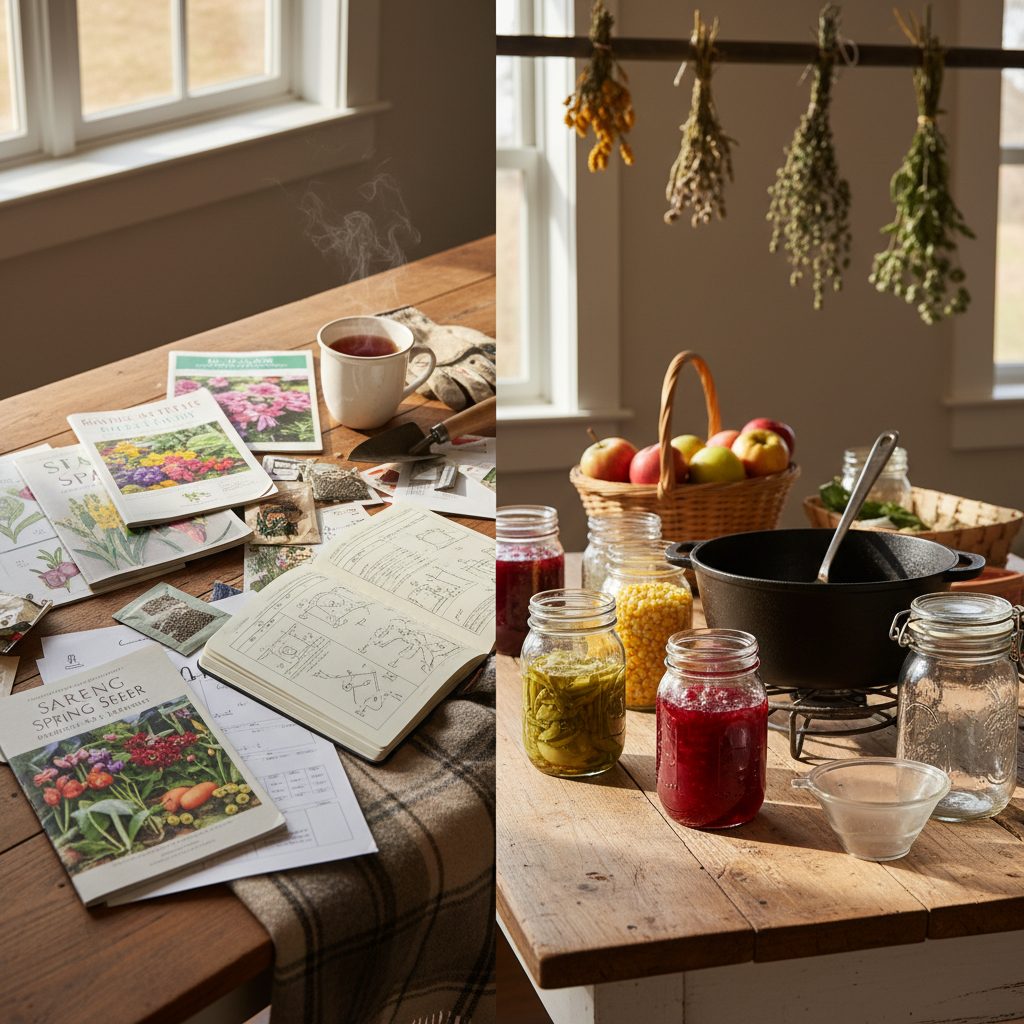
In my spring rhythm, I focus on deep cleaning and decluttering. In the garden, this means starting seeds and preparing beds. I start a new sourdough starter each spring. If you are new to gardening, spring is the time to set up raised beds or plan your kitchen herb garden.
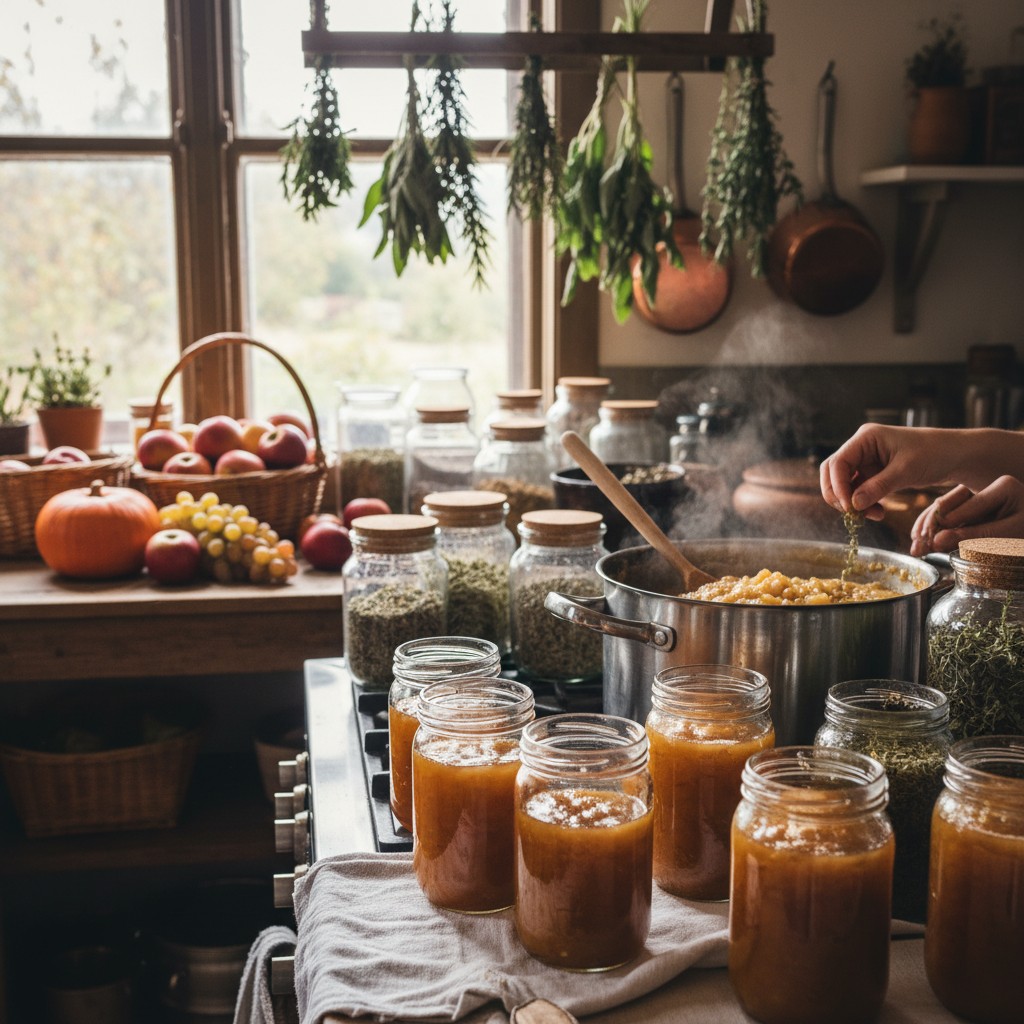
How Do You Stay Productive During the Busy Summer Season?
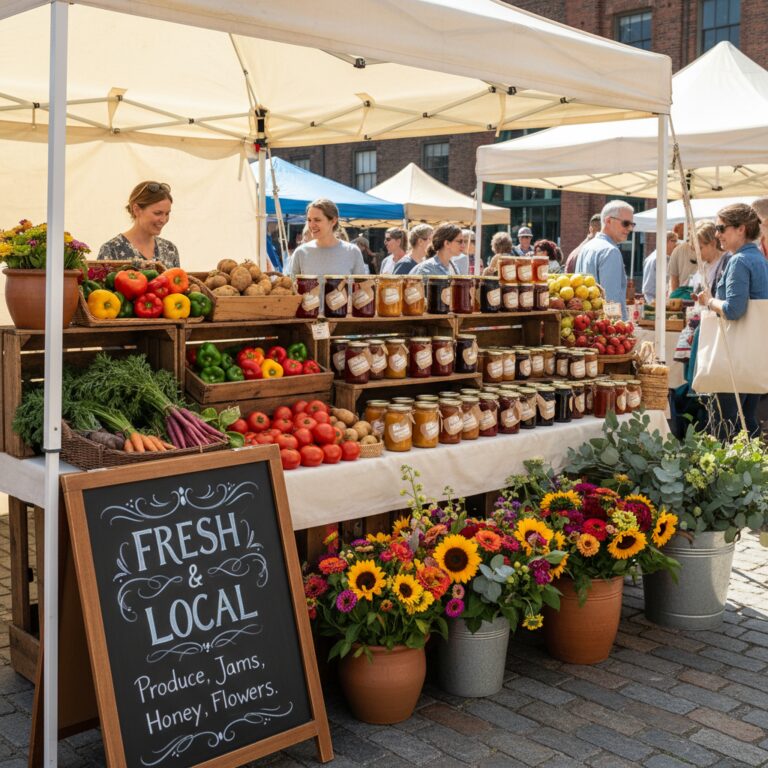
Summer homemaking prioritizes food preservation, outdoor living, and lighter indoor cleaning, lean into the longer days by spending mornings on garden tasks and evenings on preserving. After trying to maintain a full indoor cleaning schedule during summer, I learned to give myself grace.
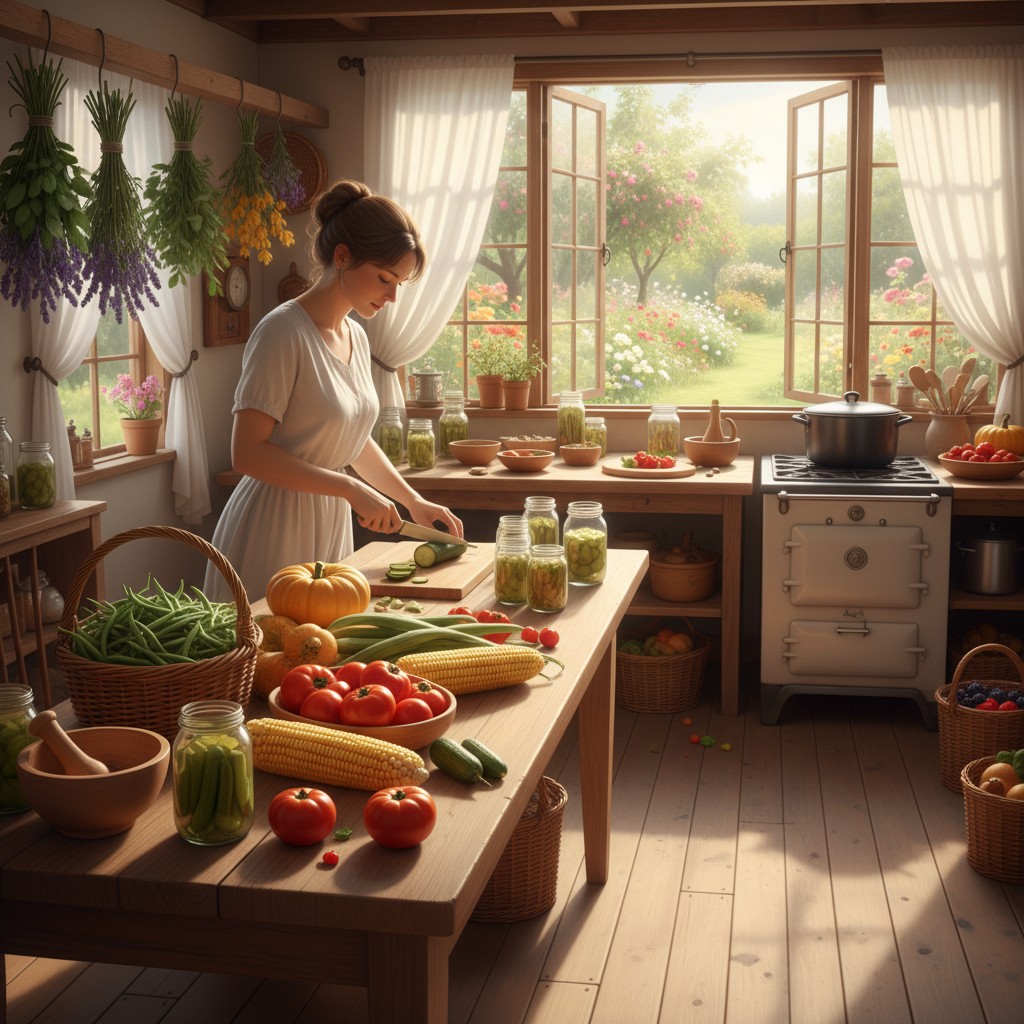
Summer is full production mode. Canning, dehydrating, and fermenting take center stage. According to the National Center for Home Food Preservation, processing produce at peak ripeness is crucial for safety and quality.

What Are the Most Important Fall Homemaking Tasks?
Fall is preparation season, focus on final harvesting, winterizing your home and garden, building food stores, and establishing cozy indoor routines. This is my favorite season for homemaking because there is a beautiful urgency to it.
| Season | Focus Areas | Key Tasks |
|---|---|---|
| Spring | Renewal, Deep Cleaning | Deep clean, declutter, start garden, plan year |
| Summer | Production, Preservation | Garden maintenance, preserve harvest, light cleaning |
| Fall | Preparation, Gathering | Final harvest, winterize, stock pantry, cozy nesting |
| Winter | Rest, Indoor Projects | Plan, repair, craft, deep nourishment, seed ordering |
Fall is when I plant garlic, put gardens to bed, and stock our root cellar. The U.S. Department of Energy recommends fall as the ideal time to weatherize your home.
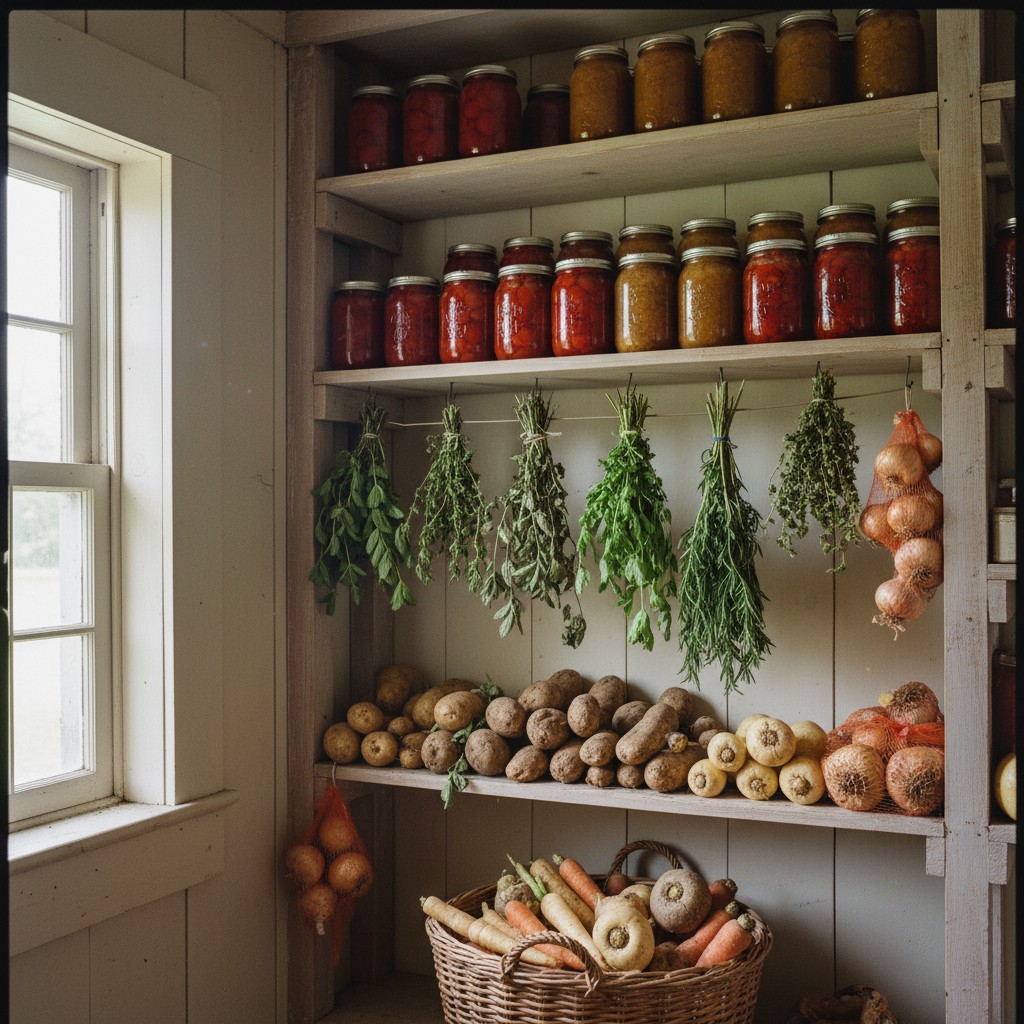
How Do You Embrace Rest During Winter?
Winter is the season for rest, reflection, indoor projects, and planning the year ahead. In my experience, homemakers who skip the winter rest period burn out by the time spring demands their energy again.
Winter is the perfect time to make homemade soap, beeswax wraps, and homemade gifts. Embrace nourishing winter foods: bone broth, sourdough baking, and warm soups from your stored harvest.
🌱 From Our Homestead
Switching to seasonal homemaking rhythms changed everything for our family. Instead of feeling behind on a never-ending to-do list, we now follow the natural pace of the year, deep cleaning in spring, preserving in summer, nesting in fall, and resting in winter.
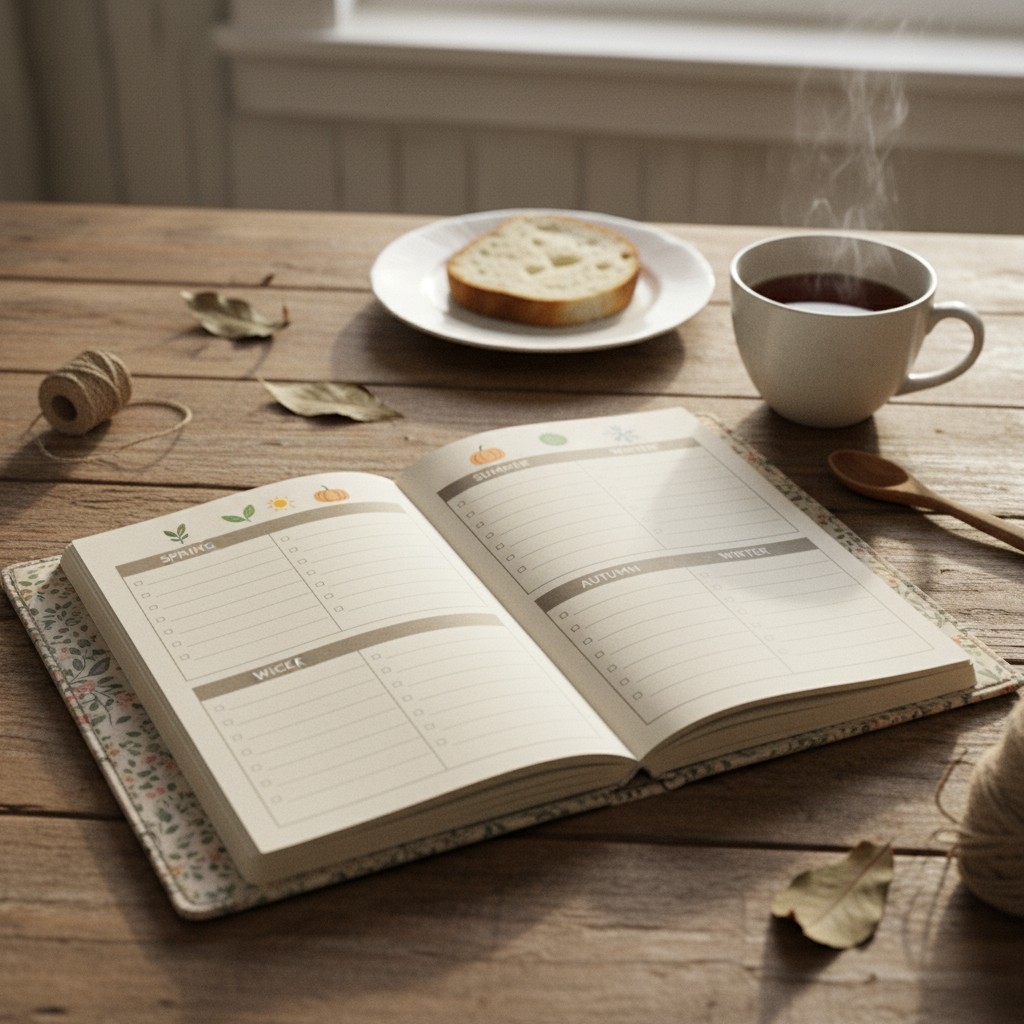
Frequently Asked Questions About Seasonal Homemaking
Start by observing what tasks feel natural right now. Write down what you are drawn to do each season for a full year. Then formalize those into a loose seasonal plan.
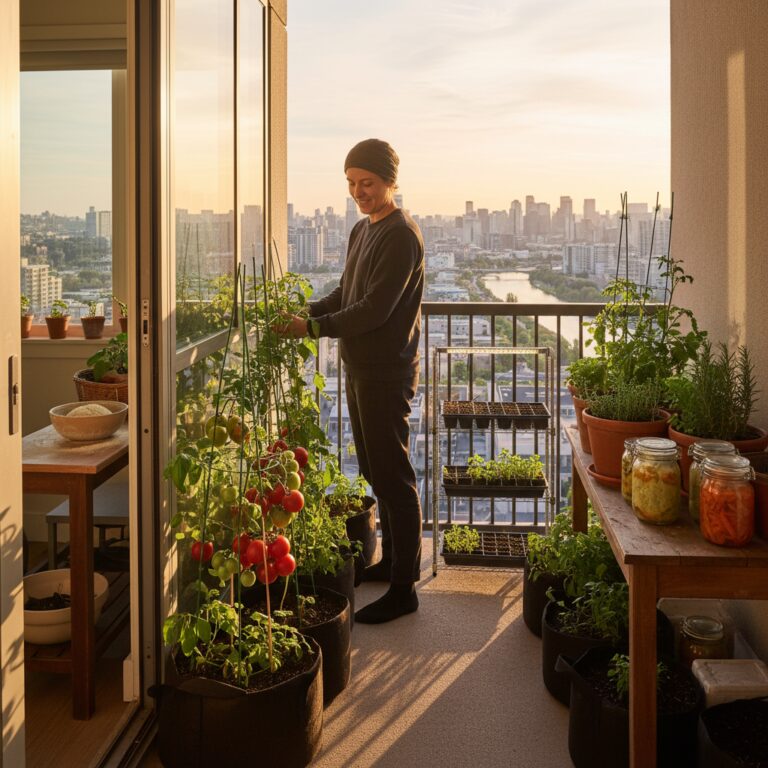
Absolutely! Urban dwellers can apply the same principles: spring decluttering, summer farmers' market shopping, fall pantry stocking, and winter rest.
Daily and weekly basics continue year-round, seasonal rhythms layer on top. Think of base routines as the heartbeat, and seasonal tasks as the melody.
Let it go gracefully. Most tasks cycle back around. Focus on what brings the most impact and give yourself permission to skip the rest.
How I built my own seasonal rhythm: an Exeter, Rhode Island example
It might help to see what this actually looks like in one specific household, so here is mine. We live in Exeter, Rhode Island, on the zone 6b/7a line. Last frost lands around May 10, first frost around October 15. The flock is twelve Rhode Island Reds. The garden is a mix of raised beds and an in-ground plot, plus berry canes and dwarf fruit trees. Two kids, one wife, hundreds of jars in the basement.
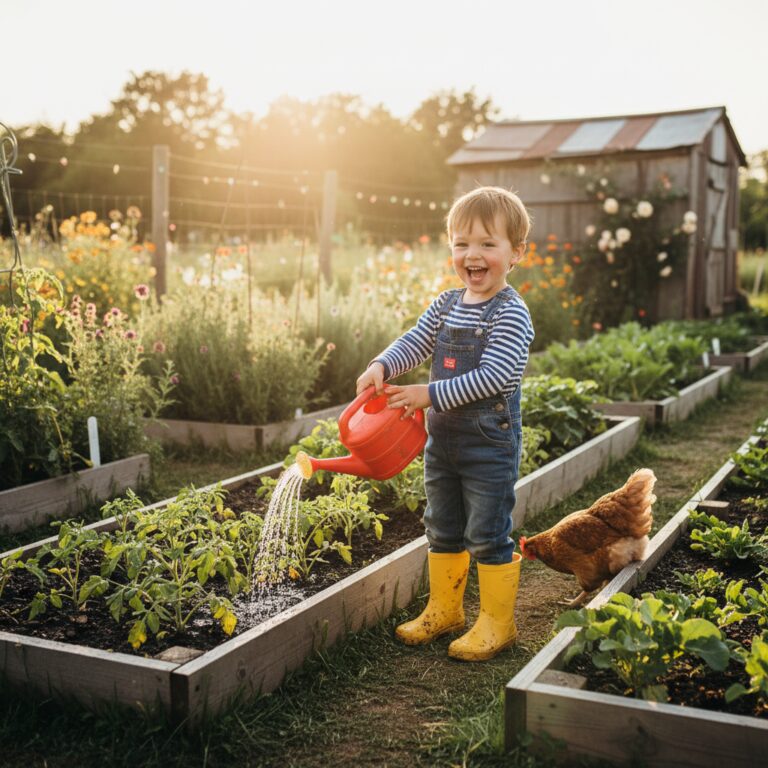
Spring (March through May) is for the seed-starting setup, opening every window for a full week of airing out, and the deep clean of the kitchen. Garden beds get amended with compost. The chickens go into spring molt and we deal with the feather chaos. Tomato and pepper seedlings live under a grow light in the basement starting late March. Beds go in the ground around Mother’s Day weekend. The herb garden gets reset at the same time. By Memorial Day the bedding is changed in every room and the garden is fully planted.
Summer (June through August) is the pulse: garden chores at sunrise (an hour, no more), preservation work in the late afternoon, evenings on the porch. June is strawberry jam. July is the first wave of pickles and the start of tomato sauce. August is the deep pull, sometimes 80 pounds of tomatoes through the food mill in a single Sunday. The house gets light cleaning only because the kitchen is busy. The kids are barefoot. We accept that the bathroom floor will be sandy from the chicken yard until October.
Fall (September through November) is preparation. Late tomatoes, peppers, and apples come in for one last preservation push. Garlic goes in the ground in October. The root cellar gets stocked with squash, potatoes, onions. Firewood is split and stacked. The chicken coop gets a deep clean and fresh bedding for winter. Around Thanksgiving the rhythm slows hard. Mid-November feels like the year exhaling.
Winter (December through February) is rest and craft. Soap-making in January. Bone broth goes most weeks. Seed catalogs come in late January and the planning for next year’s garden starts. Sourdough is in heavy rotation. The house feels quieter and slower, and that is the point. By February you can feel the year coiling for spring, but you have to give yourself the dark months first.
Your version will look different. Your zone, your work schedule, your family stage, your interests. The point is not to copy mine. The point is to notice what your year naturally wants to do and stop trying to force it into the wrong months. After two or three full cycles you will have your own rhythm, and the household will feel paced instead of perpetually behind.