The Complete Beginner’s Guide to Backyard Chickens in 2026
🌿 Key Takeaways (TL;DR)
- Over 13 million U.S. Households now keep backyard chickens
- A healthy hen lays 5–6 eggs per week in peak season
- Space needs: 3–4 sq ft per bird inside the coop, 8–10 sq ft in the run
- Best beginner breeds: Rhode Island Red, Buff Orpington, Barred Plymouth Rock
- Daily care takes just 10–15 minutes once your routine is set
When I started with 12 chicks back in 2016, I was convinced I needed elaborate systems and a spreadsheet. What I actually needed was a consistent morning routine and a waterer that didn't freeze solid every January. Rhode Island Reds forgive a lot, but they'll tell you immediately when something's wrong, usually through egg production.
⚠️ Health & Safety: Read Before You Start
Backyard poultry carry Salmonella even when the birds look perfectly healthy. The U.S. Centers for Disease Control and Prevention has linked backyard flocks to recurring multi-state Salmonella outbreaks every year since 2015, with hundreds hospitalized annually. Follow CDC guidance from day one:
- Children under 5 should not touch chickens, chicks, eggs, or anything in the coop area, they are the highest-risk group for serious Salmonella illness.
- Wash hands with soap and water for at least 20 seconds after any contact with birds, eggs, feed, bedding, or coop surfaces.
- Do not kiss, snuggle, or hold birds close to your face.
- Keep chickens out of the house, especially kitchens and anywhere food is prepared.
- Do not eat or drink in the coop or run.
- Keep a dedicated pair of shoes for the coop and leave them outside.
Highly Pathogenic Avian Influenza (HPAI / H5N1) biosecurity. HPAI is active in U.S. Wild-bird and poultry populations. Follow the USDA Defend the Flock basics: keep your flock away from wild birds and standing water wild birds use, do not share equipment with other flock owners, clean boots and tools between visits, and quarantine any new birds for 30 days. If you see sudden die-offs, swollen heads, purple combs, or severe drops in egg production, report it immediately to USDA APHIS at 1-866-536-7593.
Sources: CDC Healthy Pets, Healthy People. Backyard Poultry; USDA APHIS Defend the Flock.
Backyard chickens are more popular than ever in 2026. Whether you want fresh eggs every morning, natural pest control for your garden, or just the joy of watching fluffy birds scratch around your yard, this guide covers everything you need to know. I have been keeping a small flock for three years now, and honestly, the hardest part was deciding which breeds to start with, the daily care is easier than most people expect.
Why Are So Many People Raising Backyard Chickens?
Over 13 million American households now keep backyard chickens, driven by rising egg prices, food security concerns, and the unbeatable quality of homegrown eggs. But cost savings are only part of the story:
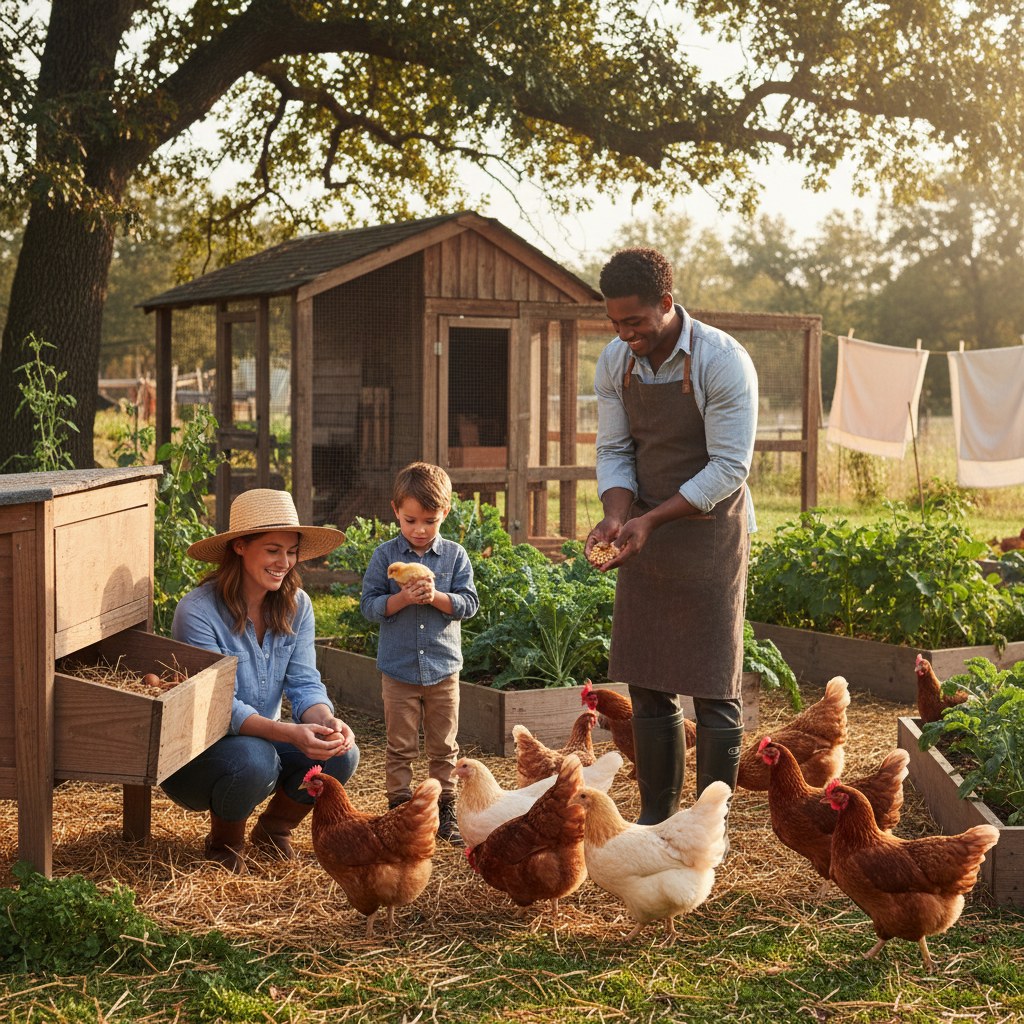
- Food security. Knowing exactly where your food comes from brings genuine peace of mind
- Superior egg quality. Backyard eggs have richer yolks, better flavor, and higher nutritional value
- Garden benefits. Chickens eat bugs, turn scraps into compost, and their aged manure is garden gold
- They are genuinely fun. Chickens have personalities and provide endless entertainment, kids especially love them
What Do You Need to Check Before Getting Chickens?
Before ordering chicks, check your local zoning laws, most of the 150 largest U.S. Cities now allow backyard hens, but regulations vary. Contact your city or county zoning office about maximum flock size, rooster rules, setback distances, permit requirements, and HOA restrictions.
Which Breeds Are Best for Beginners?
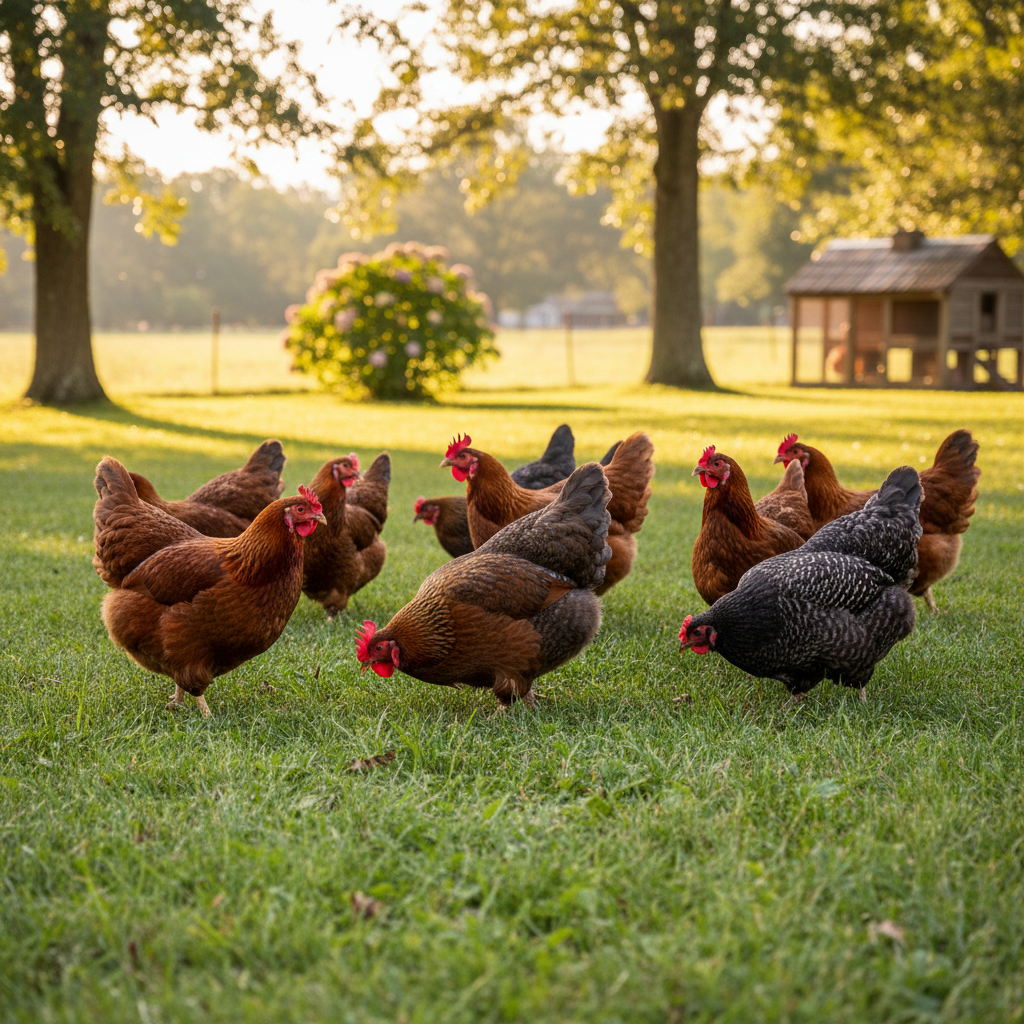
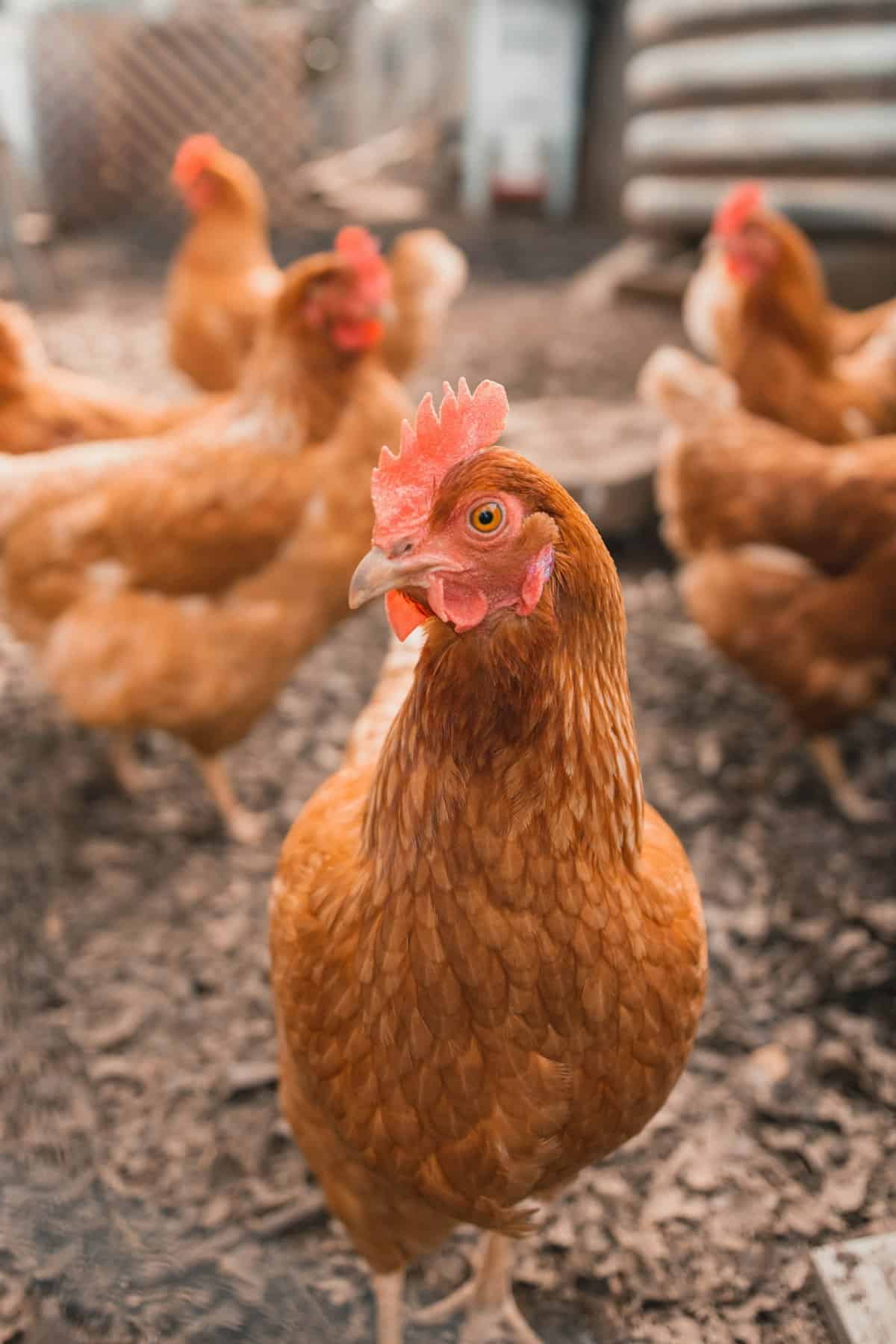
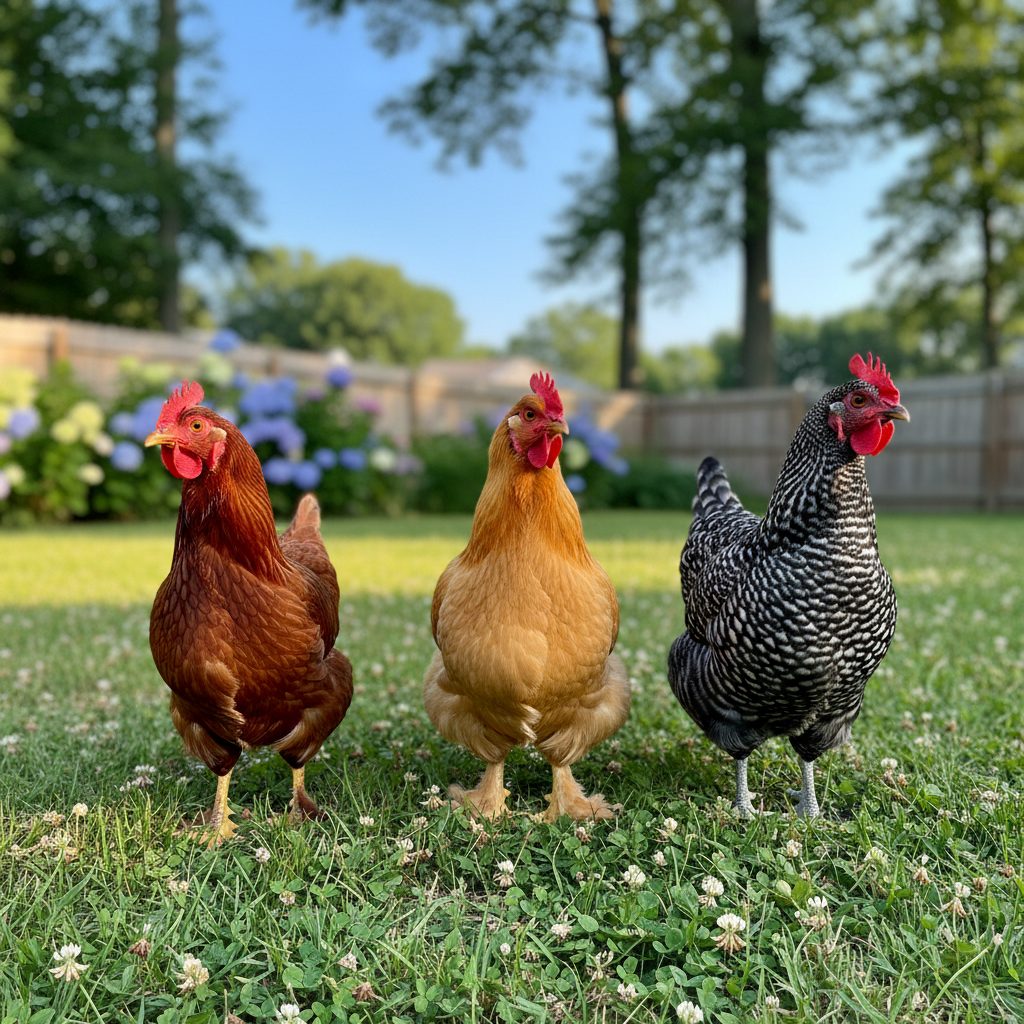
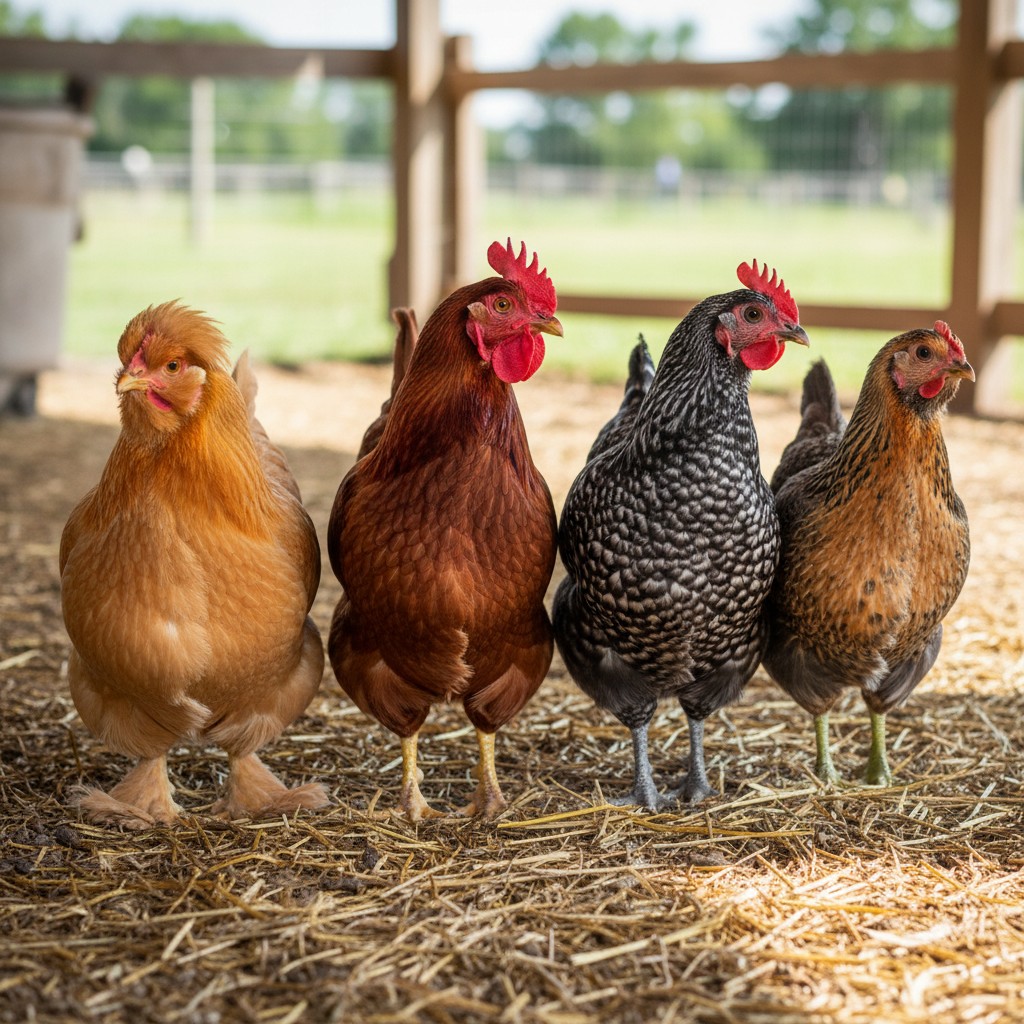
Rhode Island Reds, Buff Orpingtons, and Barred Plymouth Rocks are the top beginner breeds, hardy, friendly, and reliable layers. For most first-timers, 3 to 6 hens is the sweet spot.
From our homestead: Our first chickens arrived in a cardboard box from the post office. I was terrified I’d do something wrong. Turns out, chickens are remarkably forgiving, and those first fresh eggs made every worry worth it.
| Breed | Eggs/Year | Egg Color | Temperament | Best For |
|---|---|---|---|---|
| Rhode Island Red | 250–300 | Brown | Hardy, friendly | Best all-around |
| Buff Orpington | 200–280 | Light brown | Gentle, cold-hardy | Families with kids |
| Barred Plymouth Rock | ~250 | Brown | Docile, curious | Mixed flocks |
| Easter Egger | 200–250 | Blue/green/pink | Quirky, fun | Colorful egg baskets |
| Leghorn | 280–320 | White | Active, heat-tolerant | Hot climates, max eggs |
The three breeds we recommend most for first-time chicken keepers — and the honest tradeoffs of each. These are the breeds I've raised since 2016 in Rhode Island, and the picks that show up consistently in beginner flocks across cold and temperate climates.
Rhode Island Red — the all-rounder
Pros: 250–300 large brown eggs/year, dual-purpose (meat and eggs), cold-hardy down to 0°F with a draft-free coop, forages aggressively on free-range, slow to go broody, adapts to confinement, lifespan 5–8 years.
Cons: Roosters can be aggressive (skip them in beginner flocks), occasional flock-bullying behavior with smaller breeds, brown egg saturation in markets means lower per-egg pricing if you sell.
Buff Orpington — the family favorite
Pros: Famously docile and lap-friendly (good for kids), exceptional cold tolerance from heavy feathering, 200–280 light-brown eggs/year, broody hens make natural mothers if you ever want to hatch chicks, quiet and unlikely to upset suburban neighbors.
Cons: Heavy feathering means heat stress above 85°F (need shade and ventilation), broodiness pauses egg production for 3–4 weeks at a time, slower to mature than Rhode Island Reds, lower lifetime egg total than the leaner breeds.
Barred Plymouth Rock — the mixed-flock peacekeeper
Pros: Curious and confident without being pushy, integrates well with other breeds, ~250 brown eggs/year for 4–5 years, distinctive black-and-white barring is easy to identify in the run, hardy in both cold and heat.
Cons: More vocal than Buff Orpingtons (audible from a neighboring yard), occasional egg-eating behavior if nests are crowded, the barring genetics mean chicks can be hard to sex visually until 6–8 weeks.
How Do You Set Up a Chicken Coop?
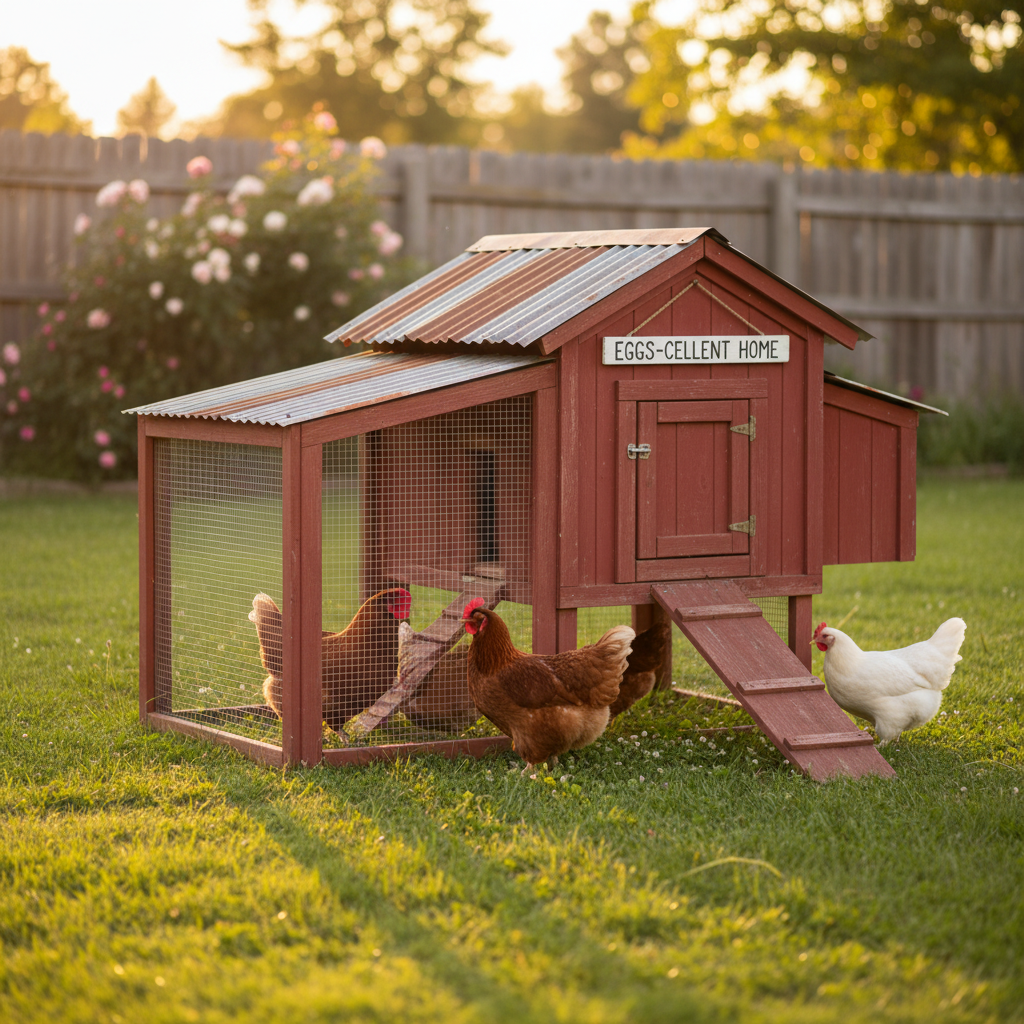
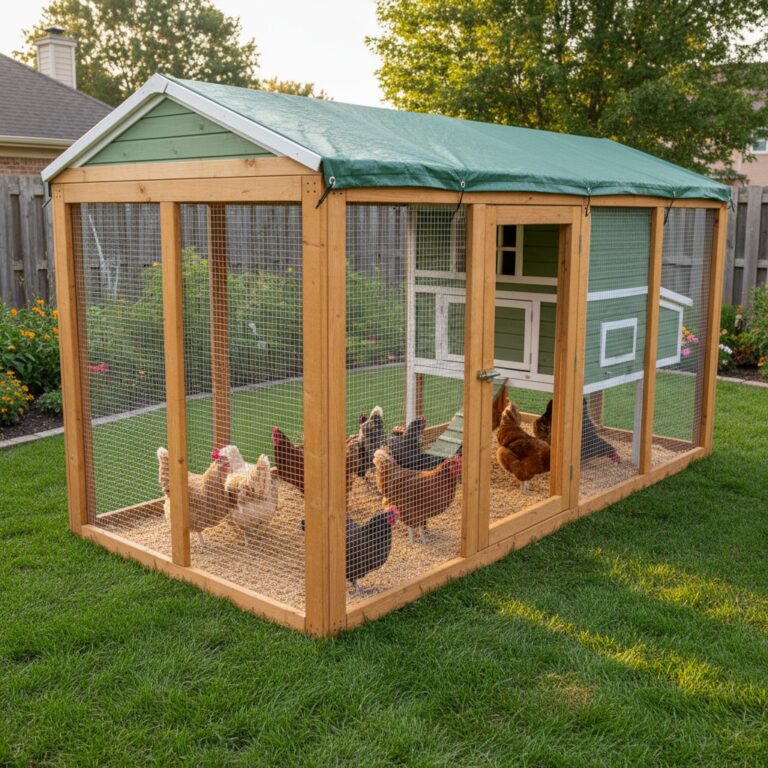
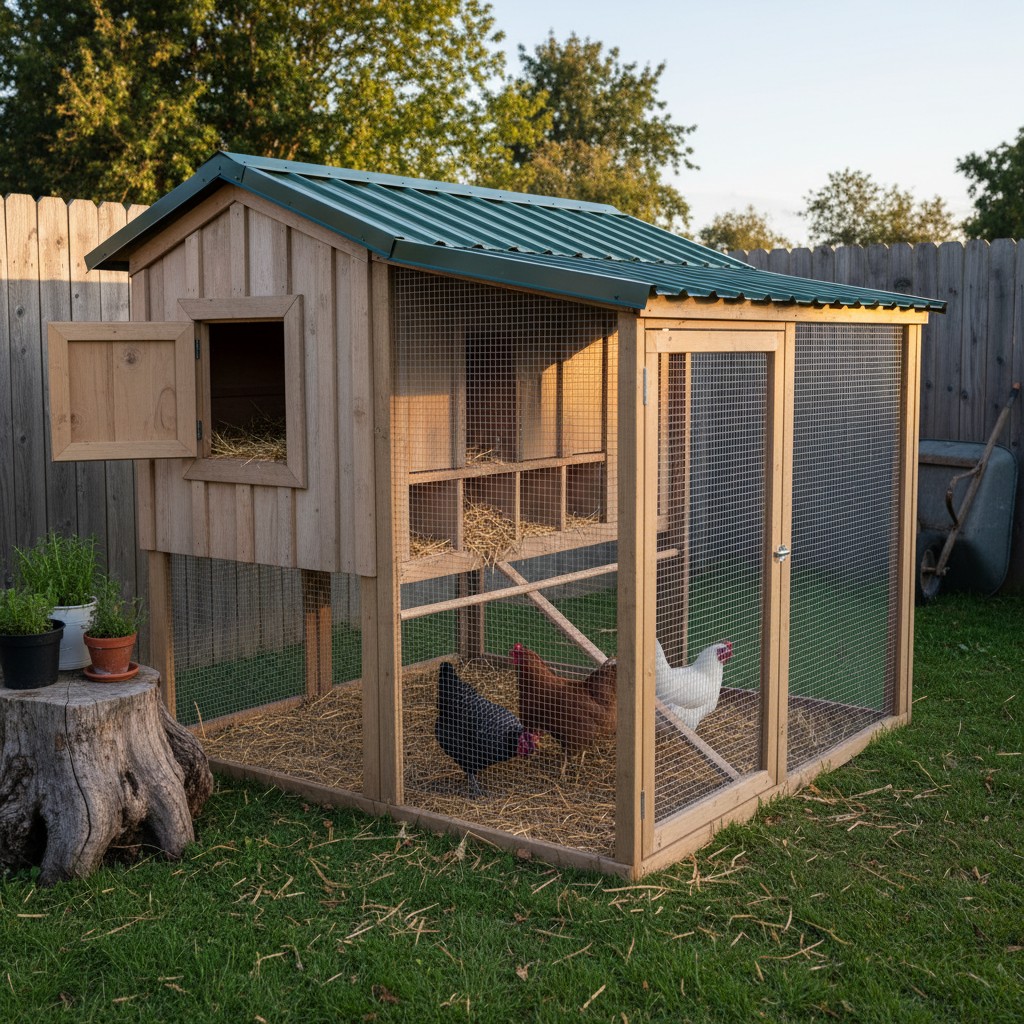
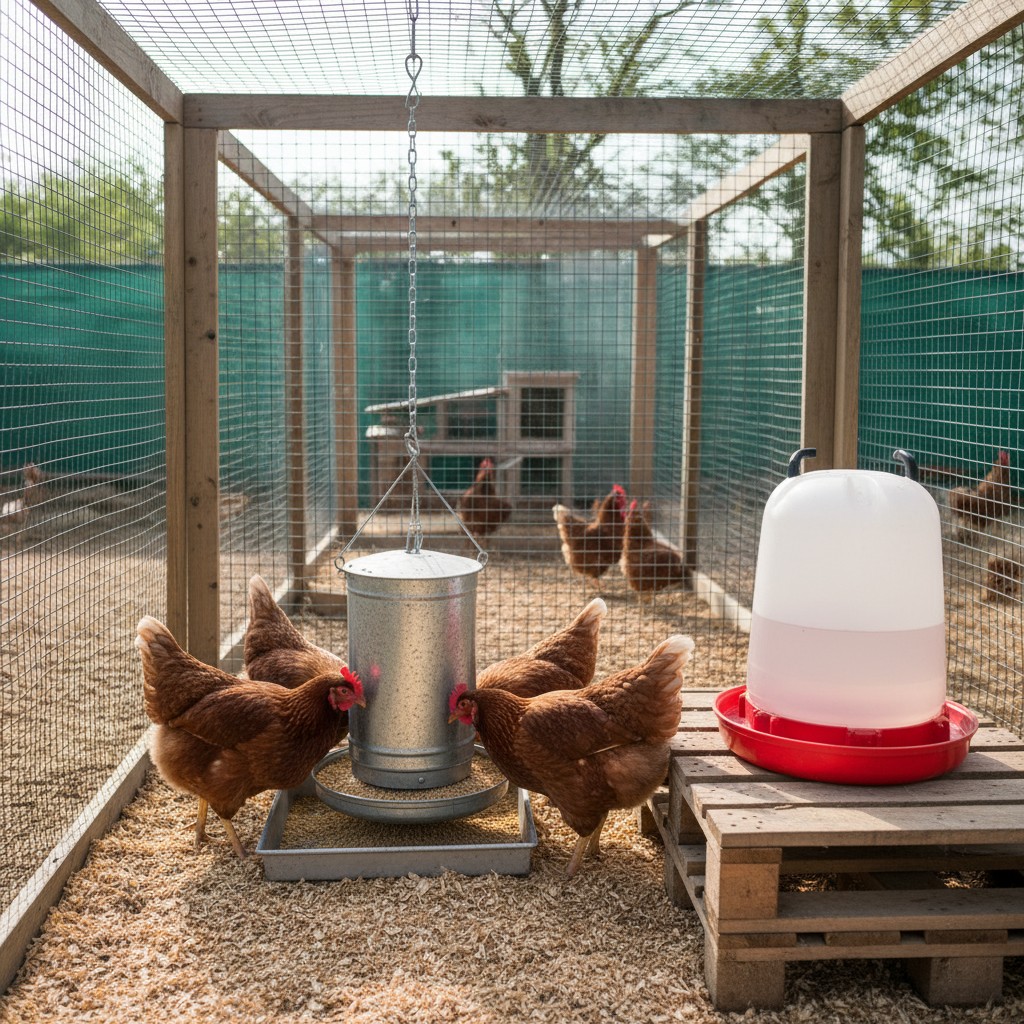
Your coop does not need to be fancy, but it must be functional, here are the non-negotiable requirements. Allow at least 4 square feet per bird inside the coop (heavy breeds like Orpingtons and Plymouth Rocks do better with 5–6) and 8–10 sq ft per bird in the run. These figures come from poultry.extension.org and most university poultry extensions; crowding below 4 sq ft is strongly linked to feather-picking, cannibalism, and ammonia buildup. For detailed build plans, see our DIY chicken coop guide.
- Roosting bars: 8–10 inches per bird, positioned higher than nesting boxes
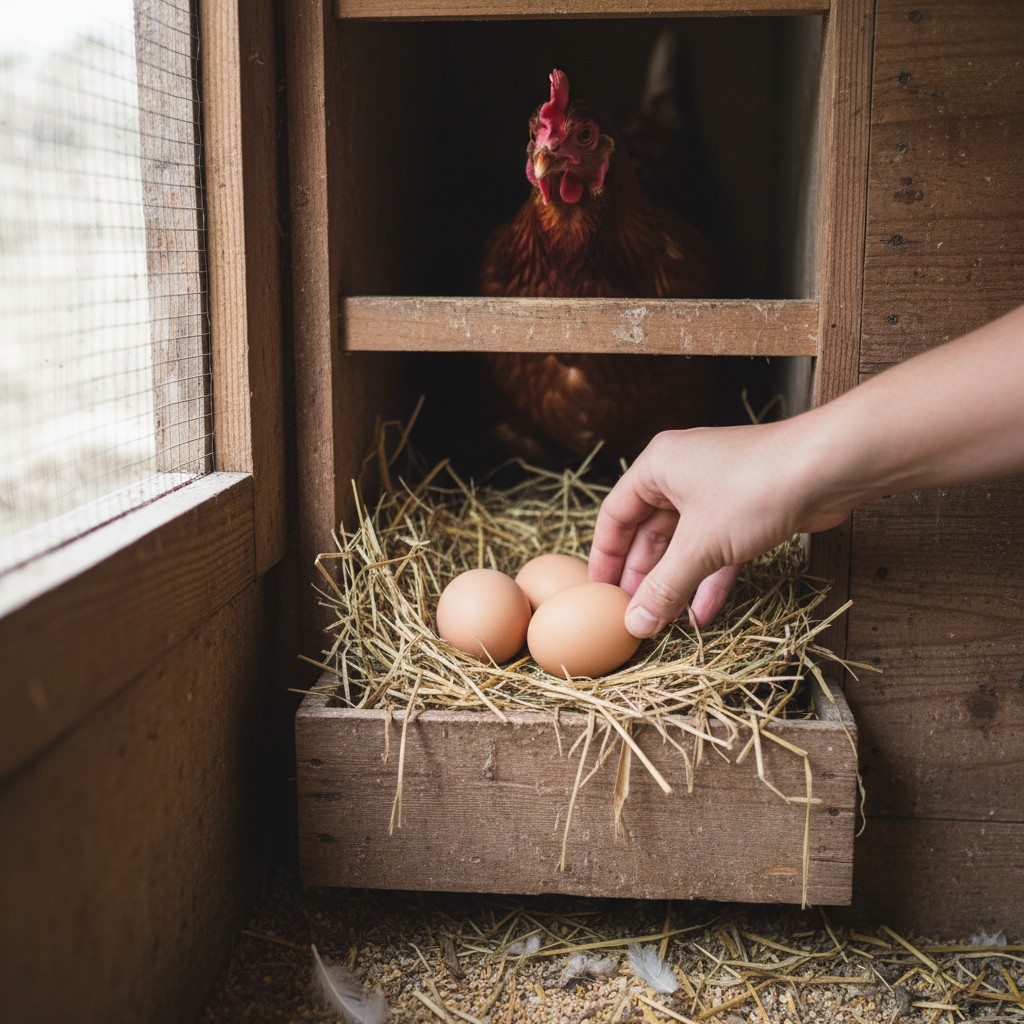
- Nesting boxes: One for every 3–4 hens, filled with straw or pine shavings
- Ventilation: Vents near the roofline open year-round, moisture kills more chickens than cold
- Predator protection: Hardware cloth (½-inch, not chicken wire) over all openings. To stop digging predators like foxes, dogs, and raccoons, either bury hardware cloth 18–24 inches straight down or install an L-shaped apron extending 18–24 inches outward along the ground from the base of the run (the L-footer is easier and at least as effective). University extension predator-proofing guides (e.g., Penn State Extension) flag a shallow 12-inch burial as inadequate for determined diggers. Use two-step, spring-loaded, or padlock-style latches on every door, raccoons can open simple hook-and-eye hardware.
- Easy cleaning access: A removable panel or door for regular coop cleanouts
What Should You Feed Your Flock?
Layer feed (16% protein) should be the staple diet for hens 18 weeks and older, supplemented with grit, oyster shell, and fresh water at all times. See our detailed chicken feeding guide for complete nutrition information.
- Layer feed, 16% protein with calcium for egg production. Only feed layer ration to hens that are actively laying (18+ weeks). The high calcium in layer feed can cause kidney damage and gout in chicks, pullets, and roosters, use a starter/grower feed instead.
- Grit. Helps grind food in the gizzard
- Oyster shell. Extra calcium for strong eggshells (separate dish)
- Fresh water. Roughly a pint per bird per day, more in heat
- Treats. Veggie scraps, mealworms, cracked corn in moderation. Avoid avocado, raw potato, chocolate
What Does the Daily Care Routine Look Like?
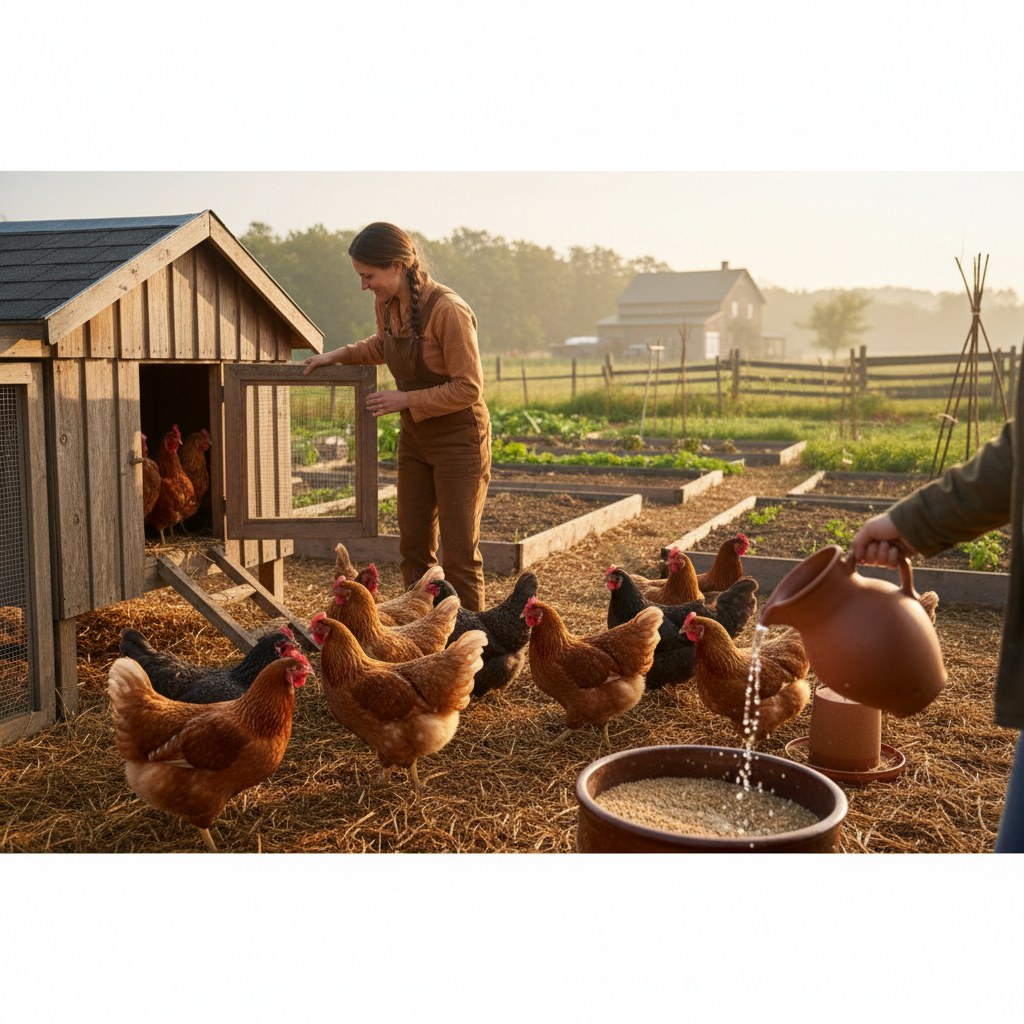
Daily chicken care takes just 10–15 minutes once your routine is established. Open the coop at dawn, refresh water and feed, collect eggs, do a quick visual health check, and secure the coop at dusk. Weekly spot-cleaning takes about 20 minutes. Deep-clean the coop monthly with fresh bedding. For health monitoring tips, check our chicken health guide.
What Are the Most Common Beginner Mistakes?
The biggest beginner mistakes are getting too many birds too fast, underestimating predators, and not providing enough ventilation.
- Too many chickens too fast. Start with 3–6 and add more once you have your routine
- Underestimating predators. Raccoons, hawks, foxes, and dogs are real threats. Invest in hardware cloth from day one
- Using chicken wire for security. It keeps chickens in but does not keep predators out
- Not enough ventilation. A sealed coop is worse than a drafty one, moisture causes respiratory disease
- No manure plan. Chickens produce a lot of poop. Composting is the best solution and gives you incredible garden fertilizer
When Will You Get Your First Eggs?
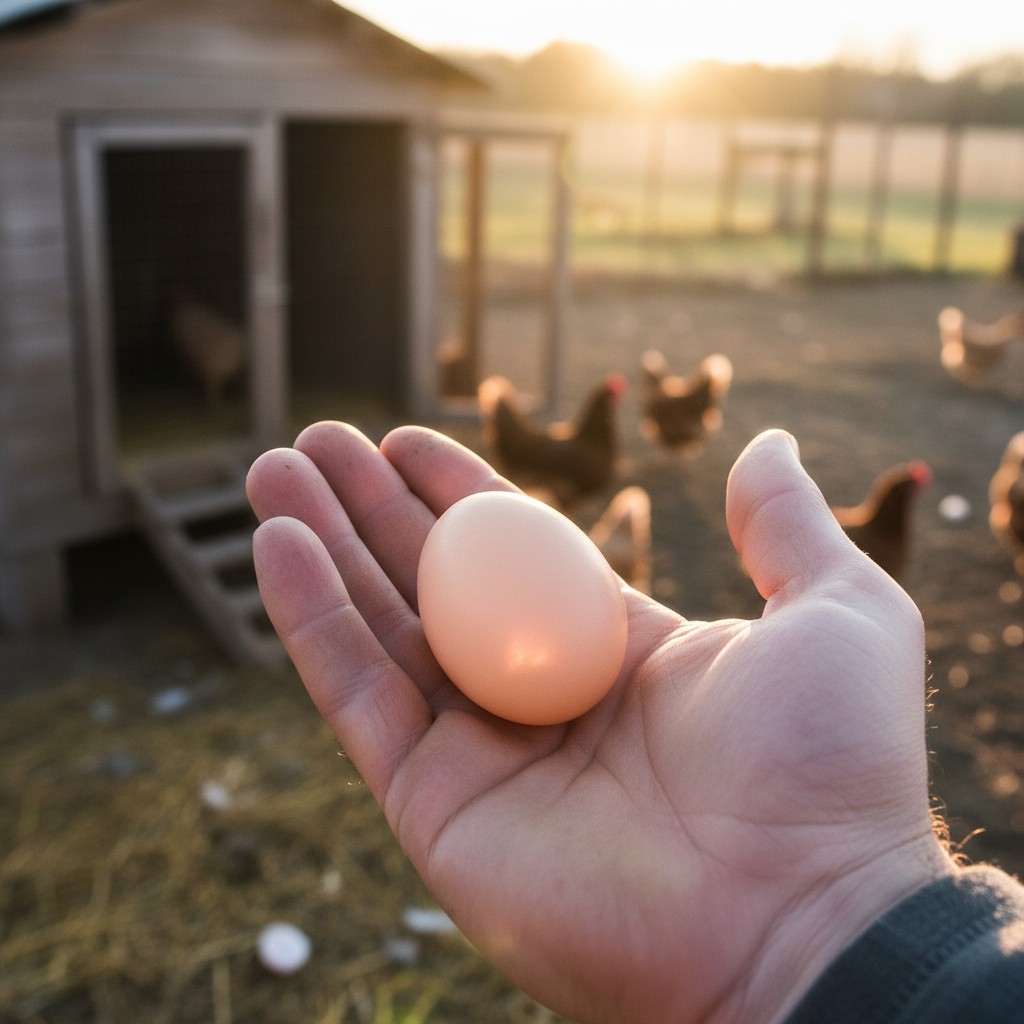
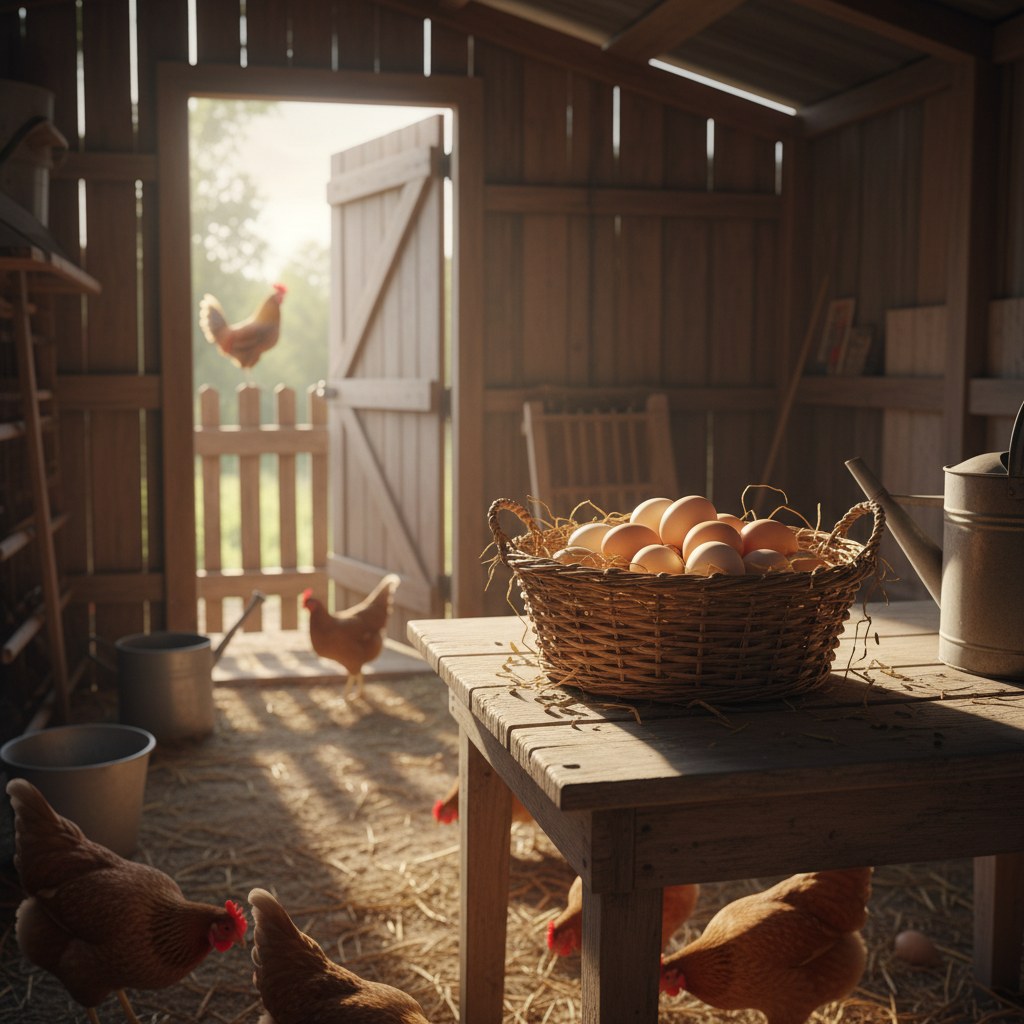
Most hens start laying between 18 and 24 weeks of age, producing 5–6 eggs per week during peak season (spring and summer). First eggs are often small “pullet eggs” and may come irregularly, this is normal. Production naturally decreases in fall and winter as daylight drops. According to Purdue Extension, a well-managed flock of 4 hens can provide a family with about 20 eggs per week during peak months.
How Do Chickens Fit Into a Homestead Ecosystem?
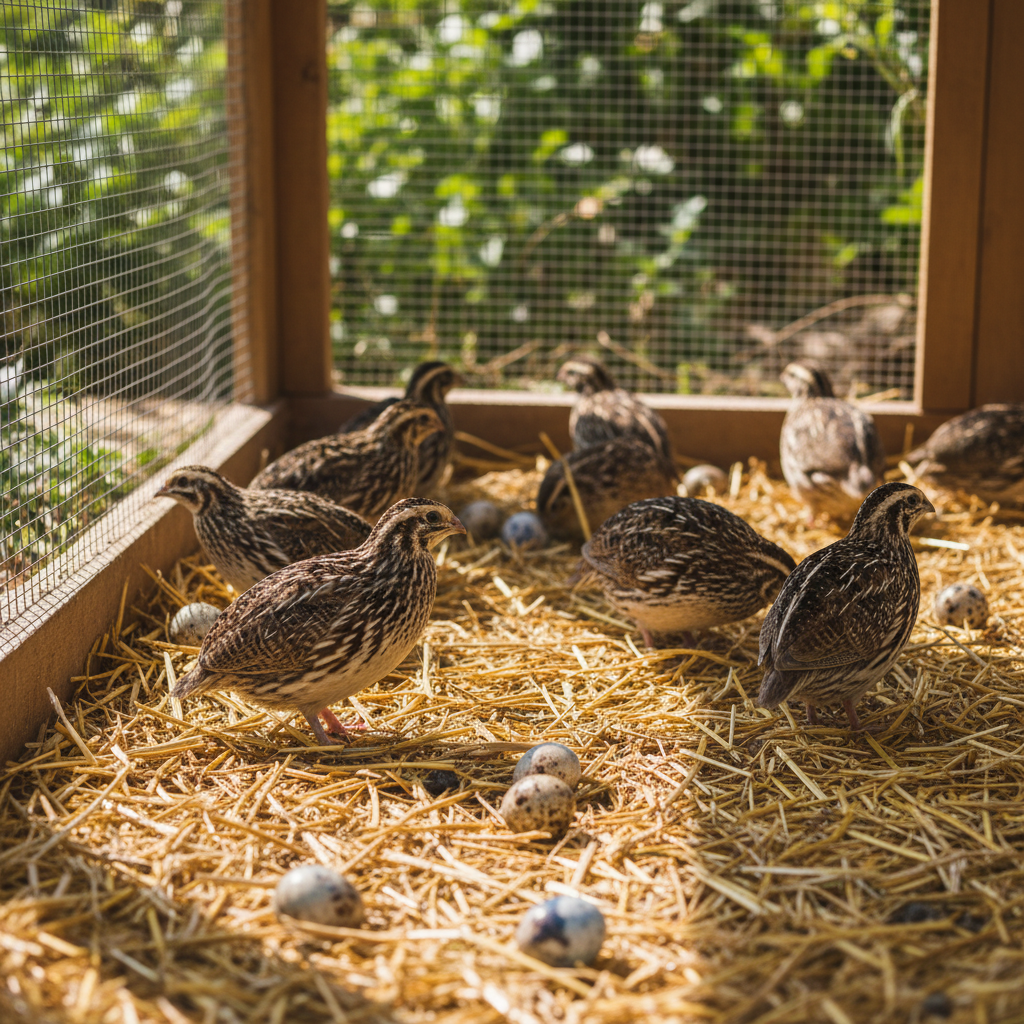
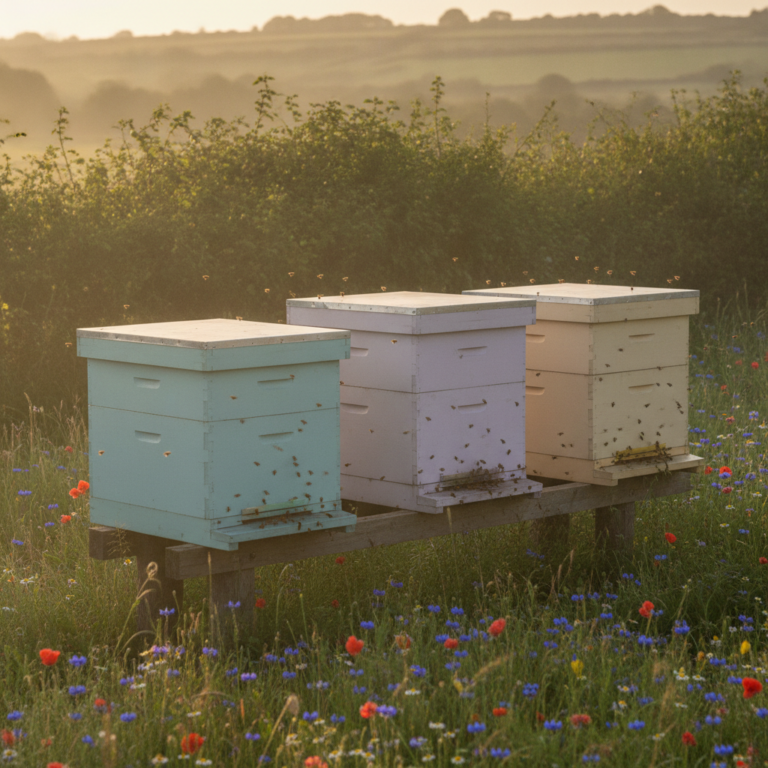
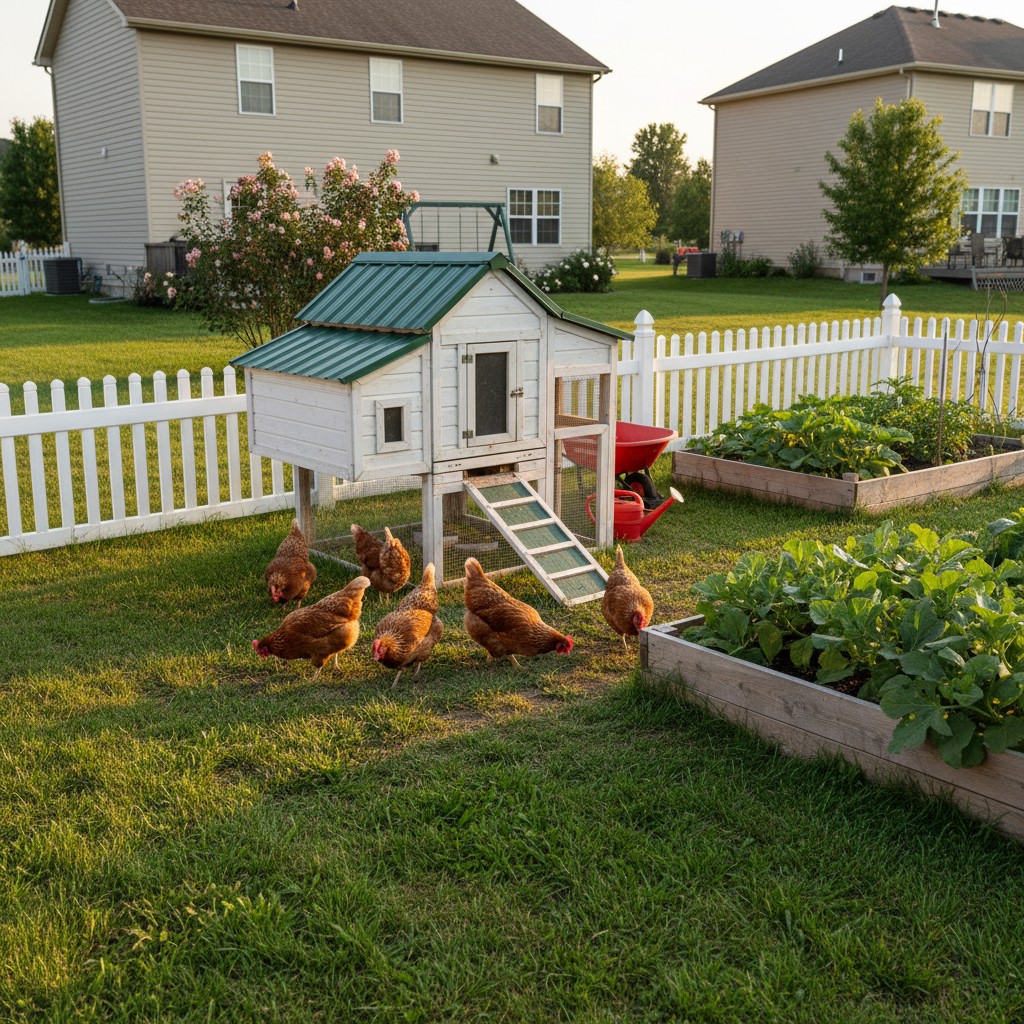
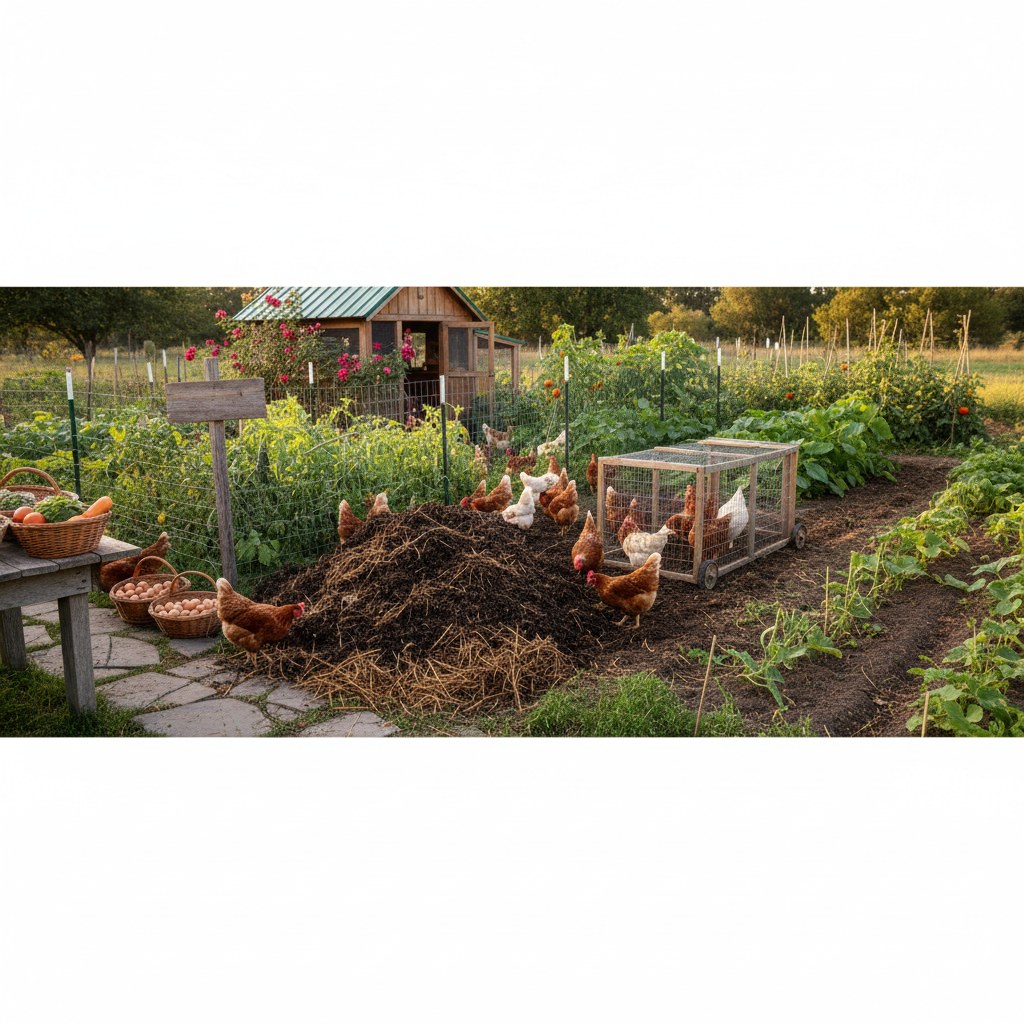
Chickens are the “gateway animal” to homesteading because they create a beautiful closed loop with your garden. They eat scraps and bugs, their manure feeds your compost pile, that compost feeds your garden, and the garden feeds you and your chickens. Once you have chickens, you might find yourself exploring ducks, quail, or even beekeeping next.
If you have been thinking about backyard chickens, 2026 is a fantastic year to start. Laws are more favorable, resources are more accessible, and the technology to make flock management easier has never been better. Start small, invest in a secure coop, and pick a few beginner-friendly breeds. Before you know it, you will be collecting fresh eggs every morning and wondering why you did not start sooner.
Frequently Asked Questions
How many chickens should a beginner start with?
Start with 3–6 hens. This provides plenty of eggs for a family without being overwhelming while you learn the routine. You can always add more later.
How much does it cost to start raising chickens?
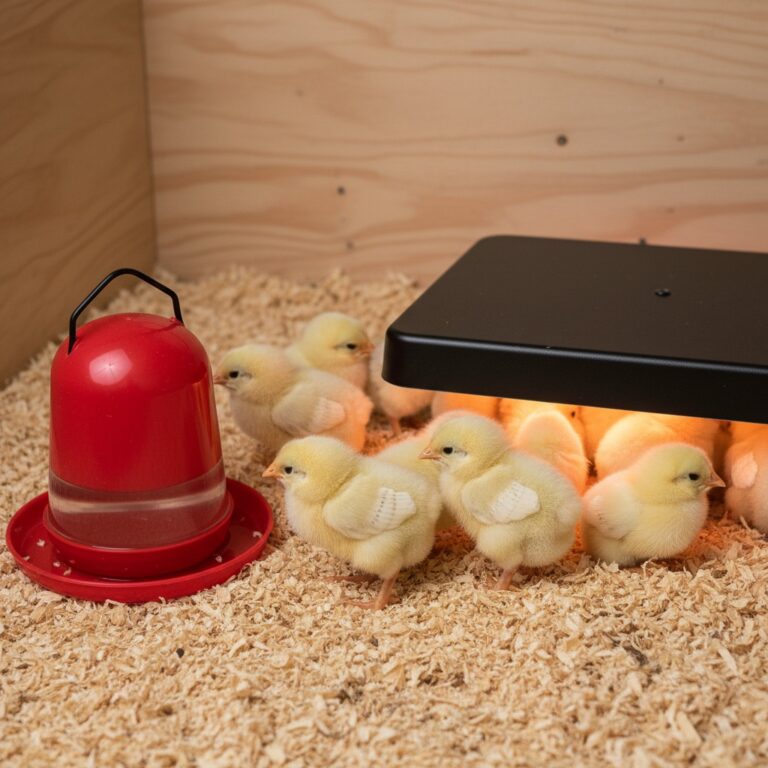
Plan for $200–$500 to start: $100–$300 for a basic coop, $30–$60 for chicks, and $50–$100 for feed, waterer, and supplies. Ongoing costs are about $15–$25 per month for feed.
Do backyard chickens smell bad?
A well-maintained coop with proper ventilation and regular cleaning does not smell bad. Most odor problems come from poor ventilation and infrequent bedding changes.
Can I keep chickens in a small backyard?
Yes! A small flock of 3–4 hens needs only about 40 sq ft of run space. Many urban chicken keepers thrive in modest yards.
Do I need a rooster for hens to lay eggs?
No. Hens lay eggs without a rooster. You only need a rooster if you want fertilized eggs for hatching chicks. Most cities prohibit roosters due to noise.
Sources and Further Reading
USDA & university extension references used for this guide:
- USDA APHIS — Defend the Flock biosecurity program for backyard poultry health management.
- USDA Economic Research Service — Poultry & Eggs market data, including the household-flock estimates cited above.
- University of Kentucky Cooperative Extension — Getting Started with Small Flocks, the standard beginner curriculum used by 4-H programs.
- Penn State Extension — Keeping a Small Flock of Chickens for coop sizing and feed-conversion guidance.
- Mississippi State University Extension — Raising Backyard Chickens for breed comparison and health-monitoring checklists.
- Centers for Disease Control — Healthy People, Healthy Backyard Poultry for handling and salmonella prevention.