
Companion Planting Guide: What to Grow Together (and What to Keep Apart)
- The Three Sisters (corn, beans, squash) is the classic combo — used for thousands of years
- Tomatoes + basil and carrots + onions are proven pest-deterring pairs
- Keep fennel away from everything — it inhibits most nearby plants
- Marigolds, nasturtiums, and borage belong in every vegetable garden
- Companion planting reduces pest pressure and can boost yields by up to 20%
Companion planting is the practice of growing certain plants together because they help each other out — by repelling pests, attracting beneficial insects, improving flavor, providing shade or support, or enriching the soil. It is one of the oldest gardening techniques, and it is just as relevant today as it was a hundred years ago.
In my own garden, I have seen the difference firsthand. The year I started interplanting marigolds and basil with my tomatoes, my aphid problems dropped dramatically. Companion planting is not magic, but the results can feel pretty magical.
What Are the Best Companion Planting Combinations?
The Three Sisters (corn, beans, squash) is the most famous companion planting system, proven over thousands of years of Indigenous agriculture.
The Three Sisters: Corn, beans, and squash. The corn provides a trellis for beans to climb, beans fix nitrogen in the soil for the corn, and squash spreads along the ground shading out weeds and retaining moisture. This combination has been used by Indigenous peoples for thousands of years.
Tomatoes and basil: Basil is said to improve the flavor of tomatoes and may help repel aphids, whiteflies, and tomato hornworms. Plus, they taste amazing together on the plate.
Carrots and onions: The scent of onions confuses carrot flies, while the scent of carrots repels onion flies. They protect each other. Try growing both alongside your garlic.
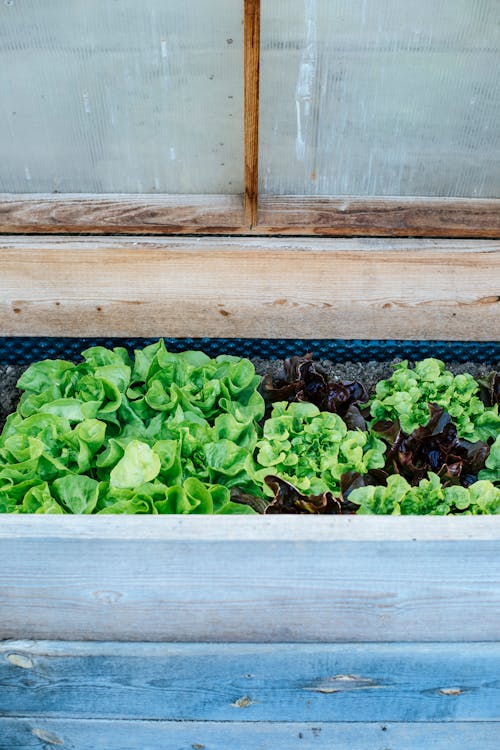
Lettuce and tall crops: Lettuce bolts in hot sun. Plant it in the shade of taller crops like tomatoes, corn, or sunflowers for a longer harvest of tender greens.
Which Plants Should Never Be Neighbors?
Some plants actively inhibit each other’s growth through chemical compounds or nutrient competition. Here are the key pairings to avoid:
- Tomatoes and brassicas (broccoli, cabbage, cauliflower) — they compete for nutrients and can stunt each other
- Beans and onions/garlic — alliums inhibit the growth of beans
- Fennel and almost everything — fennel releases substances that inhibit the growth of most garden plants. Give it its own spot.
- Dill and carrots — they are in the same family and can cross-pollinate, plus mature dill may inhibit carrot growth
- Potatoes and tomatoes — both are susceptible to blight, and planting them together increases disease risk
| Plant | Good Companions | Bad Companions | Benefit |
|---|---|---|---|
| Tomatoes | Basil, carrots, marigolds | Brassicas, fennel, potatoes | Pest deterrence |
| Beans | Corn, squash, carrots | Onions, garlic, fennel | Nitrogen fixing |
| Carrots | Onions, lettuce, rosemary | Dill, fennel | Pest confusion |
| Lettuce | Tall crops, radishes, herbs | None significant | Shade & space |
| Strawberries | Borage, thyme, lettuce | Brassicas, fennel | Pollination boost |
Which Flowers Belong in Every Vegetable Garden?
Marigolds, nasturtiums, sunflowers, and borage are the four must-have companion flowers that protect vegetables and attract beneficial insects.
Marigolds repel nematodes, aphids, and whiteflies. Plant them as a border around your vegetable beds. Nasturtiums act as a trap crop — aphids prefer them over your vegetables, sacrificing themselves to protect your food. Sunflowers attract pollinators and provide natural trellises for climbing beans. Borage attracts bees and is said to improve the growth of tomatoes and strawberries. For an even deeper dive into pollinator support, check out our beekeeping guide.
Companion planting is not an exact science — it is part tradition, part observation, and part experimentation. Try some combinations, see what works in your garden, and keep notes. Research from Agriculture, Ecosystems & Environment suggests that intercropping can reduce pest pressure by up to 60%. Your garden is a living laboratory, and companion planting is one of the most enjoyable experiments you can run. Pair it with natural pest control for the healthiest garden possible.
Frequently Asked Questions
A: Many companion planting principles are backed by science. Marigolds repelling nematodes, for example, is well-documented. Other combinations are more traditional, but gardeners have observed benefits for centuries.
A: Within 2–3 feet is generally effective for pest-deterring benefits. For the Three Sisters, plant within the same mound or bed.
A: Absolutely. Raised beds are actually ideal for companion planting because you have more control over spacing and soil. Interplant flowers with vegetables throughout the bed.
A: Tomatoes, basil, and marigolds. They are all easy to grow, widely available, and the pest-deterring benefits are well-established.