Cooking from Scratch on a Budget: The Homesteader’s Kitchen Guide
- Cooking from scratch saves the average household $1,000–$3,000/year compared to convenience foods and takeout
- A well-stocked pantry of 25 staple ingredients lets you make hundreds of meals without a recipe
- The 5 foundation skills: roasting, sautéing, making soup, baking bread, and building a sauce
- Batch cooking on Sunday saves 5–10 hours per week of daily cooking decisions
- Connect your garden to your kitchen, a garden-to-table meal plan maximizes freshness and minimizes waste
Cooking from scratch sounds like a full-time job until you actually learn how to do it efficiently. The truth is, a simple homemade dinner takes 20–30 minutes, the same amount of time you spend waiting for delivery. The difference: it costs a fraction of the price, it’s healthier, and it tastes better.
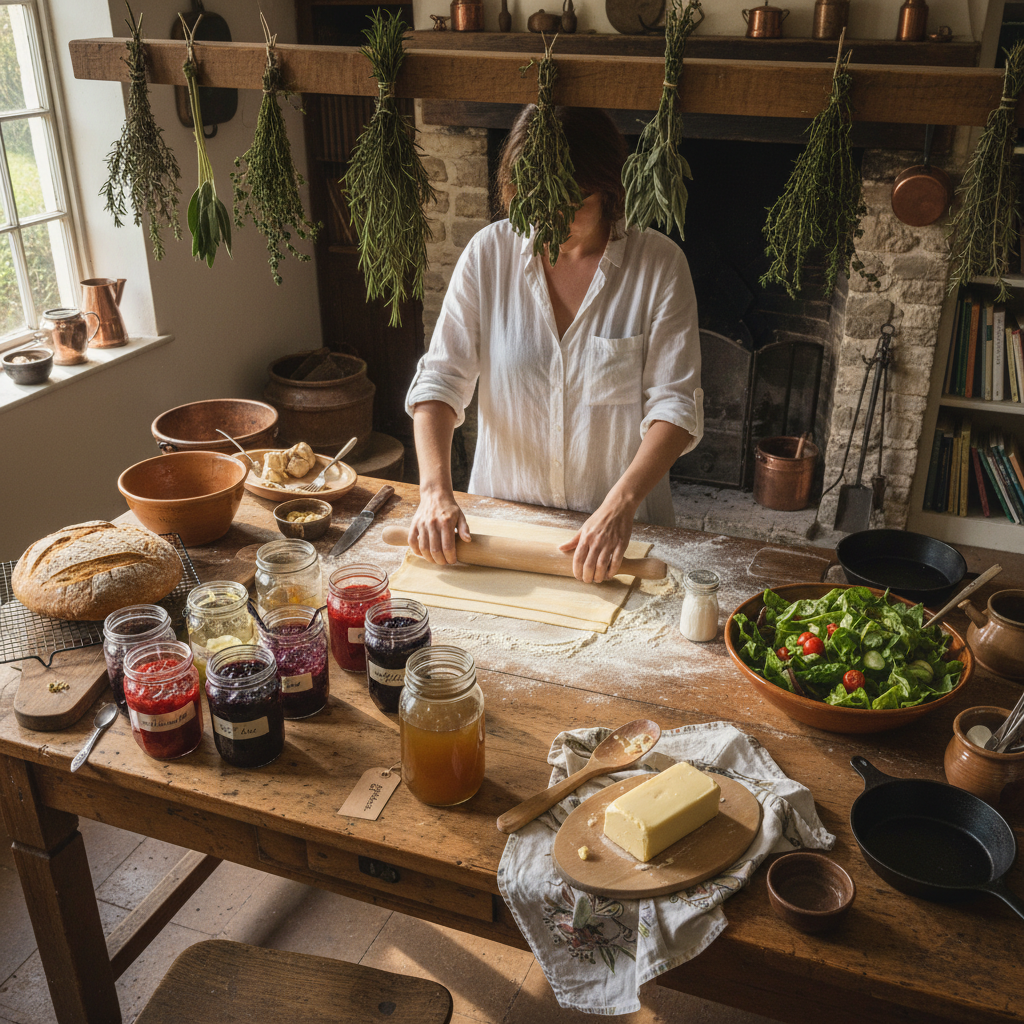
For homesteaders, cooking from scratch isn’t optional, it’s the whole point. You grow food, you preserve food, and then you turn it into meals. This guide covers the essential skills, the pantry staples, and the batch-cooking strategies that make from-scratch cooking sustainable every day.
The From-Scratch Pantry: 25 Staple Ingredients
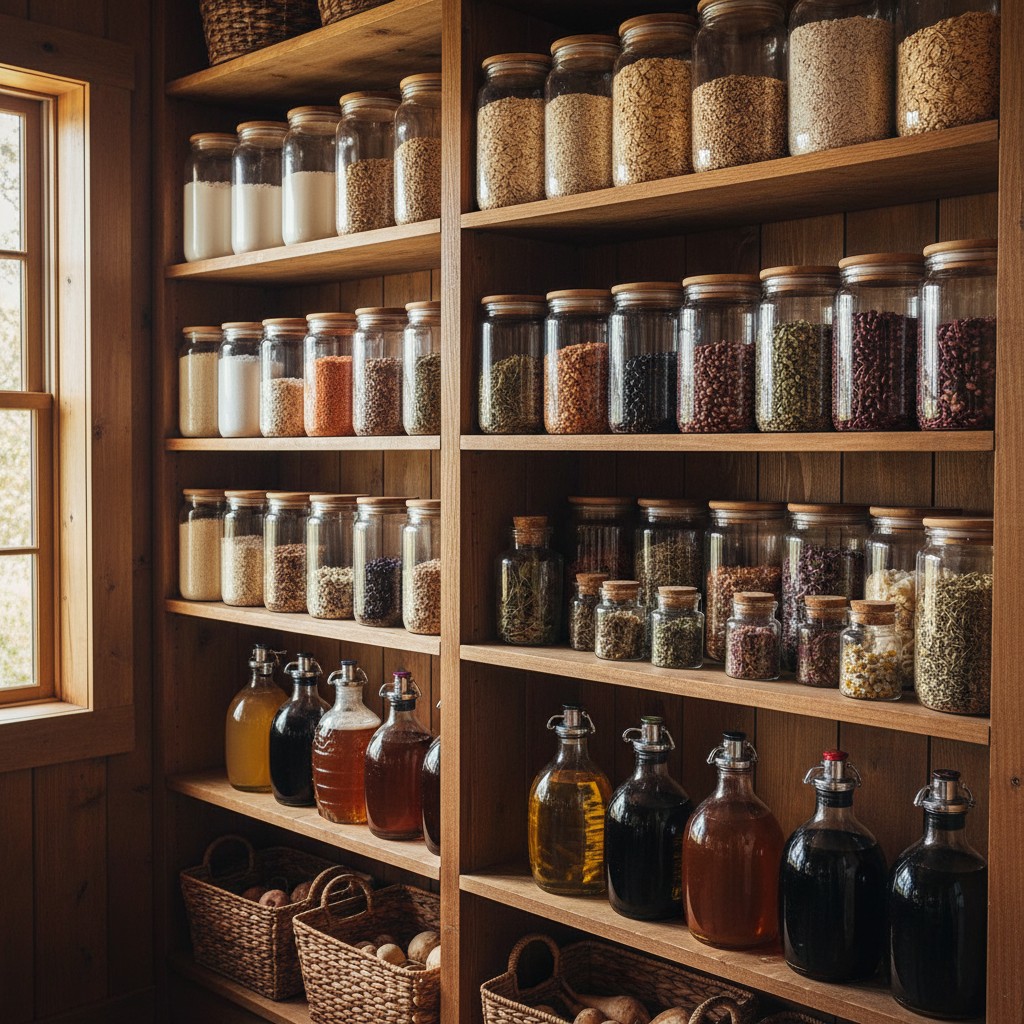
Stock these and you can make hundreds of meals without a special grocery run:
| Category | Staples |
|---|---|
| Grains & Starches | Flour, rice, oats, pasta, potatoes |
| Proteins | Dried beans, eggs, canned tuna, chicken thighs (freezer) |
| Fats | Olive oil, butter, lard or coconut oil |
| Acids | Vinegar (white + apple cider), lemons, canned tomatoes |
| Seasonings | Salt, black pepper, garlic, onions, dried herbs (oregano, thyme, cumin, paprika, chili flakes) |
| Sweeteners | Honey, sugar |
| Dairy/Ferments | Milk, yogurt (or make your own), cheese |
Cost to stock: $50–$75 for everything. These staples last months and form the backbone of daily meals.
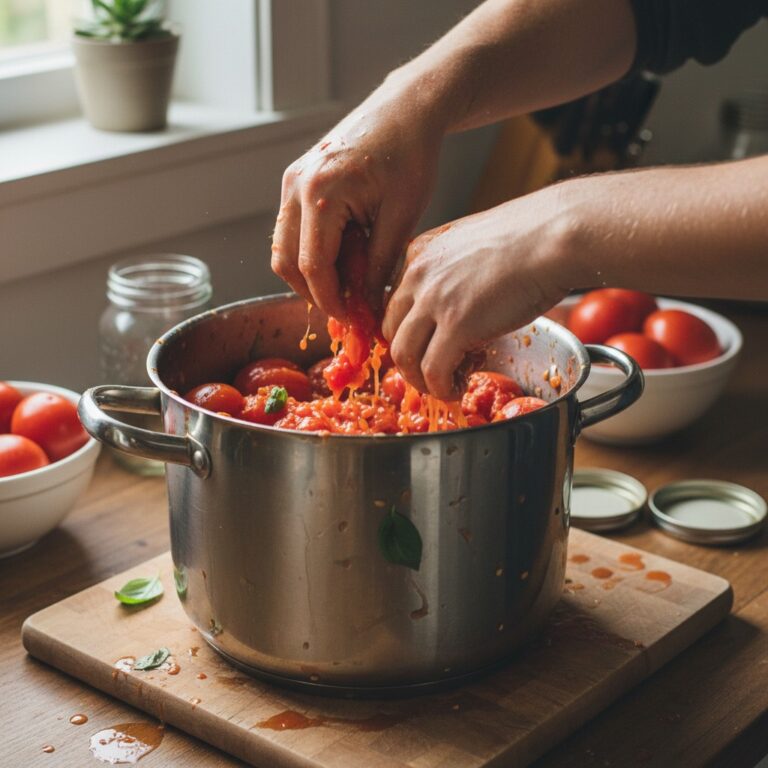
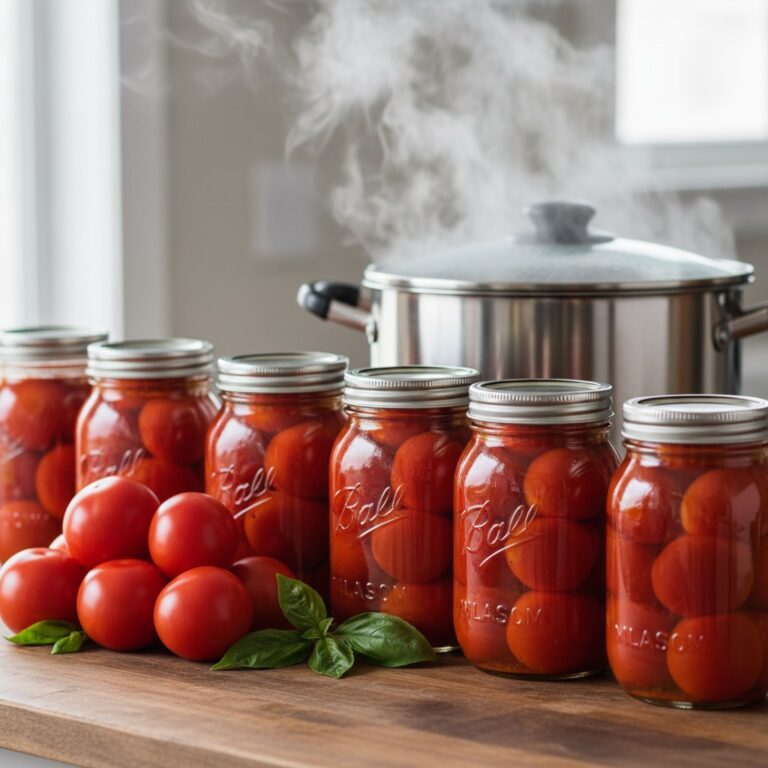
From our homestead: I haven’t bought bread in two years, our sourdough handles that. I haven’t bought yogurt since learning to make it at home. I haven’t bought pasta sauce since I started canning tomatoes. Each skill you learn is one more thing you stop buying.
The 5 Foundation Cooking Skills
Master these five techniques and you can cook almost anything without a recipe:
1. Roasting
Toss vegetables or meat with oil, salt, and pepper. Roast at 400–425°F until golden. This is the simplest way to make anything taste incredible. Roast a whole chicken with root vegetables for a complete meal in one pan.
2. Sautéing
Hot pan + fat + aromatics (onion, garlic) + protein or vegetables + seasoning = dinner in 15 minutes. This is the technique behind stir-fries, pasta sauces, and most weeknight meals.
3. Making Soup
Sauté aromatics, add liquid (homemade broth is ideal), add vegetables and protein, simmer 20–30 minutes. Soup is the ultimate from-scratch meal: cheap, nutritious, freezable, and endlessly variable. One pot of soup feeds a family for two meals.
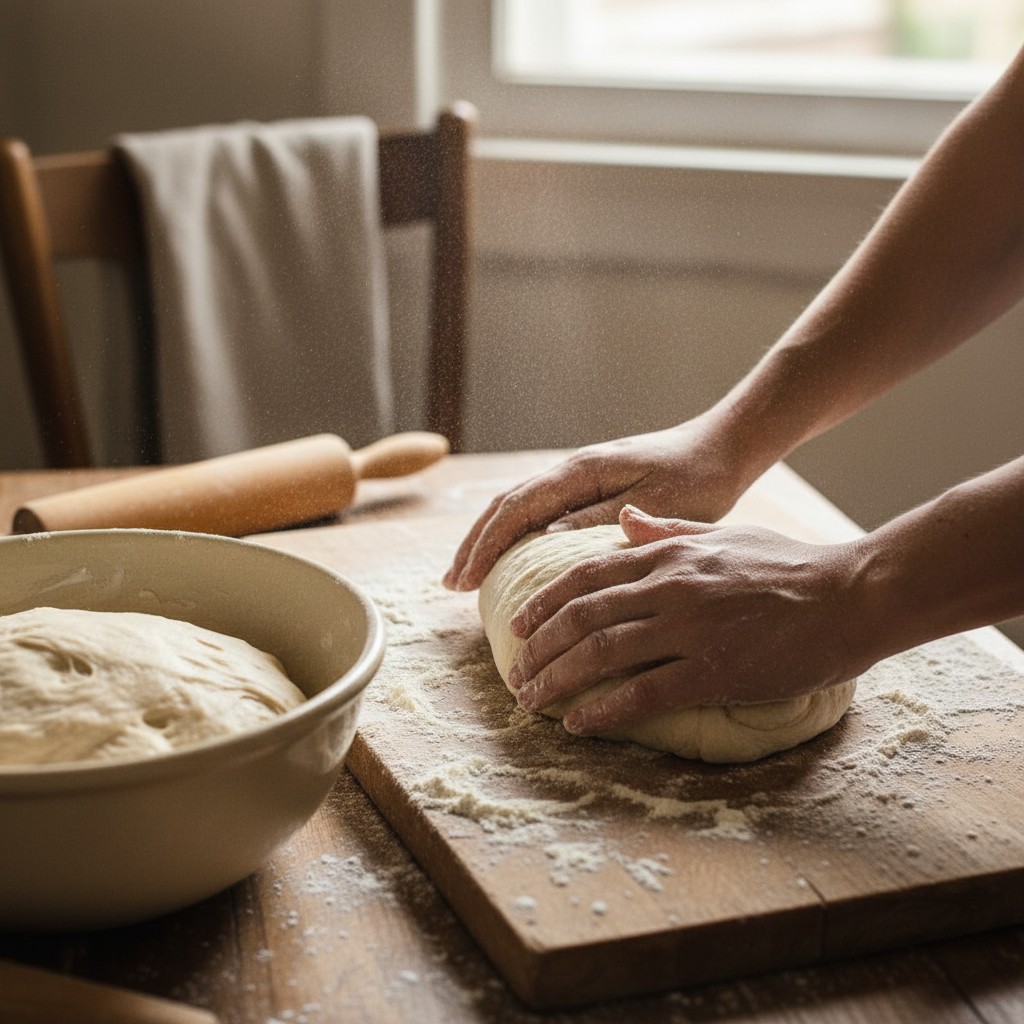
4. Baking Bread
Flour, water, salt, yeast (or sourdough starter). That’s it. A basic loaf costs $0.50–$1.00 in ingredients vs. $4–$6 at the store. Bake twice a week and save $300–$500/year.
5. Building a Sauce
Fat + flour = roux. Add milk = béchamel. Add cheese = cheese sauce. Add broth = gravy. Understanding this one technique unlocks lasagna, mac and cheese, pot pies, creamy soups, and dozens of other dishes. Tomato sauces are even simpler: canned tomatoes + garlic + olive oil + herbs = perfect pasta sauce in 20 minutes.
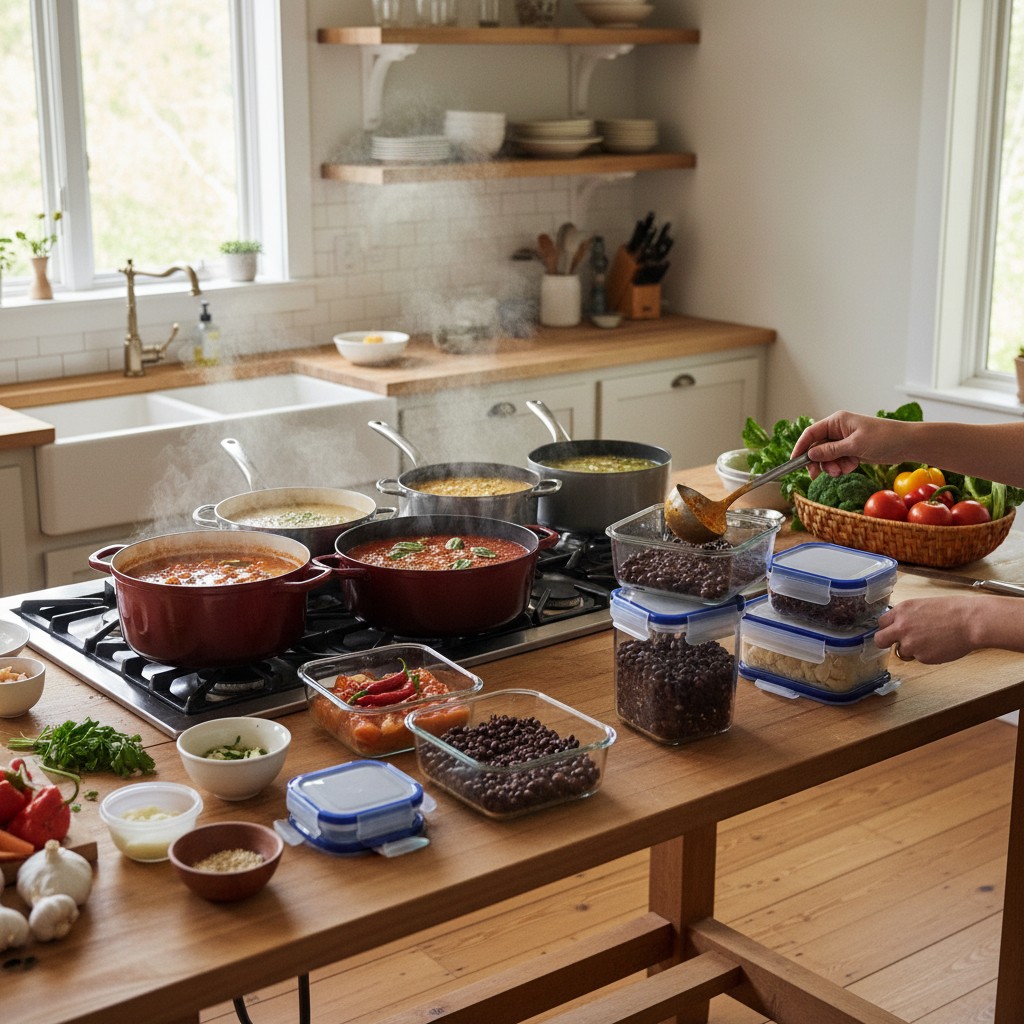
Batch Cooking: The Sunday Strategy
Spend 2–3 hours on Sunday preparing components, then assemble quick meals all week:
| Sunday Prep | Time | Weeknight Meals It Becomes |
|---|---|---|
| Roast a whole chicken | 1 hr (passive) | Chicken salad, tacos, soup, sandwiches, stir-fry |
| Cook a pot of beans | 10 min + simmer | Burritos, soup, rice and beans, hummus, chili |
| Cook a big batch of rice or grain | 20 min | Fried rice, grain bowls, stuffed peppers, side dish |
| Bake 2 loaves of bread | 30 min active | Sandwiches, toast, breadcrumbs, croutons all week |
| Make a big pot of soup | 30 min | Lunches for 3–4 days, freeze extra portions |
| Prep vegetables (wash, chop, store) | 20 min | Ready-to-cook veggies for any meal all week |
Total Sunday time: ~3 hours. Weeknight dinners now take 15–20 minutes because the hard work is done.
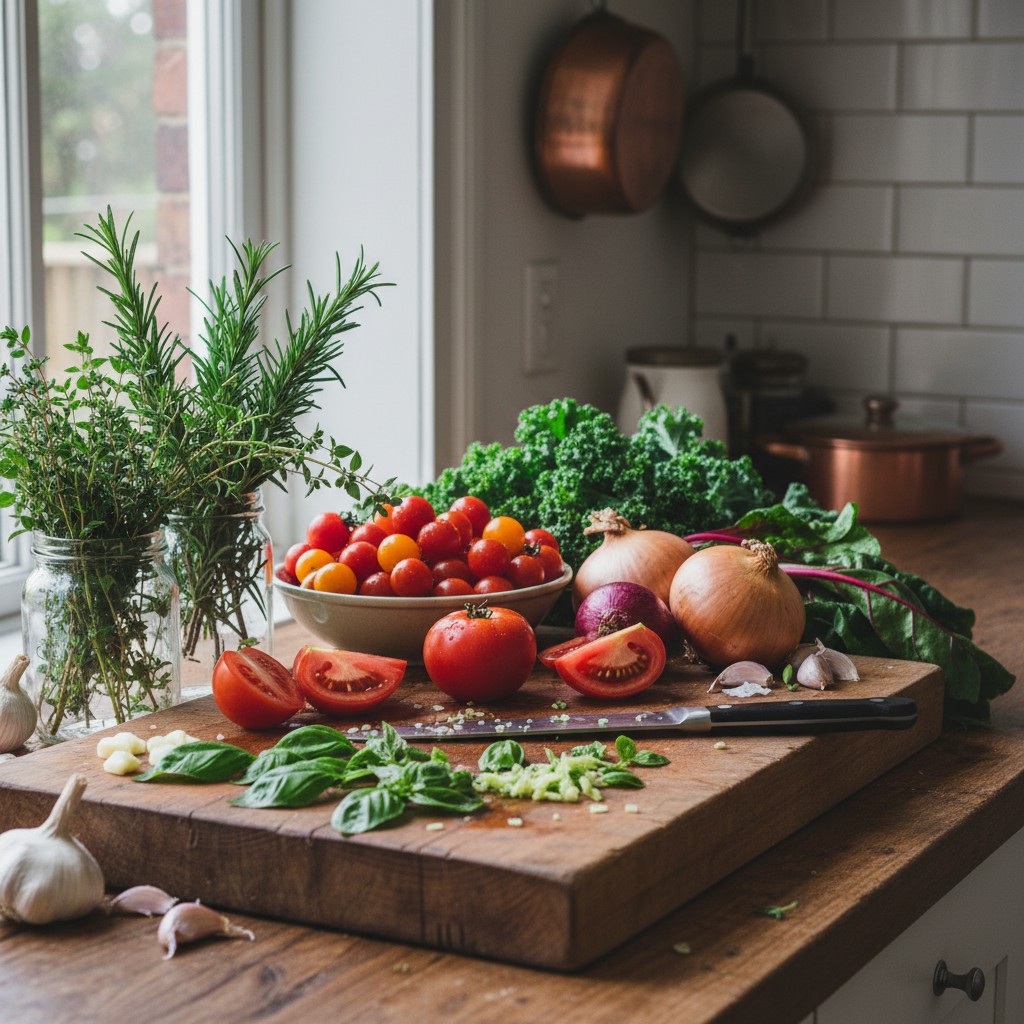
Garden-to-Table: Cooking What You Grow
The homesteader advantage: your garden dictates the menu, and that’s a good thing. When you eat seasonally, you eat at peak flavor and peak nutrition.
- Spring: Salads (lettuce, radishes, peas), herb-heavy dishes, asparagus
- Summer: Tomato everything, fresh, sauced, canned. Grilled zucchini, cucumber salads, berry desserts
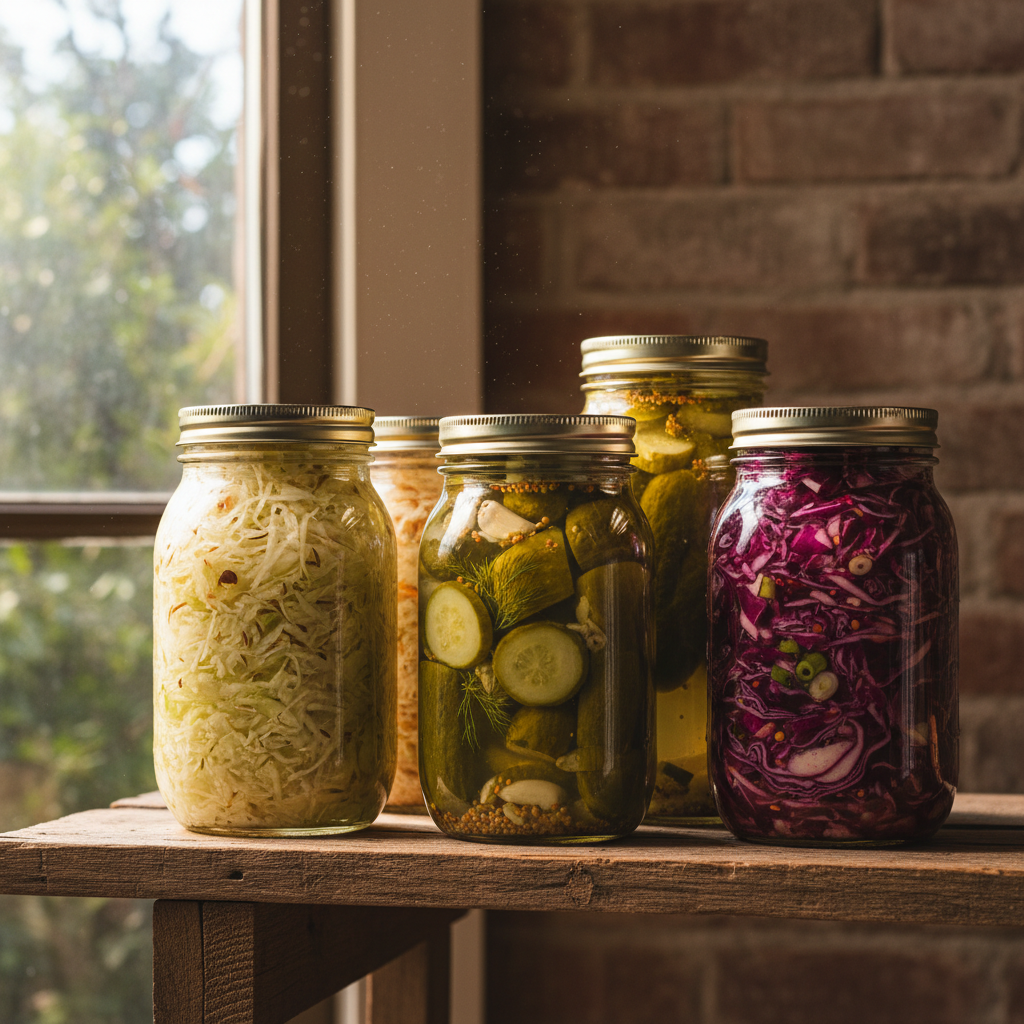
- Fall: Squash soups, root vegetable roasts, apple everything, fermented harvests
- Winter: Pantry meals, dried beans, canned tomatoes, preserved foods, root-cellared vegetables
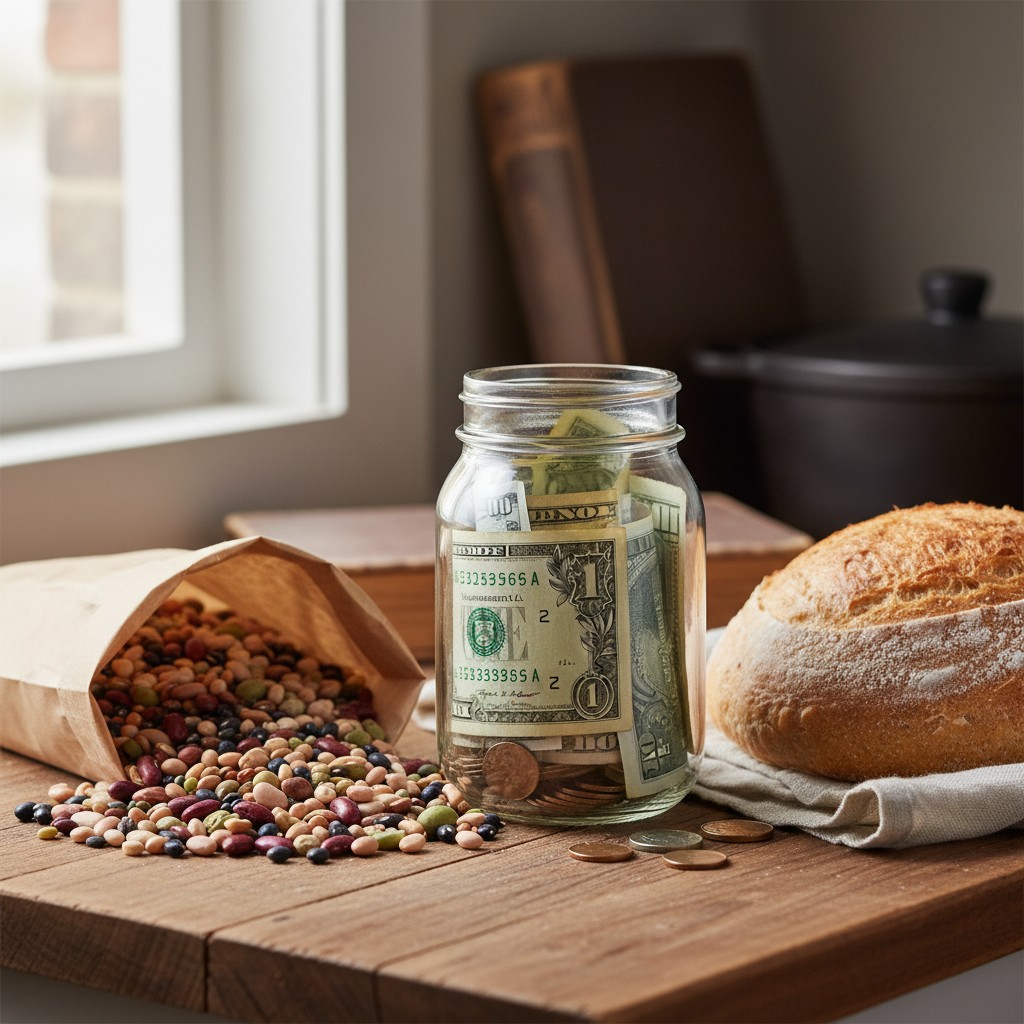
The Cost Comparison: From Scratch vs. Store-Bought
| Item | Store-Bought | From Scratch | You Save |
|---|---|---|---|
| Loaf of bread | $4–$6 | $0.50–$1.00 | $3–$5 |
| Quart of yogurt | $4–$7 | $1.50–$2.00 | $2.50–$5 |
| Jar of pasta sauce | $3–$6 | $1–$2 | $2–$4 |
| Quart of bone broth | $5–$8 | $0.50 (scraps) | $4.50–$7.50 |
| Granola | $5–$8 | $2–$3 | $3–$5 |
| Pizza (family) | $15–$25 delivery | $3–$5 | $12–$20 |
10 Meals Every From-Scratch Cook Should Master
- Roast chicken with vegetables, one pan, one hour, feeds 4 with leftovers
- Bean and vegetable soup, the ultimate cheap, nourishing meal
- Homemade pizza, dough is flour, water, yeast, salt. Top with whatever you have
- Stir-fry with rice, clear the fridge, add soy sauce, done in 15 minutes
- Pasta with tomato sauce, canned tomatoes, garlic, olive oil, herbs. 20 minutes.
- Baked potatoes with toppings, butter, cheese, sour cream, chili, or broccoli
- Frittata: eggs + whatever vegetables and cheese you have. Oven, 20 minutes.
- Rice and beans: complete protein, costs pennies, endlessly customizable
- Homemade bread: sourdough or simple yeast bread
- Sheet pan dinner, protein + vegetables on one tray, 400°F, 30 minutes
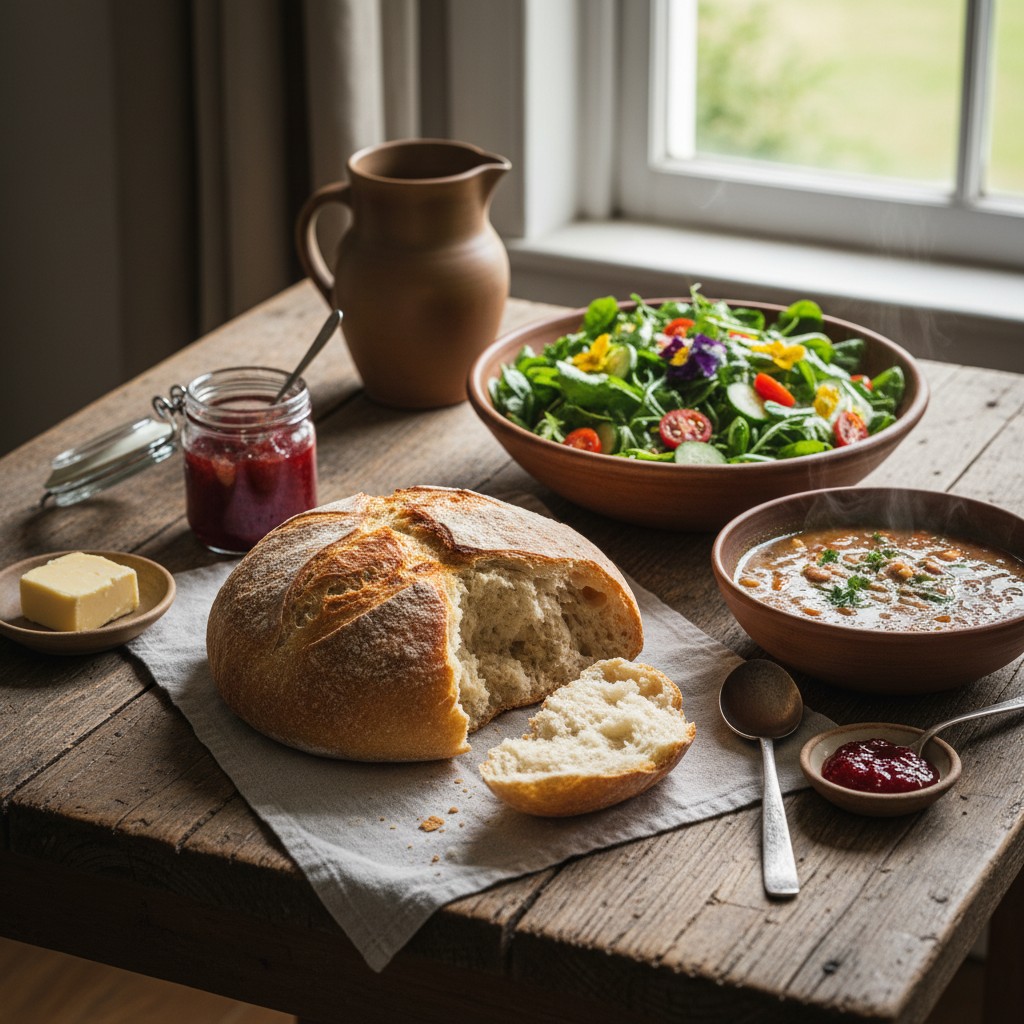
Frequently Asked Questions
Is cooking from scratch actually cheaper?
Yes, significantly. According to the USDA Thrifty Food Plan (the lowest of four official cost tiers), a family of four with two school-age children spends around $250–$290/month on groceries at the Thrifty level, achievable primarily through home cooking from basic ingredients. The Liberal plan (closer to average American spending) runs $450–$550/month for the same family. Households that rely heavily on convenience foods and takeout routinely spend $800–$1,200+/month. The gap is real.
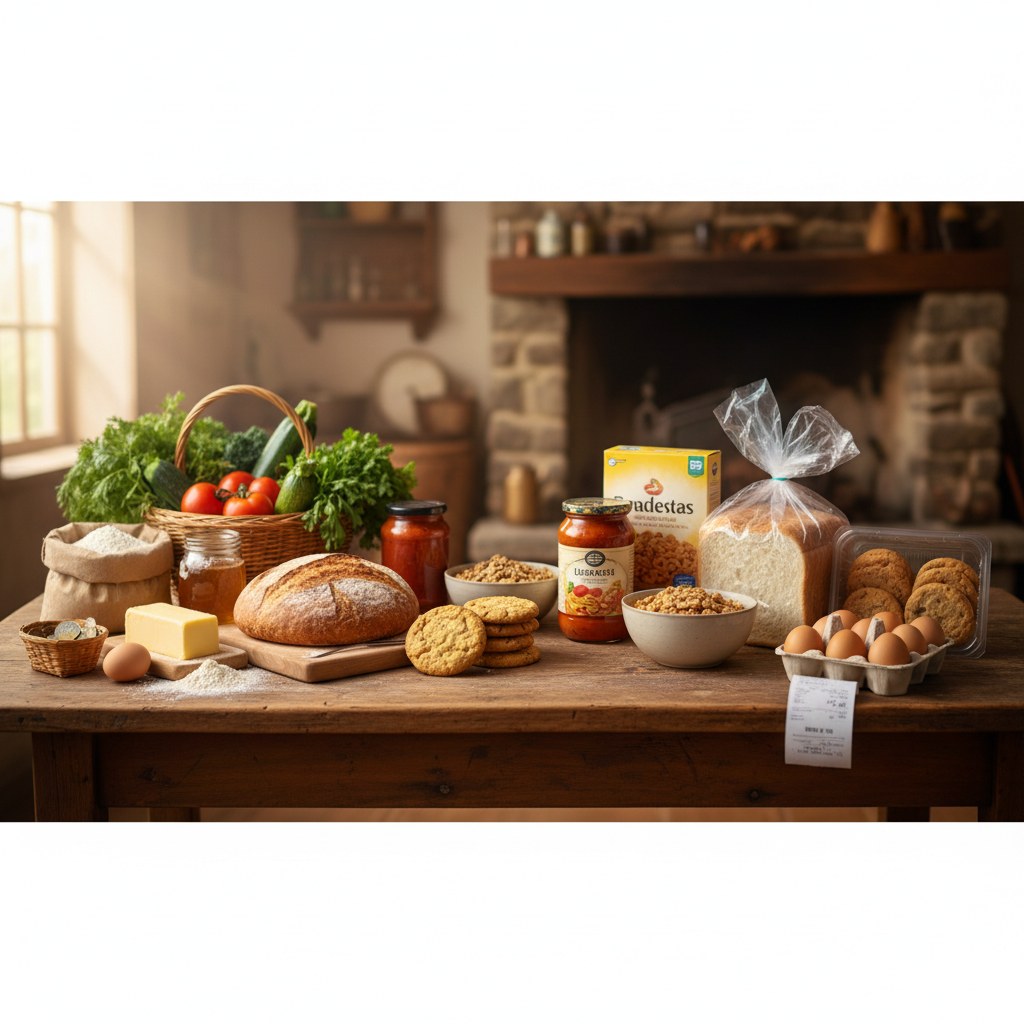
Research from the USDA Economic Research Service (EIB-191) found that households that cook from scratch at home spend significantly less per calorie and per meal than those relying on restaurant or convenience foods, with the savings most pronounced for lower-income households. The biggest individual savings come from baking bread, making broth from scraps, cooking dried beans instead of canned, and avoiding single-serve packaged foods.
How do I start cooking from scratch if I’m a beginner?
Start with one meal per week. Make soup on Sunday, it’s forgiving, cheap, and teaches you the basics of sautéing and building flavor. Next, learn to roast vegetables and bake a simple bread. Add one new skill per week and within a month you’ll be cooking most meals from scratch naturally.
How much time does cooking from scratch take?
A simple from-scratch dinner takes 20–30 minutes once you have the skills. Batch cooking on Sunday (2–3 hours) can reduce weeknight dinners to 15 minutes of assembly. The trick is prep: keep pantry staples stocked, prep vegetables ahead, and always have cooked grains and beans in the fridge.
What kitchen tools do I need?
The essentials: a good chef’s knife, a cutting board, a large pot, a skillet, a sheet pan, a Dutch oven (for bread and soups), and a wooden spoon. That’s it. Avoid gadgets: most take up space and do one thing. A sharp knife and a hot pan handle 90% of cooking tasks.
How does a garden connect to cooking from scratch?
A garden is the ultimate from-scratch ingredient source. Grow herbs to replace $3 packages, tomatoes for sauce, lettuce for salads, and zucchini for everything. Preserve your surplus through canning, freezing, and dehydrating, and your pantry fills itself. The garden-to-kitchen pipeline is what makes homesteading cooking so satisfying and cost-effective.