Growing Strawberries at Home: From Planting to Picking
- A single strawberry plant produces 1-2 pints of fruit per season, and a 4×8 bed can yield 50+ pints annually.
- June-bearing varieties give one large harvest; everbearing types produce fruit spring through fall.
- Strawberries grow well in beds, containers, hanging baskets, and vertical towers.
- Runners allow you to propagate new plants for free — one purchase can grow into a full patch within a year.
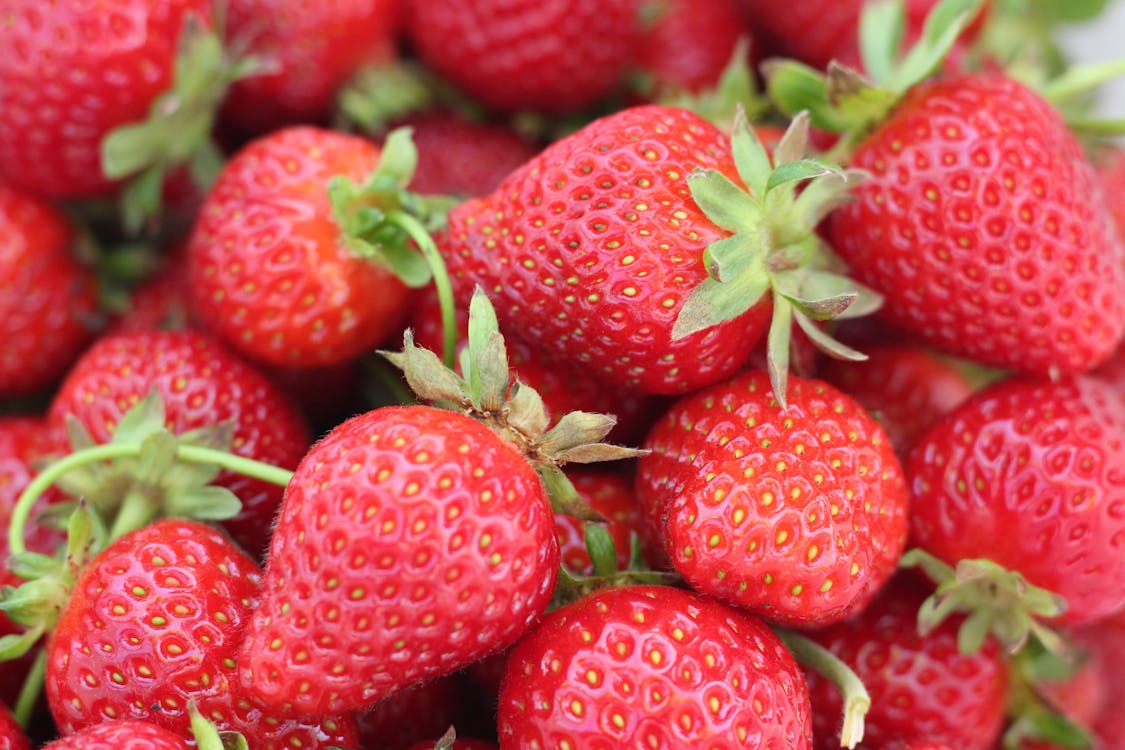
The day I picked the first ripe strawberry from our backyard patch, I stood in the garden and ate it warm from the sun — and that flavor was an absolute revelation. If you’ve only ever had supermarket strawberries, you have no idea what you’re missing. Homegrown strawberries are intensely sweet, deeply fragrant, and so juicy they practically burst. They’re also surprisingly easy to grow, whether you’ve got a big garden or just a few pots on a patio. Let me show you how to get started.
What Type of Strawberry Should You Grow?
Choose June-bearing strawberries for one large, concentrated harvest (great for preserving), or everbearing/day-neutral varieties for a steady trickle of berries from spring through fall. The University of Minnesota Extension recommends matching your variety to your goals: June-bearers for jam-making, everbearers for fresh eating all season.
| Type | Harvest Pattern | Best Varieties | Best For |
|---|---|---|---|
| June-Bearing | 2-3 week burst in June | Earliglow, Jewel, Honeoye | Preserving, freezing, jam |
| Everbearing | Spring + late summer flushes | Ozark Beauty, Quinault | Fresh eating, containers |
| Day-Neutral | Continuous spring through frost | Albion, Seascape, Tristar | Season-long snacking |
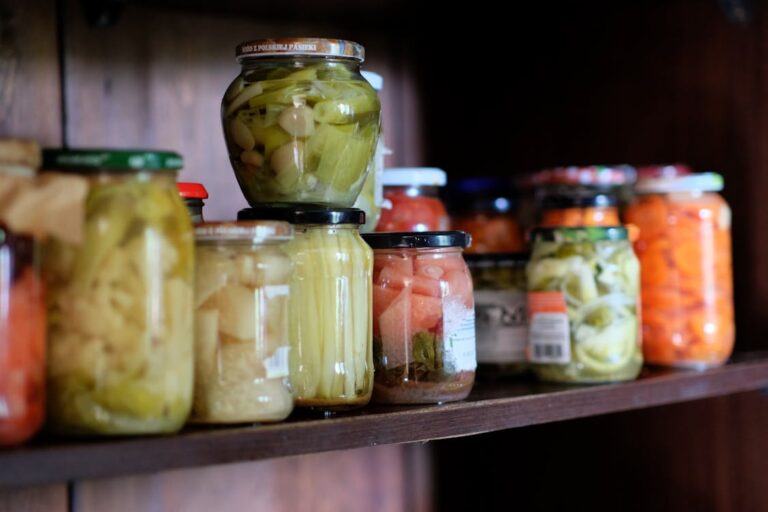
I grow both — June-bearers for making jam and freezing (using water bath canning techniques), and day-neutral ‘Albion’ in containers for snacking from our patio. My kids race out every morning to check the plants for ripe berries — it’s become a beloved family routine.
Where and How Should You Plant Strawberries?
Plant strawberries in full sun (6-8 hours minimum) in well-drained, slightly acidic soil (pH 5.5-6.5) with the crown at soil level — burying too deep or too shallow is the most common planting mistake. According to the Oregon State Extension, proper planting depth is the single most important factor for establishment success.
I grow most of mine in raised beds with a mix of garden soil and compost, spaced 12-18 inches apart. The raised bed approach is wonderful because strawberries hate waterlogged roots, and raised beds drain beautifully. Straw mulch between the plants keeps fruit clean and soil moist — that’s where the name “straw-berry” comes from, after all!
How Do You Care for Strawberry Plants Through the Season?
Water consistently (1 inch per week), feed with a balanced fertilizer in early spring and after harvest, manage runners to control spread, and mulch heavily for winter protection. The USDA Agricultural Research Service has conducted extensive research on strawberry nutrition requirements, confirming that consistent moisture during fruiting is critical for berry size and quality.
Runners are the long stems that shoot out from the mother plant and form baby plants at their tips. For the first year, I recommend pinching off all runners so the plant puts energy into root development and fruit production. After that, you can let select runners root to expand your patch for free — it’s essentially endless strawberry propagation.
Can You Grow Strawberries in Containers and Vertical Systems?
Strawberries are one of the best fruits for container growing — they thrive in hanging baskets, window boxes, strawberry pots, and vertical tower systems. I have a set of stackable planters on our patio that produces a surprising amount of berries in just a few square feet. This approach pairs beautifully with vertical gardening techniques and is perfect for patio container gardens.
The key to container success is good drainage, regular watering (containers dry out fast), and feeding every 2-3 weeks with a liquid fertilizer during the growing season.
How Do You Protect Strawberries from Pests and Birds?
Bird netting is essential once berries start ripening, and straw mulch helps prevent slugs and soil-borne disease from reaching your fruit. Birds are by far my biggest strawberry challenge — without netting, they’ll take every ripe berry before you can pick it. I use a simple hoop-and-net system that goes over my beds during fruiting season. For other pests, the methods in our natural pest control guide work well — especially handpicking slugs and encouraging predatory insects.
Frequently Asked Questions
Most experts recommend pinching off flowers the first year for June-bearers so the plants establish strong roots, which means your first real harvest is in year two. For everbearing and day-neutral, you can let them fruit after the first few weeks of growth.
Plan for about 6-10 plants per person for fresh eating, or 25+ plants per person if you want to preserve (jam, freezing). Our family of four has about 50 plants, which keeps us in fresh berries and gives us enough for a few batches of jam each year.
Yes! Strawberries are perennial and will produce for 3-5 years. After that, productivity declines and it’s best to start fresh with new plants. The runners from your existing plants make this easy and free.
Poor pollination is the most common cause of misshapen berries. Make sure your garden has pollinator-friendly flowers nearby. Small berries usually indicate water stress or nutrient deficiency — maintain consistent moisture and feed regularly during fruiting.
You can, but it takes much longer — seeds need cold stratification and can take 2-3 months to germinate, with fruit not appearing until the second year. Bare-root or potted plants give you a big head start. Our seed saving guide covers the basics if you want to try it.