How to Start a Preserver’s Garden: Grow Specifically for Canning, Fermenting, and Freezing
🌱 TL;DR — Key Takeaways
- Plan backward: start with what you want on your pantry shelf and work to what you need to plant
- Paste tomatoes (San Marzano, Roma) are the backbone — plant 10–15 plants for serious preserving
- One healthy paste tomato plant yields roughly 10–15 lbs per season
- Succession-plant cucumbers and beans to spread out the preserving workload
- Key preservation methods: canning, fermenting, dehydrating, and freezing
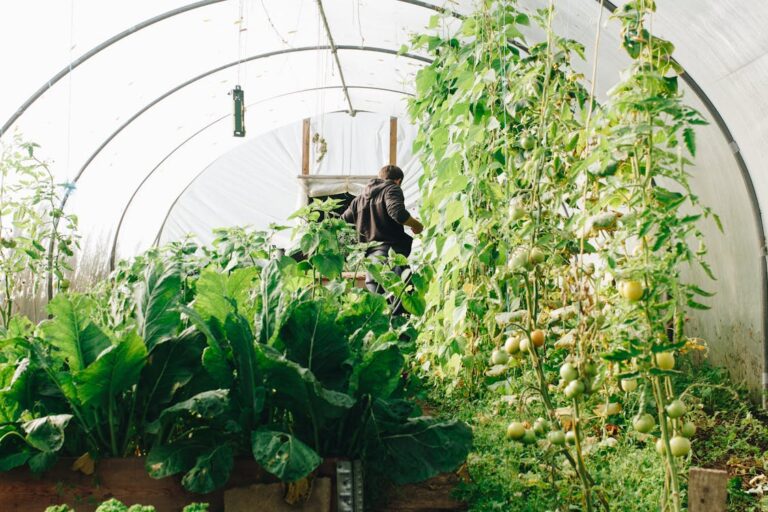
A preserver’s garden is a garden grown with one specific goal: filling your pantry shelves. Instead of planting a little of everything, you intentionally grow large quantities of crops that can, pickle, ferment, dehydrate, and freeze beautifully. After building out my own preserver’s garden over the past few seasons, I can tell you — standing in front of a pantry full of food you grew yourself is one of the most satisfying feelings in homesteading.
Why Should You Plan a Preserver’s Garden?
A preserver’s garden flips the script: you start with what you want on your pantry shelf and work backward to what you need to plant. Salsa needs tomatoes, peppers, onions, and cilantro. Dill pickles need cucumbers and dill. Sauerkraut needs cabbage. When you plan this way, nothing goes to waste and every row in your garden has a purpose.
What Are the Top Crops for Canning?
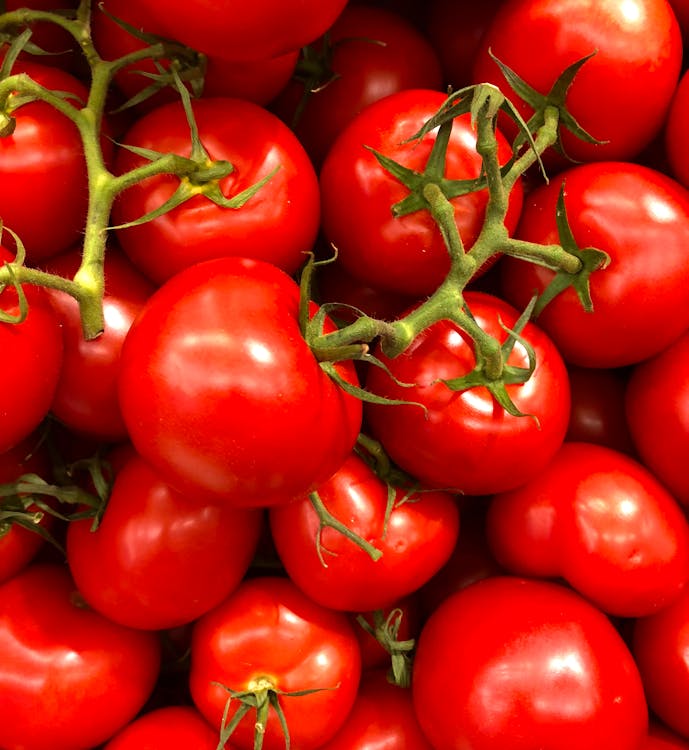
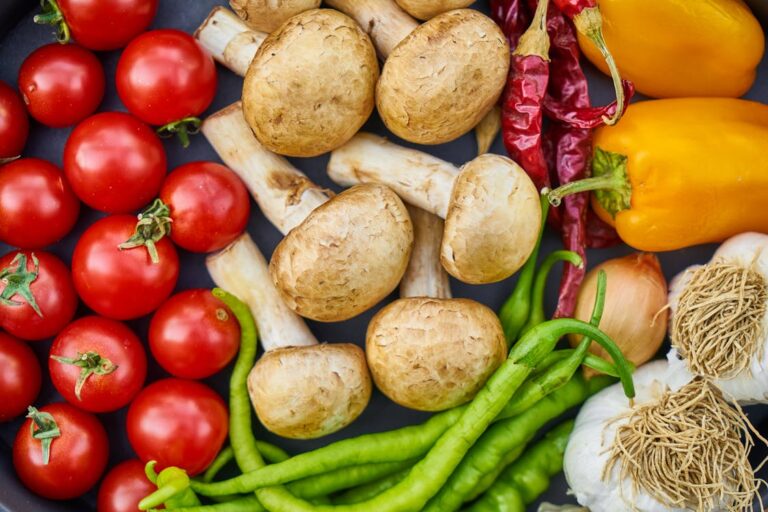
Tomatoes are the backbone of any preserver’s garden — paste varieties like San Marzano and Roma are meatier with less water, perfect for sauces and salsas. Plant at least 10 to 15 plants for a serious supply. The National Center for Home Food Preservation is the gold-standard resource for safe canning techniques.
- Tomatoes — 10–15 paste plants for sauces, salsas, and whole canned tomatoes
- Cucumbers — Pickling varieties like National Pickling; 4–6 plants keep you busy
- Green beans — Bush varieties like Blue Lake produce heavy all-at-once crops, ideal for canning sessions
- Peppers — Jalapenos for hot sauce, banana peppers for relish, sweet peppers for freezing
Which Crops Are Best for Fermenting?
Cabbage, hot peppers, and garlic are the fermentation essentials — with these three you can make sauerkraut, kimchi, and fermented hot sauce.
- Cabbage — Green and red for sauerkraut and kimchi
- Radishes, carrots, and garlic — All ferment beautifully
- Hot peppers — Habaneros, serranos, Thai chilies for fermented hot sauce
What Crops Work Best for Dehydrating and Freezing?
Herbs, berries, and summer squash are the dehydrating and freezing all-stars that extend your harvest deep into winter.
- Herbs — Basil, oregano, thyme, rosemary, parsley; dried herbs season meals all year
- Berries — Strawberries, blueberries, raspberries freeze perfectly for smoothies and baking
- Zucchini — Shred and freeze for bread and muffins all winter
- Corn — Cut from the cob and frozen, homegrown corn is worlds apart from store-bought
| Method | Best Crops | Shelf Life | Equipment Needed |
|---|---|---|---|
| Water-bath canning | Tomatoes, pickles, jams, salsa | 12–18 months | Large pot, jars, lids |
| Pressure canning | Green beans, corn, meat, broth | 12–18 months | Pressure canner, jars |
| Fermenting | Cabbage, cucumbers, peppers, garlic | 6–12 months (refrigerated) | Jars, salt, weights |
| Dehydrating | Herbs, fruits, jerky, tomatoes | 6–12 months | Dehydrator or oven |
| Freezing | Berries, squash, corn, pesto | 8–12 months | Freezer bags or containers |
How Do You Plan the Layout?
Think in terms of recipes, not individual plants — write down every preserve you want to make, then list the ingredients and tally the plants needed. A good rule of thumb from Penn State Extension: for every quart of canned tomato sauce, you need about 5 pounds of fresh tomatoes. One healthy paste tomato plant produces roughly 10 to 15 pounds per season.
How Does Succession Planting Help Preservers?
Stagger your plantings so everything does not ripen at once — this spreads out both the harvest and your preserving workload. I plant cucumbers in three waves, two weeks apart, and beans the same way. Instead of one frantic preserving weekend, I get manageable batches throughout the summer. Check out our meal planning guide for more strategies on managing your harvest.
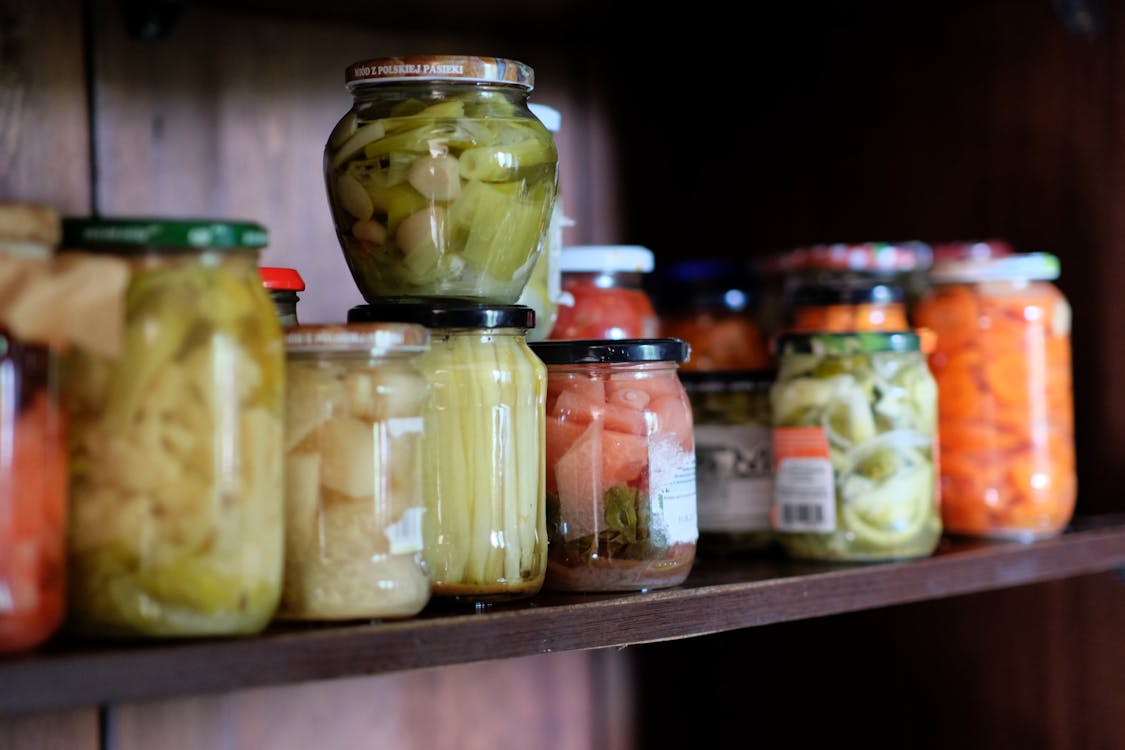
There is something deeply satisfying about standing in front of a pantry full of food that you grew, harvested, and preserved with your own hands. A preserver’s garden makes that vision a reality — one jar at a time.
Frequently Asked Questions
How many tomato plants do I need for canning?
For a serious canning supply, plant 10–15 paste tomato plants. Each plant yields 10–15 lbs, giving you 100–225 lbs total — enough for 20–45 quarts of sauce.
What is the easiest preservation method for beginners?
Freezing is the easiest — no special equipment beyond freezer bags. Fermenting is a close second with just jars and salt. Water-bath canning is the best next step.
Can I preserve food without a pressure canner?
Yes! Water-bath canning works for high-acid foods (tomatoes, pickles, jams). Fermenting and dehydrating require no canning equipment at all.
When should I start planning my preserver’s garden?
Start planning in winter, 2–3 months before your planting season. Make a list of preserves you want on your shelf, calculate the ingredients, and order seeds early.