Homemade Herb Butter and Infused Oils: Preserve Your Herb Harvest
- Herb butter takes just 10 minutes to make and freezes beautifully for 3+ months.
- Infused oils must be made safely, garlic-in-oil poses botulism risk if not handled properly.
- Both are incredible ways to preserve garden herbs at peak freshness.
- Compound butters and infused oils make thoughtful, low-cost homemade gifts.
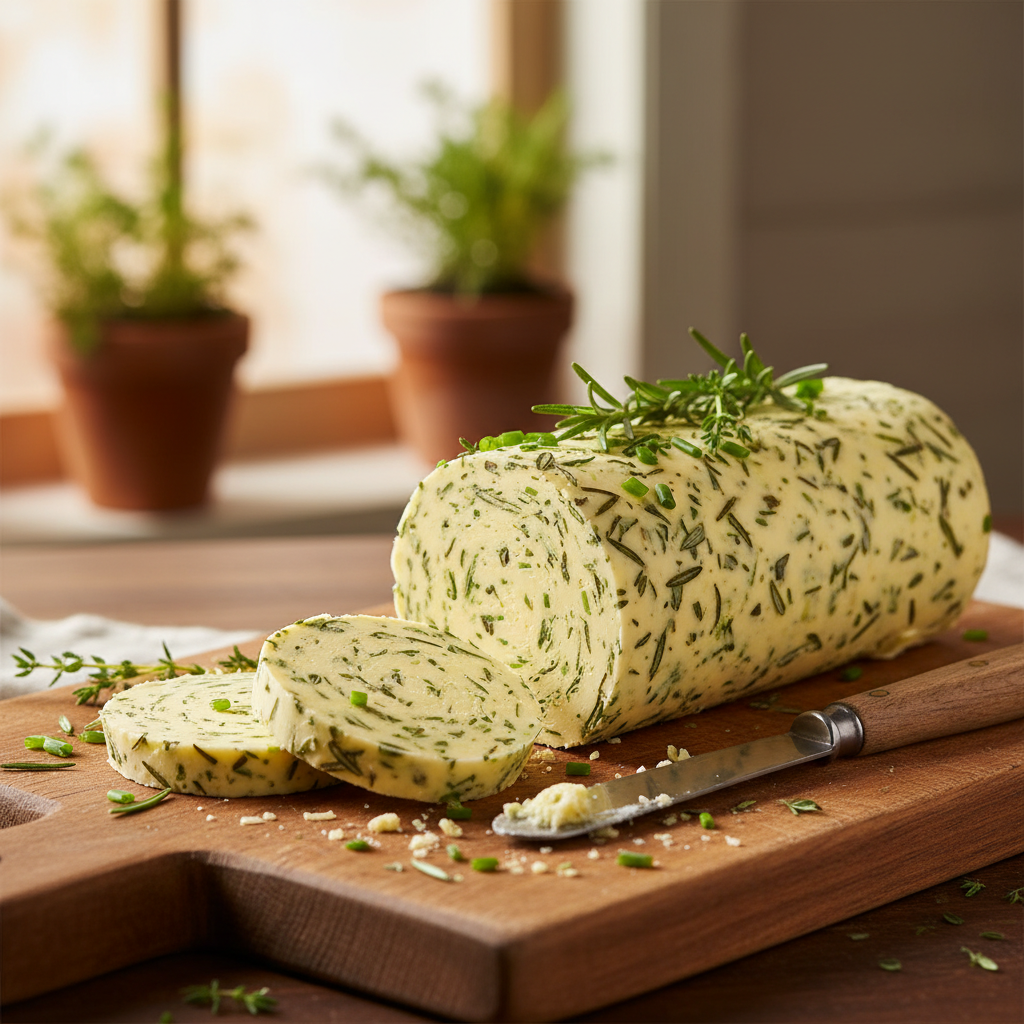
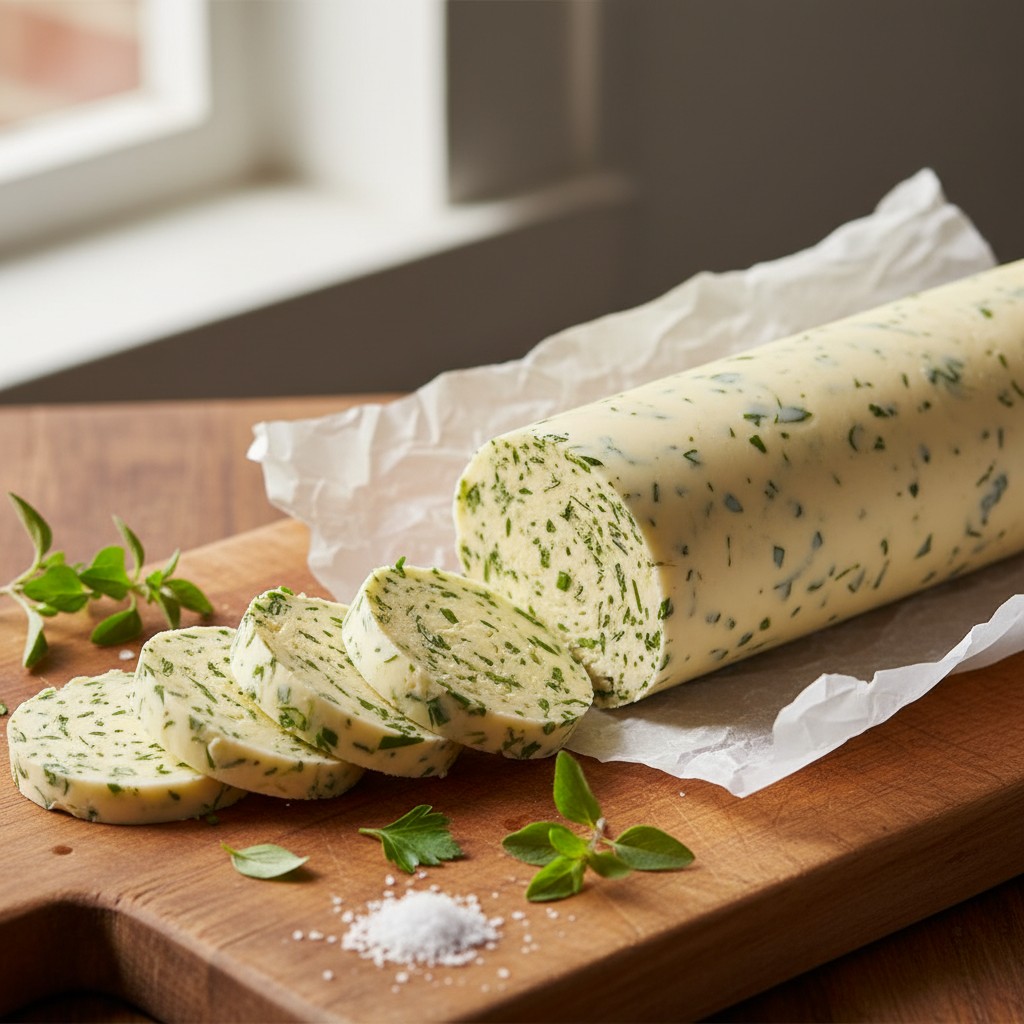
September is when the herb garden starts fading and I make herb butter in volume. Last fall I rolled nine logs in a single afternoon, most of them rosemary-garlic, a couple with thyme and lemon zest. They went straight into the freezer and we pulled them out through December. Slicing one onto roasted potatoes in November, knowing it came from plants I grew six feet from the back door, is one of those small things that makes all the growing worth it.
If there’s one kitchen project that gives you maximum reward for minimum effort, it’s herb butter. The first time I rolled a log of homemade rosemary-garlic butter and sliced it over a sizzling steak, I genuinely wondered why I’d ever bought the store-bought version. It took me 10 minutes, cost almost nothing (especially since the herbs came from the garden), and it tasted like something from a fancy restaurant. Infused oils are nearly as simple, though they come with a few important safety considerations I’ll walk you through.
How Do You Make Herb Compound Butter?
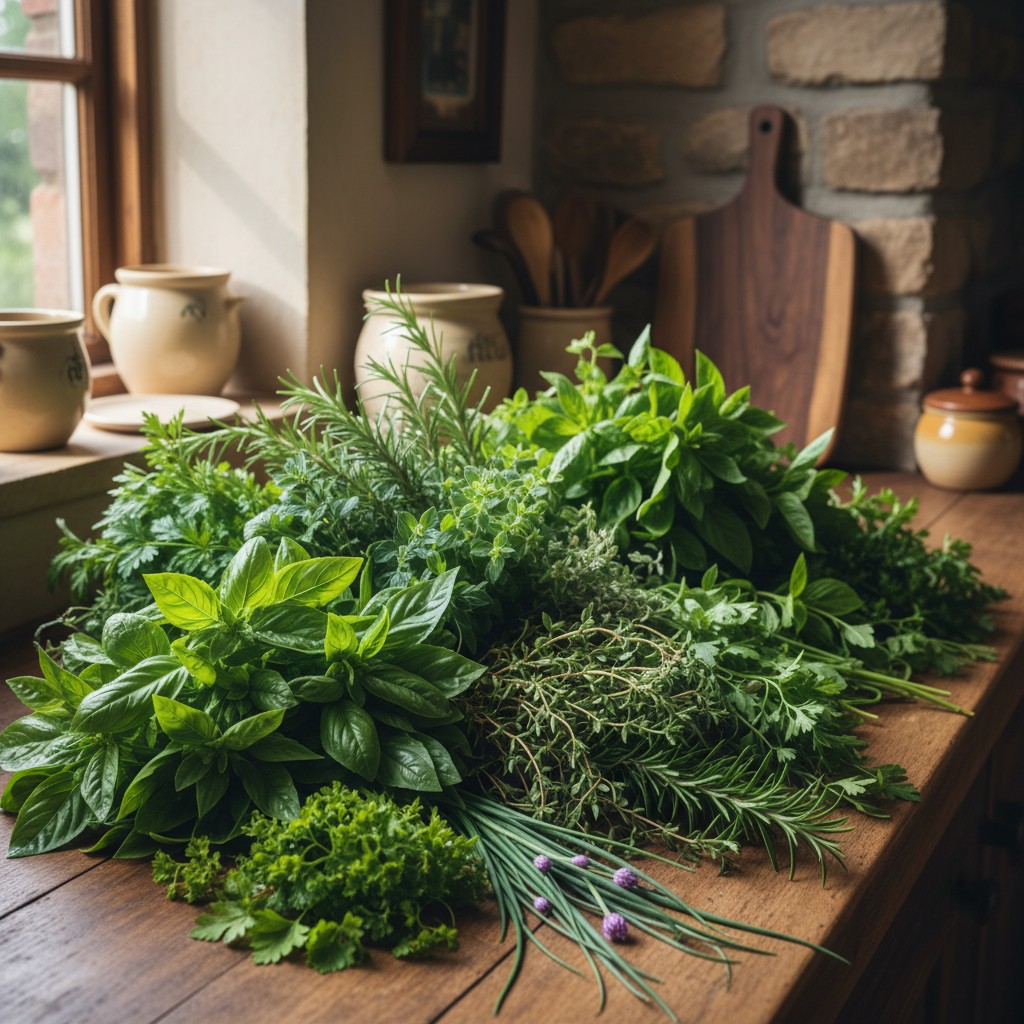
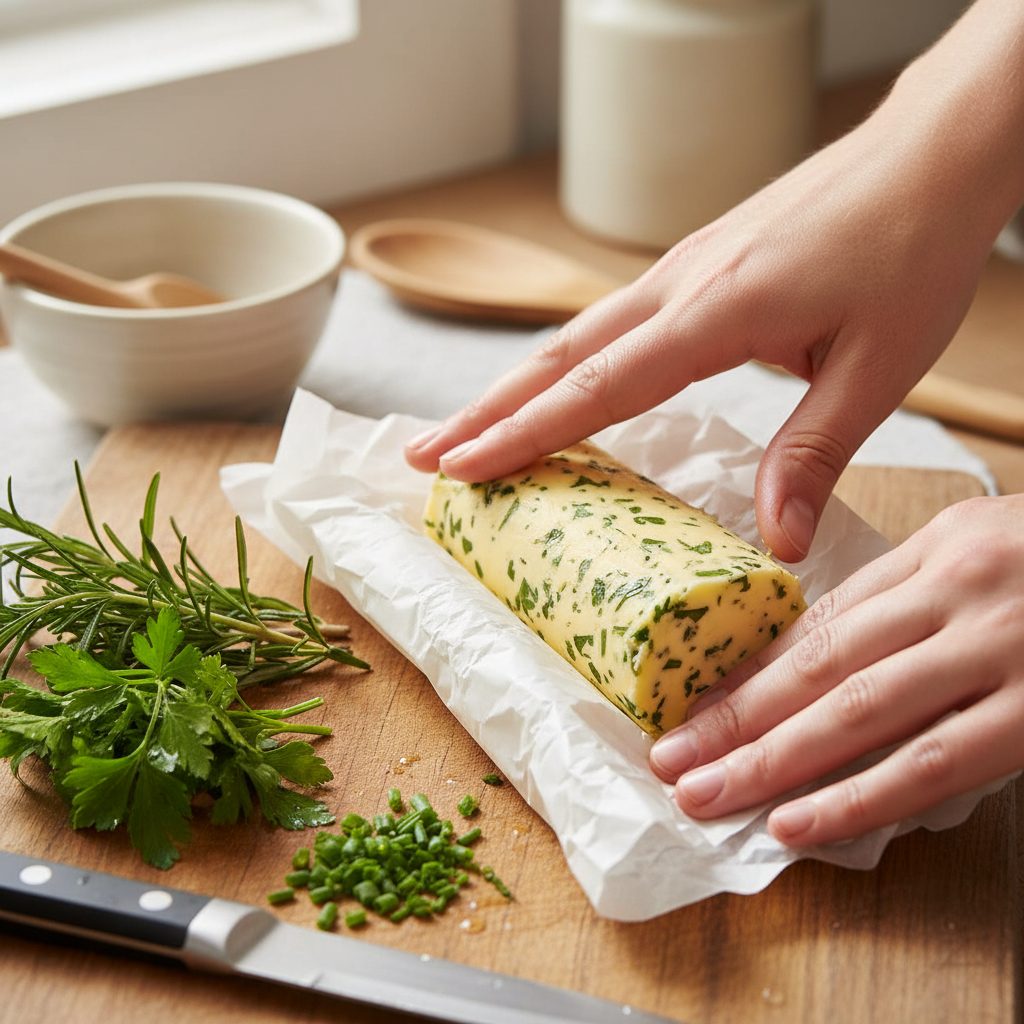
Soften a stick of unsalted butter to room temperature, mix in 2-3 tablespoons of finely chopped fresh herbs plus a pinch of salt, roll into a log in plastic wrap, and refrigerate or freeze. That’s truly it. The USDA Nutrient Database confirms that butter is an excellent carrier for fat-soluble vitamins found in herbs like parsley (vitamin K) and basil (vitamin A).
My favorite combinations, discovered through plenty of kitchen experiments, are rosemary-garlic (perfect on steak and potatoes), basil-lemon (amazing on fish or pasta), and chive-dill (unbeatable on fresh bread). I always make extra logs during summer when my kitchen herb garden is bursting, then freeze them for fall and winter cooking.
| Butter Blend | Herbs Used | Best Pairings | Storage |
|---|---|---|---|
| Classic Garden | Parsley, chives, thyme | Bread, vegetables, chicken | 2 weeks fridge / 3 months freezer |
| Rosemary Garlic | Rosemary, garlic, black pepper | Steak, potatoes, roasted veg | 4 days fridge / 3 months freezer (fresh garlic — see note below) |
| Lemon Basil | Basil, lemon zest, pinch of salt | Fish, pasta, fresh corn | 1 week fridge / 3 months freezer |
| Honey Lavender | Lavender buds, honey, salt | Biscuits, scones, toast | 2 weeks fridge / 3 months freezer |
⚠️ BOTULISM WARNING. READ BEFORE MAKING INFUSED OIL
Fresh garlic, fresh herbs, peppers, or any low-acid vegetable in oil can grow Clostridium botulinum and produce a deadly toxin. Oil creates an oxygen-free (anaerobic) environment, which is exactly what this bacterium needs. The toxin is odorless, tasteless, and can kill.
- Refrigerator limit is 4 days, not a week. The U.S. FDA and CDC set a maximum of 4 days at 40°F (4°C) or below for any fresh-herb or garlic-in-oil mixture, because psychrotrophic C. Botulinum type E can grow at refrigeration temperatures. For longer storage, freeze the oil in an ice-cube tray (up to 3 months).
- Heat infusion does NOT kill botulism spores. Warming oil to 150–200°F extracts flavor but does not sterilize it. C. Botulinum spores survive normal cooking and require 250°F (121°C) pressure-canning temperatures to be destroyed, which you cannot safely do with oil at home.
- Never store fresh garlic or fresh herbs in oil at room temperature, not even for an hour on the counter.
- The only FDA-validated home method for shelf-stable fresh-ingredient oil is acidification, see the acidification protocol below.
Sources: FDA Bad Bug Book, Clostridium botulinum · CDC Botulism Prevention · NCHFP. Using Oils Infused With Garlic or Herbs · University of Idaho Extension, Botulism: A Deadly Danger in Improperly Preserved Foods.
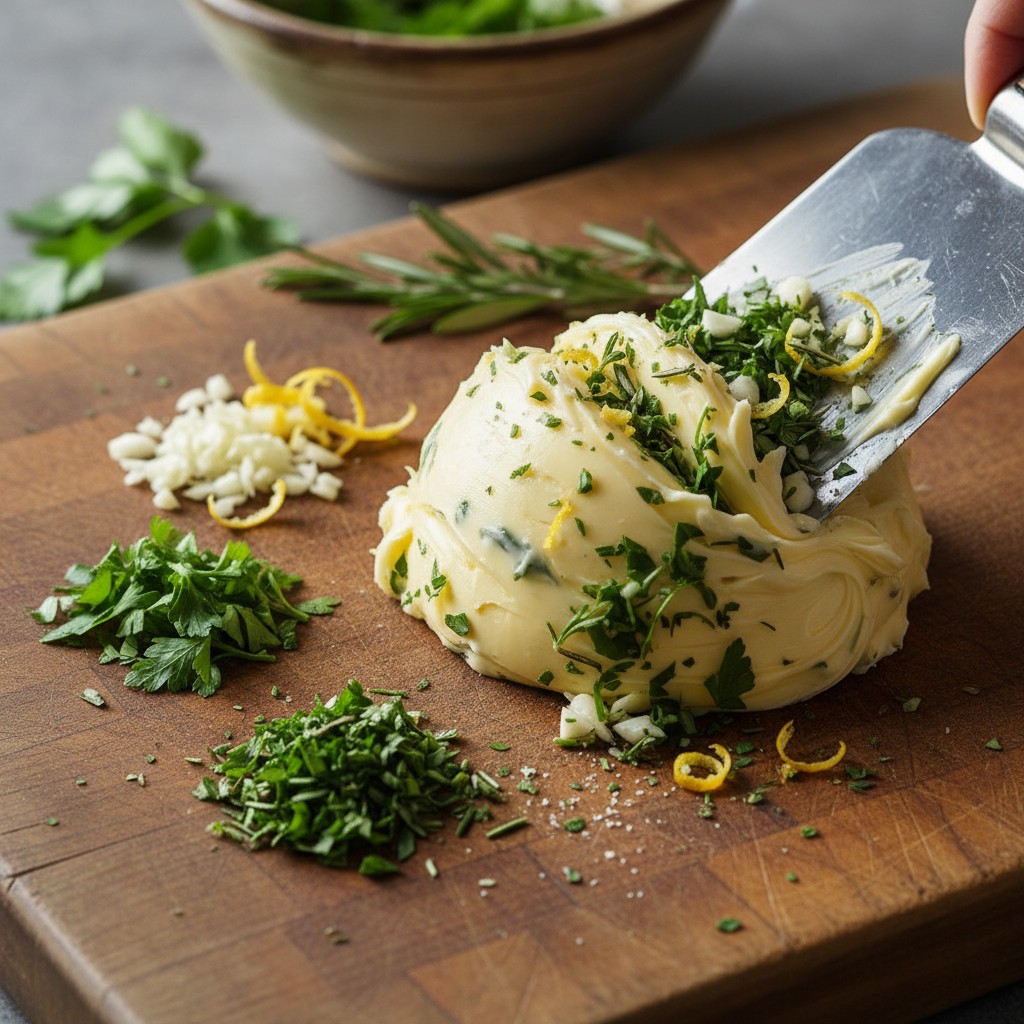
A note on the garlic butter. Fresh garlic carries Clostridium botulinum spores from the soil whatever fat you put it in, so the four-day refrigerator limit below applies to compound butter with fresh garlic in it too, not just to oil. The published NCHFP figure is written specifically for garlic-in-oil and no validated home protocol covers butter, which is exactly why the cautious reading is the right one: there is nothing behind a two-week claim. The herb-only blends in the table above keep their full two weeks, because they have no garlic in them. If you want garlic butter to keep, freeze it — it slices straight from frozen.
How Do You Safely Make Infused Oils?
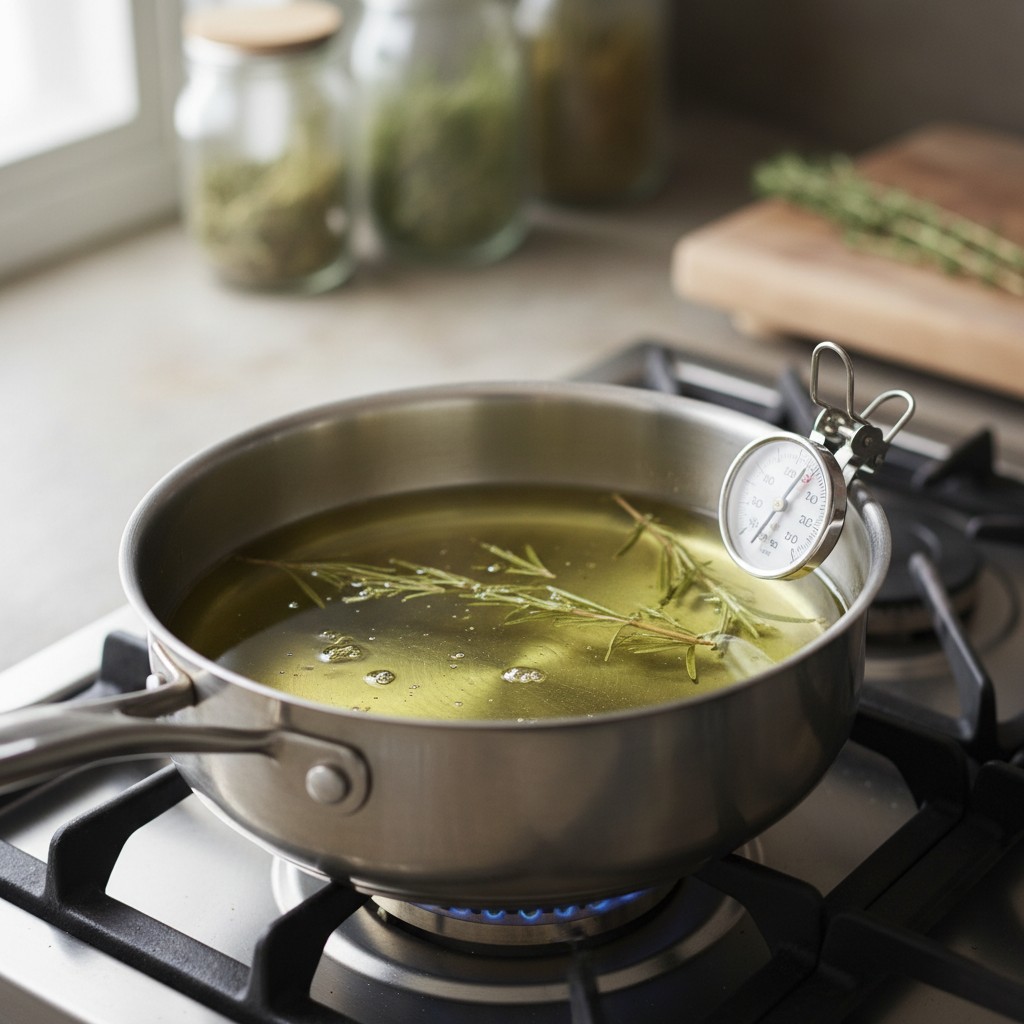
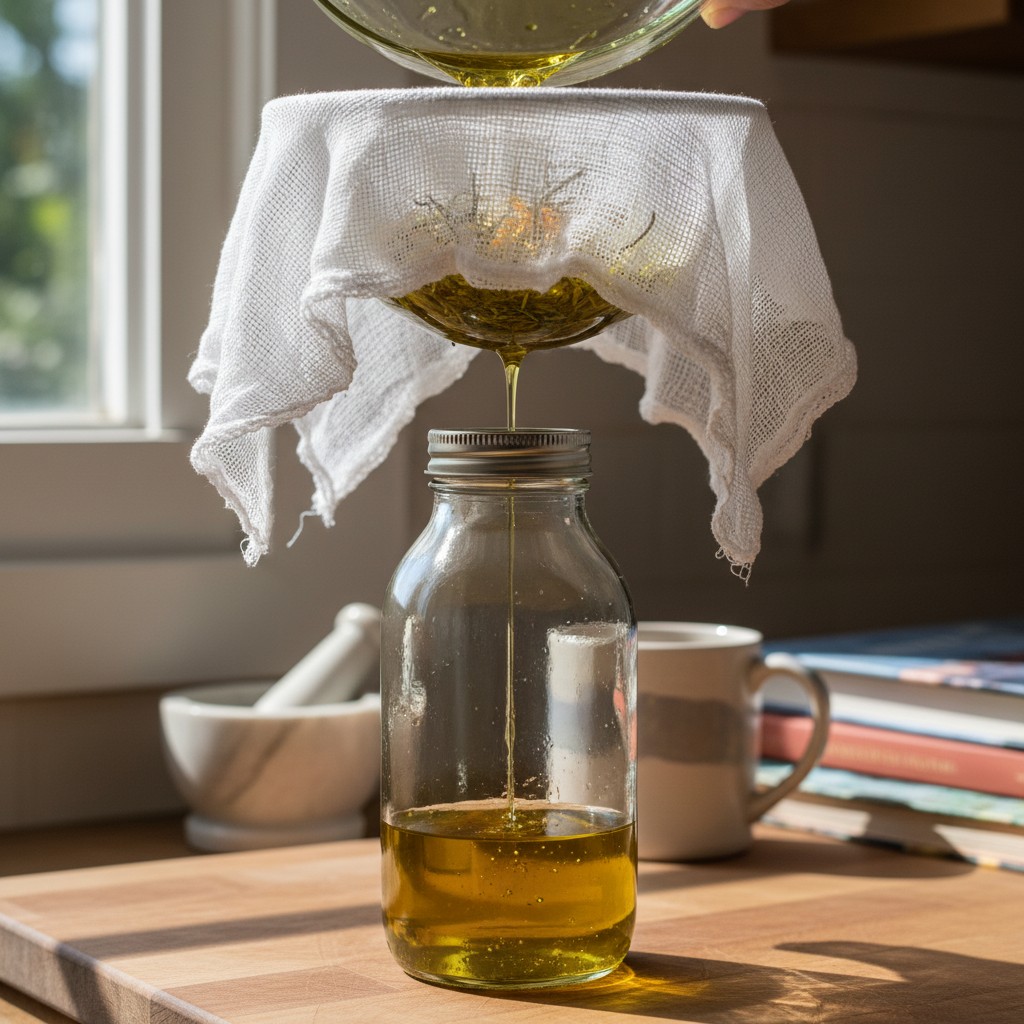
The recommended method for home infused oils uses dried herbs only, gently warmed at 150–200°F for 1–3 hours, then strained. Note that heat infusion does not kill Clostridium botulinum spores, only pressure canning at 250°F is effective against spores, and home canning of oils is not an approved process. Per the National Center for Home Food Preservation, fresh garlic or herbs in oil create an anaerobic environment where C. Botulinum can produce deadly toxin. Use dried herbs for shelf-stable oils (store in the refrigerator, best quality within 1 month). For fresh-herb or fresh-garlic oils, refrigerate at or below 40°F and use within 4 days, or freeze in ice-cube trays for up to 3 months. Never leave fresh-ingredient oil at room temperature.
I learned this the careful way, by doing research first, and I’m grateful I did. Now I keep a bottle of dried rosemary olive oil and dried chili oil on my counter (both perfectly shelf-stable), and any fresh basil oil I make goes straight into the fridge with a 4-day “use-by” sticker on the bottle. If you’re interested in other preservation methods, our fermentation guide covers safe techniques for other homemade foods.
The FDA Acidification Protocol (The Only Validated Home Method for Fresh Ingredients)
If you want to infuse fresh garlic or fresh herbs into oil and store the result outside the fridge, the U.S. Food and Drug Administration and the National Center for Home Food Preservation point to acidification as the only home-kitchen method shown to lower the pH enough to prevent C. Botulinum growth. Here is the protocol:
- Dissolve 1 tablespoon of food-grade citric acid in 2 cups of cool water.
- Fully submerge your peeled fresh garlic cloves or fresh herbs in the solution.
- Soak for a minimum of 24 hours at room temperature.
- Drain thoroughly and pat the ingredients dry.
- Combine the acidified ingredients with oil in a sterilized bottle.
- Even after acidification, store the oil in the refrigerator and use within 4 days for best quality, or freeze. Acidification reduces, but does not eliminate, the importance of cold storage.
Vinegar and lemon juice are not reliable substitutes for citric acid here, their acid strength varies too much to guarantee the pH drop needed. Use food-grade citric acid (sold in the canning aisle or online) and measure it carefully. For a deeper dive, see the FDA Bad Bug Book entry on Clostridium botulinum and the NCHFP guidance on oils infused with garlic or herbs.
What About Infused Vinegars?
Infused vinegars are safer and easier than oils because vinegar’s acidity naturally prevents bacterial growth. Simply pack a jar with fresh herbs, cover with vinegar (white wine or apple cider vinegar work great), and let it steep for 2-4 weeks. The Colorado State Extension confirms that the acidity of vinegar makes herb-infused vinegars safe for pantry storage.
Some of my favorites are tarragon white wine vinegar, dandelion blossom vinegar, and chive blossom vinegar (which turns a gorgeous pink color). These make wonderful seasonal homemade gifts.
How Do You Store and Gift Infused Butters and Oils?
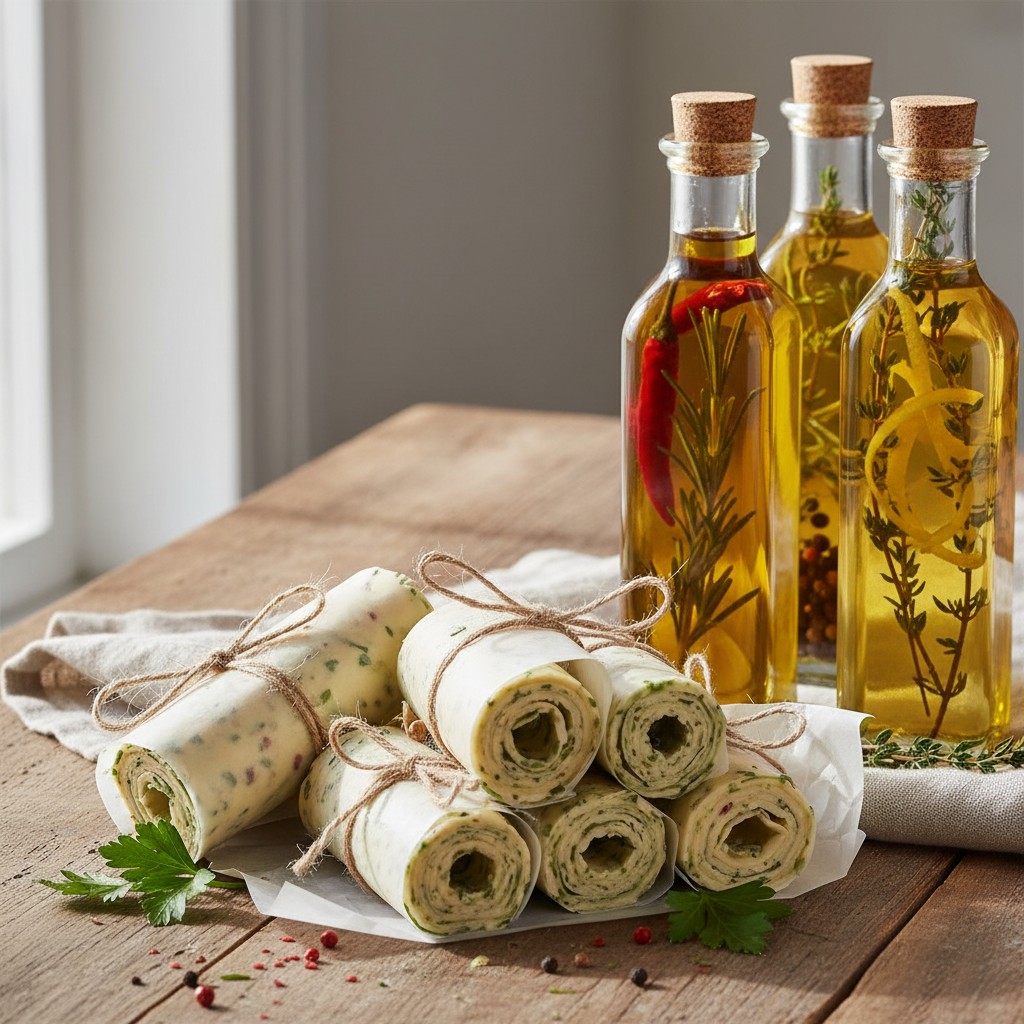
Freeze compound butter logs for up to three months, refrigerate dried-herb infused oils for up to one month, refrigerate any fresh-herb or fresh-garlic oil for no more than 4 days (or freeze it), and store vinegar infusions in a cool pantry for up to a year. For gifting, I wrap butter logs in parchment paper with a sprig of the herb on top, tied with twine. Oil and vinegar go into pretty glass bottles with handwritten labels. If you are gifting a fresh-ingredient oil, label it clearly with the make-date and “Keep refrigerated, use within 4 days.”
If you’re growing your own garlic, a roasted garlic butter makes an especially luxurious gift. I make these in batches around the holidays and they’re always the first gift to disappear.
🌱 From Our Homestead
The first time I made herb compound butter with fresh garden herbs, I brought it to a family dinner and everyone thought it was from a specialty shop. Now I keep several varieties in the freezer and pull them out whenever we need to make a simple meal feel special.
Frequently Asked Questions
You can, but unsalted gives you more control over the final flavor. If you use salted butter, just skip any added salt in the recipe and taste as you go.
Only with strict precautions. Fresh garlic in oil must be kept at 40°F or below and used within 4 days (FDA/CDC limit, psychrotrophic Clostridium botulinum can grow at fridge temperatures beyond that window), or frozen. Never store fresh garlic in oil at room temperature, even briefly. For a shelf-stable garlic oil, use commercially dried garlic, or acidify fresh garlic first using the citric-acid soak described above. Heat infusion alone does not kill botulism spores, so it is not a substitute for these controls.
Extra virgin olive oil is my go-to for most savory infusions. For neutral-flavored options, grapeseed or avocado oil work well. The trick is choosing a quality oil with a flavor profile that complements your herbs.
Fresh herbs give the best flavor and color, but dried herbs work in a pinch, use about one-third the amount of dried compared to fresh. I prefer making butter with fresh herbs and saving dried herbs for oil infusions.
Properly strained and stored in a sealed glass bottle, herb-infused vinegar lasts up to a year in a cool, dark pantry. I label mine with the date so I can rotate through them.