
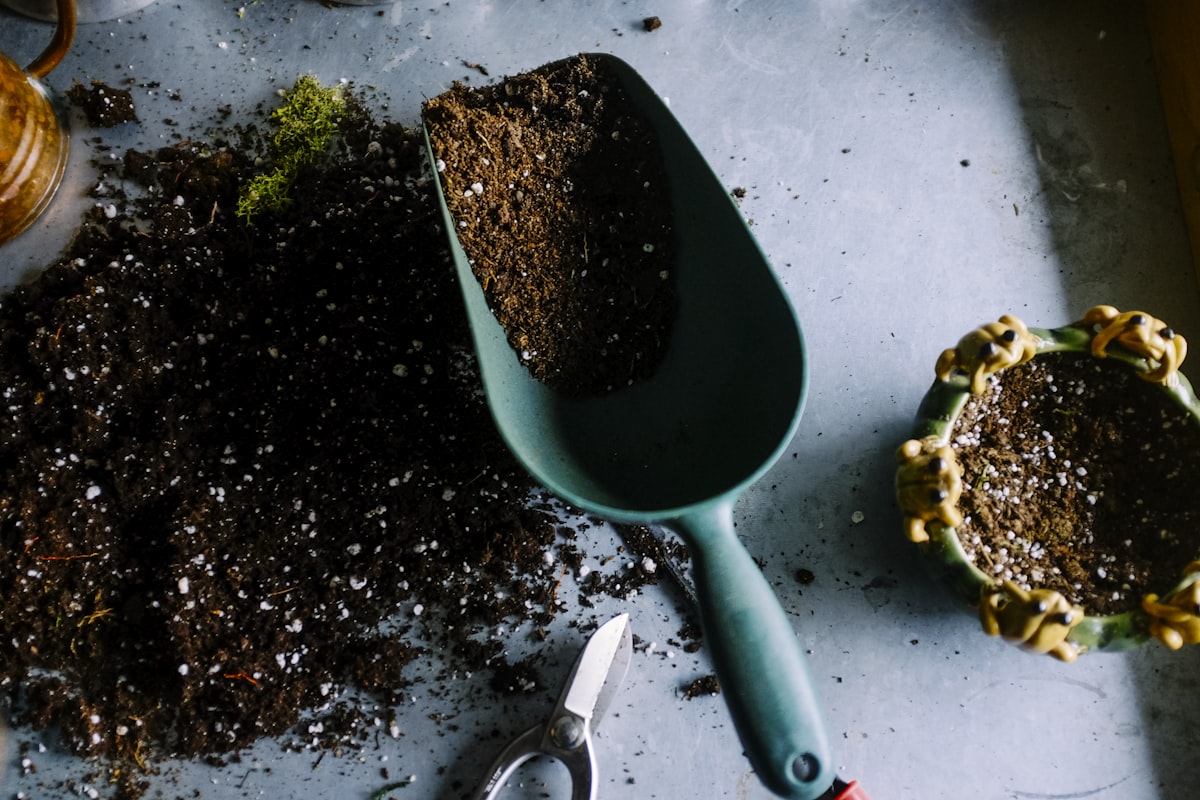
No-Till Gardening: How to Grow More by Digging Less
- What it is: A gardening method where you stop turning the soil and instead build fertility by layering compost and mulch on top.
- Why it works: Preserves the soil food web — the fungi, bacteria, and earthworms that make nutrients available to your plants.
- Key stat: Tilling can release up to 60% of stored soil carbon into the atmosphere. No-till keeps that carbon where it belongs.
- Bottom line: Less digging, fewer weeds over time, better water retention, and soil that improves every single year.
If the idea of less digging, healthier soil, and bigger harvests sounds like a dream, welcome to the world of no-till gardening. After three seasons of no-till gardening in my own backyard, I can tell you firsthand — this approach delivers on its promises. No-till gardening is one of the most impactful shifts you can make as a home grower, and it is quickly becoming the standard for gardeners who want to work with nature instead of against it. Whether you are managing raised beds, in-ground rows, or starting a brand new plot, this guide will walk you through everything you need to know about no-till gardening and how to get started this season.
What Is No-Till Gardening and How Does It Work?
No-till gardening is a method where you stop turning over your soil and instead build fertility from the top down by layering organic matter like compost and mulch. Rather than breaking out the rototiller every spring, you work with the natural layers of your garden bed and let the soil ecosystem do the heavy lifting.
Traditional tilling disrupts the intricate web of fungi, bacteria, earthworms, and microorganisms that make soil alive. According to the USDA Natural Resources Conservation Service, healthy soil contains billions of microorganisms per tablespoon — and every time you flip that dirt, you are essentially hitting the reset button on years of biological progress. No-till gardening preserves that underground community so it can work for you season after season.
In my experience, the shift in soil quality is noticeable within just one season. By the second year, the difference is dramatic — darker soil, more earthworm activity, and plants that establish faster with less intervention.
Why Is No-Till Gardening Better Than Tilling?
No-till gardening outperforms traditional tilling in nearly every measurable category — from soil health and water retention to labor savings and environmental impact. Here is why so many gardeners are making the switch:
Soil health awareness is at an all-time high. Gardeners are finally understanding that healthy soil equals healthy plants. The “living soil” movement has gone mainstream, with more people investing in soil biology rather than synthetic fertilizers. Research from University of Minnesota Extension shows that undisturbed soils develop stronger mycorrhizal fungal networks — the underground “internet” that helps plants share nutrients and communicate.
Less work, more results. Let us be honest — nobody loves spending a Saturday afternoon hunched over a tiller. No-till gardens require less physical labor once established, which appeals to gardeners of every age and ability level.
Climate-conscious gardening. Tilling releases stored carbon from the soil into the atmosphere. Research from Oregon State University Extension confirms that leaving soil undisturbed helps sequester carbon, reduce erosion, and conserve water — all things that matter more every year.
The composting renaissance. With more gardeners composting at home than ever before — including vermicomposting — there is an abundance of rich organic matter ready to be layered onto garden beds instead of tilled in.
How Does Tilled Soil Compare to No-Till Soil?
The differences between tilled and no-till gardens become more pronounced with each passing season. Here is a side-by-side comparison across the categories that matter most:
| Category | Tilled Garden | No-Till Garden |
|---|---|---|
| Soil Structure | Broken up annually; prone to compaction and crusting | Builds naturally over time; loose and crumbly |
| Soil Biology | Fungal networks destroyed each season | Thriving mycorrhizal and microbial communities |
| Weed Pressure | Brings buried weed seeds to surface; ongoing problem | Decreases significantly by year two and three |
| Water Retention | Poor; soil dries out and crusts over quickly | Excellent; mulch and organic matter hold moisture |
| Labor Required | Heavy spring prep; rototilling, raking, amending | Light seasonal layering of compost and mulch |
| Carbon Impact | Releases soil carbon into atmosphere | Sequesters carbon; builds organic matter |
| Erosion Risk | High; bare, loosened soil washes away easily | Low; mulch cover and root networks hold soil |
| Long-Term Fertility | Depletes over time without heavy amendments | Improves year after year with simple top-dressing |
How Do You Start a No-Till Garden?
You can start a no-till garden right where you are today — all you need is compost, mulch, and the willingness to put the tiller away. Whether you have established raised beds, in-ground rows, or are breaking new ground entirely, here is your step-by-step plan.
Step 1: Stop Tilling (Yes, Really)
This is the hardest step for most gardeners because it goes against everything we have been taught. When I first switched to no-till, I kept second-guessing myself every time I walked past the shed and saw my tiller sitting there. Put it away. If you have compacted soil, do not worry — we will address that with layers, not force.
Step 2: Add a Layer of Compost
Spread 2 to 4 inches of quality compost over your existing garden bed. This is your primary soil amendment. If you have been vermicomposting at home, your worm castings are liquid gold for this step. Over time, earthworms and microbes will pull this organic matter down into the soil profile, naturally aerating and enriching it as they go.
Step 3: Mulch Generously
After planting, cover any exposed soil with 3 to 4 inches of organic mulch — straw, wood chips, shredded leaves, or grass clippings all work well. Mulch suppresses weeds, retains moisture, regulates soil temperature, and feeds the soil as it breaks down. Think of it as a warm blanket for your garden bed. The University of Maryland Extension recommends organic mulches for their dual benefit of weed suppression and soil building.
Step 4: Plant Through the Layers
When it is time to plant, simply push back the mulch, make a small hole in the compost layer, and tuck your seeds or transplants in. The roots will find their way down through the rich organic layers into the native soil below. This works beautifully for everything from tomatoes and peppers to garlic and root vegetables.
Step 5: Keep Adding Organic Matter
Each season, add another layer of compost and refresh your mulch. This is the ongoing “maintenance” of a no-till garden, and it is far easier than annual tilling. Over the years, you will watch your soil transform into dark, crumbly, worm-rich earth that plants absolutely thrive in.
What About Weeds in a No-Till Garden?
No-till gardens actually have fewer weeds over time — not more. This is the number one question people ask, and the answer consistently surprises new gardeners. Here is why it works:
- Buried seeds stay buried. Tilling brings dormant weed seeds to the surface where sunlight triggers germination. No-till gardening keeps those seeds safely buried and inactive.
- Mulch blocks light. A thick layer of mulch prevents most weed seeds from getting the light they need to sprout.
- Easy removal. The weeds that do pop up in a no-till system are typically shallow-rooted and pull out effortlessly from the loose, composted top layer.
In the first year of transitioning, you may still see some weeds as your system establishes. Be patient — by year two and three, you will spend a fraction of the time weeding compared to a tilled garden. For any persistent issues, check out our guide to natural pest and weed control for chemical-free solutions that pair perfectly with no-till methods.
Can You Use No-Till Methods in Raised Beds?
Absolutely — raised beds are actually the easiest place to practice no-till gardening. Most raised bed gardeners do not own a tiller anyway, so you are already halfway there. The key adjustments are:
- Stop turning over your bed soil each spring with a shovel or fork.
- Top-dress with 2 inches of compost before each growing season.
- Use mulch between plants to protect the soil surface.
- After harvest, chop spent plants at the base and leave the roots in the soil — they will decompose and feed the underground ecosystem.
If you are working with limited space, no-till raised beds pair beautifully with vertical gardening techniques to maximize your harvest without expanding your footprint. After three seasons of no-till gardening in my raised beds, the soil is so rich and alive that I barely need to amend at all — just a thin layer of compost each spring and the worms take care of the rest.
How Do You Start a No-Till Garden on a Lawn or New Ground?
The sheet mulching method (also called “lasagna gardening”) lets you convert lawn or bare ground into a no-till bed without any digging at all. This is one of my favorite techniques because it turns a problem — existing grass or weeds — into future soil fertility.
- Mow or cut existing grass or weeds as short as possible.
- Lay down overlapping sheets of cardboard directly on the ground.
- Wet the cardboard thoroughly.
- Add 4 to 6 inches of compost on top.
- Finish with 3 to 4 inches of mulch.
- Wait 4 to 8 weeks (or plant right away in the compost layer for transplants).
The cardboard smothers the grass and weeds underneath while earthworms feast on it from below. According to Penn State Extension, sheet mulching is one of the most effective methods for establishing new planting areas without herbicides or heavy equipment. By the time roots grow down, the cardboard has largely decomposed and the former lawn has become soft, workable soil.
What Role Do Cover Crops Play in No-Till Gardening?
Cover crops are arguably the most powerful tool in a no-till gardener’s toolkit — they protect, feed, and build your soil all winter long. Instead of leaving beds bare, plant a cover crop like crimson clover, winter rye, or hairy vetch. These plants:
- Protect soil from erosion during heavy rains
- Fix nitrogen from the air into the soil (legume cover crops)
- Suppress winter weeds
- Add massive amounts of organic matter when you chop them down in spring
In spring, simply cut the cover crop at the base, lay it down as a mulch layer, and plant right through it. The roots stay in the ground and decompose, creating channels for water and air to move through the soil. The Sustainable Agriculture Research & Education (SARE) program has extensive resources on choosing the right cover crops for your region and goals.
What Are the Most Common No-Till Mistakes to Avoid?
The biggest mistakes new no-till gardeners make involve skipping compost, compacting their beds, and giving up before the system has time to establish. Here are the pitfalls I have seen (and made) most often:
- Skipping the compost. Mulch alone is not enough. Compost is where the nutrition comes from. Make sure you are adding quality compost each season.
- Walking on your beds. Compaction is the enemy of no-till gardening. Use designated pathways and never step on your growing area.
- Giving up too soon. The first season of no-till can feel like an act of faith. Soil biology takes time to rebuild. Stick with it and you will be amazed by year two.
- Using treated mulch. Avoid dyed mulches or wood chips from treated lumber. Stick with natural, untreated organic materials.
- Ignoring your harvest plan. A no-till garden produces abundantly — make sure you have a plan for all that food. Our meal planning from the garden guide can help you use everything you grow.
Is No-Till Gardening Worth It? The Long-Term Results
No-till gardening is absolutely worth it — the benefits compound year after year, making your garden easier to manage and more productive over time. This is not a fad. It is a return to how nature has always worked. Forests do not till themselves. Prairies do not rototill every spring. The most fertile soils on earth were built by the slow, steady accumulation of organic matter on an undisturbed surface.
By adopting a no-till approach, you are not just growing better tomatoes (although you definitely will). You are building something that gets better every single year — a living, breathing garden ecosystem that practically takes care of itself. When I first switched to no-till, I was skeptical. Now, three seasons in, my soil is darker, my yields are higher, and I spend half the time I used to on garden maintenance.
Whether you are a seasoned gardener looking to simplify or a complete beginner starting your first bed this spring, no-till gardening is a fantastic place to start. Your back will thank you, your soil will thank you, and your garden will absolutely thrive.
Frequently Asked Questions About No-Till Gardening
How long does it take for no-till soil to improve?
Most gardeners notice visible improvements within one growing season — darker soil color, more earthworm activity, and better moisture retention. Significant structural changes typically develop by the second or third year. In my experience, the jump from year one to year two is the most dramatic.
Can I switch to no-till if my soil is heavy clay?
Yes — and clay soil actually benefits tremendously from no-till methods. Instead of trying to break up clay by force (which just creates compacted chunks), layer compost and mulch on top and let earthworms and root systems gradually improve the structure. The University of Minnesota Extension notes that biological activity is the most effective long-term solution for heavy clay soils.
Do I need special tools for no-till gardening?
Not at all. The beauty of no-till gardening is its simplicity. A wheelbarrow for compost, a rake for spreading mulch, and a hand trowel for planting are really all you need. Some gardeners use a broadfork to gently aerate compacted soil without turning it, but it is completely optional.
How much compost do I need for a no-till garden each year?
Plan for 2 to 4 inches of compost per bed in the first year, then 1 to 2 inches annually after that. For a standard 4×8-foot raised bed, that works out to roughly 10 to 20 cubic feet the first year. If you are making your own compost or vermicompost, you can significantly cut costs.
Is no-till gardening the same as “no-dig” gardening?
They are essentially the same concept. “No-dig” is the term popularized by British gardener Charles Dowding, while “no-till” is more commonly used in the US and in agricultural contexts. Both approaches share the same core principle: stop disturbing the soil and build fertility from the top down with compost and mulch.
Have you tried no-till gardening? We would love to hear about your experience — drop us a line on social media or send an email to share your story!