Raised Bed Gardening for Beginners: Build Your First Bed This Weekend
🌱 TL;DR — Key Takeaways
- The ideal raised bed is 4 feet wide, 8 feet long, 10–12 inches deep
- Fill with a mix of 1/3 topsoil, 1/3 compost, 1/3 aeration material
- Untreated cedar lasts 5–10 years; Douglas fir is a budget-friendly 3–5 year option
- Raised beds warm up faster in spring, drain better, and produce up to 2x more per sq ft than in-ground gardens
- Start with easy wins: lettuce, radishes, herbs, bush beans, and cherry tomatoes
Raised bed gardening is one of the best decisions you can make for your backyard — especially if you are just starting out. You get better soil, fewer weeds, easier access, and a tidy growing space you can be proud of. I built my first 4×8 bed on a Saturday afternoon with zero carpentry experience, and it is still producing food four years later.
Why Are Raised Beds So Popular?
Raised beds solve most common beginner gardening problems in one shot — poor soil, bad drainage, weeds, and back strain. They also warm up faster in spring, giving you a head start on the season. Oregon State Extension research shows raised beds can produce up to twice as much food per square foot compared to traditional in-ground gardening.
What Size Should Your Raised Bed Be?
The ideal raised bed is 4 feet wide so you can reach the center from either side without stepping in the soil. Length can be whatever you like — 8 feet is the most popular choice. For depth, aim for at least 10 to 12 inches, which gives most vegetables plenty of root room. Place it where it gets 6 to 8 hours of direct sunlight, close to a water source so watering does not feel like a chore.
What Materials Should You Use (and Avoid)?
| Material | Lifespan | Cost | Notes |
|---|---|---|---|
| Untreated cedar or redwood | 5–10 years | $$ | Naturally rot-resistant; best all-around choice |
| Douglas fir | 3–5 years | $ | Budget-friendly; line with landscape fabric to extend life |
| Galvanized steel troughs | 15–20+ years | $$$ | Very durable; heats up faster in sun |
| Concrete blocks | 20+ years | $ | Easy to stack; no tools needed |
| Pressure-treated lumber | 10–15 years | $ | Older types may contain arsenic — avoid for edible gardens |
| Railroad ties | Long | $ | Creosote is toxic — never use |
How Do You Build a Simple 4×8 Raised Bed?
You need just four boards, some screws, and about 30 minutes. Get two 2×10 or 2×12 boards at 8 feet and two at 4 feet. Stand them on edge to form a rectangle, then screw or bolt them together at the corners using 4×4 corner posts or heavy-duty brackets. Level the ground, set your frame in place, and you are ready to fill.
What Is the Best Soil Mix for Raised Beds?
The classic recipe is 1/3 topsoil, 1/3 compost, and 1/3 aeration material (perlite, vermiculite, or aged bark). This gives you a mix that holds moisture, drains well, and is packed with nutrients. One cubic yard will fill a 4×8 bed about 10 inches deep. The Old Farmer’s Almanac recommends this balanced approach for best results.
What Should You Plant First?
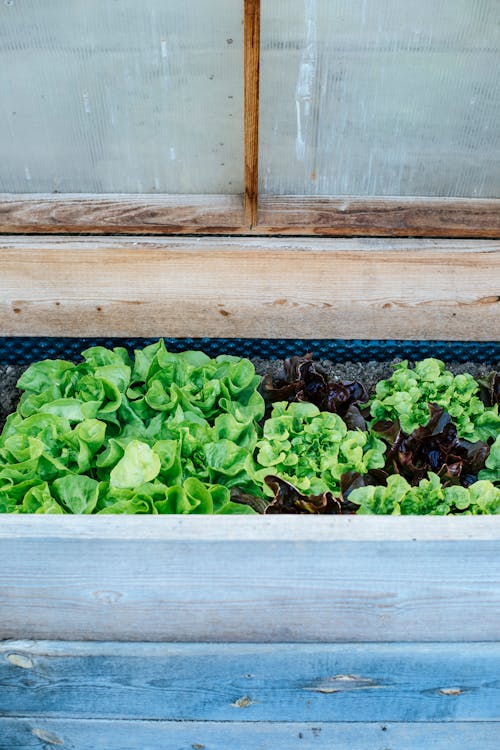
Start with easy wins that build confidence: lettuce, radishes, herbs, bush beans, and cherry tomatoes. These are forgiving, fast-growing, and incredibly satisfying to harvest. As you gain experience, branch out into peppers, squash, cucumbers, and garlic. Our companion planting guide can help you maximize every square foot of your new bed.
How Do You Maintain Raised Beds Season After Season?
- Mulch generously. A 2–3 inch layer of straw or shredded leaves keeps moisture in and weeds out
- Water deeply and less often rather than a little every day — most beds need about an inch of water per week
- Top-dress with compost each spring to replenish nutrients
- Rotate your crops each year to prevent soil depletion and reduce pest problems
- Never walk in your beds. The whole point is keeping that soil fluffy and uncompacted
A single raised bed can produce a surprising amount of food — enough salad greens, herbs, and tomatoes to make a real dent in your grocery bill. Start with one bed this weekend. You will be amazed at what you can grow.
Frequently Asked Questions
How deep should a raised bed be?
At least 10–12 inches for most vegetables. For root crops like carrots or potatoes, 18 inches is ideal. Deeper beds also work well over poor native soil or concrete.
Do I need to put anything at the bottom of a raised bed?
On grass or weeds, lay cardboard at the bottom to smother them. Over concrete or rock, a layer of gravel improves drainage. No plastic liner needed — you want earthworms to move in.
How much does it cost to build a raised bed?
A basic 4×8 cedar bed costs $75–$150 for lumber. Soil and compost to fill it runs another $50–$100. Total investment: about $125–$250 for a bed that lasts 5–10 years.
Can I use raised beds in a small yard?
Absolutely. A single 4×4 bed fits in almost any space and can produce a surprising amount of food. Pair it with vertical growing to maximize yield.
When should I start filling my raised bed?
Fill your bed 2–4 weeks before planting so the soil can settle. Top off as needed. Early spring is the ideal time in most zones.