Seed Saving 101: How to Save Seeds from Your Garden for Next Year
- Only save open-pollinated/heirloom — F1 hybrid seeds won’t grow true to parent.
- Easiest to start: Beans, peas, tomatoes, peppers, lettuce, and herb seeds.
- Storage: Paper envelopes in a sealed glass jar, cool and dark — lasts 2-5 years.
- Seeds adapt — saved seeds become better suited to your specific garden over time.
- Zero cost — once you start, you never buy seeds for those varieties again.
Seed saving is one of the most empowering skills a gardener can learn — and it’s much simpler than most people think. Instead of buying new seeds every year, you save seeds from your best-performing plants and grow them again next season — for free. Over time, your saved seeds adapt to your specific soil, climate, and growing conditions, becoming better suited to your garden with each generation. The Seed Savers Exchange notes that seed saving has been practiced for over 12,000 years — and you can start this tradition in your own backyard today.
Why Should You Only Save Open-Pollinated Seeds?
Open-pollinated and heirloom seeds produce offspring true to the parent plant — hybrid (F1) seeds won’t, and the results can be unpredictable. Look for OP or heirloom labels when buying seeds. I learned this the hard way my first year when I saved seeds from a hybrid tomato and got a sprawling mess of inconsistent fruit the next season. Stick with open-pollinated varieties and you’ll get reliable results every time. If you’re looking for good heirloom varieties, our guide to growing tomatoes and growing garlic list great options.
Which Seeds Are Easiest to Save?
Beans, peas, tomatoes, peppers, and lettuce are the most beginner-friendly seeds to save — start with these and you’ll build confidence quickly.
| Plant | Method | Difficulty | Seed Viability |
|---|---|---|---|
| Beans & Peas | Let pods dry on plant, shell, store | Very Easy | 3-4 years |
| Tomatoes | Scoop, ferment 2-3 days, rinse, dry | Easy | 4-5 years |
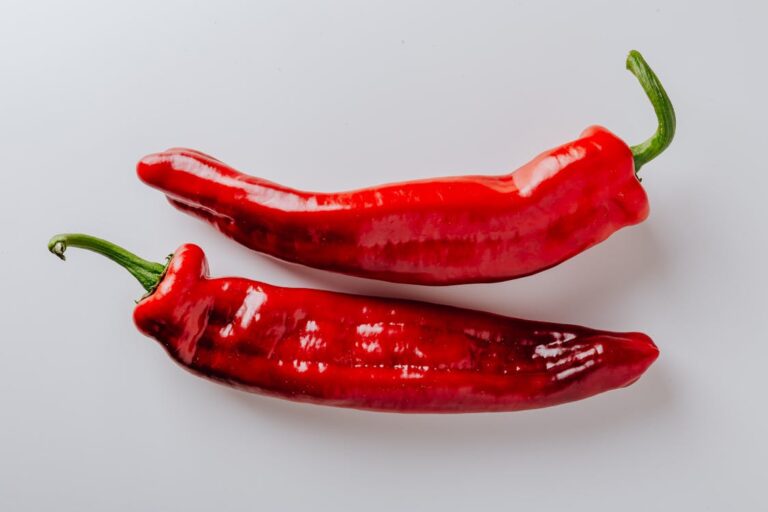
| Peppers | Let ripen fully, scrape, dry | Easy | 2-3 years |
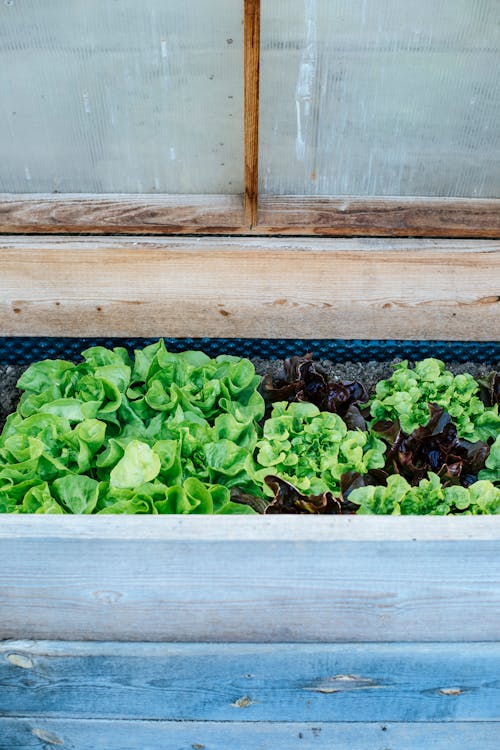
| Lettuce | Let bolt, harvest dried flower heads | Easy | 3-5 years |
| Herbs (dill, basil) | Let flower, collect dry seed heads | Easy | 2-3 years |
How Should You Store Saved Seeds?
Store dried seeds in labeled paper envelopes inside a sealed glass jar in a cool, dark place — most stay viable for 2 to 5 years. Adding a small packet of silica gel helps absorb moisture. Write the variety name, date, and any notes on each envelope. According to the Oregon State Extension, consistent cool temperatures (below 50 degrees F) and low humidity are the keys to long seed viability.
Seed saving connects you to a tradition that stretches back thousands of years. Every seed you save carries the story of your garden — the soil it grew in, the weather it endured, the hands that tended it. Start saving this season and you’ll never look at a seed packet the same way again. If you’re growing a raised bed garden, saving seeds from your best producers makes each year better than the last. For more growing knowledge, explore our guides to companion planting and composting 101.
Frequently Asked Questions
Sometimes. Heirloom tomatoes, peppers from farmers markets, and dry beans from bulk bins can work. However, most grocery store produce comes from hybrid varieties that won’t grow true. Your best bet is buying labeled open-pollinated seeds and saving from those.
Self-pollinating crops like tomatoes, beans, and peas rarely cross-pollinate. Squash, corn, and brassicas cross easily, so you’d need to grow only one variety or use isolation techniques. Start with self-pollinators and expand from there as you learn.
Seeds should snap cleanly when bent — not bend or feel rubbery. Most seeds need 1-2 weeks of air drying on a paper plate in a warm, dry room. Seeds that aren’t fully dry will mold in storage.
Fermenting tomato seeds for 2-3 days mimics the natural rotting process and removes the gelatinous coating that inhibits germination. It also kills some seed-borne diseases. Simply scoop seeds into water, let sit until a mold forms on top, then rinse clean and dry.