Building a 3-Month Emergency Food Pantry on a Budget
- A 3-month emergency pantry for a family of 4 costs $300–600 built gradually over 8–12 weeks.
- Focus on shelf-stable staples: rice, beans, oats, canned goods, pasta, peanut butter, and cooking oils.
- FEMA recommends every household store at least a several-day supply (two weeks preferred) of non-perishable food.
- USDA FSIS: low-acid canned foods (meat, fish, most vegetables) keep 2–5 years; high-acid items (tomatoes, citrus) 12–18 months.
- Rotate stock using FIFO (first in, first out) and integrate pantry items into everyday cooking.
- Store 1 gallon of water per person per day or invest in water filtration for longer-term preparedness.
Why Should You Build a 3-Month Emergency Food Pantry?
A 3-month emergency food pantry protects your family from supply chain disruptions, job loss, severe weather, and rising food costs. When I first started building our pantry, it felt overwhelming, but small steps made it completely doable.
The FEMA Ready.gov program is the official federal guidance. It recommends every household “store at least a several-day supply of non-perishable food” and prioritize items family members will actually eat. Emergency management experts typically expand on that baseline by recommending a two-week supply as the practical minimum, and longer supplies for households in regions prone to prolonged outages, hurricanes, or wildfires.
Why three months instead of two weeks? Because the common emergencies that actually deplete pantries, job loss, a major illness, a prolonged regional disruption, last longer than a two-week kit will cover. A 3-month buffer gives you breathing room without tipping into the complexity and cost of truly long-term storage.
Building a food pantry connects naturally to water bath canning, dehydrating, and fermentation, home-preserved foods add nutrition and cost savings to the rotation.
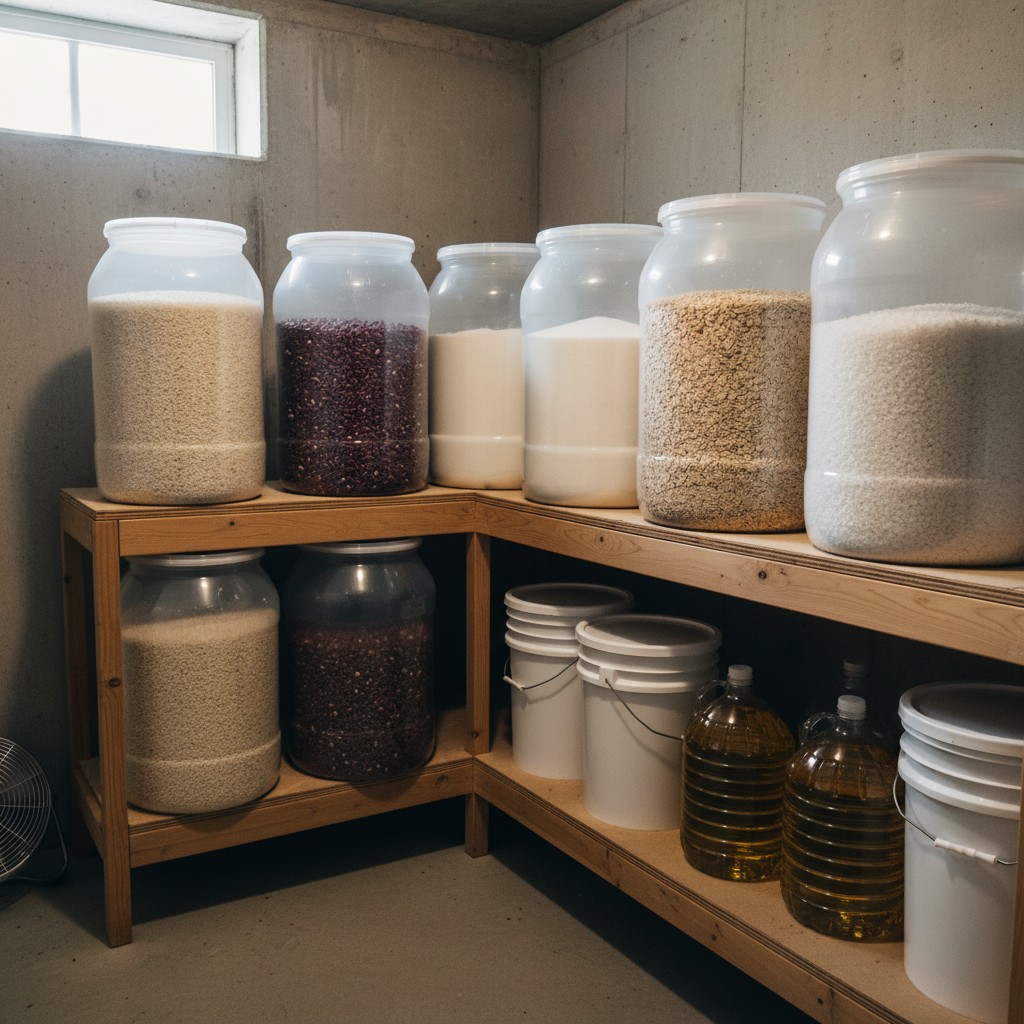
What Foods Should You Stock in a 3-Month Pantry?
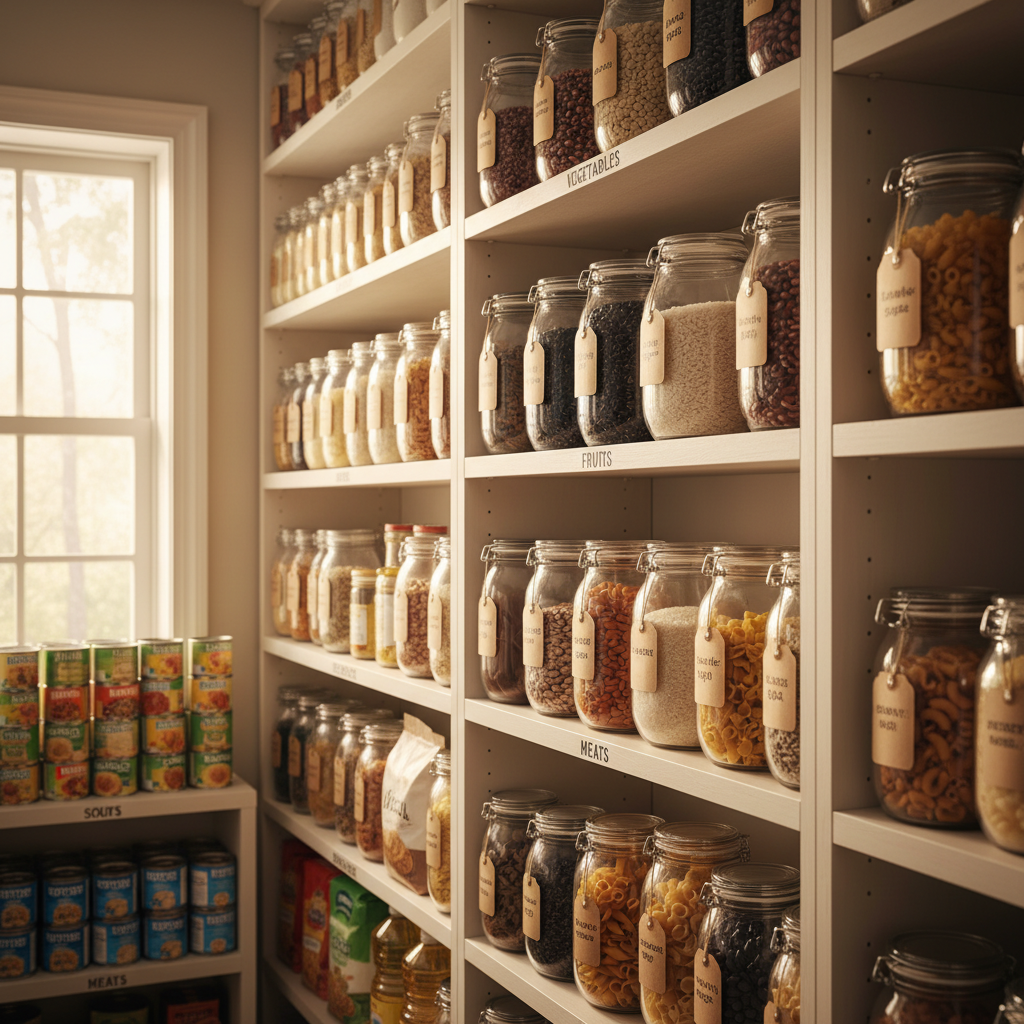
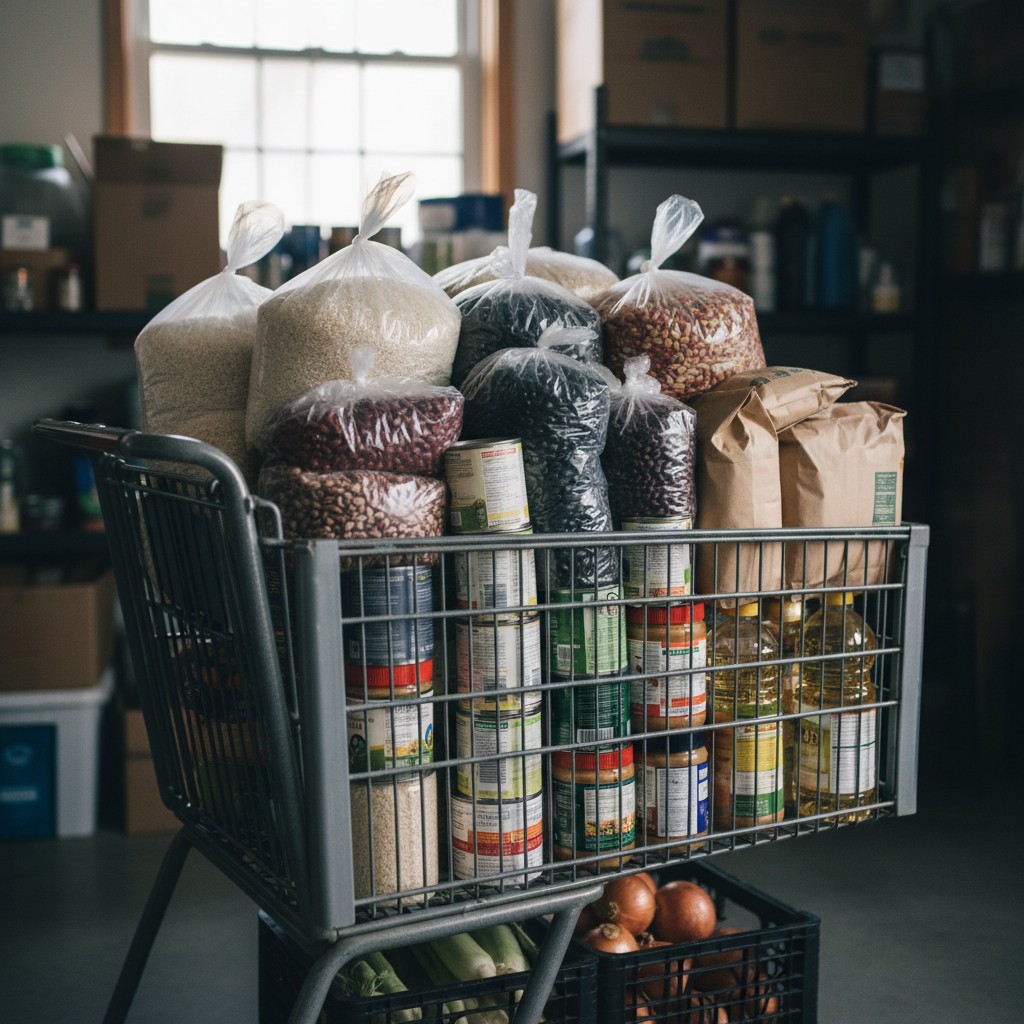
Prioritize calorie-dense, shelf-stable foods: rice, dried beans, oats, pasta, canned meats, peanut butter, cooking oils, honey, salt, and powdered milk form the backbone. After building and refining our pantry over several years, this is the core list I always recommend.
FEMA’s Ready.gov food checklist specifically calls out “ready-to-eat canned meats, fruits, vegetables and a can opener,” plus protein or fruit bars, dry cereal, peanut butter, dried fruit, canned juices, and non-perishable pasteurized milk. Use that as your baseline and add staples your family actually cooks with. The dietary principle here is “store what you eat, eat what you store”, an emergency is not the week to introduce unfamiliar foods.
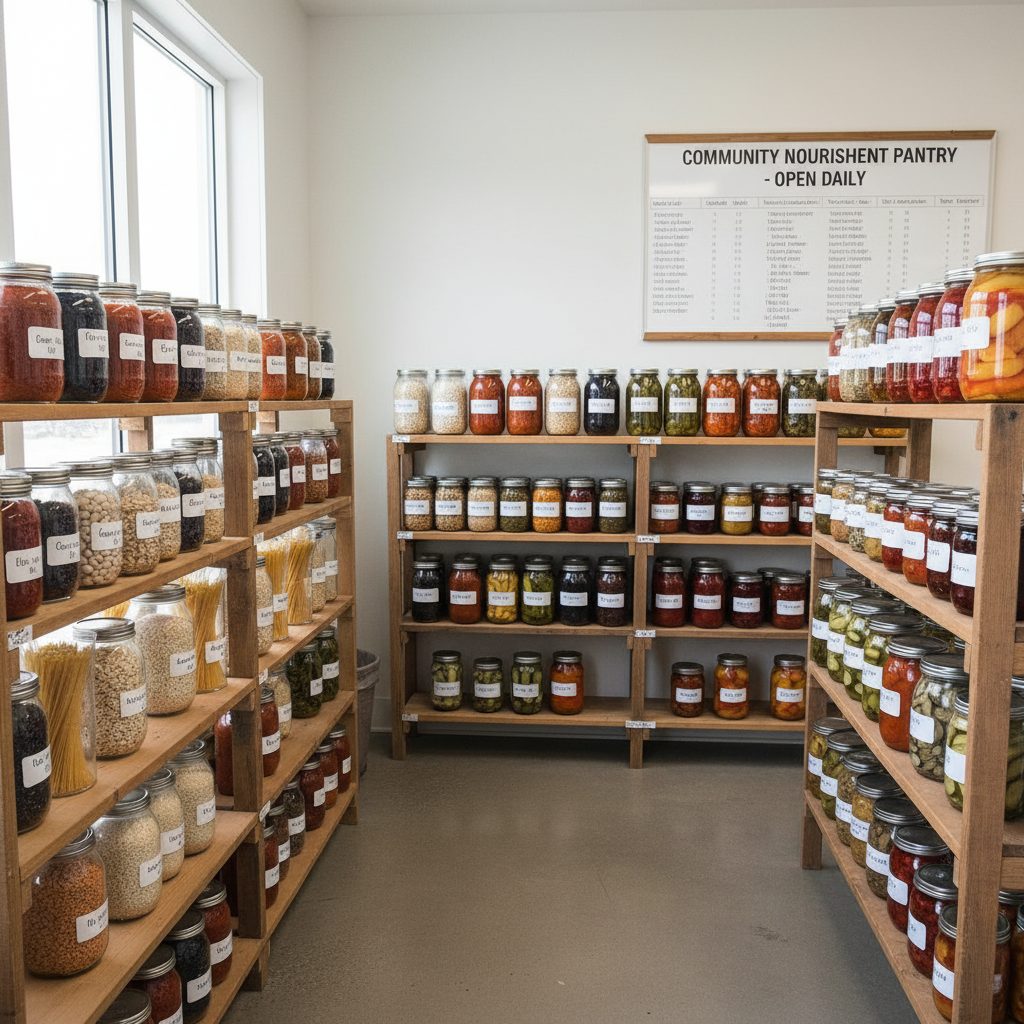
| Category | Items | 3-Month Qty (Family of 4) |
|---|---|---|
| Grains | Rice, oats, pasta, flour | 60–80 lbs total |
| Protein | Dried beans, canned meat/fish, peanut butter | 40–50 lbs beans, 24+ cans |
| Fats/Oils | Cooking oil, coconut oil, shortening | 3–4 gallons total |
| Canned Goods | Vegetables, fruits, soups, sauces | 80–100 cans |
| Sweeteners | Honey, sugar, maple syrup | 10–15 lbs |
| Dairy/Baking | Powdered milk, yeast, baking soda/powder | 5 lbs milk, basics |
| Salt | Iodized table salt, kosher salt, canning/pickling salt | ~12 lbs (1 lb/person/month for cooking and preservation) |
According to USDA ERS data, American households spent an average of 10.4% of disposable income on food in 2024, with lower-income households spending 32.6% of after-tax income. A well-stocked pantry built during normal grocery runs is effectively cost-neutral, you’re buying the same food at the same prices, just earlier. Do not forget comfort foods: coffee, tea, chocolate, and spices matter more than you think during a stressful stretch.
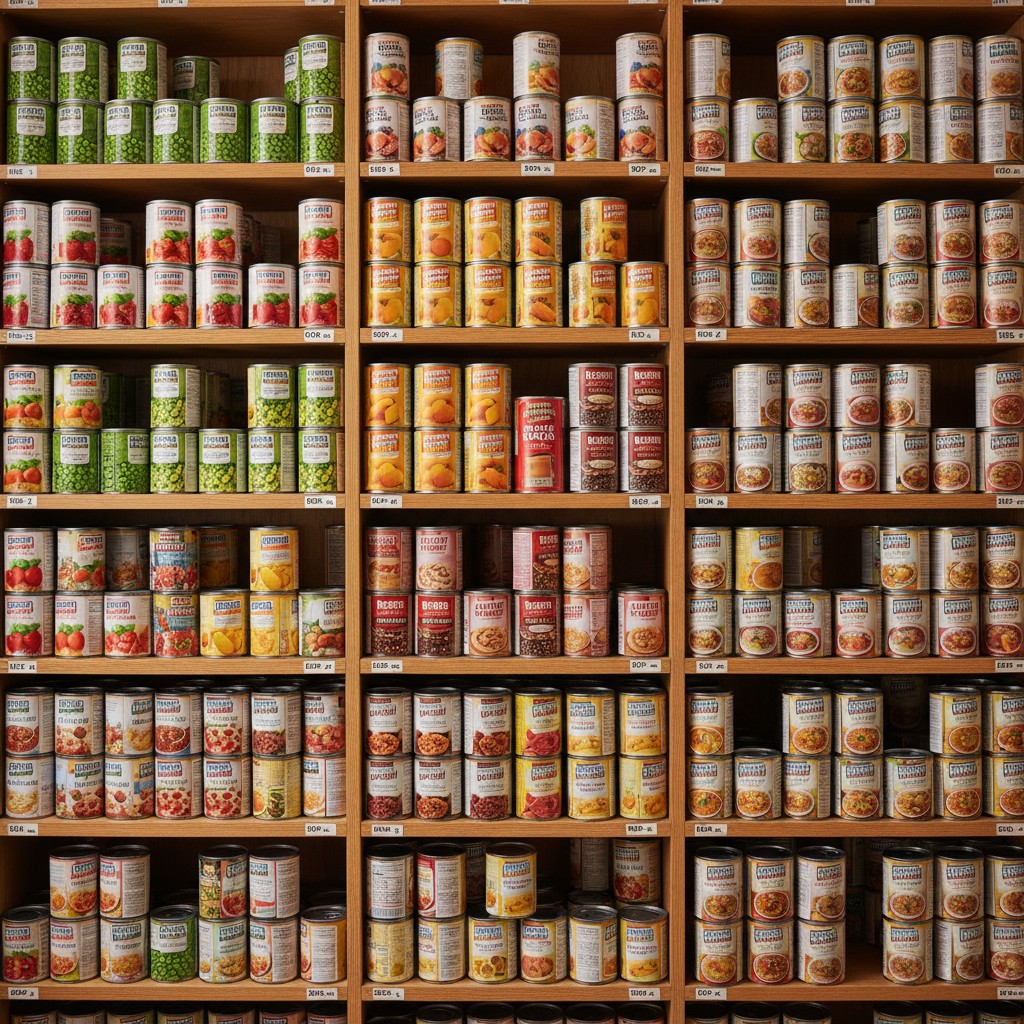
How Do You Build a 3-Month Pantry on a Budget?
Build gradually over 8–12 weeks by adding $25–50 of extra shelf-stable items to each grocery trip. This is exactly how I built our pantry, and it never felt like a financial strain.
Week-by-week: Weeks 1–2, stock grains (rice, oats, pasta). Weeks 3–4, beans and canned proteins. Weeks 5–6, canned vegetables and fruits. Weeks 7–8, fats and sweeteners. Weeks 9–10, baking supplies and spices. Weeks 11–12, water storage and non-food essentials.
among the most commonly forgotten items: a manual can opener. In a power outage or emergency, an electric opener is useless. Keep at least one heavy-duty manual can opener in your pantry, they cost under $10 and are irreplaceable when you need to access 80+ cans of stored food. Pair your stocked pantry with meal planning to reduce waste during rotation.
How Long Does Pantry Food Actually Last?
Shelf life varies widely by category, and the differences matter when you’re rotating stock. Here are the numbers I use, sourced from USDA FSIS and NCHFP.
| Item | Unopened Shelf Life | Source |
|---|---|---|
| High-acid canned (tomatoes, citrus, pineapple) | 12–18 months | USDA FSIS |
| Low-acid canned (meat, fish, most vegetables) | 2–5 years | USDA FSIS |
| Home-canned foods | 1 year (quality) | NCHFP |
| White rice, pasta, sugar | 2+ years pantry; 25+ years Mylar/O2 absorber | USDA FSIS |
| Dried beans, oats, wheat | 1–2 years pantry; 25+ years sealed | USDA FSIS |
| Peanut butter (unopened) | ~2 years | USDA FSIS |
The USDA Food Safety and Inspection Service states that “canned foods and other shelf stable products should be stored in a cool, dry place with temperatures below 85 degrees F being best. Never place them above or beside the stove, under the sink, in a damp garage or basement, or any place exposed to high or low temperature extremes.” Cans that are bulging, deeply dented on a seam, or leaking must be discarded, these are the warning signs for botulism and should never be tasted.
For home-canned foods, the National Center for Home Food Preservation recommends that you “can no more food than you will use within a year” and store jars “between 50 and 70 °F.” NCHFP also warns: “Do not store jars above 95° F or near hot pipes, a range, a furnace, in an uninsulated attic, or in direct sunlight.” A basement shelf or interior closet is ideal.
How Do You Store and Rotate Your Emergency Pantry?
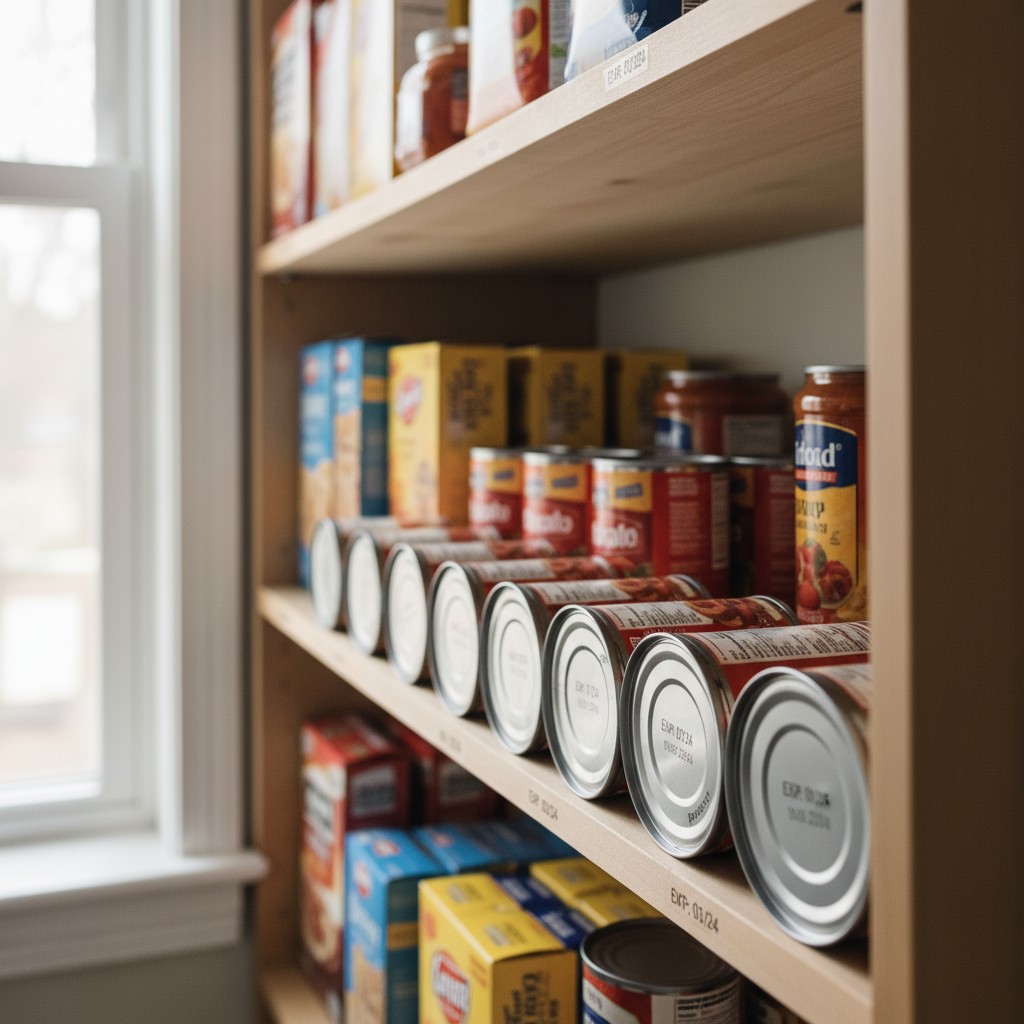
Use the FIFO (first in, first out) method: place new items at the back, use older items first, mark purchase dates on everything, and integrate pantry staples into regular cooking. A pantry that sits untouched is an expiration countdown.
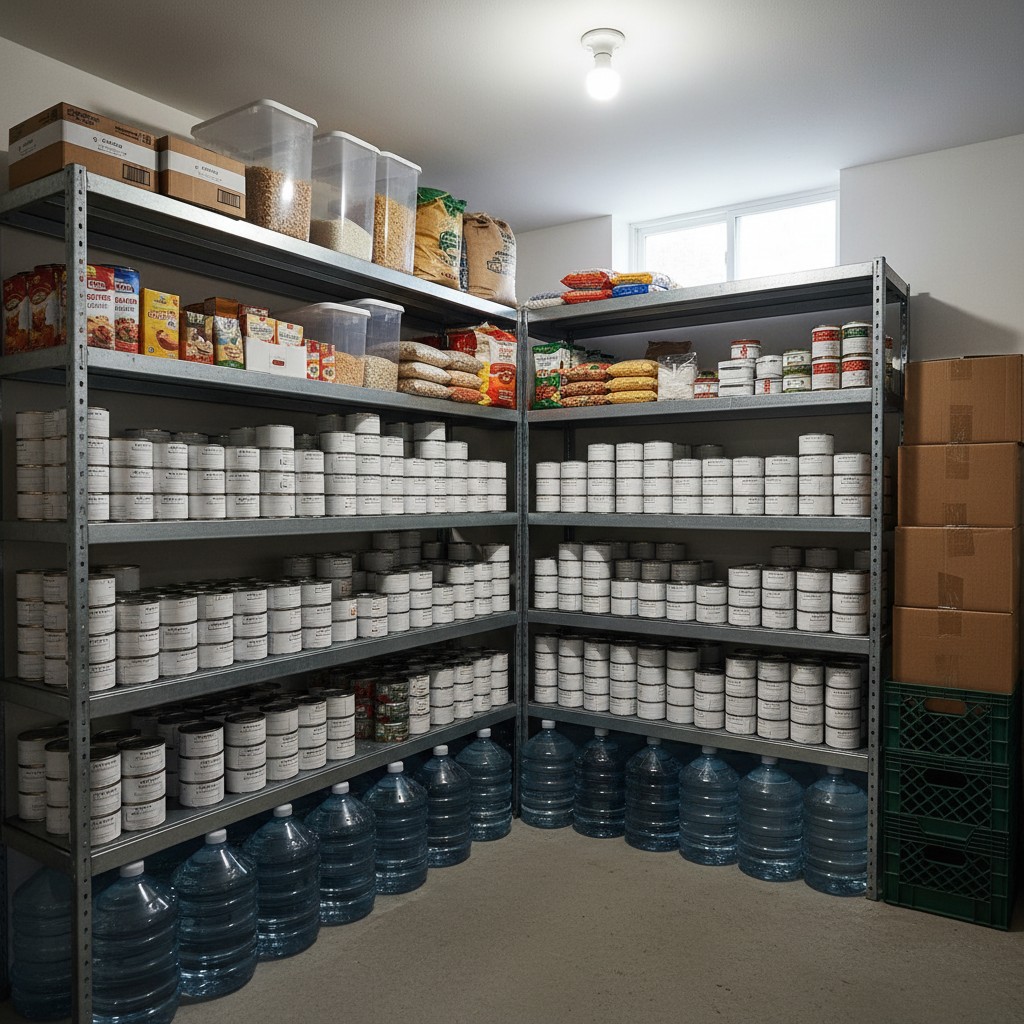
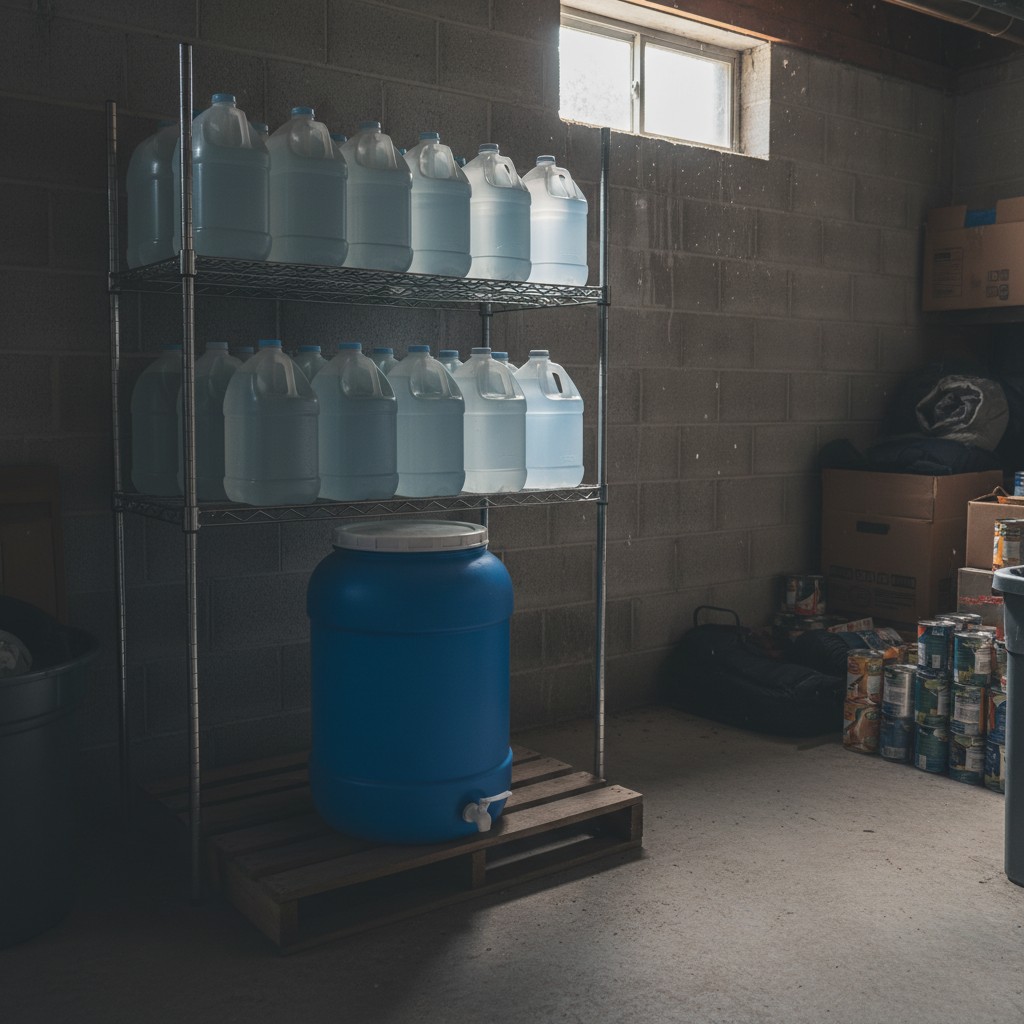
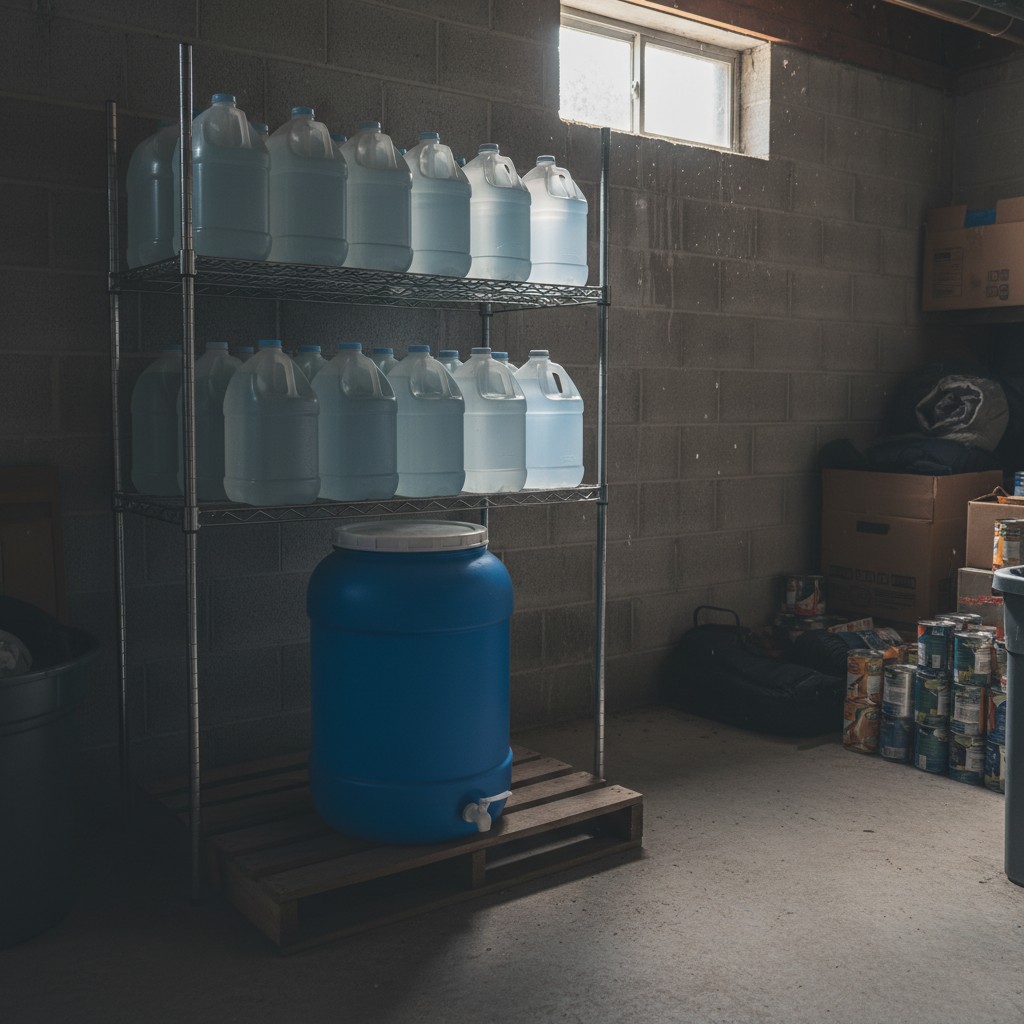
Our root cellaring guide covers ideal storage conditions for fresh produce. For bulk dry goods, transfer them into food-grade 5-gallon buckets with gamma lids and add oxygen absorbers to push shelf life from one or two years out to 20+. According to the USDA Food Safety and Inspection Service, the single biggest shelf-life factor is temperature, “high temperatures (over 100 degrees F) are harmful to canned goods, and the risk of spoilage jumps sharply as storage temperatures rise.”
Keep a running inventory on a clipboard or spreadsheet. Note the month and year you purchased each item, the expiration date printed on the can, and the next rotation date. I do a full inventory every six months, takes about an hour for a family-of-four pantry and catches anything that’s slipped through.
Common Mistakes and Safety Pitfalls
Building a pantry is simple; building one that actually works when needed is where people slip up. These are the failures I see most often.
- Storing where it’s too hot. Garages, attics, and cabinets next to the oven all push temperatures above 85°F in summer, exactly what USDA FSIS warns against. Move storage to a closet or basement.
- Not rotating. Unopened canned goods don’t last forever. Low-acid cans are safe to eat beyond 5 years only if storage was perfect, and quality will have declined significantly.
- Ignoring water. FEMA recommends 1 gallon per person per day. That means a family of four needs 28 gallons for a two-week supply. Water is heavier and more critical than food.
- Eating from bulging or deeply dented cans. These are botulism risks. Botulism toxin is tasteless and can be fatal. If in doubt, throw it out.
- Forgetting allergies, medications, or pet food. A pantry for an average family is not the same as a pantry for yours. Check prescription refill cycles and keep a week of pet food on hand.
- Relying only on food that requires cooking. If the power is out and you don’t have a backup stove, 60 pounds of dry rice is useless. Keep some no-cook options (peanut butter, canned fruit, tuna, granola bars).
🌱 From Our Homestead
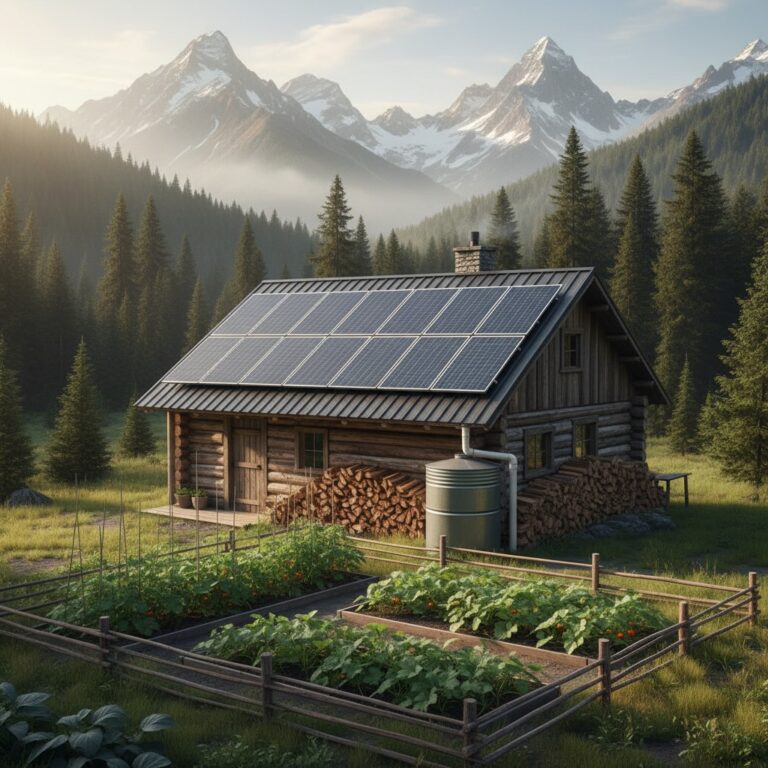
After a bad ice storm knocked out our power for three days, I got serious about emergency food storage. Now our pantry has a rotating stock of home-canned goods, dried beans, and grains that could carry our family for weeks, and it all gets used in normal cooking so nothing goes to waste.
Frequently Asked Questions About Emergency Food Pantries
FEMA recommends 1 gallon per person per day. For a family of 4 over 3 months, that is 360 gallons, impractical for most homes. Store 2–4 weeks of water (56–112 gallons for a family of 4) plus invest in a quality water filtration system that can treat rainwater or surface water for longer emergencies.
Build your pantry around what your family actually eats. Do not stock foods your family will not eat, in a stressful situation, familiar food matters most. FEMA specifically recommends remembering “any special dietary needs” when choosing supplies.
Yes! Have at least one alternative cooking method: camp stove, charcoal grill, or rocket stove (used outdoors only, never indoors due to carbon monoxide risk). Stock some ready-to-eat foods for no-cook situations.
Use airtight containers (mason jars, food-grade buckets, or Mylar bags). Bay leaves naturally repel weevils. Freeze flour and grains for 48 hours before long-term storage to kill any eggs already present.
Per USDA FSIS, low-acid cans (meat, fish, most vegetables) can remain safe for 2–5 years if stored properly below 85°F; high-acid cans (tomatoes, fruit) for 12–18 months. Beyond that, quality declines but properly sealed cans may still be safe. Never eat from a bulging, leaking, or rusted can, discard immediately.
FEMA’s baseline is a several-day supply with a two-week supply preferred. A 3-month pantry goes beyond that baseline, which is common for rural homesteads and anyone preparing for extended job loss or supply disruption rather than acute disasters. Start with the FEMA two-week kit, then expand.