How to Start Homesteading in the Suburbs: A Complete Beginner’s Guide
- 71% of Americans plan to grow food at home in 2025, and you don’t need acreage to join them (Frontdoor Survey)
- Suburban homesteaders reported saving an average of $875/year on groceries just from growing food
- You can raise chickens, grow vegetables, compost, and preserve food on a standard 1/4-acre suburban lot
- Over 80% of U.S. Cities now allow backyard chickens with some form of permit or zoning
- Start with just 3 projects your first year, a raised bed, a compost bin, and herbs, then expand
What Is Suburban Homesteading?
Suburban homesteading means applying self-sufficiency skills to a typical residential lot. It’s not about going off-grid or quitting your job. It’s about:- Growing food: vegetables, herbs, fruit trees, and berries
- Raising small livestock, chickens, quail, ducks, or bees
- Preserving your harvest, canning, fermenting, dehydrating, freezing
- Reducing waste: composting, rainwater collection, natural cleaning
- Making from scratch, bread, yogurt, soap, herbal remedies
From our homestead: We started with a single 4×8 raised bed and a small herb garden. Two years later, we had six raised beds, a flock of chickens, a sourdough starter, and a pantry full of home-canned tomatoes. The trick is starting with what excites you, not trying to do everything at once.
Is Suburban Homesteading Legal? Check These First
Step 0 before starting anything: Check your local zoning ordinances, your HOA covenants (if applicable), and your county cooperative extension office. Your county extension office (find yours at USDA NIFA’s extension locator) is a free, expert resource for local rules on gardens, livestock, composting, and more. Many people skip this step and discover restrictions after they’ve already built a coop or planted a front-yard garden. Do it first.
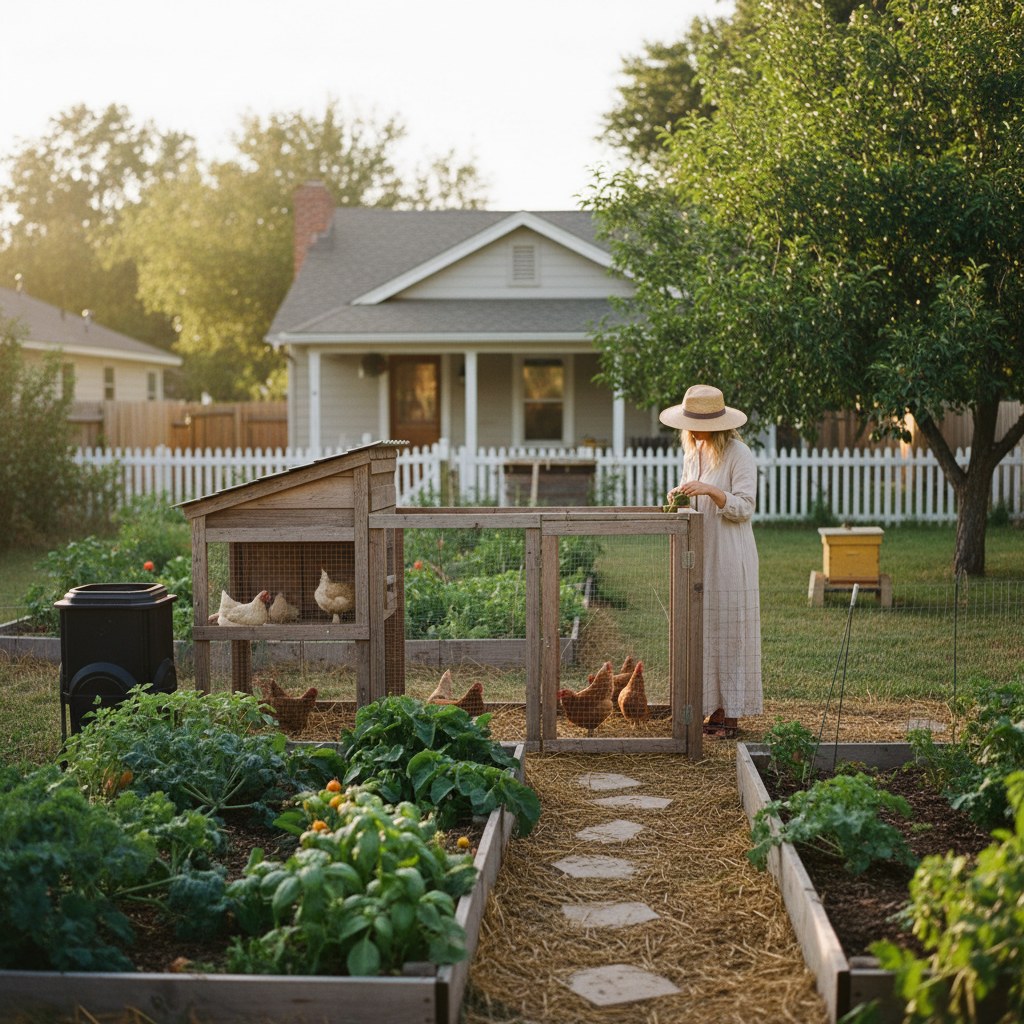 Before you build a chicken coop or install rain barrels, check your local regulations:
| Activity | Typical Regulations | Where to Check |
|---|---|---|
| Backyard chickens | Most cities allow 3–6 hens (no roosters). May need a permit. | City zoning office or municipal code |
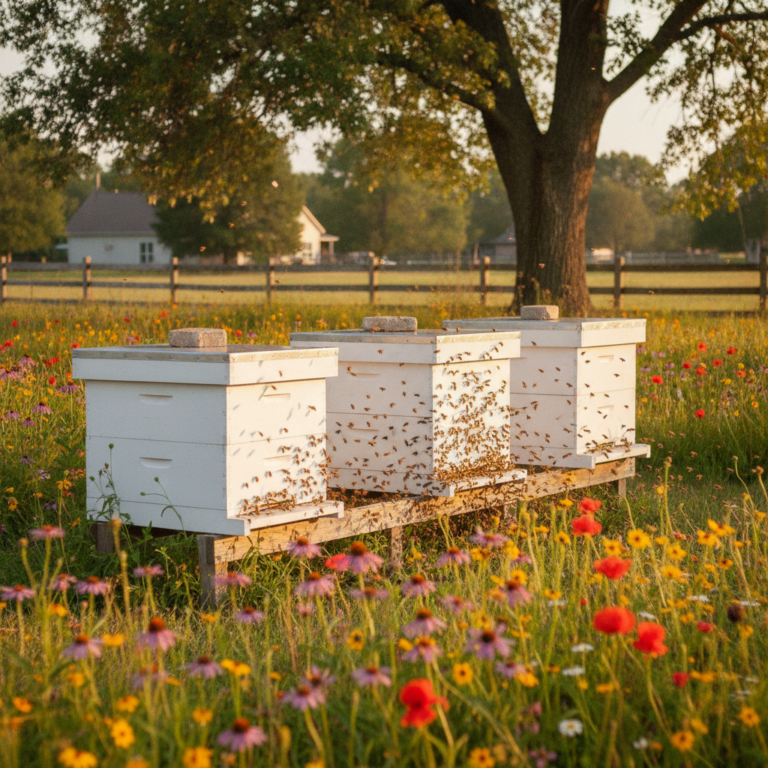
| Beekeeping | Legal in most areas with setback requirements (10–25 ft from property lines). Larger coops, any structure near setback lines, and beehives often require permits or registration with your state agriculture department, call your planning department before building. | State agriculture department |
| Rainwater harvesting | Legal in most states. Colorado, Utah have specific limits. | State water rights website |
| Front-yard gardens | Increasingly protected by state law, but some HOAs still restrict | HOA CC&Rs and state law |
| Composting | Almost universally allowed. Some cities ban open piles (require bins). | Municipal waste/health dept |
| Goats / ducks | Less commonly allowed in suburbs. Often requires minimum lot size. | City zoning / animal control |
Your First Year: Start with These 3 Projects
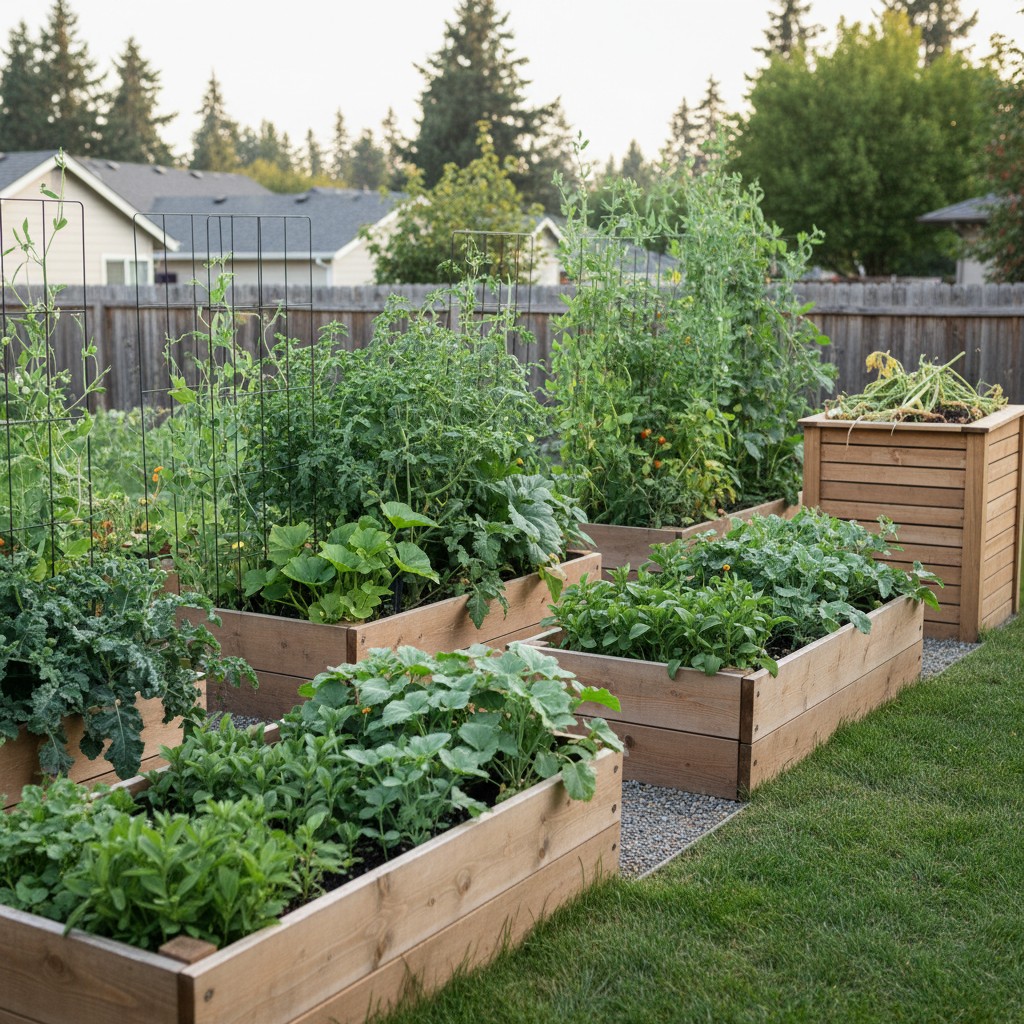
Don’t overwhelm yourself. These three projects give you the biggest return on time and money in year one:Project 1: Build a Raised Bed Garden
A single 4×8 raised bed can produce 50–100 lbs of vegetables per season. Start with easy, high-yield crops:- Tomatoes: 2–3 plants yield 20–30 lbs
- Lettuce and greens, harvest in 30 days, replant all season
- Herbs (basil, cilantro, parsley), save $5–10/week vs. Store-bought
- Zucchini, one plant produces more than you’ll know what to do with
- Bush beans: easy, productive, and they fix nitrogen in your soil
Project 2: Start Composting
Composting turns kitchen scraps and yard waste into free, rich soil amendment. A basic bin costs $30–$50 (or build one from pallets for free). You’ll reduce your household waste by 30% and never need to buy bagged compost again.Project 3: Grow a Kitchen Herb Garden
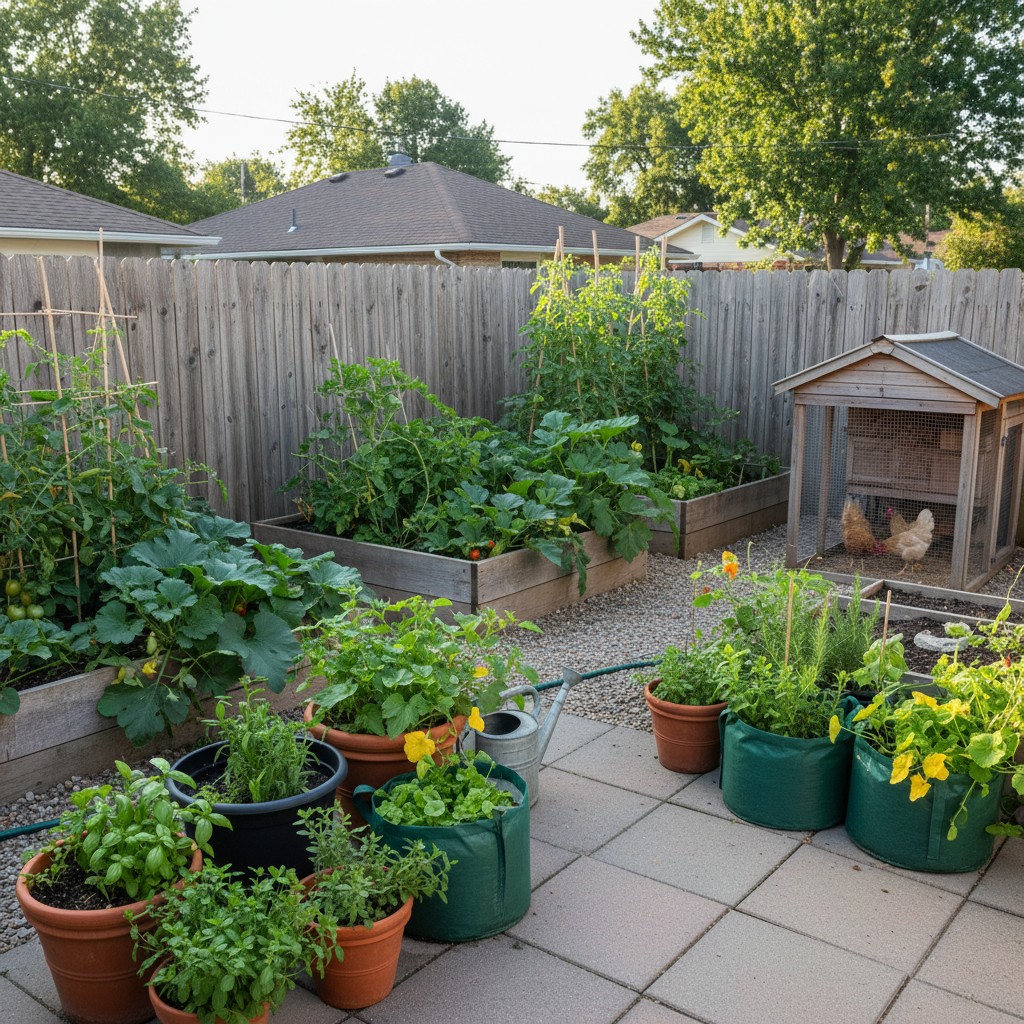
A kitchen herb garden is the fastest win. Six plants of basil, rosemary, thyme, mint, parsley, and cilantro cost about $15 at a nursery and replace $10–15/week in store-bought herbs. Grow them in pots on your deck or a sunny windowsill.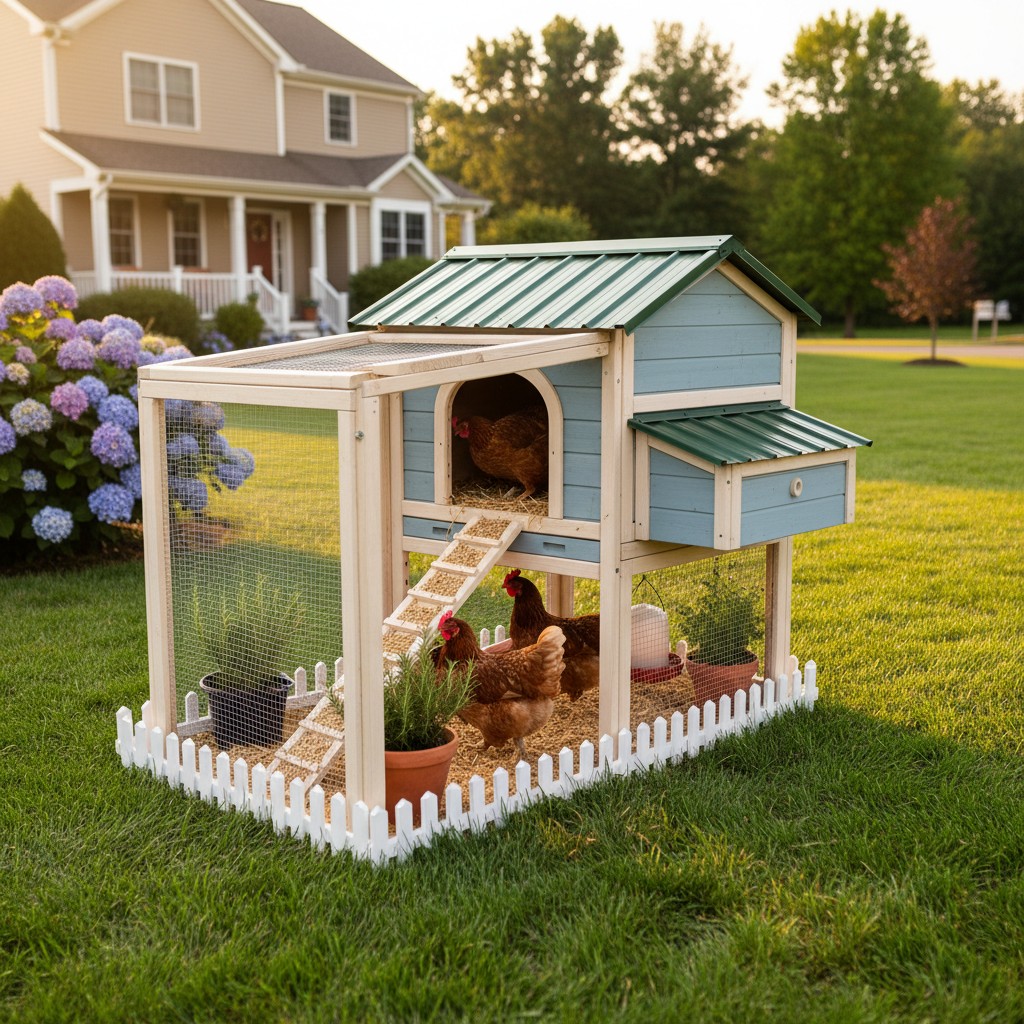
Year Two: Level Up Your Homestead
Once you’ve got the basics down, expand with these high-impact projects:Backyard Chickens
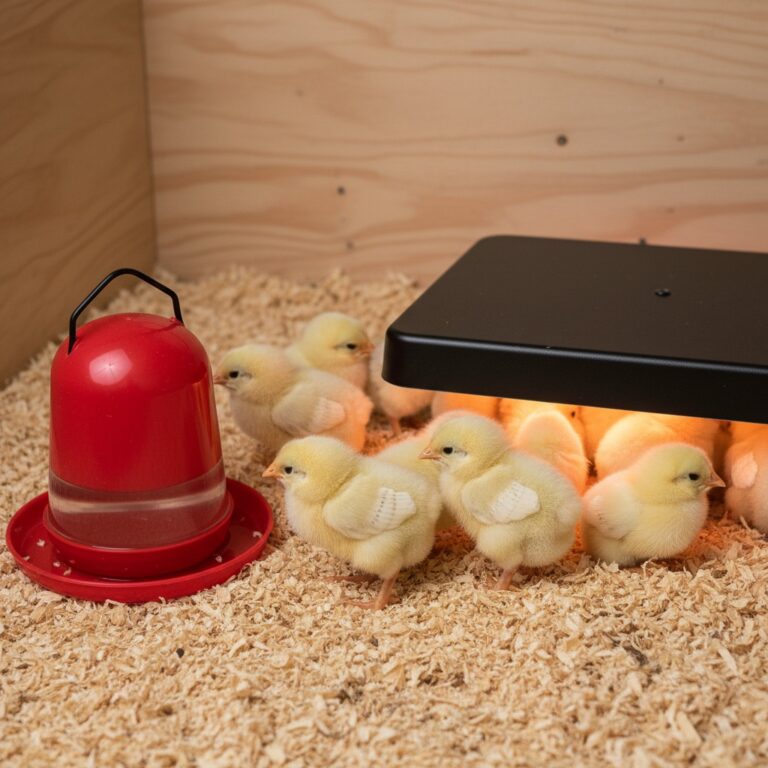
A small flock of 3–4 hens produces 2–3 eggs per day, enough for a family of four. Backyard chickens are surprisingly low-maintenance: 10 minutes of care morning and evening, plus fresh bedding weekly.| Startup Costs | Budget Option | Mid-Range |
|---|---|---|
| Coop | $50–$100 (DIY) | $200–$400 |
| 4 chicks | $12–$20 | $12–$20 |
| Feeder & waterer | $15–$25 | $30–$50 |
| Feed (monthly) | $15–$20 | $15–$20 |
| Year 1 Total | $250–$400 | $450–$700 |
Food Preservation
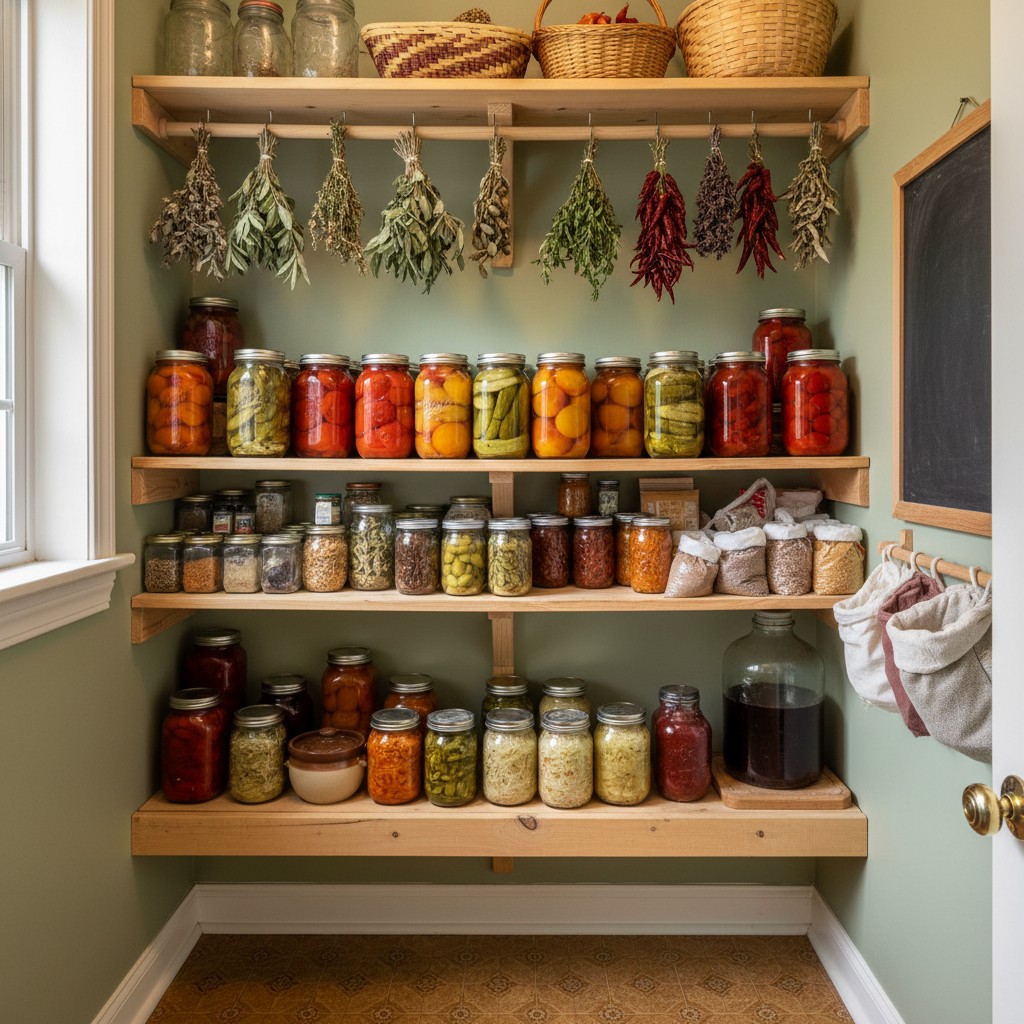
When your garden starts producing more than you can eat fresh, learn to preserve. Start with the easiest methods:- Fermentation, sauerkraut, pickles, and kimchi need only salt and time
- Water bath canning, jams, pickles, and tomato sauce in mason jars
- Dehydrating, herbs, fruits, and jerky with a $40 dehydrator
- Freezing: blanch and freeze vegetables at peak freshness
Fruit Trees
Plant 2–3 fruit trees in year two. Dwarf apple trees and fig trees are perfect for suburban lots, they produce fruit in 1–3 years and a single tree yields enough to share with neighbors.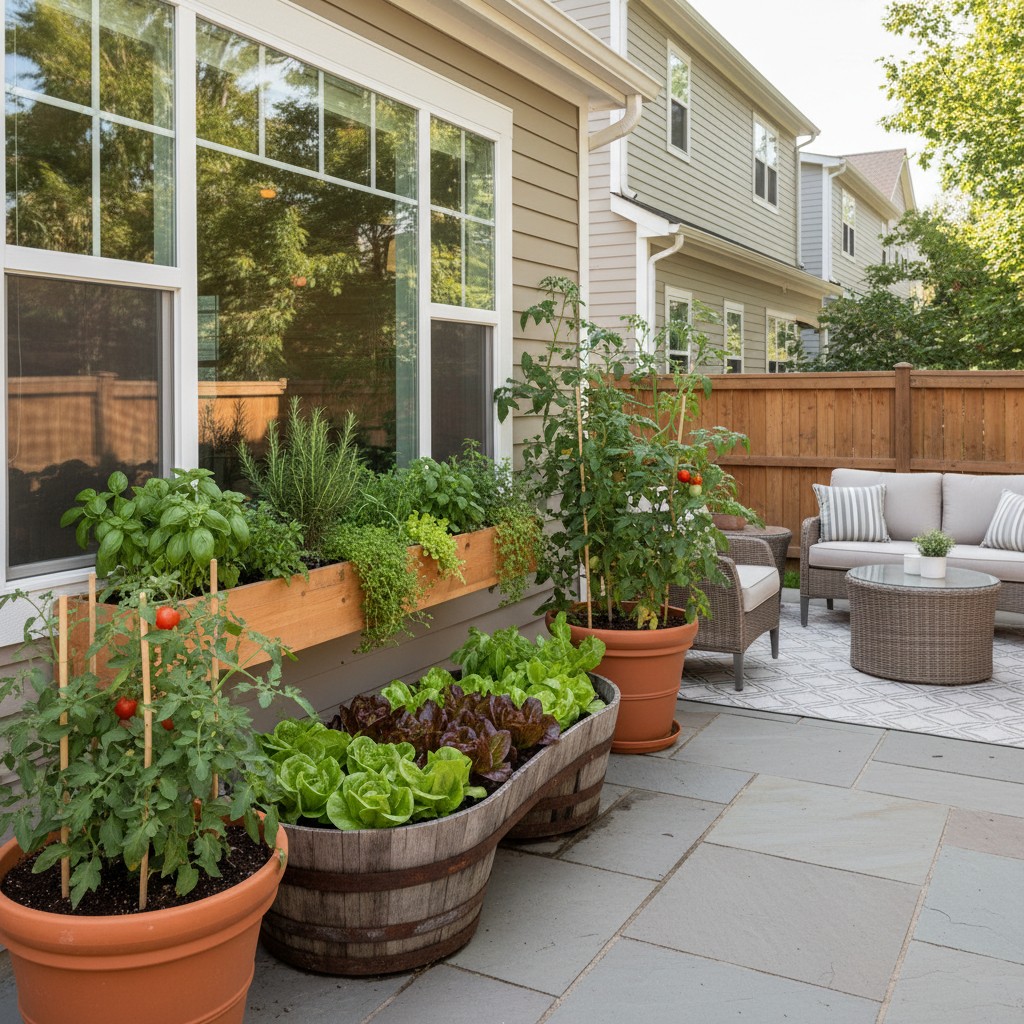
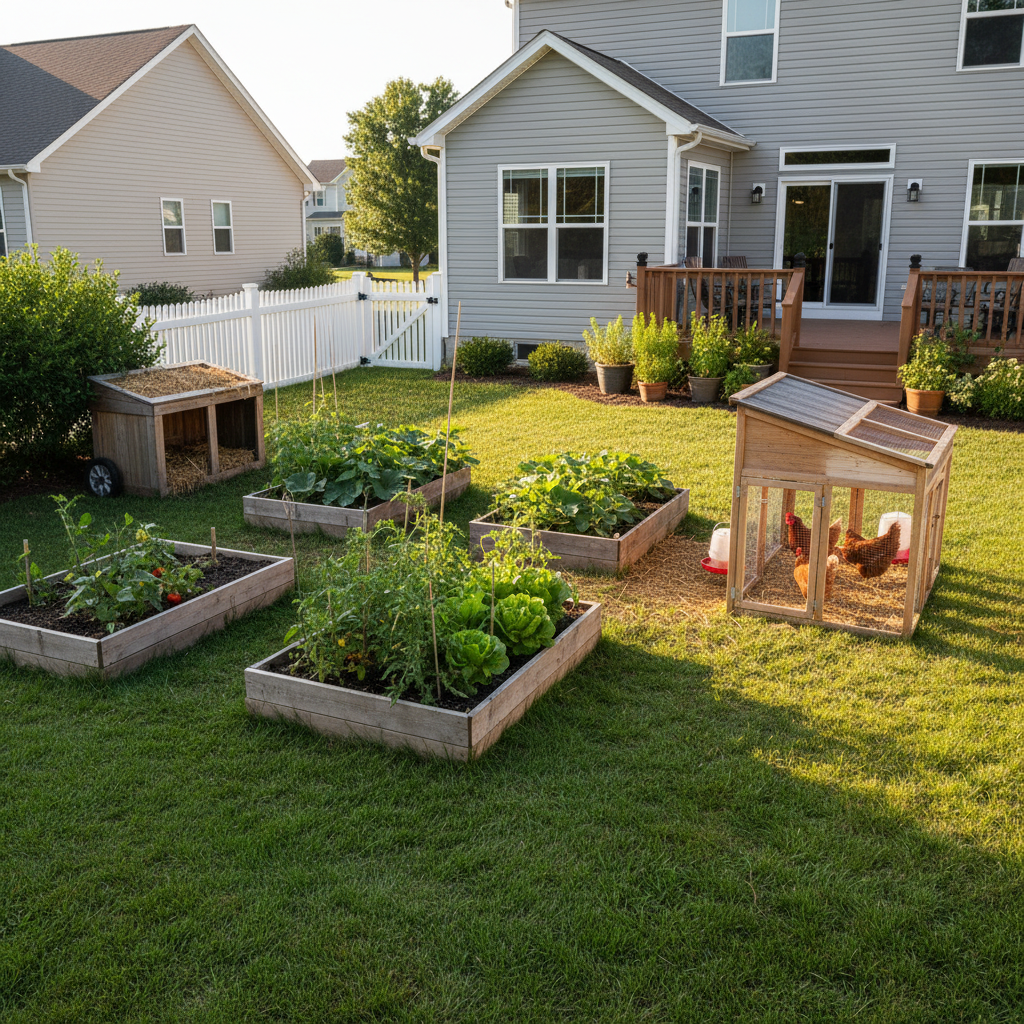
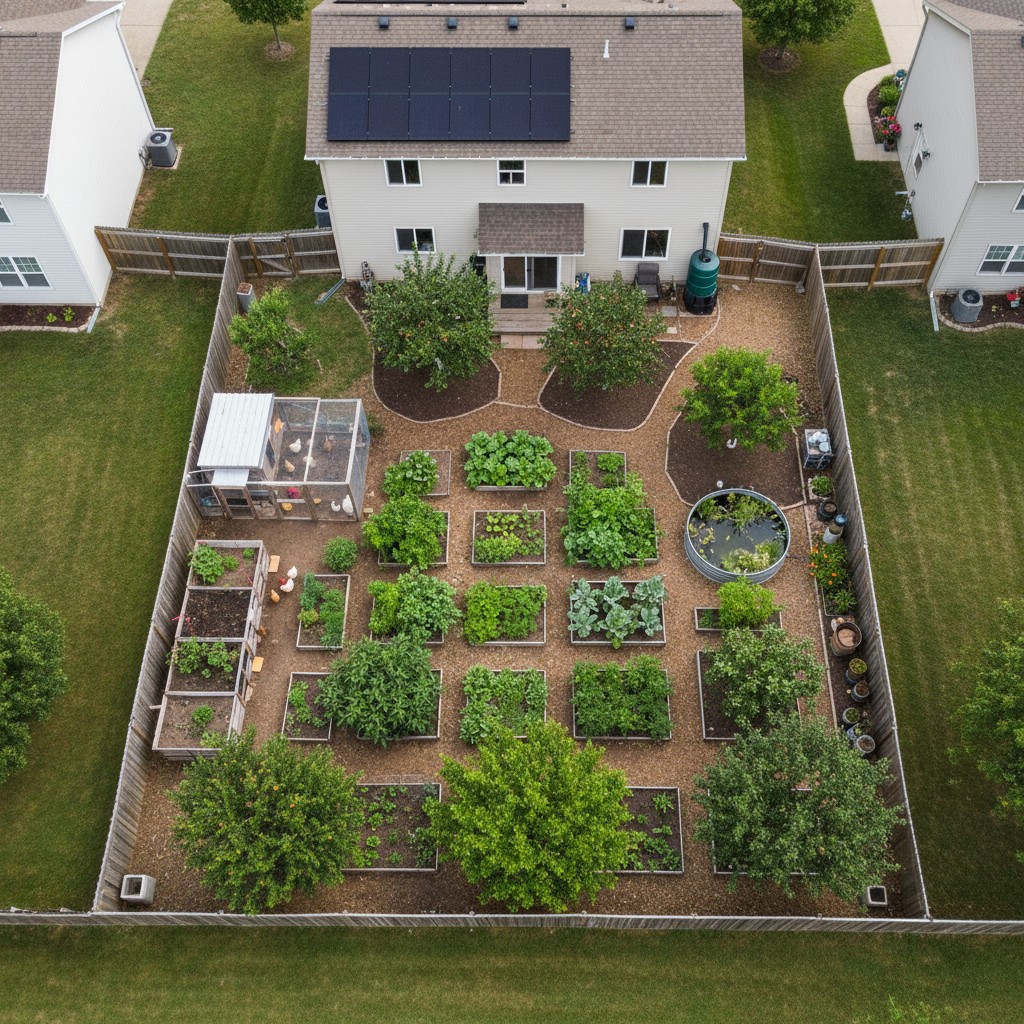
Suburban Homesteading on a 1/4-Acre Lot: A Sample Layout
| Feature | Space Needed | Annual Yield |
|---|---|---|
| 3 raised beds (4×8) | 96 sq ft | 150–300 lbs vegetables |
| Chicken coop + run (4 hens) | 40 sq ft | 800–1,000 eggs/year |
| 3 dwarf fruit trees | 300 sq ft | 100–400 lbs fruit |
| Herb garden (containers) | 16 sq ft | $500–$750 in herbs |
| Compost bin | 9 sq ft | 200+ lbs of compost |
| Berry patch (strawberries + blueberries) | 50 sq ft | 30–50 lbs berries |
| Total | ~510 sq ft | That’s just 5% of your lot |
From our homestead: Our neighbors thought we were crazy when we replaced half the front lawn with a cottage garden. Now they stop by weekly for fresh tomatoes and eggs. Suburban homesteading doesn’t isolate you from your community, it deepens the connection.
Dealing with HOAs: Strategies That Work
If you live in an HOA community, work within the system:- Know your rights. Several states (FL, CA, TX, CO) have laws protecting food gardens from HOA bans
- Make it beautiful. A well-designed cottage garden with vegetables mixed among flowers rarely draws complaints
- Start in the backyard. Most HOAs only regulate the front yard and visible areas
- Talk to the board. Propose a rule change with photos of attractive edible landscapes
- Container garden. Pots on a deck or patio are almost never restricted
The Suburban Homesteading Budget: Real Numbers
Here’s what it actually costs to get started, broken down by phase:| Phase | Investment | Annual Return |
|---|---|---|
| Year 1: Garden + compost + herbs | $100–$250 | $400–$800 in food |
| Year 2: Add chickens + preservation supplies | $300–$600 | $600–$1,200 in food + eggs |
| Year 3: Add fruit trees + expand garden | $150–$300 | $800–$1,500 in total |
| Ongoing: Seeds, feed, supplies | $200–$400/year | $800–$1,500/year |
Skills to Learn (In This Order)
Don’t try to learn everything at once. This progression builds on itself naturally:- Composting, the foundation of everything. Turn waste into soil.
- Vegetable gardening, grow food in raised beds or containers.
- Herb growing, the highest dollar-per-square-foot return.
- Seed starting, cut your plant costs by 90%.
- Sourdough baking, your gateway to “making from scratch.”
- Chicken keeping, fresh eggs daily, plus entertainment.
- Food preservation, make your harvest last all year.
- Beekeeping, the advanced move that transforms your garden.
Frequently Asked Questions
Can I homestead in the suburbs?
Absolutely. Suburban homesteading is one of the fastest-growing lifestyle trends in the U.S. With just a quarter-acre lot, you can grow hundreds of pounds of food, raise chickens for eggs, compost your waste, preserve your harvest, and make staples like bread and yogurt from scratch. Over 80% of cities now allow some form of backyard farming.

How much money can I save by homesteading?
A 2025 Frontdoor survey found that food gardeners saved an average of $875 per year on groceries. Add in eggs from backyard chickens ($150–$300/year saved), homemade bread ($200–$400/year), and preserved foods, and a suburban homestead can save $1,000–$2,000 per year once established.
What if my HOA doesn’t allow gardens?
Check your state laws first. Florida, California, Texas, and several other states have enacted “right to garden” laws that override HOA restrictions on food gardens. If your state doesn’t protect you, start with backyard-only gardens (usually unregulated), container gardens on patios, or present a formal proposal to your HOA board with photos of attractive edible landscapes.
How much space do I need to start homesteading?
You can start with zero outdoor space, growing herbs on a windowsill, making sourdough, and fermenting vegetables all happen indoors. A 4×8 raised bed (32 sq ft) is enough to grow 50–100 lbs of food per season. A full suburban homestead with chickens, fruit trees, and a vegetable garden uses about 500 sq ft, just 5% of a standard quarter-acre lot.
What should I do first as a beginning homesteader?
Start with three projects: a raised bed vegetable garden, a compost bin, and a kitchen herb garden. These are low-cost ($100–$250 total), require minimal space, and give you a tangible return in your first season. Once you have a harvest to preserve and the confidence of a successful growing season, expand into chickens, fruit trees, and food preservation.