Water Bath Canning for Beginners: How to Make Your First Batch of Jam
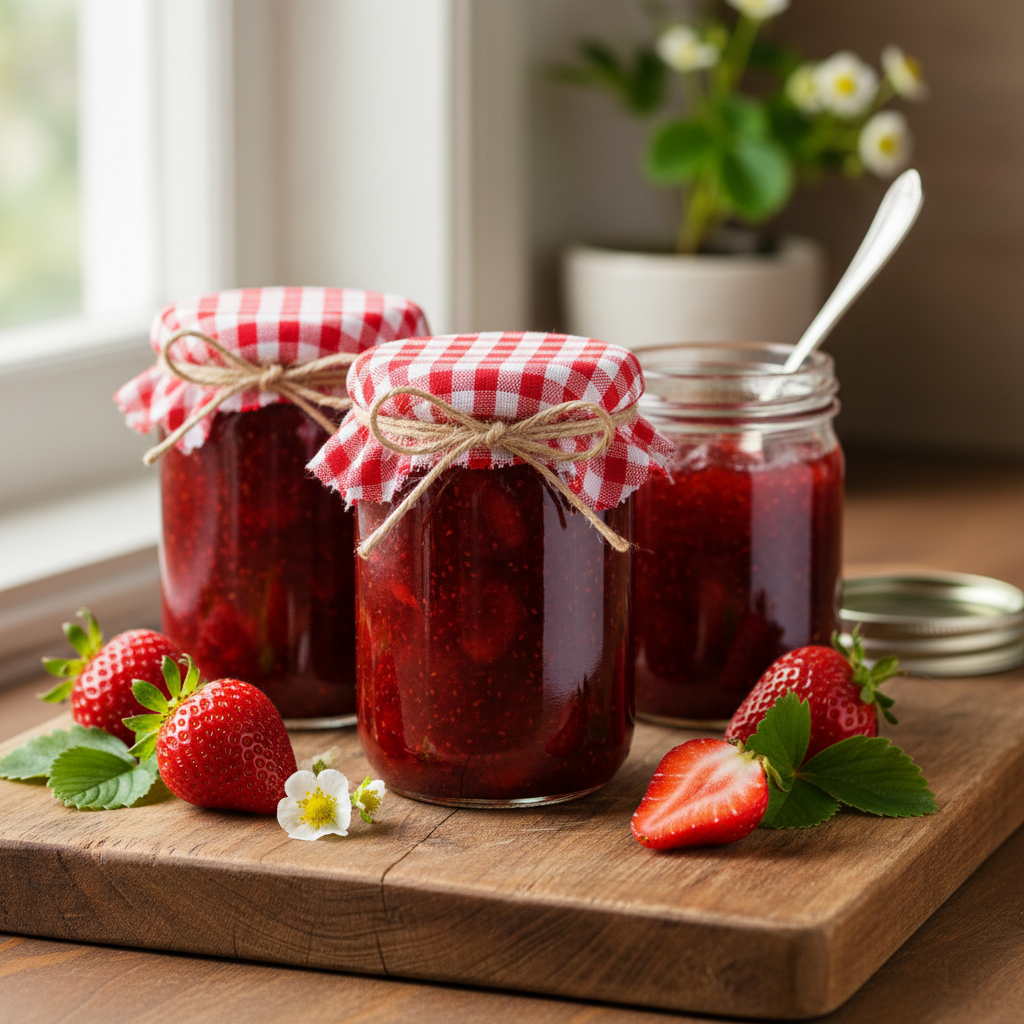
My first attempt was a batch of strawberry jam in 2016, and I was so proud of it that I didn't notice I'd skimped on the lemon juice until one jar failed to seal overnight. That jar went in the fridge; the rest held fine. It taught me early that the acid level isn't optional, it's the whole reason the recipe works. Now I check the bottled lemon juice before I do anything else.
Water bath canning is the gateway to food preservation. It is simple, safe, requires minimal equipment, and there is truly nothing more satisfying than hearing those lids pop as your jars seal, knowing you have just turned fresh fruit into shelf-stable jam, jelly, or pickles that will last a year or more in your pantry.
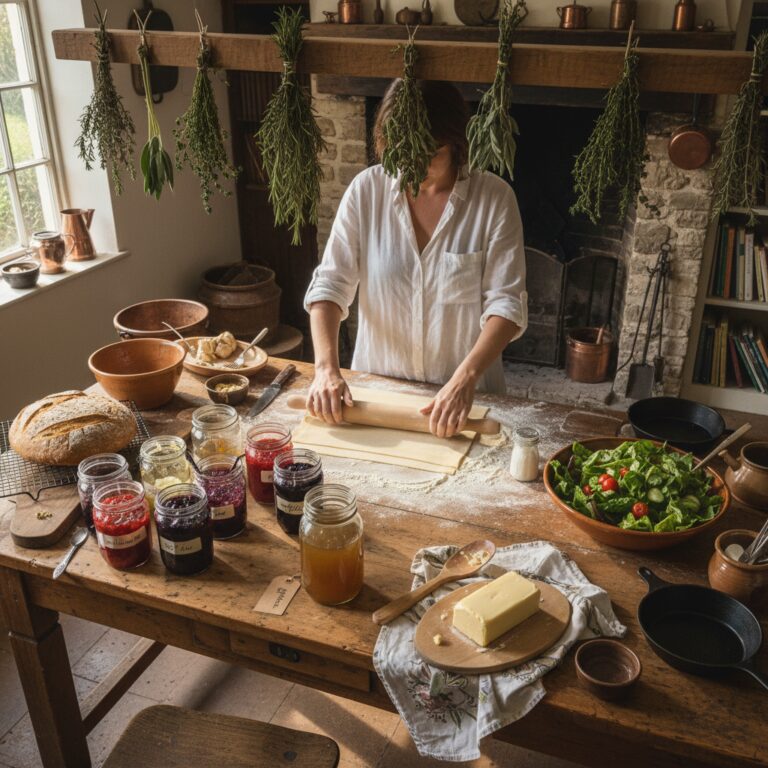
I remember my very first batch of strawberry jam. I was nervous about every step, but when I heard that first lid pop, I practically did a victory dance in the kitchen. Years later, canning day is still one of my favorite homestead traditions.
- Water bath canning is only safe for foods with an equilibrium pH of 4.6 or lower (high-acid foods). Below pH 4.6, Clostridium botulinum spores cannot grow and produce toxin. Low-acid foods (plain vegetables, meat, poultry, seafood, most soups) must be pressure canned, not water-bath canned.
- Use only tested recipes from the USDA National Center for Home Food Preservation (NCHFP), the current Ball Blue Book, or your state Cooperative Extension. Do not scale, alter acid, reduce sugar, or substitute ingredients in a canning recipe.
- For pickles and acidified products, use vinegar labeled 5% acidity or higher. Never dilute below the tested ratio.
- Do not use pre-1994 tomato recipes. Modern tomato varieties are lower acid and require added lemon juice or citric acid even for water-bath canning. Follow current NCHFP guidance.
- Altitude matters. Above 1,000 ft, water boils below 212°F and you must add processing time (see altitude table below).
- If a jar fails to seal within 24 hours you have three options, all of them safe: refrigerate it and eat it within several days, freeze it after adjusting the headspace to 1½ inches, or fit a new lid and reprocess for the full original time. NCHFP discourages reprocessing on quality grounds, not safety grounds — the food gets softer, but it is sound.
What Foods Can You Water Bath Can?
Water bath canning is safe for high-acid foods only, including most fruits, jams, jellies, pickles, relishes, and tomatoes with added acid. Low-acid foods like green beans, meat, and plain vegetables require pressure canning, a different process. The USDA National Center for Home Food Preservation is the gold standard for safety guidelines.
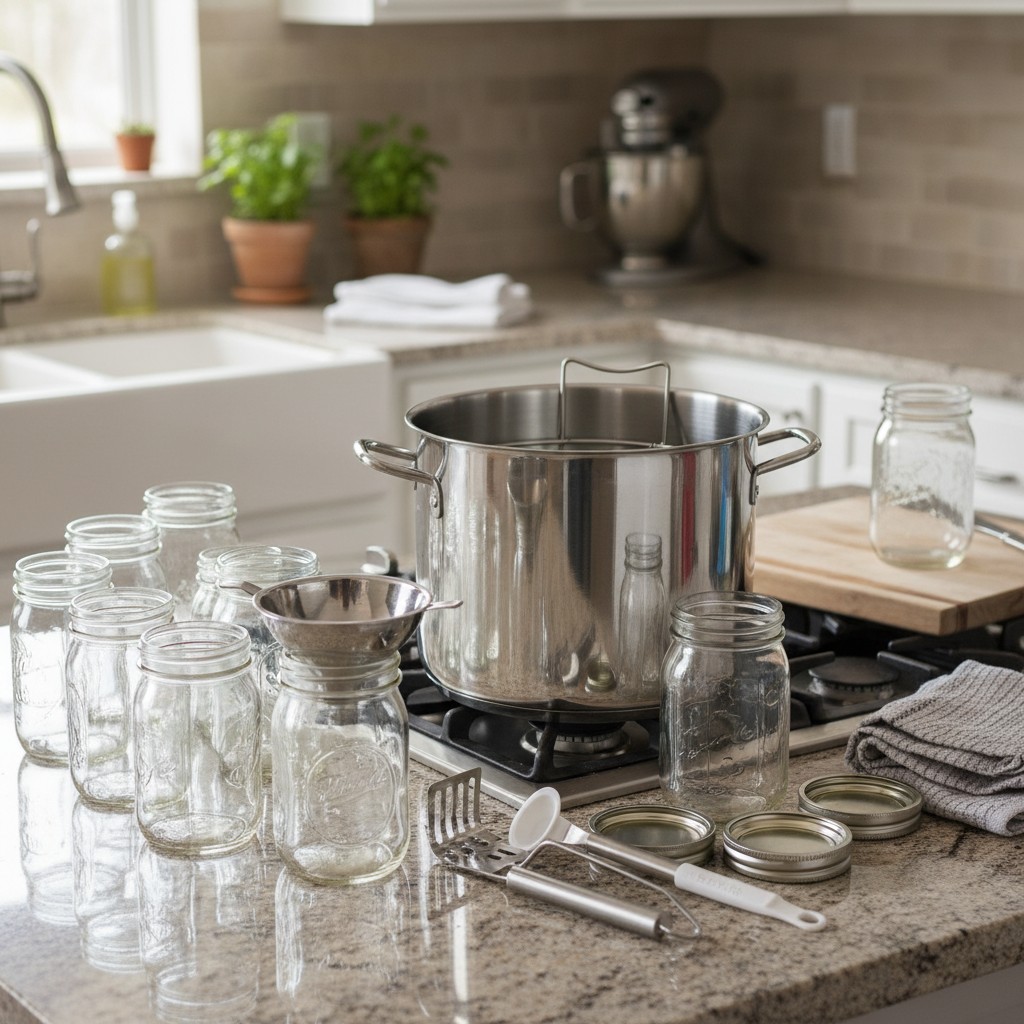
What Equipment Do You Need for Canning?
You need a large pot, mason jars with new lids, a jar lifter, a wide-mouth funnel, and a bubble remover. Here is the full list:
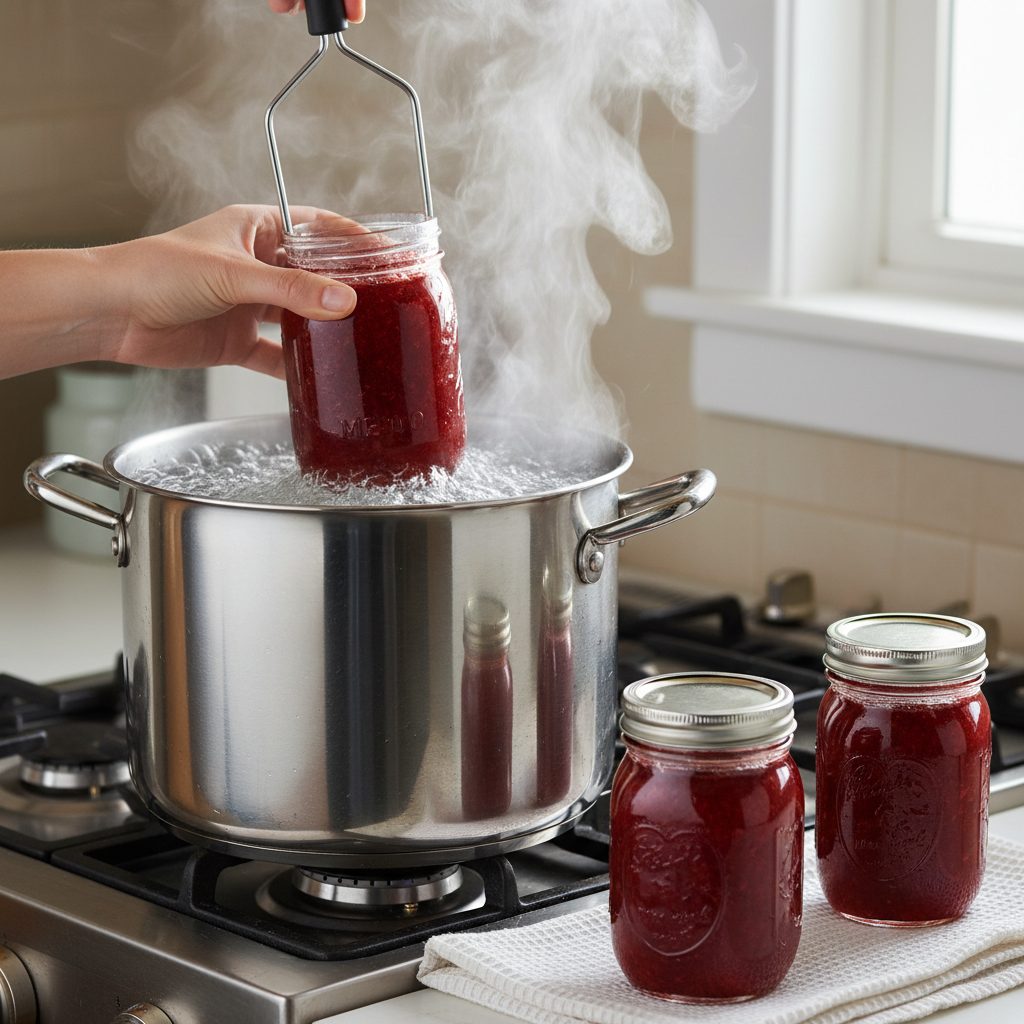
- A large pot deep enough to cover jars with 1 to 2 inches of water (a dedicated canning pot with a rack is ideal but not required)
- Mason jars with two-piece lids (new lids every time; rings can be reused)
- A jar lifter for safely moving hot jars
- A wide-mouth funnel for filling jars
- A bubble remover tool or chopstick (to release trapped air)
- A headspace gauge or ruler (to measure the exact gap between the jar rim and the food surface, consistent headspace is critical for a proper seal)
- Clean towels
How Do You Can Jam Step by Step?
Cook your fruit with sugar and pectin, fill hot jars leaving proper headspace, then process in boiling water for the specified time. Here is the process:
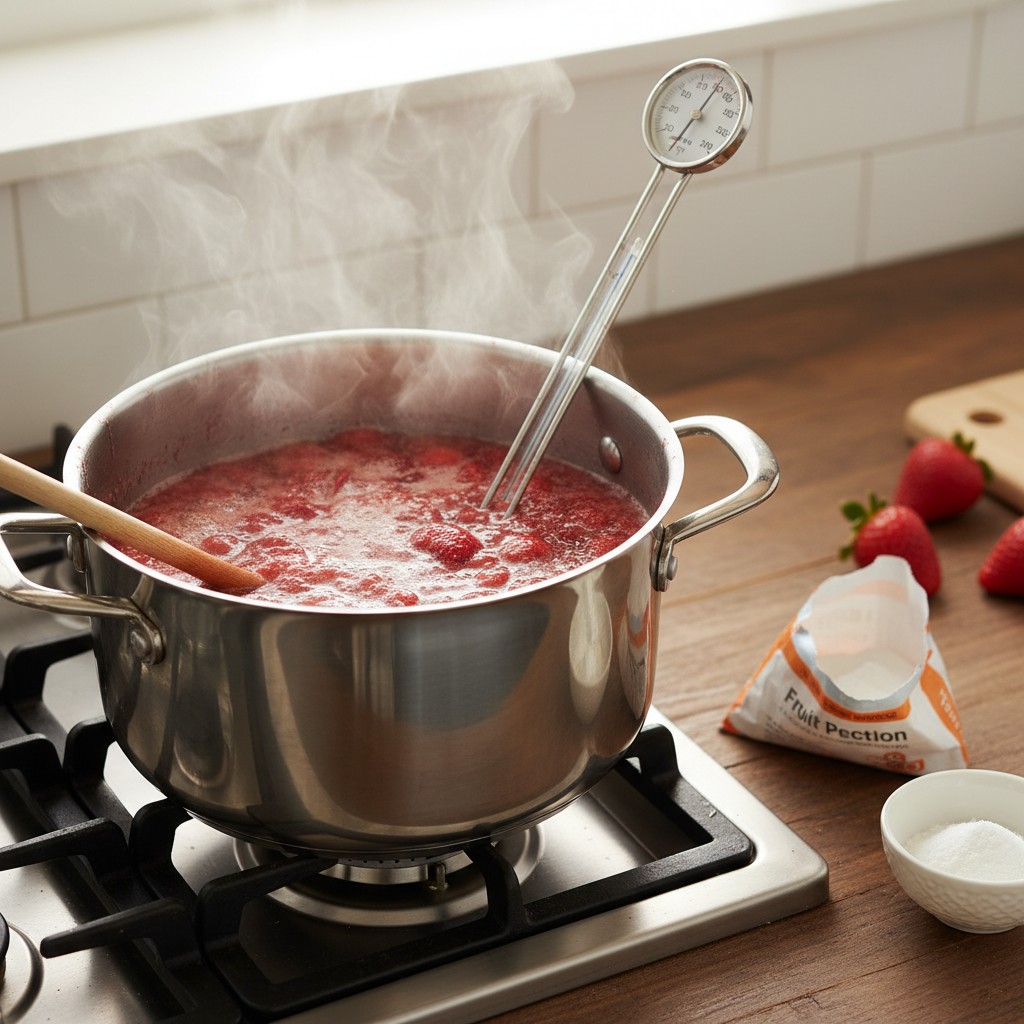
- Prepare your fruit. Wash, hull, chop, and mash your fruit. Mix with sugar and pectin according to your tested recipe.
- Prepare jars correctly. Wash jars in hot soapy water (or a dishwasher) and rinse well, that is cleaning, not sterilizing. Per NCHFP, pre-sterilization is only required when the processing time is less than 10 minutes: place empty jars upright on the canner rack, cover with hot (not boiling) water 1 inch above the jar tops, and boil for 10 minutes (add 1 additional minute for each 1,000 ft of elevation above 1,000 ft). For processing times of 10 minutes or more, pre-sterilization is unnecessary because the boiling-water process itself sterilizes the jars, just wash the jars and keep them hot (around 180°F) until you fill them. Dishwashers do not reliably reach or hold sterilization temperature and are not an NCHFP-approved method of sterilizing canning jars.
- Cook the jam. Bring the fruit mixture to a full rolling boil that cannot be stirred down. Boil for the time specified in your recipe (usually 1 to 2 minutes with added pectin).
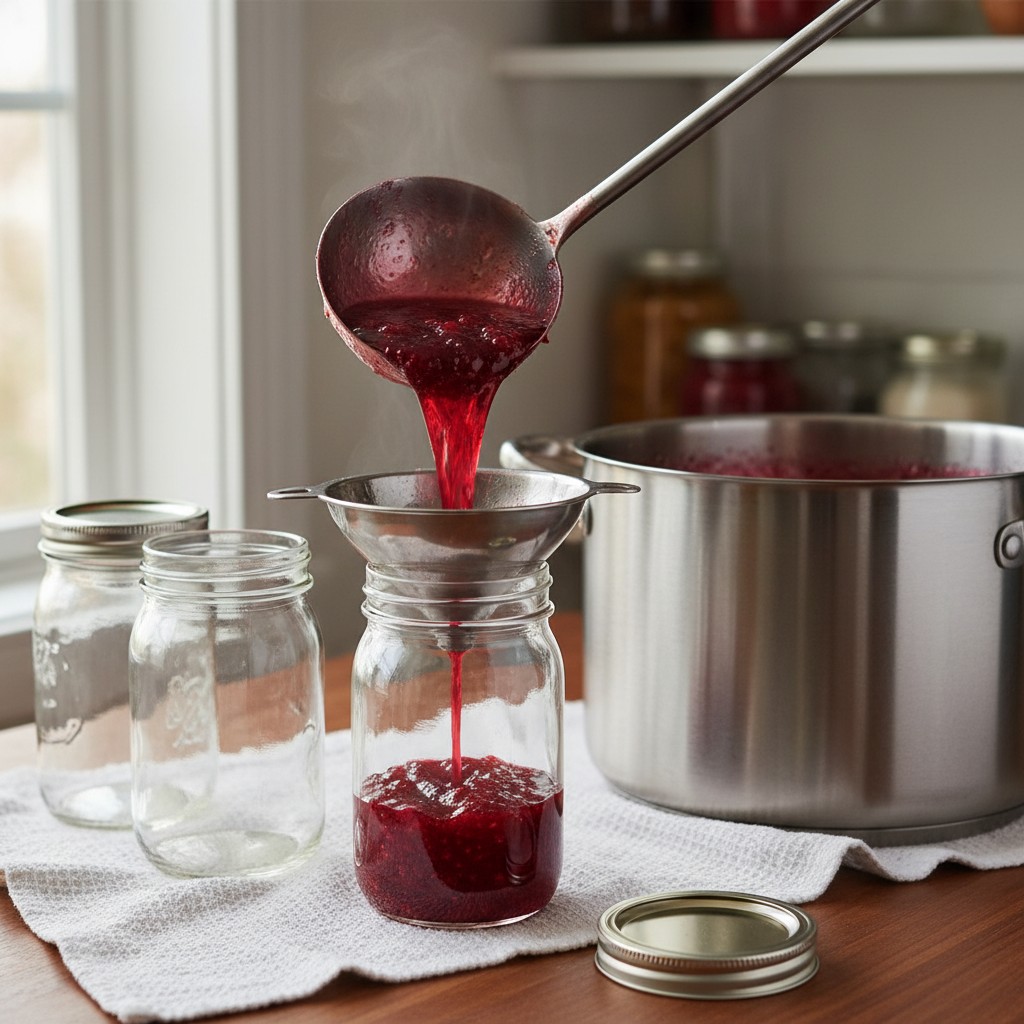
- Fill the jars. Using the funnel, ladle hot jam into hot jars, leaving 1/4 inch headspace. Remove air bubbles with the bubble remover.
- Wipe and seal. Wipe jar rims clean with a damp cloth, place lids, and screw on bands fingertip-tight.
- Process. Lower jars into boiling water, ensuring they are covered by at least 1 inch. Process for the time specified in your recipe (usually 10 minutes for jam at sea level).
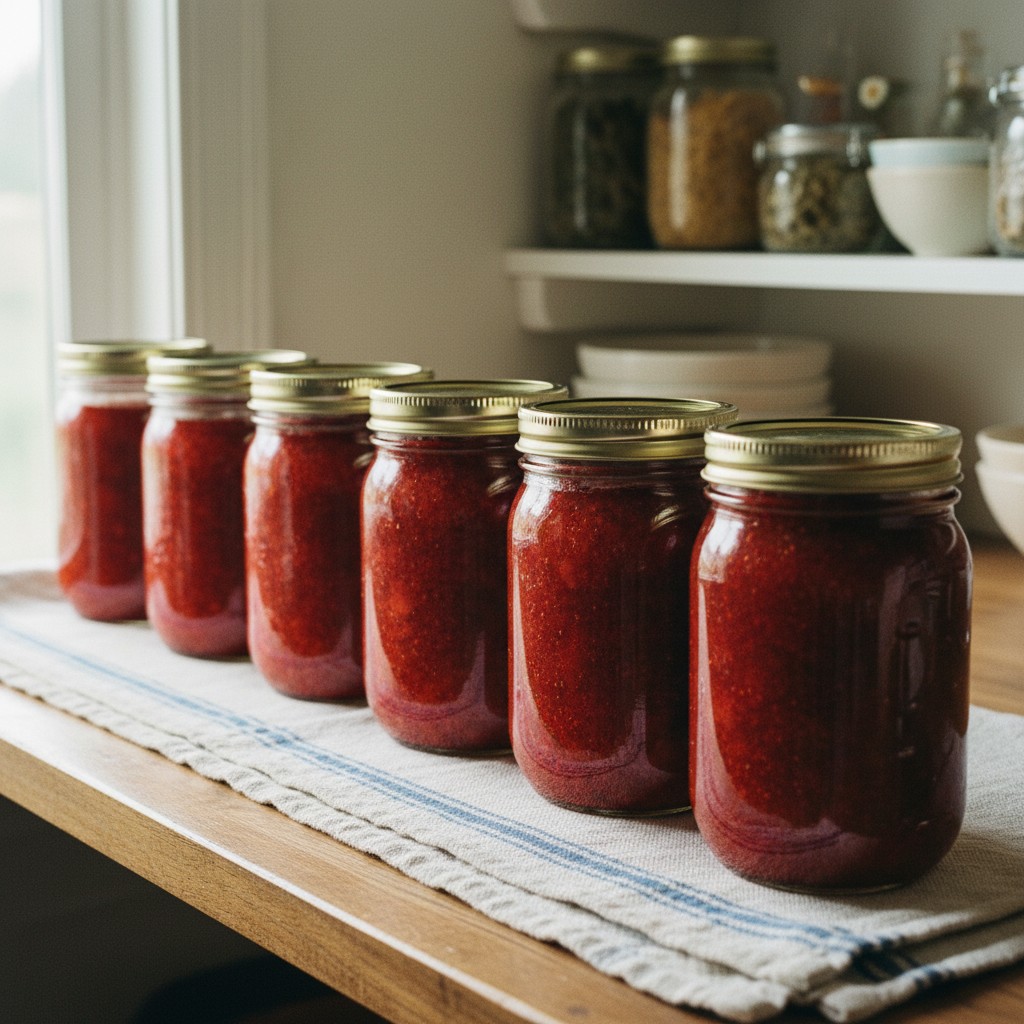
- Cool. Remove jars and place on a towel. Do not touch or tilt them. You will hear the lids pop as they seal over the next few hours.
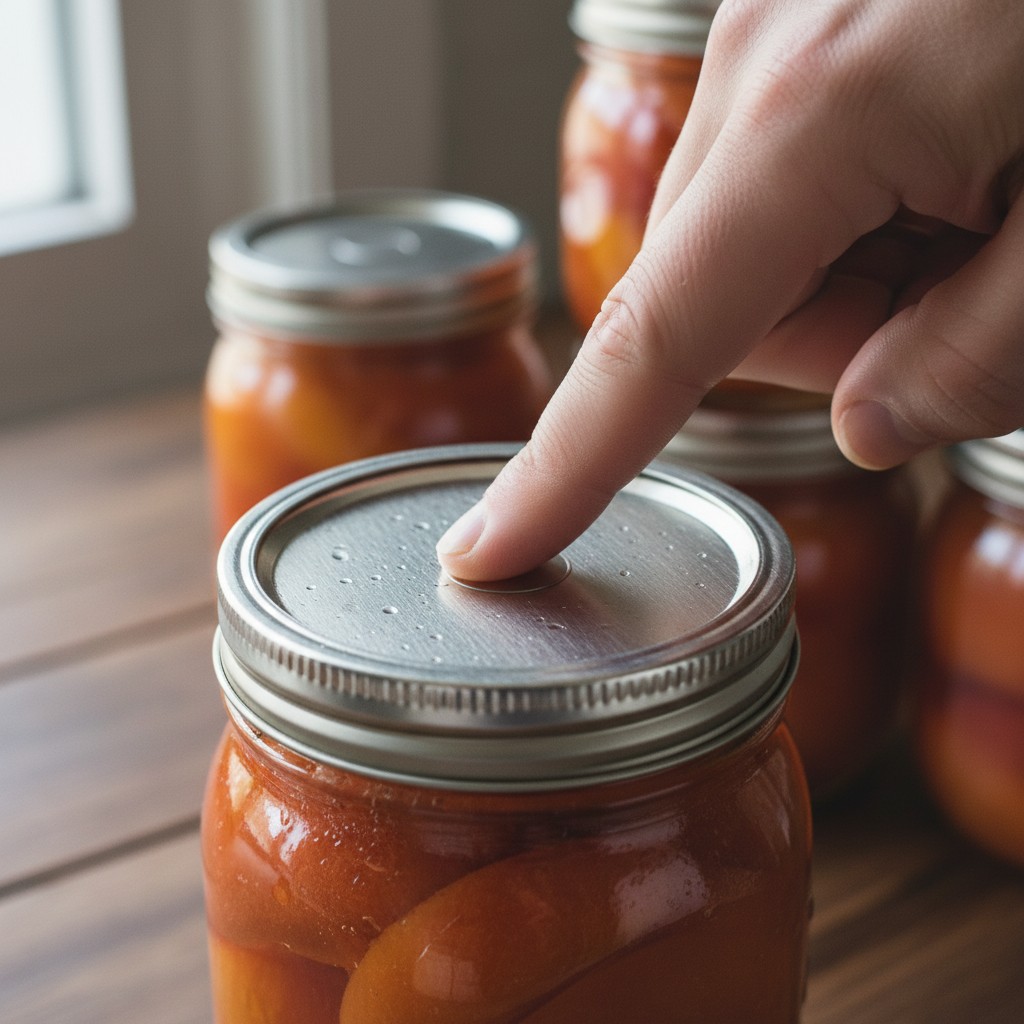
- Check seals. After 24 hours, press the center of each lid. If it does not flex, the jar is sealed. Any unsealed jars should go in the fridge and be used first.
| Food | Headspace | Processing Time | Shelf Life |
|---|---|---|---|
| Jam / Jelly | 1/4 inch | 10 min | 12–18 months |
| Pickles | 1/2 inch | 10–15 min | 12–18 months |
| Salsa | 1/2 inch | 15–20 min | 12 months |
| Whole Fruit | 1/2 inch | 20–25 min | 12–18 months |
| Tomatoes (acidified) | 1/2 inch | 35–45 min | 12–18 months |
Important: The ranges above are a general orientation only. Actual processing times are recipe-specific and depend on jar size (pint vs quart), pack style (raw vs hot), and product. Always follow the exact time given in your tested recipe, and then apply the altitude adjustment below. See NCHFP: How Do I Can? for the current tested tables.
What Are the Essential Safety Rules?
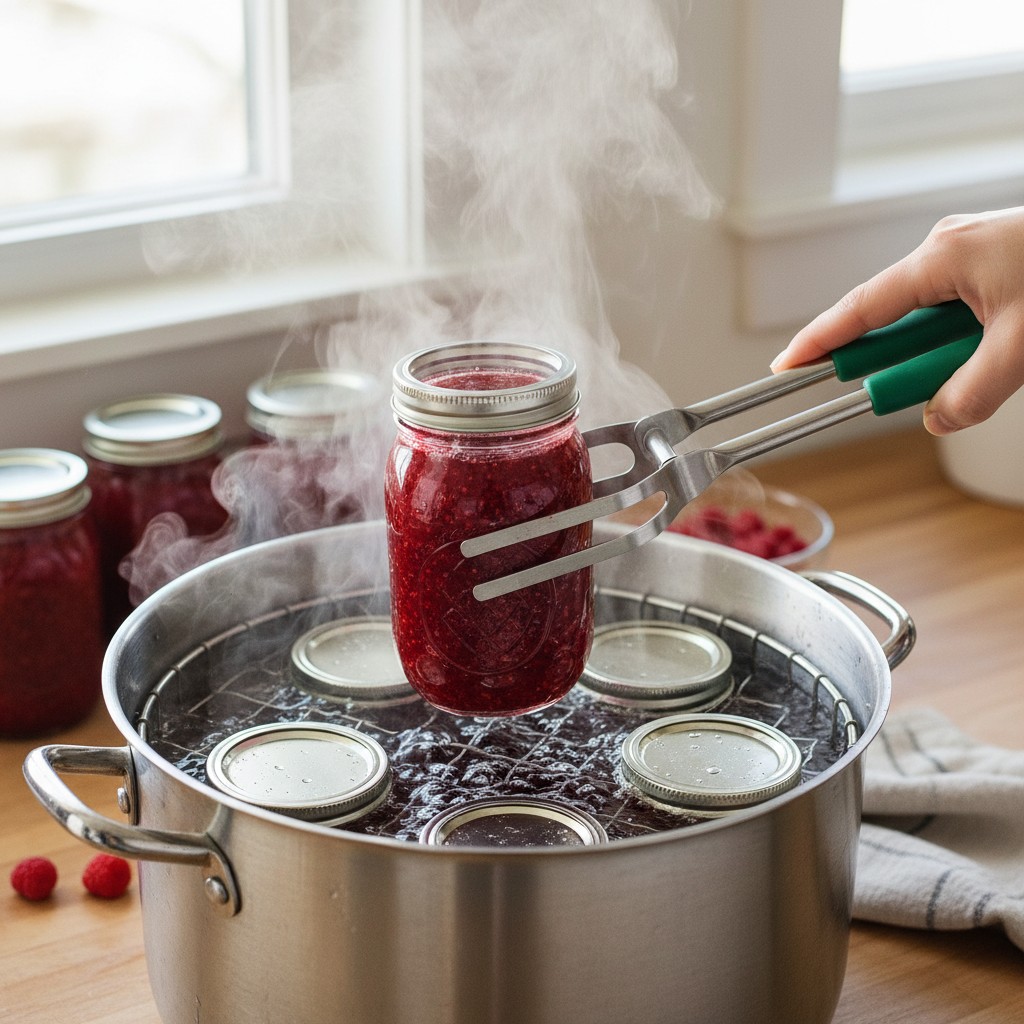
Always use tested recipes from trusted sources and never alter the acid, sugar, or proportions. Here are the non-negotiable rules:
- Always use tested recipes from trusted sources like the USDA, Ball, or your local extension service
- Never alter the acid, sugar, or proportions in a canning recipe
- Always use new lids, they have a sealing compound that is designed for one use
- Do not can in an oven, dishwasher, or microwave, only a boiling water bath or pressure canner
Your first batch of jam will probably not be perfect, and it does not need to be. Even slightly runny jam tastes incredible on toast. Once you hear those lids pop, you will understand why people have been preserving food this way for generations. Pair your fresh jam with homemade sourdough or your canned tomatoes with a big pot of soup and homemade bone broth. Welcome to the club.
If you love canning, you will also want to explore dehydrating food and fermentation as companion preservation methods. Together, they make your emergency food pantry incredibly well-stocked.
🌱 From Our Homestead
The first time I tried water bath canning, I was genuinely nervous about doing something wrong. Twelve jars of strawberry jam later, I was hooked, and three years in, our pantry shelves are stocked with over 200 jars of home-canned food every fall.
Frequently Asked Questions
A: No. The sealing compound on lids is designed for one use. Rings can be reused, but always use new lids for a reliable seal.
A: No. Per NCHFP, if your boiling-water processing time is 10 minutes or longer, the process itself sterilizes the jars, just wash them well and keep them hot (around 180°F) until you fill them. Pre-sterilization is only required for products processed less than 10 minutes (some jams, jellies, and quick pickles): boil empty jars covered by 1 inch of water for 10 minutes at elevations below 1,000 ft, and add 1 minute for each additional 1,000 ft of elevation. Dishwashers do not reach sterilization temperatures and are not an approved substitute.
A: Under-cooked jam, too little pectin, or not enough acid. You can re-process runny jam by bringing it back to a boil with additional pectin, or simply enjoy it as syrup.
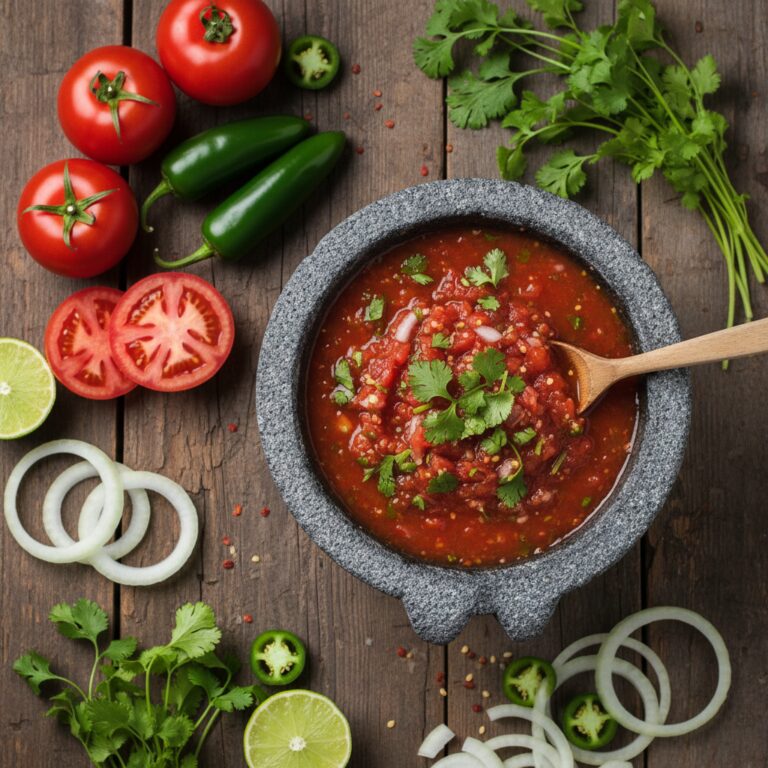
A: Yes, but only with a tested recipe that has enough acid. Most USDA-tested salsa recipes include added vinegar or lemon juice to ensure safe acidity levels.
A: Above 1,000 feet you must add time to the sea-level processing time, because water boils below 212°F. Per the USDA / NCHFP boiling-water-canner altitude table:
| Altitude | Add to processing time |
|---|---|
| 0–1,000 ft | 0 min (use the base recipe time) |
| 1,001–3,000 ft | +5 min |
| 3,001–6,000 ft | +10 min |
| 6,001–8,000 ft | +15 min |
| 8,001–10,000 ft | +20 min |
Processing time must never be reduced, and jar pre-sterilization time also needs altitude adjustment (+1 min per additional 1,000 ft above 1,000 ft). Source: NCHFP. Selecting the Correct Processing Time.