Growing Peppers: The Complete Guide to Hot and Sweet Varieties
Growing Peppers: The Complete Guide to Hot and Sweet Varieties
- Easiest sweet pepper for beginners: Banana peppers. Heavy producers, mild and sweet, mature in 65 to 70 days, perfect for pickling and sandwiches. They forgive cooler nights better than bells.
- Most versatile hot pepper: Jalapeño. Moderate heat (2,500 to 8,000 SHU), prolific yields, fast to mature, useful in nearly every cuisine. The forgiving entry point for first-time hot pepper growers.
- Best for serious heat lovers: Habanero. Intense heat (100,000 to 350,000 SHU) with a distinctive fruity flavor that defines real hot sauce. Needs a 90 to 100 day season, so start seeds extra early.
- Peppers need warm soil (65°F+) and full sun, start seeds indoors 8-10 weeks before your last frost date
- Sweet peppers (bell, banana, pimento) and hot peppers (jalapeño, habanero, serrano) share similar growing needs but differ in days to maturity
- The Scoville scale measures pepper heat, from 0 SHU for bell peppers to over 2 million SHU for the Carolina Reaper
- Peppers are heavy feeders that thrive with consistent moisture and calcium-rich soil to prevent blossom end rot
- Most pepper varieties grow beautifully in containers, making them perfect for small-space gardeners
If you’ve ever bitten into a crisp, sun-warmed pepper straight from the garden, you know there’s absolutely nothing like it. Whether you love the mild sweetness of a ripe bell pepper or crave the fiery kick of a habanero, growing your own peppers is among the most rewarding things you can do in a home garden.
I’ve been growing peppers for years now, and every season I find myself adding a few more varieties to the lineup. They’re generous producers, relatively low-maintenance once established, and they store beautifully, fresh, frozen, or dehydrated. This guide covers everything you need to know to grow both sweet and hot peppers successfully, from seed starting to harvest.
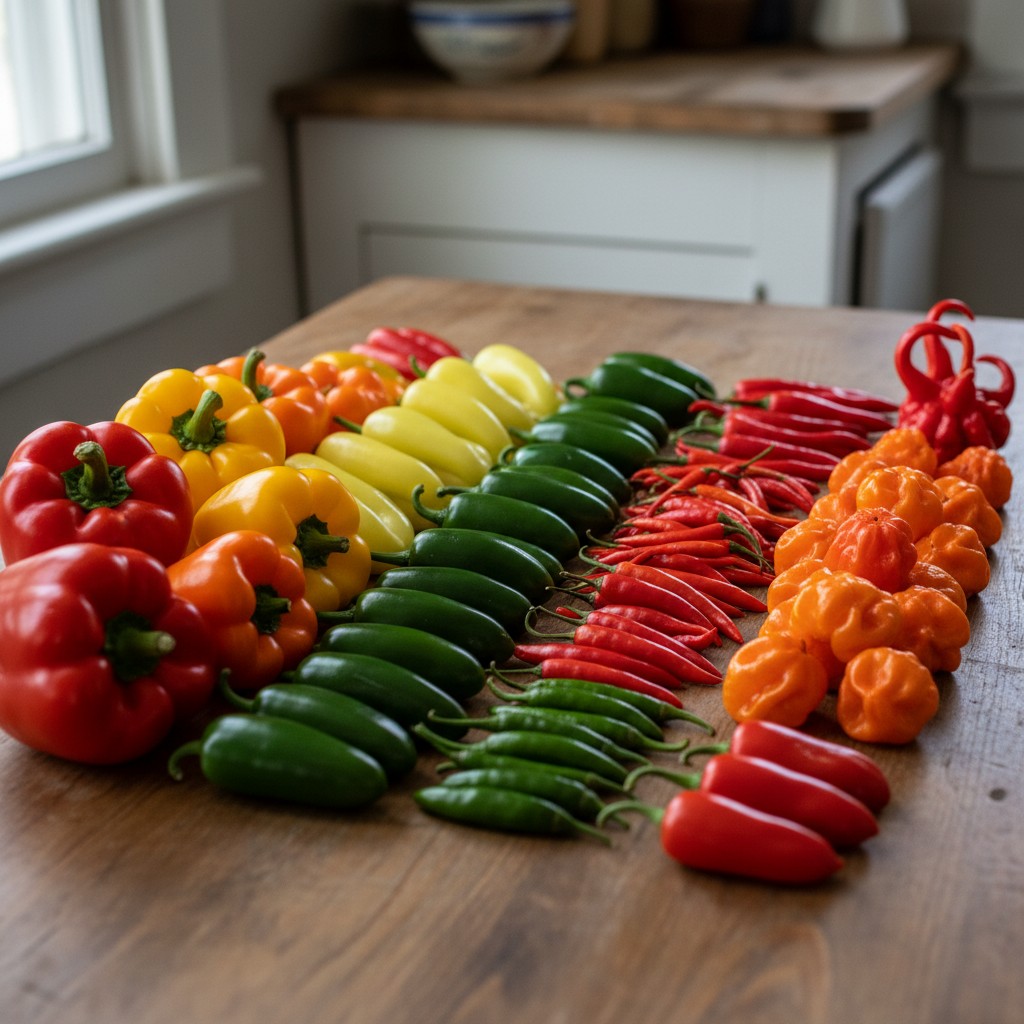
Understanding Pepper Types: Sweet vs. Hot
All peppers belong to the genus Capsicum, but the range of flavors, heat levels, and shapes within that family is staggering. Let’s break down the most popular varieties for home gardeners.
Sweet Pepper Varieties
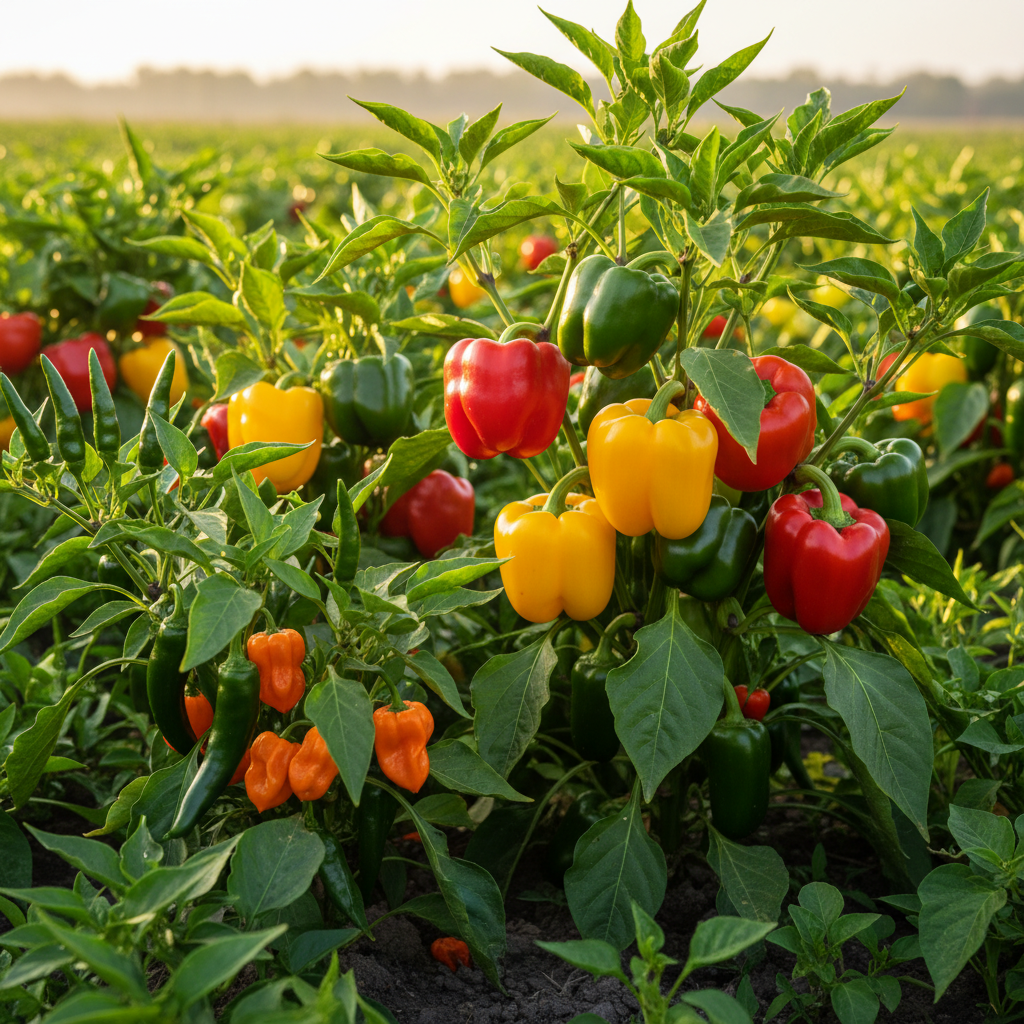
Bell Peppers are the classic garden pepper. They start green and ripen to red, yellow, orange, or even purple depending on the variety. They take the longest to mature (70-85 days), but the flavor of a fully ripened bell pepper is worth the wait. California Wonder and King of the North are reliable open-pollinated choices.
Pros: The most versatile pepper in the kitchen, ripens to red, yellow, orange, or purple for sweeter flavor and higher vitamin content, holds up well in stuffing, roasting, and freezing. Open-pollinated varieties save reliably from year to year.
Cons: Slowest to mature of any common pepper (70 to 85 days), needs a long warm season to produce a heavy crop, prone to blossom end rot when watering is inconsistent because the large fruit is calcium-hungry.
Banana Peppers are long, mild, and incredibly productive. Sweet Banana is the variety I plant every year, each plant produces dozens of peppers, and they’re perfect for pickling, sandwiches, or stuffing. They mature in about 65-70 days.
Pimento Peppers are thick-walled, heart-shaped, and wonderfully sweet. They’re the classic choice for roasting and making pimento cheese. Lipstick and Sheepnose are two heirloom favorites.
Italian Frying Peppers like Jimmy Nardello and Corno di Toro are thin-walled and absolutely incredible when sautéed in olive oil. Once you grow these, you’ll never look at peppers the same way.
Hot Pepper Varieties
Jalapeño peppers are probably the most popular hot pepper in American gardens. They pack a moderate punch (2,500-8,000 SHU), produce heavily, and are versatile in the kitchen. Early Jalapeño matures faster in short-season climates.
Pros: Forgiving for first-time hot pepper growers, prolific yields from a single plant (often 30 to 40 pods), versatile from fresh salsa to pickled rings to smoking into chipotles. Matures faster than most hot peppers.
Cons: Heat varies wildly between individual fruits on the same plant (2,500 to 8,000 SHU range), some pods are barely warm and others surprise you. Thick-walled flesh does not dry well compared to thinner cayennes.
Serrano peppers look like smaller, thinner jalapeños but pack roughly five times the heat (10,000-25,000 SHU). They’re essential for fresh salsas and hot sauces, and the plants are prolific producers.
Habanero peppers bring serious heat (100,000-350,000 SHU) along with a distinctive fruity flavor that hot pepper lovers adore. They need a longer season than most peppers, plan on 90-100 days from transplant.
Pros: Distinctive fruity flavor that no other pepper matches, the foundation of authentic Caribbean hot sauces. Plants produce heavily once they hit their stride. Stores well dried or fermented.
Cons: Long season (90 to 100 days from transplant), so northern growers must start seeds 10 to 12 weeks before last frost and risk losing the crop to early fall frost. Capsaicin levels demand nitrile gloves and eye protection during processing (see safety box below).
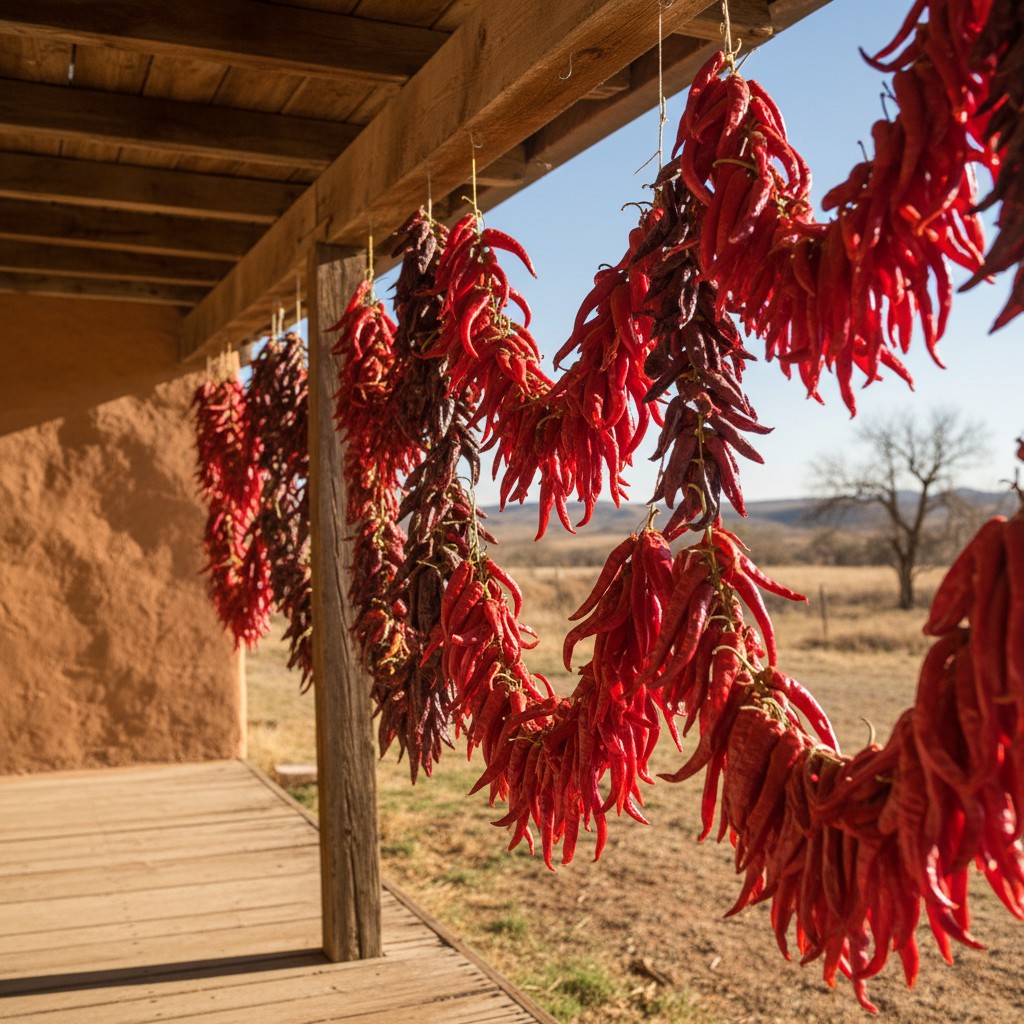
Cayenne peppers (30,000-50,000 SHU) are the workhorse of the hot pepper world. They dry beautifully, making them perfect for grinding into cayenne powder or stringing into ristras. A few plants will supply your spice rack for a year.
The Scoville Scale: Measuring Pepper Heat
The Scoville Heat Unit (SHU) scale measures the concentration of capsaicin, the compound that makes peppers hot. Here’s where popular varieties fall:
| Pepper Variety | Scoville Heat Units (SHU) | Heat Level |
|---|---|---|
| Bell Pepper | 0 | None |
| Banana Pepper | 0 – 500 | None to Mild |
| Poblano / Ancho | 1,000 – 2,000 | Mild |
| Jalapeño | 2,500 – 8,000 | Moderate |
| Serrano | 10,000 – 25,000 | Hot |
| Cayenne | 30,000 – 50,000 | Very Hot |
| Thai Chili | 50,000 – 100,000 | Very Hot |
| Habanero | 100,000 – 350,000 | Extreme |
| Ghost Pepper (Bhut Jolokia) | 855,000 – 1,041,427 | Super Hot |
| Carolina Reaper | 1,400,000 – 2,200,000 | Nuclear |
Heat levels can vary within the same variety depending on growing conditions. Stressed plants: those exposed to less water or more heat, tend to produce hotter peppers. I’ve had jalapeños that were barely warm and others from the same plant that brought tears to my eyes.
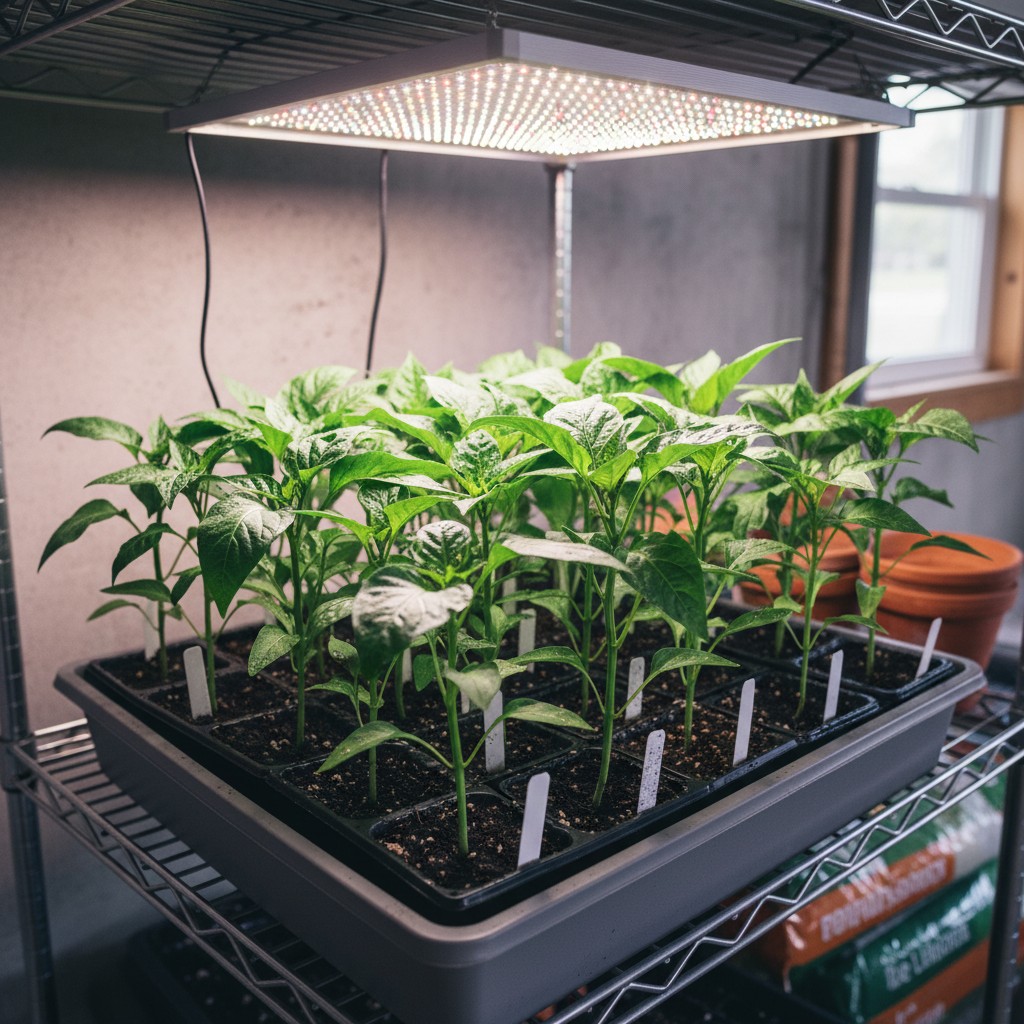
Starting Pepper Seeds Indoors
Peppers are one of the earliest crops I start indoors each season. They need a long head start because they’re slow, steady growers. If you’re new to seed starting, peppers are actually quite forgiving, they just need patience.
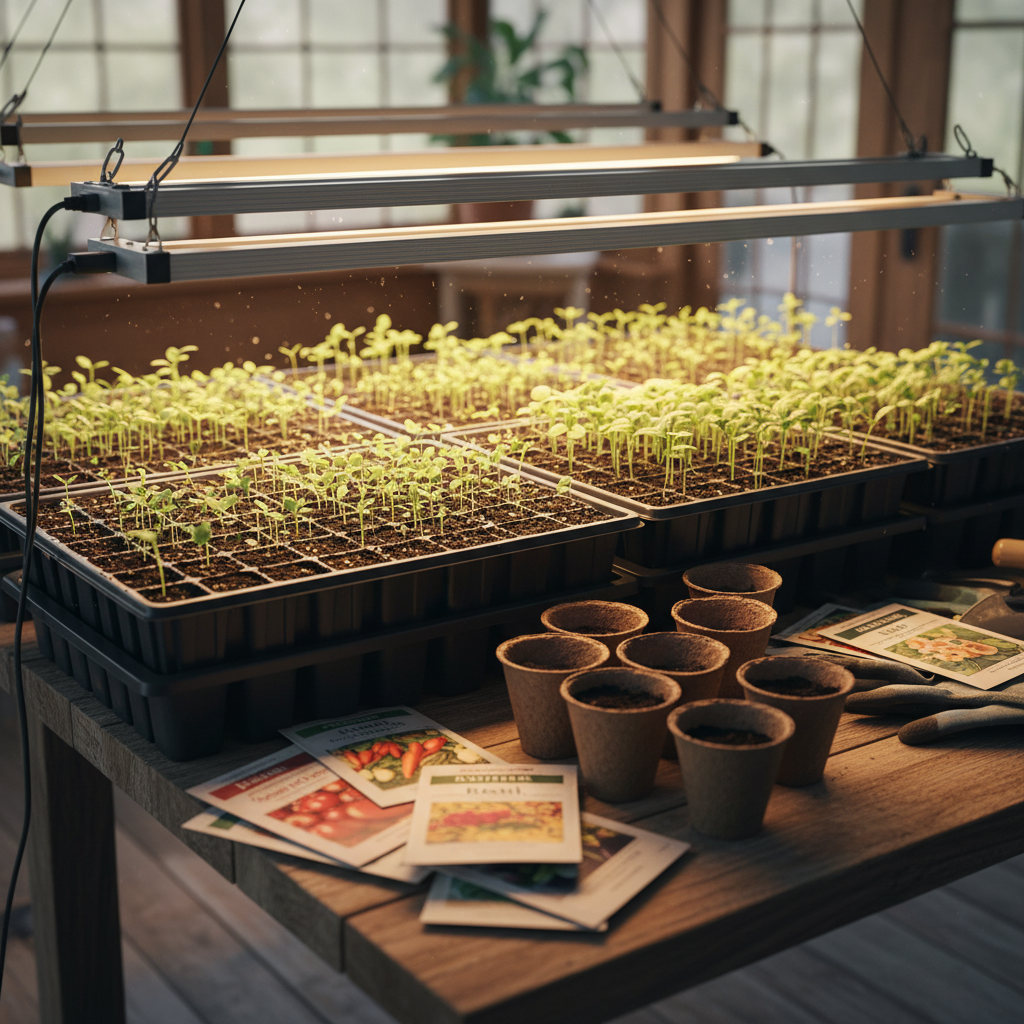
Timing: Start pepper seeds 8-10 weeks before your last expected frost date. For hot peppers, especially superhots, consider starting 10-12 weeks early since they germinate more slowly.
Temperature: This is the single most important factor for pepper germination. Pepper seeds need soil temperatures of 80-85°F to germinate efficiently. At 70°F, germination can take 2-3 weeks. At 85°F, you’ll often see sprouts in 7-10 days. A seedling heat mat is practically essential.
Depth and moisture: Plant seeds about 1/4 inch deep in a quality seed-starting mix. Keep the mix moist but not soggy, think wrung-out sponge. Covering trays with a humidity dome helps retain moisture during germination.
I made the mistake my first year of starting peppers on a cold windowsill without a heat mat. Three weeks later, I had exactly zero sprouts and a lot of frustration. The next year I invested in a heat mat, and the difference was night and day, sprouts in eight days flat. If you grow nothing else from seed, get a heat mat for your peppers.
Light: Once seeds sprout, they need 14-16 hours of strong light daily. A south-facing window can work but grow lights produce sturdier, more compact seedlings. Keep lights 2-3 inches above seedlings and raise them as plants grow.
Potting up: When seedlings develop their first set of true leaves, transplant them into 3-4 inch pots. This gives roots room to develop before they go outdoors.
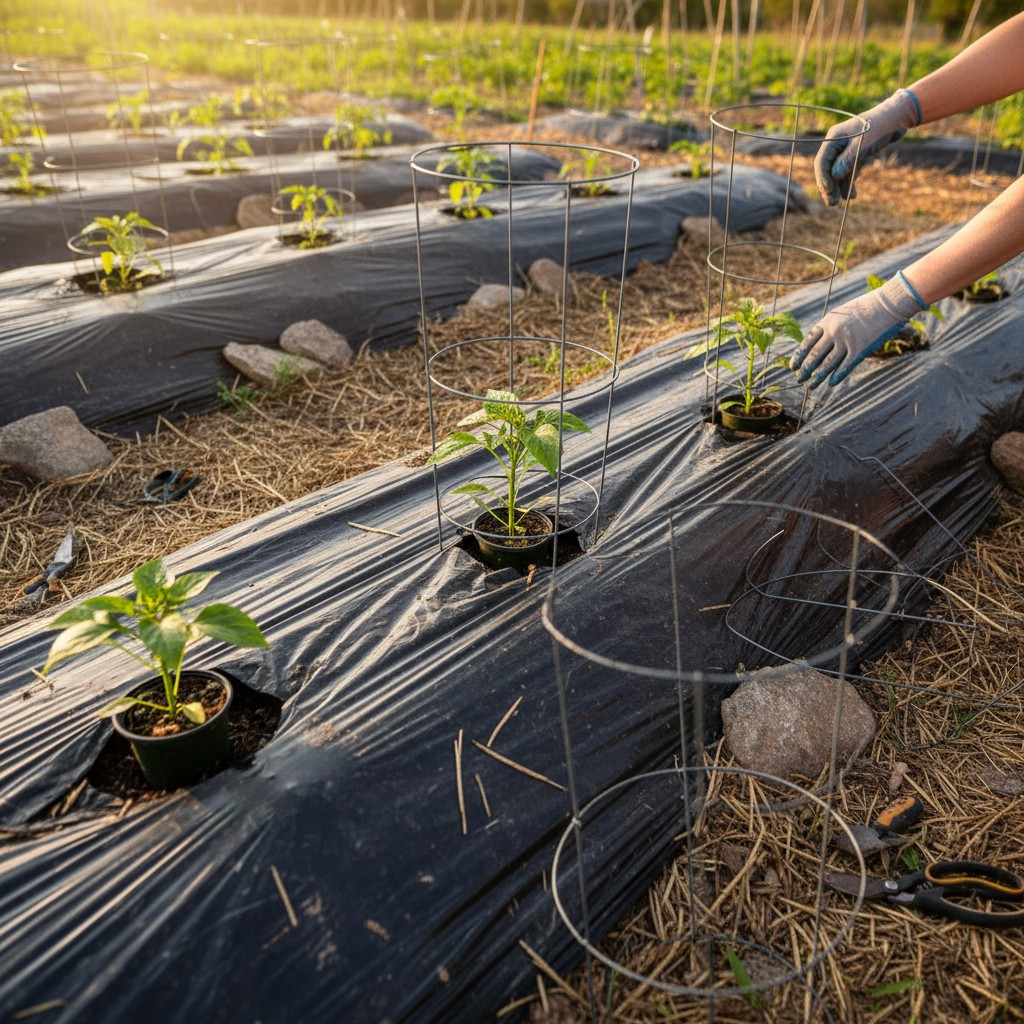
Transplanting and Growing Conditions
Peppers are warm-season crops that despise cold. Don’t rush them outdoors, a late frost or even prolonged cool weather below 55°F can set plants back weeks.
Hardening off: About 7-10 days before transplanting, begin introducing seedlings to outdoor conditions. Start with a couple of hours of shade, gradually increasing sun exposure and time outdoors. This step is crucial, skip it and your seedlings may suffer sunburn or transplant shock.
Soil preparation: Peppers prefer well-drained, fertile soil with a pH of 6.0-6.8. Work in plenty of compost before planting. Peppers are moderate to heavy feeders, but go easy on nitrogen, too much produces lush foliage at the expense of fruit.
Spacing: Plant sweet peppers 18 inches apart and hot peppers 12-18 inches apart. Rows should be 24-30 inches apart. If you’re using raised beds or companion planting strategies, you can tighten spacing slightly.
Watering: Peppers need consistent moisture, about 1-2 inches per week. Inconsistent watering causes blossom end rot, blossom drop, and cracked fruit. Mulch heavily to retain moisture and regulate soil temperature.
Fertilizing: Side-dress with compost or apply a balanced organic fertilizer when plants begin flowering. Too much nitrogen early on encourages leaf growth over fruiting. Once fruit sets, a boost of phosphorus and potassium helps development.
Growing Peppers in Containers
Peppers are some of the best vegetables for container gardening. Most varieties stay compact enough for pots, and containers let you control soil and move plants to optimize sun exposure.
Choose containers at least 5 gallons for full-sized peppers and 3 gallons for smaller hot pepper varieties. Use a high-quality potting mix with good drainage, and be prepared to water more frequently than in-ground plants, containers dry out quickly in summer heat.
Container peppers benefit from a slow-release organic fertilizer mixed into the potting soil at planting, supplemented with liquid fertilizer every 2-3 weeks during the growing season. I keep several pots of Thai chilies and habaneros on my deck every summer, and they produce right up until the first frost.
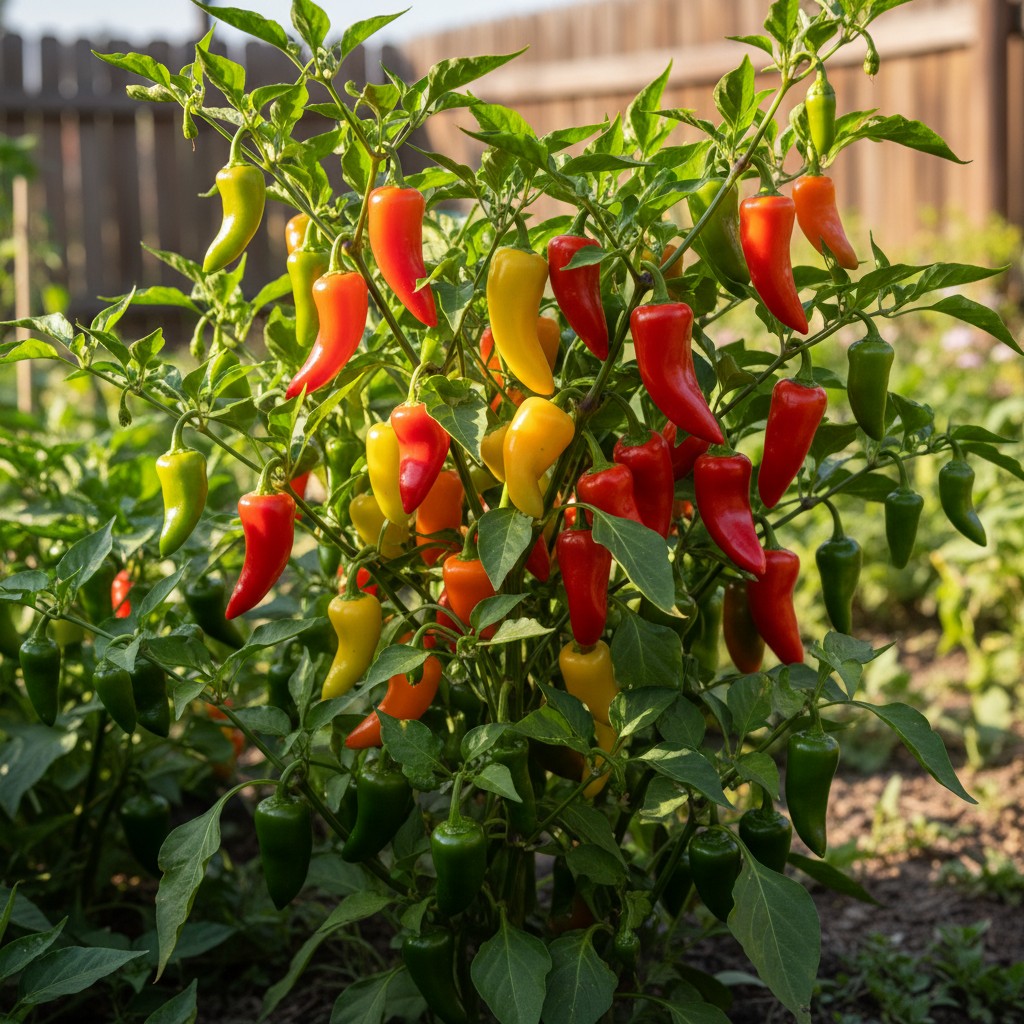
Common Pepper Problems and Solutions
Blossom drop: Flowers fall off without setting fruit. This is usually caused by nighttime temperatures below 60°F or above 75°F, inconsistent watering, or excessive nitrogen. Be patient, fruit set typically improves as conditions stabilize.
Blossom end rot: A dark, sunken spot on the bottom of the fruit. This is a calcium uptake issue, usually caused by inconsistent watering rather than a true calcium deficiency in the soil. Calcium requires steady moisture to move from roots to fruit; irregular watering (drought followed by flooding) disrupts this process. Water deeply and regularly, mulch heavily to maintain even soil moisture, and ensure your soil has adequate calcium (compost and crushed eggshells help). Foliar calcium sprays can provide quick relief mid-season.
Aphids: These tiny pests love pepper plants. A strong blast of water knocks them off, or use insecticidal soap for heavy infestations. Encouraging ladybugs and lacewings provides natural control.
Sunscald: White, papery patches on fruit exposed to direct afternoon sun. This is more common on varieties with large fruit like bells. Maintain good foliage cover by avoiding over-pruning, and provide afternoon shade in extremely hot climates.
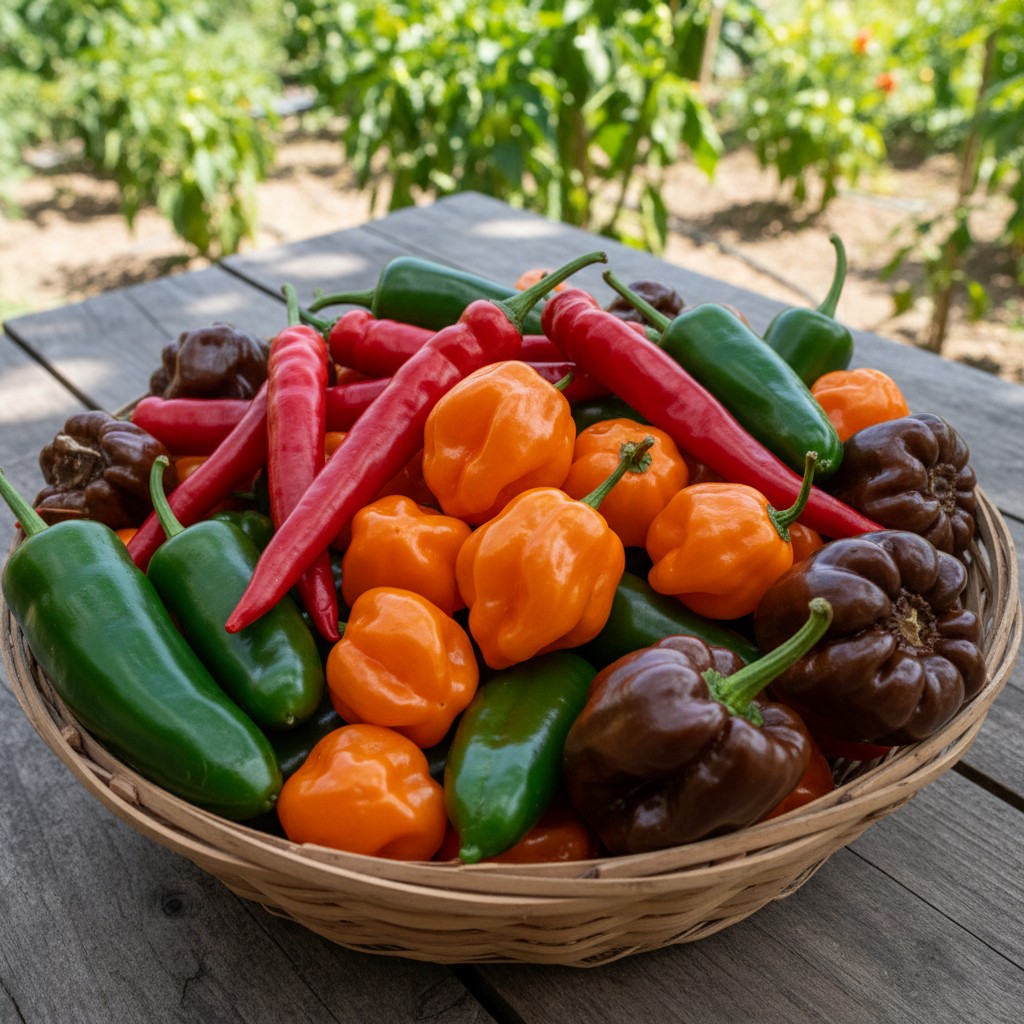
Harvesting and Storing Peppers
You can harvest peppers at any stage, but flavor and nutrition improve as they ripen. Green bell peppers are simply unripe, let them turn red, yellow, or orange for sweeter flavor and more vitamins. Hot peppers generally become hotter as they mature and change color.
Use clean pruners or scissors to cut peppers from the plant, leaving a short stem. Pulling can damage branches and reduce future yields.
Fresh storage: Whole peppers keep 1-2 weeks in the refrigerator. Don’t wash them until you’re ready to use them.
Freezing: Slice peppers and freeze on a baking sheet before transferring to bags. They won’t be crispy when thawed but work perfectly for cooking.
Dehydrating: Hot peppers and thin-walled varieties are excellent for dehydrating. Cayennes dry in about 8-12 hours in a dehydrator, and you can grind them into custom pepper flakes or powder.
Pickling: Banana peppers, jalapeños, and serranos are all fantastic pickled. A simple brine of vinegar, water, sugar, and salt produces refrigerator pickled peppers in about 24 hours.
Growing Peppers Alongside Other Crops
Peppers play well with many garden companions. They grow beautifully alongside tomatoes, since both enjoy similar conditions. Basil planted nearby may help repel aphids and improve flavor, at the very least, it makes for convenient harvest pairings in the kitchen.
Avoid planting peppers near fennel or kohlrabi, which can inhibit growth. Brassicas (cabbage, broccoli) are also poor companions since they prefer cooler conditions and different soil nutrition.
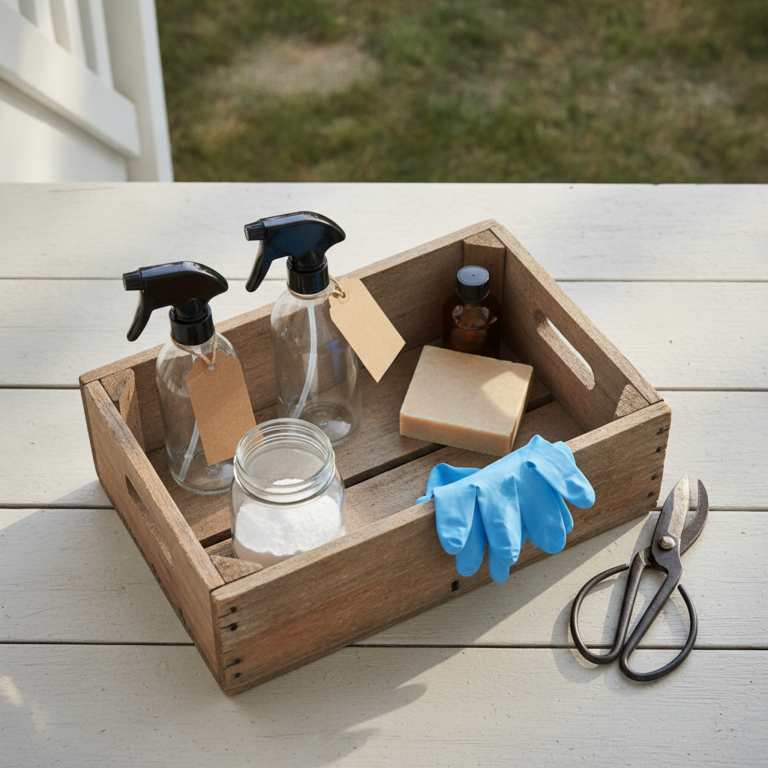
When working with superhot peppers (ghost, Carolina Reaper, habanero, scorpion), capsaicin can cause serious irritation:
- Always wear nitrile gloves when cutting, seeding, or handling superhots. Capsaicin penetrates latex.
- Do not touch your face, eyes, or skin after handling, capsaicin residue persists even after washing.
- Wear eye protection when blending or processing hot peppers, aerosolized capsaicin is extremely irritating.
- Consider a mask when dehydrating superhots indoors, the fumes can be overwhelming.
- To neutralize capsaicin on skin, use dish soap (not plain water) or rub with cooking oil before washing.
Saving Pepper Seeds
Peppers are one of the easiest crops for seed saving. Because they’re self-pollinating, each flower contains both male and female parts and can fertilize itself, you’ll usually get true-to-type seeds without isolation. Self-pollination also means peppers set fruit reliably even without insects, but they benefit significantly from gentle disturbance: shake the plant lightly a few times a week or let bees vibrate the flowers. Either action releases more pollen and improves fruit set and size, especially indoors or in low-wind conditions. However, cross-pollination can occur via insects, especially in hot peppers. If seed purity matters, separate varieties by at least 50 feet or use isolation bags on flowers.
To save seeds, let peppers fully ripen on the plant until they begin to wrinkle slightly. Scrape seeds onto a plate, let them dry for 1-2 weeks, and store in labeled envelopes in a cool, dry place. Pepper seeds remain viable for 2-4 years when stored properly.
A word of warning from someone who learned the hard way: always wear gloves when handling hot pepper seeds. I once cleaned a batch of habanero seeds bare-handed and then rubbed my eye about twenty minutes later. That’s a lesson you only need to learn once.
Sources and Further Reading
- University of Minnesota Extension, Growing Peppers in Minnesota, Department of Horticultural Science
- University of California Agriculture and Natural Resources, Pepper Production in California
- Penn State Extension, Pepper Production for the Home Gardener
- NC State Extension, Pepper Production Guide for Home Gardeners
- Oregon State University Extension, Growing Your Own Peppers
- USDA National Nutrient Database, Capsicum annuum nutrition profile
- USDA Plant Hardiness Zone Map, US Department of Agriculture
Frequently Asked Questions
Can I grow hot and sweet peppers near each other?
Yes. Cross-pollination can occur, but it only affects the seeds, not the current season’s fruit. Your sweet peppers will stay sweet this year. If you save seeds from plants that cross-pollinated, though, next year’s peppers may be unpredictable.
Why are my pepper plants flowering but not producing fruit?
The most common cause is temperature. Peppers drop blossoms when nighttime temperatures fall below 60°F or daytime temperatures exceed 90°F. Inconsistent watering and over-fertilizing with nitrogen can also cause blossom drop. Once temperatures moderate, fruit set usually resumes.
How do I make my hot peppers hotter?
Mild stress can increase capsaicin production. Slightly reducing water (but not to the point of wilting) and growing in full, intense sun tends to produce hotter peppers. Some growers also add sulfur to the soil, though evidence for this is mostly anecdotal.
Should I prune my pepper plants?
Topping young pepper plants, pinching off the growing tip when they’re 8-12 inches tall, encourages bushier growth and can increase yield. Removing early flowers before transplanting allows plants to put energy into root development. Beyond that, peppers don’t require extensive pruning.
How long does it take for peppers to go from flower to ripe fruit?
Most peppers take 45-75 days from pollination to full ripeness. Green peppers can be harvested sooner, around 20-30 days after flowering. Hot peppers, especially superhots like habaneros, tend to take longer than sweet varieties to reach full maturity and color.
🌱 From Our Homestead
Our pepper beds really took off the year I started hardening off seedlings on the porch for a full two weeks before transplanting. We pulled over 60 pounds of sweet and hot peppers from just a dozen plants that season.