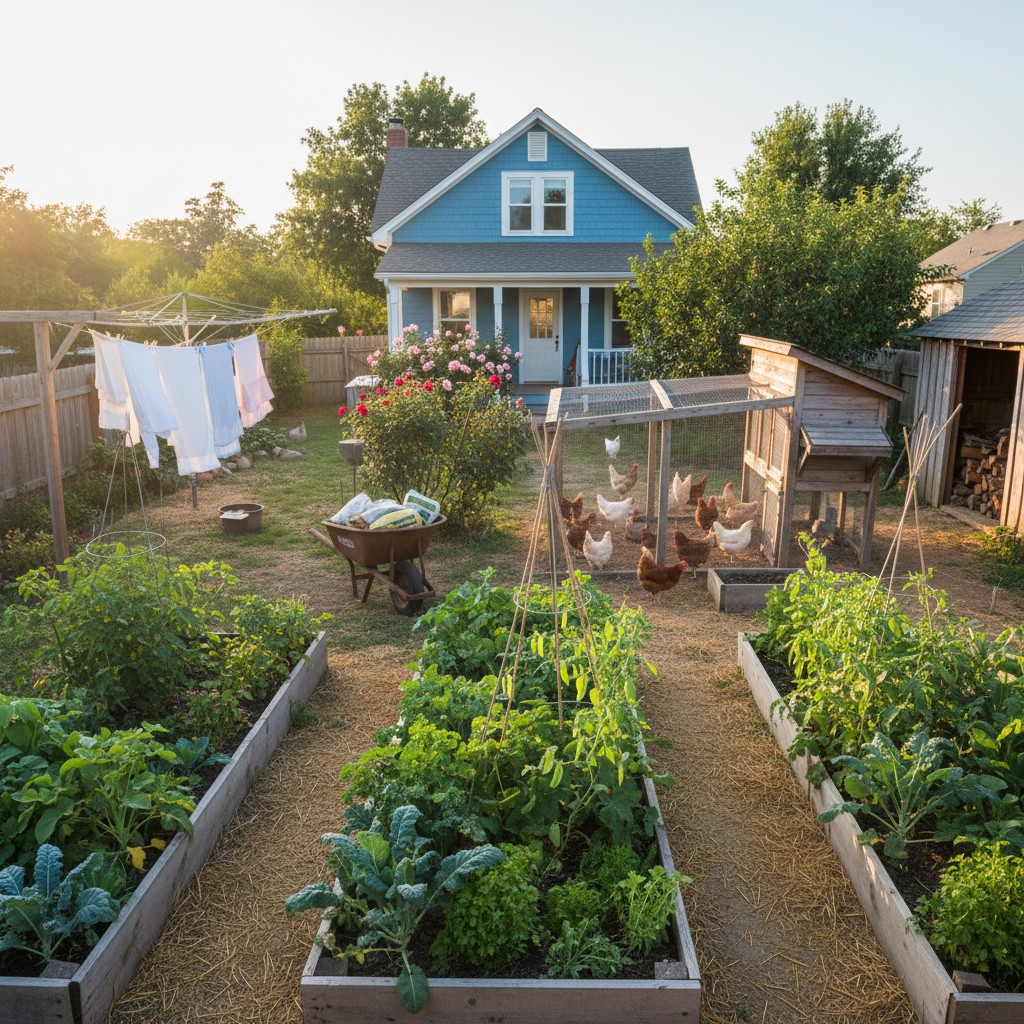
Homesteading on a Budget: How to Start with $1,000
Key Takeaways
- You can start a productive garden for under $100, a backyard chicken flock for under $300, and a basic food preservation setup for under $200.
- Skills are worth more than equipment, learn to build, repair, preserve, and grow before spending money on tools and infrastructure.
- Free resources (library books, Cooperative Extension offices, YouTube, seed swaps) can replace hundreds of dollars in courses and materials.
- The biggest budget trap is buying infrastructure before you know what you need, start with the minimum, learn what works, then invest intentionally.
- A realistic $1,000 homesteading budget covers a starter garden, a small chicken flock, basic food preservation equipment, and essential hand tools.
The Myth of the Expensive Homestead
Scroll through homesteading social media and you’ll see $5,000 chicken coops, $800 raised bed kits, and $2,000 canning setups. It paints a picture that says you need serious money to get started. It’s not true.
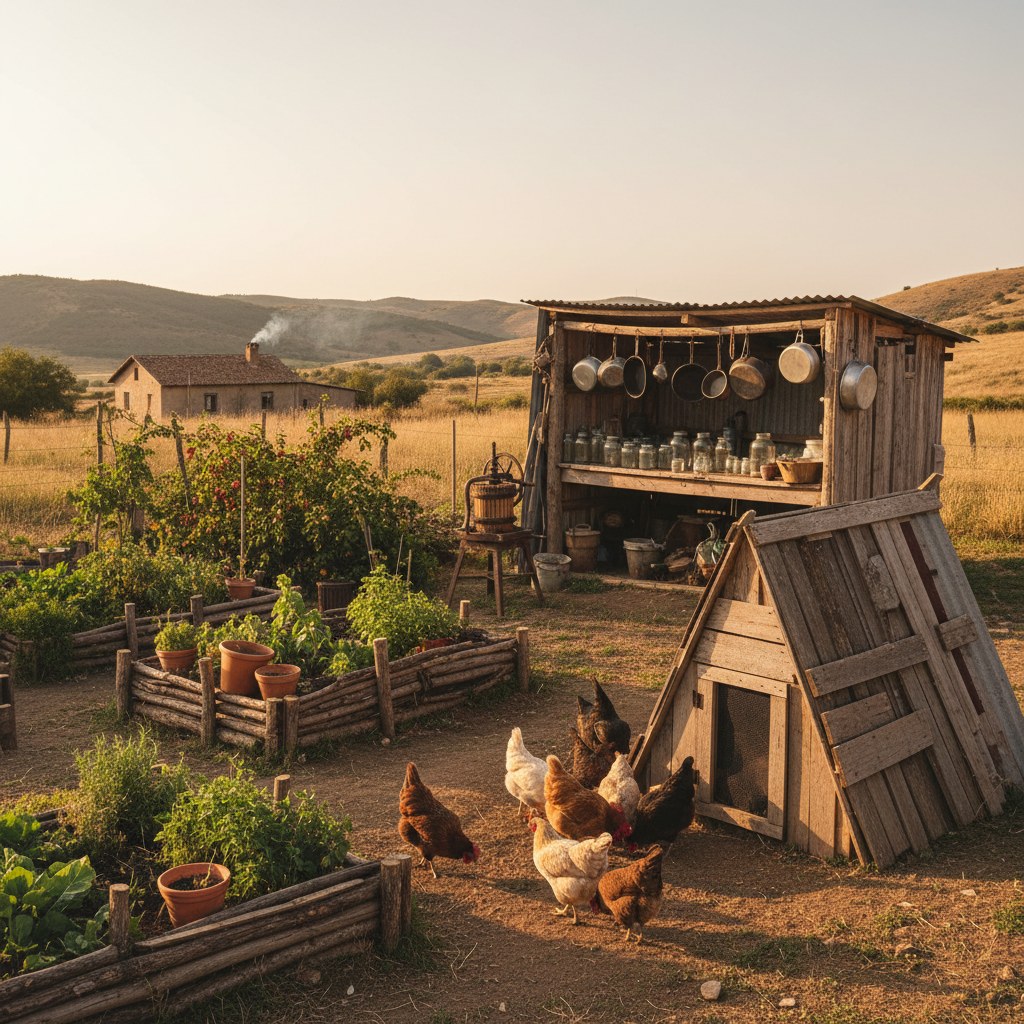
Homesteading was born from the opposite impulse, making do with what you have, building from scraps, growing your own because you can’t afford to buy it. Somewhere along the way, it got repackaged as an expensive lifestyle hobby. The reality is that resourceful homesteaders have been starting with nearly nothing for centuries, and you can too.
This isn’t about deprivation. It’s about smart priorities. Every dollar you spend on your homestead should earn you something back, in food, in skills, in infrastructure that lasts. The trick is knowing where those dollars have the highest return and where you’re paying a premium for convenience you don’t need yet.
The Mindset Shift: Skills Before Stuff
The single most valuable thing you can do before spending a dime is learn. Not from expensive courses, from free resources that are already available to you.
Free Knowledge Sources
- Your local library: Every fundamental homesteading skill has been covered in books for decades. Seed saving, canning, animal husbandry, carpentry, soil science, it’s all there. Many libraries also offer free digital access to magazines and databases.
- Cooperative Extension Service: Every county in the United States has a Cooperative Extension office (run through state universities) that provides free soil testing, gardening advice, pest identification, food preservation guidance, and workshops. This is among the most underused resources in America.
- YouTube: For hands-on skills like building, fencing, butchering, and equipment repair, video instruction is invaluable. You’re watching someone do exactly what you need to do.
- Experienced neighbors: If you’re in a rural area, the people around you are a goldmine of local knowledge. What grows well in your soil, when to plant, where to source animals and supplies, no book or website can match location-specific experience. Bring a pie and ask questions.
Skills Worth Learning Before Spending
- Basic carpentry (saves thousands in building costs)
- Seed starting (eliminates the need to buy transplants)
- Food preservation basics (canning, fermenting, dehydrating)
- Basic sewing and mending
- Small engine repair (for mowers, tillers, chainsaws)
- Fencing (saves hundreds in labor costs)
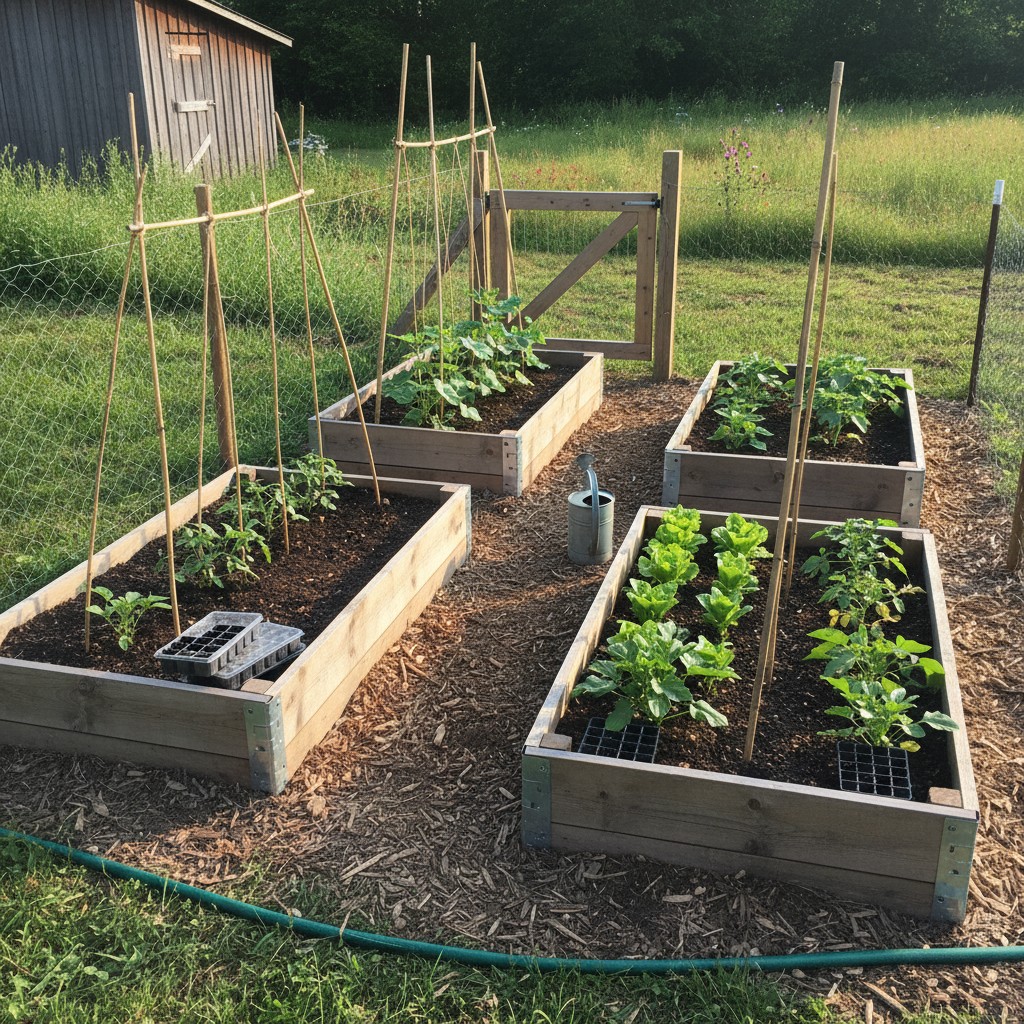
Starting a Garden for Under $100
A productive food garden is the highest-return investment on any homestead. Here’s how to start one without breaking the bank.
The $100 Garden Budget
- Seeds: $15-25. Buy open-pollinated (not hybrid) varieties and you can save seeds for next year, turning this into a one-time cost. Focus on high-yield, high-value crops: tomatoes, zucchini, green beans, lettuce, kale, herbs, and peppers. One packet of zucchini seeds can produce more squash than a family can eat.
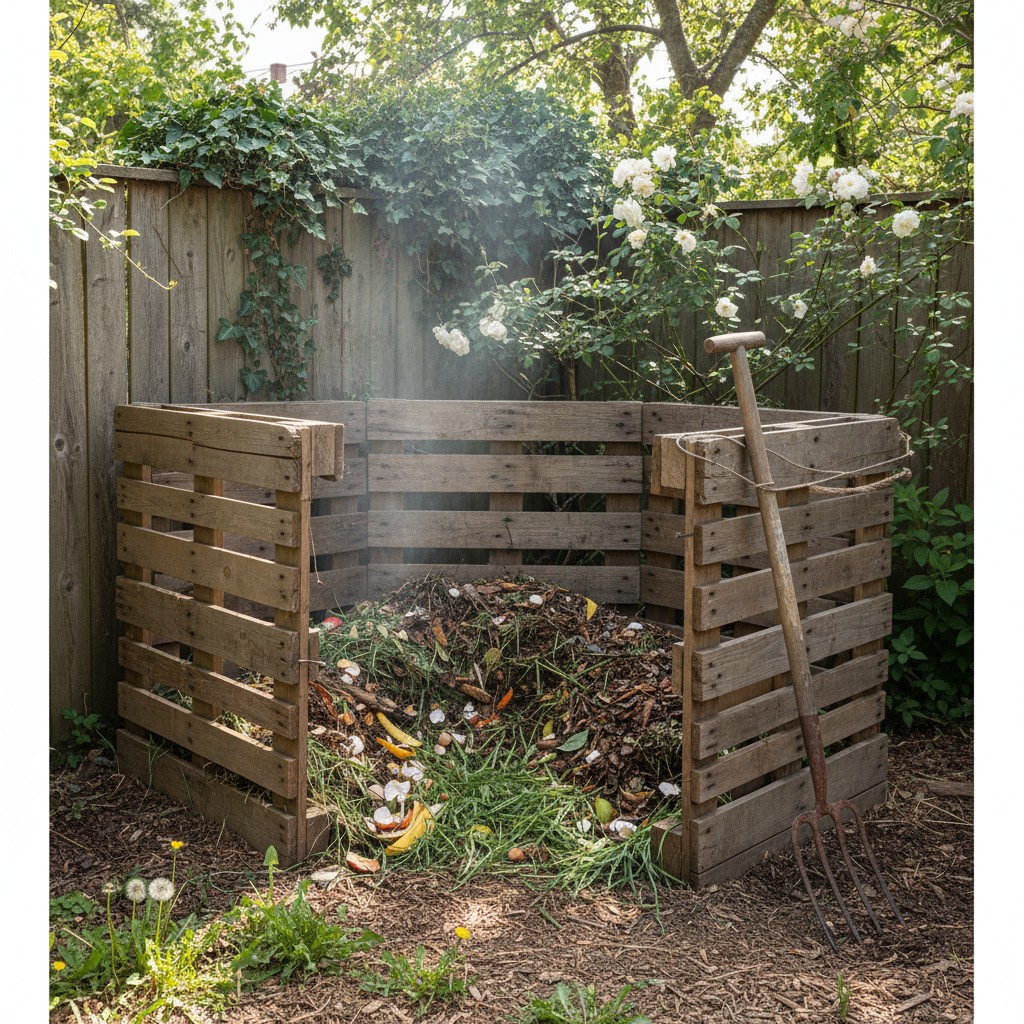
- Soil amendments: $20-30. A bag of composted manure and a bag of garden lime (if your soil is acidic, a free Extension soil test will tell you) go a long way. Better yet, start a compost pile now with kitchen scraps and yard waste. It’s free and produces the best soil amendment available.
- Basic tools: $20-30. A garden fork, a hand trowel, and a hoe. Check thrift stores, yard sales, and online marketplaces first, good used tools are everywhere for pennies on the dollar. A quality used shovel costs $3-5 at most garage sales.
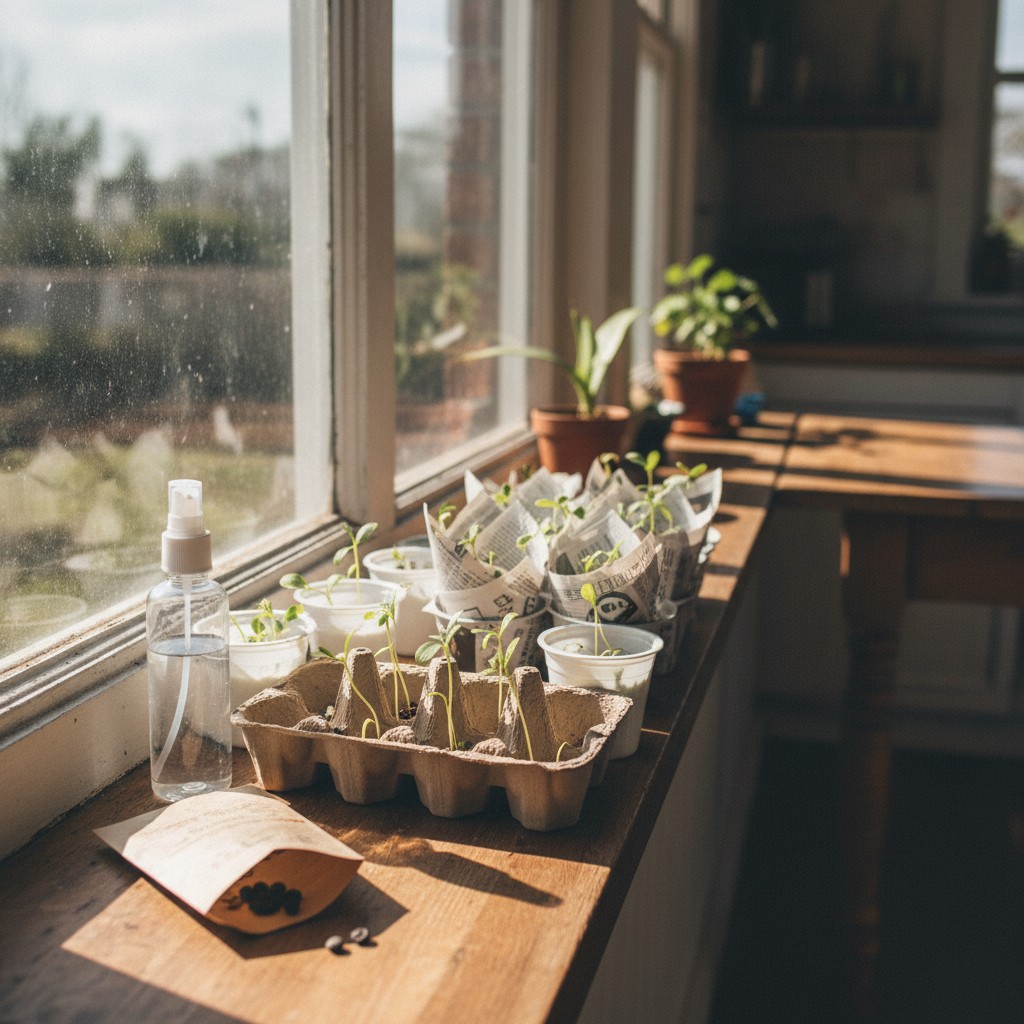
- Seed starting supplies: $10-15. Saved yogurt cups, egg cartons, or newspaper pots cost nothing. A bag of seed starting mix and a sunny window are all you need. Skip the fancy seed starting kits and grow lights for now.
- Fencing (if needed): $15-20. Basic chicken wire or hardware cloth around the garden keeps rabbits out. Repurpose pallets as a fence if deer aren’t an issue.
Total: $80-120
Free and Nearly Free Garden Inputs
- Compost: Kitchen scraps, leaves, grass clippings, animal manure, all free.
- Mulch: Many tree service companies will dump wood chips at your property for free. Check ChipDrop.com or call local arborists.
- Seeds: Seed libraries and seed swaps are increasingly common. Check your local library or gardening club.
- Transplants: Many gardeners have extra seedlings in spring and are happy to share.
- Cardboard: Free from any store, and it’s the foundation of no-dig sheet mulching, the easiest way to create new garden beds without tilling.
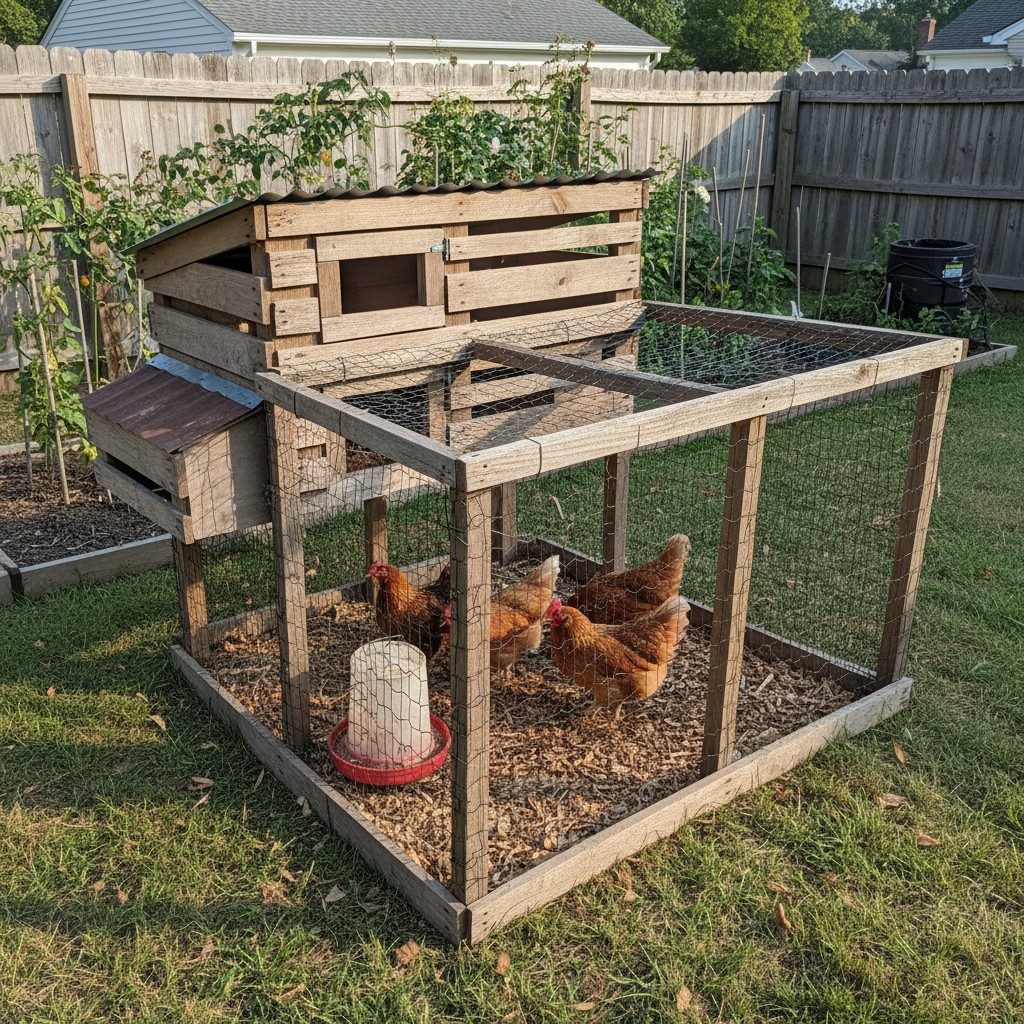
Starting Chickens for Under $300
Chickens are usually the first livestock on a new homestead, and for good reason, they’re small, manageable, and produce something valuable (eggs) almost immediately.
The $300 Chicken Budget
- Chicks: $20-40. Buy 6-8 pullet chicks from a farm store at $3–8 each (straight-run chicks are cheaper; sexed pullets run $5–8). Skip the fancy heritage breeds for now, production breeds like Rhode Island Reds, Barred Rocks, or Red Sex Links are hardy, reliable layers, and cheap.
- Feed (first 6 months): $60-80. A 50-pound bag of chick starter ($15-18) lasts 6-8 chicks several weeks. Layer feed after 18 weeks. Budget for about 3-4 bags of feed to get to laying age.
- Brooder supplies: $15-20. A cardboard box, pine shavings, a heat lamp or brooder plate ($15-25 used), a chick waterer ($5), and a feeder ($5). Much of this can be improvised from things you already have.
- Coop: $50-150. This is the big variable. Don’t buy a pre-made coop from a big box store, they’re overpriced and undersized. Instead, build from salvaged materials. Pallets, scrap lumber, old windows, and corrugated roofing from a demolition site or free section of Craigslist can build a perfectly functional coop for $50-100 in hardware (screws, hinges, hardware cloth). An old garden shed or playhouse converts easily.
- Fencing: $30-50. A roll of chicken wire and some T-posts create a basic run. Upgrade to hardware cloth on the coop itself for predator protection.
Total: $175-340
Your hens will start laying around 18-22 weeks of age. Six hens produce roughly 4-5 eggs per day during peak production. At store prices for free-range eggs ($5-6/dozen), your flock pays for itself within the first year and produces fresh eggs for years after.
Food Preservation for Under $200
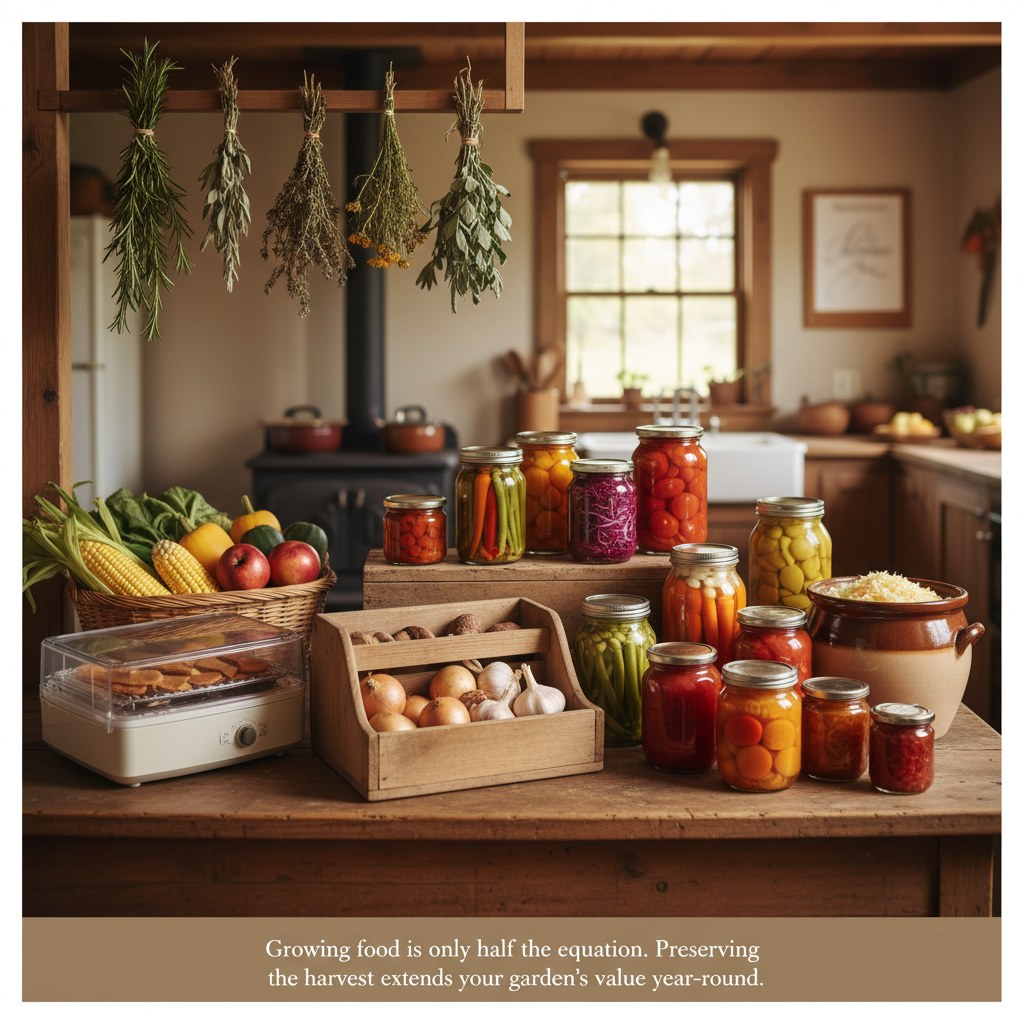
Growing food is only half the equation. Preserving the harvest extends your garden’s value year-round.
The $200 Preservation Budget
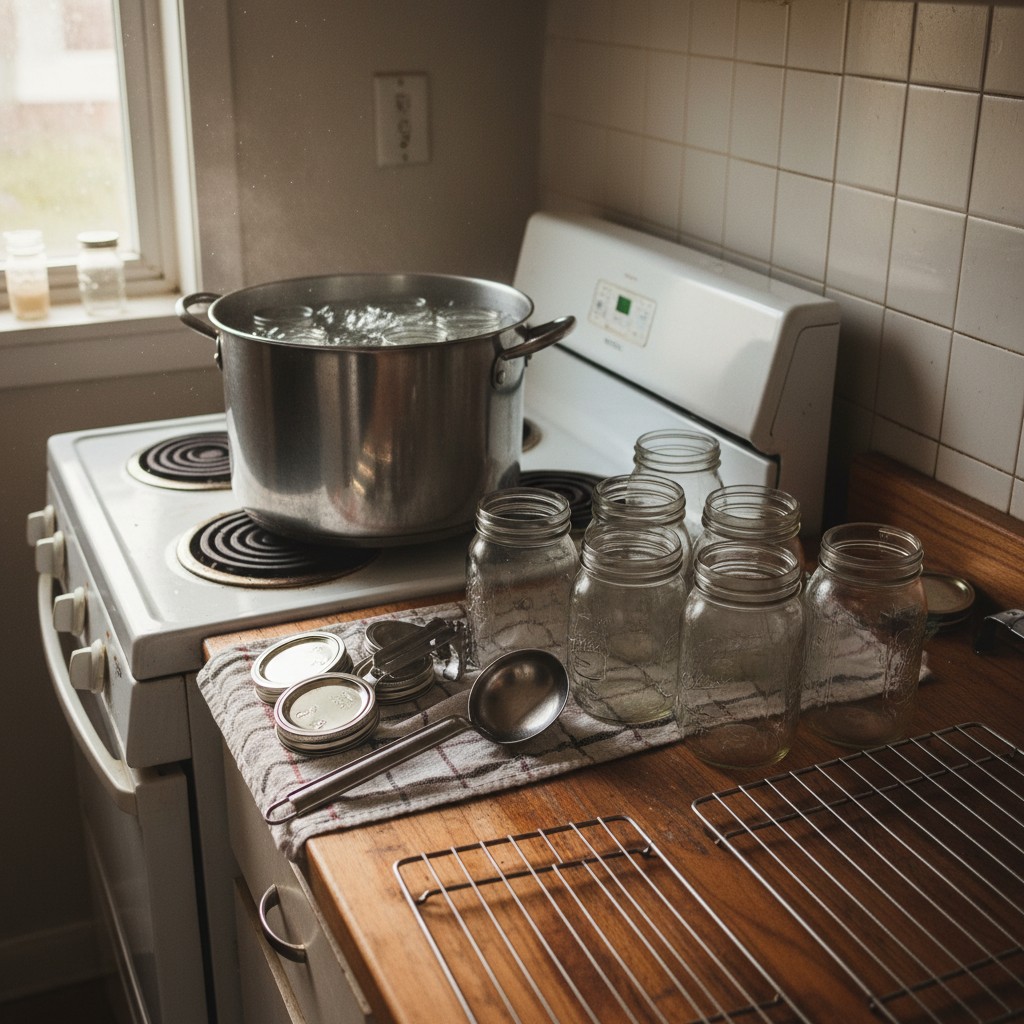
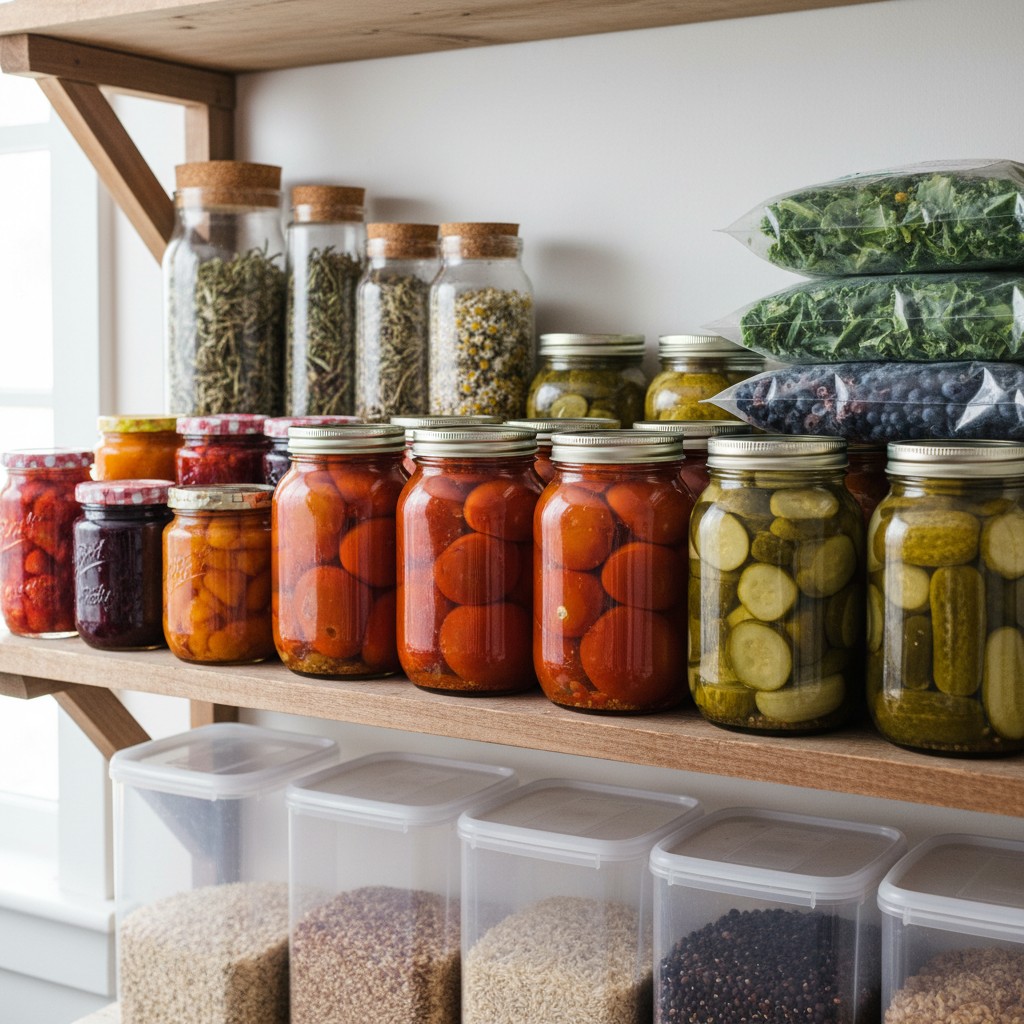
- Water bath canner: $25-40. A basic granite-ware canner with a rack handles all high-acid foods, tomatoes, pickles, jams, salsa, fruit. You can also use any large pot with a rack in the bottom.
- Canning jars (3 dozen): $25-35. Buy regular-mouth quart and pint jars. Check thrift stores and yard sales, used jars (with new lids) work perfectly. Jars are reusable for decades; only the flat lids are single-use.
- Extra lids and bands: $10-15.
- Dehydrator: $40-60. A basic Nesco or Presto dehydrator handles herbs, fruit leather, jerky, and dried vegetables. Alternatively, build a solar dehydrator from scrap wood and window screen for nearly free.
- Fermentation supplies: $15-20. A few wide-mouth mason jars, fermentation weights ($8-10 for a set), and salt. Sauerkraut, kimchi, pickles, and hot sauce all ferment with just salt, vegetables, and time.
- Pressure canner (optional but recommended): $75-100. Required for safely canning low-acid foods like green beans, meat, and soups. The Presto 23-quart is the standard budget option and has been a homestead staple for decades. If this stretches your budget, add it in year two and stick with water bath canning, dehydrating, and fermenting for now. Important: If you buy a dial-gauge pressure canner (as opposed to a weighted-gauge model), have the gauge tested for accuracy once a year, most county Cooperative Extension offices do this free of charge. An off-by-2-psi gauge can mean under-processed food.
Total: $115-270
The $1,000 Homesteading Budget: A Full Breakdown
Here’s how to allocate $1,000 across your first year of homesteading:
- Garden setup: $100
- Chicken flock (6-8 hens): $250
- Food preservation equipment: $175
- Hand tools (shovel, rake, hammer, saw, fencing pliers): $75 (buy used)
- Seeds and soil amendments for second planting: $50
- Emergency/veterinary fund: $100
- Ongoing feed and supplies: $200
- Contingency: $50
Total: $1,000
That gets you a producing garden, laying hens, the ability to preserve your harvest, and basic tools to build and maintain what you’ve started. It’s not everything, but it’s a solid, functional foundation.
The DIY vs. Buy Decision Framework
Every homestead purchase comes with the question: build it myself or buy it ready-made? Here’s a simple framework:
DIY when:
- The skill is learnable in a day (building a compost bin, a simple shelf, a chicken roost)
- Materials are cheap or free (scrap wood, pallets, repurposed materials)
- The commercial version is dramatically overpriced (raised beds, chicken coops, garden trellises)
- The project teaches you a useful skill you’ll use again
Buy when:
- Safety is at stake (pressure canners, electrical systems, chainsaw safety gear)
- Quality matters for longevity (a good pair of pruners, a reliable water filter)
- Your time has a higher-value use (if you can earn money doing something else while paying someone for the build, the math may favor buying)
- The learning curve is steep and the consequences of failure are high (plumbing, well drilling, concrete work)
Common Budget Traps to Avoid
- Buying a tractor before you need one. A small tractor is useful, but it’s also $3,000-15,000 that could fund years of homesteading progress. For the first few years, a good shovel, a wheelbarrow, and a rented tiller for the big jobs cover most needs.
- Over-building the chicken coop. Your hens don’t care about Pinterest-worthy design. They need dry shelter, ventilation, nest boxes, and roosts. That’s it. Spend $100, not $1,000.
- Buying all your canning jars new. Used jars at yard sales often cost 25-50 cents each versus $1-1.50 new. Inspect for chips on the rim and they’re good for years.
- Premium seed starting systems. Seeds don’t know they’re in a $3 yogurt cup instead of a $30 biodegradable pot. A sunny windowsill works until you can justify grow lights.
- Too many animals too fast. Every animal adds daily chores and monthly costs. Start with chickens. Add goats or pigs in year two if the budget and time allow. Livestock purchased in excitement and sold in overwhelm is money lost.
- Skipping water quality testing on a rural property. If your homestead relies on a private well or spring, or you plan to add livestock, get your water tested before you invest in animals or irrigation infrastructure. High nitrates, bacteria, or heavy minerals can harm both animals and humans, and remediation can be expensive. Your county Extension office or state health department can recommend a certified lab; basic potability testing typically costs $30–$80.
Building Momentum Without Spending
Some of the most productive homesteading activities cost nothing:
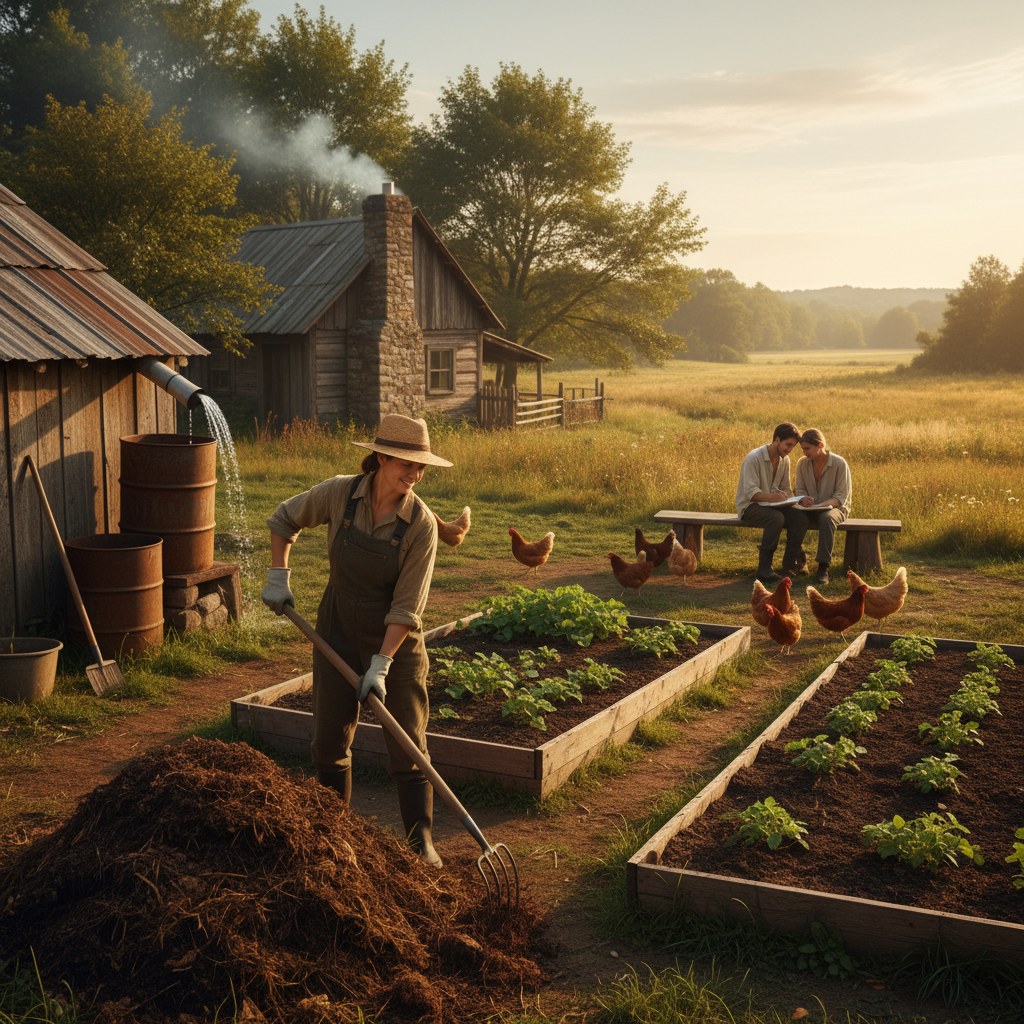
- Start composting today. Every banana peel and coffee ground is future garden fertility.
- Save seeds from grocery store produce. Peppers, tomatoes, and squash from the store often produce viable seeds. It’s not guaranteed (hybrids won’t grow true), but it costs nothing to try.
- Forage your property. Learn to identify edible wild plants, dandelions, lamb’s quarters, plantain, wild garlic, and many others are free food growing in your yard right now.
- Learn to cook from scratch. Bread, yogurt, butter, pasta, and dozens of other staples are cheaper and better homemade. The skill transfers directly when you’re cooking from your garden later.
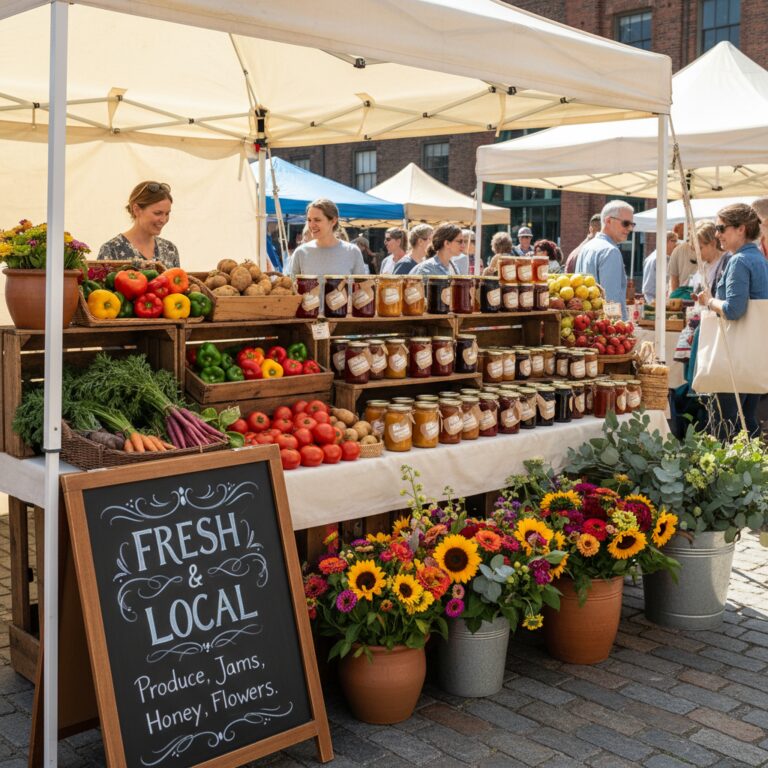
- Build relationships. Visit local farms. Attend county fair livestock shows. Go to farmers’ market. Join homesteading groups. The knowledge, connections, and sometimes free materials and animals that come through community are priceless.
🌱 From Our Homestead
We started our homestead with less than a thousand dollars, a pile of free pallets, and a lot of determination. That first year we built raised beds from scrap lumber, started a compost pile, and grew enough food to cut our grocery bill by a third.
Frequently Asked Questions
Is homesteading actually cheaper than buying groceries?
In the first year, probably not, you’re investing in infrastructure and learning from mistakes. By year two or three, a well-managed garden and chicken flock can significantly reduce your grocery bill. A productive half-acre garden can grow $2,000-3,000 worth of food per year at retail prices, for an annual input cost of $100-200 in seeds and amendments. Add eggs from your flock and preserved food year-round, and the savings compound. The key word is “well-managed”, a neglected garden produces nothing.
What should I spend money on first?
A garden. It has the fastest return on investment, the lowest startup cost, and teaches you the foundational skills (soil management, season awareness, crop planning) that everything else builds on. If you only have $100, start a garden. Chickens come second. Preservation equipment comes third, timed to your first harvest. Everything else can wait.
Can I homestead in a suburban backyard?
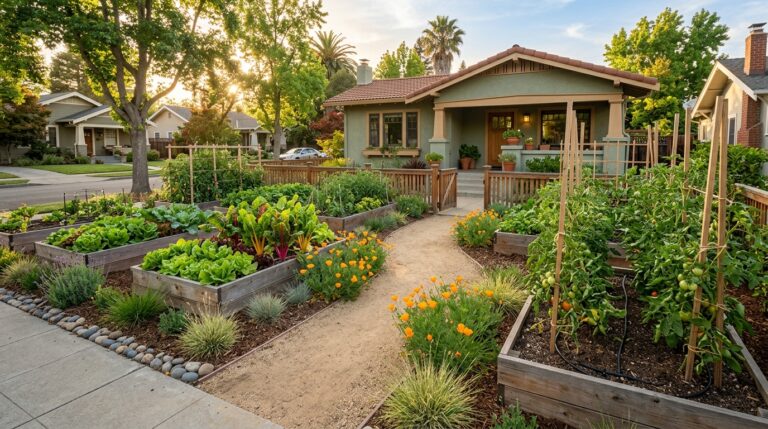
Absolutely. Millions of people grow significant food in suburban yards. A 20×20 foot garden bed produces a surprising amount of vegetables. Many suburbs allow backyard chickens (check your local ordinances, flock size limits and rooster bans are common). Container gardening works on patios and decks. Vertical gardening, intensive raised beds, and food forest principles can turn even a small suburban lot into a productive space. You won’t run cattle, but you can grow a meaningful portion of your food.
What’s the most common reason budget homesteaders fail?
Taking on too much too fast. Enthusiasm leads to overcommitment, too big a garden, too many animals, too many projects at once. Everything suffers when spread too thin. The garden gets weedy, the animals get neglected, projects sit half-finished, and burnout follows. Start with one thing, do it well, then add the next thing. A thriving small garden and six happy hens is worth infinitely more than a sprawling mess that exhausts you by July.