Korean Natural Farming (KNF) for Your Home Garden: A Beginner’s Guide
What Is Korean Natural Farming, and Why Is It Getting Attention?
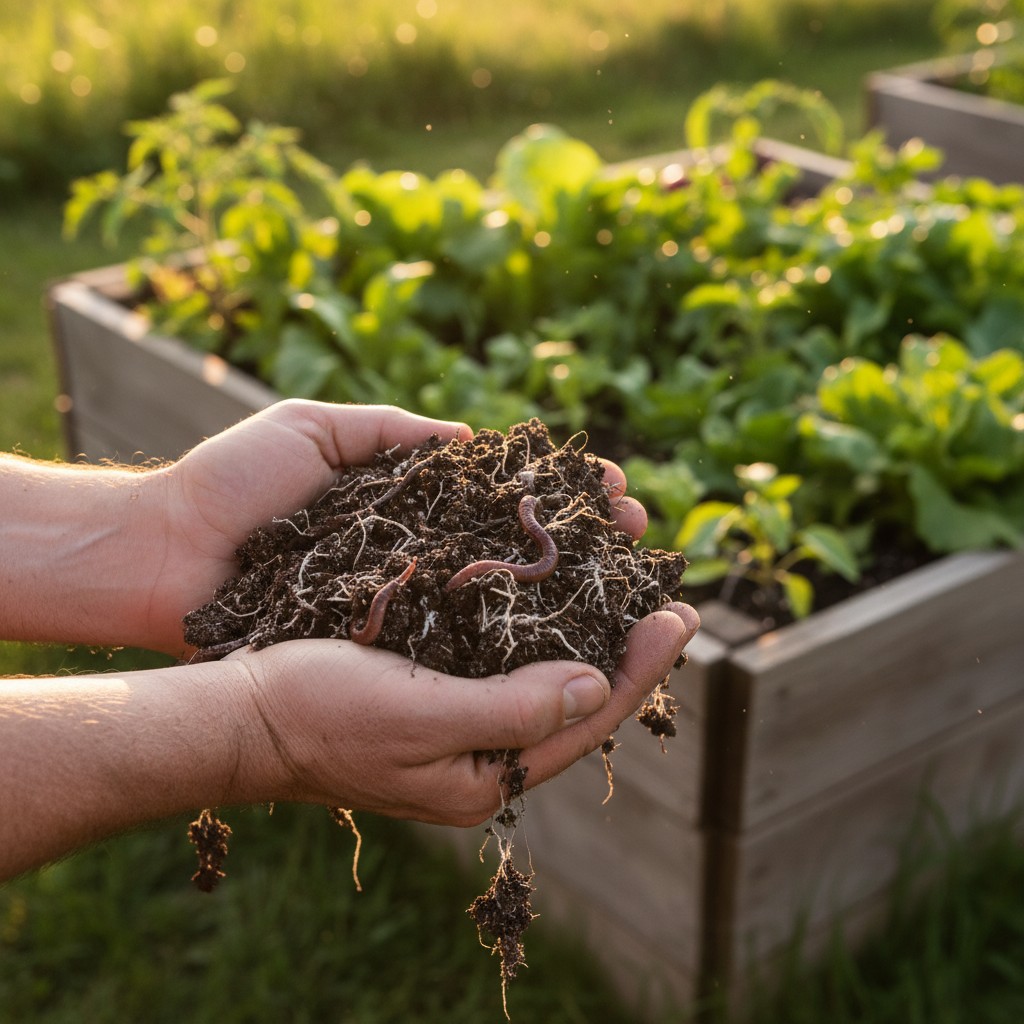
Korean Natural Farming, or KNF, is a self-sustaining agricultural system developed by Korean farmer and teacher Cho Han-kyu (also written Cho Han Kyu) in the 1960s and refined over the following decades. The core idea is deceptively simple: instead of purchasing external inputs, a farmer cultivates the indigenous microorganisms already living in their own soil, forest, or land, and feeds those organisms with fermented preparations made from local plants, fish, and dairy. The result is a living soil food web that does the heavy lifting, breaking down nutrients, suppressing disease, and delivering minerals to plant roots in bioavailable form.
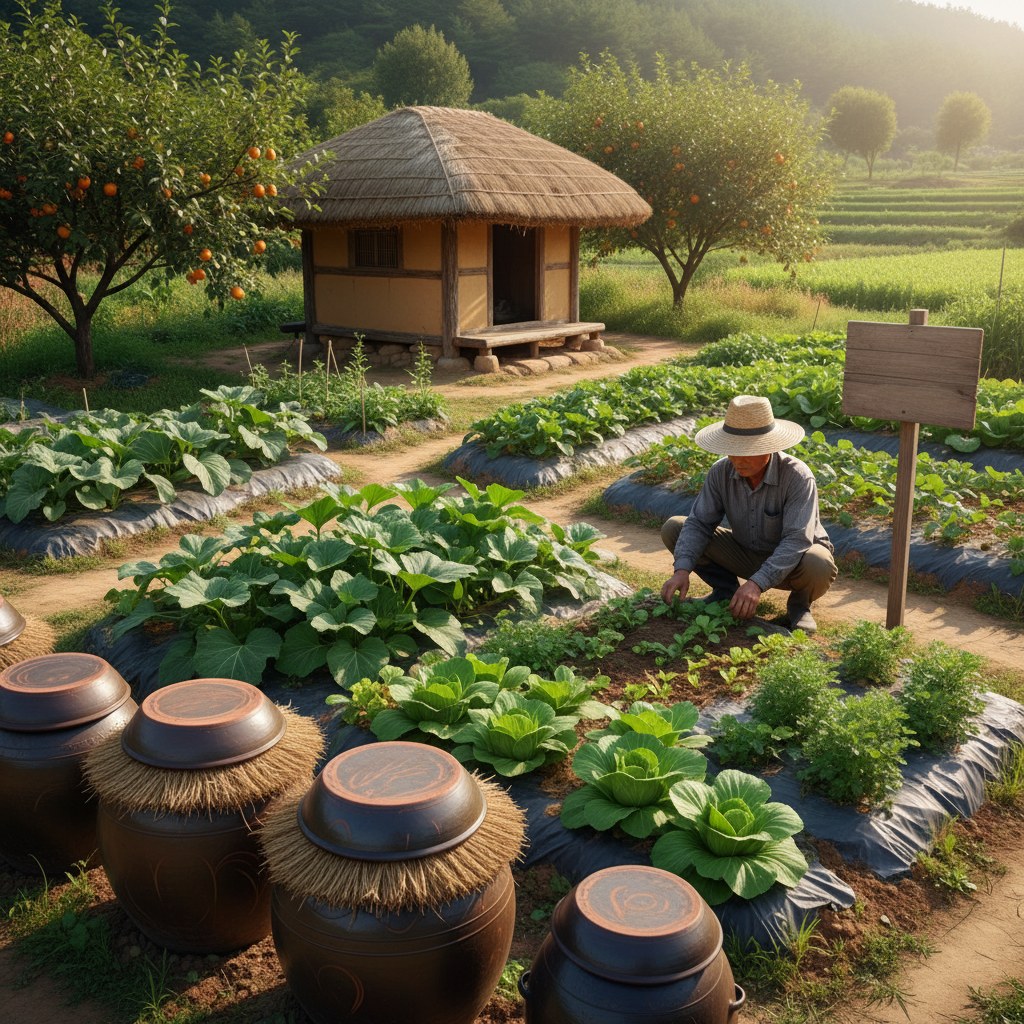
The University of Hawaii at Manoa’s College of Tropical Agriculture and Human Resources (CTAHR) has published extensive research and extension materials on KNF, recognizing its potential for small-scale and subsistence farming in tropical and subtropical climates. Their work helped translate Cho’s system for Western audiences, and their free technical notes remain among the most practical introductions available in English. Research from CTAHR demonstrates that KNF inputs can substitute for a significant portion of conventional fertilizer while improving soil biological activity, a compelling result for home gardeners who want to reduce costs and chemical inputs simultaneously.
KNF is not organic certification, and it is not a rigid recipe. It is a philosophy of working with local biology. Cho’s original texts (translated and distributed through the KNF Natural Farming Institute in Korea and its international affiliates) emphasize that the most powerful inputs are the ones made from materials found within a short walk of your garden. That locally-sourced specificity is one reason KNF practitioners in Hawaii, the American South, tropical Asia, and temperate Europe all report different but effective variations on the same core inputs.
For a home gardener, the entry point is low. You need a mason jar, rice, and a patch of healthy forest or undisturbed soil nearby. Everything else follows from that first capture of indigenous microorganisms.
Source: Cho Han-kyu, Natural Farming: Agriculture in Harmony with Nature’s Law (CGNF, 2010); CTAHR Cooperative Extension, University of Hawaii at Manoa, KNF Technical Notes Series (ctahr.hawaii.edu).
The Six Core KNF Inputs Explained
KNF uses a small family of fermented preparations, each targeting a different aspect of plant nutrition or soil health. Understanding what each one does, and when to use it, is the foundation of the whole system. You do not need all six to get started, but knowing the full toolkit helps you prioritize which to make first based on your garden’s current needs.
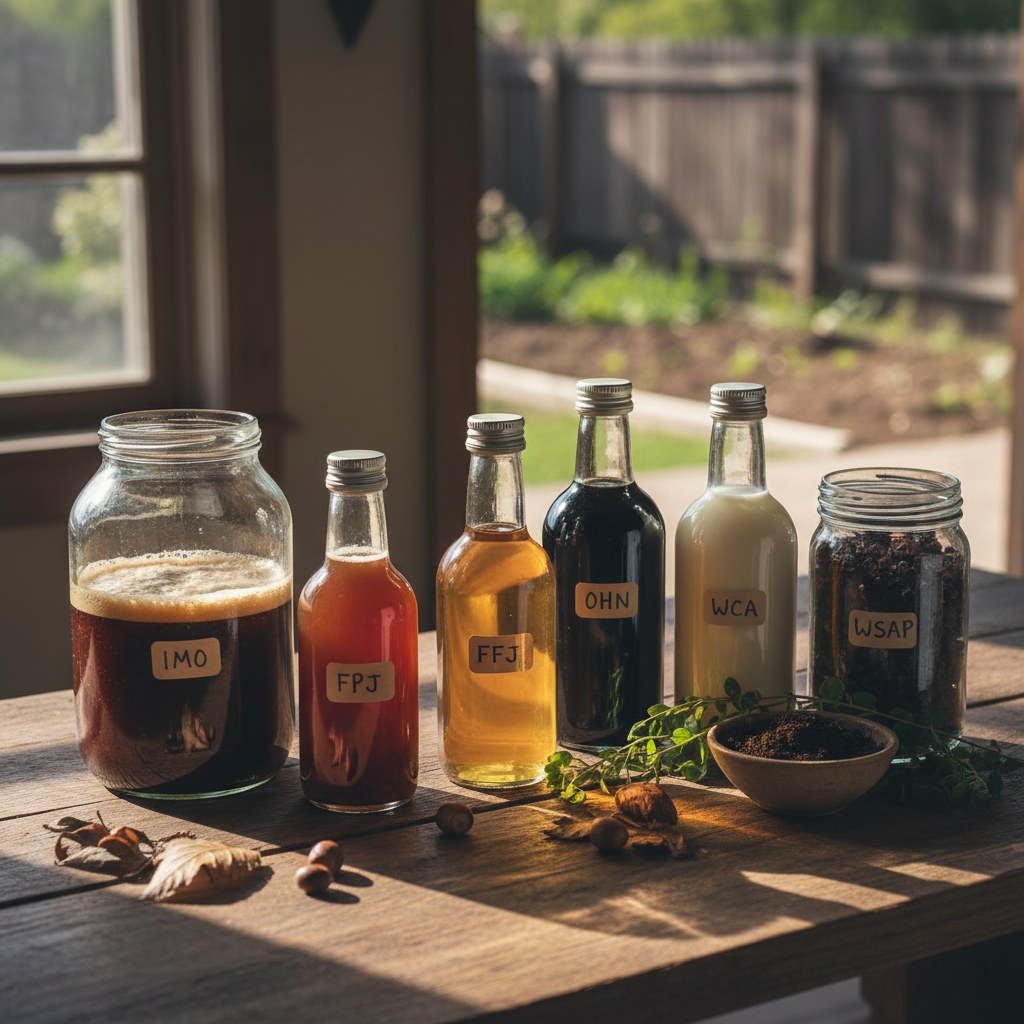
IMO (Indigenous Microorganisms): The flagship input. IMO is a culture of locally-collected fungi, bacteria, and other microbes that colonize your soil and compost, accelerating decomposition and nutrient cycling. It is collected from forest duff or your own healthy compost pile and multiplied through a series of rice, bran, and bokashi steps. IMO is the engine of KNF, most other inputs are made more effective when applied on a soil that is already rich in IMO activity.
FPJ (Fermented Plant Juice): Made from rapidly growing plant material, tips of weeds, young comfrey, nettle, or any vigorous vegetable. FPJ is rich in plant hormones, amino acids, and minerals. It stimulates vegetative growth and is typically applied during the early and mid stages of plant development. The fermentation is driven by brown sugar (or raw sugar), which extracts and preserves the plant’s cellular fluids through osmosis.
FAA (Fish Amino Acids): Fermented fish scraps broken down with brown sugar. FAA provides a slow-release, highly bioavailable source of nitrogen and amino acids. It is a close analogue to conventional fish emulsion, but the fermentation process makes the nutrients more accessible to soil microbes and plants. FAA is particularly useful during the vegetative growth stage and as a foliar feed.
OHN (Oriental Herbal Nutrient): A fermented extract of garlic, ginger, licorice root, cinnamon, and Angelica root, steeped in alcohol (or rice wine). OHN serves multiple roles: it stimulates plant immunity, enhances nutrient uptake, and has antimicrobial properties that can suppress fungal disease when applied as a foliar spray. It is made in small quantities because it is used at very high dilution (1:1000 or more).
BRV (Brown Rice Vinegar): A naturally fermented vinegar made from brown rice. BRV acidifies soil slightly, chelates minerals to make them more plant-available, and can be used as a foliar acidifier. It is especially useful in high-pH soils and as a component of diluted foliar sprays. Commercial brown rice vinegar is an acceptable substitute if you do not want to ferment your own.
LAB (Lactic Acid Bacteria): Cultured by washing rice, allowing the starchy water to ferment at room temperature, then adding milk and allowing it to separate into curds and whey. The whey is the LAB serum. LAB suppresses pathogenic microbes in soil and on leaf surfaces, reduces odor in compost and animal bedding, and improves fermentation quality in other KNF preparations. It is one of the cheapest and easiest inputs to make.
Source: CTAHR, Korean Natural Farming Indigenous Microorganisms (SA-1, 2013) and companion technical notes SA-2 through SA-6; Cho Han-kyu, Natural Farming lecture series, Janong Natural Farming Institute.
How to Make IMO: Step-by-Step for Beginners
IMO collection and multiplication is a four-stage process. Each stage takes a few days to a week. The entire sequence from first capture to garden-ready amendment takes roughly two to four weeks, depending on temperature. Warmer conditions accelerate every stage. The process is forgiving, if a batch smells wrong or shows unwanted mold colors, start that stage again.
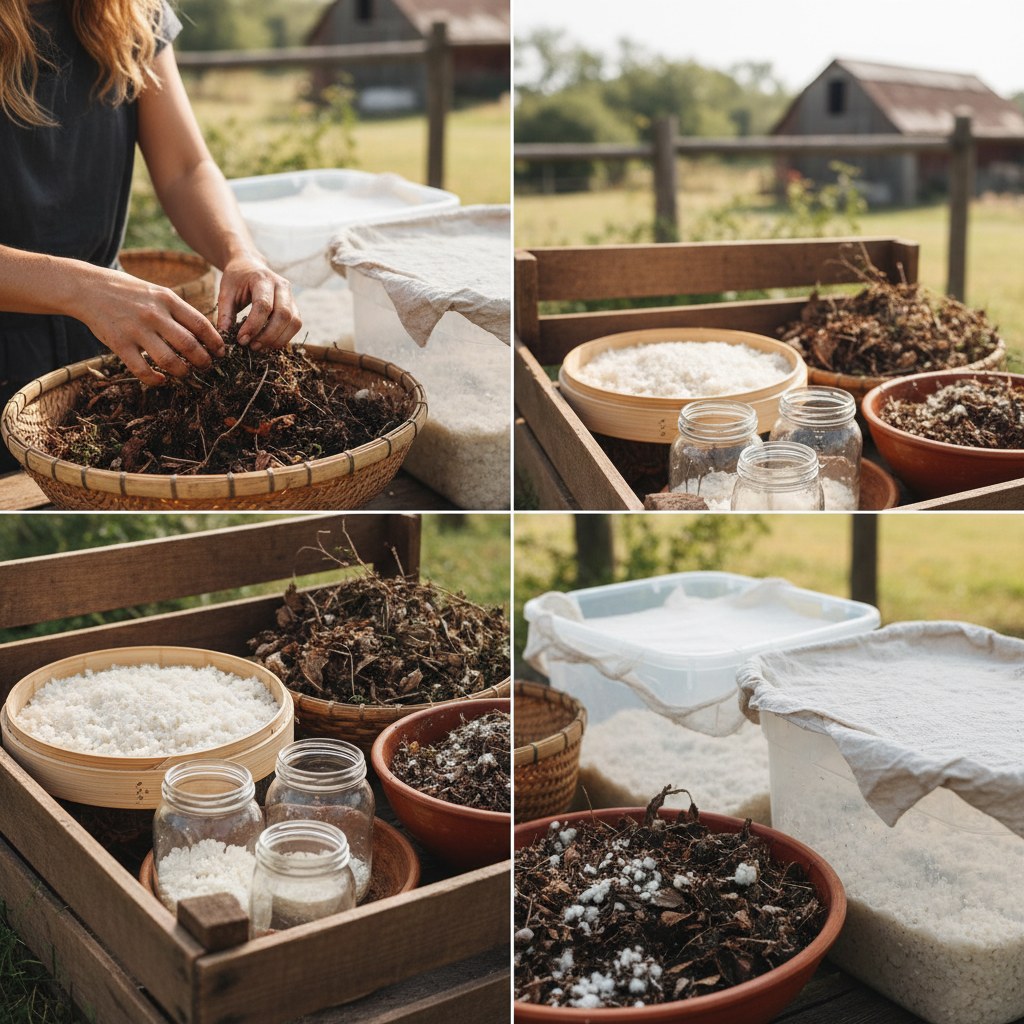
IMO-1: Capture. Cook a batch of white or brown rice and pack it loosely into a wooden box or a container with good airflow (a box lined with paper works well). Do not use metal containers. Bring the box to a spot under old-growth trees or in mature forest where you can see healthy white mycelium threads in the leaf litter. Bury the box partially under the leaf duff, cover it with a breathable cloth, and leave it for 3 to 7 days. You want white, cottony growth covering the rice, that is your native fungal and bacterial community. Avoid pink, black, or orange mold, which signals contamination; discard and retry in a different spot.
IMO-2: Preserve. Weigh your captured rice and mix it with an equal weight of brown sugar in a clean jar. The sugar draws out moisture and preserves the microbial community in a dormant, shelf-stable form. Stir well, cover loosely (not airtight, gases need to escape), and store at room temperature for at least a week. This is IMO-2. Stored in a cool, dark place, it lasts for months.
IMO-3: Multiply. When you are ready to use your IMO, it is time to grow the population. Mix a small amount of IMO-2 (about 1 part) with rice bran or wheat bran (about 100 parts) and enough water to bring the mixture to approximately 60–65% moisture, it should clump when squeezed but not drip. You can also add a portion of good garden soil or finished compost. Pile the mixture in a shaded outdoor spot, cover with burlap or straw to maintain temperature, and allow it to heat up for 3–7 days. The pile should reach 104–131°F (40–55°C) and develop a white mycelial net throughout. This is IMO-3.
IMO-4: Soil integration. Combine IMO-3 with soil and organic matter (compost, leaf mold, wood chips) in roughly equal parts, pile it, cover, and allow a second heating and cooling cycle. By this stage the microbial population is enormously diverse and active. This finished amendment is applied to garden beds at rates of 200–500 grams per square meter, broadcast and lightly incorporated before planting. Many growers apply IMO-4 with every crop cycle.
If you are already composting kitchen scraps, you can use mature compost as the base material for IMO-3 and IMO-4, shortening the process and ensuring a rich starting microbial community.
Source: CTAHR, KNF Indigenous Microorganisms (SA-1, 2013); Jennifer Hashimoto and Ted Radovich, University of Hawaii CTAHR extension notes on IMO preparation.
How to Make Fermented Plant Juice (FPJ)
FPJ is among the most versatile and frequently used KNF inputs, and it is also one of the simplest to make. The trick is using the right plant material at the right growth stage and following the fermentation process precisely. The result is a rich, amber or dark-colored liquid that smells earthy and slightly sweet, not unpleasant.

Choose your plant material. Use the most vigorously growing part of a healthy plant, tips of comfrey, nettle, borage, horsetail, or fast-growing weeds like chickweed or lambsquarters are all good choices. Harvest in the morning after the dew has dried but before the heat of the day. The plant should be in active vegetative growth, not flowering or setting seed. Different plants provide different nutrient profiles: comfrey is high in potassium and calcium, nettle in nitrogen and iron, horsetail in silica.
Weigh and sugar. Weigh your plant material and mix it with an equal weight of brown sugar (1:1 ratio by weight). Work quickly: the goal is to coat every surface with sugar before oxidation sets in. Some practitioners chop the material; others leave it whole. Pack the sugared material into a clean glass jar, pressing it down firmly. Top with a thin additional layer of brown sugar, cover the jar mouth with cloth or paper (not a lid, gas needs to escape), and secure with a rubber band.
Ferment. Store the jar at room temperature, away from direct sunlight, for 5–7 days in warm weather (65–80°F / 18–27°C). Stir or press the mixture once daily. You will see liquid forming within 24–48 hours as the sugar draws moisture from the plant tissue through osmosis. After fermentation, strain out the solids through cheesecloth, squeezing well. The resulting liquid is your FPJ. Store it in a sealed jar in the refrigerator or a cool, dark place for up to a year.
Apply. Dilute FPJ at 1:500 to 1:1000 in water for foliar application, or at 1:500 for soil drench. Apply early in the morning or in the evening to avoid leaf burn. FPJ is best used during active vegetative growth, from seedling stage through mid-season. Frequency of application varies, but once or twice per week during peak growth is typical for intensive vegetable production.
Source: CTAHR, KNF Fermented Plant Juice (SA-3, 2013); Chris Trump, Korean Natural Farming for Crop Production, CTAHR extension workshop notes, Honolulu, 2015.
How to Apply KNF Inputs in a Home Garden
Applying KNF inputs effectively requires matching the right input to the right growth stage. Among the most common beginner mistakes is applying everything at once, or applying inputs indiscriminately. KNF has a specific logic about what plants need at each stage of their life cycle, and following that logic produces better results than random or undifferentiated application.
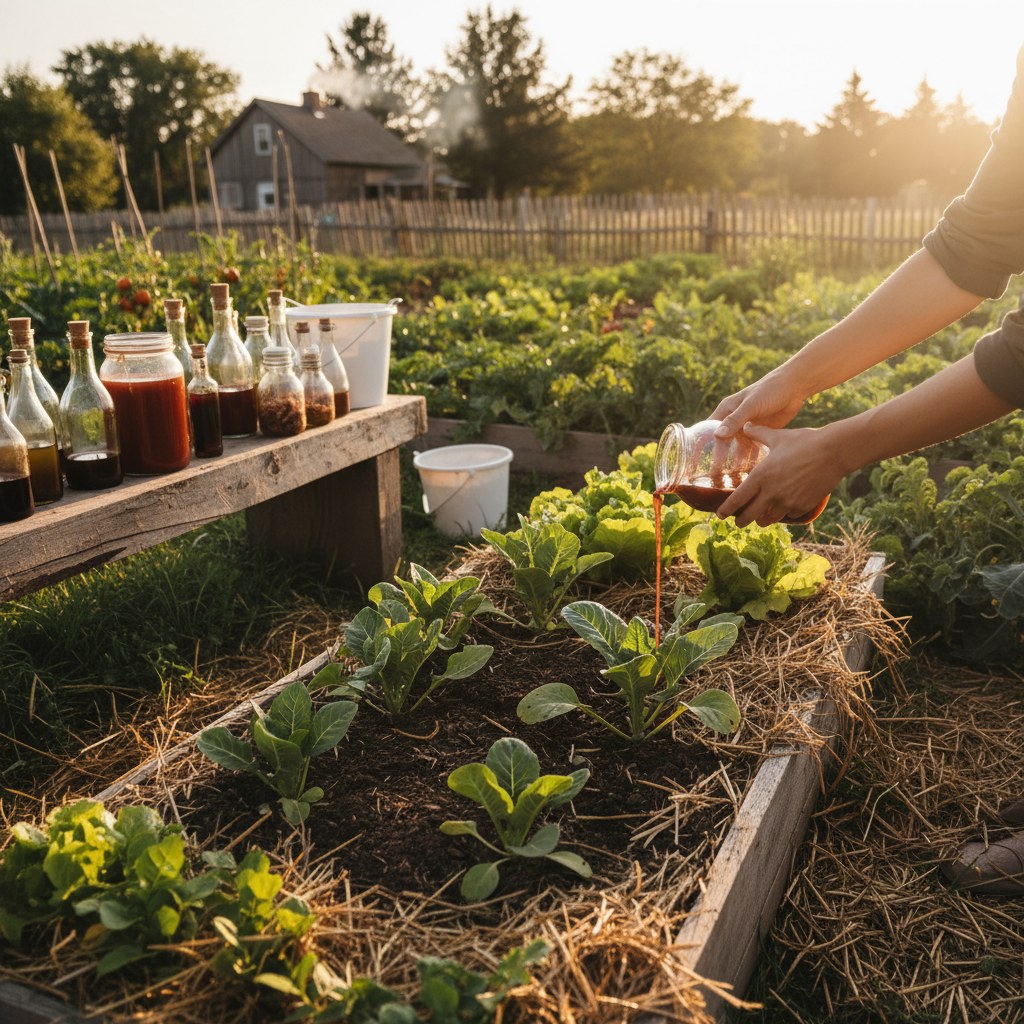
Before planting: Apply IMO-4 to your bed at 200–400 grams per square meter, rake lightly, and water in. If you have LAB serum, drench the bed at 1:500 dilution to establish beneficial bacteria. Allow a week before planting if possible, though immediate planting is fine in warm conditions.
Seedling and vegetative stage (weeks 1–4): Apply FPJ as a foliar spray at 1:500 twice per week. FAA can be added to the spray at 1:500 for nitrogen support, especially for heavy feeders like brassicas, squash, and corn. OHN at 1:1000 can be mixed into the same spray to support plant immunity. Water the bed with a LAB soil drench (1:500) every one to two weeks to maintain microbial populations.
Flowering and fruiting stage (weeks 5–8+): Shift to inputs that support reproductive growth. CTAHR extension notes suggest reducing FPJ (which favors leaf growth) and increasing inputs like water-soluble calcium (WSC, another KNF preparation made from eggshells and BRV) to support cell wall development and fruit set. FAA continues to be beneficial as a soil drench rather than foliar at this stage.
Mixing and dilution. Most KNF inputs are applied in the range of 1:500 to 1:1000 dilution in non-chlorinated water. If your tap water is chlorinated, let it sit overnight or use rainwater. KNF inputs are living or biologically active preparations, chlorine will damage them. A 5-gallon watering can at 1:500 dilution requires only about 1.5 teaspoons of the fermented input. The quantities involved are extremely small.
This approach to soil building pairs naturally with no-till gardening methods, preserving the fungal networks and soil structure that IMO and other KNF inputs help create. Tillage disrupts the mycelial mats that develop with consistent KNF use, so minimizing soil disturbance amplifies the long-term benefits.
Source: CTAHR, Natural Farming: Practical Application workshop materials (2014); Cho Han-kyu, Natural Farming (CGNF, 2010), Chapter 6: Crop Management.
KNF vs. Conventional Fertilizers: What’s the Real Difference?
Conventional fertilizers deliver nutrients in synthetic, immediately available forms. NPK ratios formulated for fast plant uptake. They work quickly and predictably, which is why they dominate commercial agriculture. But they come with trade-offs: salt accumulation in soil over time, disruption of microbial communities, dependency on continued application, and, at scale, significant environmental runoff. KNF does not reject the idea of feeding plants; it simply changes who does the feeding, and how.
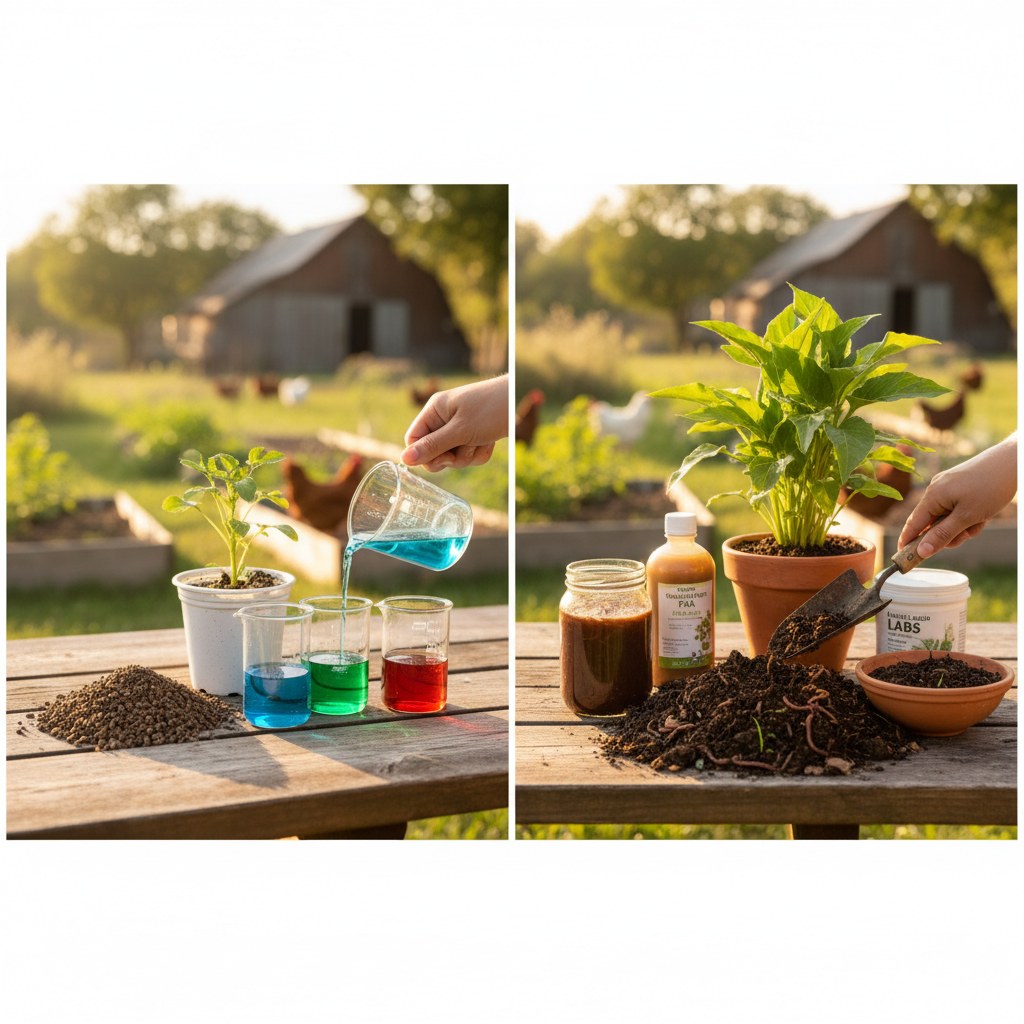
In a KNF system, the feeding happens largely through the soil food web. IMO-enriched soil contains billions of bacteria, fungi, nematodes, and protozoa that break down organic matter and cycle minerals continuously. FPJ and FAA provide amino acids and hormones that plants can absorb directly through their leaves and roots, bypassing the need for soil microbes to first convert raw minerals. This is an important distinction: KNF is not purely about slow-release nutrition. Some inputs, especially foliar-applied FPJ and OHN, act rapidly, plants respond visibly within days.
Cost comparison strongly favors KNF for home gardeners. A batch of FPJ made from garden weeds costs pennies beyond your time. IMO costs primarily in rice and bran. FAA requires fish scraps that would otherwise go to waste. The total annual input budget for a serious KNF home gardener can be under $20, compared to $80–$200 or more for equivalent conventional fertilizer and soil amendment programs for a 400-square-foot garden.
The honest trade-off: KNF requires time and attention upfront. Making inputs, learning fermentation cues, and understanding your soil’s needs takes a season or two to internalize. Conventional fertilizers require no such learning curve. If you want reliable, fast results with minimal effort in year one, conventional fertilizers win on simplicity. If you are thinking across five or ten growing seasons, the investment in KNF knowledge compounds dramatically.
Source: Radovich, T.J.K. And Arancon, N.Q. (eds.), Natural Farming: A Practical Guide, CTAHR, University of Hawaii at Manoa (2011); Cho Han-kyu, Natural Farming (CGNF, 2010).
Common Mistakes Beginners Make with KNF
KNF is forgiving once you understand its principles, but a few consistent beginner errors can produce discouraging early results. Knowing these in advance saves a full season of confusion.
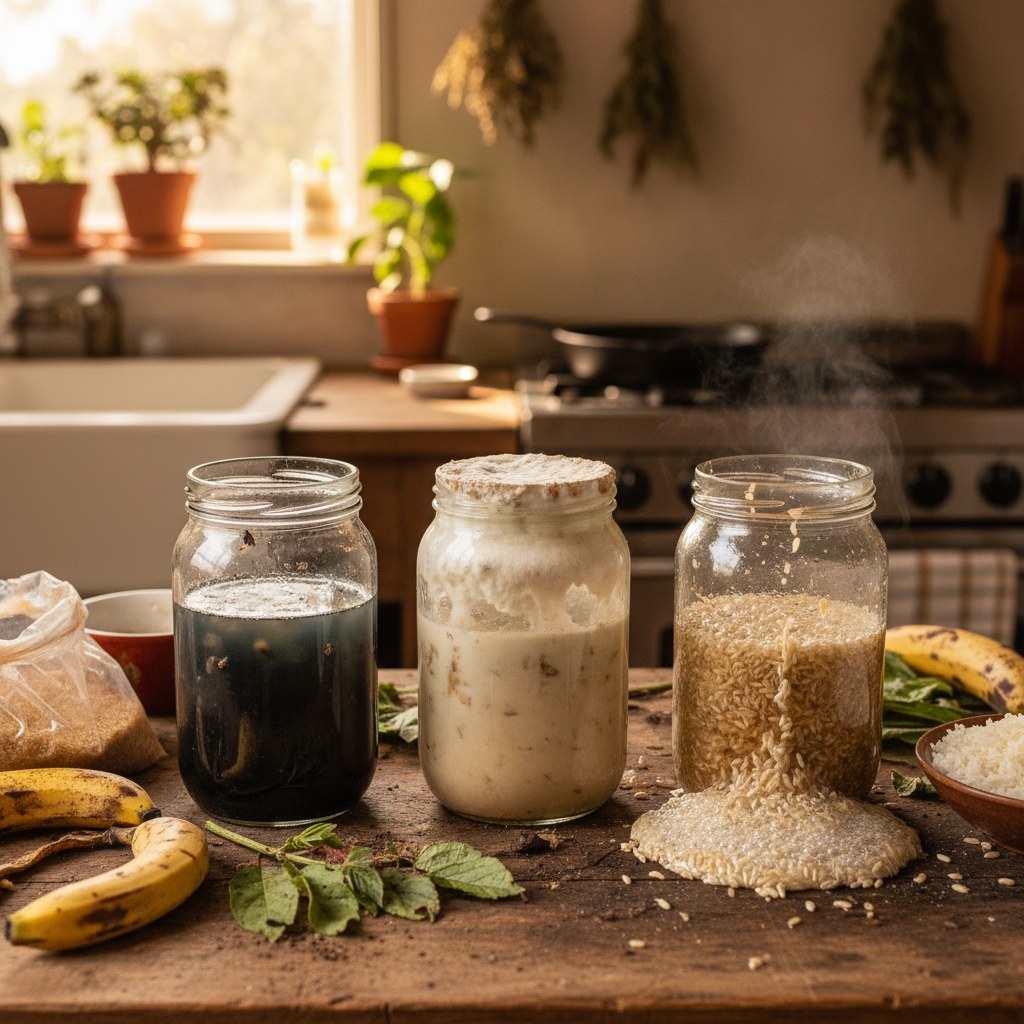
Using chlorinated water. This is the most common and most damaging mistake. City tap water treated with chlorine or chloramine will kill or seriously inhibit the microbial cultures you are trying to apply. Always use rainwater, well water, or let tap water sit uncovered for 24 hours before mixing KNF preparations. This single change often explains why a first-season gardener sees no results.
Over-applying inputs. More is not better in KNF. Because inputs are biologically active, excessive application can cause problems: foliar burn from undiluted FPJ, anaerobic soil conditions from too-frequent heavy soil drenches, or nutrient imbalance from applying FAA too heavily during fruiting. Follow dilution guidelines, and start on the lower end of recommended application rates while you learn how your specific plants and soil respond.
Skipping the IMO step. Many beginners start with FPJ because it is glamorous and immediately visible as a result on leaves. But IMO is the foundation. Without a healthy and diverse microbial community in your soil, the other KNF inputs are far less effective, the bacteria and fungi that translate organic inputs into plant-available nutrition are simply not present in adequate numbers in typical depleted garden soil. Make IMO first, or at least concurrently with FPJ.
Contaminated IMO collection. IMO-1 collected from urban soil, recently disturbed ground, or near pesticide-treated areas will contain fewer beneficial organisms and potentially harmful ones. Always collect from the most biologically rich spot you can find, old-growth forest duff is ideal; a suburban lawn is not. If you do not have access to forest, a neighbor’s old compost pile or the base of a mature fruit tree can serve as a good capture site.
Giving up after one season. KNF builds soil biology over years, not weeks. The first season applying IMO typically shows modest results because you are starting from a depleted baseline. By the second and third seasons, growers consistently report dramatic improvements in plant vigor, resistance to pest pressure, and soil structure. The compounding effect is real, but it requires commitment across multiple seasons to fully materialize.
Source: CTAHR field notes; Cho Han-kyu, Natural Farming (CGNF, 2010), Chapter 9: Troubleshooting; practitioner interviews, Janong Natural Farming Institute international training program.
Realistic Expectations: What KNF Can and Cannot Do
Korean Natural Farming has enthusiastic advocates who sometimes oversell its capabilities, and skeptics who dismiss it as folk practice without scientific grounding. The honest picture lies between those positions, and setting realistic expectations will help you stay committed through the learning curve.
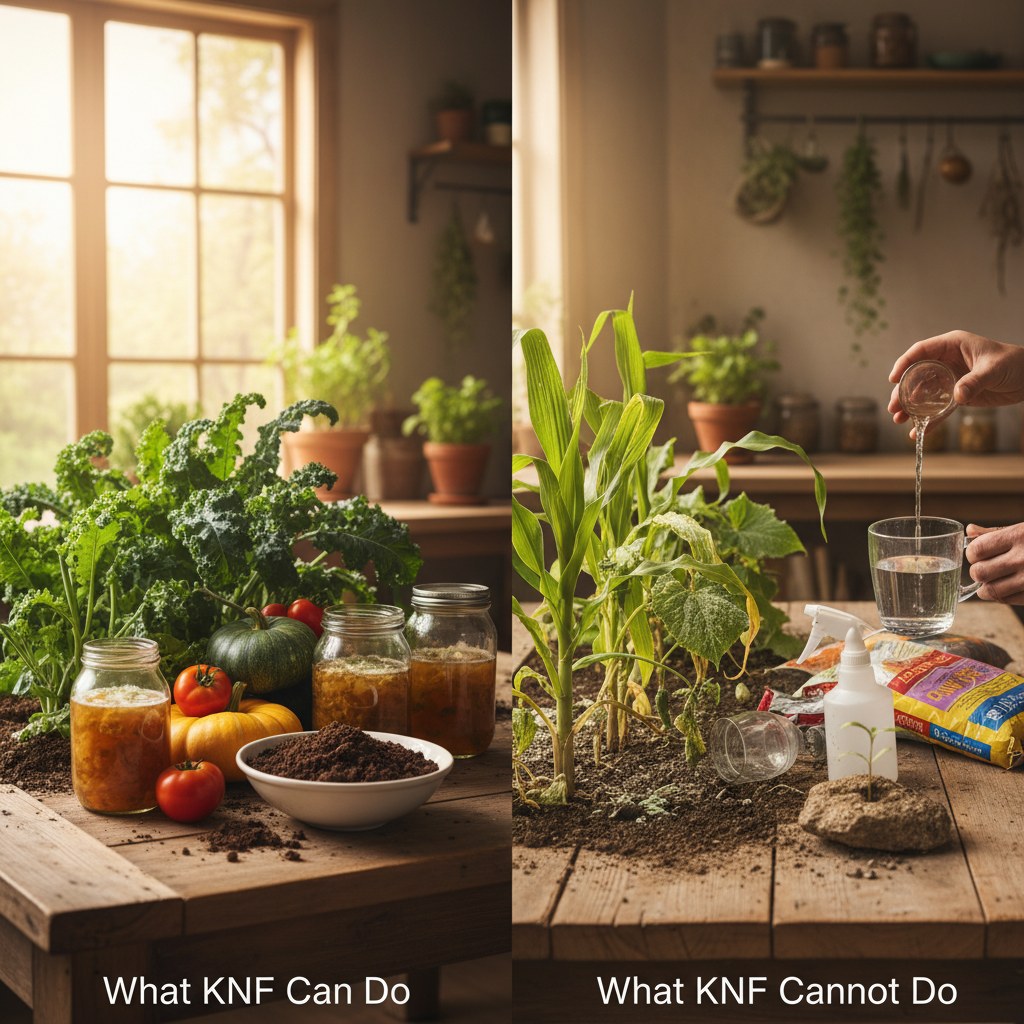
What KNF consistently delivers: Measurable improvement in soil organic matter and biological activity over 2–3 seasons. Reduction in synthetic fertilizer requirements, often by 30–60% in the second season and more thereafter. Improved plant resilience against moderate pest and disease pressure. Reduced input costs. A more closed-loop garden system that generates fewer waste streams. CTAHR research on taro, ginger, and vegetable crops in Hawaii demonstrated yield parity with conventional systems by the second crop cycle after KNF adoption, with lower input costs, a result that has been replicated informally by home gardeners in temperate zones as well.
What KNF will not do: Rescue a severely nutrient-depleted plot in a single season. Replace targeted interventions for serious pest infestations. Substitute for adequate water, sunlight, or proper crop selection for your climate. Produce results in soil that has been recently treated with broad-spectrum pesticides, fumigants, or high-salt synthetic fertilizers, those environments need time to recover before KNF inputs can be effective.
A practical starting point: Begin with one input, either IMO or FPJ, on a single bed. Document your results. Add a second input (LAB is a logical second choice for its versatility and ease of preparation) in the second or third month. By end of season, evaluate what you observed and scale accordingly. KNF rewards systematic, patient observation more than any other approach to soil management.
Source: Radovich and Arancon, Natural Farming: A Practical Guide, CTAHR (2011); personal accounts from Janong NF International Training Center graduates; CTAHR taro and vegetable trial data (2012–2014).
Frequently Asked Questions About KNF
Can I use KNF in containers or raised beds, not just in-ground gardens?
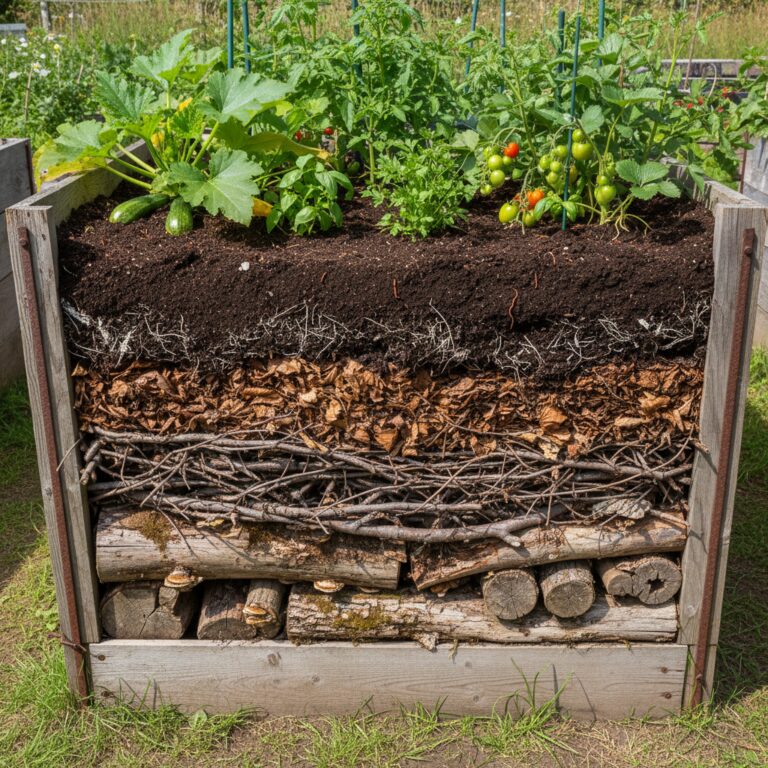
Yes. KNF works well in containers and raised beds, though you will likely need to apply inputs more frequently since these systems have smaller soil volumes and dry out faster. LAB serum and FPJ are particularly well-suited to container use because they are applied in diluted liquid form. IMO-4 can be incorporated into container soil mix at the same rate used for in-ground beds (200–400 grams per square meter equivalent, adjusted for volume). The key limitation is that container soil has less buffer capacity, so err on the lower end of application rates until you observe how your plants respond.
Is KNF the same as bokashi or biodynamic farming?
They are related but distinct systems. Bokashi is a fermentation technique for kitchen waste that shares some conceptual overlap with KNF (specifically LAB and fermentation principles), and bokashi is sometimes used as a component of KNF soil-building. Biodynamic farming is a separate system rooted in Rudolf Steiner’s philosophy, using lunar calendars and specific herbal preparations. KNF has Korean agricultural roots, a more pragmatic and empirical character, and does not incorporate spiritual or calendrical elements. All three value living soil and fermentation, but they are not interchangeable.
Where do I get the materials to make OHN?
OHN requires garlic, ginger, licorice root, cinnamon, and Angelica root (also called Dong Quai). Garlic, ginger, and cinnamon are available at any grocery store. Licorice root and Angelica root are sold dried at natural food stores, Asian grocery stores, or online. The alcohol base can be soju, rice wine (makgeolli), or even cheap vodka, the point is a base that will extract the bioactive compounds from the herbs. OHN is made in small batches (a quart or less) because it is used at extreme dilution, so the raw material cost is low.
How long do fermented KNF inputs last?
Most KNF inputs are shelf-stable for six months to a year or more when stored correctly. FPJ, FAA, and LAB serum should be kept in a cool, dark place in sealed containers (burp them occasionally during active fermentation). OHN, because of its alcohol base, can last several years. IMO-2 (sugar-preserved) is also very long-lived, a year or more at room temperature in a sealed container. Properly made and stored KNF inputs do not smell rotten; they smell fermented, earthy, or vinegary. If an input smells putrid, it has likely been contaminated and should be discarded.
Is KNF safe for edible crops, children, and pets?
Yes, when used as directed. KNF inputs are made from food-grade materials, rice, sugar, plants, fish scraps, and dairy, fermented under controlled conditions. They are not toxic to humans, children, or pets at the dilutions used in garden application. OHN contains alcohol but is applied at 1:1000 or greater dilution, leaving negligible residue. FAA made from fish can attract wildlife if spilled undiluted, so proper dilution and irrigation after soil application is good practice. As with any soil amendment, wash produce before eating, standard food safety advice that applies equally to organic, conventional, and KNF systems.
Sources: Cho Han-kyu, Natural Farming: Agriculture in Harmony with Nature’s Law (CGNF, 2010). CTAHR Cooperative Extension, University of Hawaii at Manoa: SA-1 through SA-6 KNF Technical Notes (2013–2014). Radovich, T.J.K. And Arancon, N.Q., eds., Natural Farming: A Practical Guide (CTAHR, 2011). Available at ctahr.hawaii.edu.