Container Gardening on Your Patio: How to Grow Fresh Food in Any Space
🌱 TL;DR — Key Takeaways
- Use containers that hold at least 5 gallons of soil for most vegetables
- Always use potting mix (never garden soil) and ensure drainage holes in every container
- Containers dry out fast — expect to water daily in summer
- Herbs, salad greens, cherry tomatoes, and peppers are the best beginner container crops
- Feed container plants every 2 weeks with diluted liquid organic fertilizer
You do not need a big backyard to grow your own food. A sunny patio, balcony, or front stoop can become a productive garden with the right containers and a little know-how. I started my very first garden in containers on a tiny apartment balcony, and I was amazed at how much food a few pots could produce. Container gardening is flexible, portable, and lets anyone grow fresh food no matter how small their space.
How Do You Choose the Right Containers?
Bigger is almost always better — more soil means more root room, better moisture retention, and more forgiving growing conditions. For most vegetables, aim for containers that hold at least 5 gallons of soil. Herbs can get by in smaller pots (1 to 3 gallons). According to University of Minnesota Extension, container size is the single biggest factor in container garden success.
Great container options: Fabric grow bags (excellent drainage and air pruning), large plastic nursery pots, glazed ceramic planters, repurposed 5-gallon buckets (drill drainage holes), galvanized tubs, and wooden half-barrels.
Always ensure drainage. Every container needs holes in the bottom. Without drainage, roots sit in water, rot sets in, and your plants die. No exceptions.
What Is the Best Soil for Containers?
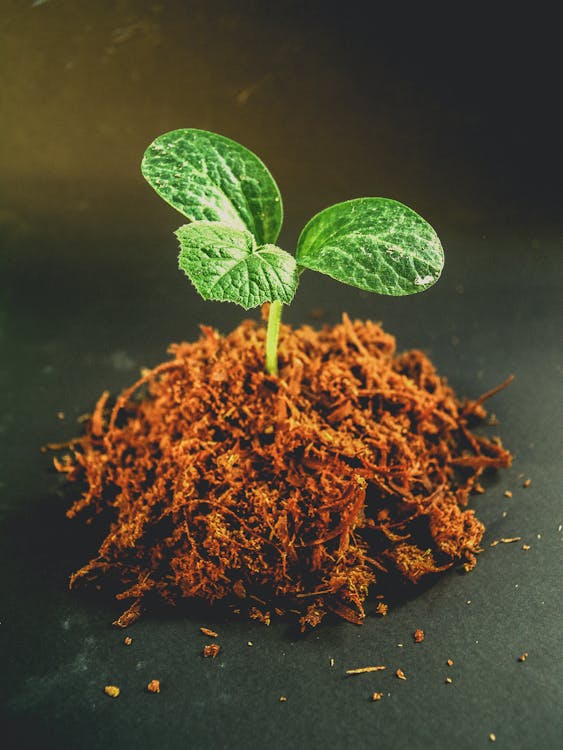
Use a quality potting mix — never garden soil, which compacts and drains poorly in pots. A good mix should feel light and fluffy, with ingredients like peat moss or coco coir, perlite, and vermiculite. For extra nutrition, mix in slow-release organic fertilizer or worm castings at planting time.
What Grows Best in Containers?
Herbs, salad greens, cherry tomatoes, and peppers are the top performers in container gardens. Here is what I have had the best luck with over the years:
| Crop | Container Size | Sun Needed | Key Tips |
|---|---|---|---|
| Herbs (basil, mint, thyme) | 1–3 gallons | 6+ hours | Great beginner choice; harvest often to promote bushy growth |
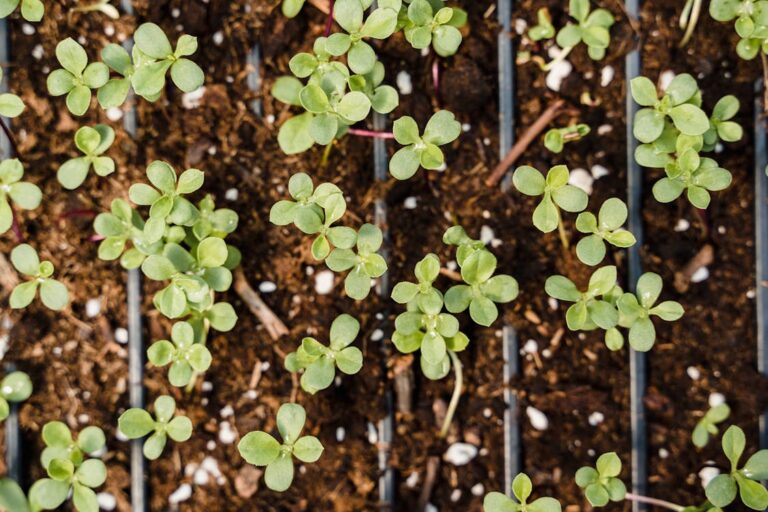
| Salad greens | 3–5 gallons | 4–6 hours | Tolerate partial shade; harvest outer leaves for continuous picking |
| Cherry tomatoes | 5+ gallons | 8+ hours | Choose determinate or patio varieties like Patio Princess or Tumbling Tom |
| Peppers | 5 gallons | 6–8 hours | Love heat; a sunny patio is ideal |
| Root vegetables | 12”+ deep | 6+ hours | Choose shorter carrot varieties like Thumbelina or Danvers |
| Strawberries | 3–5 gallons | 6+ hours | Trailing varieties look beautiful in hanging baskets |
How Often Should You Water Container Plants?
Containers dry out much faster than garden beds — during hot summer weather you may need to water daily or even twice a day. Stick your finger an inch into the soil: if it is dry, water thoroughly until it runs out the drainage holes. Mulching the top of your containers with straw or pebbles helps retain moisture. Self-watering containers with built-in reservoirs are a game-changer if you tend to forget or travel often. Consider collecting rainwater to keep your container garden watered for free.
How Do You Feed Container Plants?
Because containers have limited soil volume, nutrients get used up fast — feed every two weeks with diluted liquid organic fertilizer. Fish emulsion, seaweed extract, or compost tea all work well. The Royal Horticultural Society recommends starting regular feeding about 6 weeks after planting.
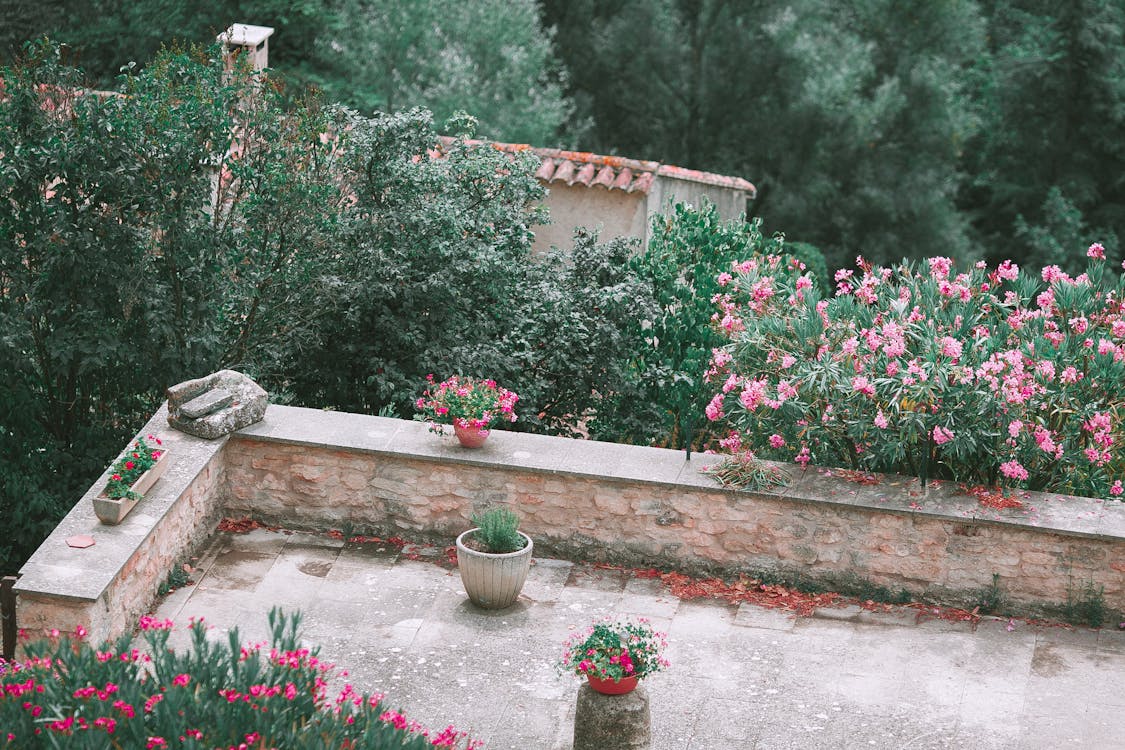
Design Tips for a Beautiful Patio Garden
- Use varying heights. Tall plants in back, medium in middle, trailing herbs or strawberries up front
- Mix edibles with ornamentals. Red lettuce next to trailing nasturtiums looks gorgeous and is entirely edible
- Group pots together to create a humidity-boosting microclimate
- Add vertical growing with a trellis for climbing beans, cucumbers, or peas
Container gardening proves you do not need land to be a gardener. Start with a few pots of herbs this weekend and see where it takes you. You might be surprised how much food a patio can produce — the National Gardening Association estimates a 4-by-4 container garden can yield over $600 of produce in a single season.
Frequently Asked Questions
Can you grow vegetables in 5-gallon buckets?
Absolutely! Drill 4–6 drainage holes in the bottom, fill with potting mix, and you have a perfect container for tomatoes, peppers, or herbs. Food-grade buckets are safest.
How often should I water containers in summer?
Most containers need water daily in hot weather, sometimes twice. Check by inserting a finger an inch into the soil — if dry, water thoroughly until it drains out the bottom.
Do container plants need fertilizer?
Yes. Nutrients wash out with each watering. Feed every 2 weeks with diluted liquid organic fertilizer starting about 6 weeks after planting.
Can I grow tomatoes on a balcony?
Yes — choose compact determinate varieties like Patio Princess or Tumbling Tom in a 5+ gallon container with at least 6–8 hours of direct sun.
What is the easiest vegetable to grow in a container?
Lettuce and herbs like basil are the easiest. They grow quickly, need minimal space, and are very forgiving for beginners.