Growing Tomatoes Like a Pro: From Seed to Sauce
- Plant deep — bury 2/3 of the stem for a stronger root system
- Tomatoes need 8+ hours of sun, 1–2 inches of water weekly, and support
- Remove suckers on indeterminate varieties for bigger, better fruit
- A single well-tended plant can produce 10–15 lbs of tomatoes
- Mulch heavily and water consistently to prevent blossom end rot
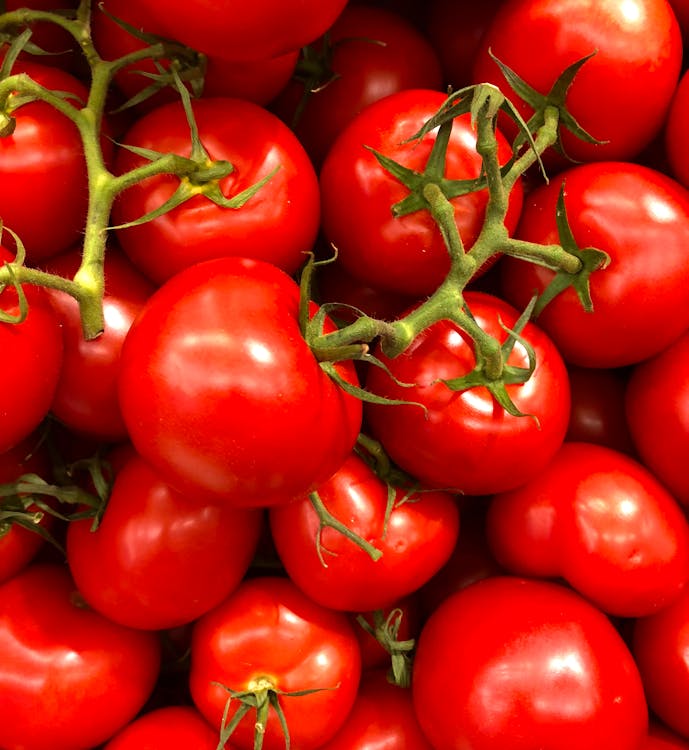
Tomatoes are the reason most people start a garden. There is nothing — absolutely nothing — that tastes like a sun-warmed tomato picked straight off the vine. Store-bought tomatoes do not even come close. Growing great tomatoes is not difficult, but there are a few key things that separate a bumper crop from a disappointing one.
After growing tomatoes for many seasons, I have learned that the biggest game-changers are planting depth, consistent watering, and not being afraid to prune. Get those three right, and you will be drowning in tomatoes by August.
How Do You Choose the Right Tomato Varieties?
Grow a mix of determinate types (for canning) and indeterminate types (for all-season eating) to get the best of both worlds. Determinate tomatoes grow to a set size, produce all their fruit at once, and are great for canning. Varieties like Roma, San Marzano, and Celebrity fall into this category. Indeterminate tomatoes keep growing and producing all season until frost kills them — Cherokee Purple, Brandywine, Sun Gold, and most cherry tomatoes are indeterminate. The University of Minnesota Extension has excellent variety guides by climate zone.
Why Should You Plant Tomatoes Deep?
Burying 2/3 of the stem produces a much stronger root system because every buried node sprouts new roots. Strip the lower leaves and bury two-thirds of the stem. Some gardeners even dig a trench and lay the stem sideways with just the top few inches poking out. It looks weird, but it works beautifully. I have done both methods and the trench technique is especially helpful in areas with shallow topsoil.
What Are the Three Essentials for Tomato Success?
Eight or more hours of direct sun, 1–2 inches of water weekly at the base, and sturdy support are non-negotiable. Sun: Tomatoes need at least 8 hours of direct sunlight. More is better. Water: Deep, consistent watering is critical. Aim for 1 to 2 inches per week. Inconsistent watering causes blossom end rot and cracking. Water at the base, not the leaves. Support: Cage, stake, or trellis your tomatoes. Left unsupported, they sprawl on the ground, inviting disease and pests. Companion planting with basil nearby helps too.
Should You Prune Tomato Suckers?
Yes for indeterminate varieties — removing suckers directs energy into fewer, larger fruits and improves air circulation. Suckers are the small shoots that grow in the V between the main stem and a branch. Pinch them off when they are small. Leave suckers on determinate varieties — they need all their branches to produce their full crop. Research from University of Wisconsin Extension confirms that pruning indeterminate varieties improves fruit size and reduces disease.
What Are the Most Common Tomato Problems?
Most tomato problems come down to inconsistent watering and poor air circulation. Here are the big ones and how to fix them:
- Blossom end rot: A black, leathery spot on the bottom of the fruit. Caused by inconsistent watering and calcium deficiency. Mulch heavily and water consistently.
- Cracking: Heavy rain after a dry spell causes fruit to swell and split. Consistent watering and mulch help prevent this.
- Hornworms: Large green caterpillars that can strip a plant overnight. Hand-pick them or plant dill and basil nearby to deter them. See our natural pest control guide for more strategies.
- Blight: Brown spots on leaves that spread quickly. Remove affected leaves immediately, improve air circulation, and avoid watering from above.
| Type | Varieties | Growth Habit | Best Use | Yield per Plant |
|---|---|---|---|---|
| Determinate | Roma, San Marzano, Celebrity | Compact, fruit all at once | Canning, sauce | 8–12 lbs |
| Indeterminate | Cherokee Purple, Brandywine | Continuous until frost | Fresh eating, slicing | 10–15 lbs |
| Cherry | Sun Gold, Sweet Million | Indeterminate, prolific | Snacking, salads | 8–12 lbs |
Once you grow your own tomatoes, you will never settle for supermarket ones again. A single well-tended plant can produce 10 to 15 pounds of fruit. Grow a few varieties, learn what thrives in your climate, and get ready for the best BLTs of your life. Start your seeds indoors with our seed saving guide and grow them in raised beds for the best drainage.
Frequently Asked Questions
A: After your last frost date, when nighttime temperatures stay consistently above 50°F. Soil temperature should be at least 60°F for best results.
A: Determinate varieties need 2–3 feet apart. Indeterminate varieties need 3–4 feet. Good spacing improves air circulation and reduces disease.
A: Use a balanced fertilizer at planting, then switch to a lower-nitrogen formula once fruiting begins. Too much nitrogen produces leafy plants with less fruit. Compost and aged manure work great.
A: Yes! Choose determinate or patio varieties, use at least a 5-gallon container, and water daily in hot weather. Container tomatoes may need more frequent feeding.
A: Yes. Remove leaves that touch the soil to prevent soil-borne diseases from splashing onto the plant. I trim the bottom 12 inches of foliage once plants are established.