Spring Garden Checklist: What to Plant in March and April
🌱 TL;DR — Key Takeaways
- Cool-season crops (peas, lettuce, kale) go in the ground 4–6 weeks before your last frost date
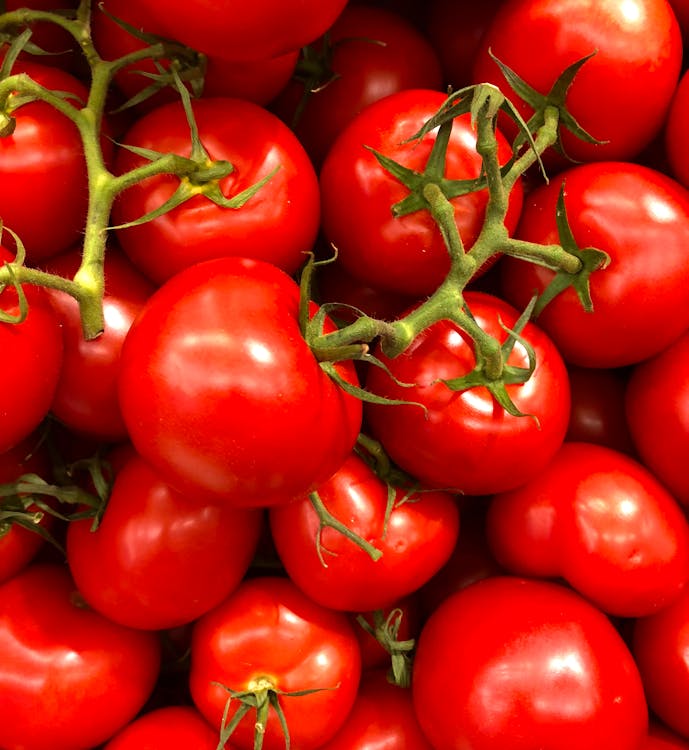
- Start tomatoes and peppers indoors in March for transplant after last frost
- Succession-plant lettuce and radishes every 2–3 weeks for a continuous harvest
- Prep soil with compost and skip tilling to protect beneficial organisms
- Know your USDA hardiness zone and local last frost date — everything revolves around it
Spring is the most exciting time in the garden. The soil is warming up, the days are getting longer, and it is finally time to get your hands dirty again. After years of trial and error in my own backyard, I have learned that knowing exactly what to plant and when makes the difference between a bountiful harvest and a frustrating season. This month-by-month checklist will help you make the most of the spring planting window.
What Should You Plant in March?
March is all about getting cool-weather crops into the ground and starting warm-season seedlings indoors. These plants actually prefer cooler temperatures and can handle light frost, so do not wait for warm weather to start.
- Direct sow outdoors: Peas, spinach, lettuce, radishes, kale, arugula, and carrots
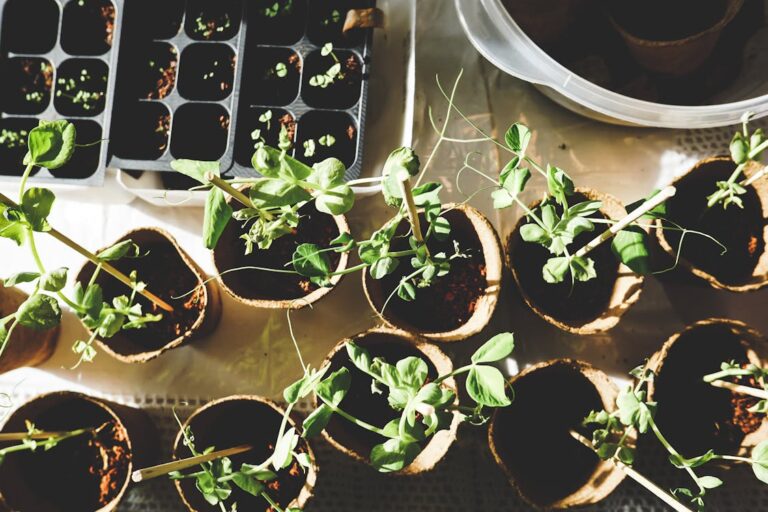
- Start indoors: Tomatoes, peppers, eggplant, and herbs (6 to 8 weeks before last frost) — see our seed starting guide for tips
- Prep tasks: Test your soil, add compost to beds, clean and sharpen tools, order seeds
- Build or repair: Trellises, raised beds, and cold frames
What Goes in the Garden in April?
April is when the garden truly comes alive — continue cool-season planting and start hardening off indoor seedlings for transplant. I always mark my calendar to begin the hardening-off process at least a week before I plan to transplant.
- Direct sow: Beets, Swiss chard, turnips, and successive plantings of lettuce and radishes
- Transplant outdoors (after last frost): Broccoli, cabbage, cauliflower, and Brussels sprouts
- Harden off seedlings: Bring tomato and pepper starts outside for a few hours each day, increasing sun exposure over a week
- Plant perennial herbs: Rosemary, thyme, oregano, sage, and chives — check out our herb garden guide
- Mulch beds: Apply 2 to 3 inches of straw or shredded leaves to suppress weeds and retain moisture
Why Does Your Last Frost Date Matter So Much?
Your last frost date is the single most important number in spring gardening — it determines the timing of nearly every planting decision. Cool-season crops can go out before this date, but warm-season crops like tomatoes, peppers, squash, and beans should wait until after it passes. Look up your date by zip code at the Old Farmer’s Almanac frost date tool or your local cooperative extension office.
How Does Succession Planting Extend Your Harvest?
Succession planting means sowing small batches every 2 to 3 weeks so you enjoy a continuous harvest instead of one overwhelming glut. This strategy changed my gardening game completely. Instead of 50 radishes all at once, I get a steady handful every week from March through May. It works especially well for lettuce, spinach, radishes, beans, and cilantro.
How Should You Prep Soil in the Spring?
- Do not work wet soil. If a handful clumps when squeezed, wait a few more days — working wet soil damages structure
- Add compost. Spread 1 to 2 inches of finished compost and gently work it into the top few inches
- Skip the tilling. No-till methods preserve soil biology and structure — the USDA NRCS recommends minimizing soil disturbance
- Test your soil every couple of years for pH and nutrient levels so you can amend wisely
| Crop Type | When to Plant | Frost Tolerance | Days to Harvest | Examples |
|---|---|---|---|---|
| Cool Season | 4–6 weeks before last frost | Handles light frost | 30–75 days | Peas, lettuce, spinach, kale, radishes, carrots |
| Warm Season | After last frost | No frost tolerance | 50–100 days | Tomatoes, peppers, squash, cucumbers, beans, basil |
Spring gardening does not have to be complicated. Start with what excites you, plant at the right time, and remember that every gardener — no matter how experienced — is still learning. As the National Gardening Association notes, even small gardens can produce impressive yields when you time your plantings right.
Frequently Asked Questions
What vegetables can I plant in March in most zones?
In USDA zones 5–8, you can direct-sow peas, spinach, lettuce, radishes, kale, arugula, and carrots in March. Start tomatoes and peppers indoors if you have not already.
How do I find my last frost date?
Enter your zip code at the Old Farmer’s Almanac frost date tool or contact your local cooperative extension office. Your frost date is the average date after which frost is unlikely in your area.
Can I plant tomatoes in April?
In most zones, April is too early to transplant tomatoes outdoors. Start hardening off seedlings in April and transplant after your last frost date has safely passed — usually mid-May in zones 5–6.
What is the easiest spring vegetable to grow?
Radishes are the easiest spring crop — they germinate in days, tolerate cool weather, and are ready to harvest in as little as 25 days.
Should I till my garden in the spring?
In most cases, no. No-till gardening preserves soil structure and beneficial organisms. Add a layer of compost on top and let earthworms do the mixing for you.