What to Plant in Your First Vegetable Garden: A Zone-by-Zone Beginner’s Guide
- A single 4×8 raised bed can produce 50–100 lbs of food per growing season
- The 5 easiest vegetables for beginners: lettuce, tomatoes, bush beans, zucchini, and herbs
- Growing your own tomatoes saves $2–$4 per pound vs. organic store-bought (USDA)
- Know your USDA hardiness zone and last frost date — this determines when to plant everything
- Start with transplants, not seeds for your first garden — it’s faster and more forgiving
Starting a vegetable garden is the single best thing you can do for your grocery budget, your health, and your connection to the food you eat. And it’s far easier than you think — the internet has overcomplicated this.
Here’s the truth: people have been growing food for 12,000 years. You don’t need a degree in horticulture. You need sunlight, decent soil, water, and a handful of the right plants.
According to a 2025 Frontdoor survey, 86% of food gardeners plan to grow vegetables, and those who gardened in 2024 saved an average of $875 on groceries. This guide will help you get the same results — even if you’ve never planted a seed.
Before You Plant: Know Your Zone and Frost Dates
Your USDA hardiness zone and last frost date determine when you can plant and what will grow. This is the most important step most beginners skip.
Find your zone: Visit planthardiness.ars.usda.gov and enter your zip code.
Find your last frost date: This tells you when it’s safe to plant warm-season crops outdoors.
| Zone | Avg Last Frost | Avg First Frost | Growing Season |
|---|---|---|---|
| Zone 3 | May 15–30 | Sept 15 | ~110 days |
| Zone 4 | May 10–20 | Sept 25 | ~130 days |
| Zone 5 | Apr 20–May 10 | Oct 5 | ~150 days |
| Zone 6 | Apr 10–25 | Oct 15 | ~170 days |
| Zone 7 | Apr 1–15 | Oct 25 | ~195 days |
| Zone 8 | Mar 15–Apr 1 | Nov 5 | ~220 days |
| Zone 9 | Feb 15–Mar 1 | Nov 25 | ~270 days |
These are averages — your microclimate matters. South-facing slopes and urban areas tend to be warmer.
The 10 Best Vegetables for a First Garden
These are ranked by ease of growing + speed to harvest + value for your space:
| Vegetable | Days to Harvest | Difficulty | Yield per Plant | Plant When |
|---|---|---|---|---|
| Leaf lettuce | 30–45 | Very Easy | 0.5–1 lb | Early spring / fall |
| Radishes | 25–30 | Very Easy | 1 radish | Early spring / fall |
| Bush beans | 50–60 | Easy | 0.5 lb | After last frost |
| Zucchini | 45–55 | Easy | 6–10 lbs | After last frost |
| Tomatoes (cherry) | 60–70 | Easy | 5–8 lbs | After last frost |
| Cucumbers | 55–65 | Easy | 5–10 lbs | After last frost |
| Peppers (bell) | 70–80 | Moderate | 5–8 peppers | After last frost |
| Herbs (basil) | 30–60 | Very Easy | Continuous | After last frost |
| Kale | 55–65 | Easy | 1–2 lbs | Spring or fall |
| Sugar snap peas | 60–70 | Easy | 1–2 lbs | Early spring |
From our homestead: For your very first garden, I’d say plant just five things: cherry tomatoes, lettuce, basil, zucchini, and bush beans. You’ll have salads within a month, tomatoes by midsummer, and enough zucchini to share with everyone you know. Confidence comes from success, and these five deliver.
Cool-Season vs. Warm-Season: What to Plant When
This is where most beginners get tripped up. Vegetables fall into two camps:
Cool-Season Crops (Plant 2–4 weeks BEFORE last frost)
These tolerate frost and actually prefer cooler weather. Plant them in early spring and again in fall:
- Lettuce, spinach, arugula
- Radishes, carrots, beets
- Peas (snap and shelling)
- Kale, broccoli, cabbage
- Onions, garlic
Warm-Season Crops (Plant AFTER last frost)
These die in frost. Wait until nighttime temps stay above 50°F:
- Tomatoes, peppers, eggplant
- Zucchini, cucumbers, squash
- Bush beans, pole beans
- Corn, melons
- Basil, cilantro
A 4×8 Raised Bed Plan for Beginners
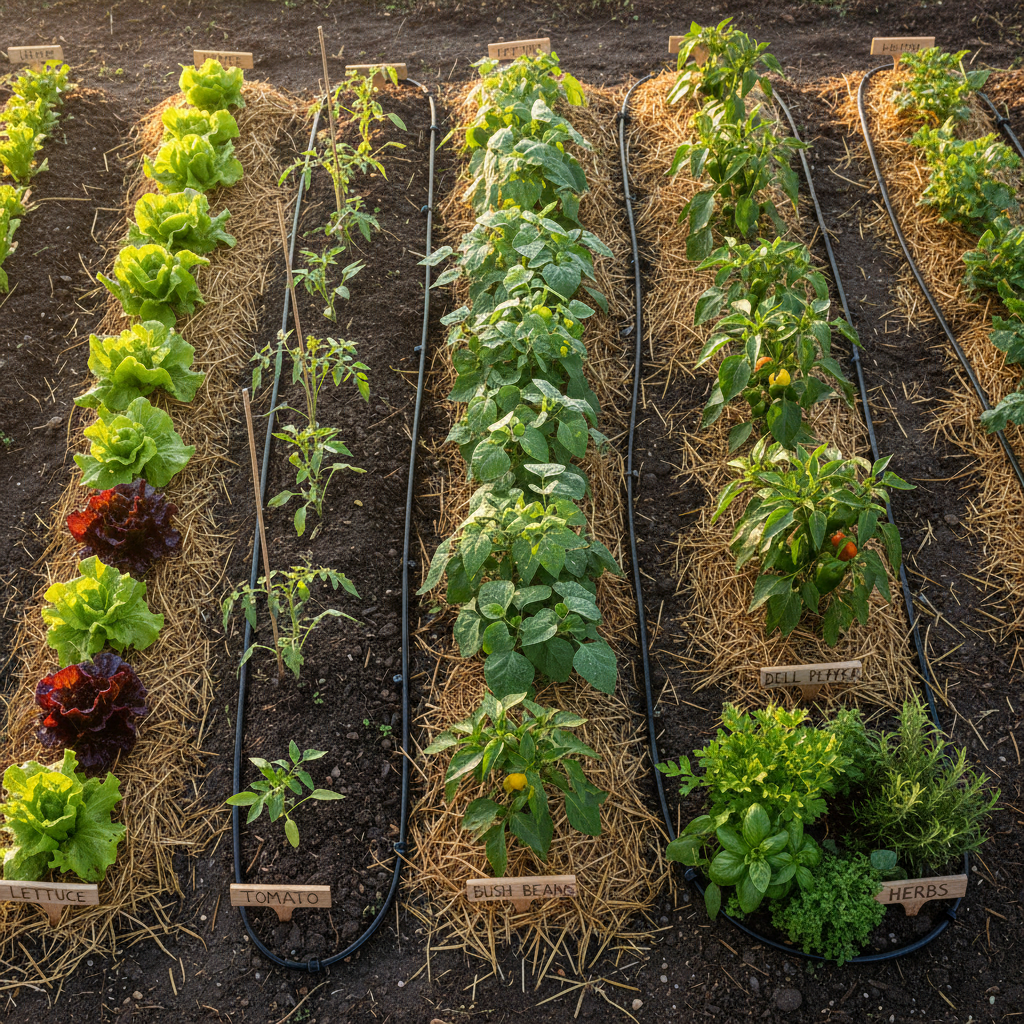
This layout fits in a single 4×8 raised bed and uses companion planting principles:
| Row (Front to Back) | What to Plant | Spacing |
|---|---|---|
| Row 1 (south side) | Lettuce mix + radishes | Broadcast seed thickly |
| Row 2 | Bush beans (12 plants) | 4″ apart |
| Row 3 | 3 cherry tomato plants + basil between | 24″ apart |
| Row 4 (north side) | 1 zucchini + 1 cucumber on a small trellis | 36″ apart |
Expected harvest from this single bed: 30–50 lbs of tomatoes, 6–10 lbs of zucchini, 5–10 lbs of cucumbers, 5+ lbs of beans, and continuous lettuce and herbs all season. That’s $150–$300 worth of organic produce from 32 square feet.
How to Set Up Your First Garden (Step by Step)
Step 1: Pick the Right Spot
You need 6–8 hours of direct sunlight daily. South-facing is ideal. Watch your yard for a full day to see where shadows fall. Avoid areas under trees or near north-facing walls.
Step 2: Prepare the Soil
If using a raised bed, fill with a mix of 60% topsoil, 30% compost, and 10% perlite or vermiculite. If planting in the ground, work 2–3 inches of compost into the top 8 inches of soil.
Step 3: Start with Transplants
For your first year, buy transplants (starter plants) from a nursery instead of growing from seed. They’re more forgiving and give you a 4–6 week head start. Tomatoes, peppers, herbs, and broccoli are all better as transplants. Direct-sow beans, peas, lettuce, radishes, and zucchini (they don’t transplant well).
Step 4: Water Correctly
New gardeners either overwater or underwater. The rule: water deeply 2–3 times per week rather than lightly every day. Stick your finger 2 inches into the soil — if it’s dry, water. Soaker hoses or drip irrigation are worth the $20 investment.
Step 5: Mulch Everything
Apply 2–3 inches of straw, shredded leaves, or wood chips around your plants (not touching stems). Mulch reduces watering by 50%, suppresses weeds, and keeps soil temperature stable. This one step saves more beginner gardens than anything else.
From our homestead: The biggest mistake I made my first year was planting too much. I put in 20 tomato plants. We were drowning in tomatoes by August and didn’t know how to preserve them yet. Start small, grow what you’ll actually eat, and expand next year when you’re ready for canning.
Growing Vegetables vs. Buying: The Cost Comparison
| Crop | Cost to Grow (per lb) | Organic Store Price (per lb) | You Save |
|---|---|---|---|
| Tomatoes | $0.50–$1.00 | $3.50–$5.00 | $2.50–$4.00/lb |
| Lettuce | $0.25–$0.50 | $3.00–$5.00 | $2.50–$4.50/lb |
| Herbs (basil) | $0.10–$0.25 | $15–$25/lb | $15–$25/lb |
| Zucchini | $0.15–$0.30 | $2.00–$3.00 | $1.70–$2.70/lb |
| Bell peppers | $0.75–$1.50 | $3.00–$5.00 | $1.50–$3.50/lb |
Growing costs assume reusing beds year over year. First-year costs are higher due to bed construction and soil.
Common First-Year Mistakes (and How to Avoid Them)
- Planting too much. Start with one bed. You can always add more next year.
- Not enough sun. Vegetables need 6–8 hours minimum. Anything less and you’ll get leggy plants with little fruit.
- Ignoring soil. Good soil is everything. Invest in quality compost. Test your soil pH — most vegetables want 6.0–7.0.
- Watering the leaves. Water at the base of plants, not overhead. Wet leaves invite fungal disease.
- Skipping mulch. Bare soil dries out in hours and grows weeds like crazy. Mulch is non-negotiable.
- Planting warm crops too early. One late frost kills tomatoes, peppers, and beans. Be patient.
What to Do with Your Harvest
Once the food starts coming, here’s how to use it all:
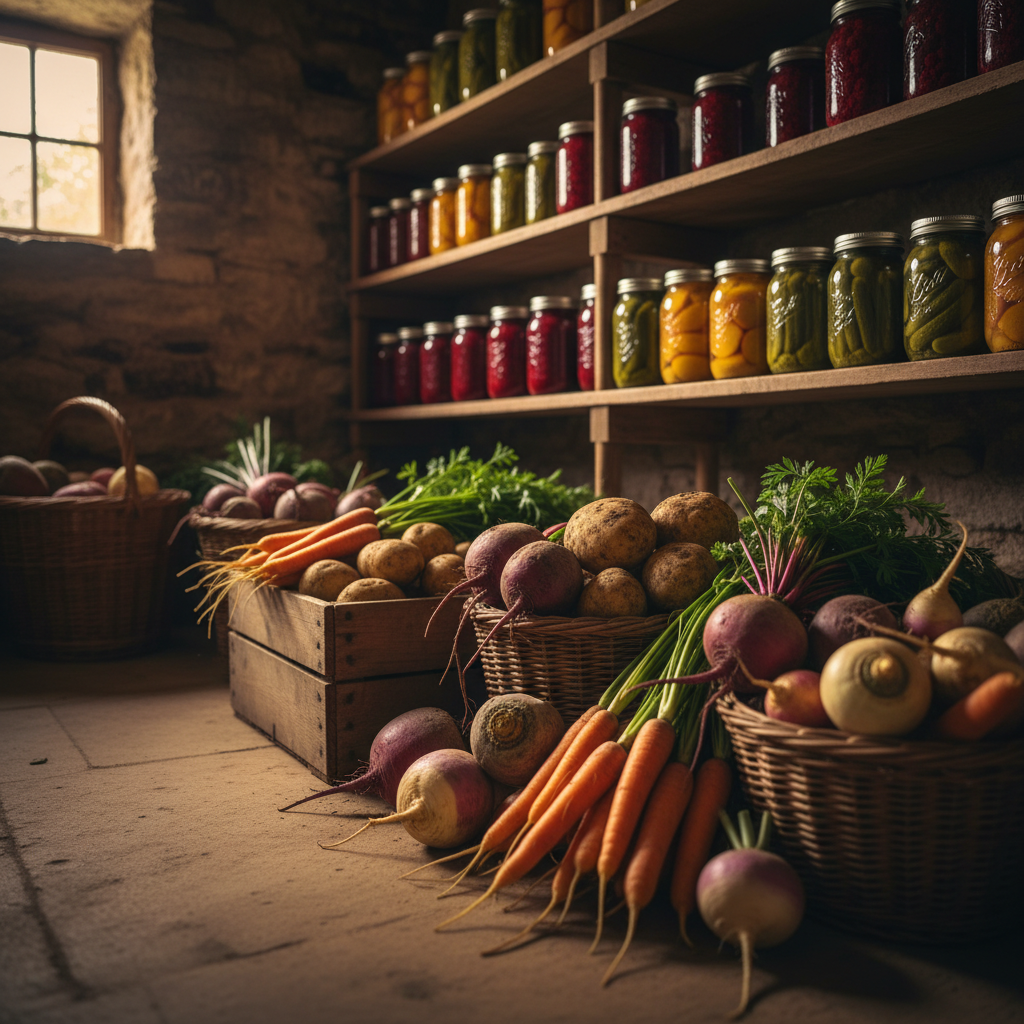
- Eat fresh daily — salads, stir-fry, snacking
- Ferment — turn cucumbers into pickles, cabbage into sauerkraut
- Can — tomato sauce, salsa, and jams last all winter
- Dehydrate — herbs, tomatoes, and peppers for year-round use
- Freeze — blanch and freeze beans, peas, and greens at peak freshness
- Share — nothing builds community like a bag of fresh vegetables on a neighbor’s doorstep
Frequently Asked Questions
What is the easiest vegetable to grow for beginners?
Leaf lettuce and radishes are the easiest vegetables for first-time gardeners. Both can be direct-sown from seed, tolerate cool weather, and produce a harvest in 25–45 days. Cherry tomatoes are the easiest warm-season crop — they’re productive, pest-resistant, and forgiving of beginner mistakes.
How much food can I grow in a small garden?
A single 4×8 raised bed (32 sq ft) can produce 50–100 lbs of food per growing season if planted efficiently with succession planting. That includes tomatoes, lettuce, beans, herbs, and a squash plant. Three raised beds can supply a significant portion of a family’s vegetable needs.
When should I start my vegetable garden?
It depends on your USDA zone. Cool-season crops (lettuce, peas, radishes) can go in 2–4 weeks before your last frost date. Warm-season crops (tomatoes, peppers, beans, squash) should wait until after your last frost and nighttime temps stay above 50°F. Check your zone’s last frost date as a starting point.
Should I start vegetables from seed or buy transplants?
As a first-year gardener, buy transplants for tomatoes, peppers, herbs, and broccoli. They’re more forgiving and give you a head start. Direct-sow beans, peas, lettuce, radishes, and zucchini — these crops grow fast from seed and don’t transplant well. In year two, try starting seeds indoors to save money.
How often should I water my vegetable garden?
Water deeply 2–3 times per week rather than lightly every day. Deep watering encourages roots to grow down, making plants more drought-resistant. The finger test works: stick your finger 2 inches into the soil. If it’s dry, water. If it’s still moist, wait. Mulching reduces watering needs by up to 50%.