Meal Planning from the Garden: How to Eat What You Grow All Week
- Planning meals around your garden harvest (not the other way around) can reduce grocery spending by 30-50%.
- The USDA ERS estimates 31% of food available to consumers goes uneaten, planning from your harvest is one of the easiest fixes.
- Succession planting and strategic crop choices keep your kitchen stocked from spring through fall.
- Batch cooking and preserving extend garden meals into winter months.
- Even a small garden can provide meaningful contributions to your weekly meal plan.
There was a season a couple years ago when our garden was producing so much zucchini that I ran out of ideas for using it. Meanwhile, I was still buying lettuce and herbs at the grocery store. That’s when I realized: I wasn’t planning my meals around what the garden gave me. I was trying to force the garden to fit my grocery-store habits. Once I flipped the script, everything clicked. Our grocery bill dropped dramatically, we wasted less food, and honestly, we started eating better than ever.
How Does Garden-Based Meal Planning Save Money?
By building your weekly meals around what’s currently ripe in your garden, you eliminate impulse purchases and reduce waste, and the dollar impact is significant. The USDA estimates that 30 to 40 percent of the US food supply is wasted. USDA’s Economic Research Service pegs the loss at “31 percent, or 133 billion pounds, of food available for consumption at the retail and consumer levels” in a single year, much of that at the household level. When your tomatoes are overflowing, that’s the week for pasta sauce, salsa, and caprese salads. When you’ve got more greens than you can eat fresh, it’s time for quiches and freezer-ready smoothie packs.
The savings compound when you factor in what Americans actually spend on food. According to the USDA Economic Research Service, US consumers spent an average of 10.4% of disposable income on food in 2024, and lower-income households spent closer to 32.6% of their after-tax income. Shaving even 20% off a $1,000 monthly food bill is $200 back in your pocket every single month. A well-planned garden plus smart meal planning routinely delivers that kind of math.
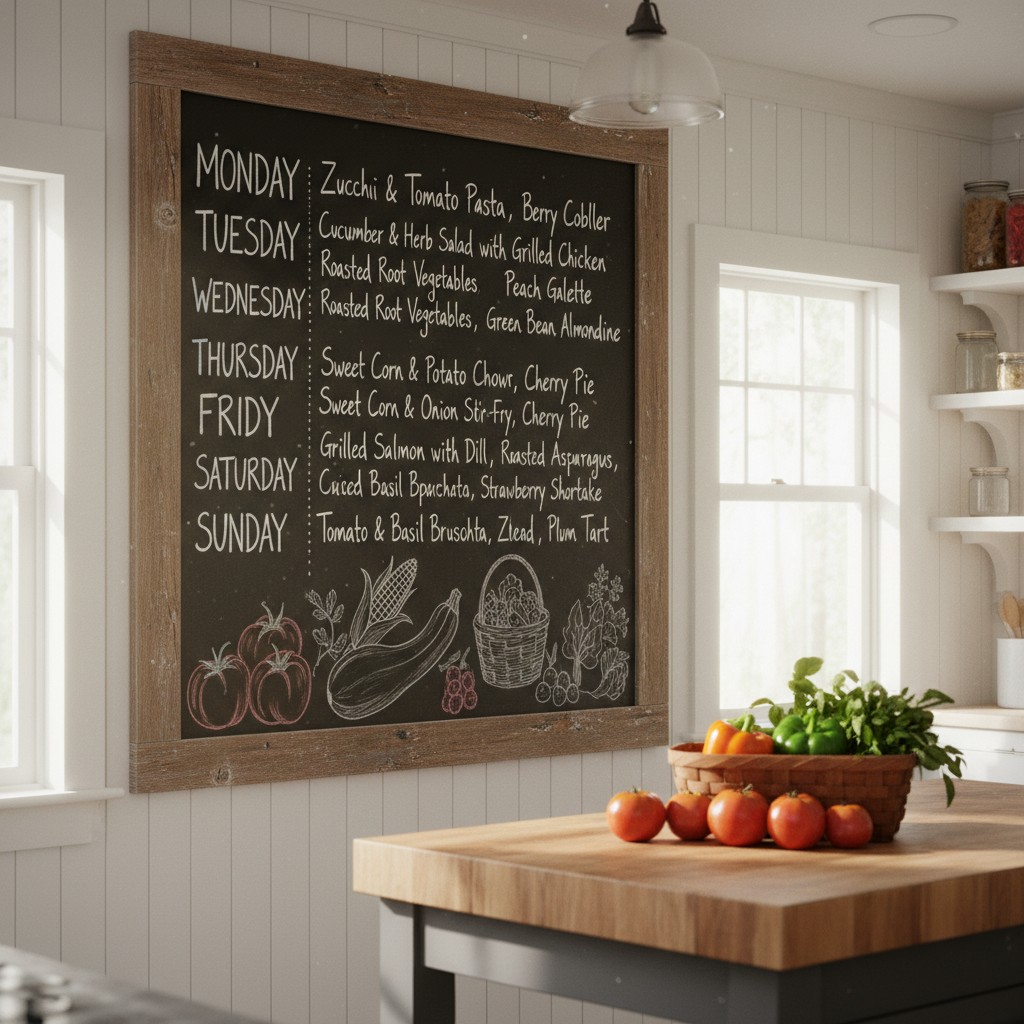
I track my harvests loosely in a notebook and plan our dinners on Sunday based on what’s coming ripe that week. It’s simple, satisfying, and it’s made me a much more creative cook. Pair this approach with composting scraps back into your beds, and you’ve got a beautiful closed-loop kitchen-garden system.
What Should You Plant for the Best Meal Planning Results?
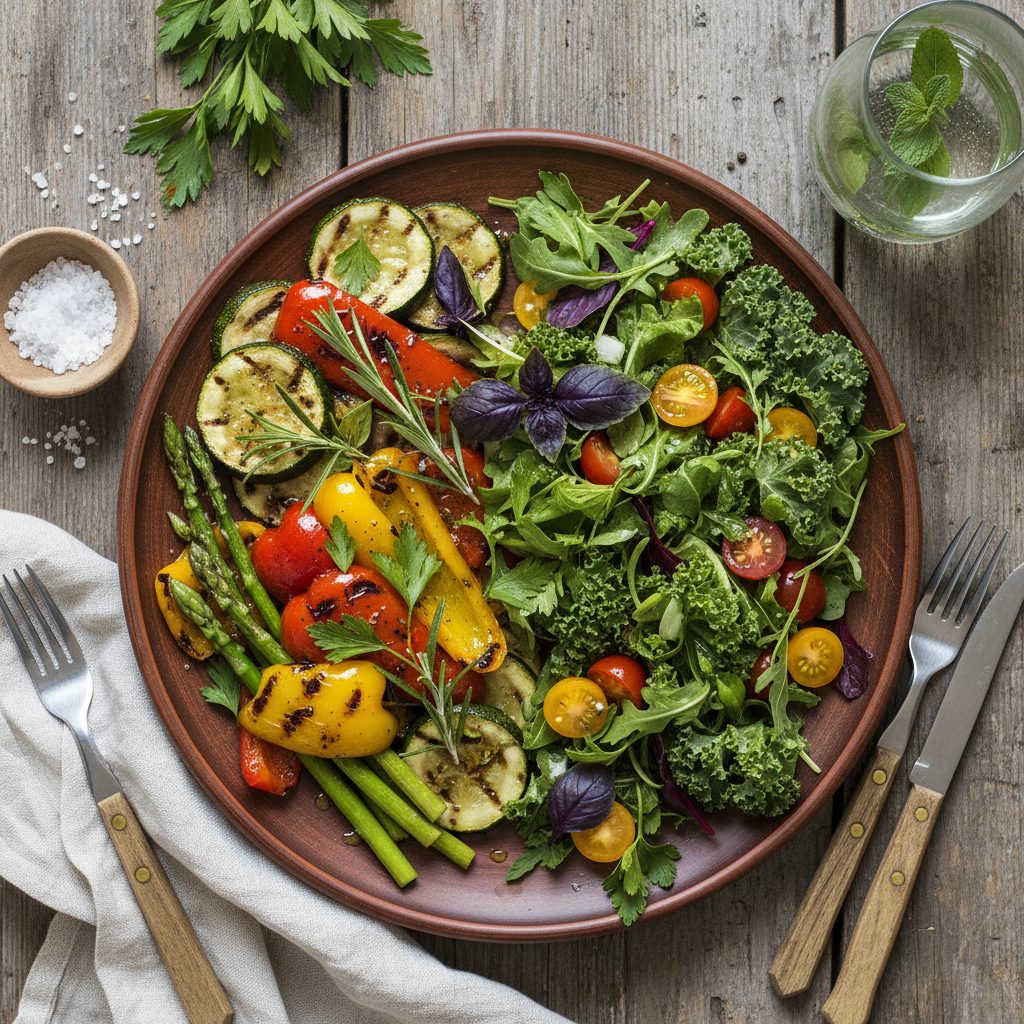
Focus on high-yield, versatile crops like tomatoes, peppers, zucchini, leafy greens, herbs, and beans, these form the backbone of hundreds of recipes. The National Garden Bureau recommends planting what your family actually eats, then adding one or two adventurous crops each season.
| Season | Key Crops | Meal Ideas |
|---|---|---|
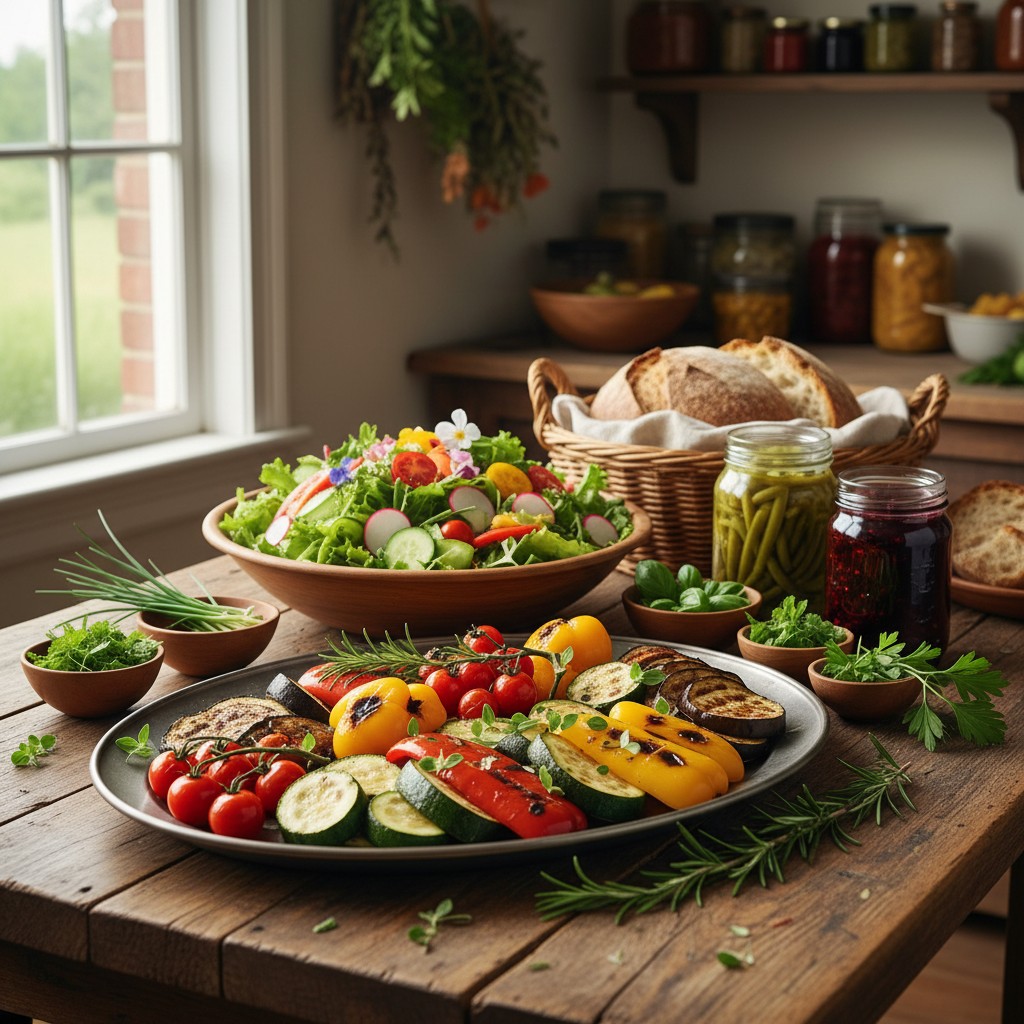
| Spring | Lettuce, peas, radishes, herbs | Salads, stir-fries, herb butter |
| Summer | Tomatoes, zucchini, peppers, beans | Salsas, grilled veggies, pasta sauce |
| Fall | Squash, kale, root vegetables, garlic | Soups, roasted veggies, ferments |
| Winter (preserved) | Canned tomatoes, frozen greens, dried herbs | Stews, bone broth, bread baking |
Herbs are honestly the unsung heroes of garden meal planning. A kitchen herb garden can transform a basic dinner into something special, and fresh herbs cost a fortune at the grocery store. I always plant more basil, cilantro, and parsley than I think I’ll need, because I always use it all.
How Do You Actually Plan Meals Around a Harvest?
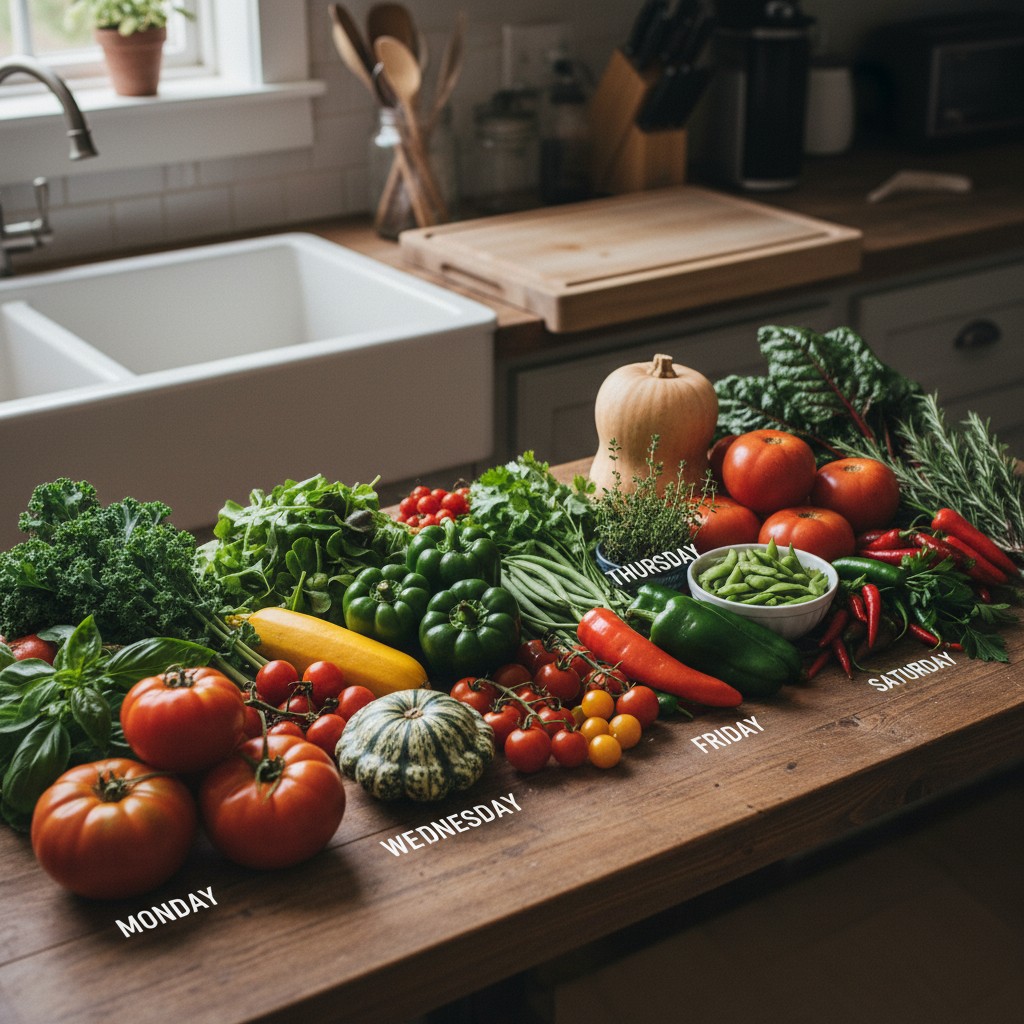
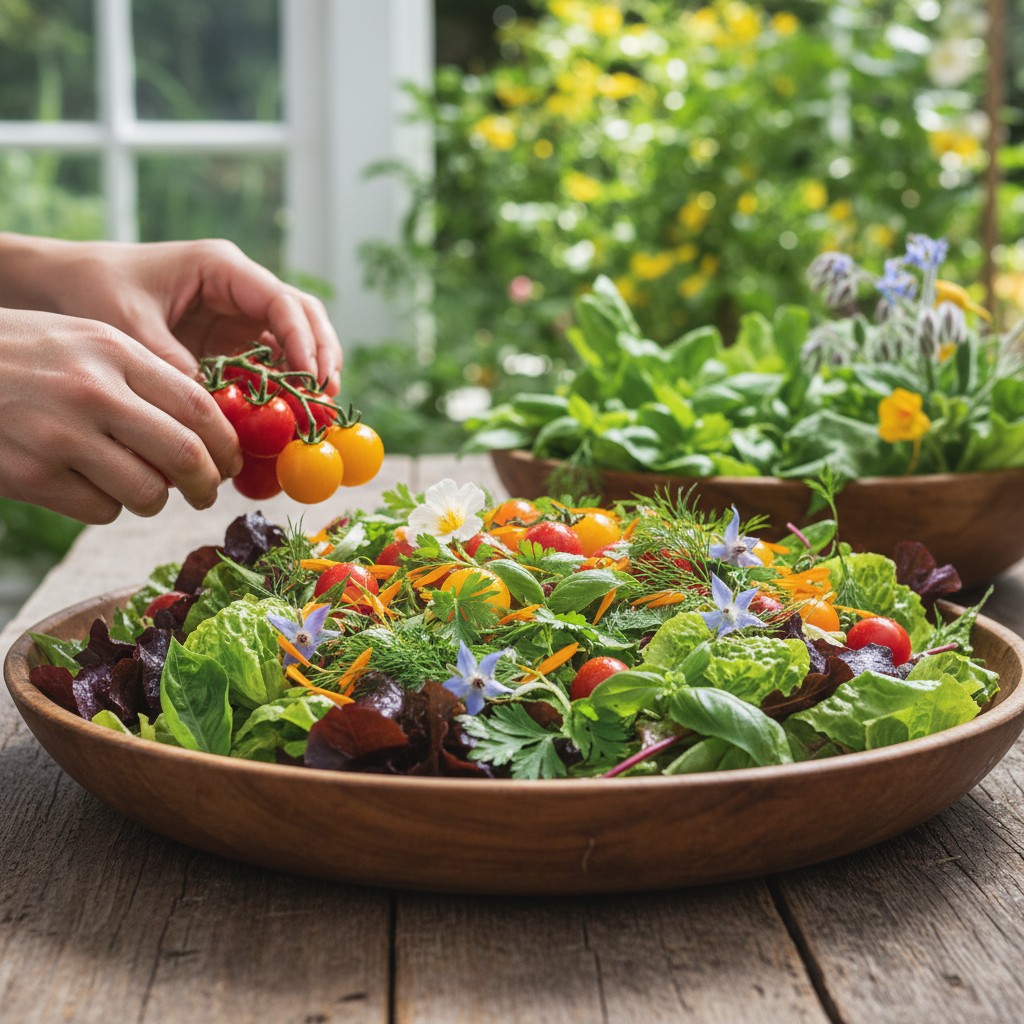
Walk your garden at the start of each week, note what’s ready or nearly ready, then build 5-7 dinners around those ingredients. I use a simple formula: protein + garden vegetable + starch or grain. Some nights that’s grilled chicken with a garden tomato salad and rice. Other nights it’s a frittata stuffed with whatever greens and herbs need picking.
The USDA MyPlate guidelines recommend filling half your plate with fruits and vegetables, and a productive garden makes that goal almost effortless. I’ve found that the weeks I meal plan from the garden, we eat significantly more vegetables and spend far less at the store. For planting-out-the-year guidance by climate, see our zone-by-zone first-vegetable-garden guide.
What’s a Realistic Weekly Workflow?
The workflow that actually works is the one you’ll repeat every Sunday. Here’s the 30-minute routine I’ve settled into after years of trial and error.
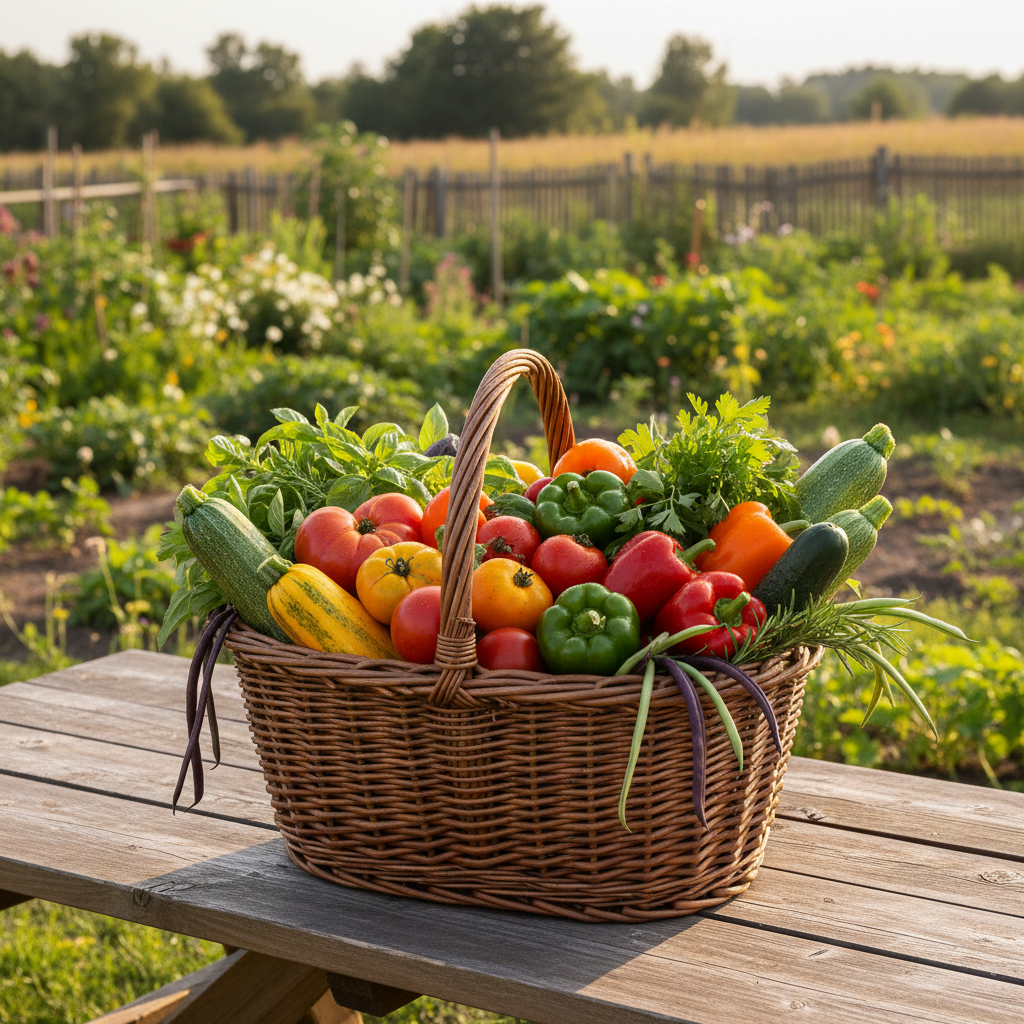
- Walk the garden with a basket and a notebook (10 min). Write down what’s ready now and what’s coming in the next 5-7 days. Harvest anything peak-ripe.
- Inventory the freezer and pantry (5 min). What preserved goods need using? Any leftovers that should anchor a meal this week?
- Assign each ingredient a meal slot (10 min). Heavy producers (tomatoes, zucchini) become the star of one or two dinners. Herbs and greens become supporting cast.
- Build a short shopping list (5 min). You should only be buying the ingredients your garden doesn’t cover, typically proteins, grains, and dairy.
I’ve tried complicated apps and spreadsheets. A 50-cent notebook still wins every time. The point isn’t tracking, it’s intent. Meal planning is really about deciding in advance so you don’t have to decide at 5:30pm.
How Do You Extend Garden Meals Into Winter?
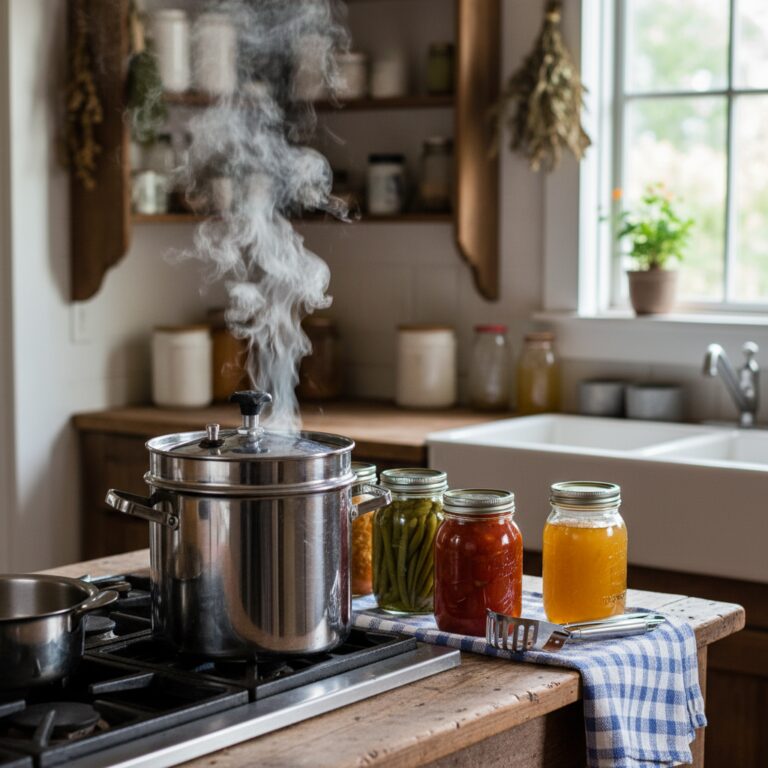
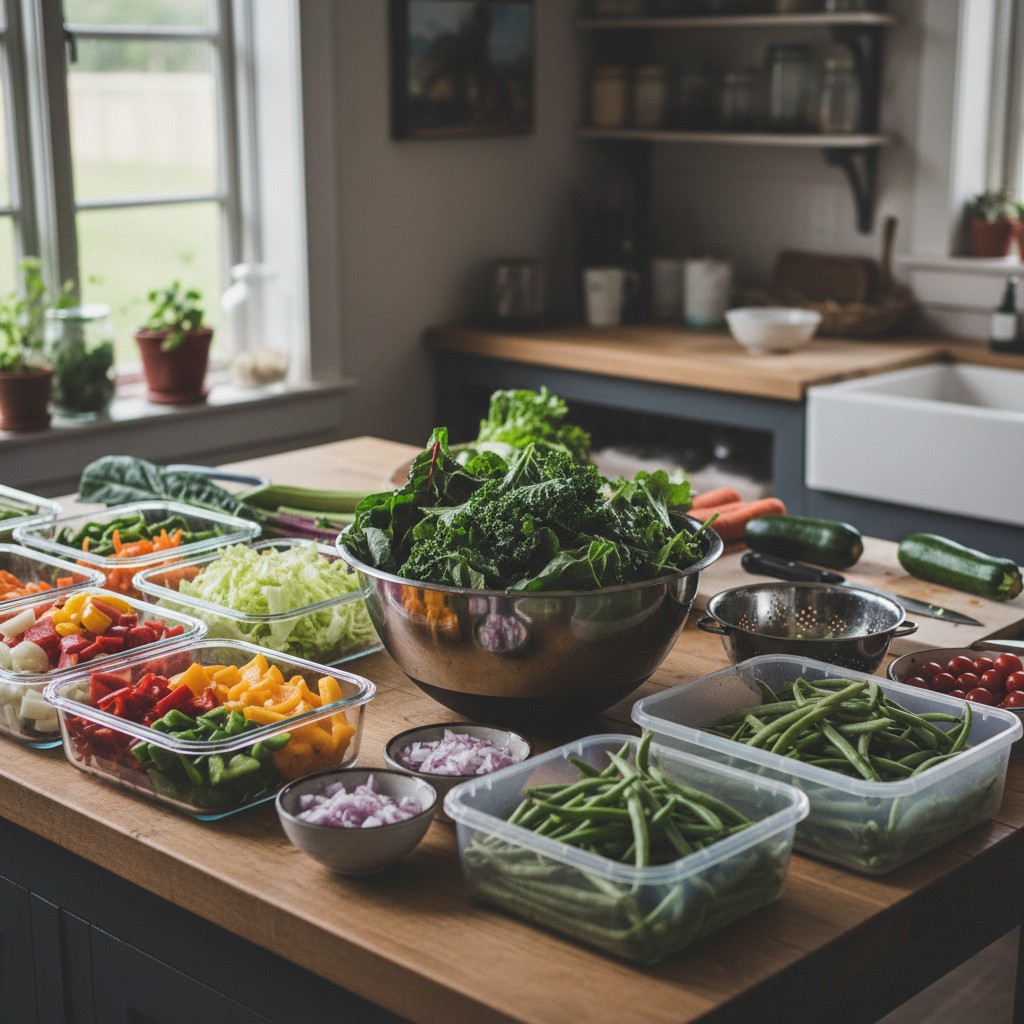
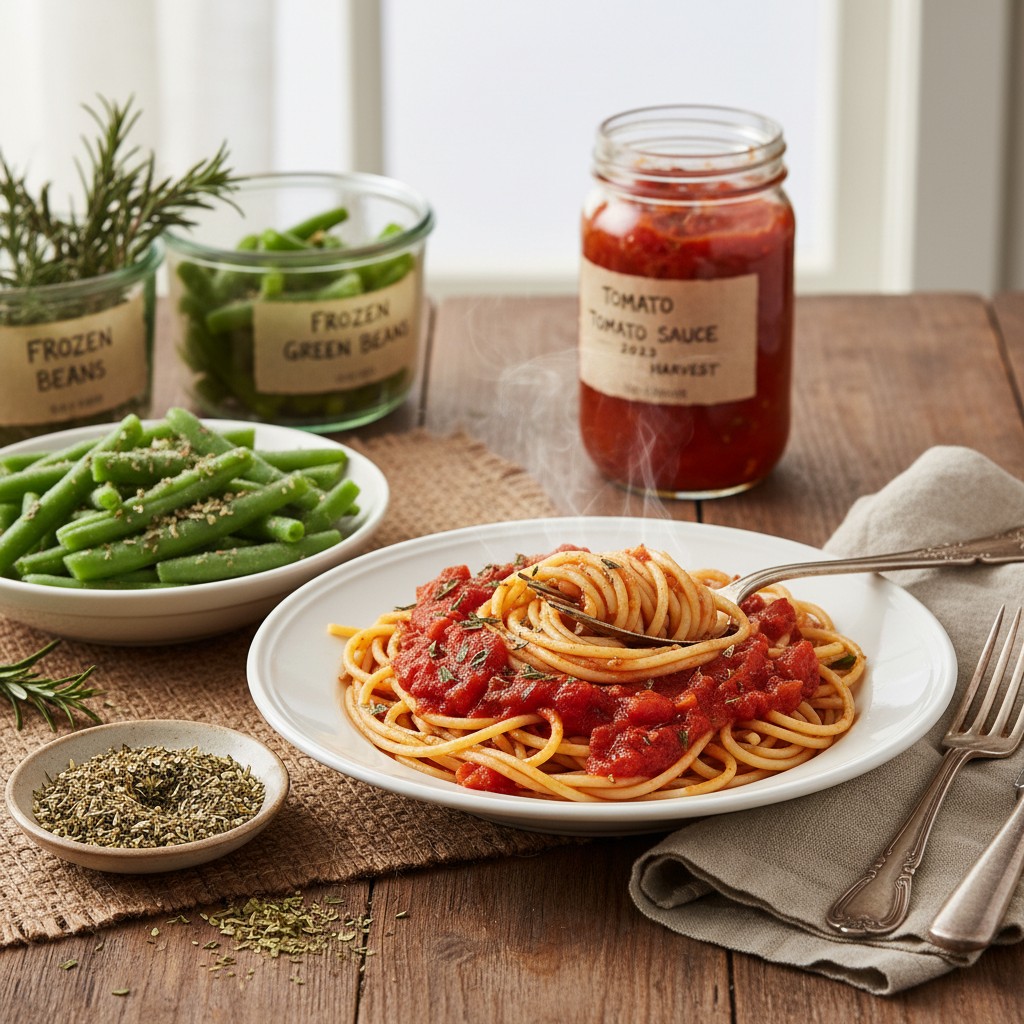
Preserve the summer surplus through canning, freezing, dehydrating, and root cellaring to eat homegrown food year-round. The National Center for Home Food Preservation is my go-to resource for safe techniques. I put up jars of salsa and tomato sauce using water bath canning, freeze pesto and blanched greens, and dehydrate herbs and vegetables for shelf-stable storage.
A practical note on rotation: NCHFP recommends you “can no more food than you will use within a year” for best quality, and store jars between 50 and 70°F. That means your winter meal planning is really about eating down last summer’s preserved harvest before the next season arrives. I label every jar with month and year so we work through the oldest first.
If you grow garlic, onions, and winter squash, those store beautifully for months without any special equipment, our root cellaring guide covers the details. Combine your preserved garden goods with pantry staples and a good homemade bone broth, and you can eat incredible garden-inspired meals all winter long.
Beginner Mistakes to Avoid
Garden meal planning stumbles for predictable reasons in the first year or two. These are the ones I watch for.
- Over-planting mystery crops. If your family won’t eat kohlrabi, don’t grow ten plants of it because it’s trendy. Plant what you actually eat.
- Ignoring the “glut week”. Every zucchini grower knows: one week it’s nothing, the next it’s a wheelbarrow. Plan one “use it up” recipe you love before the glut hits.
- Waiting too long to preserve. Tomato sauce in August takes 30 minutes per batch. Tomato sauce in September (when they’ve all ripened at once) takes all weekend.
- Forgetting herbs. A handful of fresh basil or cilantro makes an ordinary dinner feel intentional, and it’s the cheapest possible upgrade.
- Skipping the grocery list entirely. Garden meal planning works best alongside smart shopping, not instead of it. You’ll still need beans, rice, dairy, and meat.
🌱 From Our Homestead
Meal planning around what is actually growing in the garden took some practice, but it completely changed how we eat. In peak season, nearly every dinner starts with a walk outside to see what is ready, and our grocery bill drops by almost half.
Frequently Asked Questions
Absolutely! Herbs, tomatoes, peppers, and lettuce all grow well in containers. Even a small patio container garden can provide fresh ingredients several nights a week during the growing season.
Start small! Even supplementing store-bought meals with garden herbs, a side salad, or homegrown tomatoes makes a difference. As your garden expands, so will your ability to meal plan from it.
This is where succession planting and preservation pay off. I stagger plantings so something is always maturing, and I lean on frozen, canned, and dried goods during gaps. Planning around a seasonal rhythm gets easier each year.
I keep a simple spiral notebook with two columns, “what’s ready this week” and “dinner ideas.” There are also apps like Planter and Gardenize that help track planting dates and harvests. The trick is keeping it simple enough that you’ll actually do it.
Studies of home gardens consistently show $400-700 per year in savings for a roughly 100 sq ft bed, mostly from high-value crops like tomatoes, herbs, and greens. When paired with meal planning that uses the harvest, the savings grow, primarily because you stop buying groceries that go to waste.