Garden Pest ID: 15 Bugs and How to Stop Them
Key Takeaways
- Identification always comes before treatment, misidentifying a beneficial insect as a pest is among the most common and costly mistakes in the organic garden.
- Most pest problems can be handled with low-impact methods: hand-picking, row covers, BT (Bacillus thuringiensis), and neem oil, if you catch them early.
- Beneficial insects like ladybugs, lacewings, and parasitic wasps provide free, around-the-clock pest control. Protect them by avoiding broad-spectrum sprays.
- Scouting your garden two or three times a week, flipping leaves, checking stems, is the single most effective pest management strategy there is.
- When organic methods aren’t working, escalate methodically. OMRI-listed products and your local extension office exist for exactly this situation.
Every new gardener does it: they spot a bug, they don’t know what it is, and they reach for the spray. Sometimes it works. Sometimes they’ve just killed a colony of aphid-eating lacewing larvae. Sometimes they’ve knocked out the parasitic wasps that were about to decimate their hornworm problem for them. Spraying without knowing is gardening in the dark.
The good news is that identification is not complicated. Most garden pests are distinctive enough that a few minutes with this guide will give you a confident ID. And once you know what you’re dealing with, the right response is almost always obvious, and usually pretty simple. Here are the 15 most common garden pests you’ll encounter, along with the five beneficial insects you must learn to protect before anything else.
Friends First: 5 Beneficial Insects You Should Never Kill
Before we get to pests, meet your allies. These insects are doing unpaid pest control in your garden every single day. If your gardening involves any kind of spray or dust, knowing these five is non-negotiable.
Ladybugs (Lady Beetles)
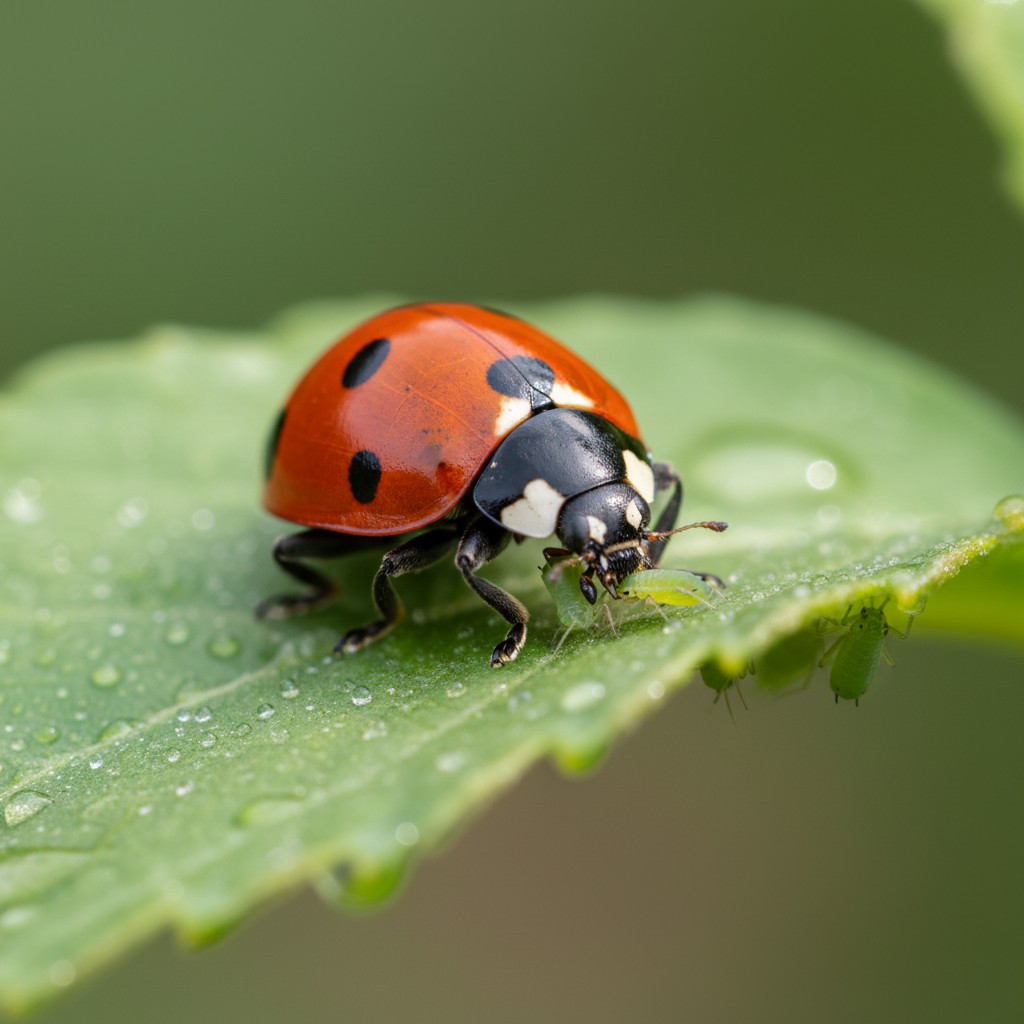
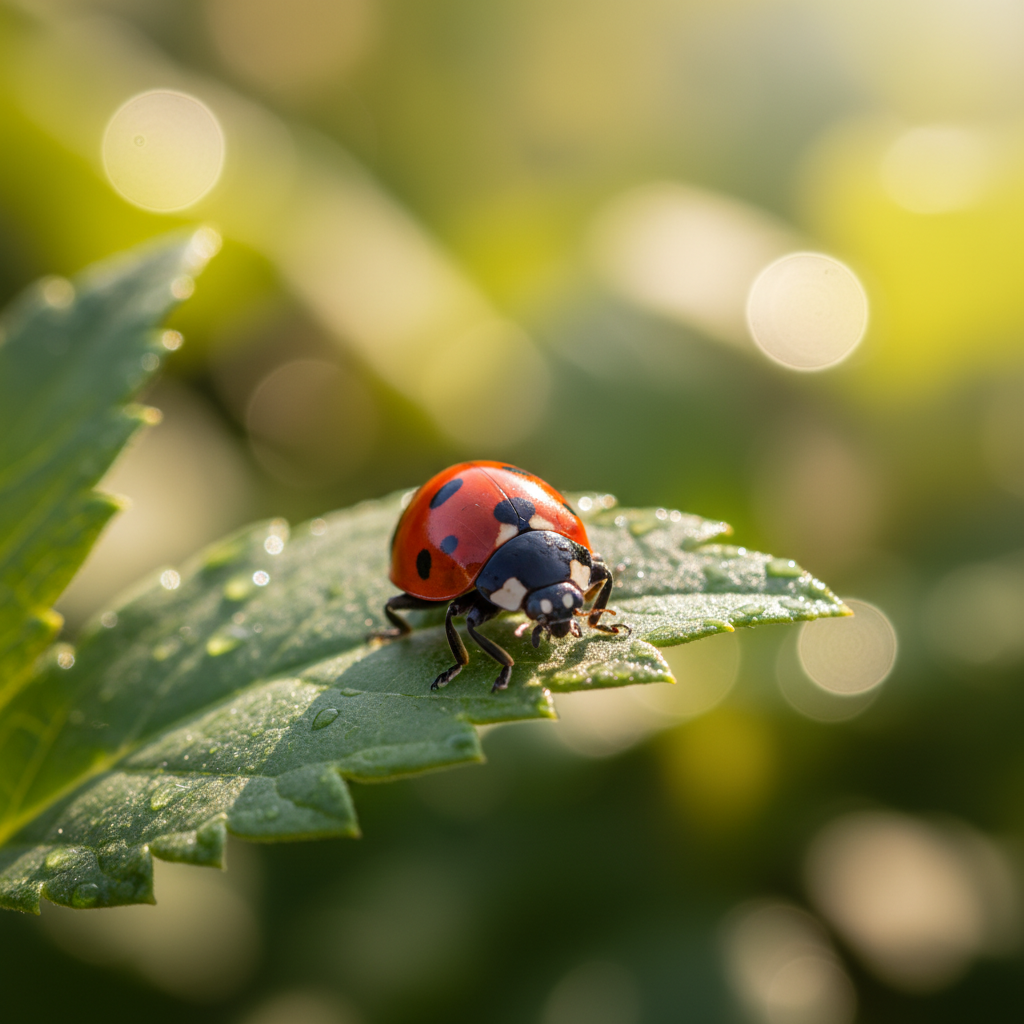
Both adults and larvae eat aphids, up to 5,000 over a lifetime. The larvae look nothing like the adult: they’re elongated, dark gray to black with orange spots, and slightly spiky. New gardeners frequently squish them thinking they’re something bad. The adults are the familiar red-and-black domes, but they come in orange, yellow, and even all-black versions depending on species. Attract them by planting dill, fennel, yarrow, and other small-flowered umbellifers near pest-prone crops.
Green Lacewings
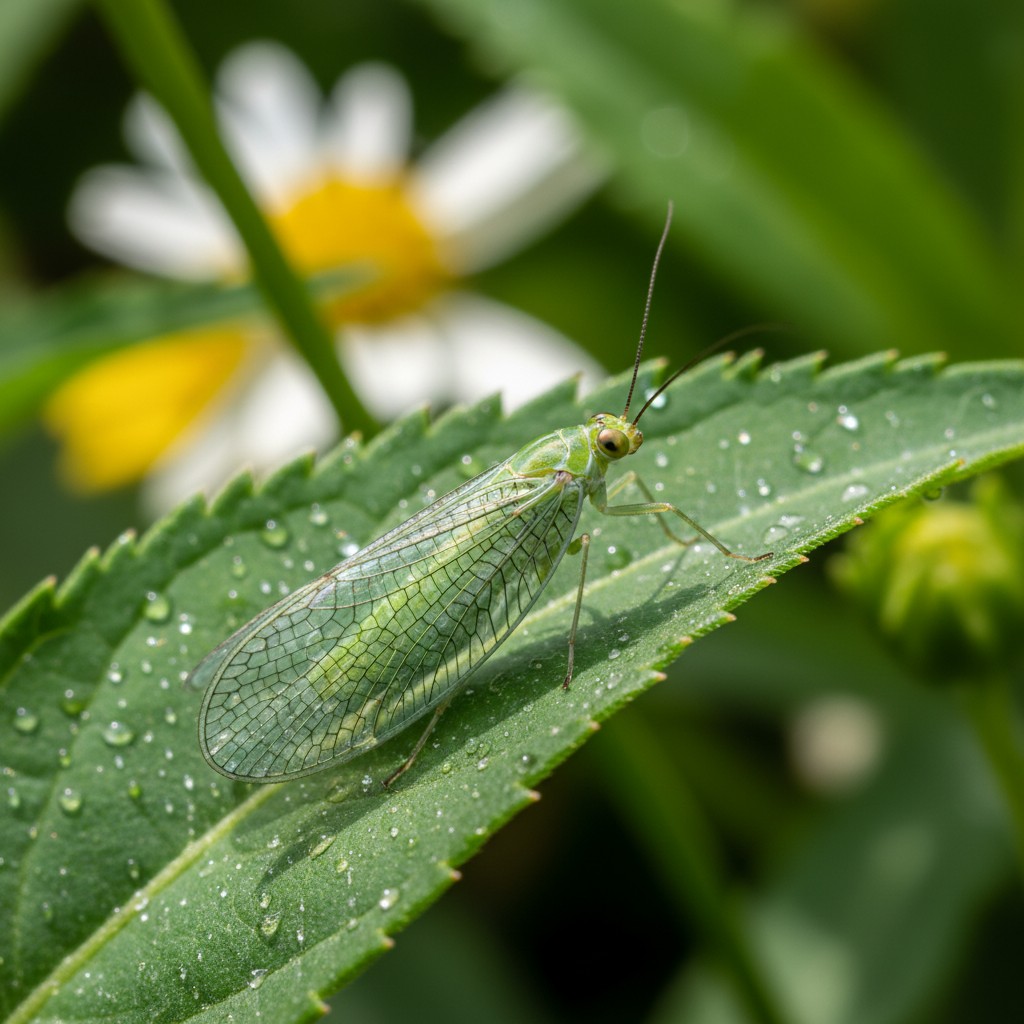
The delicate, translucent-winged adult mostly drinks nectar and pollen. The larvae: called aphid lions, are the real workers. They’re small, brownish, and alligator-shaped, and they eat aphids, thrips, whitefly eggs, and small caterpillars with impressive efficiency. You can actually buy lacewing eggs by mail and release them into problem areas. Plant coreopsis, sweet alyssum, and cosmos to encourage wild populations.
Ground Beetles
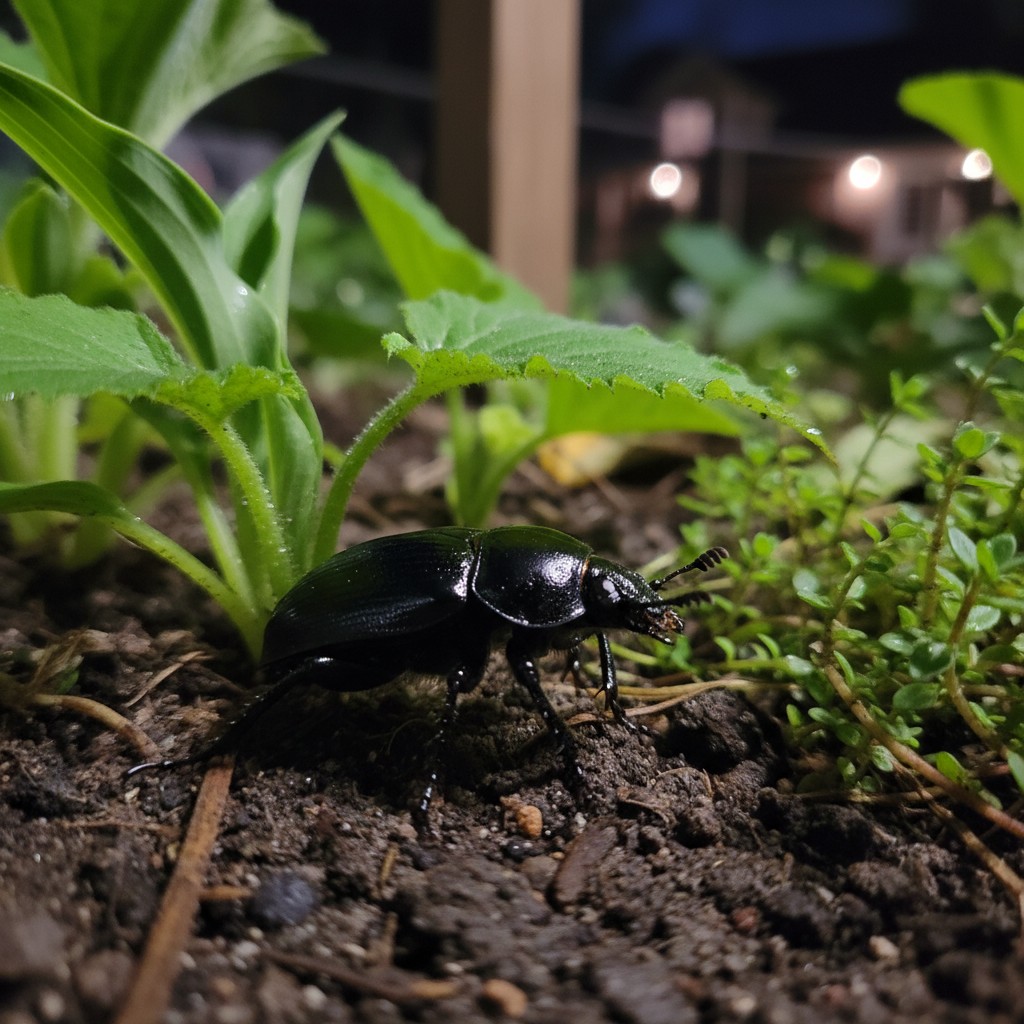
These are the shiny, fast-moving black or dark brown beetles you see scurrying away when you lift a board or mulch. They hunt at night and eat slugs, cutworm larvae, and soil-dwelling pests. A single ground beetle can consume dozens of pests per season. They need undisturbed soil and ground-level hiding spots to thrive, another reason to maintain permanent mulch pathways and minimize tilling.
Parasitic Wasps
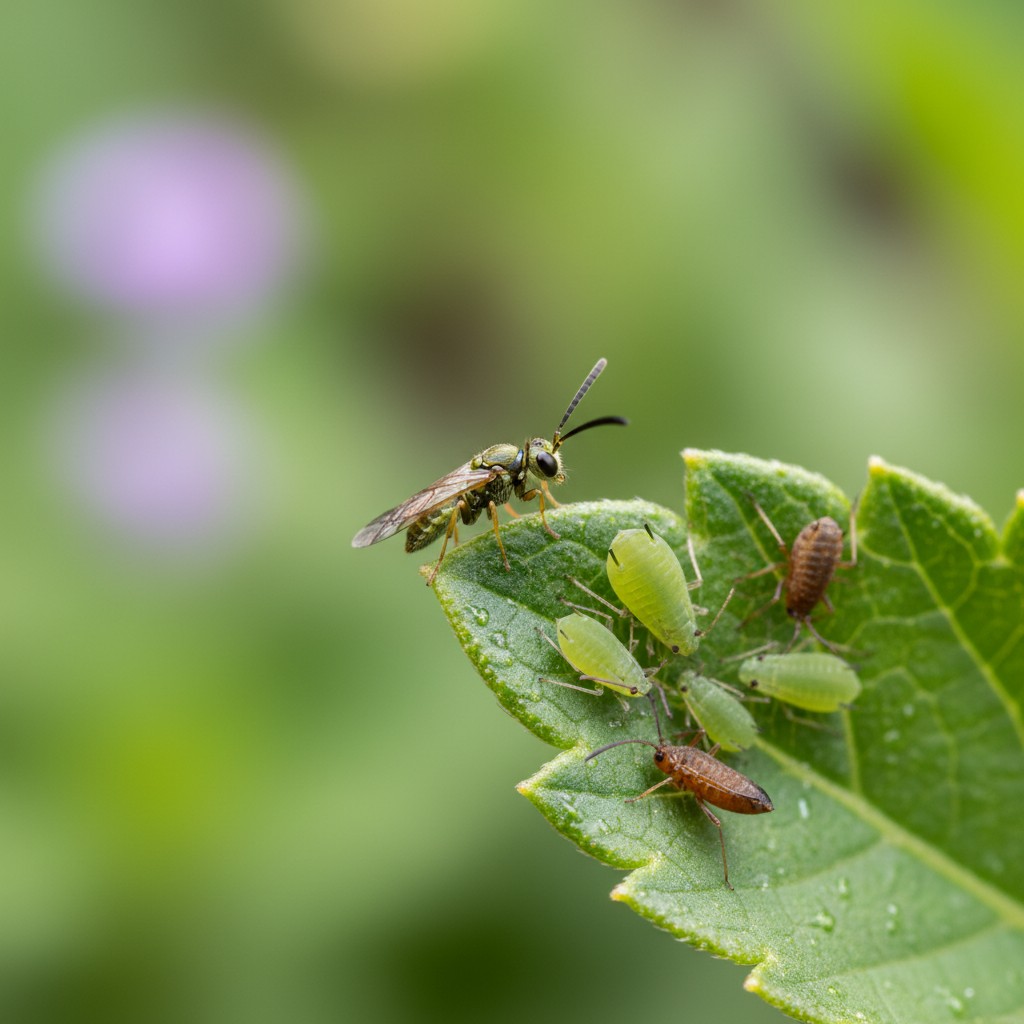
Tiny and non-threatening to humans (they can’t sting you), parasitic wasps lay their eggs inside or on pest caterpillars and larvae. The eggs hatch, the larvae consume the host, and you end up with a dead pest and more wasps. They’re responsible for the white rice-shaped cocoons you sometimes see on tomato hornworms, a sign to leave that hornworm alone completely. Attract them with flowering herbs: dill, cilantro bolting to flower, parsley, and yarrow.
Praying Mantis
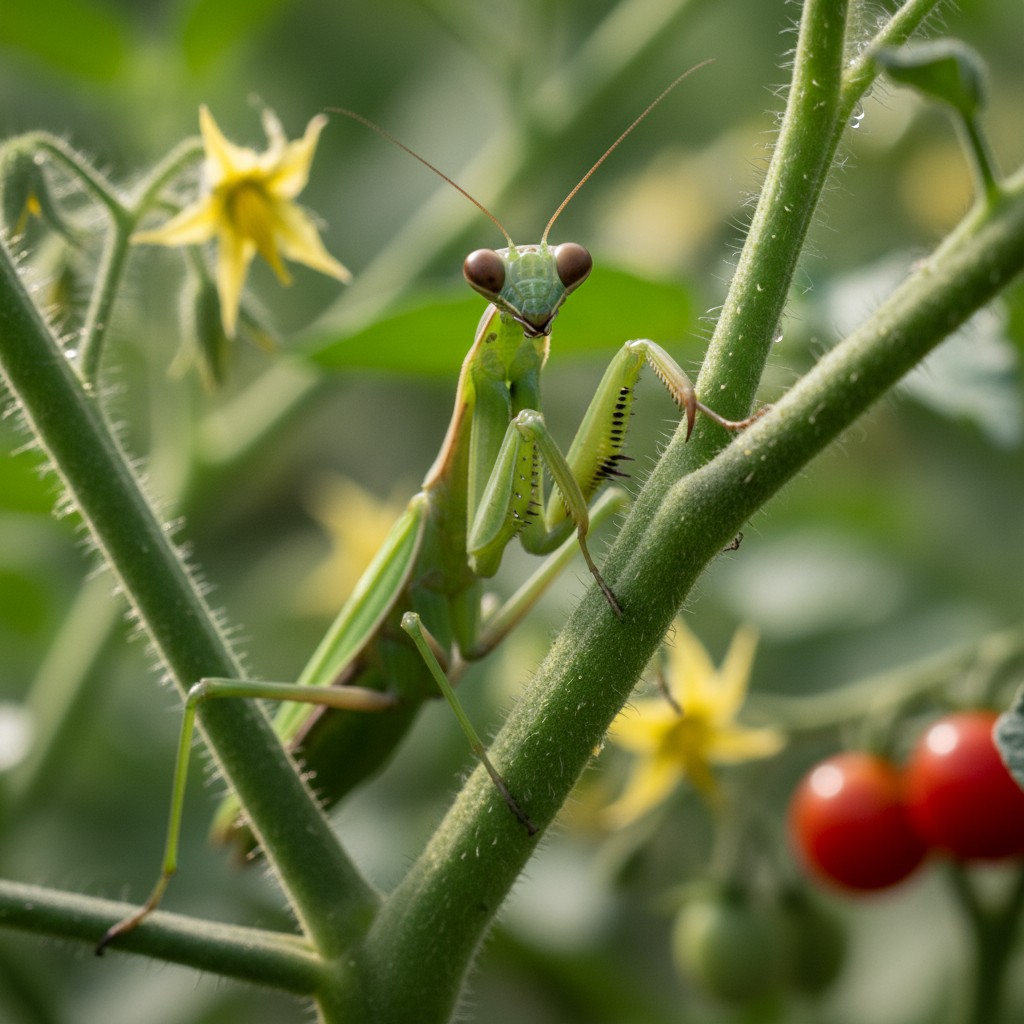
A large, striking insect that eats nearly anything it can catch, aphids, beetles, caterpillars, grasshoppers, and other beneficials including bees and lacewings. Mantids are generalist predators; don’t buy egg cases expecting targeted pest control. Their presence indicates a diverse garden ecosystem, but they won’t selectively spare your allies. Mantis egg cases (oothecae) overwinter on dried plant stems, which is one more reason not to cut everything down to the ground in fall.
The 15 Most Common Garden Pests
For each pest below, the format is the same: what it looks like, what the damage looks like, what it’s targeting, and how to stop it, organic methods first. If you can get outside and scout regularly, most of these are very manageable before they become infestations. See also our complete guide to natural garden pest control for a broader toolkit.
1. Aphids
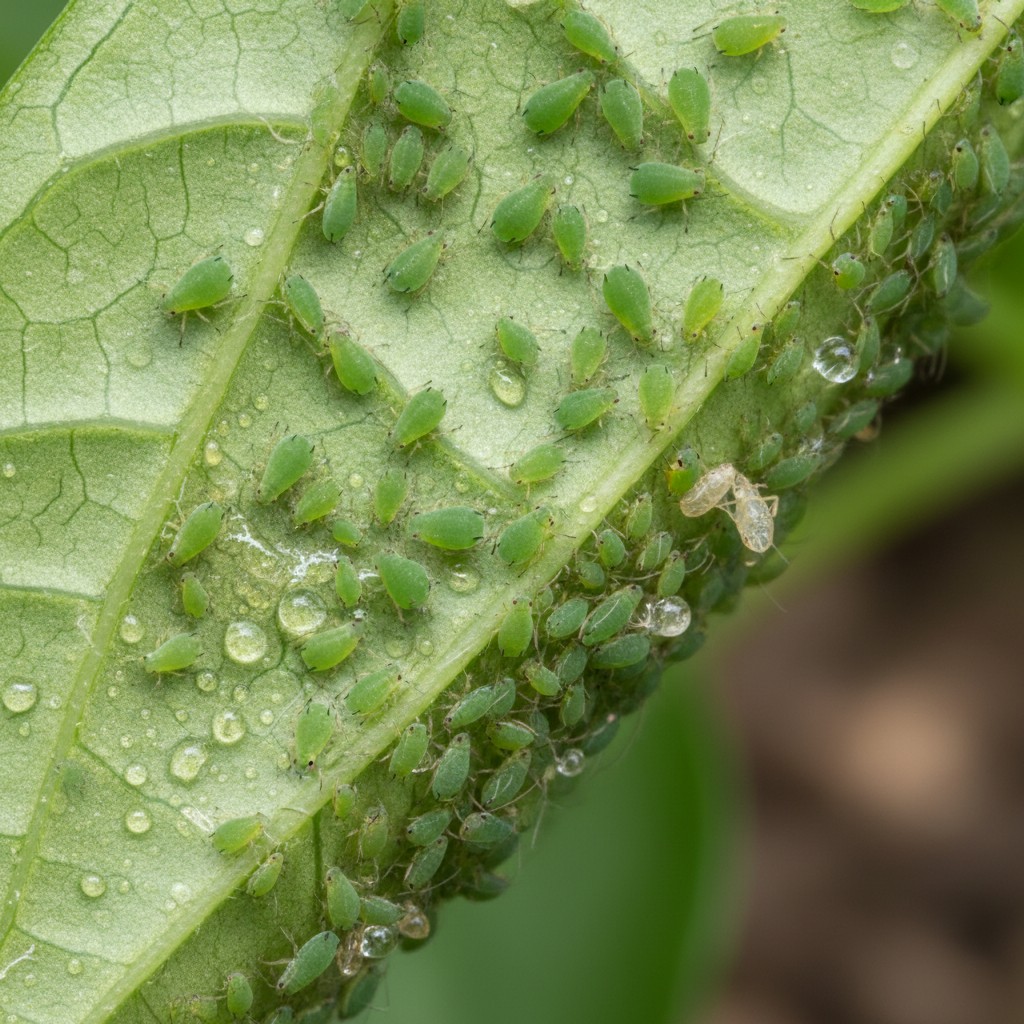
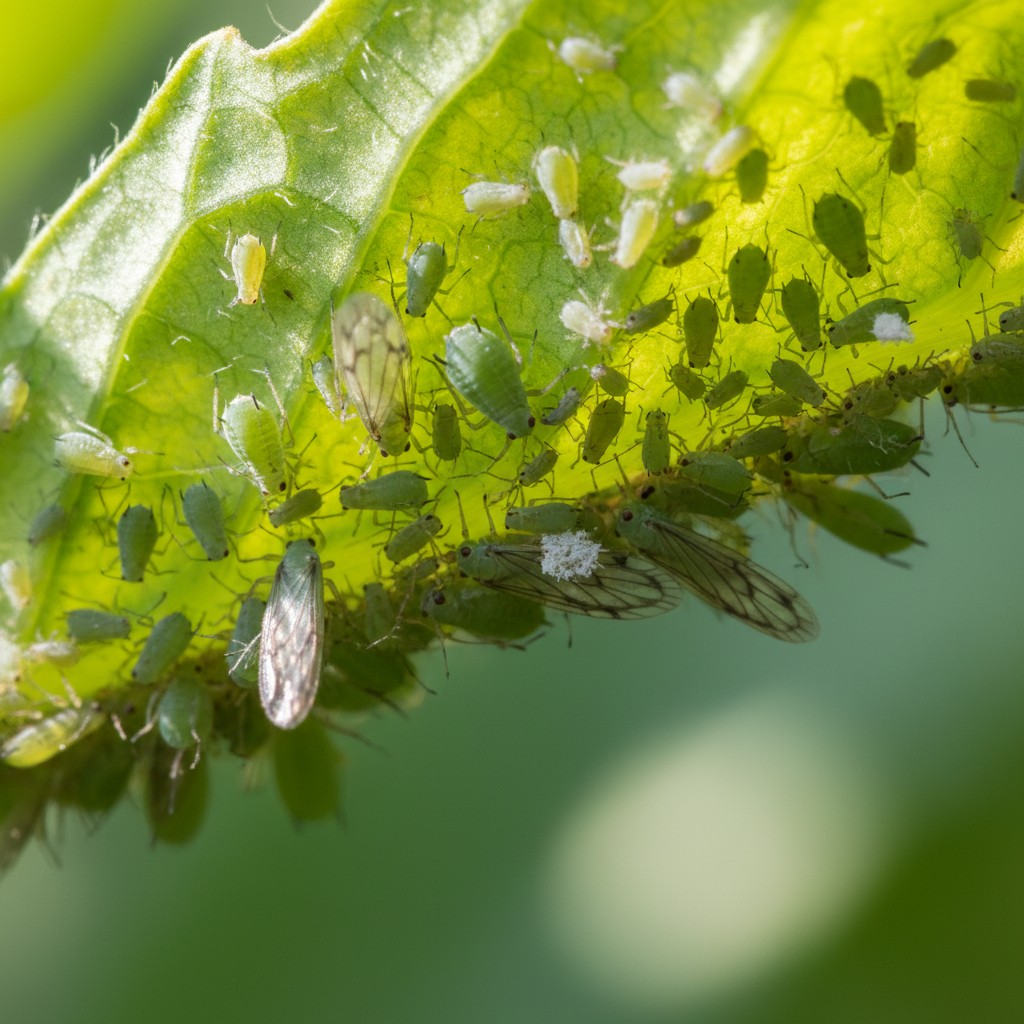
What it looks like: Tiny (1–2mm), soft-bodied insects that come in green, yellow, black, gray, or red depending on species. (Woolly aphids can approach 3mm, but the garden aphids most commonly encountered top out at 2mm.) They cluster tightly on new growth and the undersides of leaves, often covering stems tip-to-tip. You’ll also notice ants farming them, ants protect aphid colonies because they feed on the sticky honeydew aphids excrete.
What the damage looks like: Curled, puckered, or yellowing leaves. A sticky, shiny coating (honeydew) on leaves and stems, often followed by sooty black mold growing on the residue. Severely infested new growth will be distorted and stunted.
What it targets: Almost everything. Especially bad on roses, tomatoes, peppers, beans, lettuce, and brassicas. Each aphid species tends to prefer specific plants, but when populations boom, they spread.
How to stop it: A hard blast of water from a hose knocks them off and kills many of them, do this three days in a row and small colonies collapse. For heavier infestations, insecticidal soap spray (coat the undersides of leaves thoroughly) kills on contact. Neem oil works as a follow-up contact and feeding deterrent (systemic uptake requires soil-drench application; foliar sprays are not systemic). Introduce or attract ladybugs and lacewings. If you see ants tending the colony, deal with the ants first, a line of diatomaceous earth around the base of the plant disrupts them.
2. Tomato Hornworm
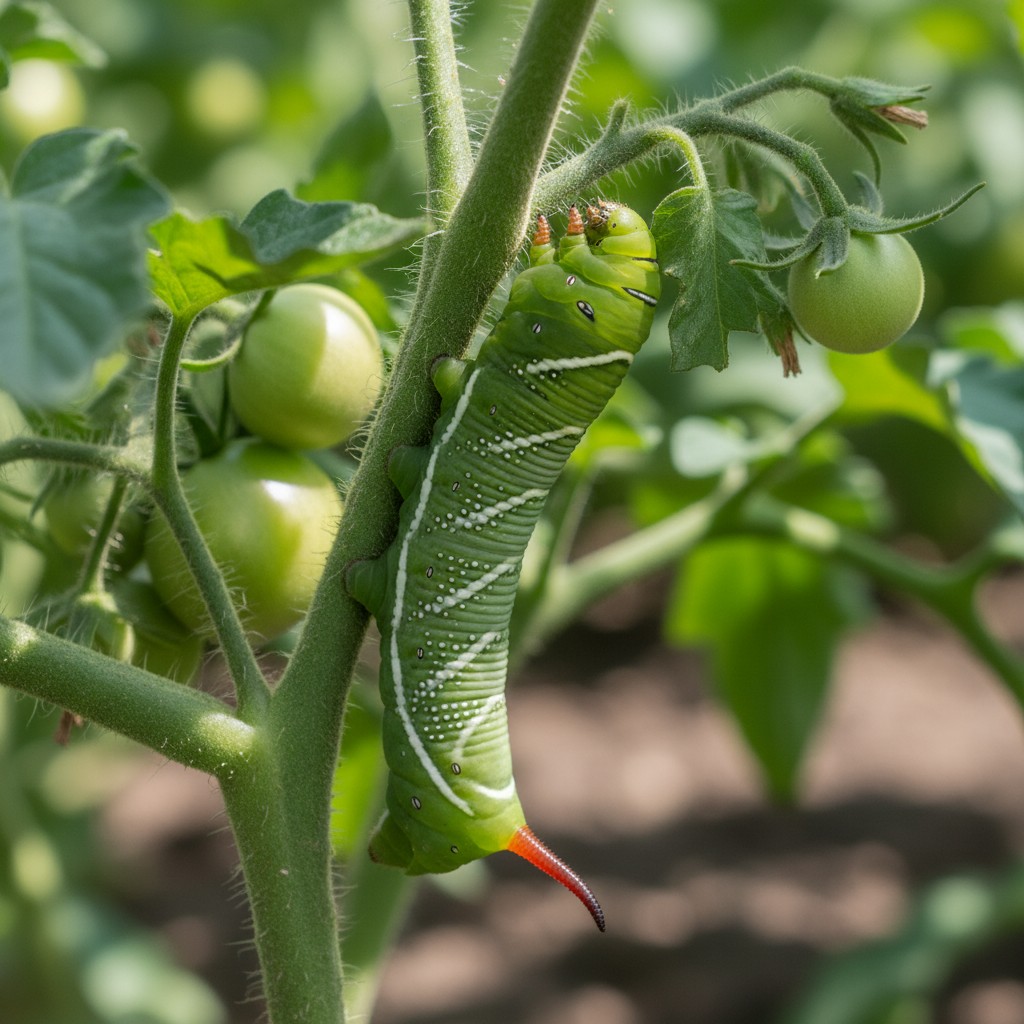
What it looks like: among the most dramatic garden insects you’ll encounter. Adults are enormous green caterpillars, three to four inches long, as thick as your thumb, with a distinctive horn projecting from the rear. The true tomato hornworm (Manduca quinquemaculata) has eight white V-shaped chevrons along its sides and a blue-black horn. The similar tobacco hornworm (Manduca sexta) has seven diagonal white stripes and a red horn, both species feed on tomatoes and are commonly found in home gardens. Their camouflage against tomato foliage is extraordinary. Look for their dark green or black droppings on leaves below to locate them.
What the damage looks like: Sudden, severe defoliation. Entire branches stripped of leaves overnight. Large sections of stem left bare. Because they’re so big, a single hornworm can do visible damage in a single day.
What it targets: Tomatoes primarily, but also peppers, eggplant, and potatoes, anything in the nightshade family. Our guide to growing tomatoes has more on protecting your crop through the season.
How to stop it: Hand-pick. It’s unpleasant but effective. Drop them into soapy water. Check plants every two or three days once you’ve found evidence of feeding. BT (Bacillus thuringiensis) sprayed on foliage is effective on young caterpillars that haven’t reached full size yet. If you find a hornworm covered in small white oval cocoons, do not remove it, those are parasitic wasp pupae, and they’ll kill that caterpillar and emerge to parasitize dozens more.
3. Cabbage Worm and Cabbage Looper
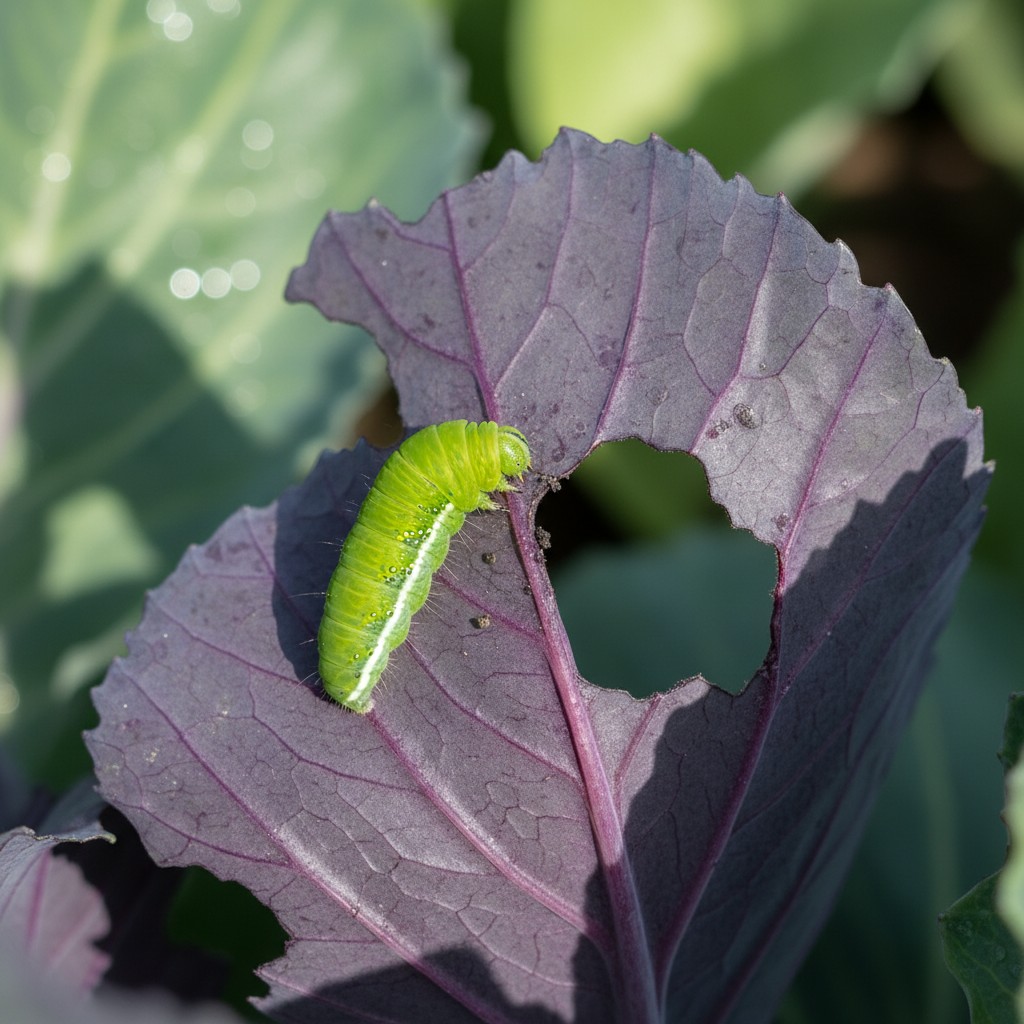
What it looks like: Two different species, same damage. Imported cabbage worms are velvety smooth, bright green caterpillars (the larvae of the common white cabbage butterfly you see fluttering around brassica beds). Cabbage loopers are slightly paler, thinner, and move with the characteristic looping motion of inch-worms. Both are one to one-and-a-half inches long at maturity.
What the damage looks like: Irregular holes through leaf tissue, usually starting from the outer edges and working inward. Heavy infestations leave leaves looking lacy. Dark green frass pellets visible on leaves. In heads of cabbage or broccoli, they tunnel deep into the center.
What it targets: All brassicas: cabbage, broccoli, cauliflower, kale, Brussels sprouts, kohlrabi, bok choy.
How to stop it: BT (Bacillus thuringiensis var. Kurstaki) is the organic gardener’s best friend here, it’s a naturally occurring soil bacteria that kills caterpillars specifically and leaves everything else unharmed. Spray it on the foliage every five to seven days and after rain. Row covers installed at transplant, before the white butterflies arrive, prevent egg-laying entirely. Hand-pick eggs: they’re tiny pale yellow ovals laid singly on leaf undersides, before they hatch.
4. Squash Vine Borer
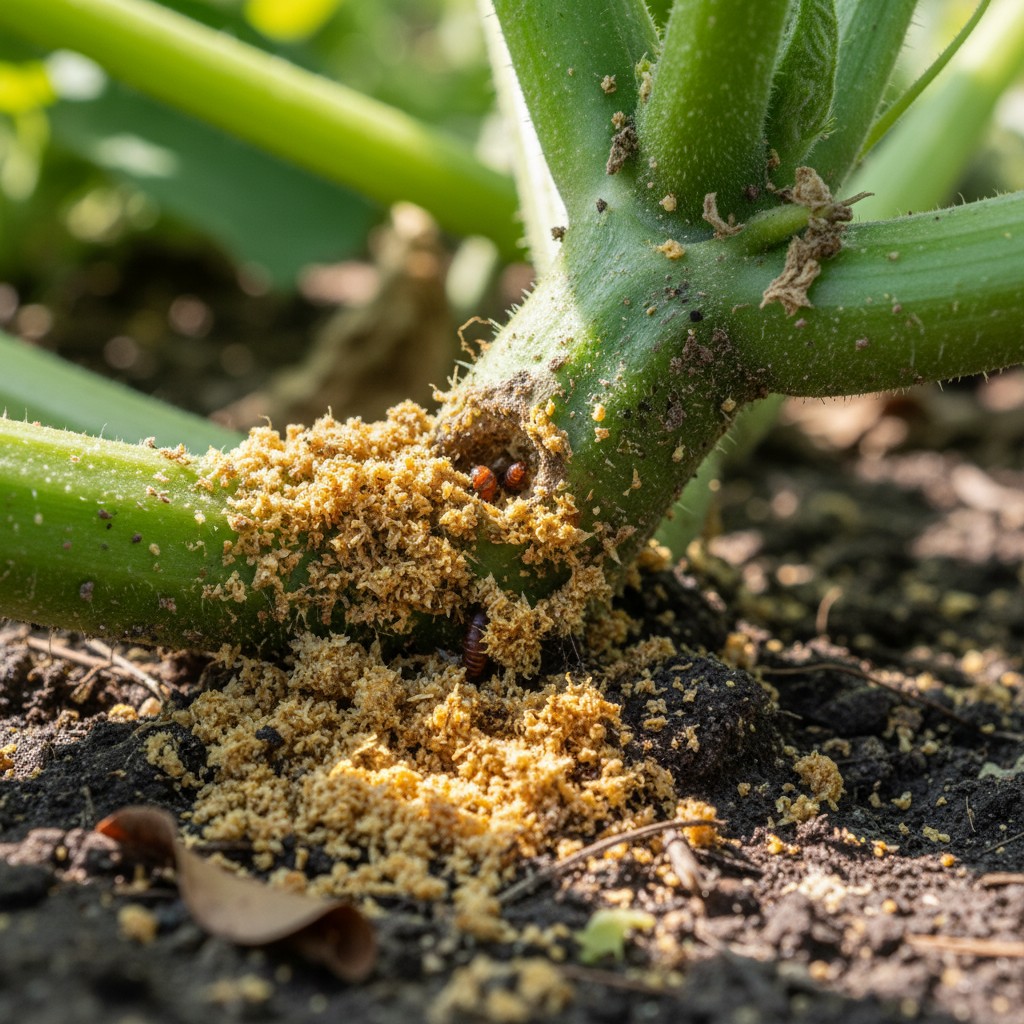
What it looks like: The adult is a moth that looks like a wasp, orange abdomen with black dots, metallic green forewings, and clear hindwings. The orange-and-green coloring is the key field mark; sources that describe it as simply “red and black” are slightly off. You might see it hovering near the base of squash plants in early summer. The damaging larvae are white with a brown head, found inside the stem when you cut it open. Eggs are small, flat, and reddish-brown, laid singly at the base of stems.
What the damage looks like: Sudden, dramatic wilting of an entire squash plant or large vine section, apparently healthy one morning, collapsed by afternoon. Look at the base of the stem: you’ll see a hole and a pile of sawdust-like greenish frass. The inside of the stem is hollowed out.
What it targets: Primarily zucchini and other summer squash, pumpkins, and Hubbard-type winter squash. Butternut squash has some natural resistance due to its harder stems.
How to stop it: Row covers over young plants prevent egg-laying, remove them when plants start to flower so bees can pollinate. Monitor for eggs at the stem base daily in midsummer and scrape them off. If you find frass, use a thin wire or knife to locate and extract the larvae from the stem, then mound soil over the wound to encourage re-rooting. Plant a succession of squash seeds every three weeks so late-season plants escape the peak borer window. Yellow sticky traps catch the adult moths.
5. Japanese Beetle
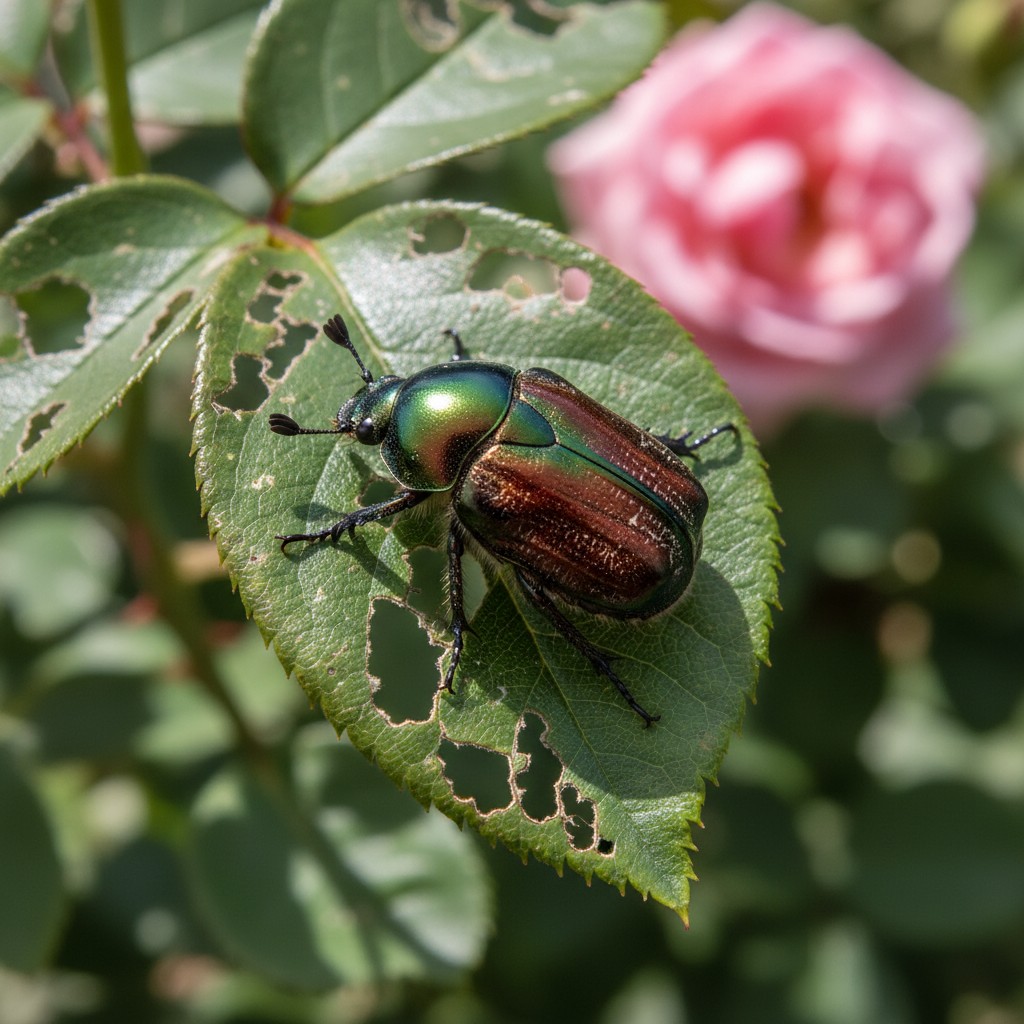
What it looks like: Unmistakable. A half-inch beetle with an iridescent metallic green head and thorax, bronze-copper wing covers, five patches of white hair along each side of the abdomen plus two patches at the tip, 12 white tufts total, the definitive diagnostic feature that separates Japanese beetle from similar-looking species. They feed in groups, often dozens of beetles clustered on a single plant.
What the damage looks like: Skeletonized leaves, the beetles eat the tissue between the leaf veins, leaving the veins intact. The result looks like green lace. Affected leaves brown and die. Flowers are also eaten.
What it targets: Over 300 plant species. Especially bad on roses, grapes, raspberries, beans, basil, and linden trees. Their larvae (white grubs) live in lawns and damage grass roots.
How to stop it: Hand-pick in the morning when beetles are sluggish, drop them into soapy water. This is genuinely the most effective control. Japanese beetle traps (with pheromone lures) attract more beetles to your yard than they catch and are not recommended unless placed far from your garden. Neem oil applied to foliage deters feeding. Milky spore disease (Paenibacillus popilliae) applied to lawn areas kills grubs and builds up in the soil over years, providing long-term control.
6. Flea Beetle
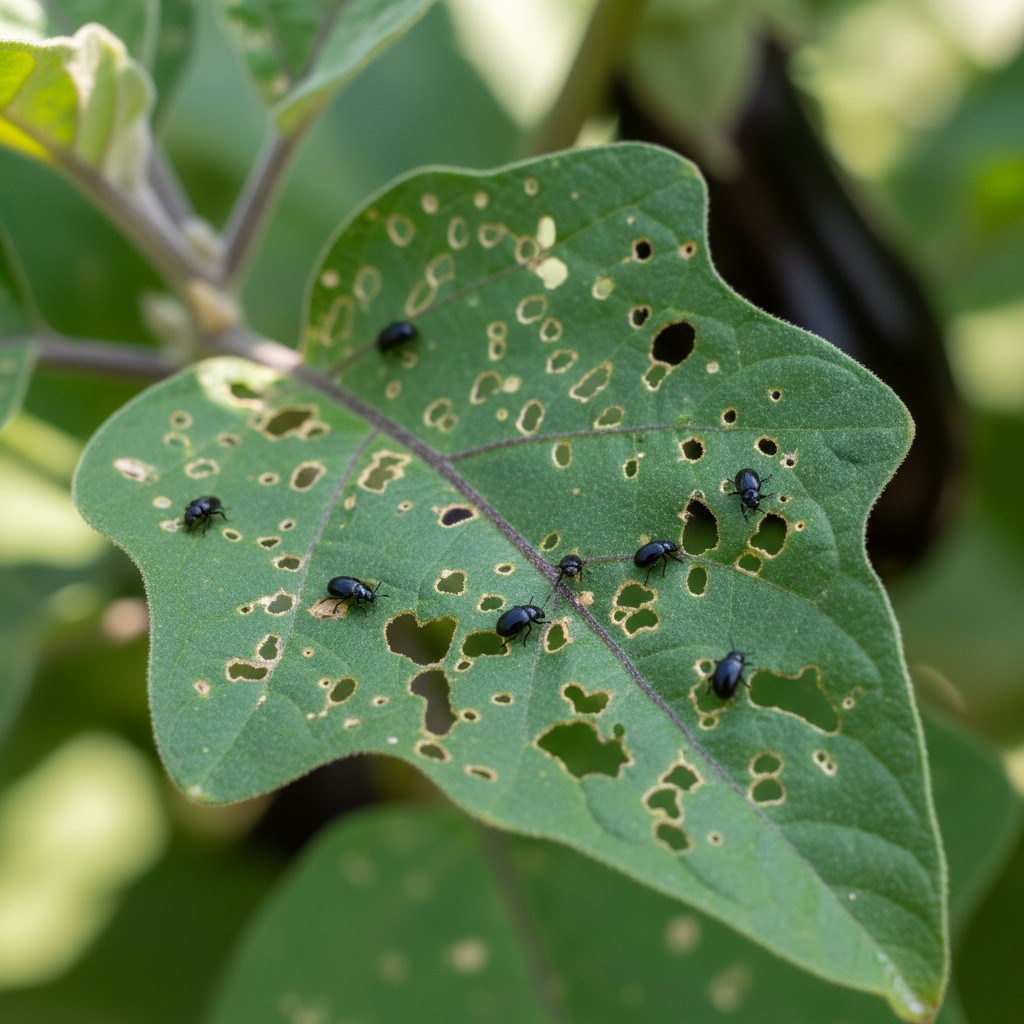
What it looks like: Tiny, just one to two millimeters, black or dark brown beetles that jump like fleas when disturbed. You’ll rarely see them sitting still. They’re so small they’re easy to dismiss, but their impact is not small.
What the damage looks like: Dozens to hundreds of tiny round holes scattered across leaves, the “shotgun hole” pattern. Heavy feeding makes leaves look like they were blasted with fine buckshot. Young seedlings can be killed outright by flea beetle pressure.
What it targets: Worst on eggplant (they can defoliate seedlings completely), but also affects tomatoes, peppers, potatoes, arugula, radishes, and young brassica transplants.
How to stop it: Row covers at transplant are the gold standard, flea beetles are most damaging to young plants, and covering them for the first three to four weeks gives them time to outgrow vulnerability. Diatomaceous earth dusted on foliage deters them (reapply after rain). Wear a dust mask when applying diatomaceous earth, the fine silica particles can irritate lungs with repeated inhalation; food-grade DE is still an inhalation hazard. Sticky yellow traps help monitor populations. Once plants are established and growing vigorously, flea beetle feeding is mostly cosmetic. For eggplant specifically, consider delaying transplant until soil is fully warm, larger, faster-growing plants tolerate feeding better.
7. Cucumber Beetle (Striped and Spotted)
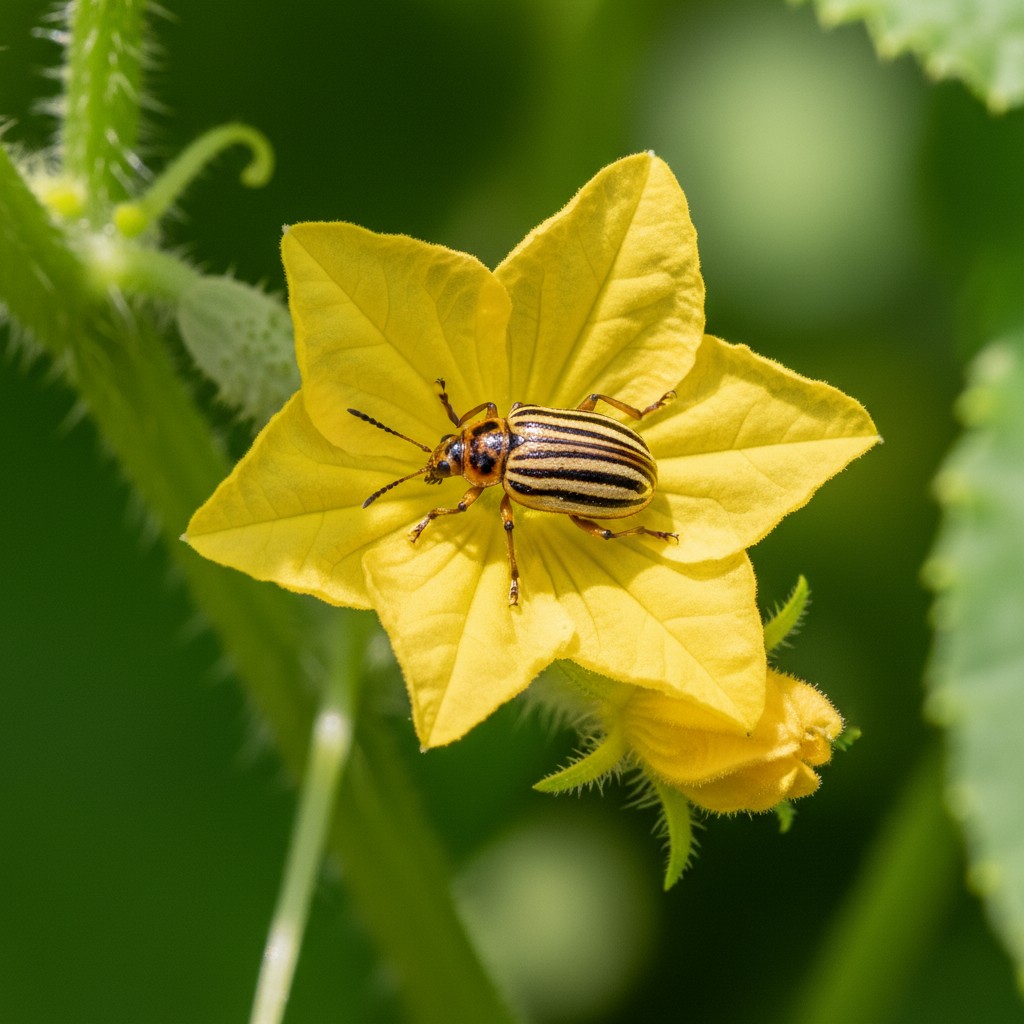
What it looks like: About a quarter inch long. The striped cucumber beetle is yellow with three black stripes running lengthwise. The spotted version is yellow-green with twelve black spots, easy to confuse with a ladybug at first glance, but the yellow ground color and elongated body shape are the giveaways.
What the damage looks like: Chewed holes in leaves, scarred fruit skin, and wilting. But the real damage is invisible: cucumber beetles transmit bacterial wilt disease, which spreads through the plant’s vascular system and kills it. There’s no cure for bacterial wilt, infected plants must be removed. A plant with bacterial wilt will wilt dramatically in midday heat even with adequate water.
What it targets: Cucumbers, melons, squash, pumpkins, all cucurbits. Also beans and corn.
How to stop it: Row covers at planting, removed at flowering. Yellow sticky traps to monitor and reduce adult populations. Hand-pick adults in the morning. Kaolin clay (a physical barrier spray) deters beetles from landing. If bacterial wilt is a recurring problem in your garden, choose resistant cucumber varieties, many modern varieties are bred for tolerance. See our companion planting guide for trap cropping strategies using blue Hubbard squash.
8. Slugs and Snails
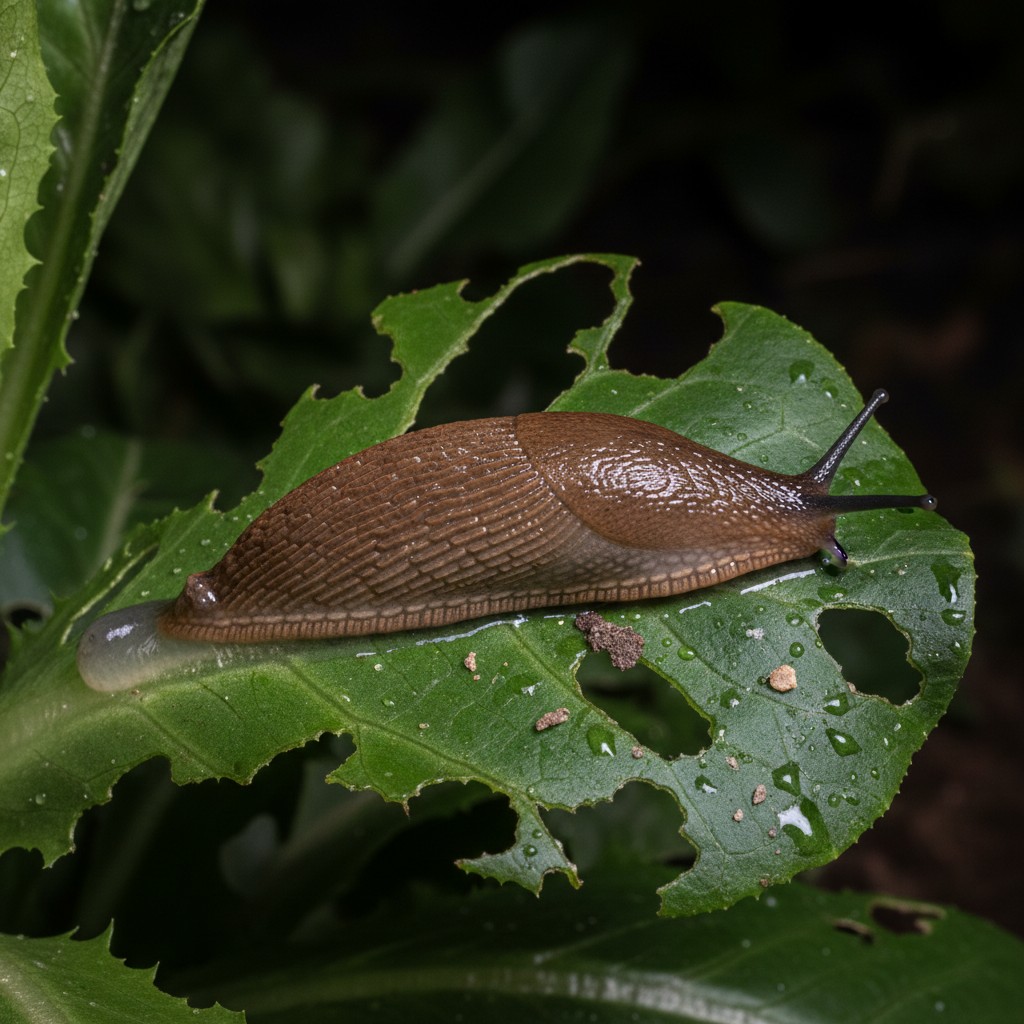
What it looks like: Slugs are soft-bodied, gray to brown, limbless mollusks. Snails are the same animal with a shell. Both leave a characteristic silver slime trail, the clearest ID marker in gardening. You won’t often see them; they feed at night or on heavily overcast days and hide under mulch, boards, and debris during daylight.
What the damage looks like: Irregular, ragged holes in leaves, not the clean edges of caterpillar feeding, but torn-looking damage. Holes may go all the way through the leaf or just remove one surface layer. Slime trails on foliage and on the soil surface around damaged plants are the giveaway.
What it targets: Almost anything low to the ground. Especially bad on lettuce, hostas, basil, beans, and strawberries. Newly transplanted seedlings are extremely vulnerable.
How to stop it: Go out an hour after dark with a flashlight and hand-pick into soapy water, this can dramatically reduce populations in a few nights. Iron phosphate baits (Sluggo and similar products) are OMRI-listed and safe around pets and wildlife. Diatomaceous earth around plant bases works when dry but loses effectiveness in wet weather. Reduce habitat: pull back mulch from plant bases, eliminate boards and debris they hide under. Copper tape around raised bed frames creates a mild deterrent, slugs dislike crossing it.
9. Colorado Potato Beetle
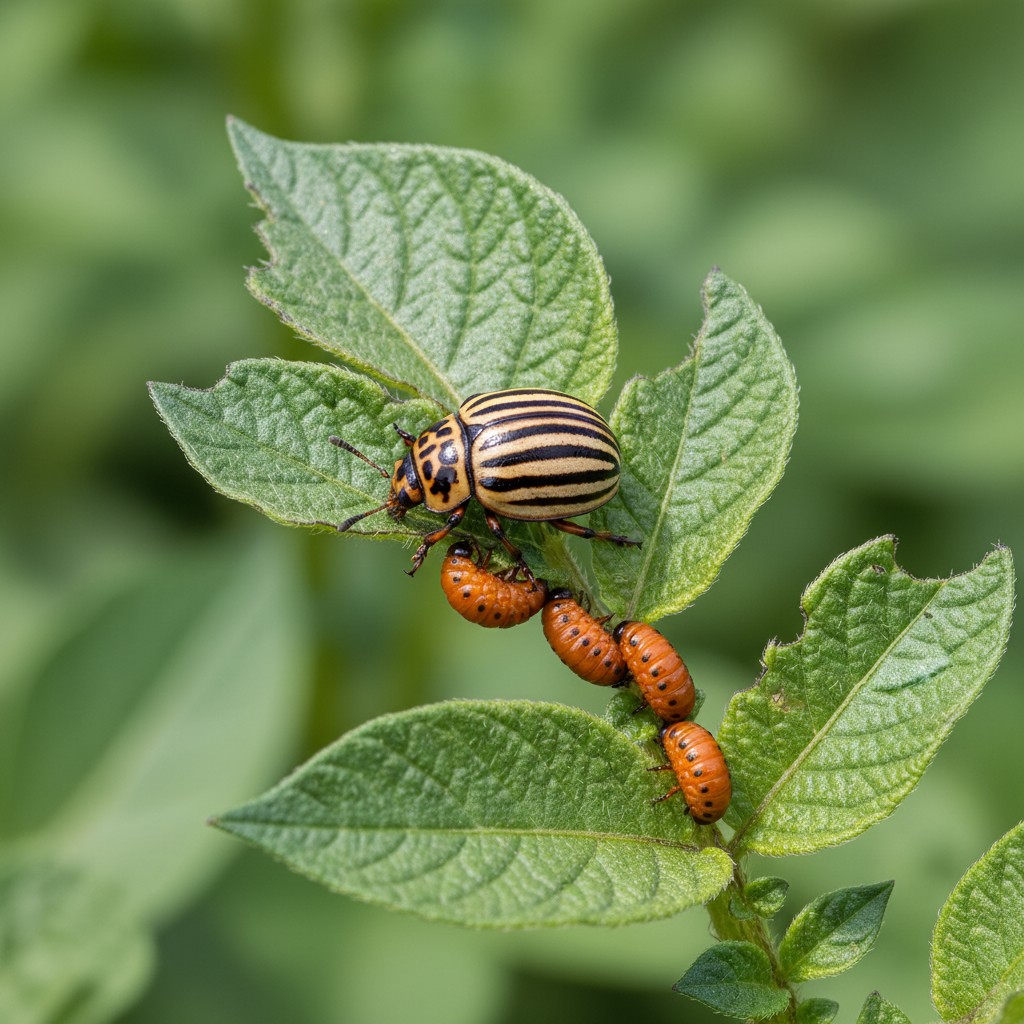
What it looks like: A round, dome-shaped beetle about three-eighths of an inch long, with yellow and black alternating stripes on the wing covers. Larvae are plump with two rows of black spots along the sides and a black head. Early instars are brick-red to crimson before turning the familiar orange to salmon-pink of mature larvae, scout for the red ones early in the season before populations build. Egg clusters are bright yellow-orange, laid in tidy rows on leaf undersides.
What the damage looks like: Defoliation. Adults and larvae both eat leaf tissue, and a moderate infestation can strip a plant bare. Severely defoliated potato plants produce almost nothing. The feeding is ragged, leaving jagged margins and skeleton-like leaves.
What it targets: Potatoes primarily, but also eggplant, tomatoes, and peppers. They are specialists on the nightshade family.
How to stop it: Scout early and often, find the eggs and crush them before they hatch. Hand-pick larvae and adults into soapy water. BT var. San diego (not the same strain as used for caterpillars, look for Bt tenebrionis or Bt san diego formulations) is effective on young larvae. Neem oil deters feeding. Rotate potato beds at least two years away from nightshades to disrupt overwintering populations that emerge from soil in spring. Straw mulch encourages ground beetle populations that eat eggs and small larvae.
10. Squash Bug
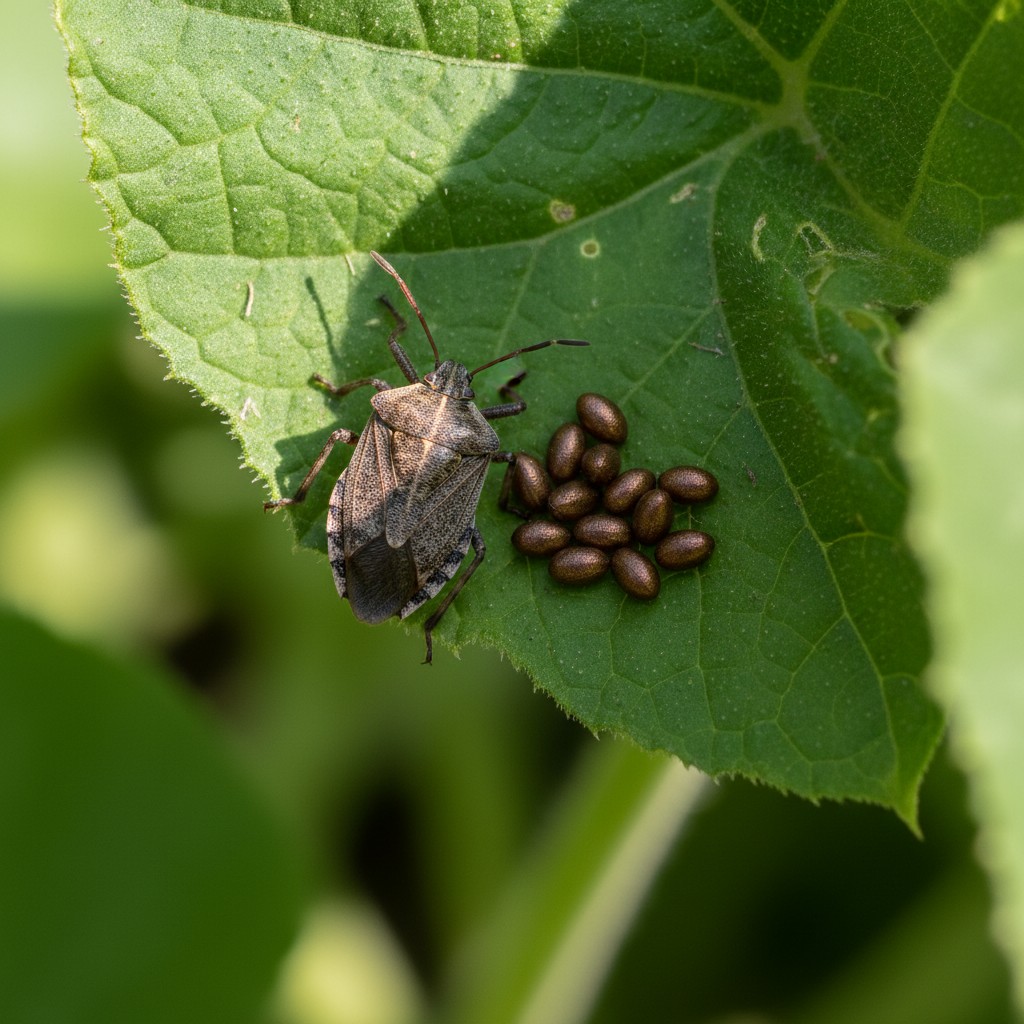
What it looks like: Adults are flat, shield-shaped, brownish-gray bugs about five-eighths of an inch long, they look like a shield or arrowhead. Nymphs are small, light gray to green with black legs, traveling in groups. Eggs are bronze to coppery-red, oval, and laid in neat clusters on leaf undersides, often in a tidy V-shape or zigzag along the angle between leaf veins.
What the damage looks like: Wilting and yellowing starting at the leaf tips, spreading inward. Feeding causes toxic compounds to enter the plant tissue. Affected leaves turn brown and crumble. Heavily infested plants can die. The damage pattern often mimics drought stress, which delays diagnosis.
What it targets: Winter squash and pumpkins are hardest hit. Summer squash and cucumbers less so, but all cucurbits are susceptible.
How to stop it: Egg removal is the single most effective tactic, check leaf undersides twice a week in midsummer and use tape or your fingers to pull off and destroy egg masses. Hand-pick nymphs and adults. They’re fast and will drop when disturbed, place a piece of cardboard under the plant to catch them. Trap boards placed near squash overnight attract adults hiding underneath; check and destroy each morning. Remove dead plant material promptly, as overwintering adults shelter in garden debris.
11. Spider Mites
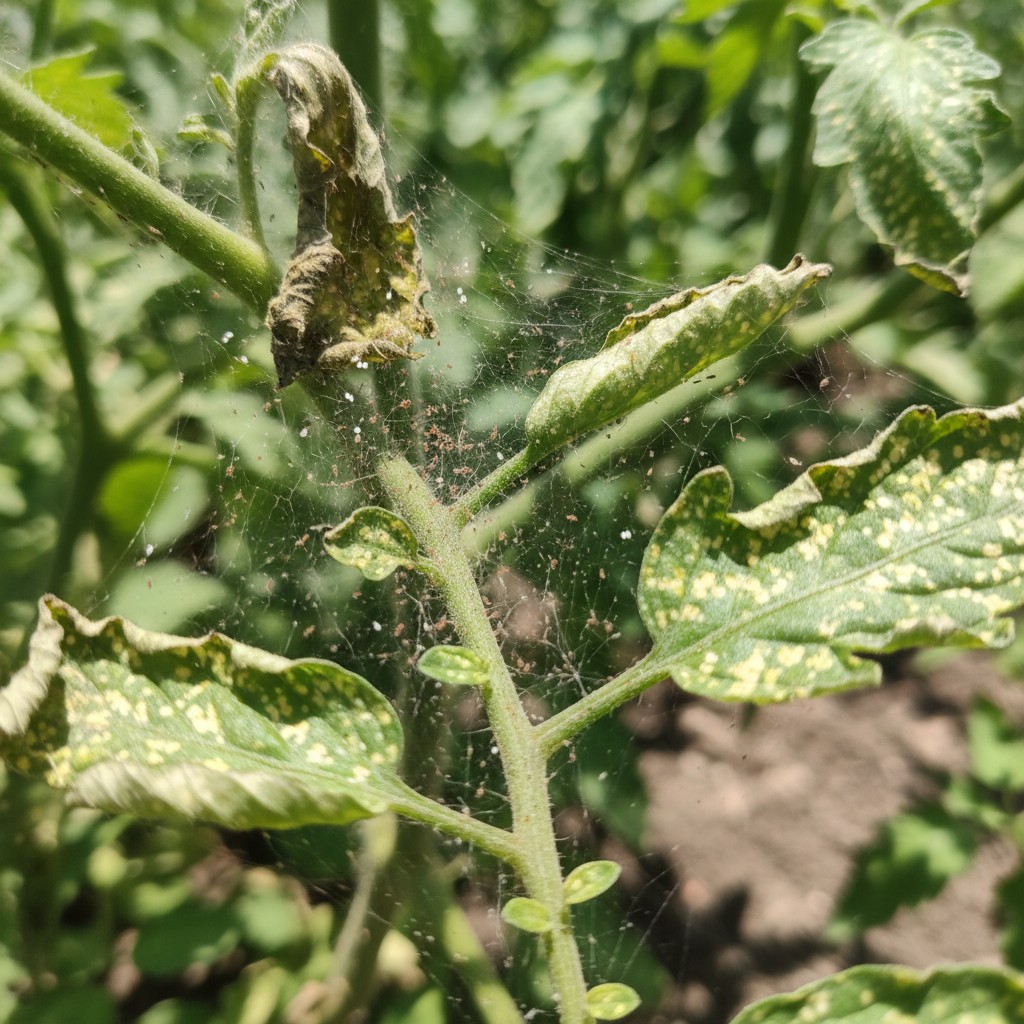
What it looks like: Almost invisible individually, they’re about the size of a period on this page. You’ll see evidence before you see them. Hold a sheet of white paper under a suspect leaf and tap; if tiny specks fall and start moving, you have mites. In heavier infestations, you’ll see fine webbing on the underside of leaves and between branches.
What the damage looks like: Stippled, speckled leaves, thousands of tiny yellow or white dots where feeding has drained the cells. From a distance the plant looks dusty or bronzed. Leaves yellow, then dry and drop. Spider mites thrive in hot, dry conditions and can go from minor problem to severe infestation in a week during a heat wave.
What it targets: Wide range. Especially bad on tomatoes, beans, cucumbers, strawberries, and ornamentals. Drought-stressed plants are most susceptible.
How to stop it: Water stress is the biggest risk factor, keep plants well-irrigated during heat waves. A strong water spray on the undersides of leaves physically removes mites and disrupts their colonies. Insecticidal soap or neem oil, applied thoroughly to the undersides of leaves, is effective. Predatory mites (Phytoseiulus persimilis) are commercially available and devastatingly effective in the right conditions, they’re commonly used in greenhouse situations. Avoid dusty conditions; mites thrive in dust.
12. Whitefly
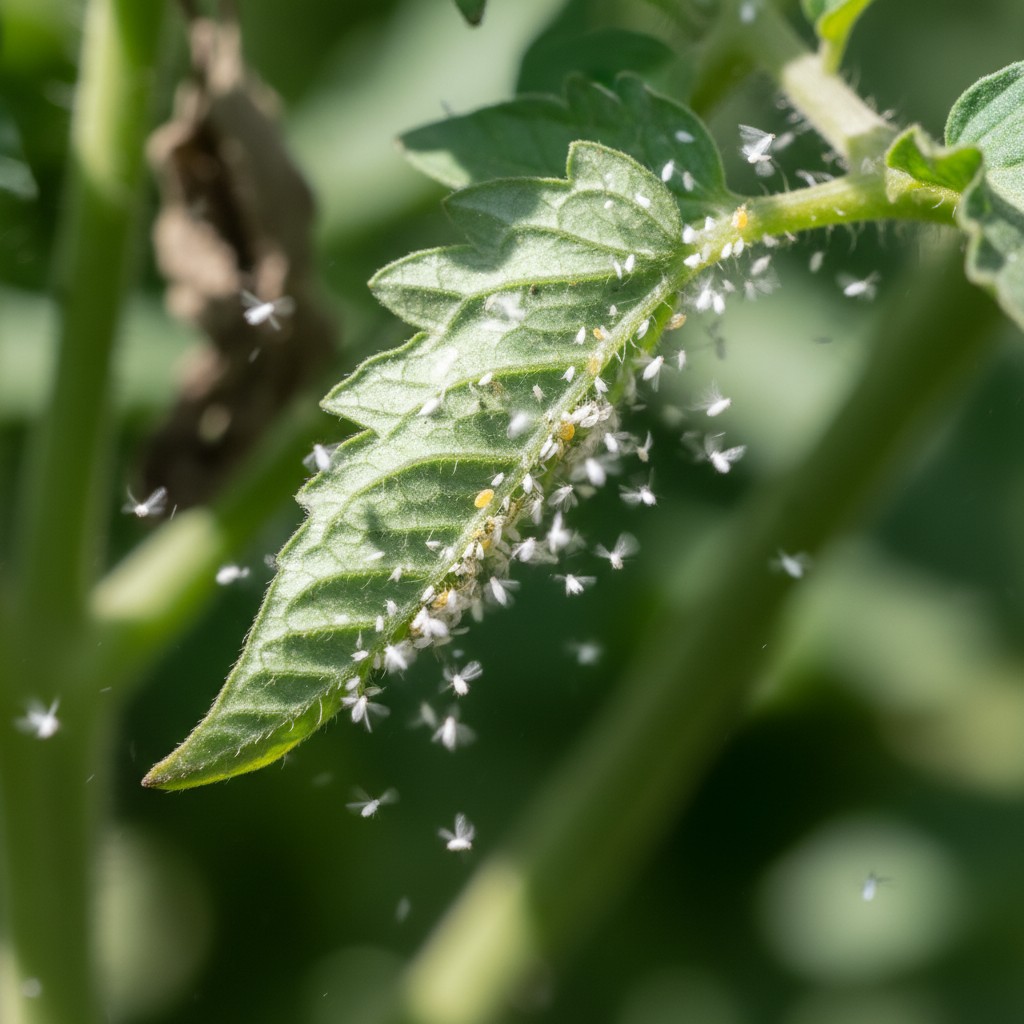
What it looks like: Tiny, one to two millimeters, white-winged insects that live and feed on the undersides of leaves. The clearest sign: tap a plant and a white cloud erupts and quickly settles back down. Eggs and immature nymphs (scales) are nearly invisible without magnification.
What the damage looks like: Yellowing, stunted growth, and sticky honeydew deposits on leaves (which then attract sooty mold). Heavy infestations cause severe plant decline. Whiteflies also transmit several plant viruses.
What it targets: Especially problematic on tomatoes, peppers, basil, and brassicas. A major pest in greenhouses and high tunnels where natural predators are excluded.
How to stop it: Yellow sticky traps catch adults and help you gauge population levels. Insecticidal soap and neem oil applied to leaf undersides reduce populations, coverage is critical. A strong blast of water daily knocks down numbers. Reflective mulch (silver or aluminum) disorients whiteflies and reduces their landing on low-growing crops. If you’re growing tomatoes, see our full tomato guide for integrated season-long management.
13. Earwig
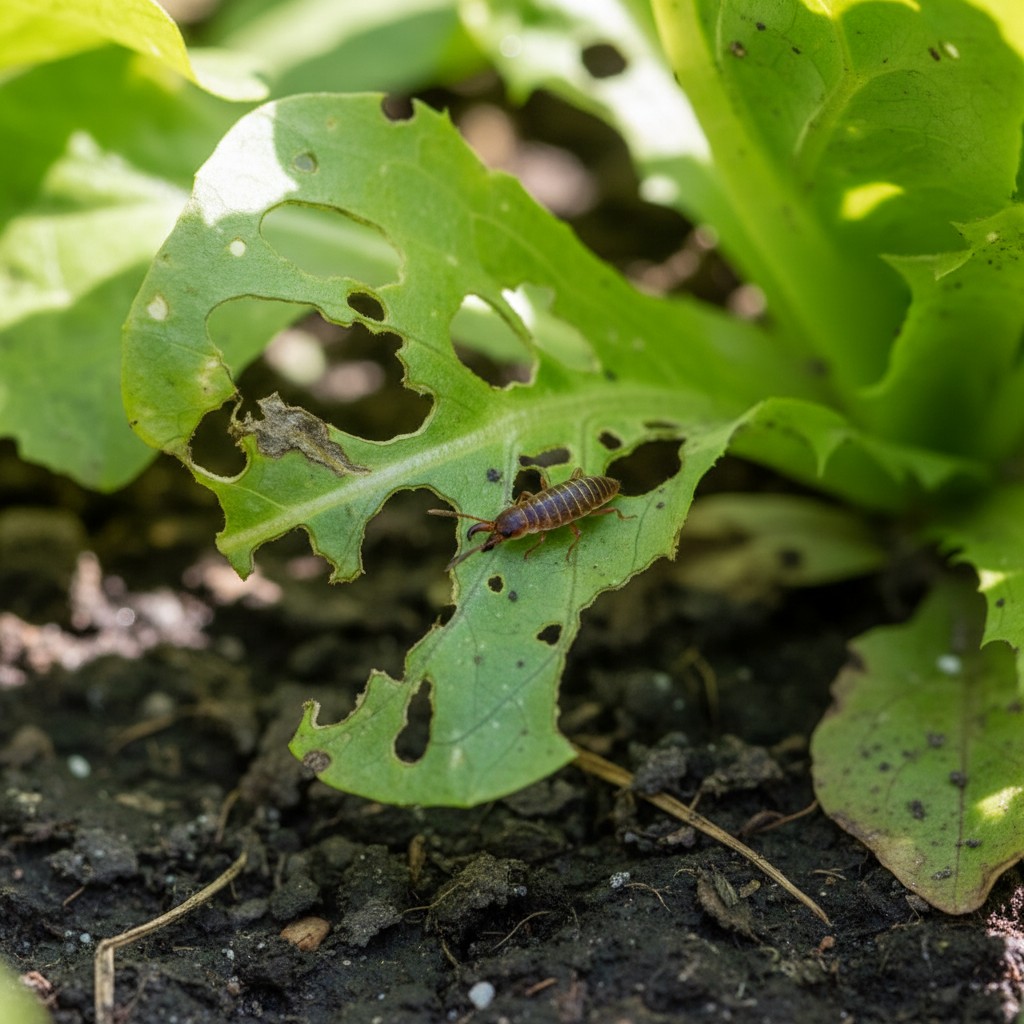
What it looks like: Elongated, reddish-brown insects about three-quarters of an inch long with distinctive curved forceps (cerci) at the tail end. The pincers look alarming but rarely pinch humans and pose no danger. They’re nocturnal and hide in tight, moist spaces during the day, under pots, in rolled newspaper, in mulch.
What the damage looks like: Ragged, irregular holes in leaves with a somewhat shredded appearance, similar to slug damage but without the slime trail. They feed mostly at night. They’ll eat seedlings, soft fruit (strawberries), and young leaves. Notably, earwigs also eat aphids and other soft-bodied insects, they’re partial predators, making them something of a mixed bag.
What it targets: Lettuce, soft fruits, seedlings, and young growth. They’re especially troublesome in areas with heavy mulch or dense, moist cover.
How to stop it: Trap them. Roll damp newspaper into a tube, leave it near damaged plants overnight, and dispose of it in the morning with the earwigs inside. Rolled corrugated cardboard works the same way. Reduce daytime habitat by pulling mulch away from plant bases. Diatomaceous earth around seedlings creates a barrier they dislike crossing. Because earwigs also eat aphids, assess whether they’re causing net harm before investing heavily in control.
14. Cutworm
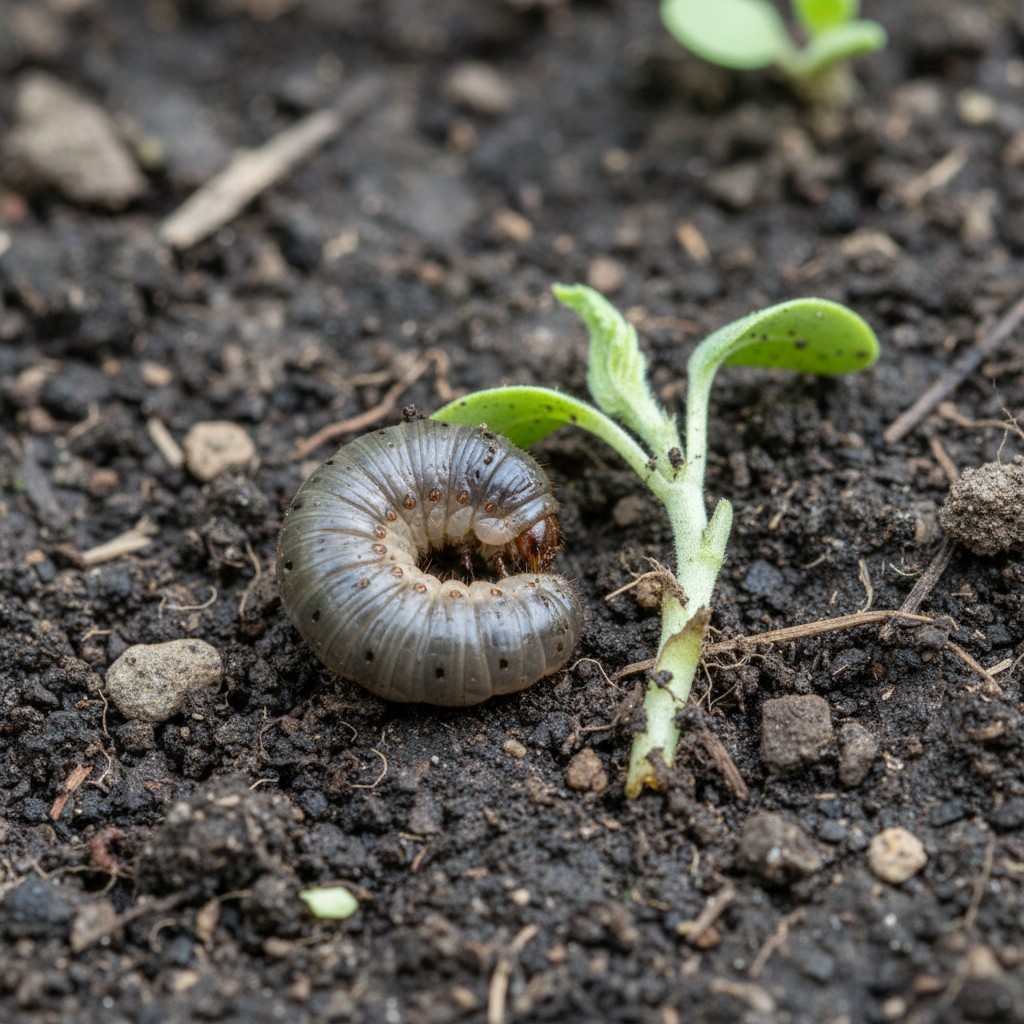
What it looks like: Fat, smooth caterpillars, one to two inches long, that curl into a C-shape when disturbed. They’re gray, brown, or nearly black, and they spend the day hidden just below the soil surface. You’ll almost never see them unless you dig. The adult is a drab brown moth.
What the damage looks like: Seedlings cut cleanly at or just below the soil line overnight. You’ll find the top of a perfectly healthy-looking plant lying next to a bare stub. This is the hallmark damage, nothing else cuts seedlings this cleanly at the soil line.
What it targets: Almost any young transplant: tomatoes, peppers, brassicas, beans. Especially bad in beds that had grass or weeds prior to planting, where moths lay eggs in summer and larvae overwinter in the soil.
How to stop it: Cutworm collars are simple and extremely effective, cut toilet paper tubes or tin cans into three-inch sections, press them an inch into the soil around each transplant, and cutworms can’t reach the stem. BT (Bacillus thuringiensis) applied to the soil surface kills young larvae. Dig around the base of damaged plants to find and destroy the culprit. Scatter diatomaceous earth on the soil surface around transplants. If you’re planting into a former lawn area, wait a season or till deeply in fall to expose and kill overwintering larvae.
15. Mexican Bean Beetle
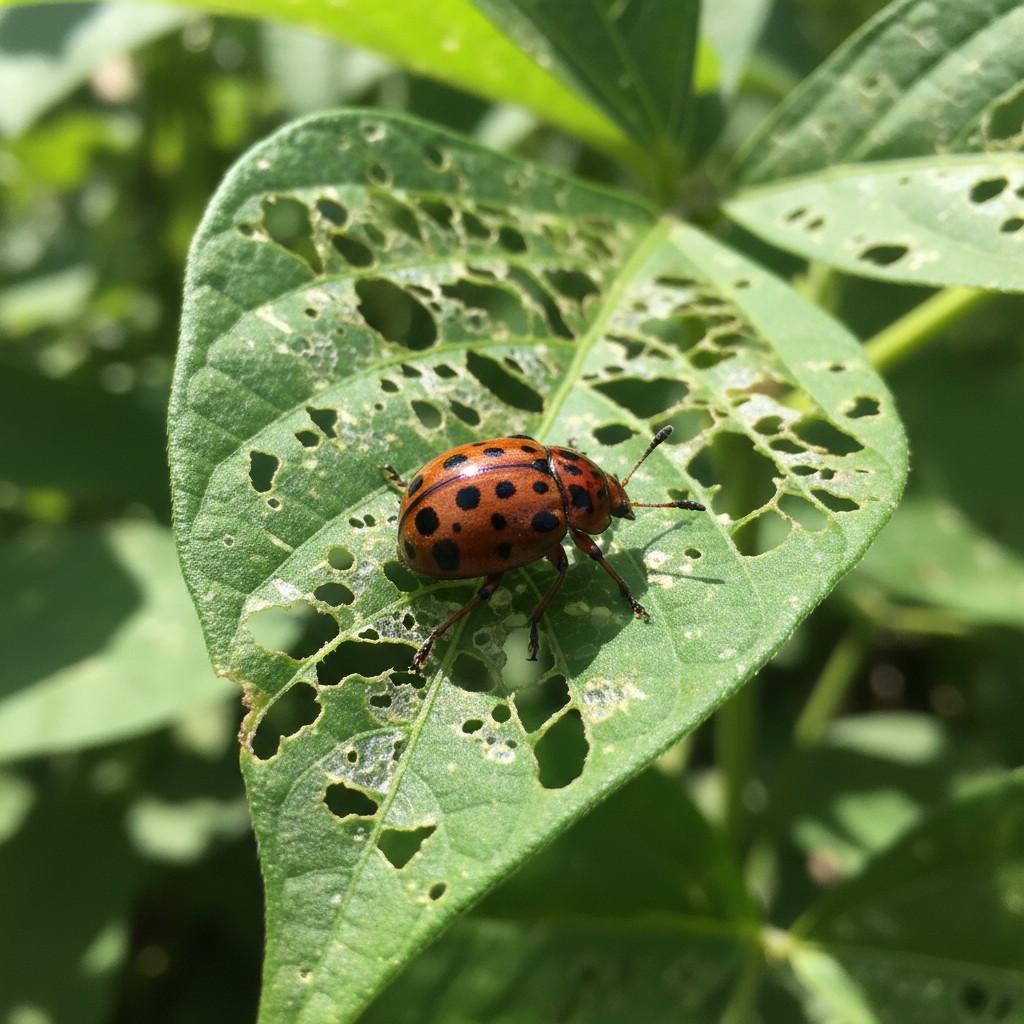
What it looks like: This one regularly fools even experienced gardeners because it genuinely resembles a ladybug. It’s the same dome shape, the same size, but the color is coppery-orange or yellowish-tan (not red), and it has sixteen black spots arranged in three rows (ladybugs have fewer and are typically brighter red). Larvae are pale yellow, oval, and spiny-looking. Eggs are yellow, laid in clusters on leaf undersides.
What the damage looks like: Skeletonized leaves, adults and larvae both scrape the leaf tissue from the underside, leaving a lacy, papery appearance. Unlike aphid damage, the leaf structure stays intact but is eaten through, creating a window-pane effect. Severe infestations can defoliate an entire bean row.
What it targets: Beans almost exclusively, snap beans, dried beans, soybeans, and lima beans. Occasionally cowpeas.
How to stop it: Scout leaf undersides weekly once beans are growing, and crush any yellow egg clusters you find. Hand-pick larvae and adults. Neem oil spray on the undersides of leaves deters feeding and disrupts the life cycle. Insecticidal soap kills larvae on contact. A parasitic wasp, Pediobius foveolatus, is commercially available and specifically targets Mexican bean beetle larvae, worth seeking out if you have chronic problems. Row covers protect plants through early season before populations build.
Important: Always identify before you spray. Many beneficial insects look similar to pests. If you see a hornworm covered in white rice-like cocoons, leave it alone, those are parasitic wasp pupae that will kill far more hornworms than you ever could. The same principle applies across the board: a quick ID before any intervention prevents you from eliminating the allies doing your pest control work for free.
Quick Reference: Pest, Damage Sign, and Best Organic Control
| Pest | Key Damage Sign | Best Organic Control |
|---|---|---|
| Aphids | Sticky honeydew, curled new growth | Strong water spray, insecticidal soap |
| Tomato hornworm | Sudden defoliation, large black droppings | Hand-pick, BT (young caterpillars) |
| Cabbage worm/looper | Holes in brassica leaves, green frass | BT spray, row covers |
| Squash vine borer | Sudden wilt, frass at stem base | Row covers, stem surgery, succession planting |
| Japanese beetle | Skeletonized leaves (veins left intact) | Hand-pick mornings, neem oil, milky spore |
| Flea beetle | Shotgun-hole pattern across leaves | Row covers on transplants, DE |
| Cucumber beetle | Holes in leaves, bacterial wilt | Row covers, kaolin clay, resistant varieties |
| Slugs/snails | Ragged holes, slime trails | Iron phosphate bait, hand-pick at night |
| Colorado potato beetle | Defoliation on nightshades | Crush eggs, hand-pick, BT (tenebrionis strain) |
| Squash bug | Wilting from tip, bronze egg clusters | Egg removal, trap boards, hand-pick nymphs |
| Spider mites | Stippled leaves, fine webbing | Water spray, insecticidal soap, predatory mites |
| Whitefly | White cloud erupts when plant is touched | Yellow sticky traps, insecticidal soap |
| Earwig | Ragged holes, nocturnal, no slime trail | Newspaper traps, reduce mulch near stems |
| Cutworm | Seedlings cut at soil line overnight | Cutworm collars, BT soil application |
| Mexican bean beetle | Skeletonized bean leaves (lacy underside) | Crush eggs, hand-pick, neem oil |
When to Call It: Signs You Need Stronger Intervention
The organic methods described above handle the vast majority of garden pest problems, if you catch them early. But sometimes populations explode before you notice, weather conditions favor an unusual surge, or you’re dealing with something that’s been entrenched in your garden soil for years. Here’s how to know when to escalate.
The threshold question. Ask yourself: is this pest causing economic damage to my crop, or is it cosmetic? A few flea beetle holes on an established eggplant plant won’t reduce your harvest meaningfully. A cutworm taking out transplants you’ve been growing since February is a different story. Pest management is about thresholds, not perfection.
When to consider OMRI-listed products. OMRI (Organic Materials Review Institute) listed products are approved for organic production and have passed review for safety and efficacy. If hand-picking and row covers aren’t controlling a squash bug infestation, spinosad, an OMRI-listed product derived from a naturally occurring soil bacteria, can help. Pyrethrin, derived from chrysanthemum flowers, is another option for heavy infestations. Pyrethrin is highly toxic to bees and aquatic organisms on contact. Never spray when pollinators are active, apply at dusk only. Keep it away from waterways, drainage channels, and any water feature. Use it sparingly and only when other methods have failed. For a complete framework on organic-first options, our natural pest control guide goes deeper on the full toolbox.
Bringing in the extension office. Your state’s cooperative extension service is a free resource staffed by actual agronomists and plant pathologists. UC IPM (ipm.ucanr.edu) is among the most comprehensive and freely accessible IPM databases available, useful for any US gardener regardless of location, not just those in California. If you’re seeing a pest or disease you can’t identify, or if damage is recurring in the same bed year after year despite crop rotation, they want to hear from you. Many extension offices offer free or low-cost plant disease and pest ID clinics, either in person or by mail. They also maintain local pest calendars that tell you when specific pests are likely to peak in your specific region, far more useful than national guides.
Signs it’s time to call for help: more than 25–30% of a plant’s foliage lost to a single pest, evidence of a vectored disease (bacterial wilt, mosaic virus) spreading rapidly through multiple plants, or a pest you cannot identify through normal means. Extension agents have seen everything.
From Our Homestead
The squash vine borer nearly broke me my second year of serious gardening. I planted twelve zucchini and summer squash plants in a big raised bed in June, watched them take off beautifully, and then, mid-July, one by one they collapsed. By the time I understood what had happened, nine of the twelve were dead or dying.
What I didn’t know then was that the borers had been laying eggs at the base of my plants in late June while I was busy celebrating how well everything was going. I had no idea what to watch for, couldn’t identify the moth, didn’t know the eggs were tiny and red and sitting right at soil level in plain sight. A week of scouting would have caught it.
Now I put floating row covers on every cucurbit from transplant through first flower, and I check stem bases twice a week starting in late June. I haven’t lost a squash plant to borer since. The solution was never a spray. It was just knowing what to look for and looking for it.
That’s the whole point of this guide. You don’t have to be an entomologist. You just have to slow down, look closely, and learn to tell the difference between what’s helping you and what’s hurting you. Most of the work happens in ten minutes of walking your beds with fresh eyes three times a week.
Download Our Free Garden Pest ID Card
We put together a printable one-page reference card with the 15 pests from this guide, photos, damage descriptions, and first-response controls. Print it out and keep it in your garden journal or laminate it for the tool shed. It’s free for Wild Hearth Life subscribers.
Subscribe to the Wild Hearth Life newsletter and we’ll send it straight to your inbox, along with seasonal planting reminders and homestead how-tos every week.
Frequently Asked Questions
How do I tell the difference between pest damage and disease?
Pest damage almost always has a physical entry point, a hole, a chewed edge, or scraped leaf tissue. Disease tends to cause discoloration (yellowing, browning, black spots) that spreads through the leaf tissue without a clear mechanical origin. You’ll also rarely see the disease organism itself, while pests, or at least their frass and eggs, are usually findable with a close look. When in doubt, check the undersides of leaves first. That’s where most pests feed and lay eggs.
Is neem oil safe around bees and beneficial insects?
Neem oil is generally considered low-risk to bees when applied correctly, meaning in the evening after bees have stopped foraging, and never directly to open flowers. Neem works best as a preventive and systemic deterrent rather than a contact killer, so timing matters a lot. Insecticidal soap is a different story, it kills on contact and can harm soft-bodied beneficials like lacewing larvae if they’re hit directly. Apply all sprays in the evening, target pest populations specifically, and avoid broadcast spraying healthy plants as a preventive measure.
Can I use the same BT product for all caterpillar pests?
Not always. The most common formulation. BT var. Kurstaki, works well on caterpillars like cabbage worms, cabbage loopers, and tomato hornworms. A different strain, BT var. San diego (also called tenebrionis), targets Colorado potato beetle larvae. Read the label; different products are formulated for different targets. All BT is highly specific to the pest type listed on the label and harmless to birds, mammals, and most beneficial insects.
My garden has aphids every year. What’s the long-term solution?
Chronic aphid pressure is almost always a habitat and diversity problem. Aphid populations boom when natural predators are absent, which is usually a sign that your garden lacks the flowering plants those predators need for their adult food source. Plant a dedicated pollinator and beneficial insect strip near your vegetables: dill, fennel, yarrow, sweet alyssum, borage, and cilantro allowed to bolt and flower. Over a season or two, you’ll develop a resident predator population that keeps aphids in check without any intervention from you. Avoid synthetic broad-spectrum pesticides, which wipe out the beneficials as effectively as the aphids. See our pollinator garden guide for more on building that habitat.
Something is eating my pepper leaves and I can’t find the culprit. What should I do?
Night scouting is the answer. Many feeders: slugs, earwigs, cutworms, are strictly nocturnal and completely hidden during the day. Go out an hour after full dark with a headlamp and look directly at the damage sites. You’ll usually find your culprit in the act. If it’s not nocturnal, look on leaf undersides during the day, that’s where most feeders and egg clusters hide. For comprehensive pepper growing and pest management, see our complete pepper growing guide. Our companion planting guide also covers which plants to grow alongside peppers to naturally deter common pests.