How to Make Herbal Room Sprays: A Safe, Science-Backed Recipe Guide
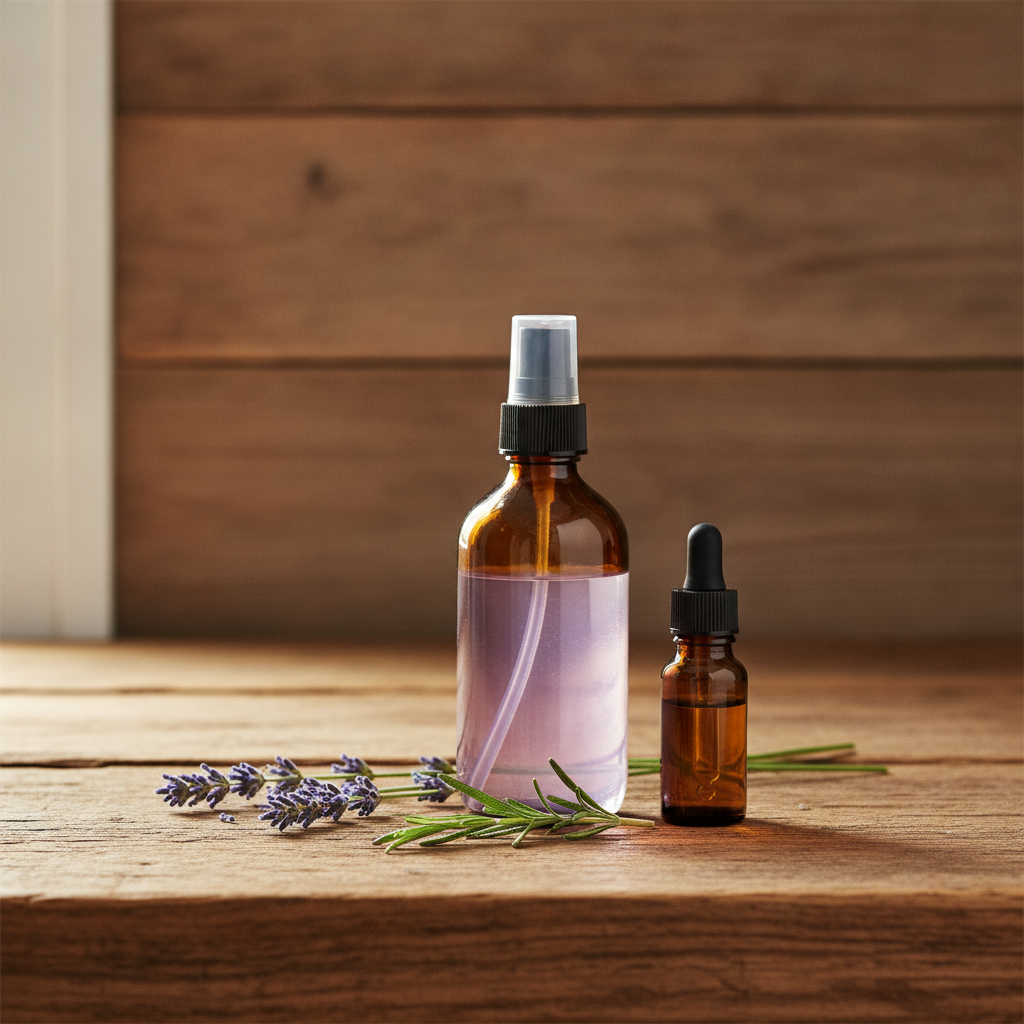
The U.S. Food and Drug Administration confirms there is “no regulatory definition for ‘essential oils,'” which is why the $14 lavender spray on the drugstore shelf can claim almost anything except “treats X disease” without FDA review. That gray zone is the case for blending your own bottle: when you mix the spray yourself, you control the ingredients, the dilution, and the safety margin around pets and small children.
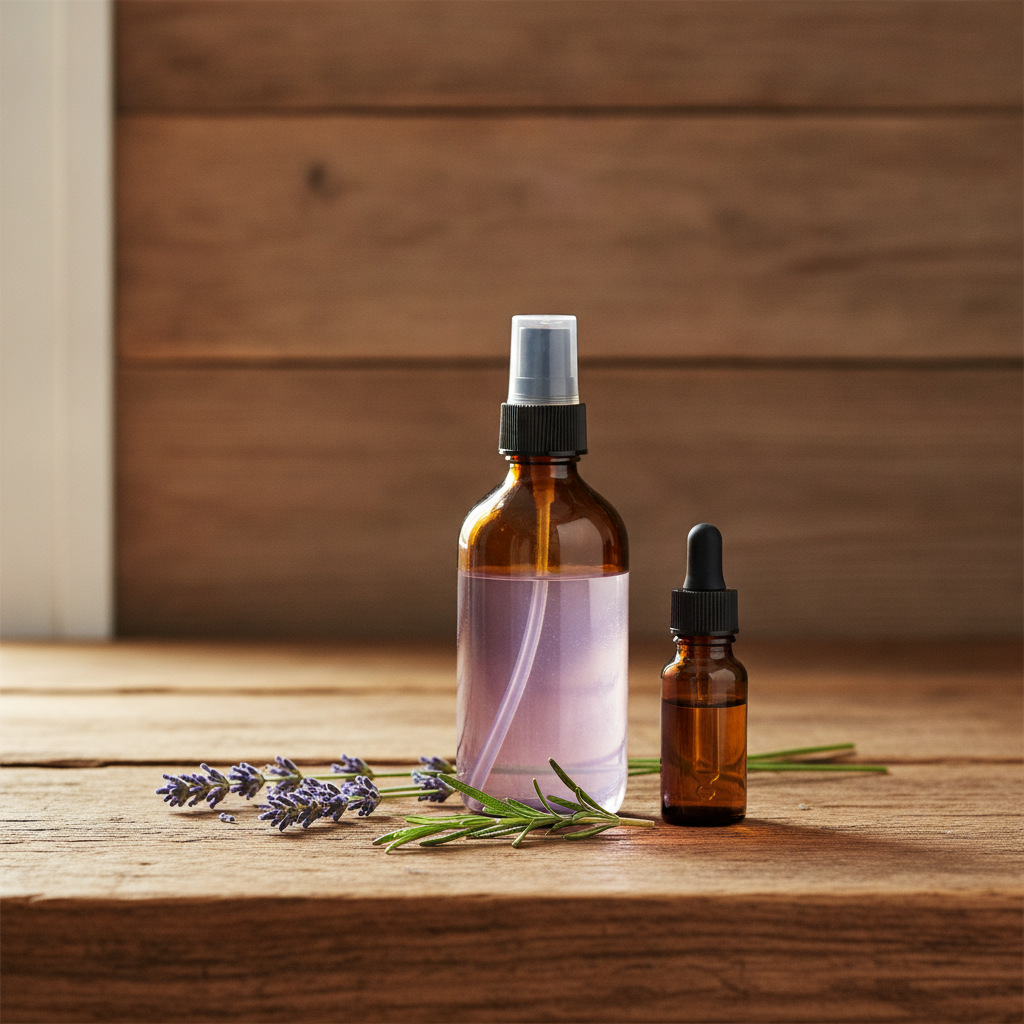
On our property in southwestern Virginia, I keep three small amber bottles on a high shelf in the kitchen. A peppermint-citrus blend goes out in the morning, a lavender-rosemary blend lives in the bedroom, and a eucalyptus-only blend stays in the laundry room because our dog hates the smell and respects the closed door. After two summers of formulating and discarding batches, I have settled on one base recipe that costs under five dollars per 4-ounce bottle and reliably keeps for four to six weeks in the fridge.
This guide walks through that base recipe, the safety rules pulled straight from the ASPCA, NCCIH, FDA, and peer-reviewed reproductive-toxicity research, and the dilution math you need to make a spray that works without turning your counter into a chemistry experiment. If you already grow herbs in your kitchen herb garden, you can swap a few of the essential-oil drops for a strong infusion of dried lavender or peppermint and the project gets cheaper still.
What Are Herbal Room Sprays and Are They Actually Effective?
An herbal room spray is a water-based aromatic mist that combines distilled water, a small percentage of solubilizer (witch hazel, high-proof vodka, or a hydrosol), and either essential oils or a strong herbal infusion. Peer-reviewed evidence supports the headline claim that several common spray herbs have real antimicrobial and mood effects in the air, although they are not a substitute for medical treatment. A 2021 study in PMC reports that “the lavender essential oil showed good antibacterial activity against Bacillus subtilis, Pseudomonas fluorescens, Xanthomonas campestris, Erwinia carotovora at 300 μg/mL concentration.”
It is worth being honest about what that figure does and does not mean, because this is where most room-spray articles quietly overpromise. That 300 μg/mL is a concentration in a petri dish, where the oil sits in direct contact with the bacteria. A room spray is not that. Work it out generously — five pumps of a 30-drop bottle into a small bedroom, with every last microgram staying suspended in the air rather than settling on the dresser — and you land around a few ten-thousandths of a microgram per millilitre of air. That is roughly a million times below the concentration that inhibited anything in the dish. Essential oils genuinely do have antibacterial activity in vitro; a mist of them in your living room is not disinfecting your air, and no home spray should be sold to you on that basis. Make the spray because it smells good and because you control what is in it. The National Cancer Institute summarizes the broader safety picture in one sentence: “Aromatherapy has a relatively low toxicity profile when administered by inhalation or diluted topical application.” Translation for the kitchen: a properly diluted spray, used as an occasional mist rather than as continuous diffusion, sits in the well-studied middle of the risk curve.
What Ingredients and Tools Do You Need?
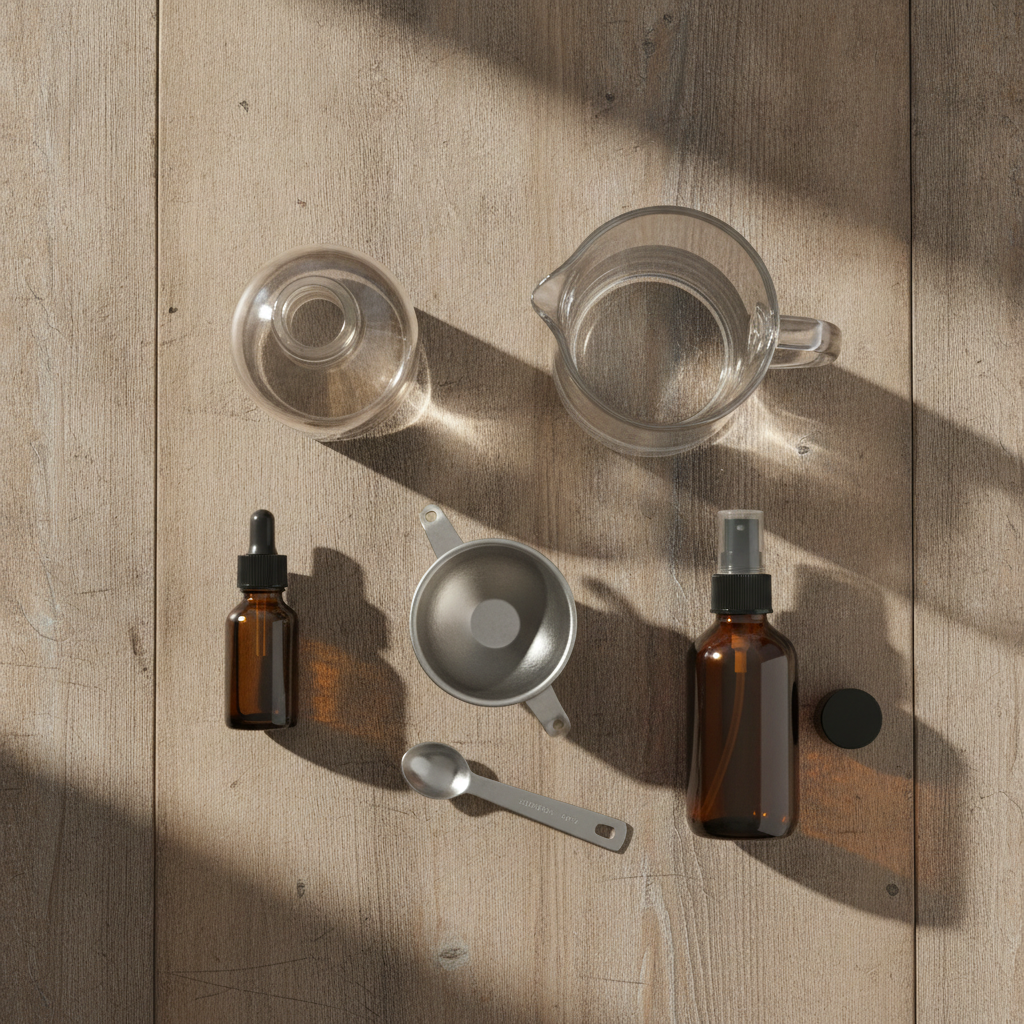
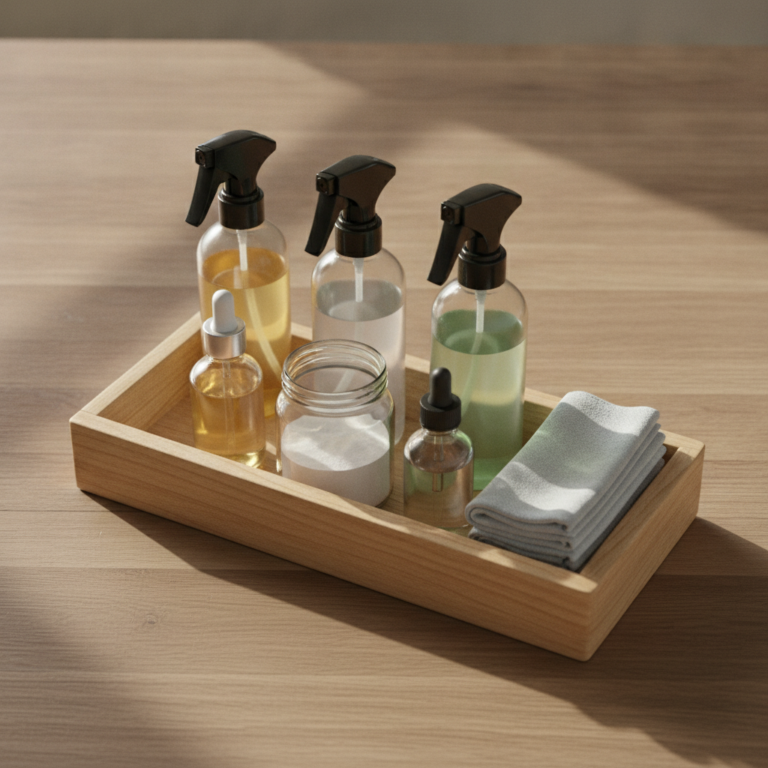
You need five ingredients and one bottle to make any herbal room spray: distilled water, a solubilizer (witch hazel or 80-proof vodka), an essential oil or a strong dried-herb infusion, an optional pinch of fine sea salt for mild buffering, and a 4-ounce amber glass spray bottle with a fine-mist trigger. Distilled water is non-negotiable. Tap water carries minerals and trace microbes that shorten shelf life and cloud the bottle, and the U.S. FDA notes that “the law treats ingredients from plants the same as those from any other source,” which means there is no regulatory floor for what a contaminated home blend looks like before it goes on the shelf.
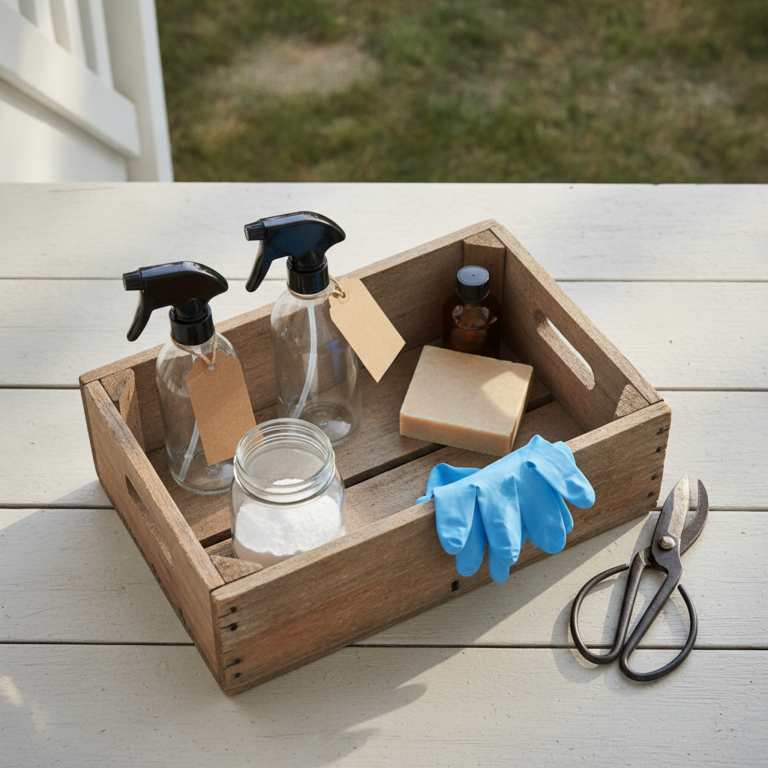
Use amber or cobalt glass for storage. Clear glass lets UV light degrade terpenes within weeks; plastic bottles let citrus and pine oils leach phthalates out of the wall over time. The witch hazel or vodka is the solubilizer, because oil and water do not mix without one, and 1 teaspoon per 4 ounces of total volume is enough to disperse 15 to 30 drops of essential oil into the water column. A small kitchen funnel, a stainless measuring spoon, and a piece of painter’s tape for labeling round out the gear list.
Are Essential Oils Safe Around Pets, Children, and During Pregnancy?
Herbal room sprays are not universally safe; cats, birds, infants, asthmatics, and pregnant or nursing women all need lower exposure or none at all. The ASPCA warns that “in their concentrated form (100%), essential oils can absolutely be a danger for pets. Dogs and cats who have either walked through oils, gotten some on their coat or had oils placed directly on them can develop health concerns,” and adds that “cats are especially sensitive to essential oils, and effects such as gastrointestinal upset, central nervous system depression and even liver damage could occur if ingested in significant quantities and concentrations.” The MSD Veterinary Manual explains the biochemistry: “Although both dogs and cats can be affected by essential oils, cats are more sensitive because they are deficient in the enzyme glucuronyl transferase.” Birds are even more sensitive than cats; do not spray any aromatic mist in a room that houses a parrot, parakeet, finch, or canary.
For children, the Children’s Hospital of Philadelphia advises caregivers to “limit the use of aromatherapy to children over the age of 3,” and Johns Hopkins Medicine specifies that “safe dilutions for children generally range from 0.5-2.5% depending on the condition and the age/weight of the child.” The NIH National Center for Complementary and Integrative Health adds a specific caution for peppermint: “Peppermint oil should not be applied to the face of infants or young children because serious side effects may occur if they inhale the menthol in the oil.” During pregnancy, avoid thujone-rich oils such as common sage and wormwood; a 2021 PMC reproductive-toxicity review concludes that “essential oils or components that showed animal reproductive toxicity should either be prohibited (strictly avoided) or restricted (used with some degree of caution) during pregnancy and lactation.”
How Do You Make a Basic Herbal Room Spray Step by Step?
The standard kitchen-friendly recipe is 3.5 ounces of distilled water, 1 teaspoon of witch hazel, and 15 to 30 drops of essential oil in a 4-ounce amber glass spray bottle. The National Association for Holistic Aromatherapy notes that “infants, toddlers, and young children are more sensitive to the potency of essential oils and safe dilutions generally range from 0.5 – 2.5% depending on the condition.” For an adult-use room mist sprayed into the air rather than onto skin, the arithmetic is worth doing rather than guessing. The standard aromatherapy conversion is 6 drops per ounce for a 1 percent dilution, so a 4-ounce bottle needs 24 drops to reach 1 percent. That puts 15 drops at about 0.6 percent and 30 drops at about 1.25 percent — both comfortably inside the range above, with 30 drops sitting at the top of what most adult noses tolerate without complaint. If you see a recipe claiming 15 drops in 4 ounces is a 1.25 percent blend, it has doubled the number somewhere.
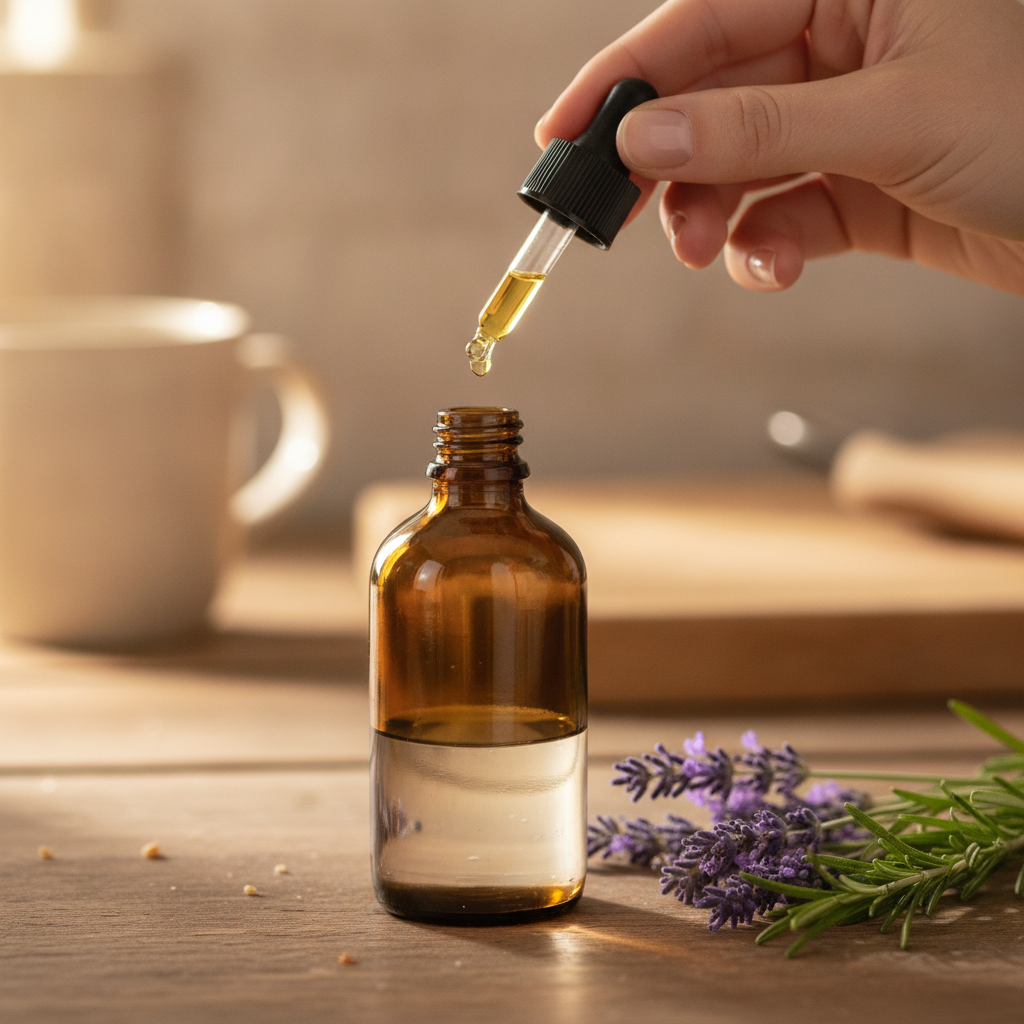
Step 1: pour 1 teaspoon of witch hazel into the empty bottle through a small funnel. Step 2: add your essential oil drops directly into the witch hazel and swirl gently for ten seconds, so the oils disperse into the alcohol carrier before any water touches them. Skipping that swirl is the single most common reason home sprays separate into floating oil dots after a day on the shelf. Step 3: top up with 3.5 ounces of distilled water, leaving about a quarter inch of headspace under the spray cap. Step 4: screw the cap on, label the bottle with the date and the blend name, and shake hard for fifteen seconds. Step 5: refrigerate between uses, and shake again before each spray.
Which Herbs and Essential Oils Work Best for Each Purpose?
Match the herb to the room you are spraying: lavender and chamomile for sleep, peppermint and rosemary for focus, eucalyptus for stuffy or stale air, citrus and basil for kitchens, and cedarwood or pine for closets. Research backs each pairing. The NIH National Center for Complementary and Integrative Health categorizes lavender aromatherapy as “considered possibly safe,” with the caveat that it “may cause headache or coughing.” For mental focus, a PMC behavioral-EEG study found that “increased beta activity following rosemary oil inhalation can be explained by enhanced alertness,” which is exactly the brain-wave pattern that tracks with sharper concentration on detail work.
Eucalyptus earns its respiratory reputation through one compound. A 2020 PMC review notes that “1,8-cineole (eucalyptol), the major constituent of eucalyptus species, is well known for its anti-inflammatory, antioxidant, bronchodilatory, antiviral and antimicrobial effects.” Citrus oils brighten kitchens and can cover lingering cooking odors, although they degrade fastest under light. If you grow your own, consider companion species such as bee balm and anise hyssop in a pollinator garden; their dried flowers blend beautifully into infusions and double as cut-flower color.
| Purpose | Best herbs / oils | Suggested room | Research note |
|---|---|---|---|
| Sleep and calm | Lavender, chamomile, sweet orange | Bedroom, nursery (age 3+ only) | NCCIH: lavender “possibly safe” |
| Focus and alertness | Rosemary, peppermint, lemon | Home office, study | PMC: rosemary boosts EEG beta activity |
| Stuffy or stale air | Eucalyptus, tea tree, pine | Bathroom, mudroom | PMC: 1,8-cineole is bronchodilatory |
| Kitchen freshening | Lemon, lime, basil, thyme | Kitchen, pantry | PMC: peppermint shuts down bacteria at low doses |
What Common Mistakes Should You Avoid With Herbal Room Sprays?
Four mistakes ruin most homemade sprays: using tap water, skipping the solubilizer, overdosing essential oils, and ignoring pet safety. The American Lung Association cautions that “as a rule, inhaling anything other than clean air into your lungs is not good for your health, and essential oils are no exception,” which is the reason a more-is-more approach to drops is the wrong instinct. A spray that smells overpowering at three feet is irritating, not effective. Cap your blend at about 30 drops per 4-ounce bottle, even if a brand-name product claims otherwise.
Tap-water mistakes show up as cloudiness, sediment at the bottom of the bottle, or a sour smell after two or three weeks. Distilled water costs about a dollar a gallon at the grocery store, and the upgrade is cheap insurance. Skipping witch hazel or vodka leaves oils floating on the surface, and the first spray pulls a concentrated droplet that can stain fabric or sting eyes. Pet-safety mistakes are the most expensive: spraying lavender or tea tree in a room with a cat can send the cat to the vet. Close the door, ventilate the room before the cat returns, and consider a pet-safe alternative such as a chamomile hydrosol if the closed-door routine is not realistic in your house.
How Should You Store and Preserve Homemade Sprays?
Store every homemade herbal room spray in amber or cobalt glass, keep it refrigerated between uses, and discard any bottle that turns cloudy or smells sour. Water-based aromatic mists are surprisingly fragile because they have no real preservative system. A common reference on hydrosols puts it plainly: “Because hydrosols are produced at high temperatures and are somewhat acidic, they tend to inhibit bacterial growth but not fungal growth, and they are not sterile and should be kept refrigerated to preserve freshness.” The same rule applies to any DIY blend that uses distilled water as its base.
Practical shelf-life numbers from my own batches: refrigerated witch-hazel sprays last four to six weeks at peak quality, and vodka-based blends stretch to about eight weeks because the alcohol acts as a mild preservative. A spray left at room temperature on a sunny windowsill can mold within two weeks, regardless of the solubilizer you used. Label every bottle with the date you mixed it and the blend name in pencil on a piece of painter’s tape, so the label peels off cleanly when you sterilize the bottle for the next batch. If you are drying your own herbs to infuse, the same shelf-life logic applies as in homemade herbal tea blends from your garden: cool, dark storage extends potency by months.
What Are the Best Tips for Long-Lasting, Effective Sprays?
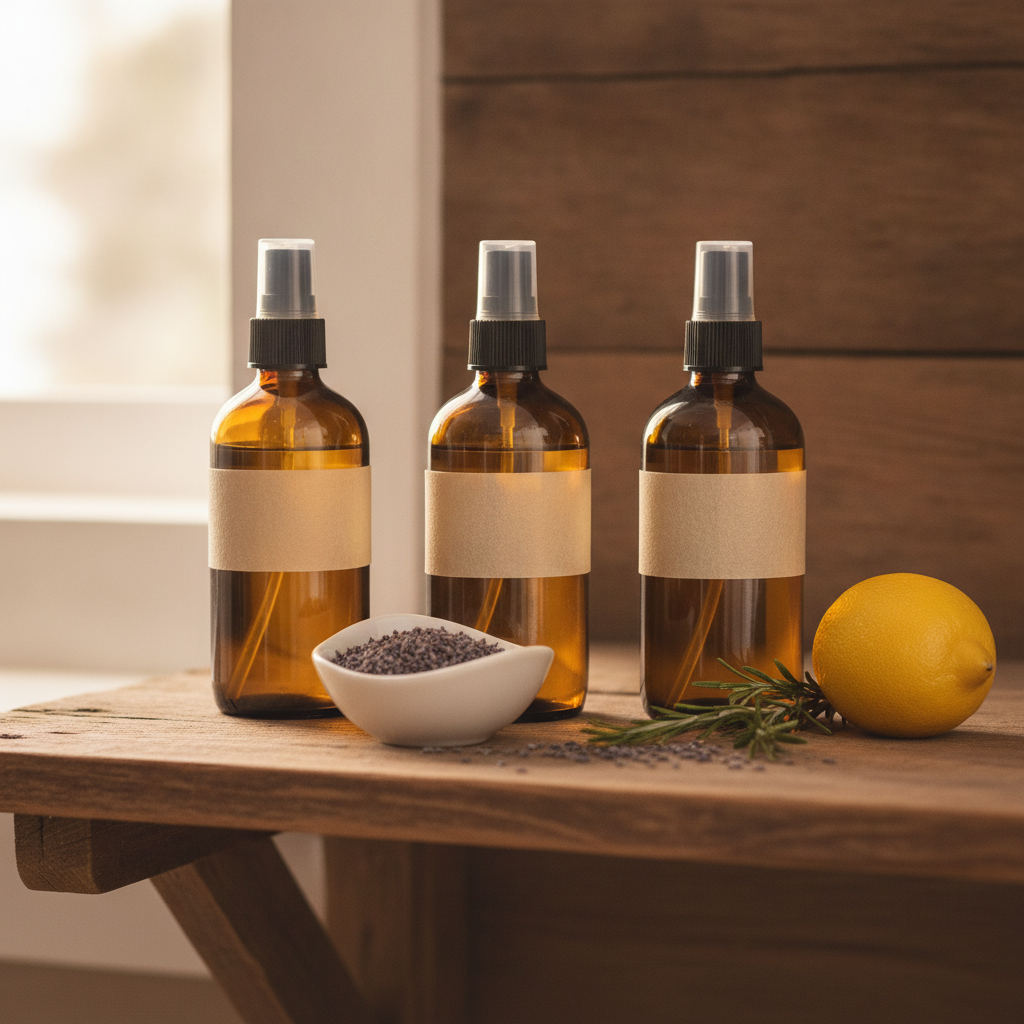
The five tips that matter most: pre-dissolve the oils in the solubilizer before adding water, mix small 4-ounce batches instead of large ones, refrigerate between every use, sterilize bottles in boiling water before each refill, and label everything with a date. A 4-ounce batch is the sweet spot because it is small enough to use up in three to four weeks at typical household frequency (a few sprays per room per day), which is well within the safe window for an unpreserved water blend. Larger batches sit too long and oxidize.
Sterilization is simple and often skipped. Submerge a clean glass bottle and its trigger top in boiling water for ten minutes, dry on a clean tea towel, and you have eliminated the residual yeast or mold spores that would otherwise seed contamination in the new batch. If you are growing your own herbs in a raised bed, harvest in mid-morning after the dew has dried; that is when essential-oil content peaks in most aromatic herbs. Dry them in a single layer on a screen out of direct sun for a week, then store in a sealed jar until you need an infusion. For a full walk-through of one of the most useful spray herbs, see our guide to growing and harvesting lavender.
Frequently Asked Questions About Herbal Room Sprays
Can I use tap water in a homemade herbal room spray?
No. Tap water contains minerals and microbial contamination that shorten shelf life and cloud the bottle within weeks. The FDA notes that “the law treats ingredients from plants the same as those from any other source,” which means there is no regulatory floor on tap-water contamination in a home blend. Distilled water costs about a dollar a gallon and eliminates that risk entirely. If distilled is unavailable, boiled and cooled water is a fallback, but expect a shorter shelf life, closer to two weeks instead of four to six.
Are herbal room sprays safe to inhale daily if I have asthma?
Use caution. The American Lung Association states that “as a rule, inhaling anything other than clean air into your lungs is not good for your health, and essential oils are no exception.” If you have asthma, COPD, or chronic sinusitis, test a low-dilution spray (10 drops per 4 ounces) in a single room with a closed door for ten minutes before using it more broadly. Stop immediately if you cough, wheeze, or feel chest tightness. Consider hydrosols or dried-herb infusions instead, which deliver scent without concentrated essential-oil compounds.
How long do homemade herbal room sprays really last?
Refrigerated witch-hazel sprays last four to six weeks at peak quality, and vodka-based blends stretch to about eight weeks because the alcohol acts as a mild preservative. A bottle stored at room temperature on a sunny shelf can mold within two weeks, regardless of solubilizer. Hydrosol-based sprays should be refrigerated as soon as you open them. Discard any bottle that turns cloudy, develops floating particles, or smells sour, musty, or off in any way; an off smell is the most reliable early warning of contamination.
Which essential oils are most dangerous around cats?
Cats are sensitive to nearly all essential oils because, as the MSD Veterinary Manual explains, they are “deficient in the enzyme glucuronyl transferase,” which mammals use to detoxify phenols and similar compounds. The ASPCA-flagged high-risk oils include tea tree (melaleuca), peppermint, eucalyptus, citrus oils, pine, wintergreen, cinnamon, pennyroyal, and ylang ylang. If you have a cat, the safest practice is to spray only in rooms the cat does not enter, ventilate fully before the cat returns, and store every bottle behind a closed cabinet door.
Can I substitute fresh or dried herbs for essential oils?
Yes, and it is often the safer choice for households with pets or small children. Brew a strong infusion: 2 tablespoons of dried lavender, peppermint, rosemary, or chamomile per 1 cup of just-boiled distilled water, steep covered for 30 minutes, strain through cheesecloth, cool, then use the infusion as the water portion of the recipe. Skip the witch hazel only if the infusion already contains some alcohol (most do not). Refrigerate the finished bottle and use within two weeks; herbal infusions spoil faster than essential-oil blends.
Do I really need a solubilizer if I just shake the bottle hard?
Yes. Oil and water do not mix without a carrier, and shaking the bottle only produces a temporary suspension that re-separates within a minute. The first spray after a long shake pulls a concentrated droplet of pure essential oil, which can sting eyes, stain fabric, or irritate sensitive skin if it lands on you instead of the air. Witch hazel and 80-proof vodka are the two easiest solubilizers; 1 teaspoon per 4 ounces of total volume disperses 15 to 30 drops of oil reliably.