How Long Does Valerian Root Stay in Your System? A Grower’s Guide to Timing, Safety, and Clearance
Valerenic acid, the marker chemical used to measure valerian activity in blood, has a half-life of roughly 1.1 hours in healthy adults after a single 600 mg oral dose. That is the short version of the answer. Practically, a valerian capsule taken at 10 pm is chemically undetectable in serum by breakfast, and most people feel any residual grogginess wear off within 6 to 8 hours. Yet the felt effect of the herb, the drowsiness you notice, does not always match the number on a spectrometer.
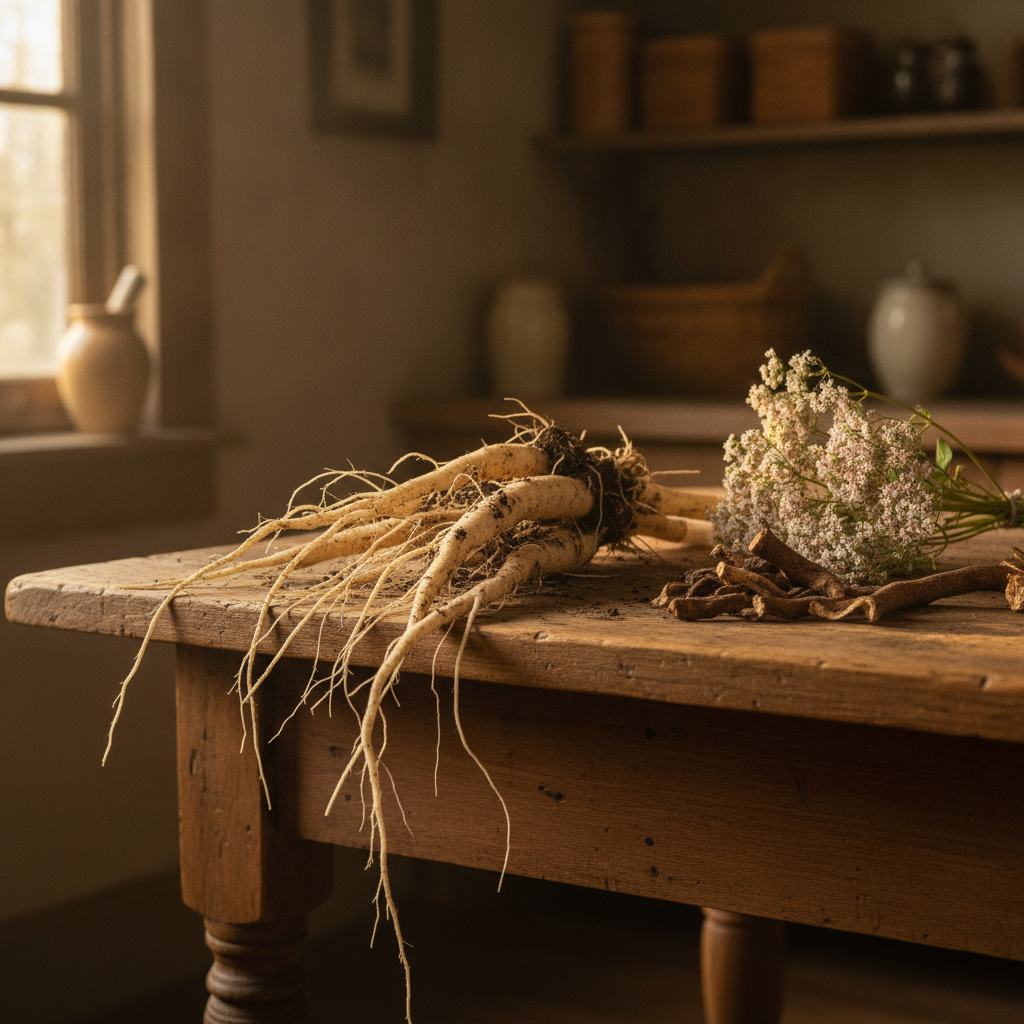
The gap between “cleared from blood” and “cleared from perception” trips up a lot of new users. On our homestead I keep valerian in three forms (fresh root for tincture, dried root for tea, and standardized capsules for travel), and each behaves differently on the way in and the way out. A stronger tincture nudges me into sleep faster; the tea takes longer to hit and lingers softer. The pharmacology below explains why.
This guide walks through what published pharmacokinetic studies actually measured, what changes those numbers, whether valerian ever shows up on a drug test, and how to use the herb without the two most common mistakes (over-dosing and doubling up with prescription sedatives).
Medical note: this article is educational. Talk with a licensed clinician before combining valerian with prescription sleep aids, benzodiazepines, alcohol, or any drug metabolized by the liver.
How Long Does Valerian Root Actually Stay in Your System?
Valerian’s marker compound clears the bloodstream in roughly 5 to 6 hours after a single dose, and the full herb is functionally out of the body within 24 hours. According to a 2005 pharmacokinetic study published in Phytotherapy Research, six healthy adults given a 600 mg dose of valerian showed serum valerenic acid concentrations that peaked between 1 and 2 hours and remained measurable for at least 5 hours before falling below detection thresholds. The reported elimination half-life was 1.1 hours (± 0.6), which translates to roughly 95% clearance after five half-lives, or under 6 hours for most people.
The important caveat: pharmacokinetic studies track a single marker chemical, not the whole plant. Valerian root contains at least 150 compounds (valerenic acid, valepotriates, sesquiterpenes, GABA itself, and several flavonoids). Some of these are more stable in the body than others, and the valepotriates in particular begin degrading almost immediately after ingestion. So “gone from your blood” and “gone from your system” are not identical, but they are close enough for practical dosing decisions.
For most healthy adults with average liver function, plan on 24 hours as the outer bound for full clearance. If you take valerian at bedtime, no measurable residue remains by the following night.
What Do the Pharmacokinetic Studies Show?
The clearest data come from two Anderson-led trials at the University of Washington, both published in Phytotherapy Research. According to the first study (2005), six healthy adults ages 22 to 61 each received a single 600 mg valerian dose at 8 am, and researchers drew serial blood samples for 8 hours after dosing. Peak valerenic acid concentrations ranged from 0.9 to 2.3 nanograms per milliliter and occurred 1 to 2 hours after the dose. The elimination half-life came in at 1.1 hours (± 0.6).
The follow-up study (2010) tested older women, a group with slower metabolism and higher clinical relevance since insomnia rises with age. According to that study, “there was no statistically significant difference in the average peak concentration, time to maximum concentration, area under the time curve, elimination half-life, and oral clearance after a single dose compared with multiple dosing.” Put plainly: nightly use does not stack the herb in your bloodstream. Each dose acts on its own, then leaves.
Both studies used LC/MS/MS assays and standardized 600 mg valerian preparations. Neither found meaningful accumulation, and neither found gender-specific outliers among the healthy participants tested.
When Do Effects Peak and Fade?
Subjective drowsiness from valerian usually starts within 30 to 60 minutes, peaks around 90 to 120 minutes, and fades over the next 3 to 4 hours. According to the 2005 Anderson pharmacokinetic study, the timing of peak serum concentration “is consistent with the standard dosage recommendation to take valerian 30 min to 2 h before bedtime.” In other words, the herb’s clinical dosing tradition matches its biochemistry: peak sedation lines up with sleep onset, and the compound is largely gone before REM cycles finish.
The table below summarizes the typical timing curve for a 400 to 600 mg dose in a healthy adult.
| Time after dose | What is happening | Typical serum level |
|---|---|---|
| 0 to 30 minutes | Absorption begins in the small intestine | Rising, below 1 ng/mL |
| 1 to 2 hours | Peak sedation; ideal window for falling asleep | 0.9 to 2.3 ng/mL |
| 3 to 5 hours | Half-life clearance; sedation fading | Falling toward 0.2 ng/mL |
| 6 to 8 hours | Serum levels below LC/MS detection | Undetectable |
| 12 to 24 hours | Full physiological clearance | Zero |
Can Valerian Show Up on a Drug Test?
Standard workplace drug panels do not test for valerian and will not flag it as a positive result. According to the National Center for Complementary and Integrative Health, valerian is a legal dietary supplement and is not considered a substance of abuse, which is why it appears on no routine screening assay in the United States. That covers the standard 5-panel and 10-panel urine tests used for pre-employment, workers’ compensation, and federal SAMHSA-regulated positions.
The nuance: a small subset of case reports and forum discussions describe valerian users producing an inconclusive result on immunoassay screens for benzodiazepines. The mechanism is not well characterized, and the effect appears rare. If it happens, gas chromatography-mass spectrometry (GC/MS) confirmation testing on the same sample distinguishes valerian metabolites from actual benzodiazepines. Anyone in a job with strict testing (aviation, DOT-regulated transport, military) should disclose supplement use to the medical review officer and keep the bottle for reference.
Bottom line: for the vast majority of users, valerian is invisible to drug testing.
What Factors Affect How Long Valerian Stays in Your Body?
Age, liver function, dose size, and co-ingested medications are the four biggest variables that shift valerian’s clearance timeline. The University of Washington follow-up study in older women found no gender or age effect large enough to matter for dosing, but that trial excluded participants with impaired hepatic function. Anyone with fatty liver, hepatitis, or heavy alcohol use may clear the herb more slowly, and per the NIH LiverTox database, those groups should either avoid valerian or monitor liver enzymes if they use it.
Dose size scales predictably. A 300 mg capsule produces roughly half the peak serum concentration of a 600 mg dose, but the half-life stays the same at about an hour. Tinctures alcohol-extract the fat-soluble sesquiterpenes and hit faster than capsules; teas extract less of the potent compounds because valepotriates hydrolyze in hot water. Combining valerian with any sedative (alcohol, benzodiazepines, opioids, sleep aids like zolpidem, or antihistamines like diphenhydramine) does not extend the pharmacokinetic half-life, but it stacks the felt sedative effect and lengthens the subjective grogginess.
Food in the stomach delays absorption by 30 to 60 minutes but does not change total exposure.
How Does Valerian Actually Work in the Brain?
Valerian sedates primarily by raising the amount of GABA, the brain’s main inhibitory neurotransmitter, available at neural synapses. According to the NIH Office of Dietary Supplements Health Professional Fact Sheet on valerian, “a possible mechanism by which a valerian extract may cause sedation is by increasing the amount of gamma aminobutyric acid (GABA, an inhibitory neurotransmitter) available in the synaptic cleft.” More GABA in the cleft means neurons fire less easily, brain activity dampens, and sleep pressure rises.
Three overlapping pathways contribute. First, valerenic acid inhibits GABA reuptake and blocks the transaminase enzyme that normally breaks down GABA, so what your brain already produces sticks around longer. Second, the root itself contains free GABA, some of which crosses the blood-brain barrier. Third, valerenic acid binds directly to the beta subunit of the GABA-A receptor, a site distinct from where benzodiazepines bind. That last mechanism explains why valerian shares clinical effects with prescription sedatives (drowsiness, mild anxiolysis) but has a lower risk of dependence and no cross-tolerance with benzodiazepines at typical doses.
Effects build over one to two weeks of nightly use, which suggests the receptor-level changes matter more than the single-dose pharmacokinetics.
Is Valerian Safe for Regular Use?
Valerian is one of the better-tolerated botanical sleep aids in clinical use, but “well-tolerated” is not the same as “risk-free.” A 2020 systematic review and meta-analysis in the Journal of Evidence-Based Integrative Medicine pooled 60 studies covering 6,894 subjects and found “no severe adverse events associated with valerian intake in subjects aged between 7 and 80 years.” The most common complaints were mild: headache, morning grogginess, and vivid dreams. Roughly 5 to 10% of users report next-day sluggishness at doses above 900 mg.
Which brings up the reason most people look up clearance times in the first place: driving. Do not drive, ride, or run machinery inside the sedation window — that is the 1 to 2 hour peak and the few hours after it, which is exactly why the herb is taken at bedtime and not before an evening errand. A normal bedtime dose is gone from the blood well before morning, so an ordinary overnight gap is not the problem. The situations that catch people out are a dose taken late in the night before an early start, a dose above the studied 400 to 600 mg range, and valerian stacked with alcohol or another sedative, which does not lengthen the half-life but does deepen the impairment. If you wake up groggy, treat that feeling as the answer and let someone else drive.
The rare but real concern is liver injury. According to the NIH LiverTox database, valerian has been implicated in a small number of cases of clinically apparent hepatic injury, usually appearing 3 to 12 weeks into use. LiverTox states plainly that “the liver injury was usually mild-to-moderate in severity with recovery within 2 to 4 months of stopping.” Given how many millions of people take valerian each year, LiverTox classifies it as “a very rare cause of hepatic injury.” Still, anyone with existing liver disease or on hepatotoxic medications should avoid it or use it only with lab monitoring.
Long-term safety data beyond 6 weeks of continuous use are limited. Cycling off every few weeks is a sensible precaution.
How Do You Take Valerian Correctly?
The most-studied clinical range is 400 to 600 mg of dried valerian root, taken 30 minutes to 2 hours before bed. According to the NIH Office of Dietary Supplements factsheet, “for insomnia, many studies have used between 400 milligrams and 600 milligrams of valerian up to two hours before bed.” Starting on the lower end for the first week lets you gauge sensitivity before stepping up. Any dose that produces meaningful next-morning grogginess is too high; drop back by a third.
Timing matters more than dose form. Because valerenic acid peaks at 1 to 2 hours, taking a capsule too close to lights-out means the strongest sedation hits mid-night, sometimes triggering unusually vivid dreams and mild headaches on waking. Taking it too early lets the peak pass before you get to bed. A 90-minute pre-bed window is the pragmatic default.
Choosing a form
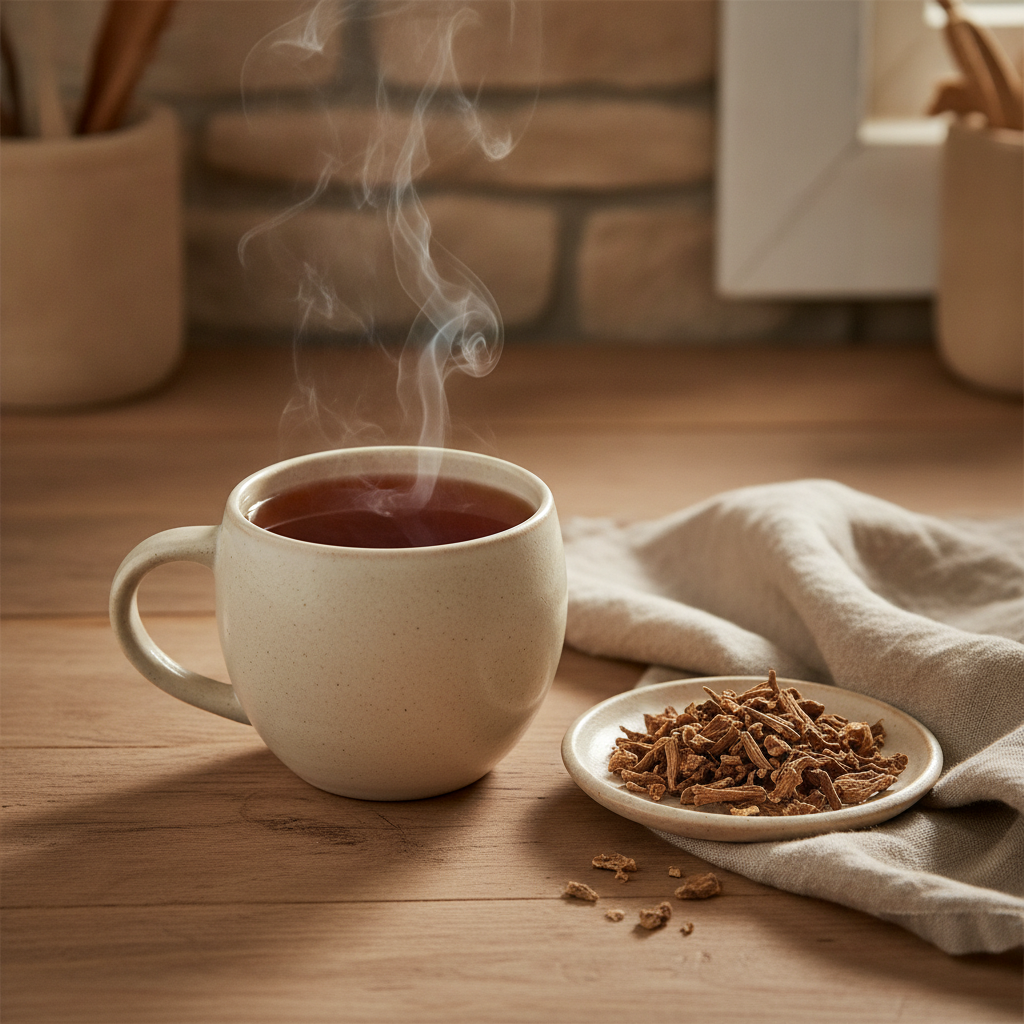
Standardized capsules and tablets give the most reproducible dose but taste is a non-issue. Tinctures (2 to 4 mL, roughly 40 to 80 drops) hit faster and are useful for people who wake at 3 am and need to fall back asleep quickly. Tea is the mildest option; 2 teaspoons of dried root steeped 15 minutes in near-boiling water yields a soft effect, better for winding-down rituals than for acute insomnia.
Storage and shelf life
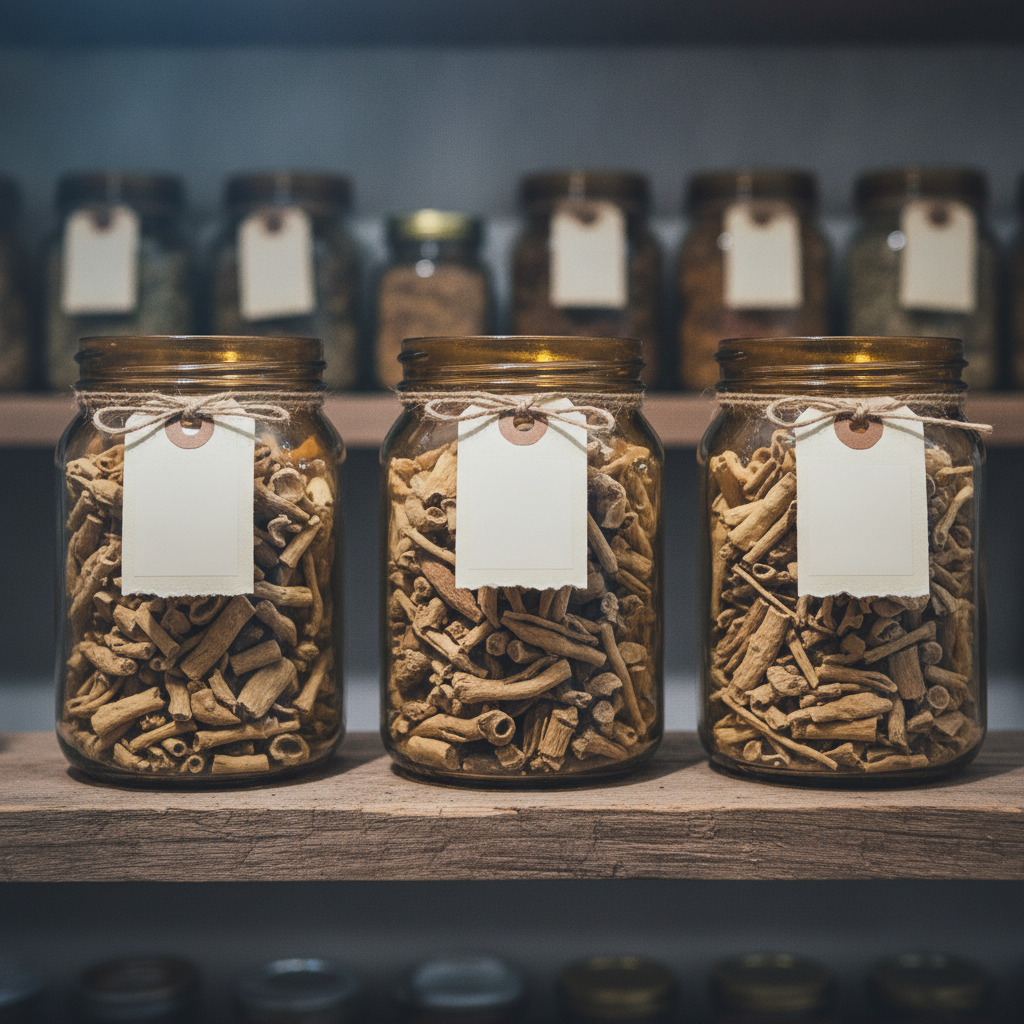
Dried valerian root loses potency quickly in warm, humid, or bright conditions. Store loose root in airtight amber jars in a cool pantry or ideally a root cellar, where stable low temperatures and darkness extend shelf life to about 18 months. If you are already set up for root cellaring your harvest or maintain a purpose-built DIY root cellar, valerian slots right in alongside stored winter crops.
Should You Grow and Dry Your Own Valerian?
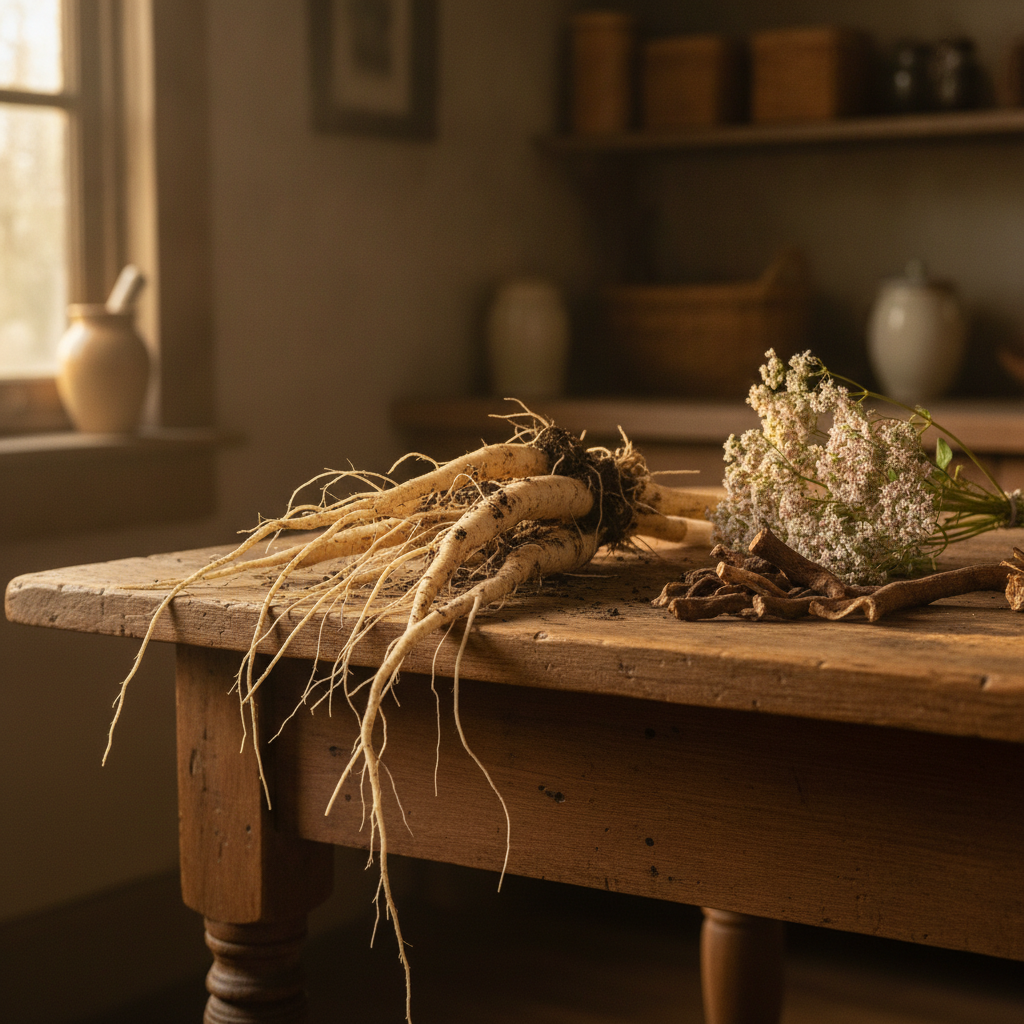
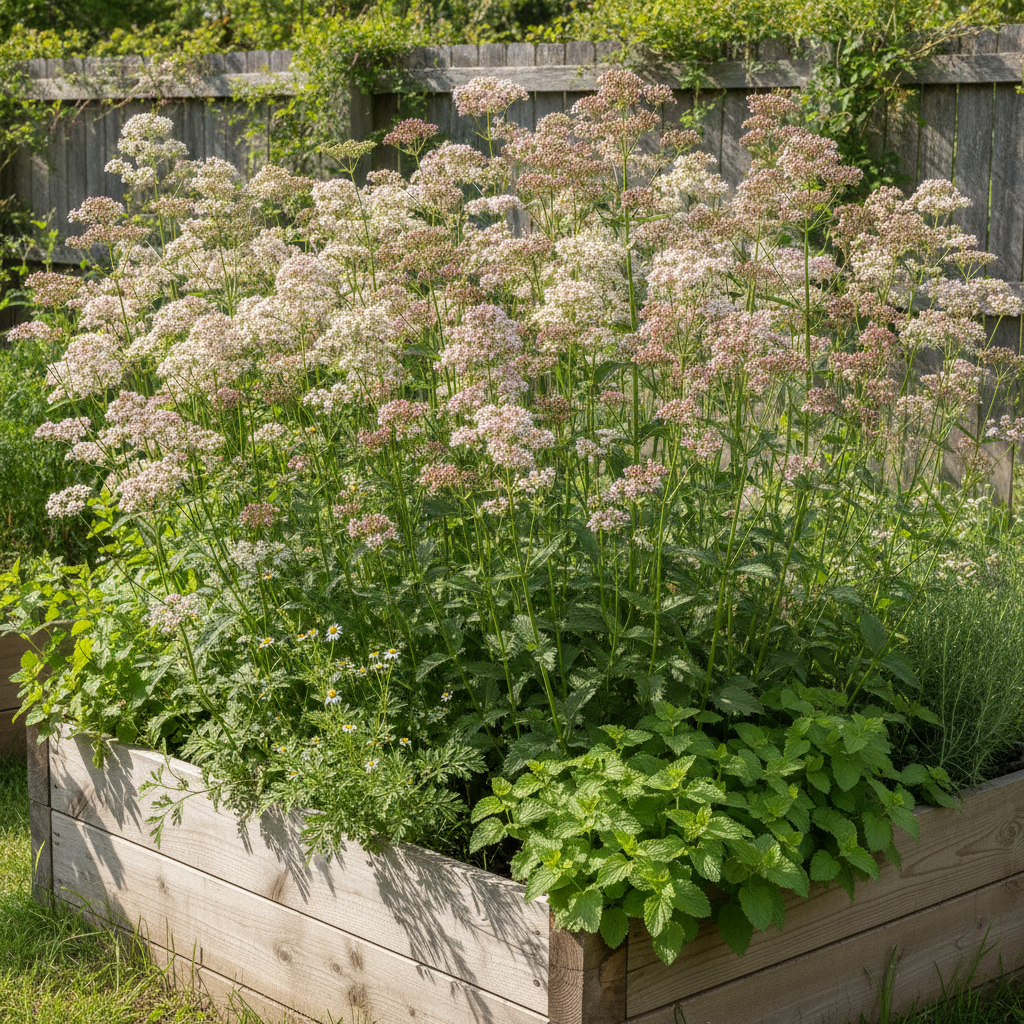
Valerian is one of the easier medicinal herbs to grow at home, and cultivating a small patch gives you full control over freshness and potency. According to the North Carolina State Extension plant toolbox, Valeriana officinalis “is easily grown in average garden soils in full to part sun, with a preference for full sun, consistently moist conditions, and soil consisting of fertile loam.” The plant is winter-hardy across USDA hardiness zones 4 through 9, tolerates cold well, and dislikes acidic soil below pH 7.
Direct-sow seeds in early spring at soil temperatures of 60 to 70 degrees Fahrenheit, or start transplants indoors 6 weeks before your last frost. Germination takes 2 to 3 weeks. Keep the bed weed-free during establishment because valerian seedlings are slow and easily outcompeted. Wait until the second autumn to harvest roots for medicinal use, and remove flower stalks the summer before harvest so the plant channels energy into rhizome growth rather than seed.
Dig whole root clusters in late fall after the top growth dies back. Wash, split thick pieces, and dry at 95 to 105 degrees Fahrenheit in a dehydrator or shaded well-ventilated attic until brittle (usually 3 to 7 days). Chop and store as above.
Preserving your herb harvest beyond dried root
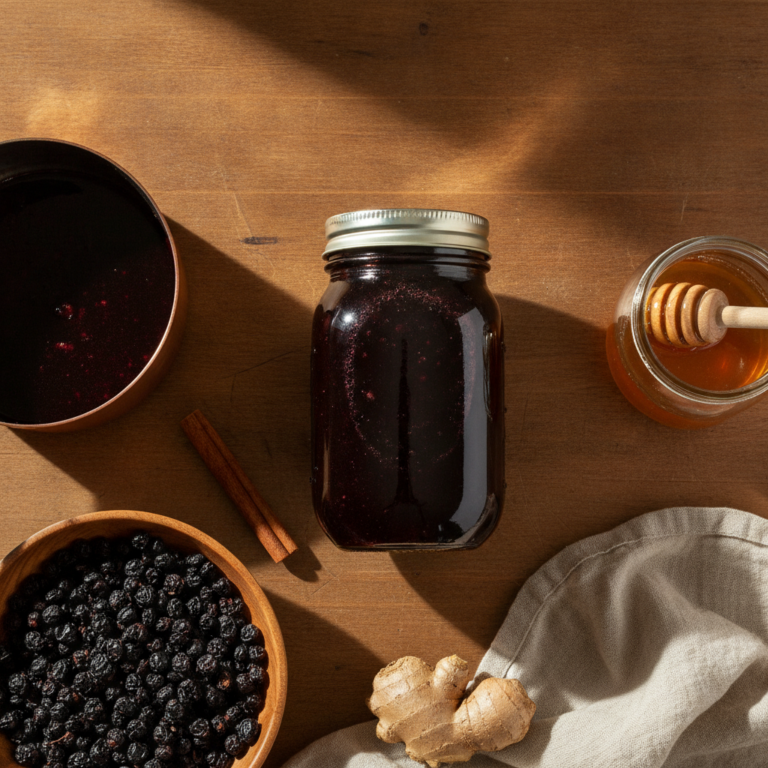
Dried root is the standard, but valerian preserves well as a tincture (fresh root in 40% alcohol, 6-week macerate) or as an infused honey for cough and sleep syrup. Some herbalists also add small amounts of chopped valerian root to lacto-fermented herbal shrubs, an application that borrows the technique described in this guide to fermentation for beginners. For gentler home options, the same techniques used in homemade herb butter and infused oils work with valerian for aromatherapy and topical rubs, though the root’s earthy scent is polarizing. If you grow enough to preserve a full year’s supply, consider integrating valerian preservation into the same seasonal workflow you use for water-bath canning and other food-preservation tasks; the harvest and drying window falls between the last tomato push and the first hard frost, which is a slow season for most homestead kitchens.
Frequently Asked Questions
How long does valerian stay in your urine?
There is no validated urine assay for valerenic acid outside of research labs, and standard drug panels do not test for it. Based on serum pharmacokinetics, water-soluble metabolites are likely fully excreted within 24 to 36 hours. Because the herb is not screened for in workplace or clinical testing, the practical answer for most people is that it does not show up in urine at all.
Can I take valerian every night?
Short-term nightly use of 400 to 600 mg for up to 4 to 6 weeks is well documented as safe in clinical trials. Beyond 6 weeks, long-term safety data are thin. Most herbalists recommend cycling: use nightly for 3 to 4 weeks, then take a 1-week break to reset receptor sensitivity and give the liver a rest. If sleep problems persist past 6 weeks of consistent use, see a clinician for evaluation rather than escalating the dose.
Does valerian interact with other medications?
Yes, and this is the most important safety question. Valerian can add to the sedative effect of alcohol, benzodiazepines (Xanax, Ativan), opioids, barbiturates, and prescription sleep aids like zolpidem or eszopiclone. It may also slightly slow the liver metabolism of drugs processed by CYP3A4, though controlled studies show only minimal effect. Never combine valerian with a prescription sedative without a clinician’s sign-off.
How quickly does valerian start working?
Subjective drowsiness usually begins 30 to 60 minutes after a capsule or tincture. Tea takes slightly longer, sometimes 45 to 75 minutes, because of the slower absorption of a dilute aqueous extract. Peak effect at 90 to 120 minutes matches the serum peak of valerenic acid. Full clinical benefit for chronic insomnia often takes 1 to 2 weeks of nightly use to develop.
Is valerian safe during pregnancy?
No. Pregnancy safety data for valerian are inadequate, and both the NIH Office of Dietary Supplements and NCCIH advise against use during pregnancy and breastfeeding. Animal studies suggest possible developmental effects at high doses, and no controlled human trials in pregnant women exist. If you need sleep help while pregnant, work with your obstetrician and consider non-pharmacologic sleep hygiene interventions first.
Why does my valerian smell so bad?
Valerian root’s characteristic odor comes from isovaleric acid, the same short-chain fatty acid responsible for the smell of aged cheese and sweaty feet. The smell intensifies as the root dries because moisture loss concentrates the volatile compounds. Cats find the odor irresistible for the same reason they respond to catnip: a shared class of iridoid terpenes. Store dried valerian in airtight jars away from your kitchen or you will scent the whole pantry.
Can children take valerian?
Some clinical studies included children as young as 7 without documented severe adverse events, but pediatric dosing is not standardized and safety data are limited. The 2020 systematic review in the Journal of Evidence-Based Integrative Medicine reported no severe events in ages 7 and up, but that is not the same as an active recommendation for pediatric use. Always work with a pediatrician before giving valerian to a child.
The Bottom Line
According to peer-reviewed pharmacokinetic data, valerenic acid, the measured active in valerian, clears the bloodstream within 5 to 6 hours of a standard dose and the whole herb is functionally gone within 24 hours. It does not accumulate with nightly use, does not register on standard drug tests, and has a favorable safety record across pooled trials of nearly 7,000 subjects. The main practical rules: take 400 to 600 mg roughly 90 minutes before bed, cycle off every few weeks after 3 or 4 weeks of nightly use, and never stack it with prescription sedatives or alcohol without medical guidance. Grown at home from a small perennial patch, valerian is one of the most forgiving medicinal roots in the homestead herb garden, ready for harvest by the second autumn and easy to store as dried root, tincture, or infused honey once the cool weather rolls in.