10 Best Herbs from Cuttings for Beginners (With Rooting Times)
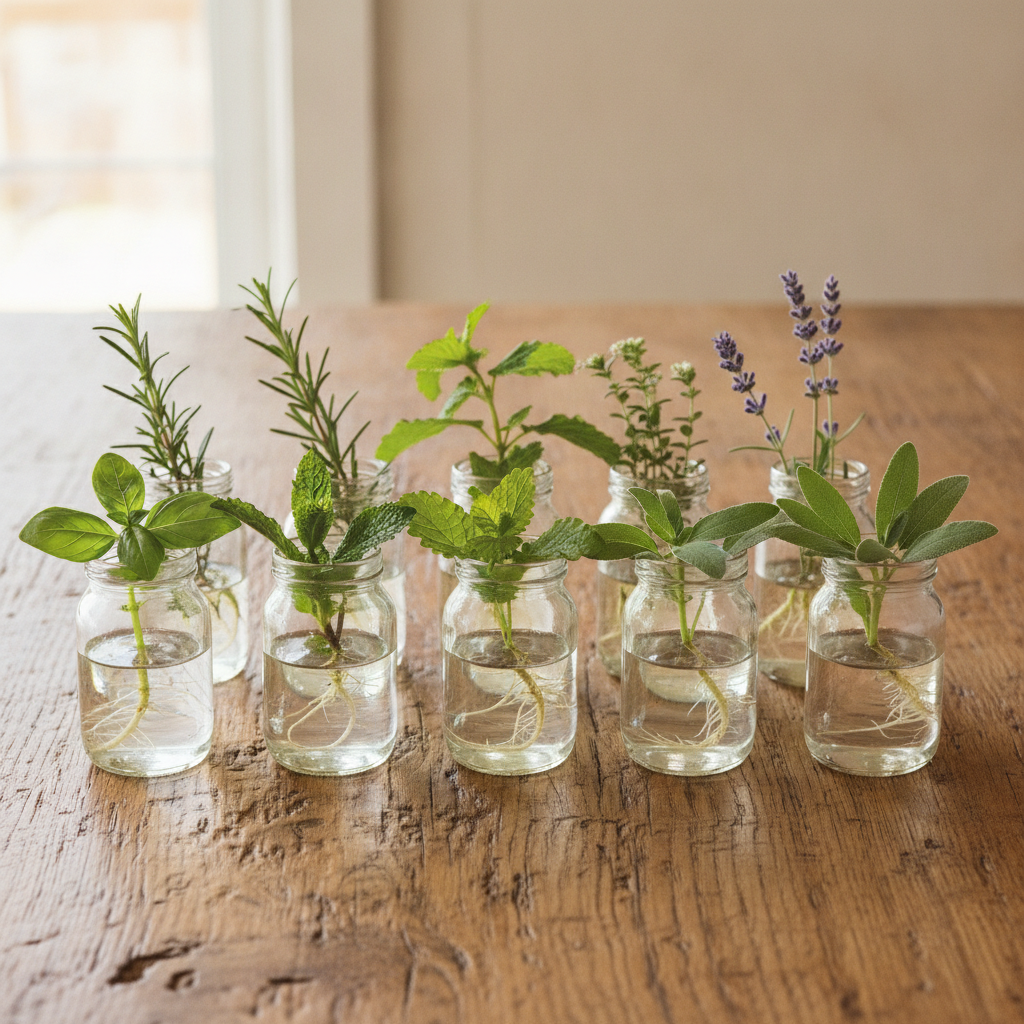
Most herb cuttings root in four to six weeks and are ready for a pot when roots reach an inch long, according to Iowa State University Extension. That single benchmark is what separates a beginner who ends up with a windowsill full of plants from one who gives up after three sad, brown stems in a jam jar. Take healthy tips, pick the right medium for the plant, keep the humidity up, and the math almost always works.
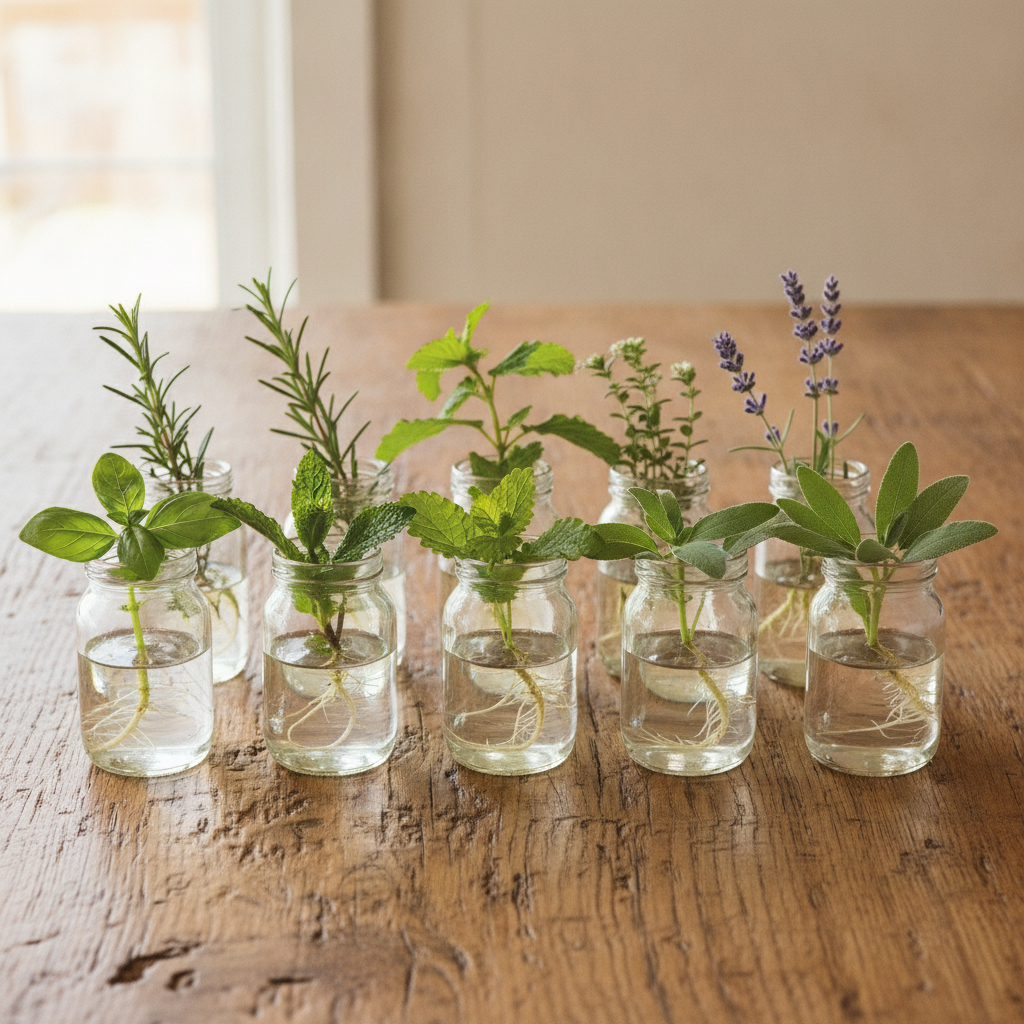
On our small Zone 6b homestead in southwestern Virginia, I keep a stubby row of quart jars on the north kitchen sill from March through October, and every jar holds a stem I did not pay for. The parent plants came from friends, farmers markets, and the occasional grocery-store bundle. The list below covers the ten herbs I recommend to anyone learning to propagate for the first time, in order from easiest to most finicky, with an evidence-backed rooting method for each. If you already grow herbs, the follow-up piece on how to dry and store herbs pairs directly with this one.
How Do You Take a Beginner-Friendly Herb Cutting?
The five-step method works for every herb on this list. Snip a healthy, non-flowering stem tip about four to six inches long. Strip the leaves from the lower half. Trim the base just below a leaf node with a clean, sharp blade. Set the cutting in water or in a pot of moist peat-perlite mix. Cover loosely with a clear plastic bag or dome for humidity, and place in bright, indirect light. According to Iowa State University Extension, “when taking stem cuttings, include three to five nodes per cutting whenever possible, as most roots develop from nodes and multiple nodes increase the chances of successful rooting.” Skip stems that are flowering; the plant is spending its sugar on seed set, not on new roots.
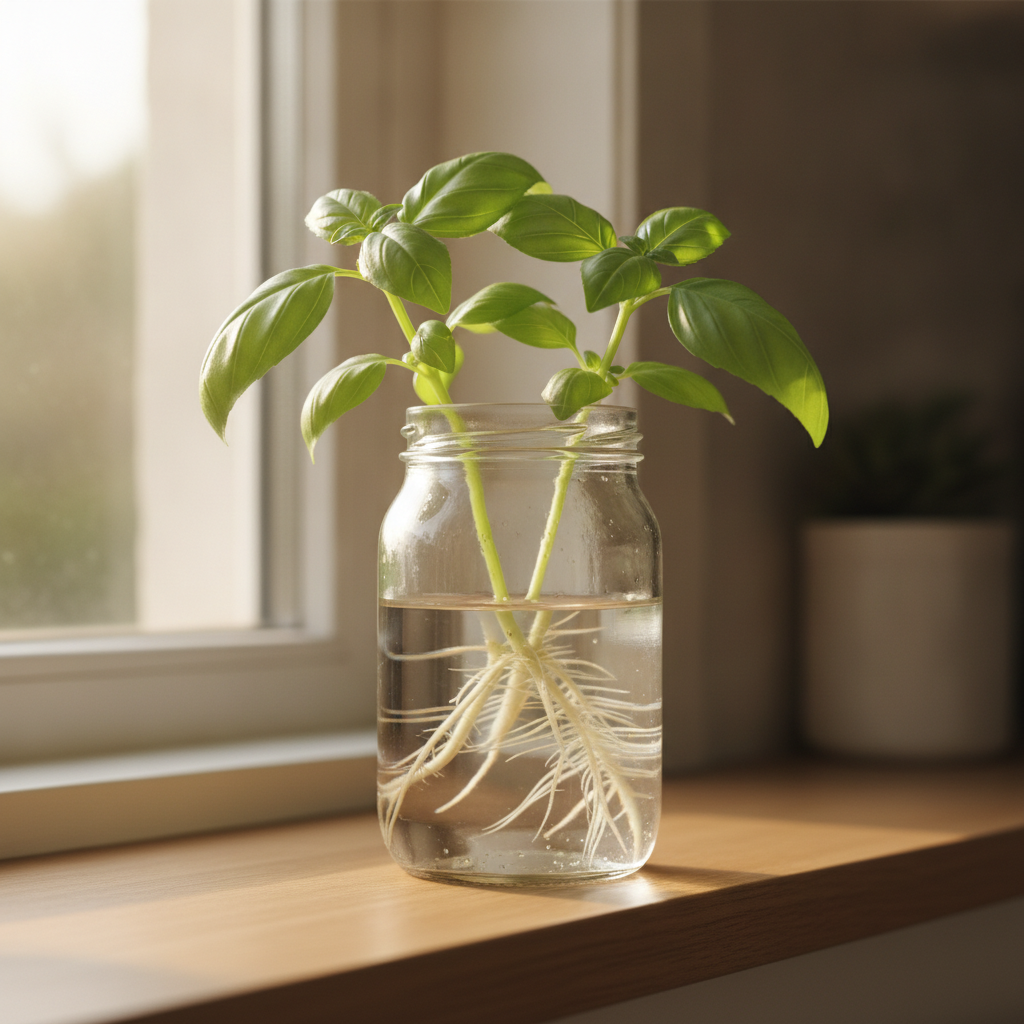
1. Basil: The Fastest Herb to Root in a Water Glass
Basil is the single easiest first cutting. A four-inch tip from any grocery-store bunch, set in a glass of filtered water in bright indirect light, shows white root nubs in five to ten days. According to University of Illinois Extension, “water propagation works especially well for soft-stemmed herbs like basil or mint. Woody-stemmed herbs such as rosemary or thyme do well with soil propagation.” Change the water every two to three days so bacterial slime does not choke the fresh tissue. Transplant into potting soil once the roots hit an inch to two inches long, usually inside three weeks. Sweet basil, Genovese, Thai, and lemon basil all root at the same speed. Purple basils sometimes take a few extra days because their darker leaves photosynthesize a little slower on a north sill. This is the herb I hand new gardeners when they say they have “killed everything,” because the visible progress in a clear jar is a strong little psychological win.
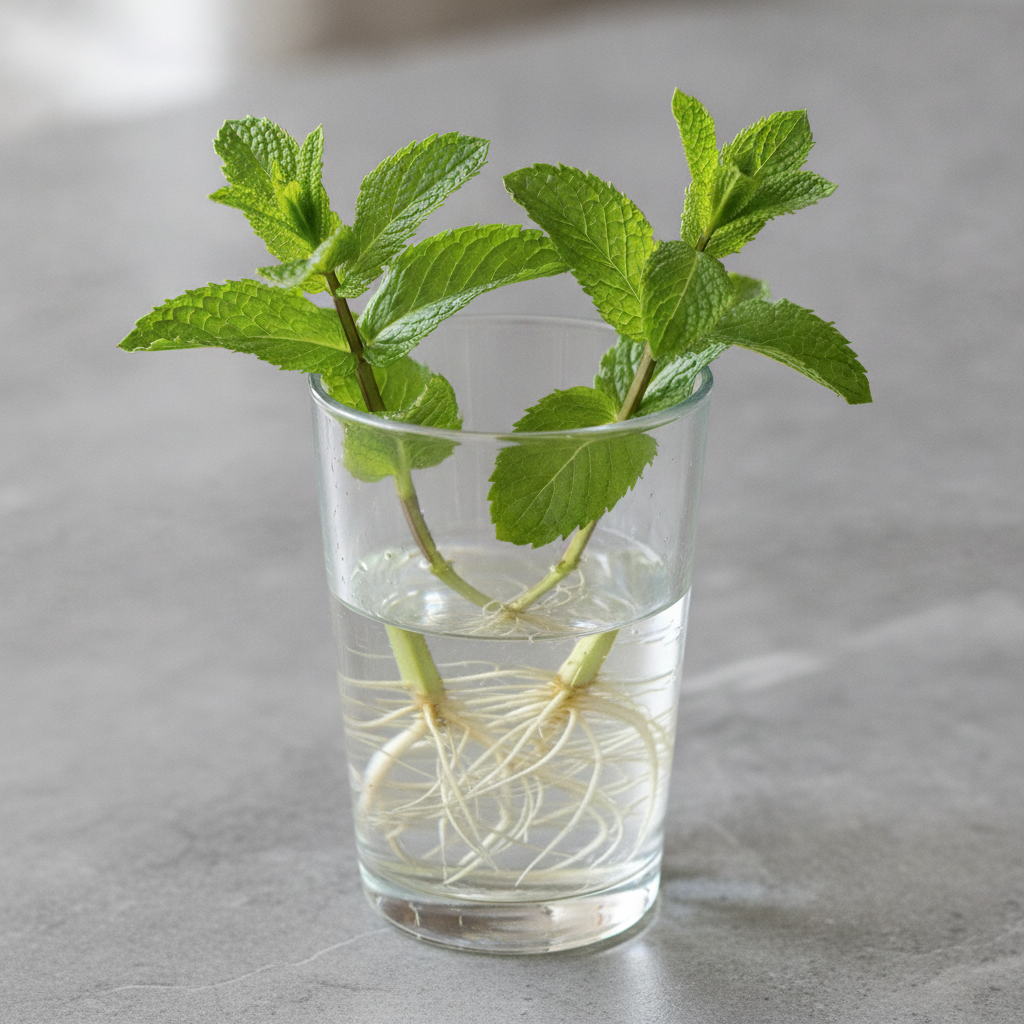
2. How Fast Will Mint Roots Appear in a Jar of Water?
Mint cuttings root in one to two weeks in bright, warm conditions, per Utah State University Extension. That fast timeline makes mint the second-most satisfying herb for a first-time propagator. Snip a four-inch stem below a node, pull off the bottom leaves, and drop it in a glass of clean water on a warm counter. Roots appear as pale threads within seven days and quickly branch into a wiry mat. USU Extension also notes that “mint readily hybridizes and seed-grown plants often fail to stay true to type,” which is exactly why serious herb gardeners lean on cuttings for spearmint, peppermint, chocolate mint, and apple mint. The daughter plant is a genetic clone of the parent, so a chocolate mint from a friend stays a chocolate mint on your sill. Plant the rooted cutting in its own pot because mint is aggressive; buried in a bed, it will crowd out neighbors within two seasons.
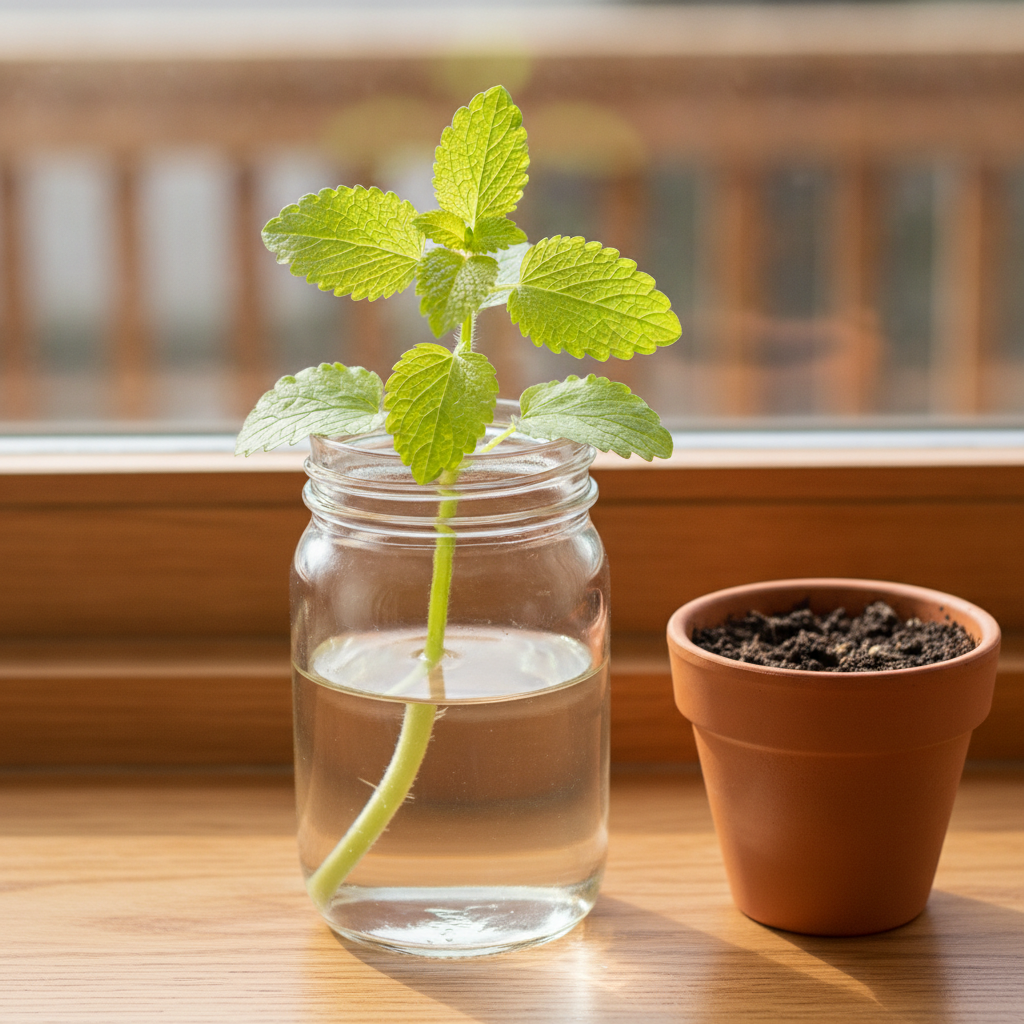
3. Can Lemon Balm Grow from a Single Stem?
Yes. Lemon balm roots easily from a four to six inch stem cutting placed in water or moist soil, and University of Illinois Extension confirms that “lemon balm can be propagated by seeds, division or stem cuttings.” A single healthy stem, stripped of its lower leaves, will show roots in seven to fourteen days on a bright sill. Lemon balm is a mint-family cousin, so it behaves almost exactly like spearmint in a rooting jar, and it inherits the same tendency to spread once planted out. Layering also works well for lemon balm because its low, flexible stems bend to the ground naturally. Pin a stem down, cover the middle two inches with soil, and it roots at that buried spot within a month. Lemon balm is one of the herbs the mosquito-repelling plants for patio and porch guide flags as genuinely aromatic; crushed leaves on skin release citronellal, which mosquitoes actively avoid.
4. Does Oregano Root Better in Water or Soil?
Oregano roots in either medium, but soil gives a stronger, faster transplant. Iowa State University Extension lists oregano among the herbs that “can be propagated from stem cuttings, including rosemary, thyme, lemon verbena, scented geraniums, oregano, and wormwood.” Snip a four-inch tip below a node, dip the base in rooting powder if you have some, and press it two inches into moist potting soil topped with a plastic dome. Water cuttings work too, but oregano roots grow more slowly than mint or basil roots, so plan on three to four weeks in the jar. Greek oregano and Italian oregano root at similar rates; sweet marjoram, a close cousin, follows the same method. According to University of Illinois Extension, “marjoram is a member of the mint family and can be propagated by taking a small cutting, stripping the bottom half of its leaves, and placing it in soil, with a cover added for humidity to speed up the rooting process.”
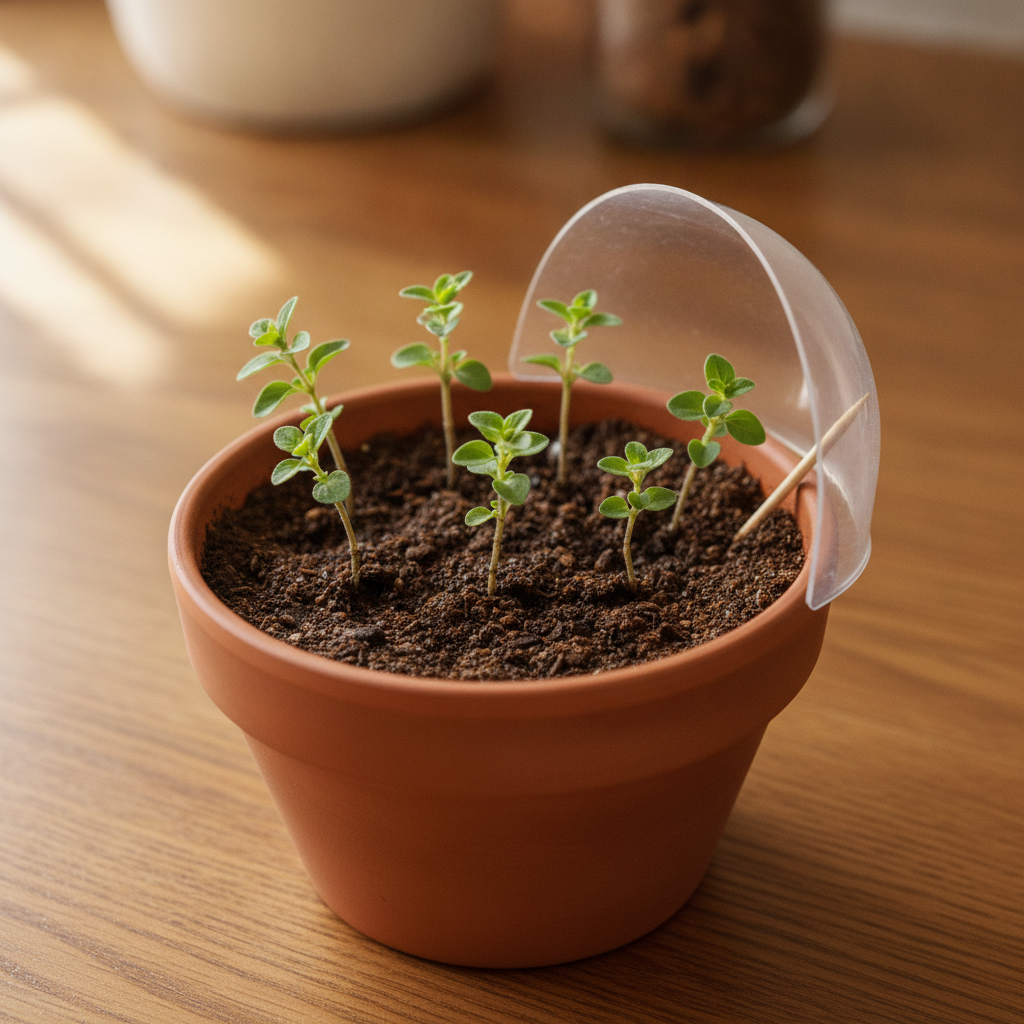
5. Sage: A Firm-Stemmed Herb Best Taken Before September
Sage cuttings root in three to five weeks in moist perlite or a sandy potting mix. Timing matters more with sage than with basil or mint. According to NC State Extension, “cuttings on sage, lavender, or oregano should be made before early September,” which gives the new roots enough warm weeks to establish before the plant slows for winter. Take a four to five inch tip from firm, current-season growth, not from woody two-year branches. Strip the lower leaves, dip the base in rooting hormone (optional but helpful), and set the cutting two inches deep in a pot of half potting soil and half perlite. Nebraska Extension notes that “you can root sage, lemon verbena, pineapple sage, mints, coleus and other firm stem herbs and plants with little difficulty.” Garden sage, purple sage, tricolor sage, and berggarten sage all root at similar rates. Pineapple sage is the fastest of the group.
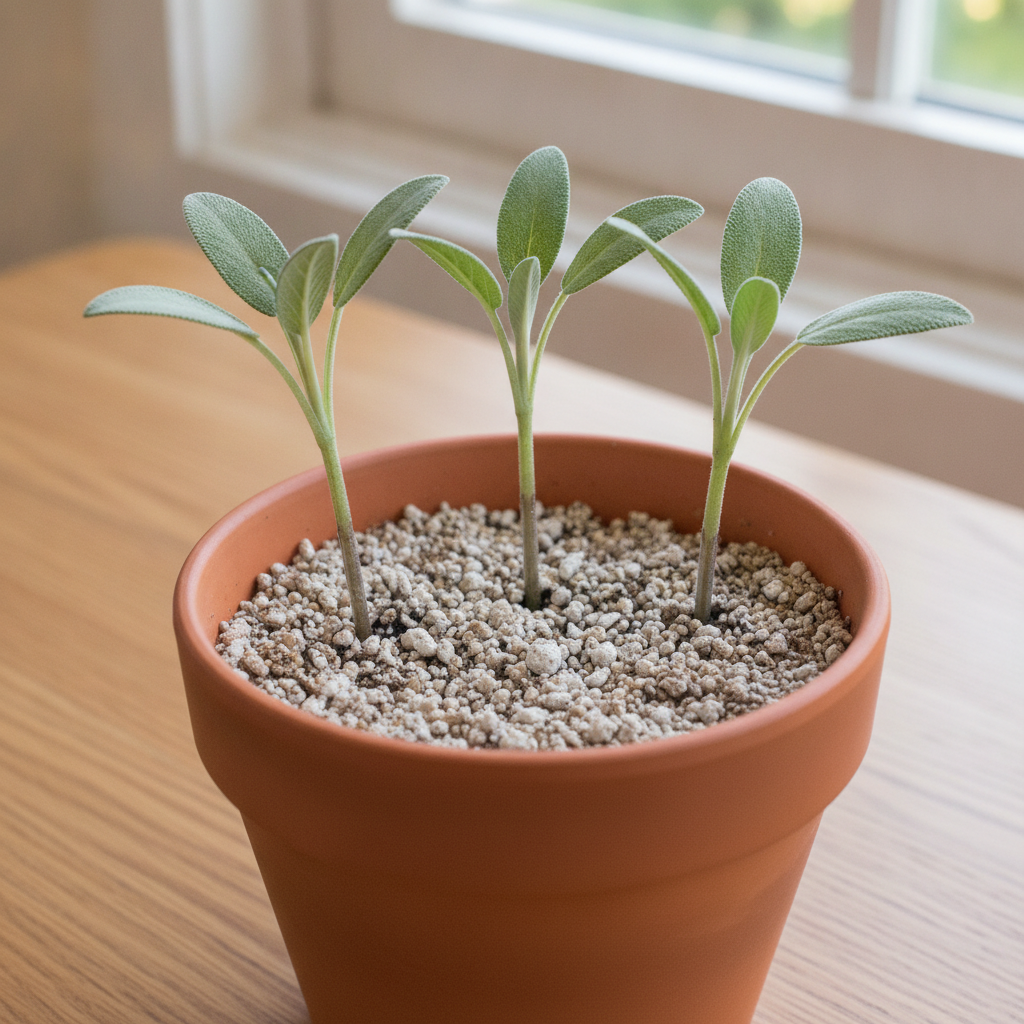
6. Why Does Rosemary Root Better With a Little Hormone?
Rosemary is semi-woody, so its stems produce root cells more slowly than a soft-stemmed herb like basil, and a rooting hormone materially improves the take rate. According to NC State Extension, “rooting hormone may be required for rosemary and lavender.” A cutting four to six inches long, stripped of its lower leaves and set in water or coarse sand, produces a viable plant in two to six weeks (NC State Extension). Dip the moist stem base in powder hormone, tap off the excess, and press the cutting two inches into moist coarse sand or a peat-perlite mix. Michigan State University Extension explains that “rooting compounds aid in rooting of moderate to difficult-to-root species, accelerate root initiation, improve rooting uniformity, increase the number of roots produced and ultimately reduce shrink and rooting time.” Cover with a plastic bag, keep out of direct sun, and check for resistance when you tug the stem after four weeks; resistance means roots.
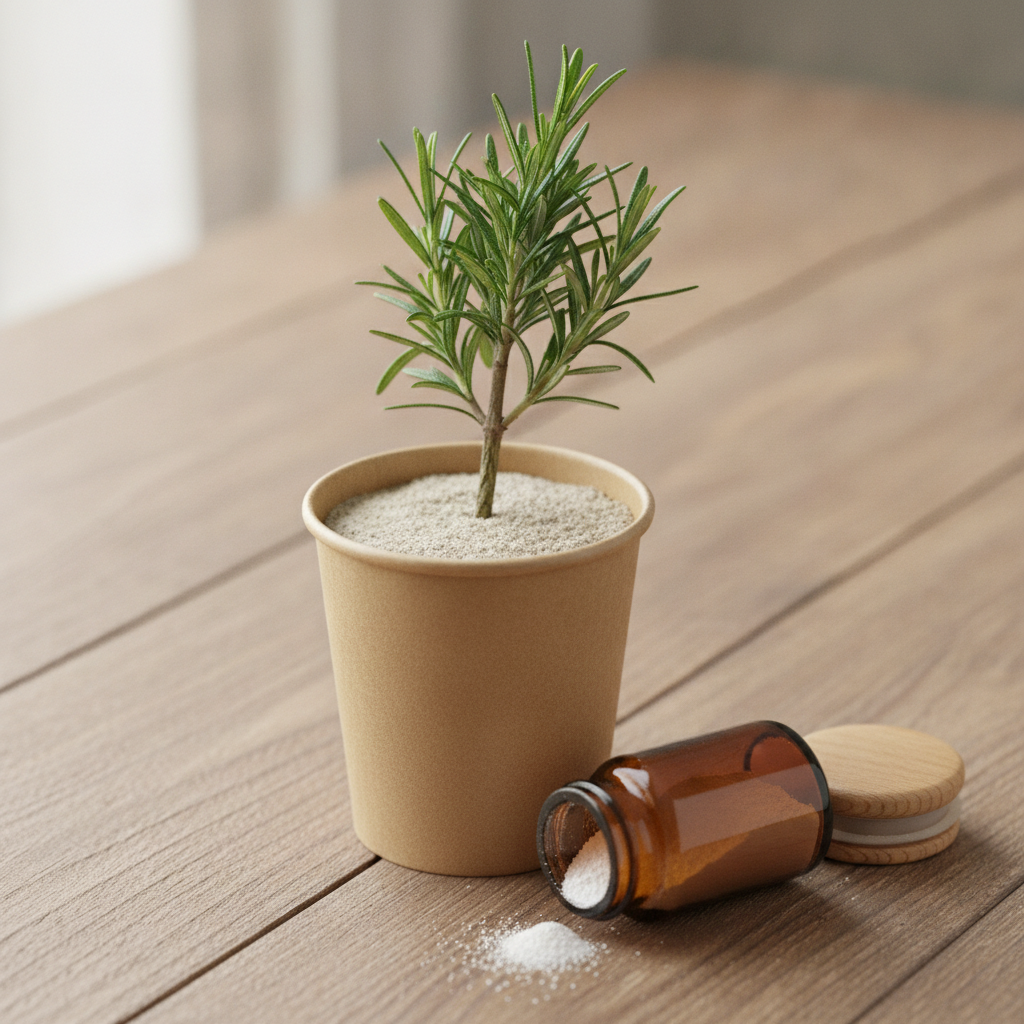
7. Why Must French Tarragon Be Propagated from Cuttings?
French tarragon is the one herb on this list you have no choice about. According to University of Illinois Extension, “true French tarragon is only available as plants grown from cuttings or root divisions, because French tarragon produces flowers that are sterile and cannot be grown from seeds.” Any packet labeled “tarragon seed” is Russian tarragon, a related plant with almost none of the sweet anise flavor cooks want. Take a four-inch tip cutting from an established French tarragon plant in late spring, strip the lower leaves, dip in rooting hormone, and press into moist peat-perlite. Cover with a plastic dome and keep in bright indirect light. Rooting takes four to six weeks. Root division works too, and is often faster: lift a mature clump in spring, split it into two or three pieces with roots on each, and replant. If a friend already grows French tarragon, one cutting is one entire pantry’s worth of the herb.
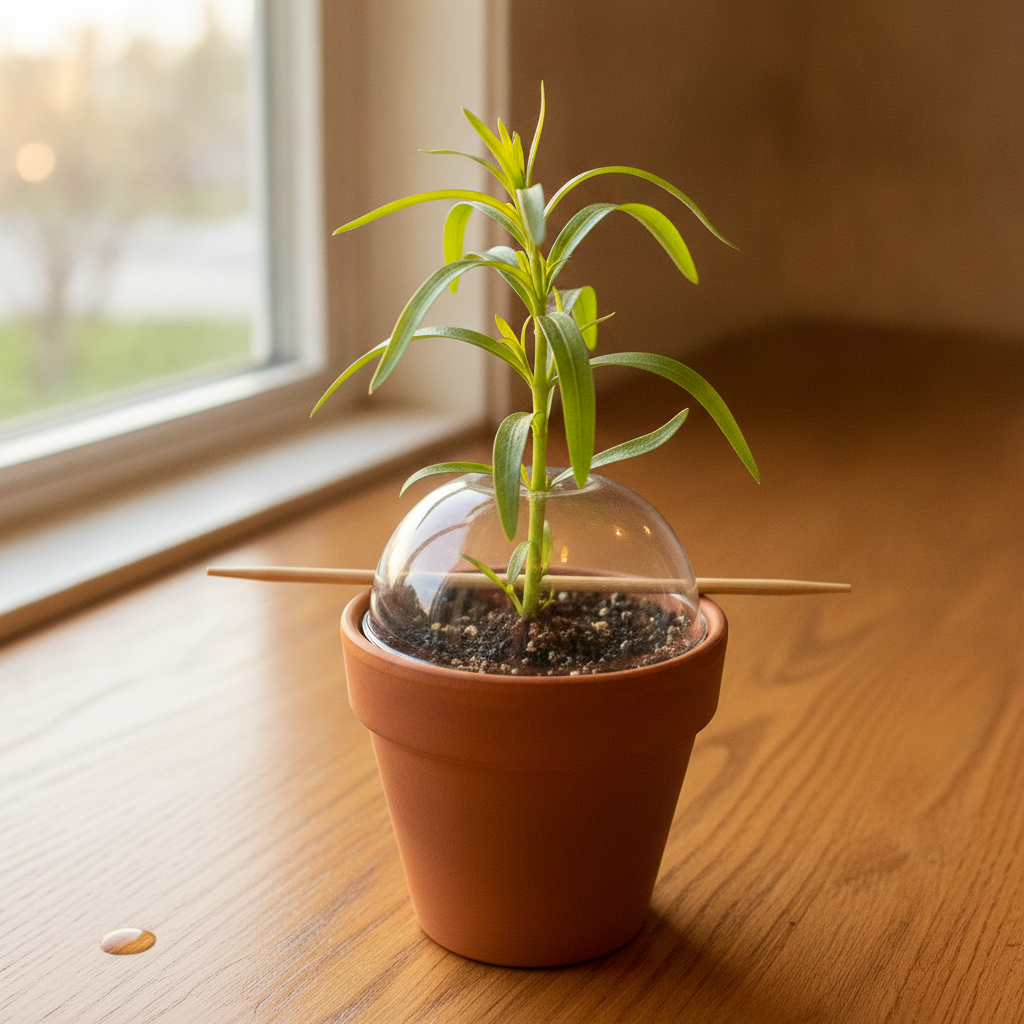
8. How Do Scented Geraniums Multiply from One Stem?
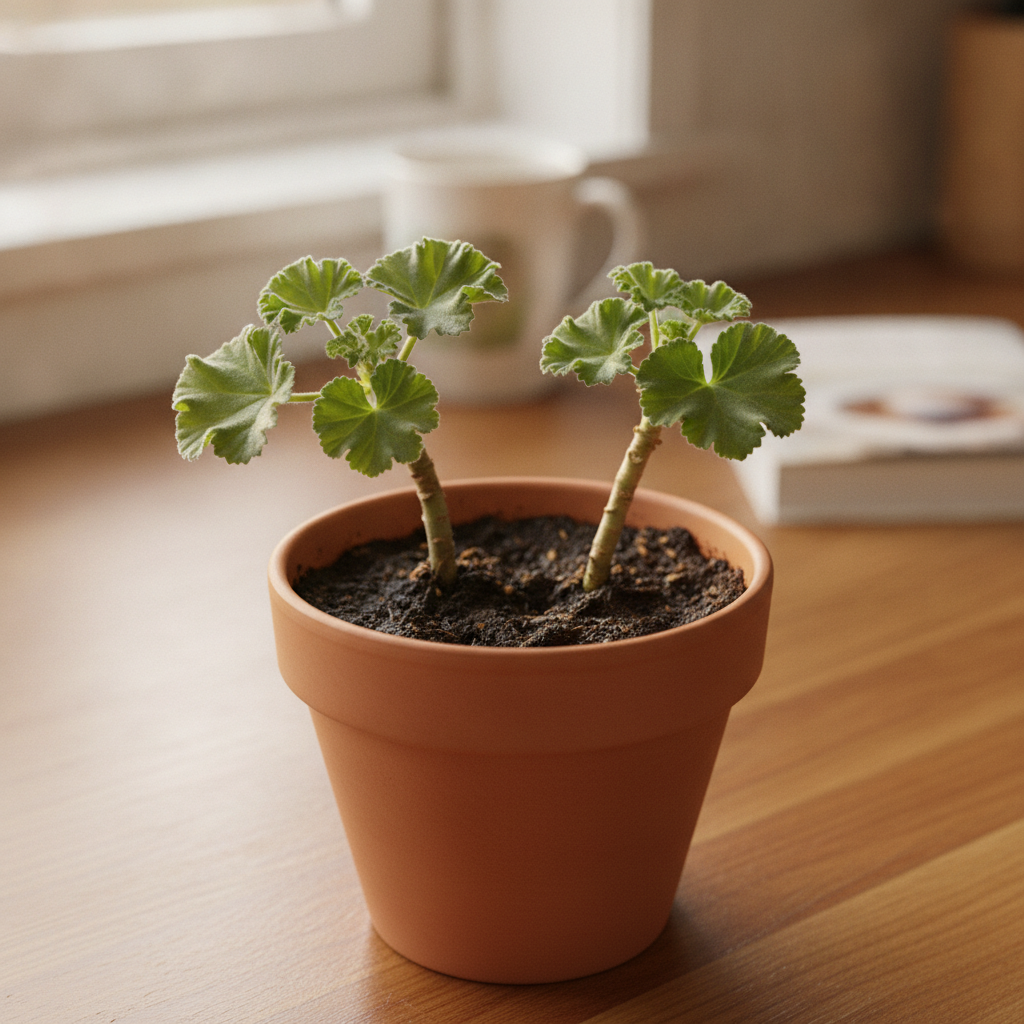
Scented geraniums (Pelargonium species) root from firm stem cuttings taken in late summer and set in moist potting mix. According to Nebraska Extension, “late summer is the optimum time for rooting pelargonium cuttings, although these adaptable plants may take root any time after spring.” Snip a three to five inch tip from a healthy, non-flowering stem, strip the lower leaves, and let the cut end sit exposed to air for two to four hours so it calluses. That callus step is unusual for herbs but standard for pelargoniums, and it dramatically reduces stem rot in the pot. Press the callused cutting into moist potting mix, water lightly, and skip the humidity dome; scented geraniums prefer more air than most herb cuttings. Rooting takes three to five weeks. Rose-scented, lemon-scented, peppermint-scented, and chocolate-scented pelargoniums all root at similar rates. Water only when the top half-inch of soil is dry, because overwatering is the top killer of young pelargoniums. The dried leaves also blend into homemade herbal room sprays.
9. Why Is Thyme Rooted in Soil Rather Than Water?
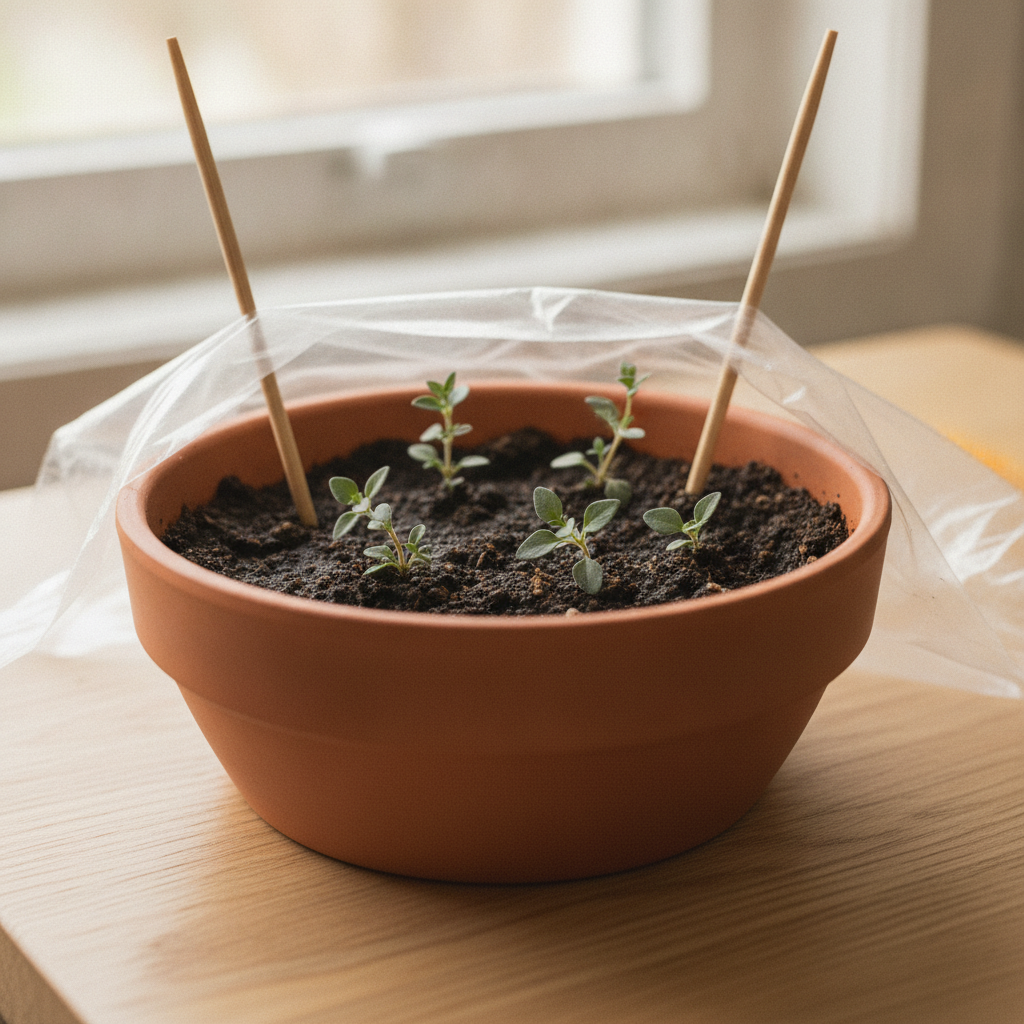
Thyme’s woody stems rot before they root in a jar of water, so soil is the reliable path. According to NC State Extension, “thyme is a bit too woody and needs more time to propagate from cuttings, and it is best to clone it directly in potting soil.” The same source confirms that “the common method of propagation for thyme is by stem cuttings, division, and seeds.” Take a three to four inch tip from soft, current-season growth, not from the gray, woody older stems. Strip the tiny lower leaves with your fingernail, dip the base in rooting hormone, and press two inches deep into a moist mix of half potting soil and half perlite. Cover with a plastic bag propped up on chopsticks so the leaves do not touch the plastic, and keep in bright indirect light. Roots form in four to six weeks. English thyme, French thyme, lemon thyme, and creeping thyme all root at similar rates, and division works even better on established mother plants.
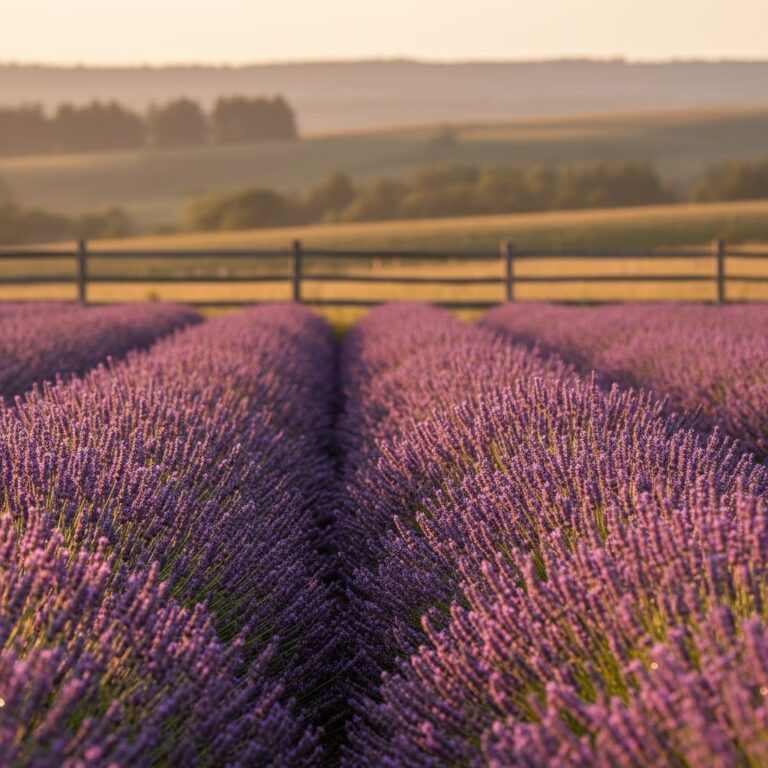
10. What Makes Lavender the Trickiest Herb on This List?
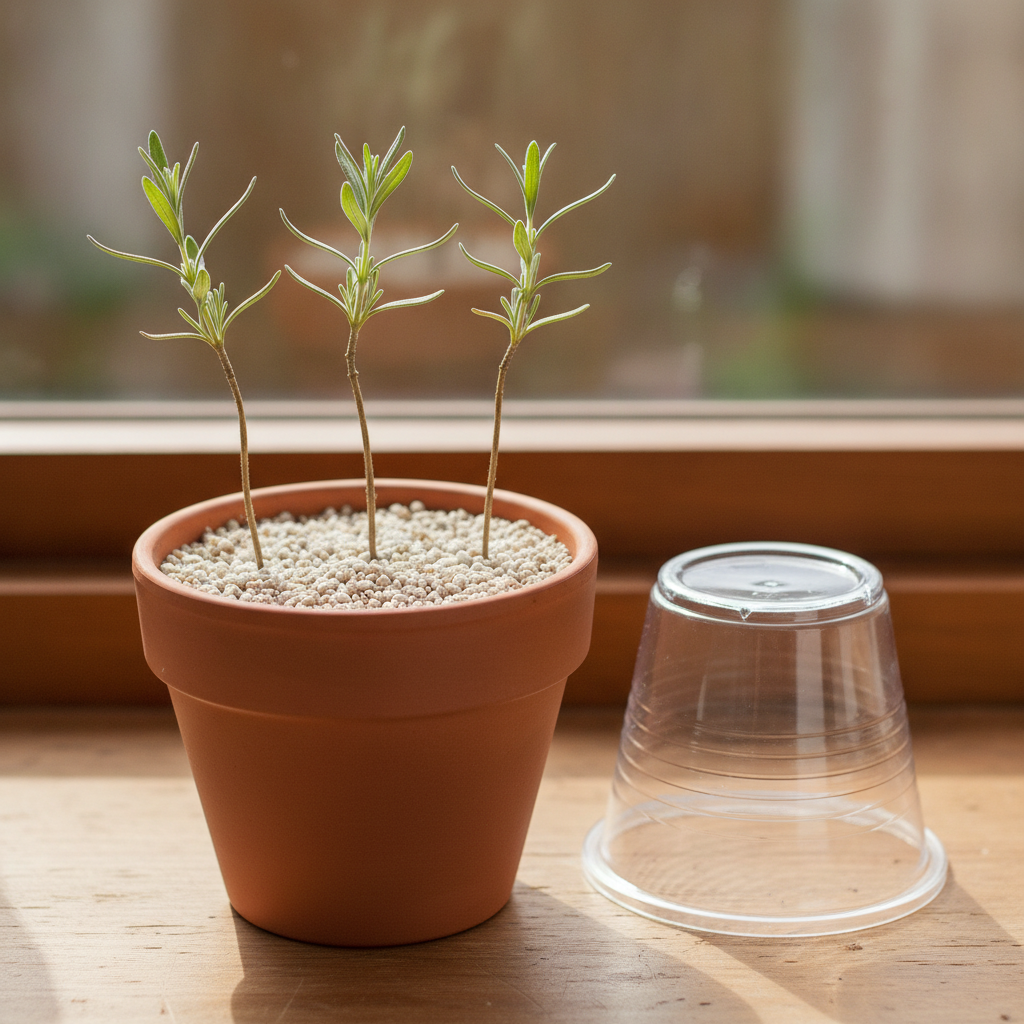
Lavender is semi-woody, slow to root, and needs a hormone to hit reliable success rates, which puts it at the bottom of the beginner list. NC State Extension notes that “rooting hormone may be required for rosemary and lavender,” and Nebraska Extension puts sage, lavender, and oregano in a “before early September” cutting window. Take a three to four inch tip cutting from firm current-season growth. Strip the lower leaves, dip the base in powder rooting hormone, and press two inches into a very well-drained mix of half perlite and half sand. Lavender rots faster than any other herb on this list, so err on the dry side of watering. Cover the pot with an inverted clear plastic cup, not a dome that traps too much moisture, and keep in bright indirect light. Rooting takes six to eight weeks. English lavender (Lavandula angustifolia) is the most beginner-forgiving; French and Spanish lavenders are trickier.
Aftercare: Transplanting Rooted Cuttings Safely
Rooted cuttings need a gradual introduction to real soil and real weather, or they wilt within days of transplant. Once roots reach one to two inches long, move the cutting into a four-inch pot filled with a light seed-starting mix, water gently, and set it in the same bright, indirect light where it rooted. Iowa State University Extension notes that “most cuttings form roots in 4 to 6 weeks. When the roots are at least 1 inch long, they are ready for transplanting into individual containers.” Wait another two to three weeks before moving the young plant outside, and harden it off first by setting the pot outdoors for an hour on day one, two hours on day two, and so on for a week. Keep the soil evenly moist for the first month; a rooted cutting has a shallow root system and dries out faster than a mature plant. Once your plants are established, the how to dry and store herbs guide covers what to do with the first big harvest.
Ten-Herb Comparison Table at a Glance
The table below shows the fastest reliable method, expected rooting time, and whether a rooting hormone is worth the extra step for each herb. Times assume bright indirect light and daytime temperatures between 65 and 75 degrees Fahrenheit; cooler rooms slow every timeline. The comparison lines up with the extension-service data behind each entry above and makes it easy to plan a first-year propagation calendar.
| Herb | Best medium | Rooting time | Rooting hormone? |
|---|---|---|---|
| Basil | Water | 5 to 10 days | No |
| Mint | Water | 1 to 2 weeks | No |
| Lemon balm | Water or soil | 1 to 2 weeks | No |
| Oregano | Soil (peat-perlite) | 3 to 4 weeks | Optional |
| Sage | Sandy potting mix | 3 to 5 weeks | Optional |
| Rosemary | Coarse sand or peat-perlite | 2 to 6 weeks | Yes |
| French tarragon | Peat-perlite | 4 to 6 weeks | Yes |
| Scented geranium | Potting mix (callused) | 3 to 5 weeks | Optional |
| Thyme | Peat-perlite | 4 to 6 weeks | Yes |
| Lavender | Sand-perlite (well drained) | 6 to 8 weeks | Yes |
Frequently Asked Questions About Propagating Herbs from Cuttings
How long do herb cuttings take to root?
Most herb cuttings root in four to six weeks, per Iowa State University Extension, though soft-stemmed types like basil and mint show roots in five to fourteen days, while woody types like lavender and thyme need six to eight weeks. Bright indirect light and warm room temperatures speed every timeline.
Do I really need rooting hormone for herb cuttings?
No, not for soft-stemmed herbs, but yes for woody ones. Michigan State University Extension states that “rooting compounds aid in rooting of moderate to difficult-to-root species, accelerate root initiation, improve rooting uniformity, increase the number of roots produced and ultimately reduce shrink and rooting time.” Basil, mint, and lemon balm skip it easily. Rosemary, thyme, lavender, and tarragon all benefit.
Can I root every herb in a glass of water?
No. Water works for soft-stemmed herbs such as basil, mint, lemon balm, and oregano, but woody-stemmed herbs including thyme, rosemary, sage, and lavender rot before they root in water. NC State Extension recommends cloning thyme “directly in potting soil” for that reason.
Why did my rosemary cutting turn brown at the base?
Base browning is stem rot, and it means the medium is too wet or too warm. Switch from water to a mix of coarse sand or peat-perlite, dip the fresh cut in rooting hormone, and cover loosely rather than sealing the pot in plastic. Rosemary needs air around its stem base to root successfully.
When is the best time of year to take herb cuttings?
Late spring through early summer for most herbs, and no later than early September for sage, lavender, and oregano so the new roots have warm weeks to establish before winter (NC State Extension). Soft-stemmed herbs like basil and mint can be rooted almost any month indoors under a grow light.
How many cuttings should I take from one plant?
Take no more than one-third of a healthy plant’s stems in a single session, and always leave the plant with plenty of leaves to keep photosynthesizing. Splitting a large basil or mint into five or six cuttings is fine; taking five cuttings from a small three-year-old lavender is not.
Can I use honey or cinnamon instead of commercial rooting hormone?
Both are common kitchen substitutes, and cinnamon in particular has mild antifungal properties that reduce stem rot. Neither is a proven root stimulator in peer-reviewed trials, so treat them as helpful for keeping the cut clean rather than as a hormone replacement. For difficult-to-root herbs like lavender or French tarragon, a commercial powder hormone gives noticeably better take rates.
Propagating your own herbs turns a two-dollar grocery-store bundle into a permanent kitchen garden, and it teaches you plant behavior in a way seed-sowing does not. Start with basil this week, add mint next week, and by the end of the season you will have grown a full herb-propagation library from cuttings that cost nothing. The 5 best herbal room sprays for beginners guide is a natural next project once the rosemary and lavender are big enough to trim.