7 Common Chicken Respiratory Issues Every Beginner Should Know
An unvaccinated backyard flock hit by virulent Newcastle disease can lose most of its birds within 24 to 48 hours, often before the keeper spots a single sick chicken. That single statistic, from USDA APHIS, is why respiratory illness sits at the top of every beginner poultry health guide.
On our small homestead, the first respiratory case we caught was a two-year-old Australorp with a bubbly right eye and a wet-sounding sneeze. We assumed dust. Two mornings later, four more hens were doing the same thing. That is the pattern with almost every disease on this list. Symptoms overlap, spread happens fast, and a keeper who knows the names reacts days sooner than one who does not. For the wider health picture, our backyard chicken health guide covers common problems and how to prevent them across every body system.
1. Infectious Bronchitis: Why Does It Move Through a Flock So Fast?
Infectious bronchitis is the most contagious respiratory disease chickens can catch, and it is caused by a strain of coronavirus that jumps bird-to-bird through the air. According to Penn State Extension, the illness “typically begins suddenly and spreads quickly throughout the flock,” and unvaccinated birds can show 100% infection with mortality reaching 60% in severe strains.
Symptoms in adult layers usually start with sneezing, coughing, and nasal discharge, then move to a sharp drop in egg production and wrinkled or thin-shelled eggs. Chicks under six weeks are the most vulnerable and can die from tracheal blockage. According to USDA NIFA research on IBV control, respiratory signs “will subdue within two weeks” in surviving birds, but egg quality and reproductive damage can persist far longer.
For beginners, the practical answer is vaccination for hatchery chicks, strict quarantine for any new adult, and treating IBV as a coop-wide event the moment two chickens sneeze on the same day.
2. Chronic Respiratory Disease: How Do You Spot Mycoplasma gallisepticum?
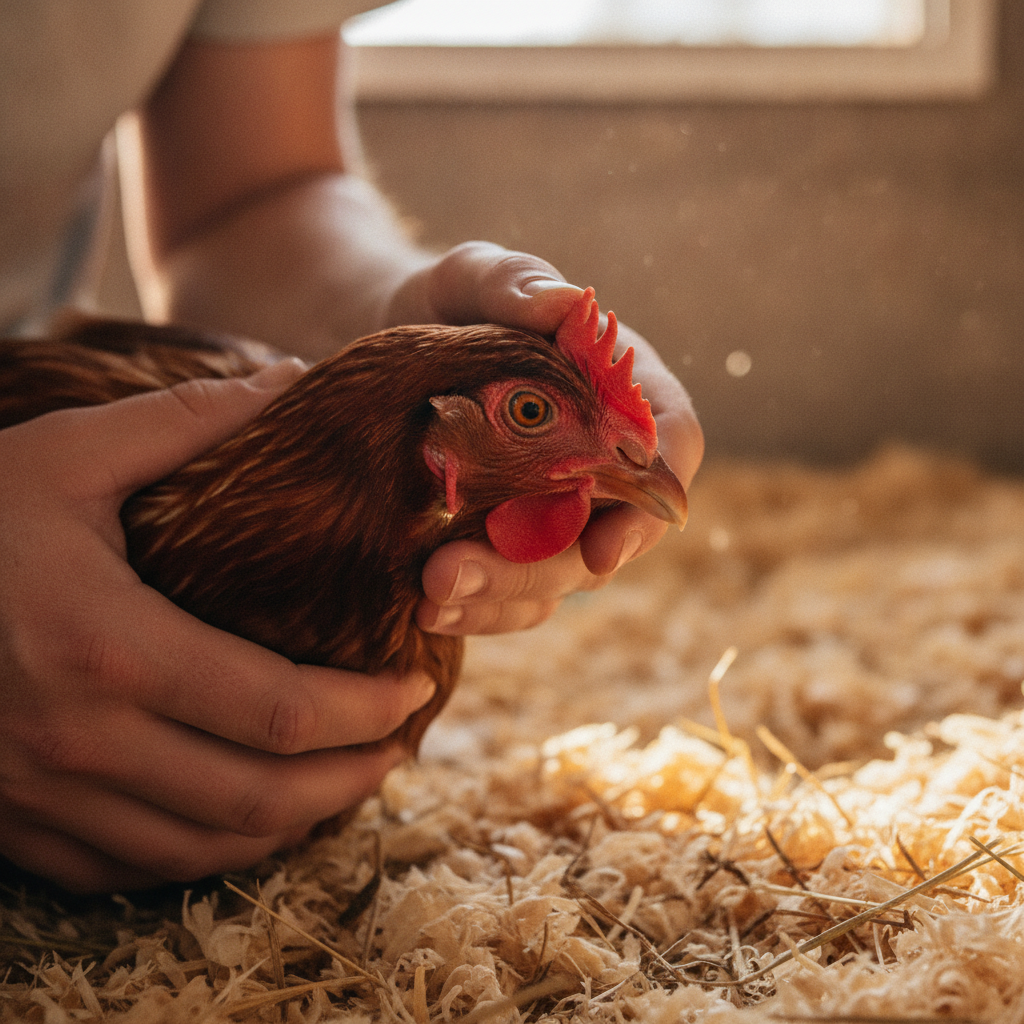
Chronic respiratory disease is a slow, persistent Mycoplasma gallisepticum infection that causes gurgling, foamy eyes, and a lifelong carrier state. The University of Tennessee Extension warns that backyard flock owners “should source birds from NPIP-participating flocks to help reduce the likelihood of MG outbreaks, avoid purchasing birds with unknown histories, or at minimum quarantine for 30 days and test any new additions to the flock.”
The signs tend to creep in rather than crash the flock. Watch for tracheal rales (a wet crackling sound when a hen breathes), single-eye foam, mild sneezing, and a hen or two that hunches near the feeder. Egg production dips, but total mortality is usually low unless a virus like IBV hits at the same time.
The University of Maryland Extension notes that MG travels easily on people: “you could bring mycoplasma back to your birds on your shoes, clothing, skin or hair.” Once MG is in a flock, birds carry it for life, which makes NPIP-clean sources and 30-day quarantine the only reliable defense.
3. Infectious Laryngotracheitis: What Makes ILT So Dangerous?
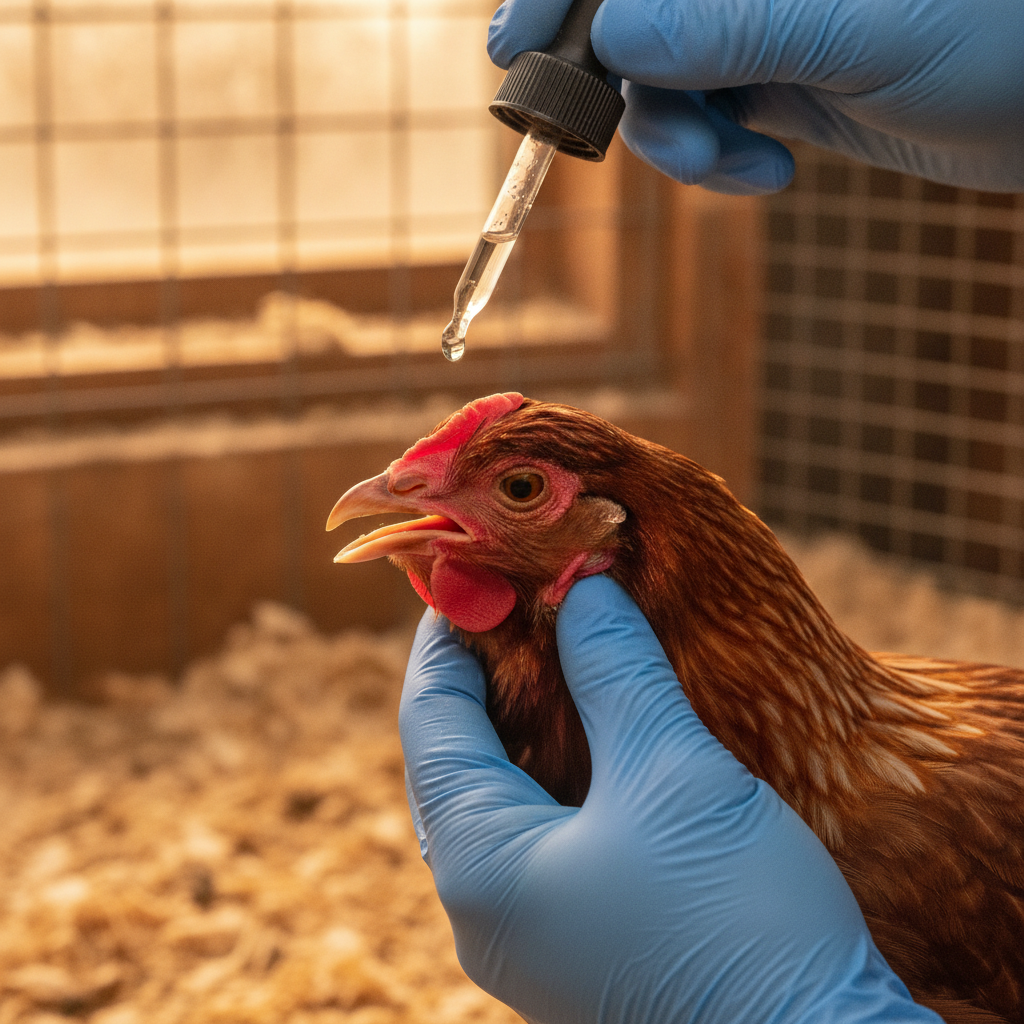
Infectious laryngotracheitis is a herpes virus that inflames the windpipe until birds cough up blood-flecked mucus, and it typically kills 10 to 20 percent of an infected flock. According to the eXtension poultry program, “ILT is caused by a herpes virus that usually kills 10-20% of infected birds, although mortality can run as high as 70% in some cases.”
The first sign owners see is almost always watery eyes, followed within a day or two by open-beak breathing, head-shaking, and mucus streaks on coop walls or feeders. The University of Maryland Extension describes the severe form as producing “significant respiratory distress, haemorrhagic tracheitis, blood-mixed mucus expelled by head shaking, sneezing, and conjunctivitis.” A hen shaking a bright red spatter onto the water dish is a strong ILT clue.
Like all herpes viruses, ILT stays with survivors for life, so one recovered bird can shed the virus to next spring’s chicks. Live ILT vaccines can revert and spark outbreaks, so biosecurity is the safer first line: quarantine new birds, do not visit other flocks in the same clothes, and burn or bury any bird that dies of respiratory disease.
4. Newcastle Disease: Why Is This a Reportable Emergency?
Virulent Newcastle disease is a fatal viral disease of poultry that attacks the respiratory, nervous, and digestive systems at the same time, and every suspected case in the United States must be reported to state or federal animal health officials. USDA APHIS states plainly that it is “a contagious and fatal viral disease of birds and poultry” and that “chickens are one of the most susceptible species to disease caused by vNDV infection.”
Signs range from gasping, greenish diarrhea, and drooping wings to twisted necks, tremors, and circling. USDA APHIS notes that “poorly protected or unvaccinated flocks infected with vNDV typically experience high death losses within 24-48 hours with no apparent clinical signs.” That speed is why any sudden die-off in a backyard flock, particularly with neurologic signs, should prompt an immediate call to your state veterinarian’s office.
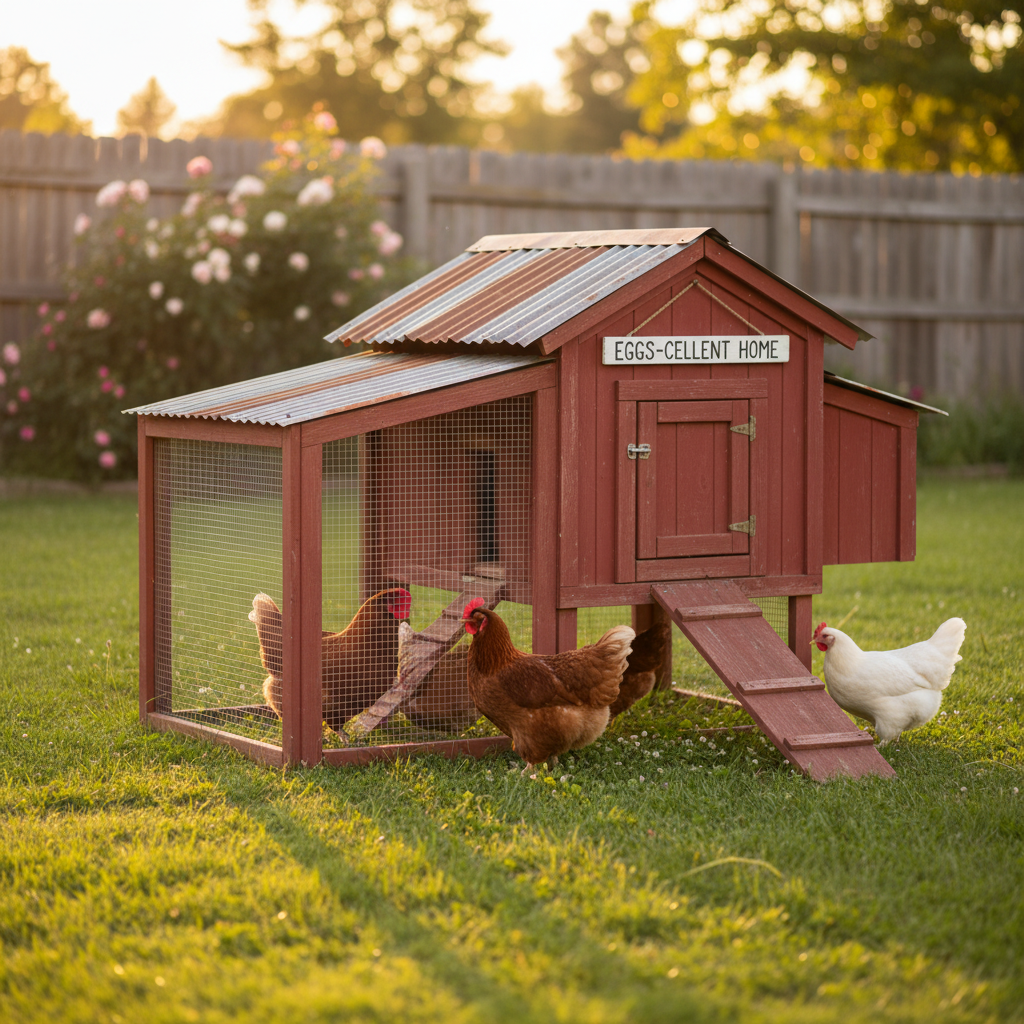
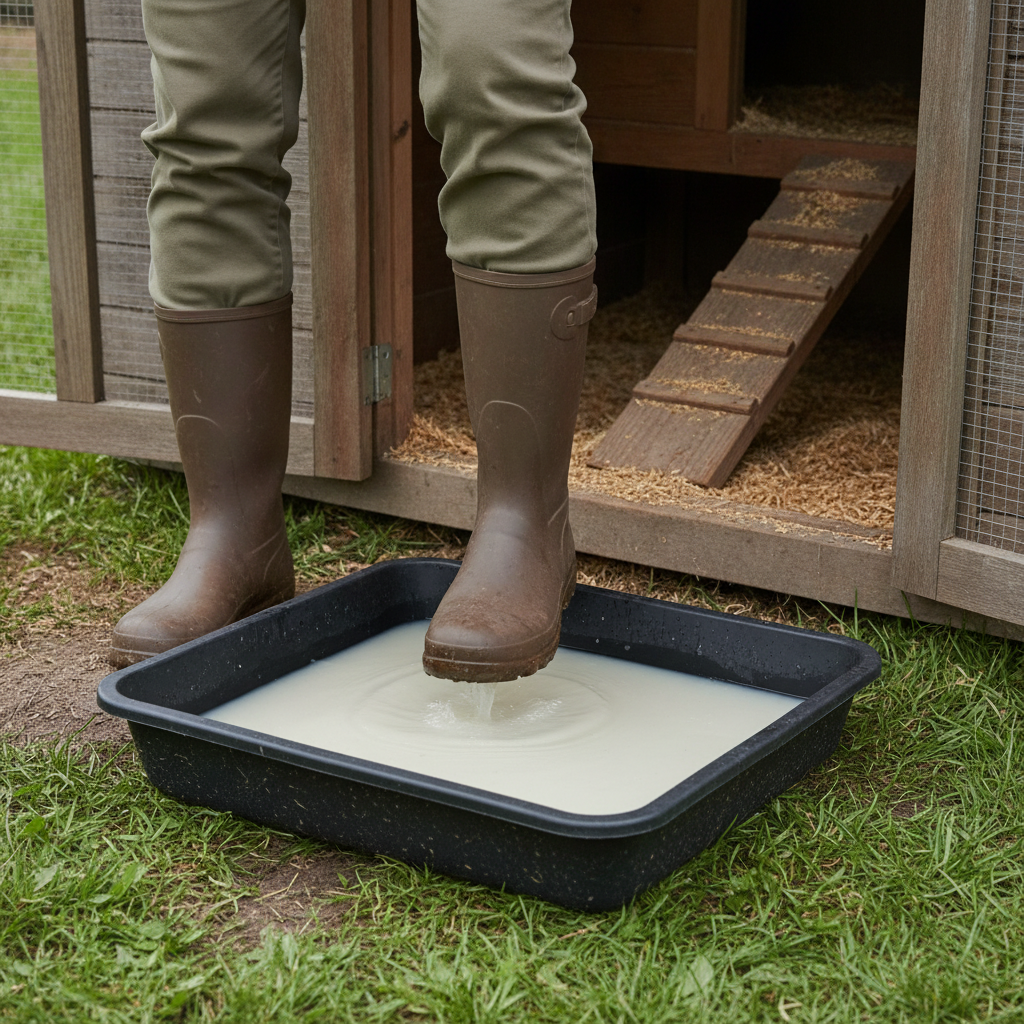
Newcastle disease is not routinely present in the U.S., but California saw a costly backyard outbreak in 2018 and 2019. Prevention is the standard biosecurity playbook: single-source birds, quarantine, no shared equipment, and coop-only shoes. A DIY chicken coop built on a budget can still include a footbath and a dedicated feed bin.

5. Highly Pathogenic Avian Influenza: How Serious Is HPAI Right Now?
Highly pathogenic avian influenza (HPAI, including H5N1) remains a live threat to U.S. backyard flocks in 2026, with confirmed detections in poultry across dozens of states this year. Penn State Extension summarizes the risk directly: “Clinical signs compatible with HPAI include lethargy, decreased feed intake or egg production, and respiratory distress. HPAI is an airborne respiratory virus that spreads easily among chickens through nasal and eye secretions and manure.”
Signs to watch for in a small flock are sudden death of one or more birds with no prior symptoms, purple combs or wattles, swollen heads, silent respiratory distress, and a hard drop in feed and water intake. Wild waterfowl are the main reservoir, so ponds, puddles, and shared wild-bird feeders are the highest-risk contact points on most properties.
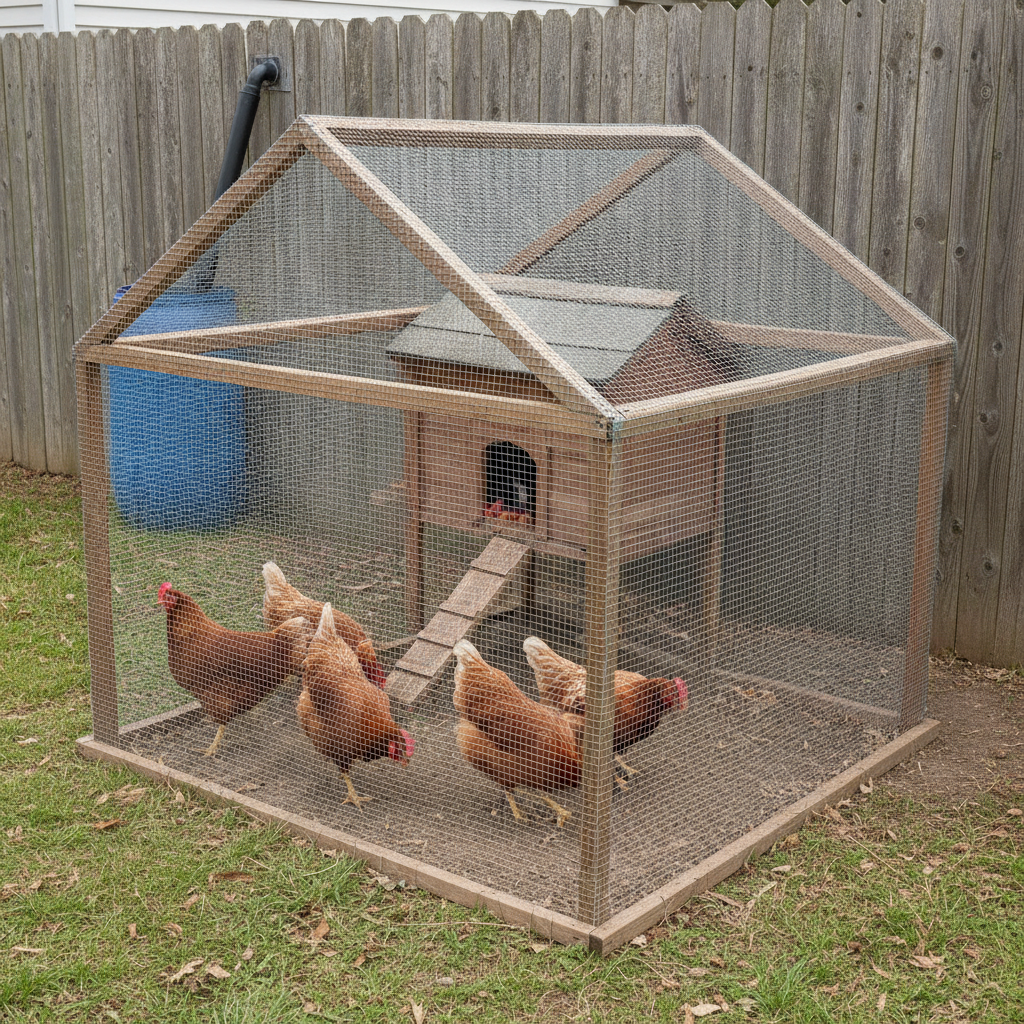
USDA APHIS urges keepers to “practice strong biosecurity measures to prevent domestic poultry from having contact with wild birds, their feathers, and droppings and areas where they frequent.” In practical terms: cover feed, keep water inside a covered run, drain seasonal puddles, and change shoes between yard and coop. Any suspected HPAI case must be reported to your state animal health office the same day.
6. Infectious Coryza: What Does It Look Like in a Backyard Coop?
Infectious coryza is an acute upper-respiratory disease caused by the bacterium Avibacterium paragallinarum, and it produces the flock’s most recognizable single symptom: a swollen, puffy face on one or both sides. According to research published in PMC, “infectious coryza is characterized by decreased activity, nasal discharge, sneezing, and facial swelling” that appears within 24 to 72 hours of exposure.
You will typically see thick, foul-smelling nasal discharge, closed or crusted eyes from cheesy conjunctival exudate, and a drop in feed intake because sick birds cannot smell. Egg production tanks quickly in laying hens. Mortality is usually low if treated, but the flock becomes chronically infected, since a peer-reviewed study on coryza vaccine development notes that “medications cannot completely eliminate the disease because birds that recover may remain carriers and spread the disease to other birds.”
Veterinary antibiotics (commonly sulfa drugs or erythromycin) shorten the illness but never clear the bacterium. Prevention is quarantine for every new bird and single-age flocks where possible. Our complete comparison of the best egg-laying breeds can help you buy from one clean source rather than piecing a flock together at swaps.
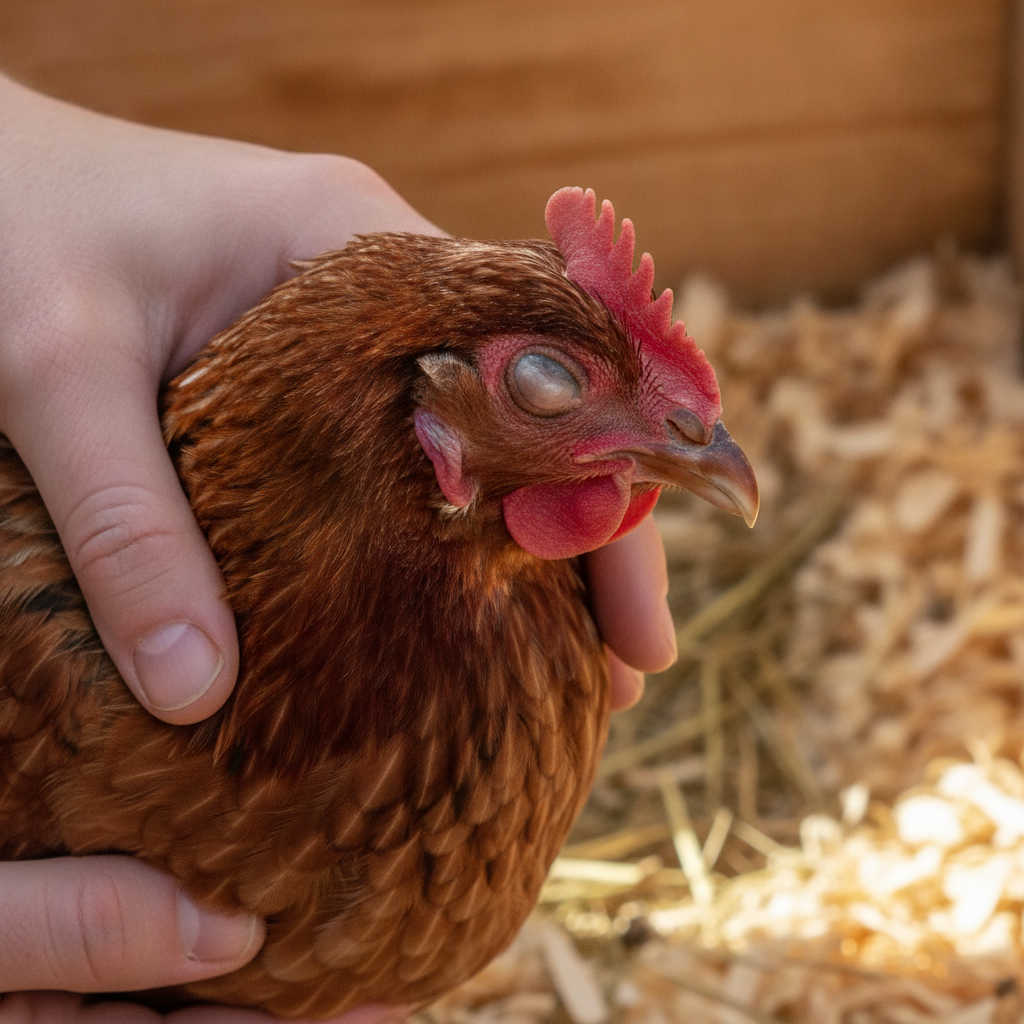
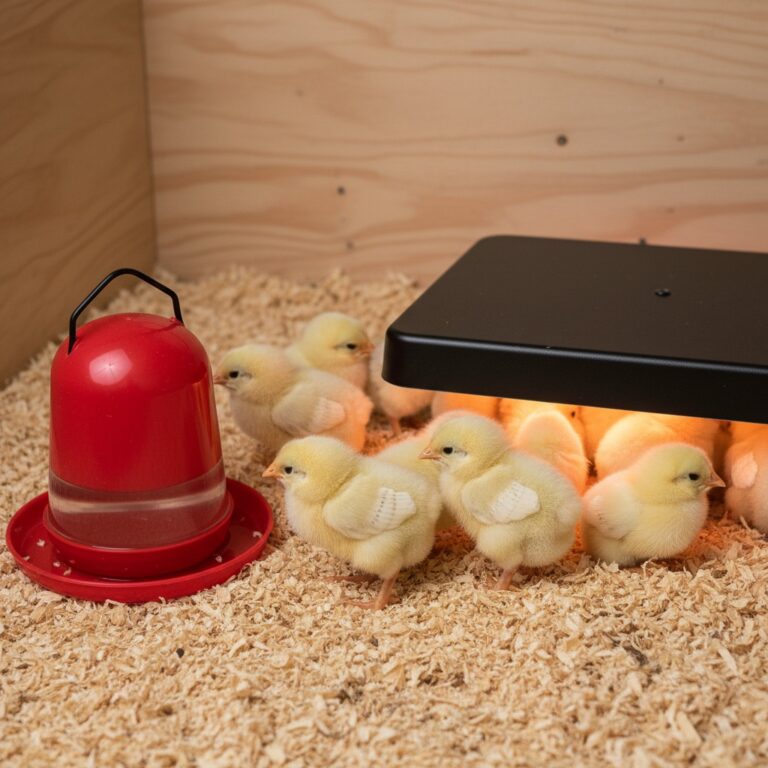
7. Aspergillosis: What Causes Brooder Pneumonia in Chicks?
Aspergillosis is a fungal lung infection caused by inhaled Aspergillus spores, and in young birds it goes by the name brooder pneumonia. The eXtension poultry program describes it as “a noncontagious, opportunistic fungal infection” that “most typically presents as a lung infection in young poultry” and warns it is “an untreatable fungal disease.”
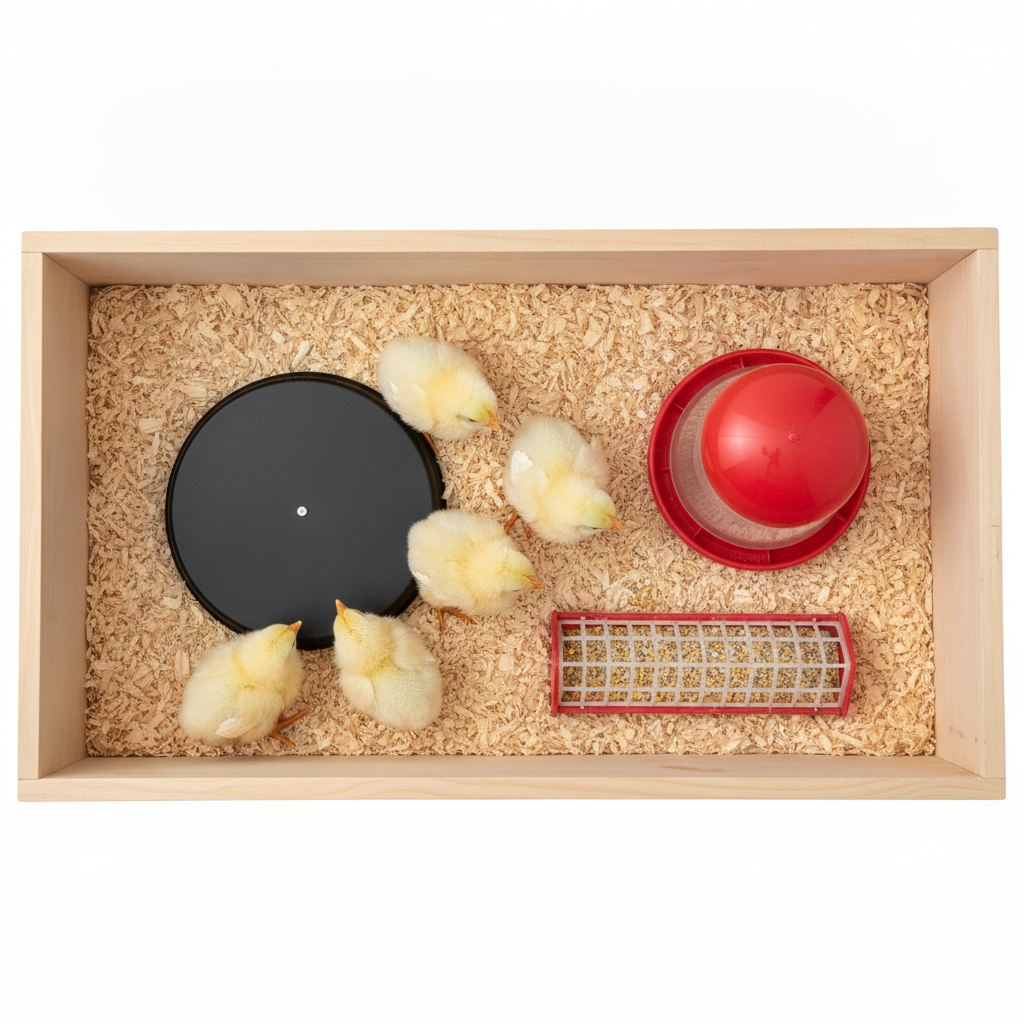
Signs are gasping with an open beak, rapid breathing, weakness, poor growth, and sudden death in a single chick or a whole batch within days of hatching. Because aspergillosis is not contagious between birds, the problem is almost always the environment. Cornell Wildlife Health Lab explains that “allowing contaminated bedding to become wet and then dry creates a major risk for both young and mature poultry, because the increased moisture facilitates sporulation of mold present in bedding, and subsequent drying creates the opportunity for aerosolization of infectious spores.”
Prevention is the whole treatment: dry bedding, sealed metal feed bins, no moldy hay, and a brooder that is easy to strip and re-line every few days. Our guide to incubating and hatching chicken eggs covers brooder setup steps that reduce spore exposure from day one.
Quick Comparison of the Seven Chicken Respiratory Diseases
The table below summarizes the seven respiratory issues covered above, side by side. According to compiled Penn State Extension and USDA APHIS reference material, most of these diseases share overlapping symptoms like sneezing and rales, so keepers should treat the table as a starting point, not a diagnosis. When in doubt, contact your state veterinary diagnostic lab (most run backyard-flock testing for a low fee).
| Disease | Cause | Typical Mortality | Reportable? |
|---|---|---|---|
| Infectious Bronchitis | Coronavirus | Up to 60% in chicks | No |
| Chronic Respiratory Disease | Mycoplasma gallisepticum | Low, chronic carriers | No |
| Infectious Laryngotracheitis | Herpes virus | 10 to 70% | Yes in many states |
| Newcastle Disease (virulent) | Paramyxovirus | Up to 100% | Yes, federally |
| Avian Influenza (HPAI) | Influenza A H5/H7 | Up to 100% | Yes, federally |
| Infectious Coryza | Avibacterium paragallinarum | Low with treatment | No |
| Aspergillosis | Aspergillus mold spores | High in affected chicks | No |
How Do You Prevent Respiratory Disease in a Backyard Flock?
Prevention comes down to five habits that block almost every disease on this list. According to Penn State Extension, “many poultry respiratory disorders present with similar clinical signs, including snicking (a hacking sound as birds try to clear their airways), rales (crackling or gurgling when breathing), labored breathing, watery eyes and conjunctivitis, and lethargy.” Because the signs blur together, a keeper’s leverage is upstream, in what the birds are exposed to.
- Quarantine every new bird for 30 days. Separate coop, own feeder and waterer, daily eye and nose checks before joining the flock.
- Buy from NPIP-certified sources. The National Poultry Improvement Plan tests breeder flocks for MG, ILT, Salmonella pullorum, and other diseases.
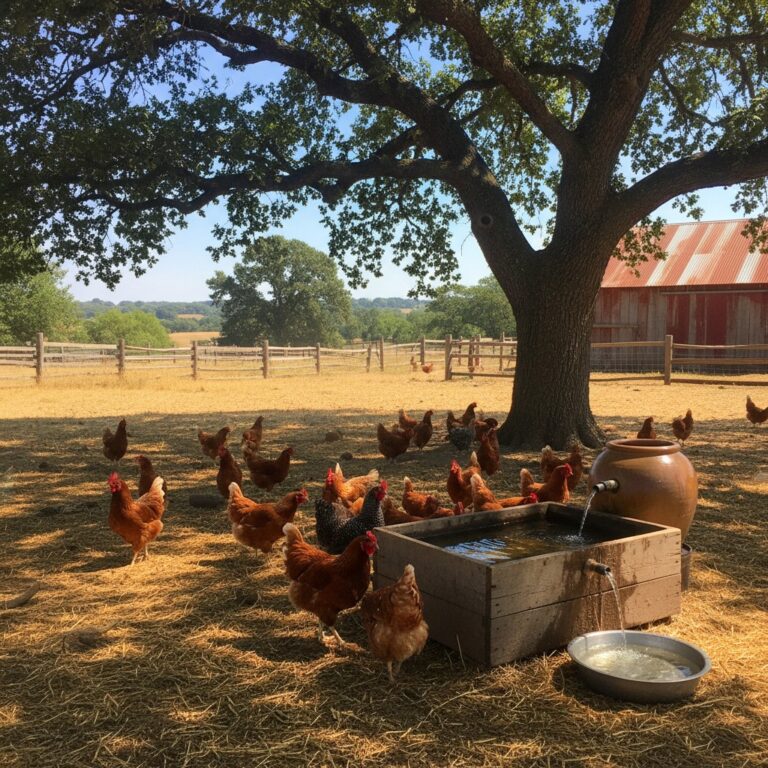
- Keep the coop dry and ventilated. Ammonia and dust irritate the trachea and open the door for airborne pathogens.
- Change shoes and wash hands between the outside world and the coop. Mycoplasma, ILT, and HPAI all ride in on footwear.
- Keep wild birds out. Our guide to building a predator-proof chicken run covers hardware cloth, roof cover, and buried apron construction that also blocks wild birds.
If you are still in planning mode, the complete beginner’s guide to backyard chickens in 2026 pulls housing, biosecurity, and feed setup into one starter checklist. Raising quail as micro-livestock can also give you a separate protein flock without crossing the chicken biosecurity zone.
Frequently Asked Questions
How can I tell if my chicken has a respiratory infection?
Watch for open-beak breathing, sneezing, gurgling sounds when the bird inhales, discharge from the eyes or nostrils, swollen face, hunched posture, or a sudden drop in appetite and egg laying. According to Penn State Extension, snicking, rales, labored breathing, watery eyes, and lethargy are the shared warning signs across almost every respiratory disease of chickens, so any combination of two of them warrants isolating the bird and calling a poultry-experienced veterinarian.
Can I catch a chicken respiratory illness?
Most poultry respiratory diseases stay in birds, including infectious bronchitis, ILT, MG, coryza, and aspergillosis. The important exceptions are avian influenza and Newcastle disease, both of which have caused human infections, usually with mild conjunctivitis or flu-like symptoms in people with heavy bird contact. Wear gloves and wash hands after handling sick birds, and report any sudden flock die-off to your state animal health office.
How long should I quarantine a new chicken?
At minimum 30 days, housed in a separate coop or pen at least 30 feet from the main flock, with dedicated feeders, waterers, and even footwear. Thirty days covers the incubation window of Mycoplasma gallisepticum, infectious coryza, and most viral respiratory diseases. If the new bird sneezes, drips, or acts hunched during that window, extend quarantine and consider veterinary testing before adding it to the flock.
Are respiratory diseases treatable at home?
Bacterial diseases like MG and coryza respond to veterinary-prescribed antibiotics, but treatment usually suppresses symptoms rather than eliminating the pathogen, and recovered birds remain lifelong carriers. Viral diseases (IB, ILT, Newcastle, HPAI) have no antiviral treatment, so care is supportive: warm shelter, clean water, and reduced dust. Aspergillosis in chicks is essentially untreatable once symptoms show, so environment control matters more than a medicine cabinet.
Should I vaccinate my backyard chickens?
Hatchery chicks routinely arrive vaccinated for Marek’s disease and often for infectious bronchitis, which is usually enough for a small home flock in a low-risk area. ILT and Newcastle vaccines exist but carry outbreak risks and are best decided with a veterinarian who knows your region. HPAI vaccination is not available to backyard keepers in the U.S. Biosecurity, not extra vaccines, is the beginner’s most reliable protection.
When should I call a veterinarian versus wait it out?
Call immediately if you see sudden death of multiple birds, purple combs or wattles, neurologic signs (twisted neck, tremors, circling), blood-flecked mucus, or facial swelling that closes an eye. Any of those may indicate ILT, Newcastle, or HPAI, and the last two must be reported. Mild sneezing in one bird that resolves within 48 hours, with normal appetite and no flock spread, can often be watched with better ventilation before escalating.
The Bottom Line for Beginner Chicken Keepers
The seven respiratory diseases above account for most of what a backyard keeper will actually meet: viral (IB, ILT, Newcastle, HPAI), bacterial (MG, coryza), and fungal (aspergillosis). According to Penn State Extension, their symptoms overlap enough that no home guide substitutes for a state diagnostic lab, but the prevention playbook is the same in every case. Quarantine every new bird for 30 days, buy from NPIP-certified sources, keep the coop dry and well ventilated, change shoes between the yard and the run, and block wild-bird access to feed and water. Treat any sudden die-off, purple combs, blood-flecked mucus, or twisted-neck signs as an emergency worth a same-day call to your state veterinarian. For deeper coverage of long-lived, weather-tolerant flock genetics, our guide to heritage breed chickens covers hardier options for outdoor coops.