How to Grow Asparagus: Plant Once, Harvest for 20 Years
Key Takeaways
- Asparagus is a perennial that can produce harvests for 20+ years from a single planting, making it one of the best long-term investments in your garden.
- Plant one-year-old crowns in trenches 6–8 inches deep with rich, well-drained soil amended with compost and aged manure.
- Resist the urge to harvest for the first two years. This patience pays off with decades of thick, tender spears.
- Harvest in spring when spears reach 6–8 inches tall, and stop picking when new spears thin to pencil width.
- A well-maintained bed of 20–25 plants can provide enough asparagus for a family of four throughout the spring season.
There’s a reason seasoned gardeners talk about their asparagus beds with a particular kind of pride. Unlike tomatoes or peppers that demand replanting every single year, asparagus is a plant-it-once, harvest-it-forever kind of crop. A well-established bed can produce prolifically for 20 to 30 years, sometimes longer.
But here’s the catch: asparagus demands patience. You’ll spend two to three years building up the root system before you get a real harvest. That waiting period turns a lot of people away. It shouldn’t. The math works out overwhelmingly in your favor when you think about decades of free asparagus versus a few years of restraint.
Let me walk you through everything you need to know to get it right the first time.
🌱 From Our Homestead
Planting asparagus crowns and then waiting two full years to harvest tested every bit of my patience. But now in year five, our small bed pushes up enough spears every April that we eat asparagus with dinner almost every night for six weeks straight.
Choosing the Right Asparagus Variety
Not all asparagus is created equal, and variety selection matters more than most guides let on. Here’s what most guides won’t tell you: the older heirloom varieties like ‘Martha Washington’ produce both male and female plants, and the female plants waste energy making seeds instead of spears. That translates directly to lower yields.
Modern all-male hybrids are the way to go for most home gardeners. They put all their energy into spear production and don’t self-seed into a weedy mess.
Top Varieties to Consider
- Jersey Knight: Excellent disease resistance, performs well in heavier soils, produces thick spears. Among the most reliable choices for home gardens across USDA zones 3–8.
- Jersey Giant: High-yielding all-male hybrid that does well in many climates. Produces early in the season.
- Jersey Supreme: The newest in the Jersey series with improved uniformity and vigor.
- Purple Passion: A stunning purple variety that’s sweeter and more tender than green types. It does turn green when cooked, but the flavor is exceptional for fresh eating.
- Millennium: Developed in Ontario, Canada, this variety is particularly cold-hardy and performs well in northern climates.
For most backyard growers, any of the Jersey hybrids will serve you well. If you’re in zones 3–4, lean toward Millennium. If you want something a little special for the table, add a row of Purple Passion.
Site Selection and Soil Preparation
Since your asparagus bed is going to be in the same spot for potentially decades, site selection deserves serious thought. Don’t rush this decision.
Sunlight and Location
Asparagus needs full sun, at least 8 hours of direct sunlight daily. Place the bed along the north side or edge of your garden so the tall, ferny summer growth (which can reach 5 feet) doesn’t shade out other crops.
Avoid low-lying areas where water collects. Asparagus crowns sitting in waterlogged soil will rot. Period. Good drainage is non-negotiable.
Soil Requirements
Asparagus thrives in a soil pH between 6.5 and 7.5. If your soil is acidic, you’ll want to add lime well before planting, ideally the fall before a spring planting. A soil test takes the guesswork out of this entirely.
Work the soil deeply, at least 12–15 inches down. Asparagus sends roots surprisingly deep, and loose, rich soil gives them room to expand. Incorporate generous amounts of compost and well-aged manure. You’re building the foundation for years of growth, so don’t skimp here.
In my experience, adding rock phosphate or bone meal to the trench bottom gives crowns a strong start. Phosphorus supports root development, and since it doesn’t move easily through soil, putting it at root depth makes the most sense.
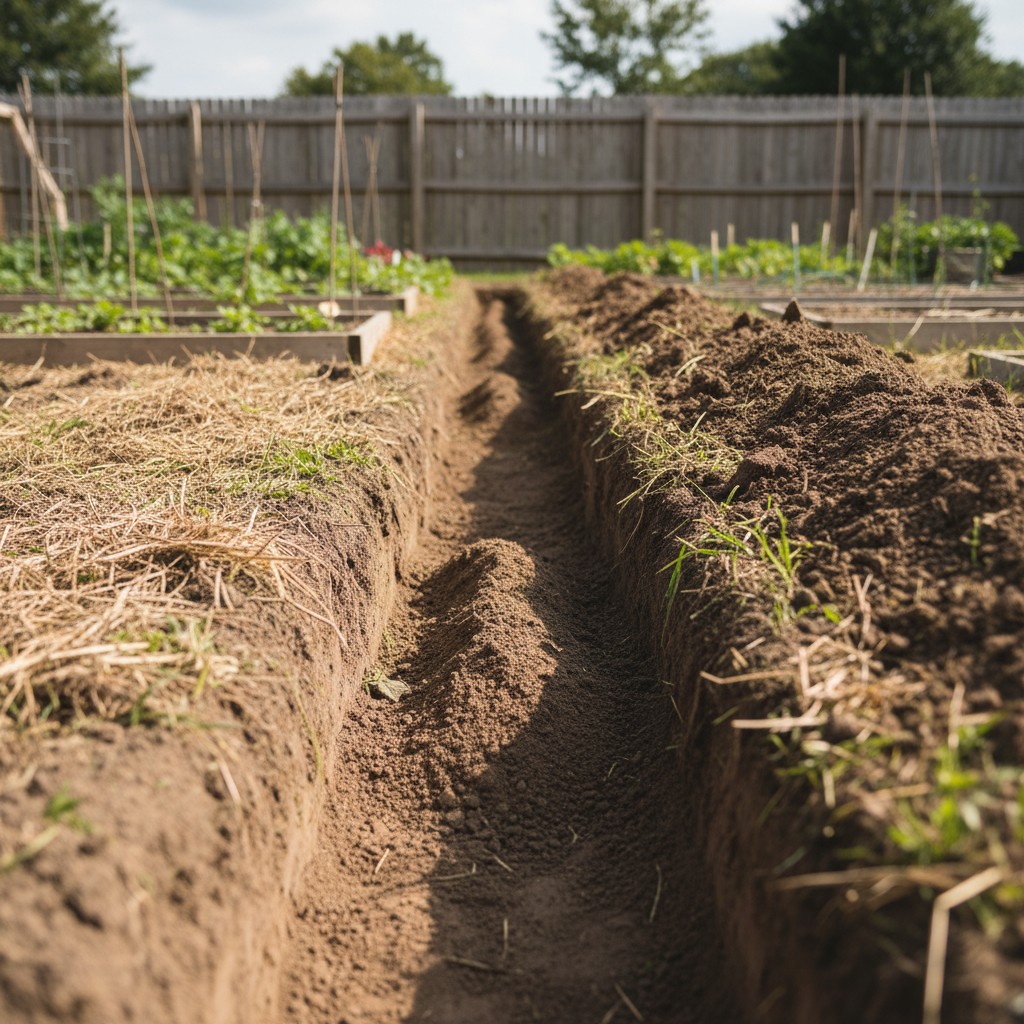
The Trenching Method: Step by Step
The trench method is the gold standard for planting asparagus crowns, and it’s simpler than it sounds.
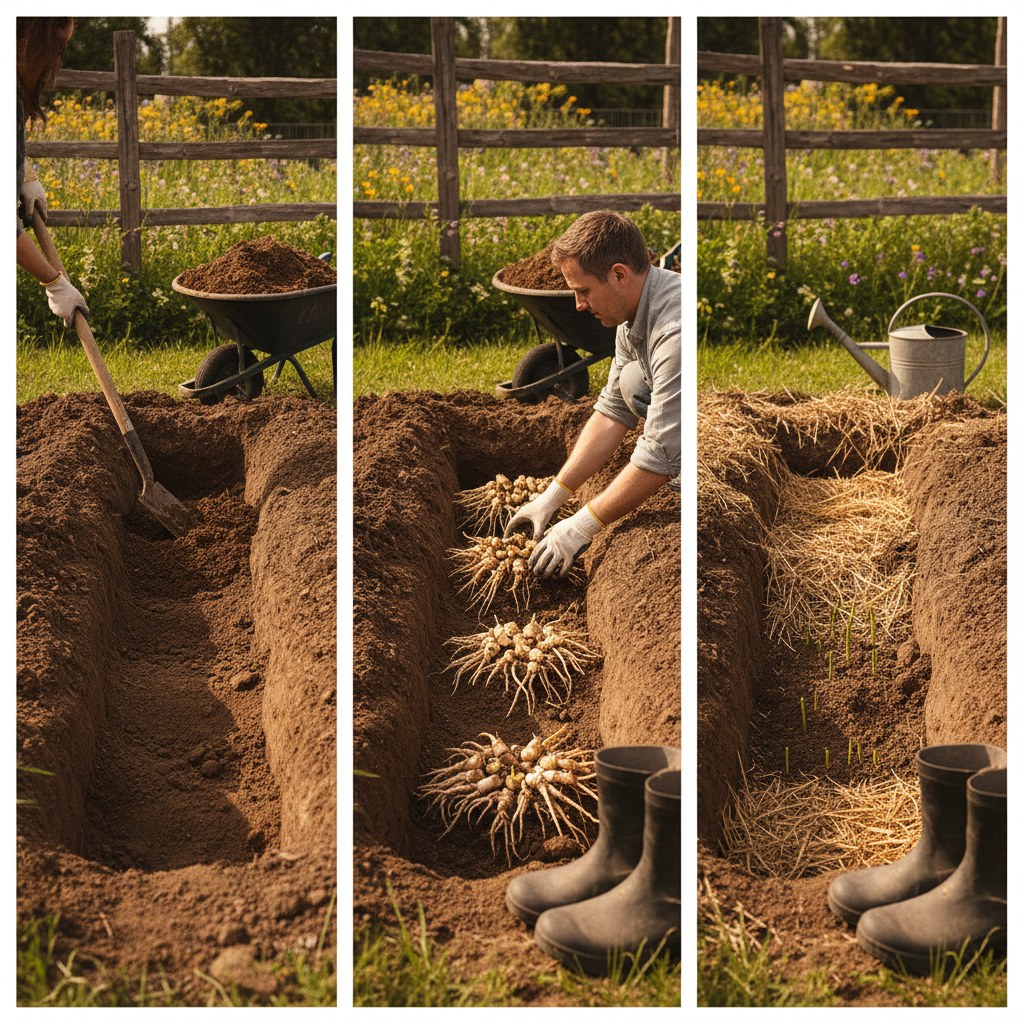
Digging the Trench
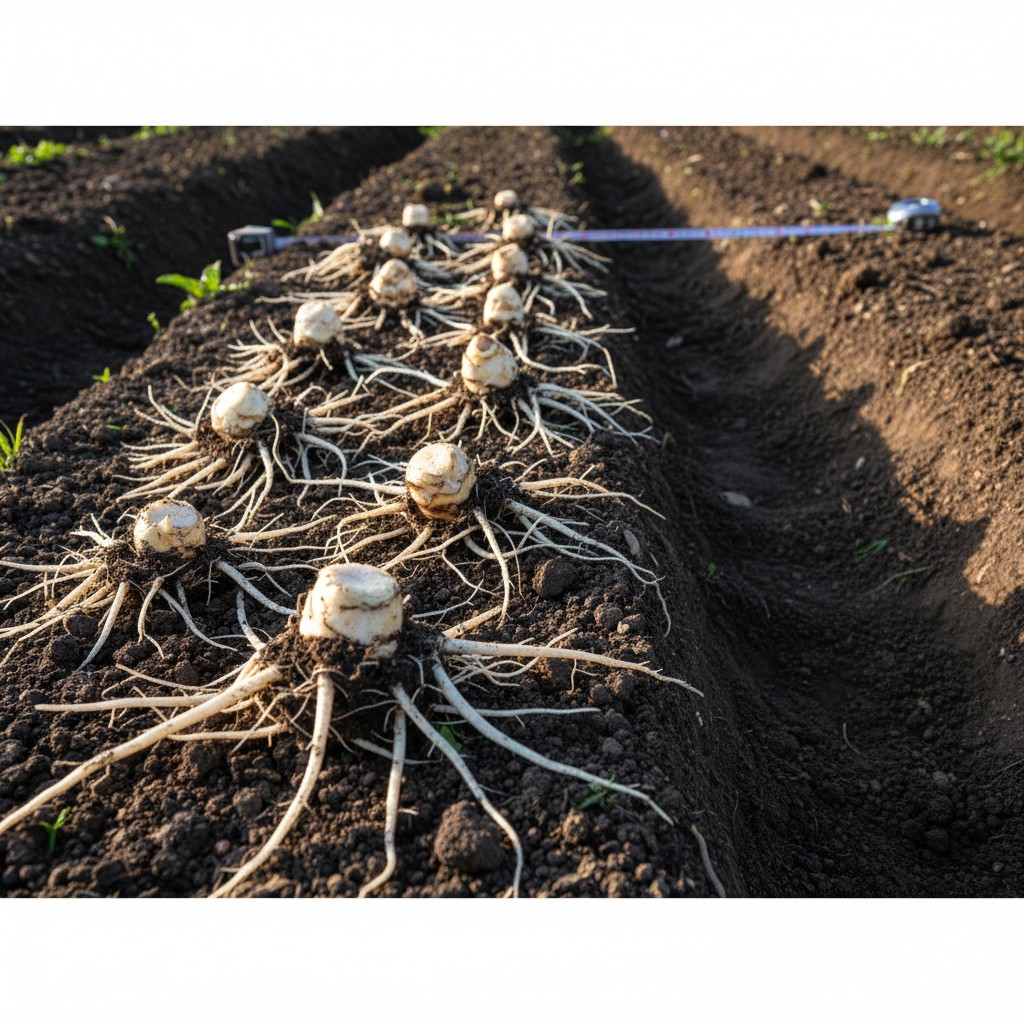
- Dig a trench 12 inches wide and 6–8 inches deep. If you’re planting multiple rows, space them 4–5 feet apart to allow room for the mature fern growth and easy harvesting access.
- Create a small ridge or mound of soil along the bottom center of the trench, about 2 inches high. This gives the crown something to sit on with roots draping down the sides.
- Mix compost and a handful of balanced organic fertilizer into the soil you removed from the trench. You’ll use this to gradually backfill.
Planting the Crowns
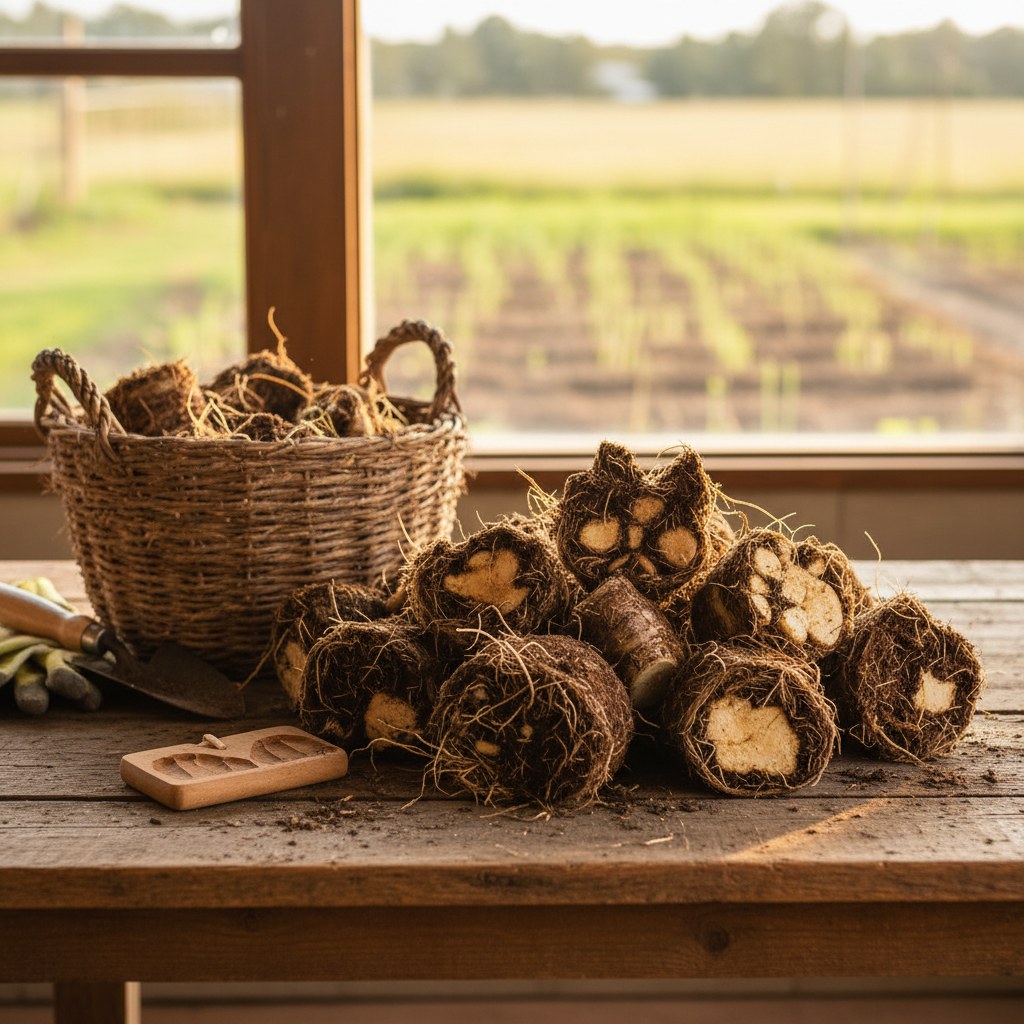
- Soak your one-year-old crowns in lukewarm water for 15–20 minutes before planting. This rehydrates the roots and gives them a head start.
- Set each crown on top of the ridge at the bottom of the trench, spreading the roots out like an octopus. Space crowns 18 inches apart.
- Cover the crowns with 2–3 inches of the amended soil mixture. Don’t fill the trench completely yet.
- As spears emerge and grow through the season, gradually add more soil until the trench is filled level with the surrounding ground. This usually takes the first growing season.
This gradual backfilling technique encourages strong, deep root development. It’s a little more work than just planting at full depth, but the results are worth it.
The Hardest Part: The Waiting Period
Here’s where discipline comes in. For the first two years after planting, you should not harvest any spears. Let every single one grow into a full fern. Those ferny tops are photosynthesizing and feeding the root system below, building the energy reserves that will fuel decades of production.
Year One
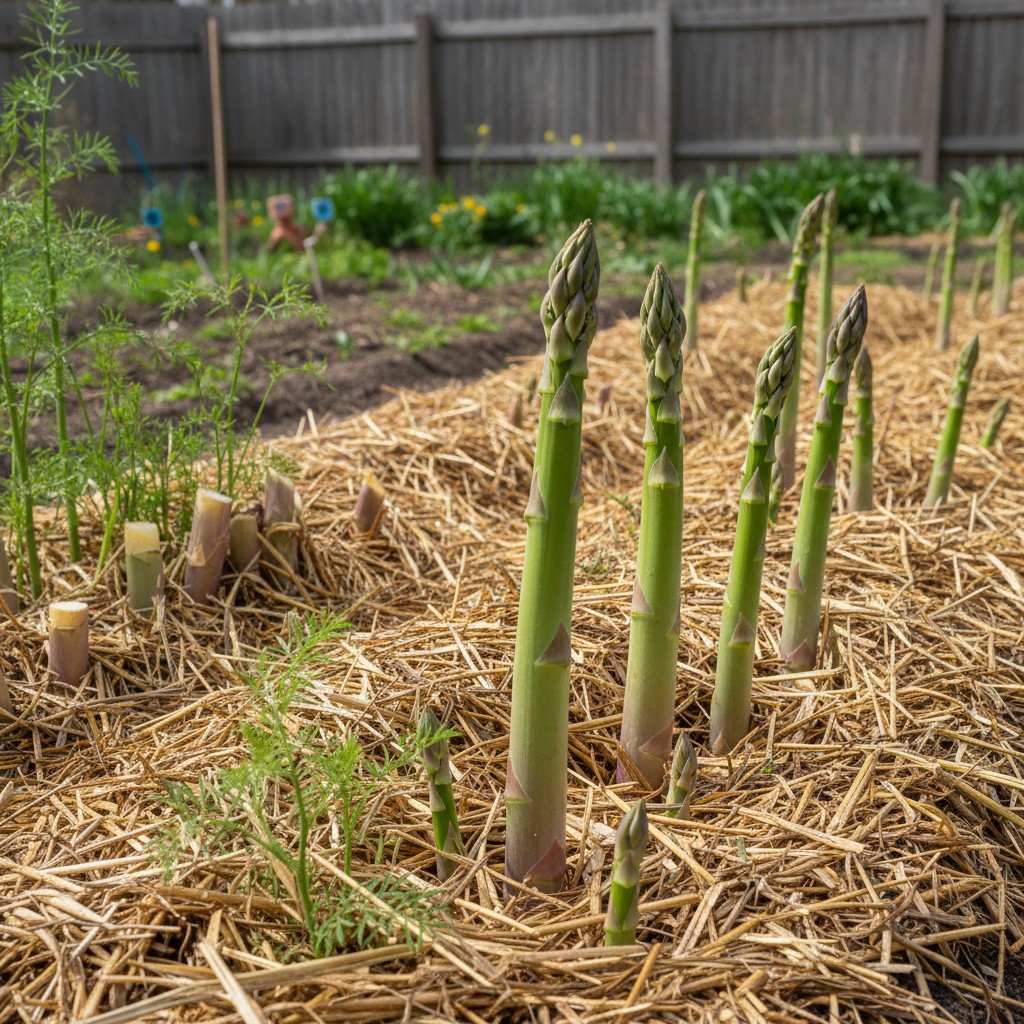
Don’t harvest anything. Let all spears grow into ferns. Keep the bed weeded and watered. Apply a 2–3 inch layer of mulch (straw works great) to suppress weeds and retain moisture.
Year Two
Still don’t harvest, or if you absolutely can’t resist, take only a few spears over a two-week window. The crown is still building strength. Continue weeding, watering, and mulching.
Year Three
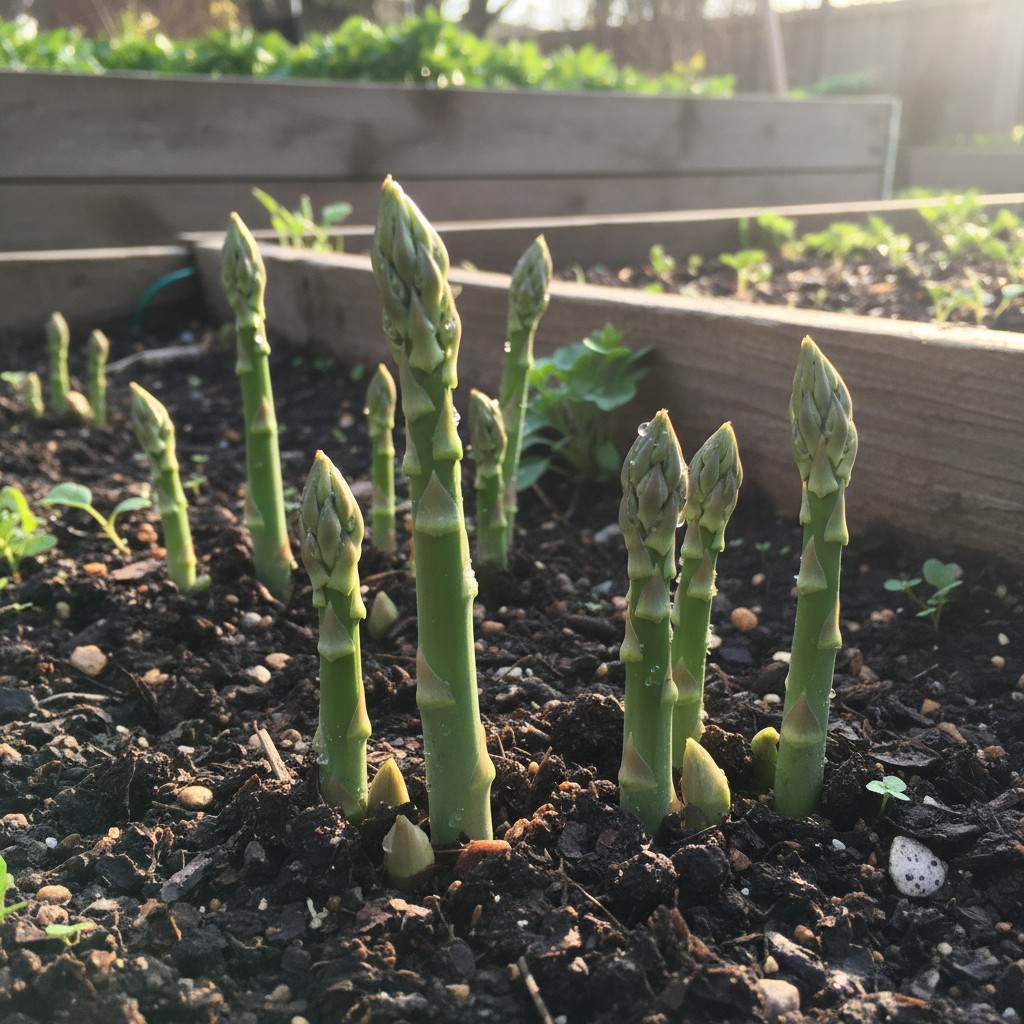
Now you can harvest, but keep it to a 3–4 week window. Cut spears when they’re 6–8 inches tall and about as thick as your finger or thicker. Once new spears start emerging thinner than a pencil, stop harvesting and let them fern out.
Year Four and Beyond
Full harvest season. You can pick for 6–8 weeks in most climates. A mature, well-tended bed will produce heavily during this window. Some growers report harvesting every other day at peak production.
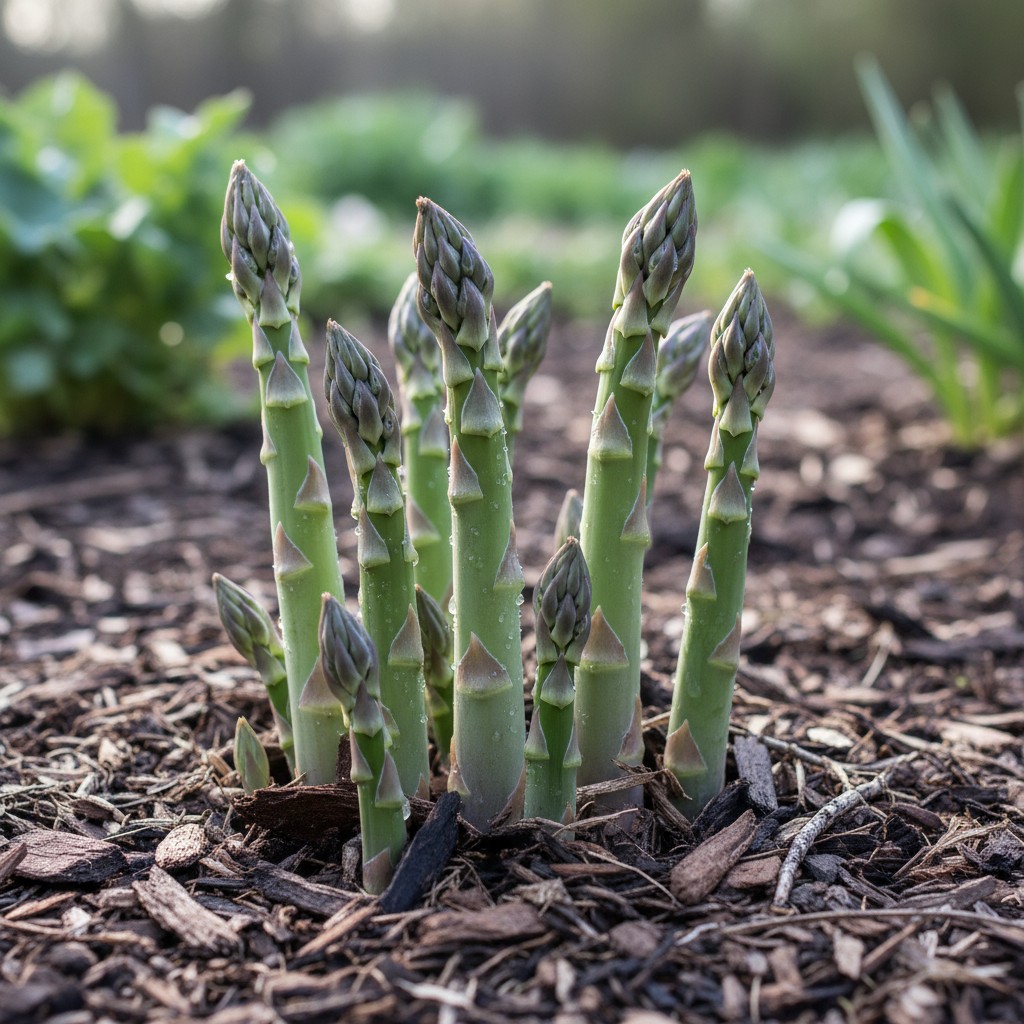
How to Harvest Asparagus Properly
Harvesting technique matters more than you might think. You have two options:
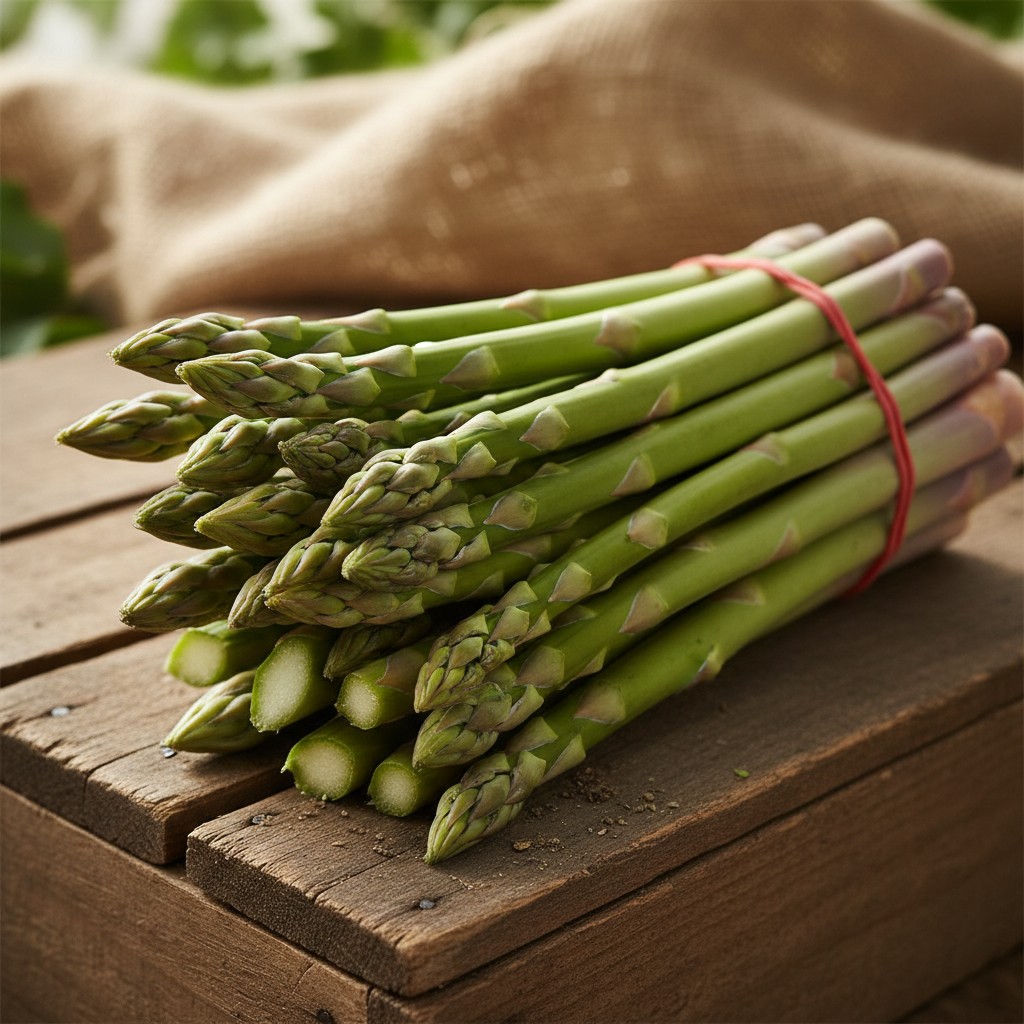
- Snap method: Bend the spear near the base and let it snap naturally. It breaks at the point where tender meets tough. Simple, and you never get woody ends on your plate.
- Cut method: Use a sharp knife or asparagus knife to cut spears about an inch below the soil surface. This gives you more usable spear, but you need to be careful not to damage emerging spears you can’t see yet.
In my experience, snapping is the safer and more foolproof method for home gardeners. Professional growers tend to cut, but they also have more experience judging where to make the cut without damaging neighboring crowns.
Harvest in the morning when spears are most hydrated and tender. Asparagus loses sweetness rapidly after cutting, faster than almost any other vegetable. Get it from garden to kitchen as fast as possible, or stand it upright in a glass of water in the fridge.
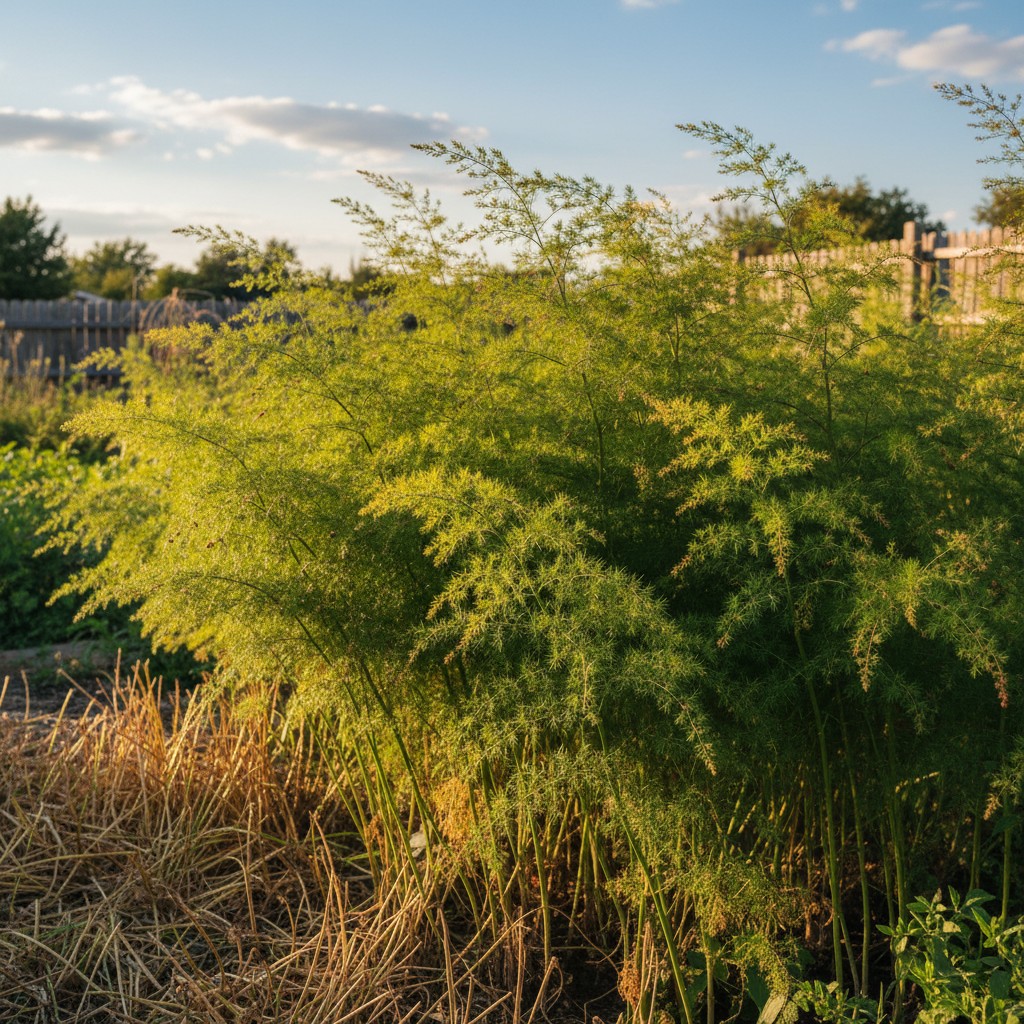
When to Stop Harvesting
This is critical and often misunderstood. Stop harvesting when:
- New spears emerging are thinner than a pencil
- Spears are coming up spindly with open tips
- You’ve been harvesting for 6–8 weeks (in an established bed)
After you stop, let every remaining spear grow into a full fern. These ferns feed the root system all summer and fall, storing energy for next spring’s harvest. Cutting ferns too early or too often is the single fastest way to kill an asparagus bed.
Long-Term Bed Maintenance
An asparagus bed that produces for 20+ years doesn’t happen by accident. It requires consistent, if minimal, care.
Fertilizing
Feed asparagus twice a year. Apply a balanced organic fertilizer or generous compost layer in early spring before spears emerge, and again in early fall after the ferns have yellowed. Asparagus is a heavier feeder than most people realize. Side-dress with compost or aged manure annually.
Weed Management
Weeds are the biggest ongoing challenge with asparagus. You can’t easily cultivate between crowns without damaging the shallow root network. Mulch is your best friend here. Maintain a 3–4 inch layer of straw, wood chips, or shredded leaves year-round. Some growers use salt to suppress weeds in asparagus beds, asparagus is notably salt-tolerant, but I’d recommend mulch over salt in most garden settings.
Fall Cleanup
Leave the ferns standing until they’ve turned completely brown and dry, usually after the first hard frost. Then cut them to ground level and remove them from the bed. This is important because asparagus beetle eggs can overwinter on old ferns. Compost the ferns only if your compost pile gets reliably hot.
Pest and Disease Watch
Asparagus beetles are the primary pest. Both the common asparagus beetle (blue-black with cream spots) and the spotted asparagus beetle (orange with black spots) can defoliate ferns if left unchecked. Hand-pick adults and larvae regularly. Neem oil can help with larger infestations.
Fusarium crown rot and rust are the main diseases. Both are best prevented through good drainage, disease-resistant varieties, and proper fall cleanup. Once fusarium takes hold, there’s no cure, you’ll need to start a new bed in a different location.
How Much to Plant
Plan on 10–12 crowns per person in your household who eats asparagus. For a family of four, that’s 40–50 crowns, which fits in a bed roughly 4 feet wide by 20 feet long. That might sound like a lot of space, but consider that this single bed will feed your family every spring for two decades or more. The per-year space investment is remarkably efficient.
At peak production, a single healthy crown can produce 20–25 spears per season. That’s roughly half a pound per crown. Twenty-five plants can easily yield 10–15 pounds during a harvest season, plenty of fresh eating with extra for blanching and freezing.
Frequently Asked Questions
Can I grow asparagus from seed instead of crowns?
You can, but it adds another full year to the already long waiting period. Seeds need to be started indoors 12–14 weeks before transplanting, and the resulting seedlings are one-year-old crowns that still need 2–3 years of establishment. Most home gardeners find that buying one-year-old crowns from a reputable nursery is worth the modest cost to save a year of waiting.
Why are my asparagus spears thin and spindly?
Thin spears usually mean one of three things: the bed is too young and still establishing, you’ve been over-harvesting (taking spears for too long each season), or the soil fertility has dropped. If the bed is mature, try top-dressing with compost and a balanced fertilizer, and shorten your harvest window next year. Crowded beds can also produce thin spears, divide and replant if crowns are growing into each other.
Can I plant asparagus in containers?
It’s technically possible but not practical for long-term production. Asparagus roots are massive and deep. A container would need to be at least 20 inches deep and 20 inches wide per crown, and even then, production will be limited compared to in-ground planting. If a raised bed is your only option, make it at least 18 inches deep with excellent drainage.
Is white asparagus a different variety?
No: white asparagus is simply green asparagus that’s been blanched by mounding soil or mulch over the emerging spears to block sunlight. Without light, the spears never develop chlorophyll and remain white. It’s a labor-intensive technique popular in European markets. The flavor is milder and slightly more bitter than green asparagus. Any variety can be grown white with the right technique.