Gravel Gardening: How to Create a Beautiful, Drought-Proof Landscape
TL;DR. Gravel Gardening
- Gravel gardens use decorative stone as mulch around drought-tolerant plants, not a barren rock garden, but a lush, plant-forward landscape.
- Water savings of 50% or more compared to traditional garden beds, with drastically reduced weeding and maintenance.
- Best plants include lavender, salvia, echinacea, thyme, sedum, yarrow, and ornamental grasses, all pollinator-friendly and heat-tolerant.
- No landscape fabric needed, bare soil topped with 2–3 inches of gravel is the proven method used by Beth Chatto and other pioneers.
- Works in USDA zones 3–10, adapting beautifully to hot, dry, cold, and even humid climates with the right plant choices.
- Creates critical pollinator habitat by providing nectar sources, nesting sites, and sun-warmed stone for beneficial insects.
If you’ve spent any time on garden design blogs or landscape architecture feeds in 2026, you’ve noticed gravel gardens everywhere. And for good reason, they’re gorgeous, low-maintenance, drought-proof, and genuinely sustainable. But there’s a widespread misconception that a gravel garden is just a pile of rocks with a few sad succulents poking through. Nothing could be further from the truth.
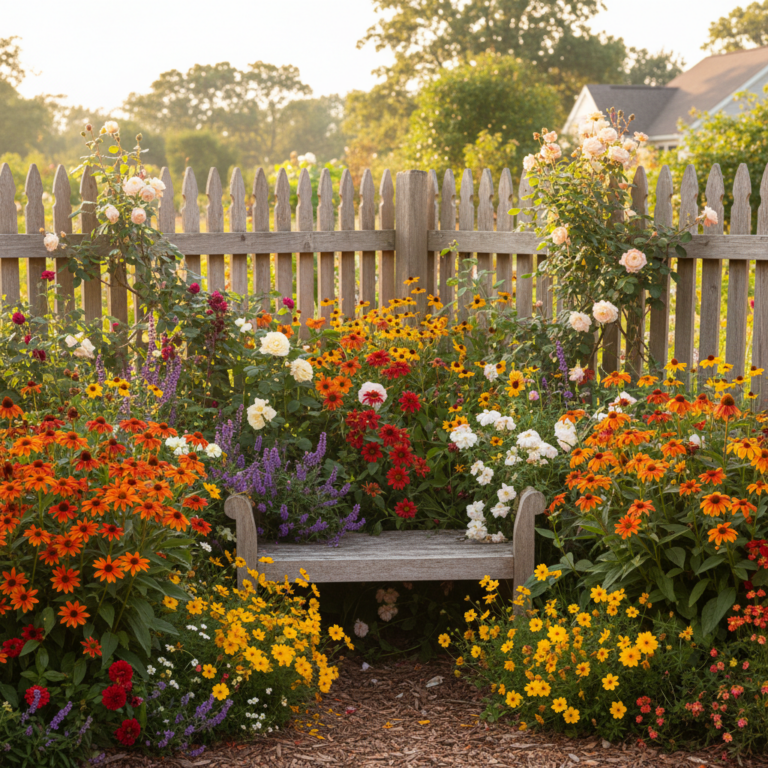
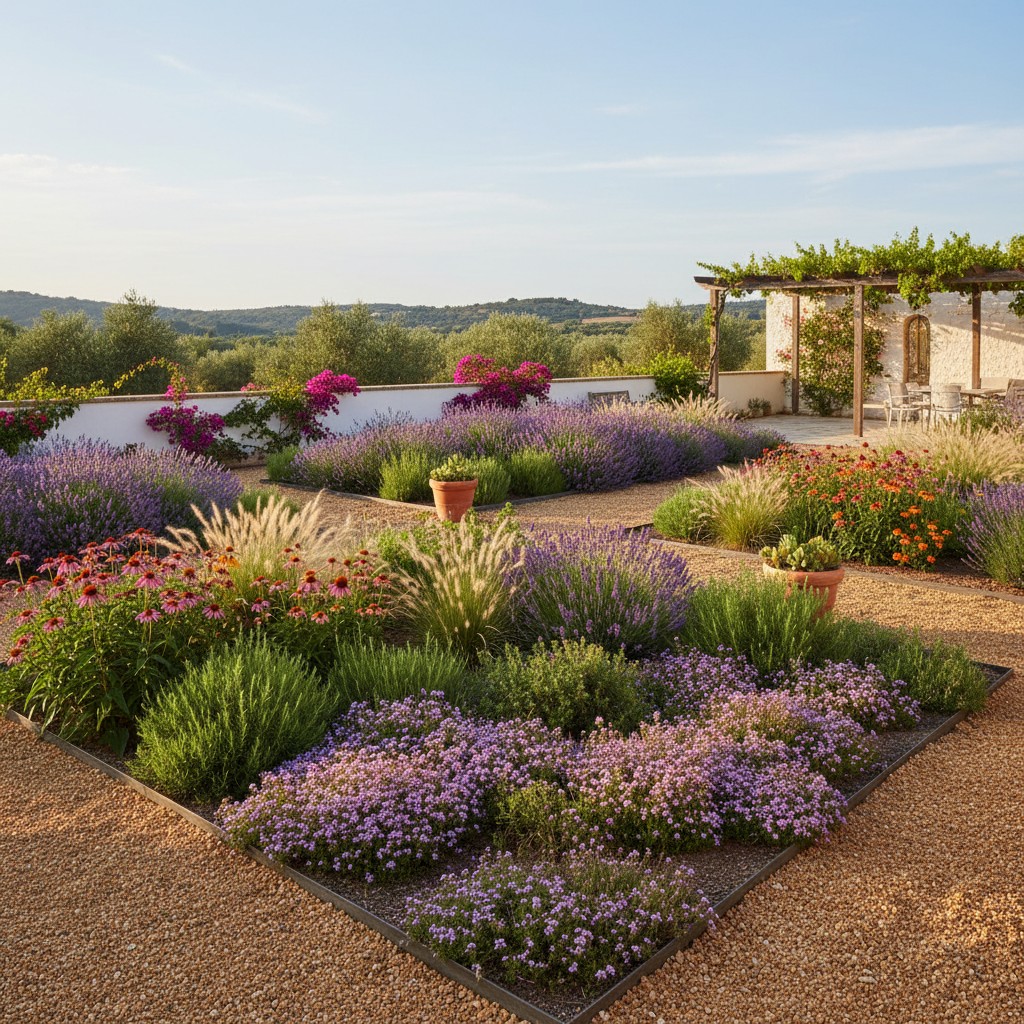
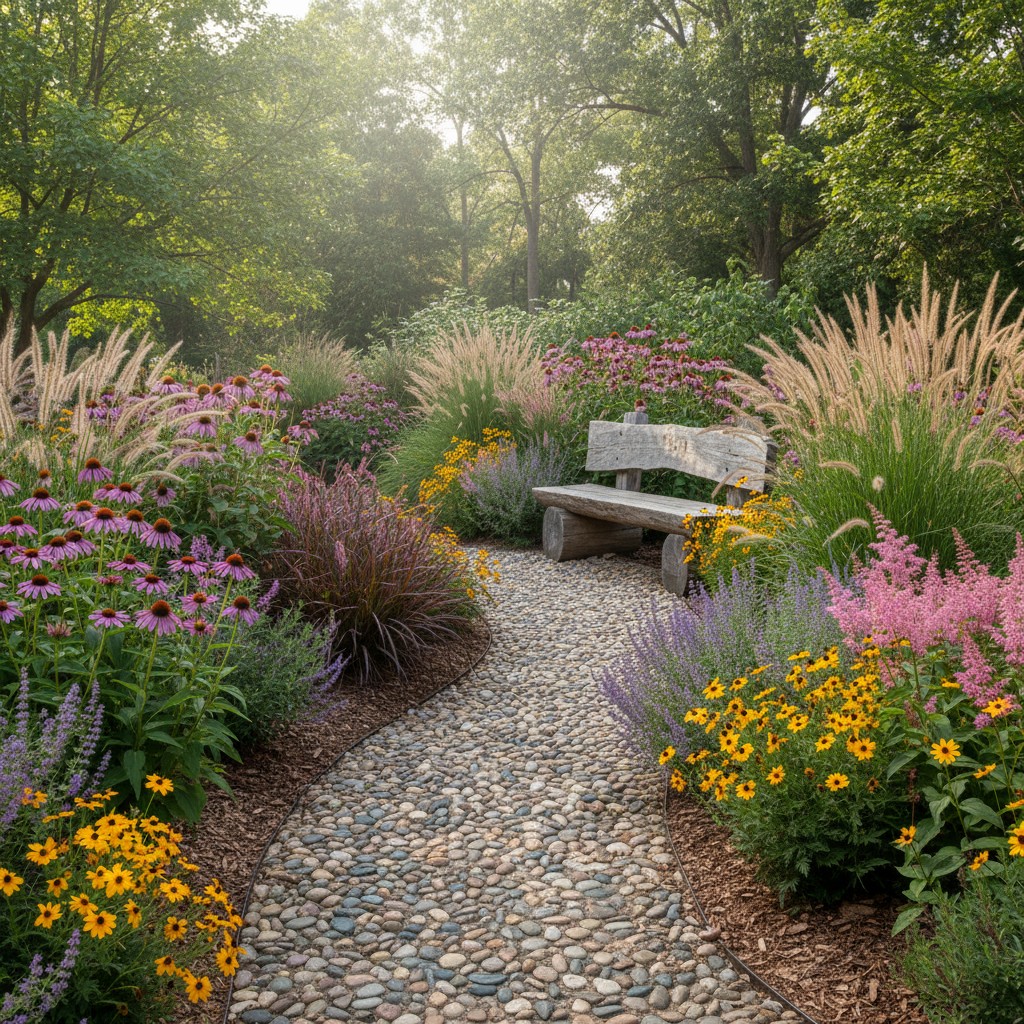
A well-designed gravel garden is overflowing with life. It’s a dense mix of flowering perennials, ornamental grasses, and herbs, all growing through a clean layer of decorative gravel that serves as a natural mulch. The gravel suppresses weeds, retains soil moisture underneath, and reflects heat away from roots. The result is a landscape that looks effortlessly beautiful while requiring a fraction of the water and labor of conventional flower beds. If you’ve been dreaming of a cottage garden aesthetic but don’t have the time or rainfall to maintain one, a gravel garden may be your perfect solution.
What Exactly Is a Gravel Garden?
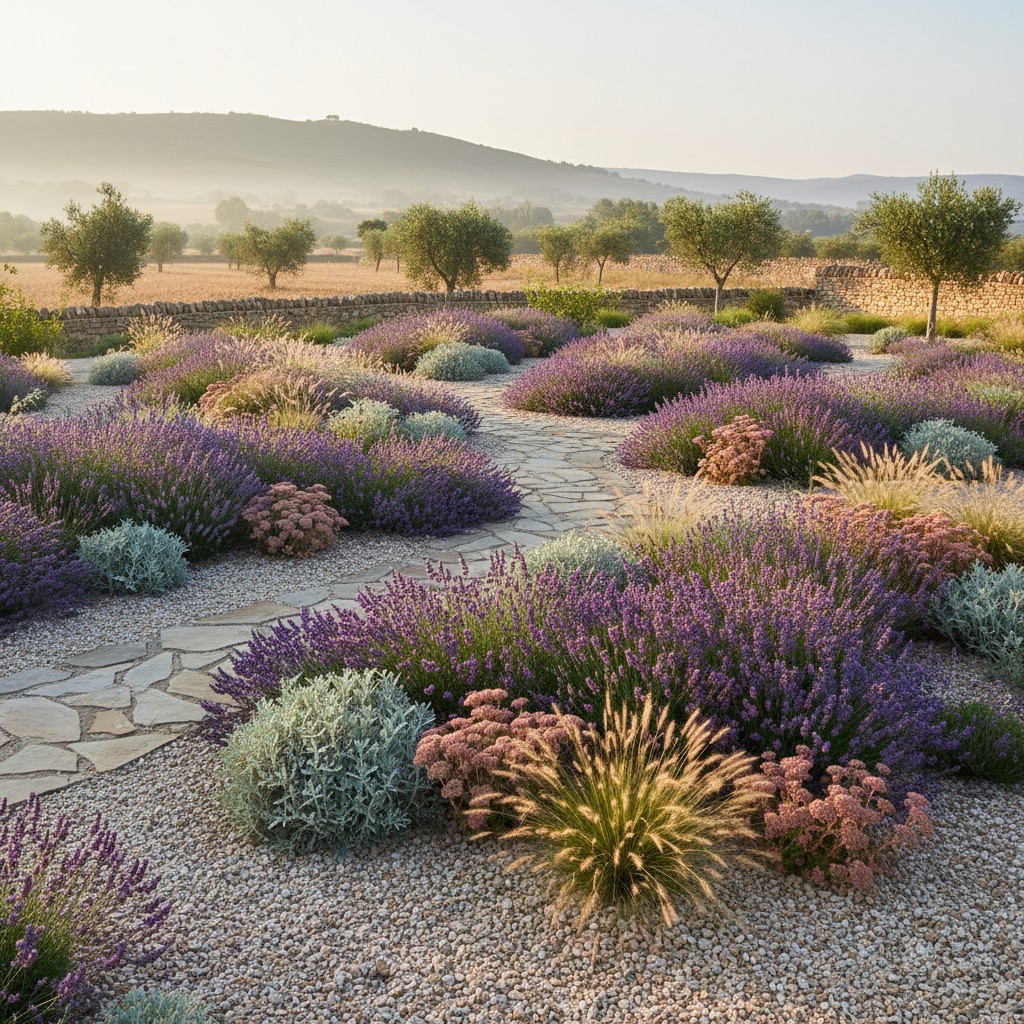
A gravel garden is a planting method where drought-tolerant perennials are grown through a 2–3 inch layer of decorative gravel spread directly over amended soil, no landscape fabric, no raised beds, no irrigation required. The concept was pioneered by legendary English gardener Beth Chatto in the early 1990s, her famous gravel garden was begun in 1991 and planted in 1992, when she transformed an abandoned parking lot into a thriving garden that received zero supplemental watering. Decades later, her gravel garden remains among the most celebrated plantings in the world.
The key distinction is that this is a plant-forward landscape. The gravel is the mulch, not the feature. When you look at a mature gravel garden, you see billowing clouds of lavender, spikes of salvia, swaying grasses, and carpets of creeping thyme, with the gravel playing a supporting role between and beneath the plants. It’s the visual opposite of the sterile rock-and-rubber-mulch landscapes that have given stone gardening a bad reputation.
According to the University of Minnesota Extension, inorganic mulches like gravel provide excellent weed suppression while allowing water and air to pass through to the soil, making them ideal for Mediterranean, prairie, and xeriscape-style plantings. Unlike organic mulch, gravel doesn’t decompose, doesn’t harbor slugs, and doesn’t need annual replenishing.
Why Are Gravel Gardens So Popular in 2026?
Gravel gardens have surged in popularity because they solve the three biggest problems home gardeners face simultaneously: water scarcity, time constraints, and the desire for year-round curb appeal. With water restrictions tightening across the western and southern United States, and municipal water costs climbing nationally, homeowners are looking for landscapes that don’t depend on irrigation systems or weekly sprinkler runs.
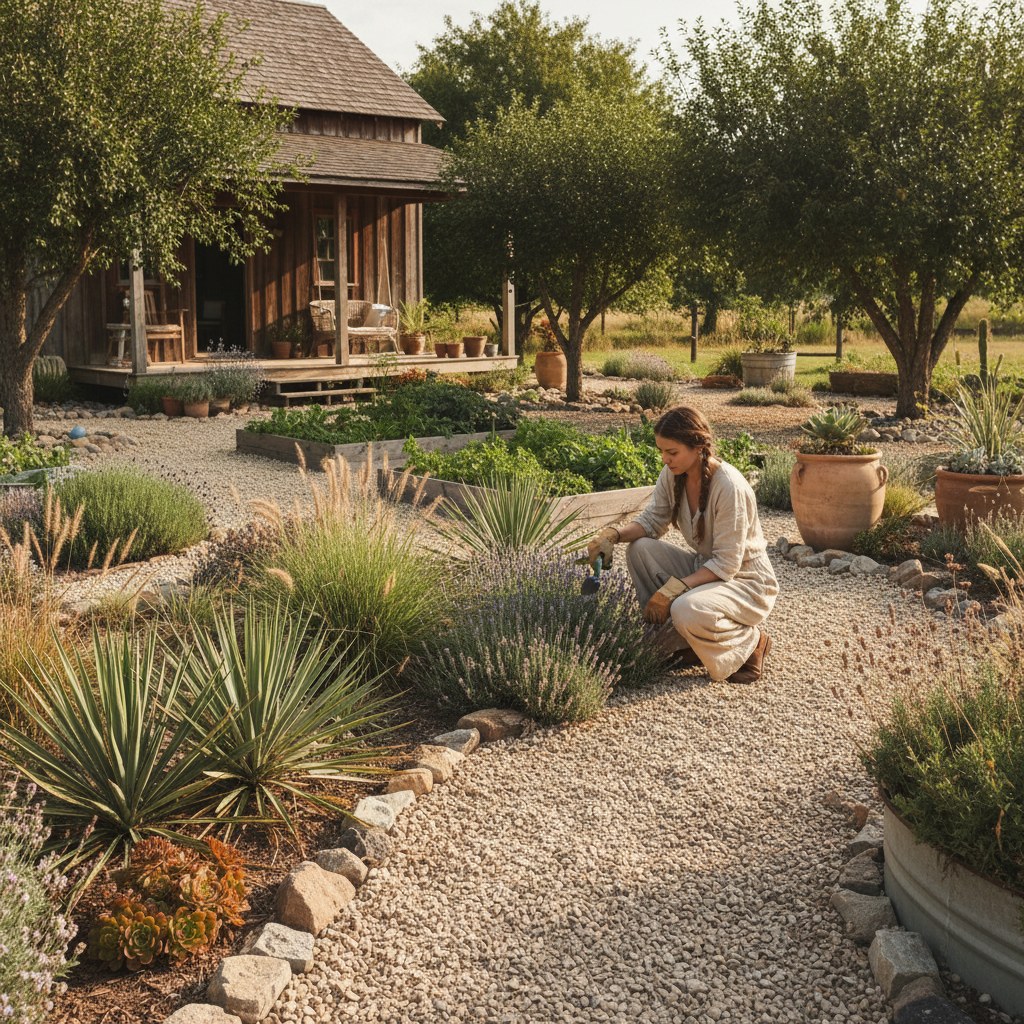
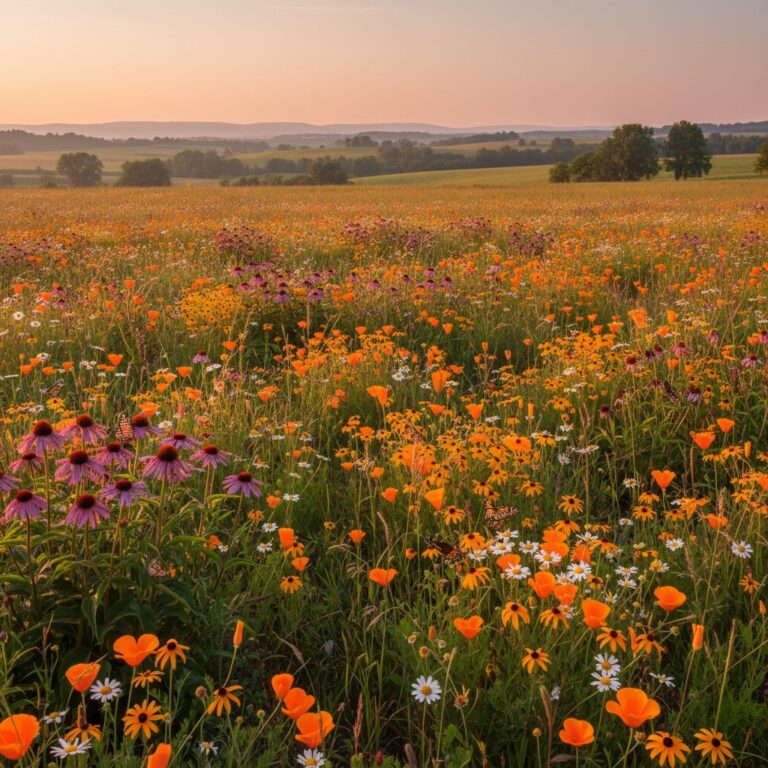
The trend is also being driven by a growing awareness of ecological gardening. Gravel gardens are inherently pollinator-friendly, since the plants that thrive in them, lavender, salvia, echinacea, yarrow, are also the plants that bees, butterflies, and beneficial insects love most. If you’ve already explored our guide to pollinator gardens, you’ll recognize many of the same species showing up here. A gravel garden is a pollinator garden with better drainage and less maintenance.
There’s also an undeniable aesthetic factor. The clean, structured look of gravel against naturalistic plantings has become the defining style of modern landscape design. It bridges the gap between formal and wild, contemporary and cottage. Designers like Piet Oudolf and Tom Stuart-Smith have championed gravel-based planting schemes in some of the world’s most celebrated public gardens, and homeowners want to bring that same feeling home.
How Do You Build a Gravel Garden Step by Step?
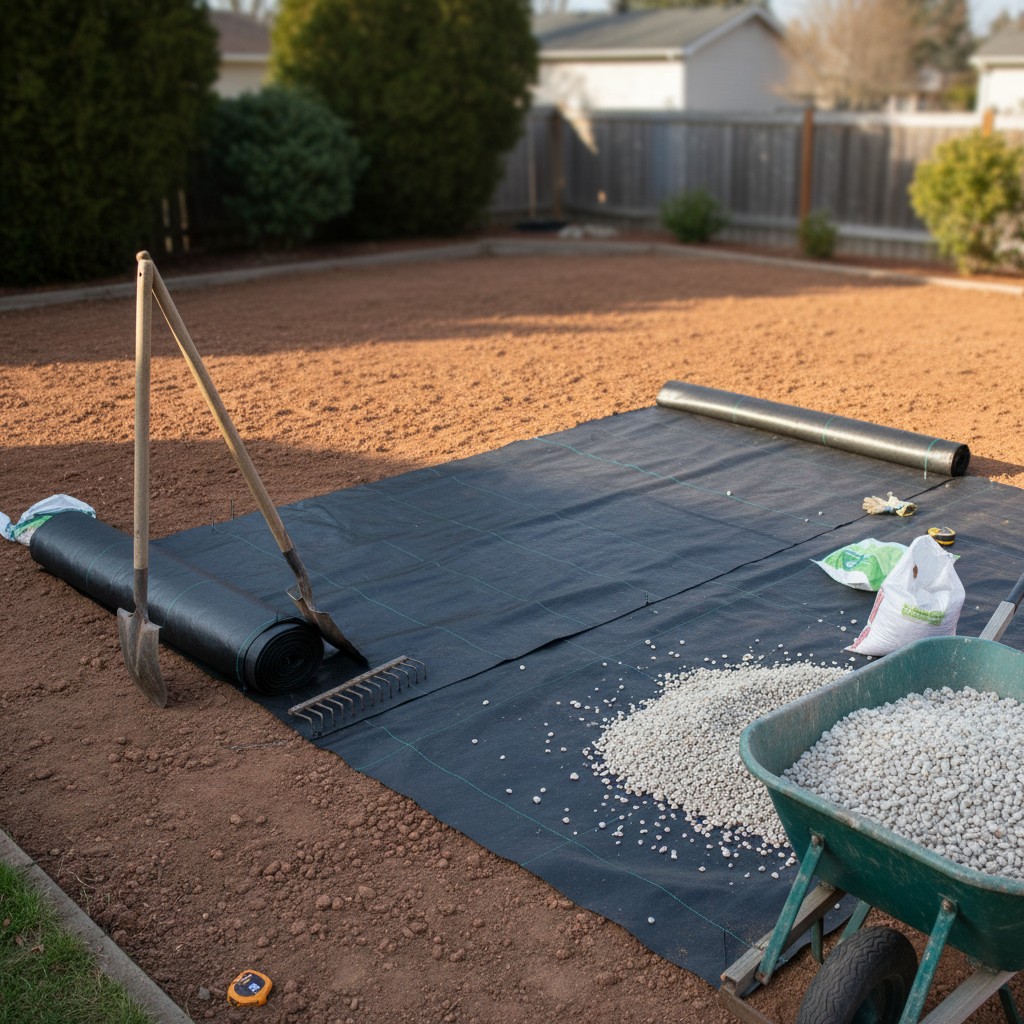
Building a gravel garden is surprisingly straightforward, the entire process can be completed in a single weekend for a typical residential bed, and the steps are forgiving enough for complete beginners. Here’s the method that professional landscape designers and extension services recommend:
Step 1: Choose and Prepare Your Site. Select a spot that receives at least 6 hours of full sun daily. Gravel gardens perform best on gently sloping or flat ground with naturally good drainage. If your soil is heavy clay, you’ll want to amend it before anything else, our guide to testing and amending your garden soil walks you through the process. Work in generous amounts of coarse sand, fine gravel, or compost to improve drainage. The goal is soil that water passes through readily, not soil that puddles.
Step 2: Remove Existing Vegetation. Strip away turf, weeds, and any existing mulch. You can smother the area with cardboard for 6–8 weeks beforehand, use a sod cutter for instant removal, or hand-dig if the area is small. Don’t rush this step, every perennial weed root left behind will become a future nuisance. If you’re converting a traditional lawn, this is also a great time to consider replacing other sections with a clover lawn for a fully low-maintenance property.
Step 3: Skip the Landscape Fabric. This is where most people go wrong. Landscape fabric under gravel creates more problems than it solves, it prevents plants from self-seeding (which is how gravel gardens fill in naturally), impedes soil organisms, and eventually breaks down into unsightly plastic fragments. Beth Chatto didn’t use it, and many horticulturists, including writers from the Royal Horticultural Society, now discourage landscape fabric beneath gravel because it blocks self-seeding, impedes soil life, and eventually degrades into plastic fragments. The gravel itself, at the proper depth, provides all the weed suppression you need.
Step 4: Install Edging. A clean edge is critical for keeping gravel contained. Steel or aluminum landscape edging works best, it’s nearly invisible and holds a crisp line for years. Sink it so the top sits flush with or slightly above the planned gravel level. This prevents gravel from migrating into adjacent lawns or pathways.
Step 5: Plant First, Gravel Second. Arrange your plants on the bare soil before adding any gravel. Space them closer together than you would in a traditional bed, 12 to 18 inches apart for most perennials. Gravel gardens look best when they’re densely planted, with mature foliage spilling over and softening the stone. Plant everything, water it in well, and then spread the gravel around (not over) the plant crowns.
Step 6: Spread 2–3 Inches of Gravel. This is the sweet spot recommended by the Oregon State University Extension. Less than 2 inches won’t adequately suppress weeds. More than 3 inches makes it difficult for self-sown seedlings to establish and can smother shallow-rooted plants. Spread the gravel evenly by hand around plant bases, keeping it pulled back slightly from woody stems to prevent moisture-related rot.
From Our Homestead: When we built our gravel garden, we made the mistake of buying pea gravel that was too uniform and round, it migrated constantly and was miserable to walk on. We ripped it out after one season and replaced it with angular decomposed granite. The angular edges lock together, stay put beautifully, and the warm honey-gold color looks incredible against the purple of our lavender and the silver-green of lamb’s ear. Lesson learned: shape matters as much as size.
What Are the Best Plants for a Gravel Garden?
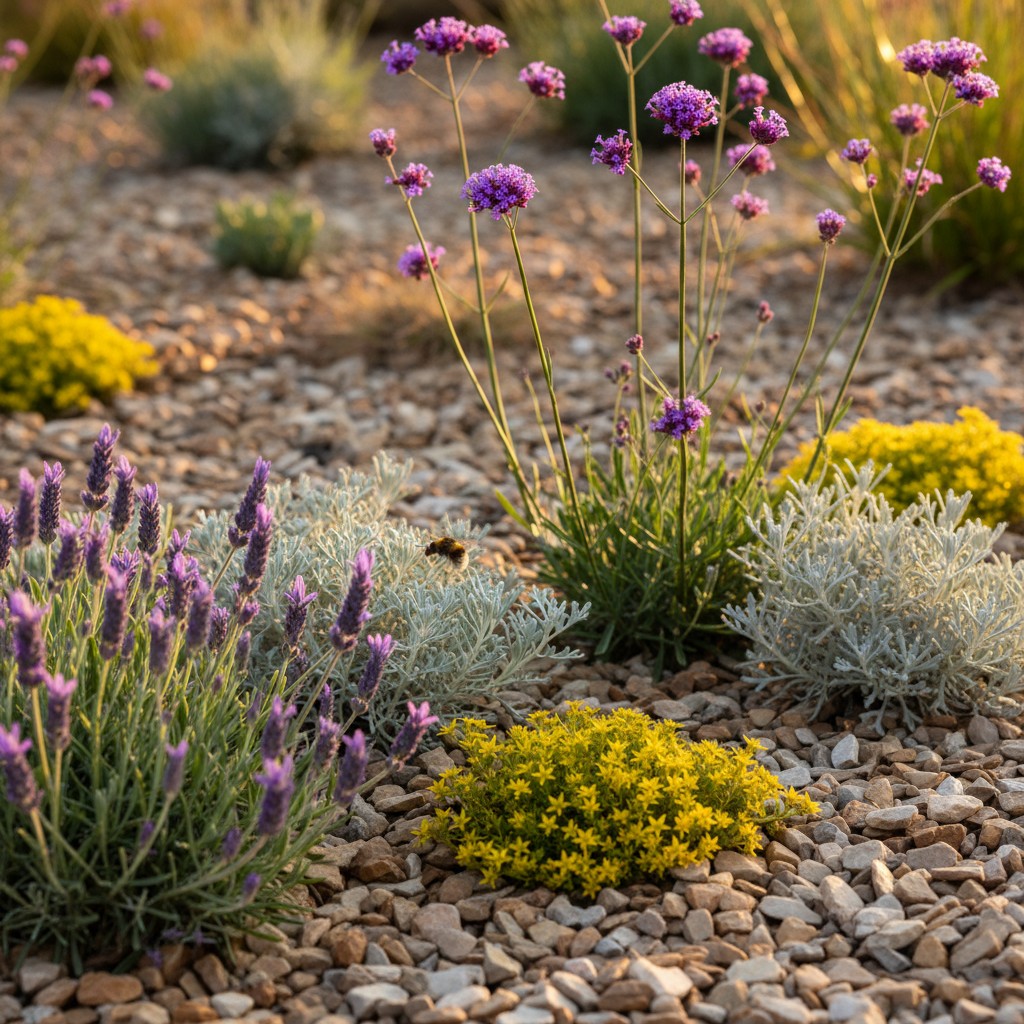
The best gravel garden plants share three traits: they’re drought-tolerant once established, they thrive in lean or well-drained soil, and they look stunning when surrounded by stone. The following species are the backbone of nearly every successful gravel garden in the United States:
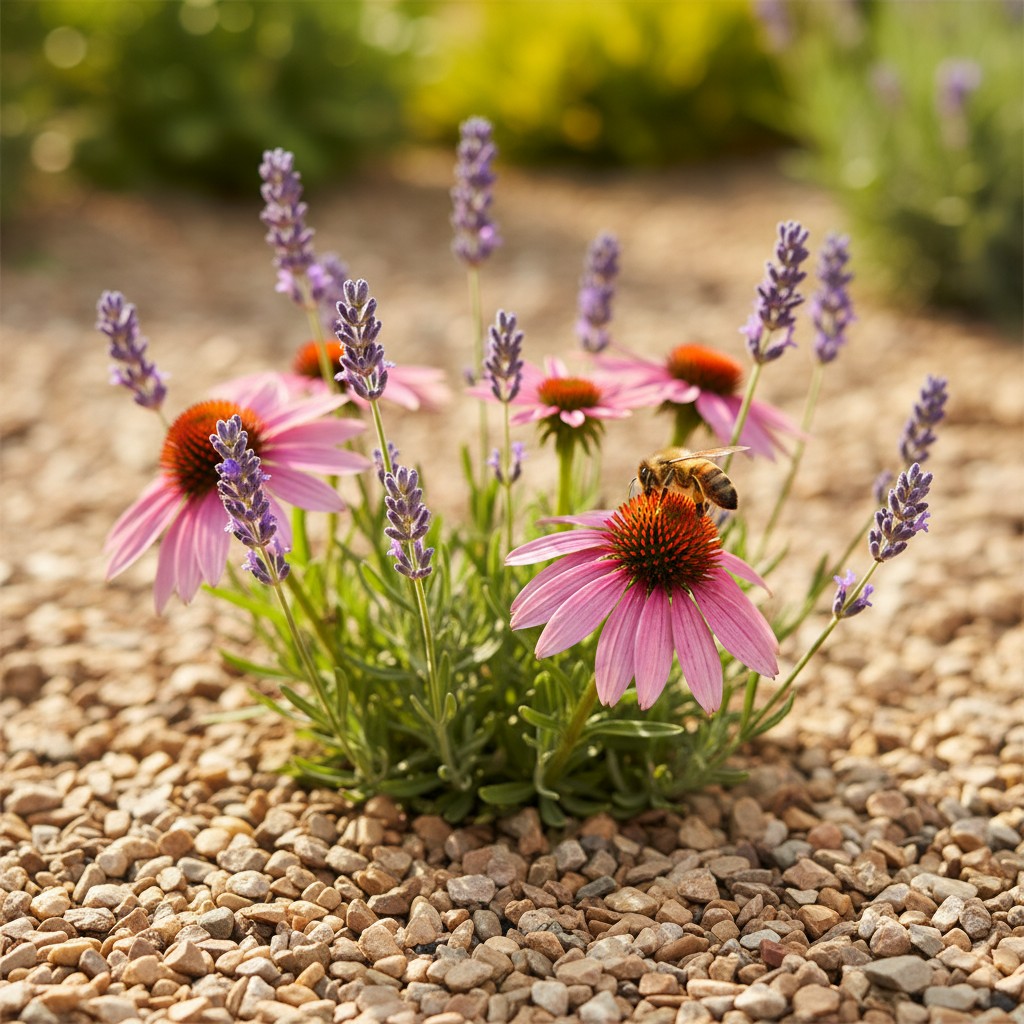
Lavender (Lavandula angustifolia). The undisputed queen of the gravel garden. Lavender demands excellent drainage, hates wet feet, and produces its most fragrant, prolific blooms when grown lean. It’s a magnet for bees and butterflies, and the silvery foliage provides year-round structure. If you’re new to growing it, check out our complete guide to growing lavender for varietal recommendations and pruning tips. Zones 5–9.
Salvia (Salvia nemorosa). Upright spikes of violet-blue flowers from late spring through fall, especially if deadheaded. Extremely heat-tolerant, unbothered by poor soil, and irresistible to hummingbirds. ‘Caradonna’ and ‘May Night‘ are the most popular cultivars for gravel gardens. Zones 4–9.
Echinacea (Echinacea purpurea). Native coneflowers bring bold color and ecological value. They’re deep-rooted, heat-loving, and the dried seed heads feed goldfinches through winter. Modern hybrids come in orange, yellow, white, and red, but the classic pink-purple species is still the hardiest. Zones 3–9.
Ornamental Grasses. Mexican feather grass (Nassella tenuissima), blue fescue (Festuca glauca), and prairie dropseed (Sporobolus heterolepis) all look spectacular in gravel. Warning for western US gardeners: Nassella tenuissima is listed as an emerging invasive by the California Invasive Plant Council (Cal-IPC) and is discouraged by PlantRight. If you garden in California, Arizona, or Oregon, choose a non-invasive alternative such as blue oat grass (Helictotrichon sempervirens), blue grama (Bouteloua gracilis), or pink muhly grass (Muhlenbergia capillaris). They provide movement, texture, and winter interest when everything else has died back. According to the USDA Natural Resources Conservation Service, native grasses also support important soil health functions and provide habitat for ground-nesting insects. Zones vary, 3–10.
Creeping Thyme (Thymus serpyllum). A living carpet that fills the gaps between gravel and larger plants. When stepped on, it releases a cloud of fragrance. Tiny flowers in pink and purple attract a remarkable number of pollinators relative to the plant’s size. It handles foot traffic well and softens hard edges beautifully. Zones 4–9.
Sedum (Sedum spp.). From low-growing ‘Dragon’s Blood’ to tall ‘Autumn Joy,’ sedums are the ultimate gravel garden workhorses. They store water in their succulent leaves, bloom when little else does in late summer and fall, and require literally zero supplemental water once established. Zones 3–10.
Yarrow (Achillea millefolium). Flat-topped flower clusters in white, yellow, pink, and red that bloom for months. Yarrow is practically indestructible in well-drained soil and is one of the best plants for beneficial insects, providing a landing pad for tiny parasitic wasps that control garden pests. Zones 3–9.
Other excellent choices include catmint (Nepeta), Russian sage (Perovskia), lamb’s ear (Stachys byzantina), alliums, agastache, and Mediterranean herbs like rosemary and oregano. The general rule: if it comes from a place with dry summers, rocky soil, or prairie conditions, it will probably love your gravel garden.
What Type of Gravel Should You Use?
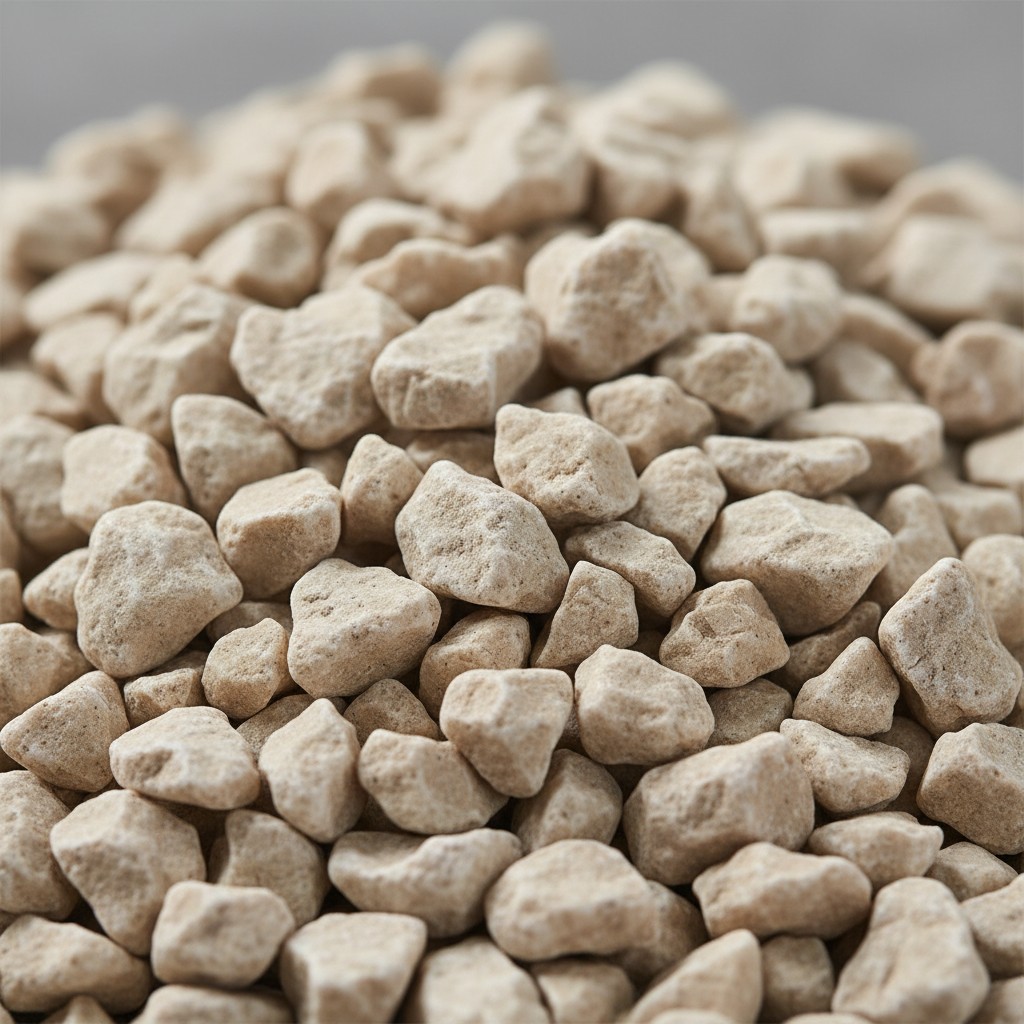
The type and size of gravel you choose dramatically affects both the look and function of your garden, and this is among the most common areas where beginners make costly mistakes. Here’s a comparison of the three most popular options:
| Feature | Pea Gravel | Decomposed Granite | River Rock |
|---|---|---|---|
| Size | 3/8 inch (rounded) | 1/4 inch or finer (angular) | 1–3 inches (rounded) |
| Stability | Poor: shifts and migrates | Excellent: locks in place | Moderate: heavy but shifts |
| Weed Suppression | Good at 2–3 inches | Excellent: compacts slightly | Fair: gaps allow weeds |
| Self-Seeding | Easy for seedlings | Good for seedlings | Difficult, too large |
| Walkability | Uncomfortable | Comfortable and firm | Uncomfortable and uneven |
| Cost (per ton) | $30–$60 | $40–$80 | $80–$200 |
| Best For | Contained beds with edging | Whole-garden use, paths | Accent areas, dry creek beds |
For most gravel gardens, decomposed granite in the 1/4-inch range is the gold standard. Its angular particles interlock to create a stable, walkable surface that still allows water infiltration and plant self-seeding. It comes in beautiful natural tones, warm golds, tans, grays, and rusty reds, that complement almost any planting palette. Pea gravel is the most affordable and widely available option, but budget for quality steel edging to keep it contained. River rock is best reserved for accent features like dry creek beds or transitions rather than the main garden surface.
A quick sizing note: one ton of gravel covers approximately 100 square feet at a 2-inch depth. For a 200-square-foot gravel garden, plan to order 2 tons. Always buy locally sourced gravel when possible, it’s cheaper (no long-haul shipping costs), better for the environment, and tends to blend naturally with your regional landscape.
How Much Water Do Gravel Gardens Actually Save?
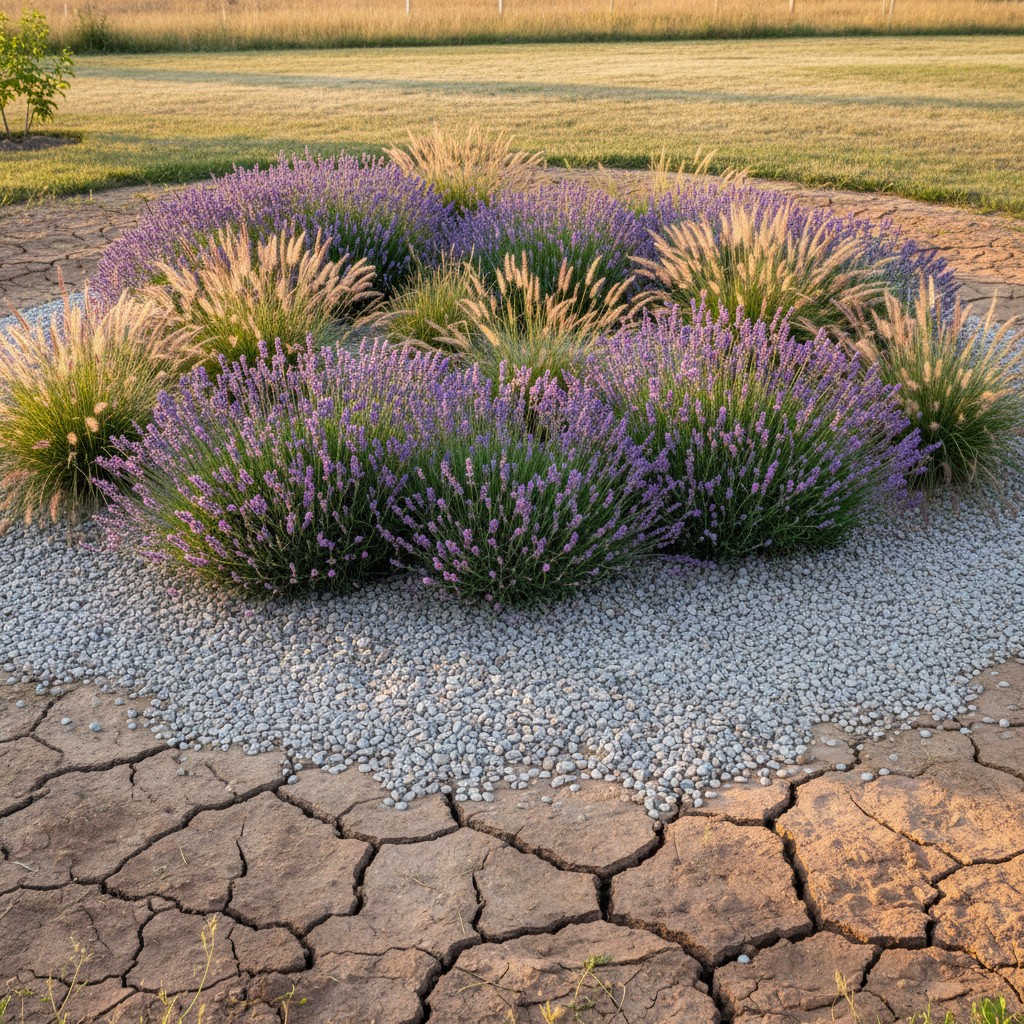
Gravel gardens can dramatically reduce irrigation needs once established, and many mature gravel gardens require zero supplemental irrigation outside of the first growing season. This isn’t just anecdotal, it’s backed by decades of evidence starting with Beth Chatto’s garden, which has survived severe droughts with no irrigation since it was planted in 1992.
The water savings come from two mechanisms working together. First, the gravel layer acts as a mulch that dramatically reduces evaporation from the soil surface. The Colorado State University Extension reports that mulching can reduce soil moisture loss by up to 70%. Second, the plants themselves are selected specifically for their ability to thrive on natural rainfall. Deep-rooted species like lavender, echinacea, and yarrow access moisture far below the surface that shallow-rooted annuals and turf grasses can’t reach.
To put this in practical terms: landscape irrigation accounts for nearly one-third of residential water use in the United States, and the EPA WaterSense program estimates the average American family can save about 9,000 gallons of water per year through more efficient outdoor water use. Converting even a portion of your landscaping to gravel gardening can cut your outdoor water consumption significantly, saving money annually and reducing strain on municipal water systems during peak summer months.
How Does Maintenance Compare to a Traditional Garden?
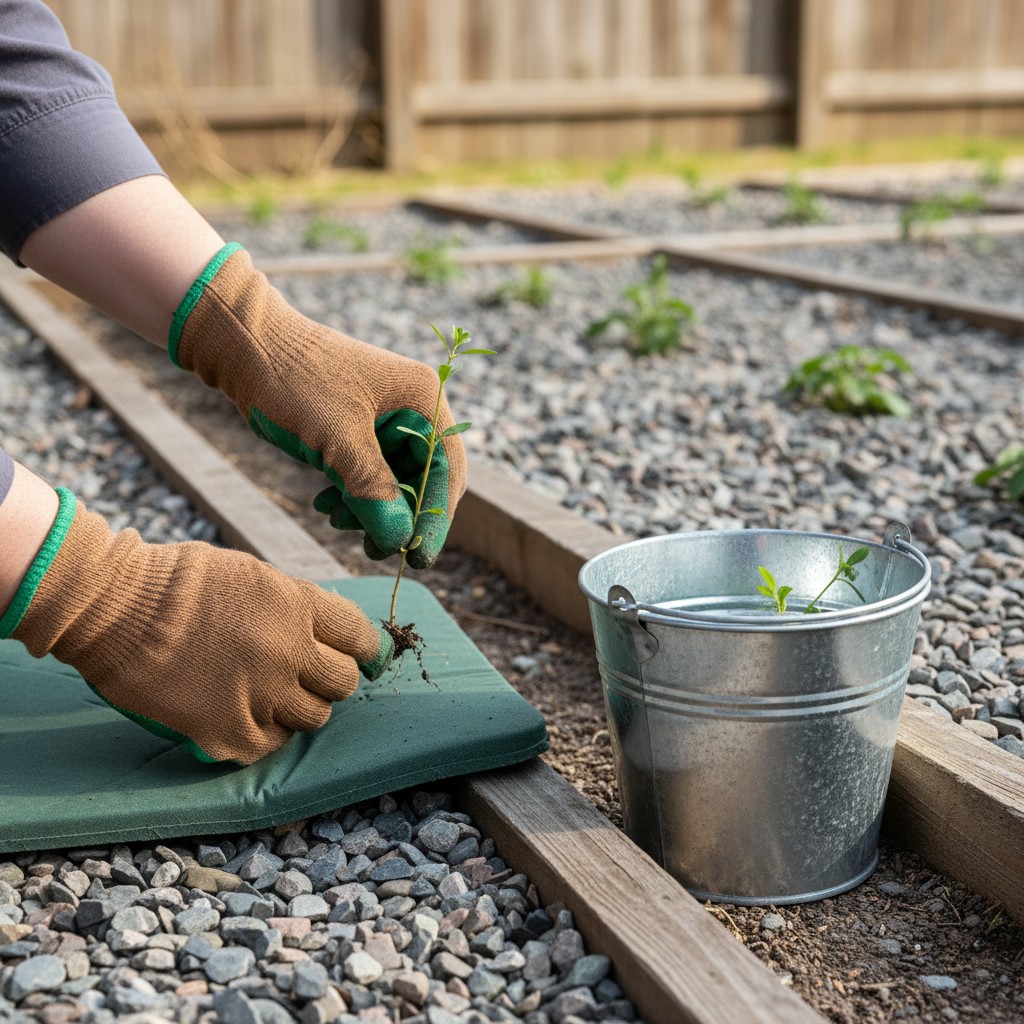
Gravel garden maintenance is roughly one-third the time and effort of a comparable traditional garden bed, with no mulch replacement, minimal weeding, and no irrigation system to manage. Here’s what your actual maintenance calendar looks like:
Spring: Cut back ornamental grasses and any remaining perennial stalks left for winter interest. Pull any winter-germinated weed seedlings while they’re small, in a well-established gravel garden, this takes minutes, not hours. Inspect edging and top off gravel in any thin spots (rare after the first year).
Summer: Deadhead spent flowers to encourage reblooming on plants like salvia, echinacea, and yarrow. Water newly planted additions during their first season only. Keep an eye on any plants that are self-seeding too aggressively, some gravel garden plants, like Mexican feather grass, can be enthusiastic seeders. Simply pull unwanted seedlings while small.
Fall: Leave seed heads standing for winter bird food and visual interest. This is the best time to add new plants to the garden, since fall planting gives roots time to establish before summer heat. Divide any perennials that have outgrown their space.
Winter: Nothing. Seriously. The dried stems and grasses look beautiful covered in frost, and the gravel is unbothered by freeze-thaw cycles. This is the season where gravel garden owners fully appreciate what they’ve built while their neighbors are still scheduling spring mulch deliveries.
Do Gravel Gardens Really Support Pollinators?
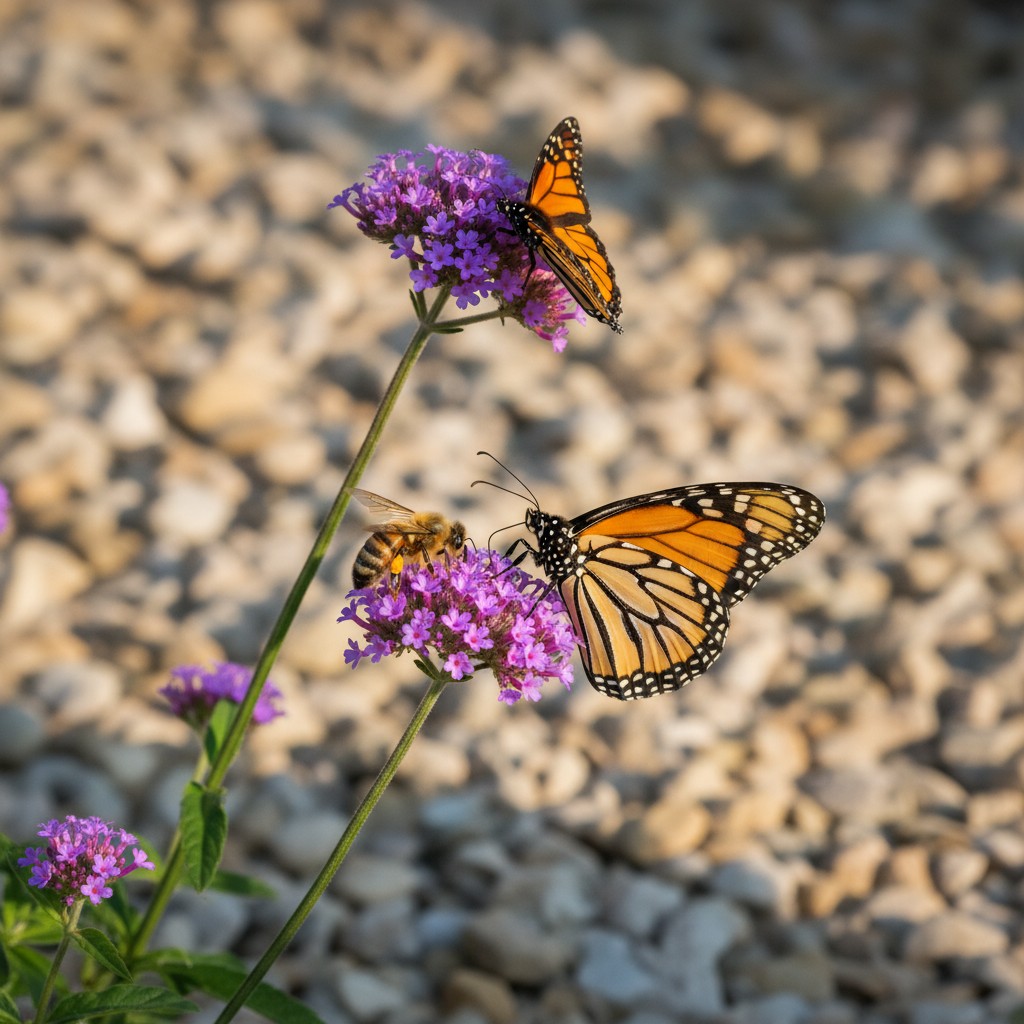
Gravel gardens are among the most pollinator-supportive landscapes you can create, providing food, shelter, and nesting habitat for bees, butterflies, and beneficial insects from early spring through late fall. The reason is simple: nearly every plant that thrives in a gravel garden is also a pollinator powerhouse. Lavender, salvia, thyme, catmint, echinacea, yarrow, and sedum are all top-tier nectar and pollen sources as documented by the Xerces Society for Invertebrate Conservation.
But gravel gardens offer something that traditional gardens often don’t, nesting habitat. Approximately 70% of native bee species are ground-nesting, and they need patches of bare, well-drained soil to dig their burrows. The thin gravel layer over open soil in a gravel garden is ideal nesting substrate for these critical pollinators. Solitary bees like mason bees and mining bees thrive in these conditions. The sun-warmed gravel also provides basking spots for butterflies and beneficial insects that need warmth to become active.
If you want to maximize the pollinator value of your gravel garden, aim for continuous bloom from March through October by selecting plants with overlapping flower periods. Our pollinator garden guide has detailed bloom charts that work perfectly for gravel garden planning. Add a shallow dish of water with pebbles for a bee drinking station, and leave those seed heads standing through winter, many solitary bees overwinter in hollow stems.
Will a Gravel Garden Work in My Climate?
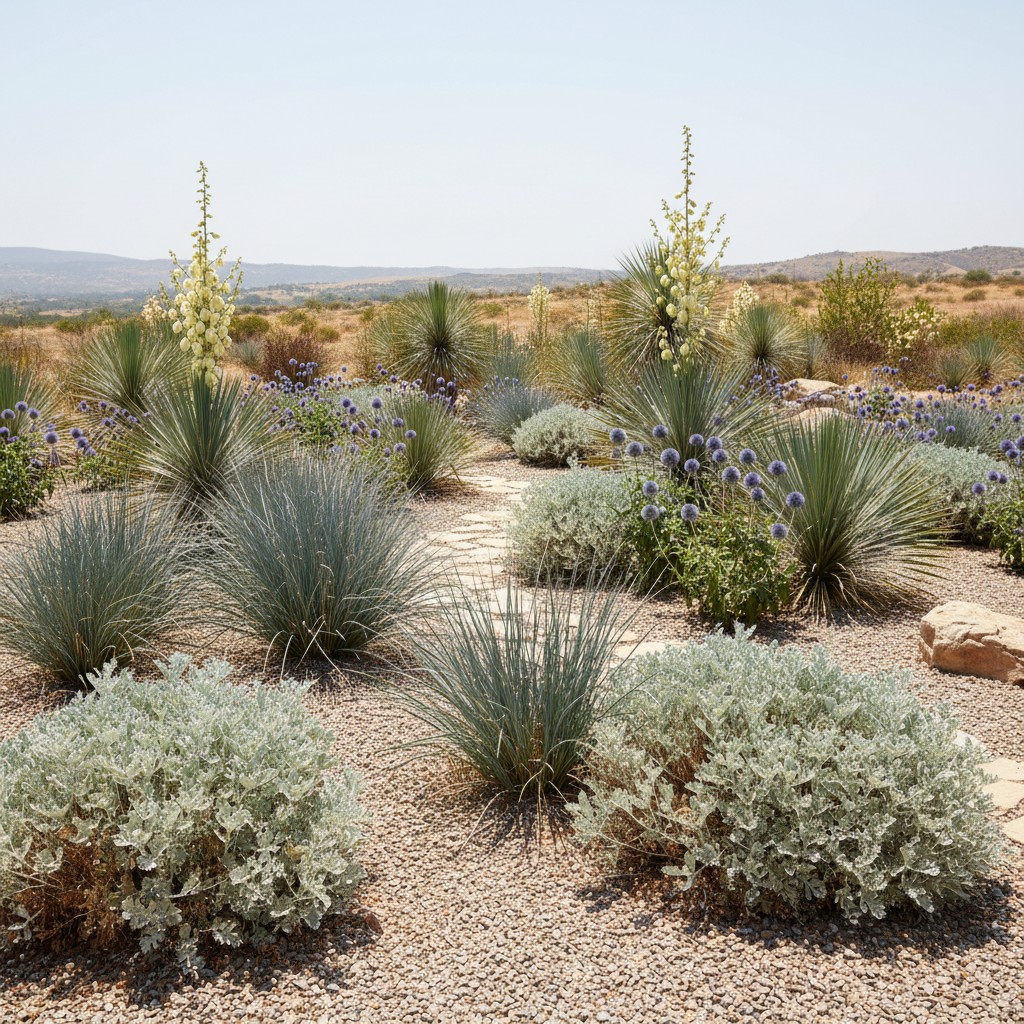
Gravel gardens are remarkably adaptable and work successfully in USDA zones 3 through 10, the trick is selecting plants appropriate for your specific zone and adjusting the gravel type for your climate. This isn’t a technique limited to dry western states. Some of the most celebrated gravel gardens in the world are in rainy England.
Hot and dry climates (zones 7–10, Southwest and West): This is gravel gardening’s native territory. Lean into true Mediterranean plants, lavender, rosemary, artemisia, agave, and penstemon. Use lighter-colored gravel to reflect heat rather than absorb it. In desert regions, you can let the gravel do more of the visual work with wider plant spacing and dramatic specimen plants.
Cold climates (zones 3–5, Upper Midwest and Northeast): Absolutely viable. Focus on cold-hardy native perennials, echinacea, yarrow, little bluestem grass, prairie dropseed, aster, and baptisia. These are all deeply cold-tolerant and naturally evolved for well-drained, lean soils. The gravel actually protects plant crowns from ice damage and reduces freeze-thaw heaving.
Humid climates (zones 6–9, Southeast): This is where plant selection matters most. Avoid plants that are susceptible to fungal issues in humidity (English lavender struggles here, use French lavender or rosemary instead). Prioritize native plants adapted to your regional heat and humidity: coreopsis, rudbeckia, muhly grass, lantana, and native salvias. Ensure your soil drainage is excellent before planting, as heavy rains combined with poor drainage will rot drought-tolerant plants.
Moderate climates (zones 5–7, Mid-Atlantic and Pacific Northwest): You have the widest plant palette available. Nearly every gravel garden plant grows well in these zones. Take advantage by creating dense, layered plantings that combine Mediterranean species with native prairie plants for a lush, diverse garden that blooms from spring through hard frost.
From Our Homestead: We’re in zone 6b, and our gravel garden handles everything our unpredictable climate throws at it, ice storms, summer droughts, torrential spring rains. The only plants we’ve lost were ones we planted too deeply in gravel that held moisture against their crowns. The fix was simple: pull gravel back 2 inches from woody stems and let the crown breathe. Three years in, our gravel garden is the lowest-maintenance, highest-compliment section of our entire property.
What Are the Most Common Gravel Garden Mistakes?
The five most common gravel garden mistakes are all easily avoidable, and knowing them in advance will save you time, money, and frustration in your first year.
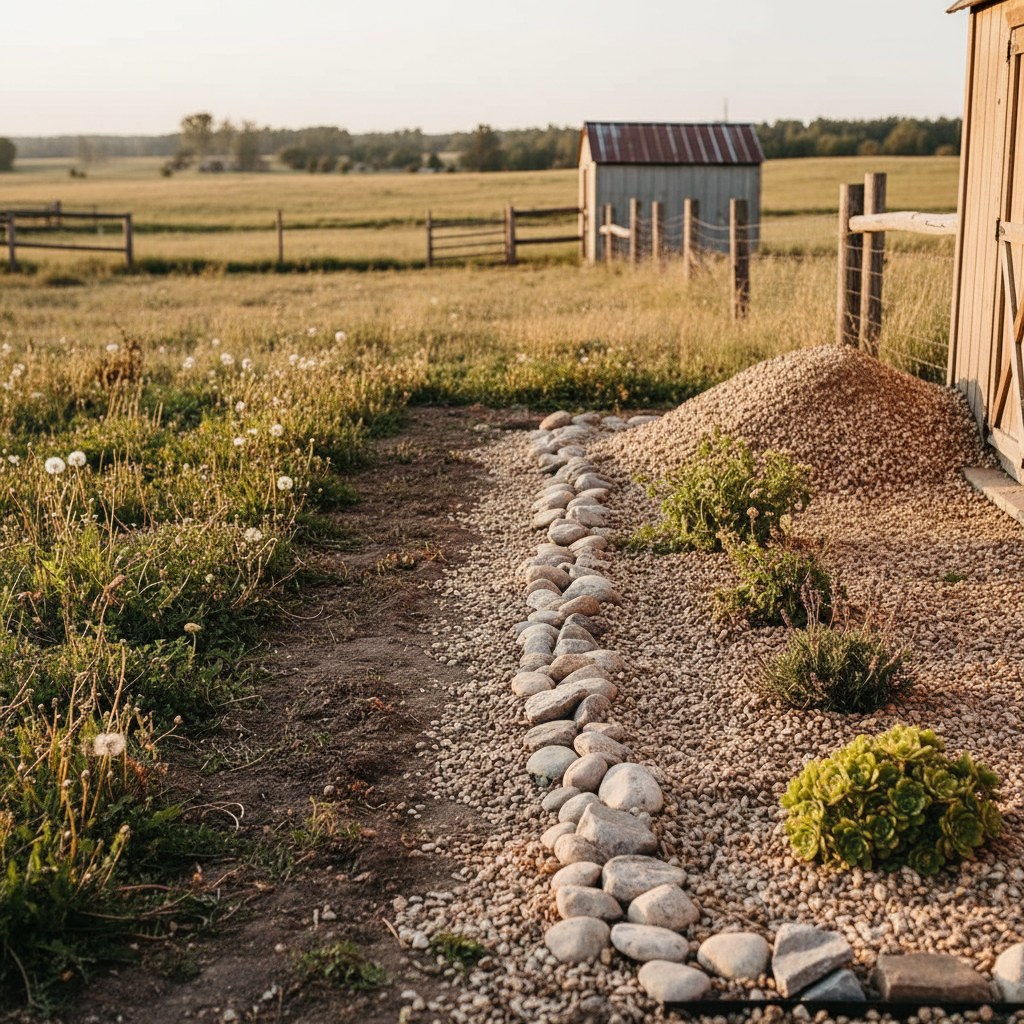
Mistake 1: Using landscape fabric. We mentioned this above, but it bears repeating because it’s the single most common error. Fabric creates a barrier that prevents the natural soil-plant-gravel ecosystem from functioning. Weeds eventually grow on top of the fabric in accumulated debris, and you’re left with a plastic layer that’s nearly impossible to remove without destroying the garden.
Mistake 2: Choosing the wrong plants. Moisture-loving perennials like hostas, astilbe, and ligularia will suffer and die in a gravel garden’s lean, well-drained conditions. Stick to plants that are described as drought-tolerant, Mediterranean, or prairie-adapted. If a plant tag says “prefers moist, rich soil,” it doesn’t belong in your gravel bed.
Mistake 3: Planting too sparsely. A common fear is overcrowding, but gravel gardens look best when densely planted. Leave 12–18 inches between perennials and expect them to grow together within two seasons. The gravel is a supporting element, not the star, if you can see more stone than plant in the second year, add more plants.
Mistake 4: Spreading gravel too thick. More than 3 inches of gravel smothers shallow-rooted plants and prevents the self-seeding that gives gravel gardens their natural, effortless look. Measure as you go, 2 to 3 inches is the target, and less is better than more.
Mistake 5: Ignoring edging. Without proper edging, gravel migrates into lawns, pathways, and driveways. This is annoying at best and a safety hazard on hard surfaces at worst. Install steel, aluminum, or stone edging before adding a single handful of gravel.
Frequently Asked Questions
Do gravel gardens attract snakes?
Gravel gardens are no more likely to attract snakes than any other garden. In fact, the open, exposed nature of gravel mulch provides fewer hiding spots than dense organic mulch, brush piles, or overgrown ground cover. Snakes prefer thick ground cover and sheltered areas. A well-maintained gravel garden with clear sightlines is actually less appealing to snakes than a traditional mulched bed.
How much does a gravel garden cost to install?
For a 200-square-foot garden, expect to spend approximately $150–$250 on gravel (2 tons), $50–$100 on steel edging, and $100–$300 on plants depending on species and size. Total DIY cost runs between $300 and $650, significantly less than a comparable traditional perennial garden that would require annual mulch, irrigation supplies, and more plants to fill the same space. The gravel garden also costs far less to maintain over time, since there’s no annual mulch replacement or irrigation expense.
Can I convert an existing garden bed into a gravel garden?
Absolutely: this is actually one of the easiest ways to start. Remove any existing mulch, pull out moisture-loving plants that won’t thrive in drier conditions, and amend heavy soil with coarse sand or fine gravel to improve drainage. Keep any existing drought-tolerant plants in place, add new gravel-appropriate species to fill gaps, and spread 2–3 inches of gravel over the entire bed. An existing bed often has the advantage of already having defined edges and established soil biology.
Will gravel make my yard hotter?
Light-colored gravel actually reflects more solar radiation than dark organic mulch, keeping soil temperatures more moderate. Dark gravel or river rock can absorb and radiate significant heat, so in hot climates, choose tan, gold, or light gray stone. The plants themselves provide shade as they mature, further moderating temperatures. Studies from the University of Arizona Extension confirm that well-designed xeriscape plantings with inorganic mulch maintain cooler microclimates than bare rock or dark-mulched landscapes.
Do I need to water a gravel garden at all?
During the first growing season, yes, water new plants deeply once a week to help them establish root systems. After the first year, most gravel garden plants in zones 5–8 will survive entirely on natural rainfall. In extremely hot or arid climates (zones 9–10 with less than 15 inches of annual rainfall), occasional deep watering during extended droughts may be needed, but even this amounts to a fraction of what a traditional garden or lawn would require.
Can I grow vegetables in a gravel garden?
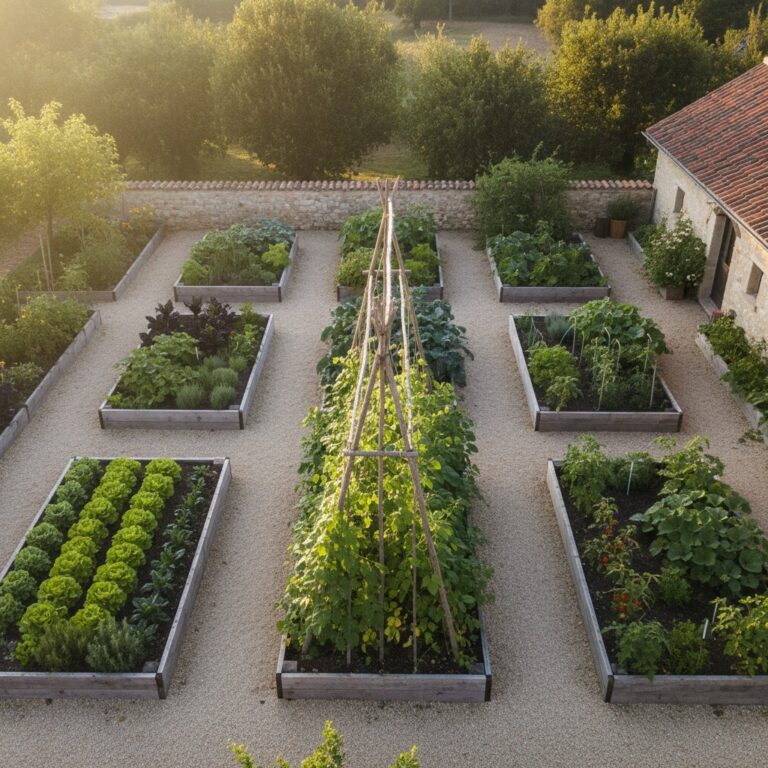
Gravel gardens are designed for ornamental drought-tolerant perennials and aren’t ideal for most vegetables, which typically need richer soil and more consistent moisture. However, Mediterranean herbs like rosemary, thyme, oregano, and sage thrive in gravel garden conditions and can bridge the gap between ornamental and edible gardening. If you want both, consider a gravel garden for your front landscape and traditional raised beds with rich compost-amended soil for your vegetable production area.
Is a gravel garden the same as xeriscaping?
A gravel garden is one technique within the broader practice of xeriscaping (water-wise landscaping), but they’re not synonymous. Xeriscaping encompasses seven principles including planning, soil improvement, efficient irrigation, and appropriate plant selection. A gravel garden applies many of these principles but is specifically defined by the use of decorative gravel as a surface mulch with dense perennial planting. You can have a xeriscape without gravel, and you can have a gravel garden in a climate that isn’t typically associated with xeriscaping, like the Pacific Northwest or New England.